8 Plants You Should Avoid Bringing Indoors
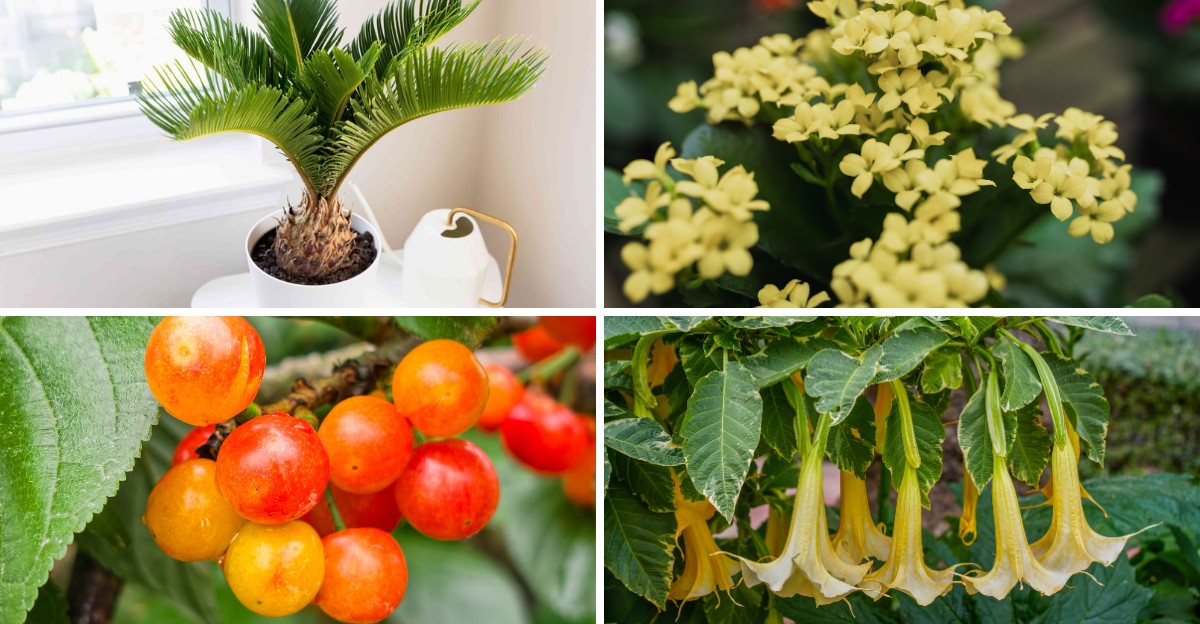
One popular nursery plant called a palm is actually an ancient cycad, and its seeds can seriously harm dogs. Another shelf favorite earned a rude nickname because chewing its leaves can make your tongue swell and make speaking painful.
I have to admit, I once filled my windowsills with pretty foliage without checking a single plant tag. Garden centers rarely post warnings, so shoppers often carry home beauties that hide irritating sap or toxic seeds.
You need to know that some of these plants look harmless in a pot, yet they hide toxins that can seriously harm cats, dogs, and children. Even a small nibble from a curious pet can turn a pretty centerpiece into an emergency vet visit.
Personally, I believe a smart houseplant collection starts with knowing which pretty faces belong outside or nowhere near pets. So which leafy troublemakers might already be sitting quietly on your kitchen counter or bedroom shelf?
1. Oleander
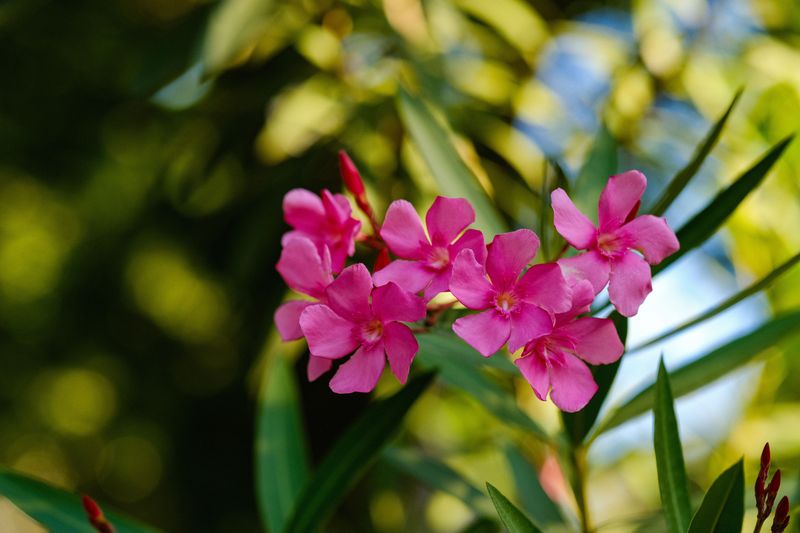
Oleander blooms smell sweet and look like a beach vacation, yet every part of this shrub contains heart-affecting toxins. I love its pink flowers outdoors, but bringing a potted one inside puts that toxic foliage within easy reach.
The leaves hold compounds called cardiac glycosides, which can disrupt heart rhythm when people or pets swallow them. Even dried leaves keep their toxins, so fallen foliage on a living room floor still poses a real risk.
Curious cats and teething puppies are the biggest worry, since they chew first and ask questions later. Small children explore with their mouths too, and a bright flower can look like candy to them.
The sap can also irritate sensitive skin, so wear gloves whenever you prune or repot this shrub. Wash your hands afterward, and keep cuttings out of compost piles that kids or animals might dig through.
Oleander thrives outdoors in USDA zones 8 through 10, where it handles heat and drought with impressive toughness. Gardeners in colder regions sometimes overwinter it indoors, and bringing it inside puts it within reach of pets and children.
If you must bring one inside for winter, park it in a room that pets and kids cannot enter. A bright garage or enclosed porch works well, as long as temperatures stay above freezing during cold nights.
Avoid burning the trimmings either, because the smoke from oleander wood can irritate lungs and carry toxins. Bag the clippings for trash pickup instead, and enjoy those cheerful blooms from a safe outdoor distance.
2. Castor Bean
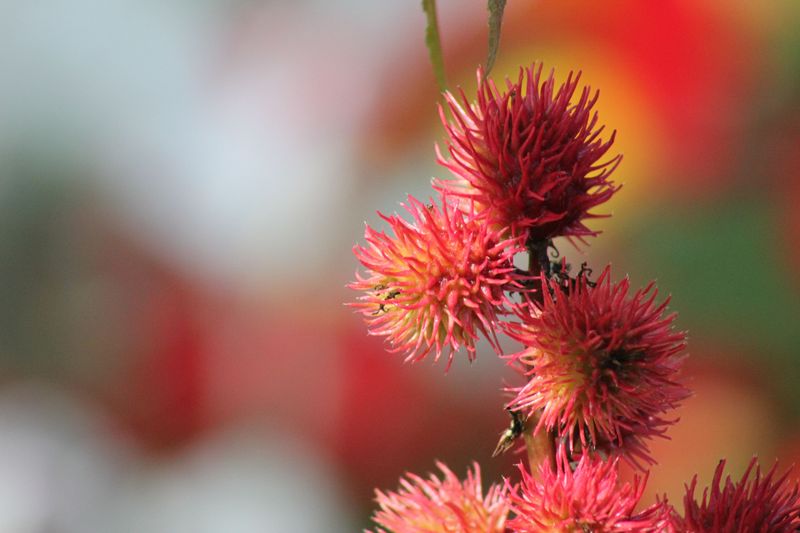
Castor bean seeds look like shiny, speckled jewels, but they hide ricin, one of nature’s most potent toxins. I have to admit, the bold maroon leaves are stunning, which makes this plant extra sneaky in a home.
Ricin is concentrated in the seeds, and chewing just a few can cause severe illness in people and pets. Swallowed whole seeds may pass through without much harm, yet nobody should gamble with that kind of luck.
Spiky seed capsules form after flowering, and they split open to scatter seeds across nearby floors or soil. Indoors, a single dropped seed could roll under furniture where a crawling toddler or puppy finds it later.
Handling the leaves can trigger itchy rashes for sensitive people, so gloves are a smart choice during any contact. Some folks also report allergy symptoms from the pollen, which adds another reason to keep this plant away.
This fast grower can shoot up several feet in one season, quickly outgrowing pots and crowding cozy rooms. It behaves as an annual in cold climates but becomes a large shrub in frost-free tropical regions.
Castor bean has escaped cultivation in warm areas such as Florida and Hawaii, where it crowds out native plants. Please skip planting it, and choose a dramatic but safer tropical look such as a dwarf banana plant.
If one already grows nearby, pull it before the seed pods ripen and bag every piece for trash. Your pets will stay safer, and local wildlife habitats will thank you for that small but helpful effort.
3. Dieffenbachia
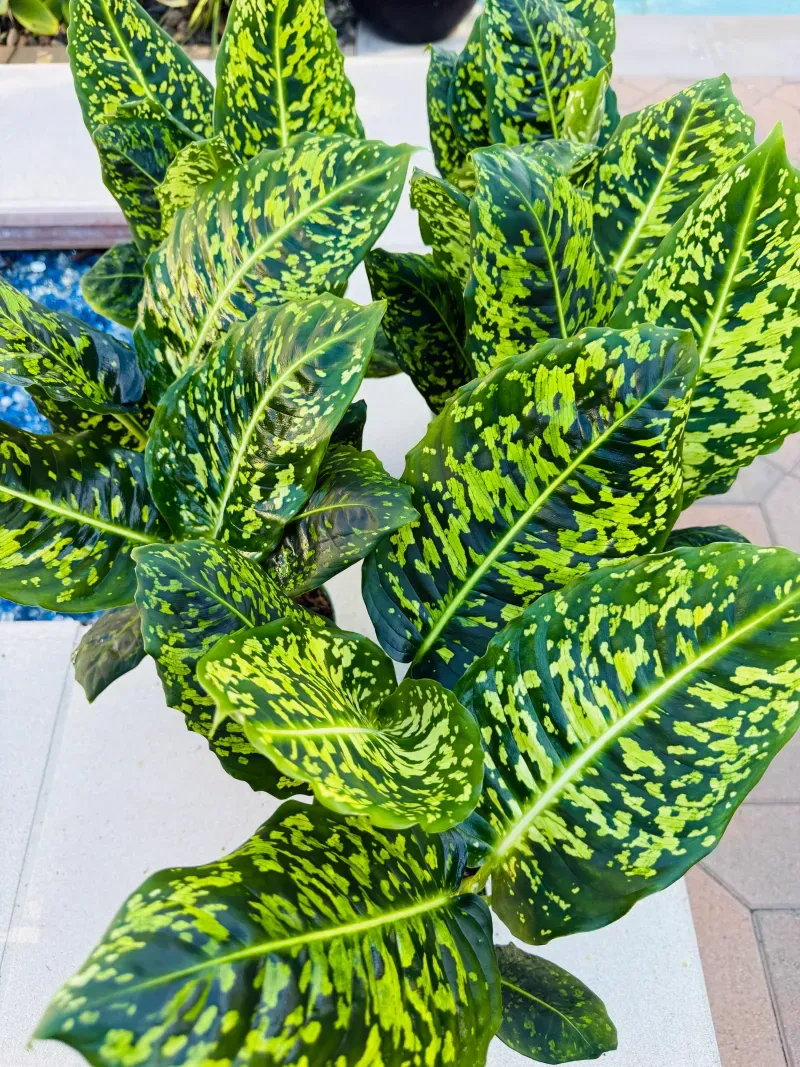
Dumb cane earned its blunt nickname honestly, because one bite can leave a person struggling to speak clearly. I find it wild that such a cheerful, speckled houseplant can turn a curious nibble into a painful lesson.
The leaves and stems contain needle-shaped calcium oxalate crystals that pierce soft tissue in the mouth and throat. Burning pain and swelling show up fast, which usually stops people and pets from eating more than a bite.
Cats seem drawn to chewing its broad leaves, and the result is often drooling and pawing at the face. Dogs may vomit or refuse food, so call your vet or a pet poison hotline if chewing happens.
Sap from broken stems can irritate skin and eyes, so wear gloves and avoid touching your face during pruning. Rinse tools well afterward, because the sticky juice clings to blades and can transfer to hands later.
Dieffenbachia loves bright, indirect light and evenly moist soil, which explains why it became a classic office plant. It can grow over five feet tall indoors, with cream and green leaves that brighten dim corners beautifully.
Homes without pets or small kids can enjoy it with care, especially when the pot sits on a high stand. Personally, I would skip it in any household where a furry chewer roams freely during the day.
Safer alternatives include the cast iron plant and the parlor palm, both listed as nontoxic by the ASPCA. They give you that lush, leafy look without the worry of swollen tongues or emergency vet visits.
4. Sago Palm
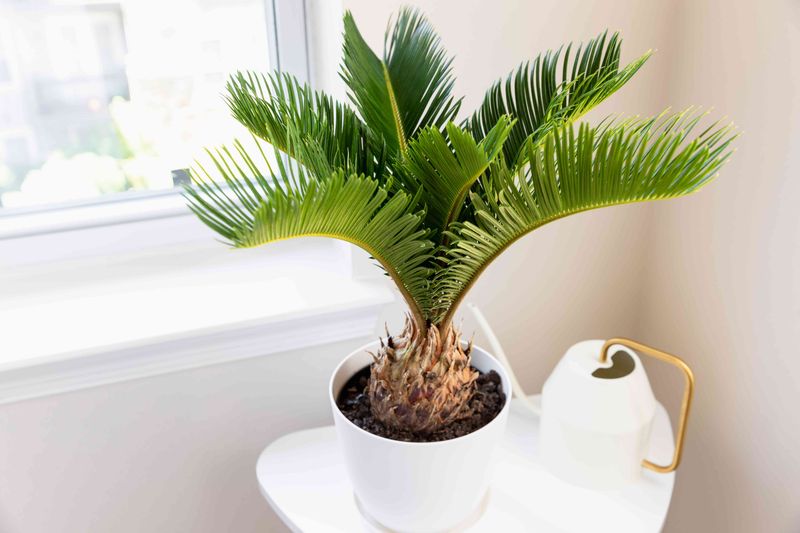
Sago palm is not a true palm at all, but an ancient cycad whose ancestors grew alongside dinosaurs. You might notice its stiff, feathery fronds in nearly every garden center, often sold as an easy beginner plant.
Every part contains a toxin called cycasin, and the bright orange seeds carry the highest concentration of it. The ASPCA warns that eating even small amounts can cause severe liver damage in dogs and cats.
Early signs include vomiting and diarrhea, followed by weakness, seizures, or liver failure within a few days. Veterinary reports suggest that a large share of poisoned pets do not survive, even with quick and aggressive treatment.
Dogs seem especially tempted, possibly because the seeds and roots taste appealing to them, though reasons remain unclear. That makes this plant a poor match for any home with a four-legged family member who loves chewing.
Sago palms grow slowly, adding only a few new fronds each year, so they stay compact indoors for ages. Outdoors they handle USDA zones 8 through 10, preferring bright light and well-drained, sandy soil that dries between waterings.
Wear gloves when handling one, since the sharp leaf tips can poke skin and the sap may irritate. Keep fallen seeds picked up promptly, and store any removed fronds in sealed bags before tossing them out.
Pet owners craving that prehistoric vibe can try a ponytail palm, which the ASPCA lists as nontoxic. Its swollen trunk and grassy leaves look quirky, and it forgives forgetful watering much better than most houseplants.
5. Kalanchoe
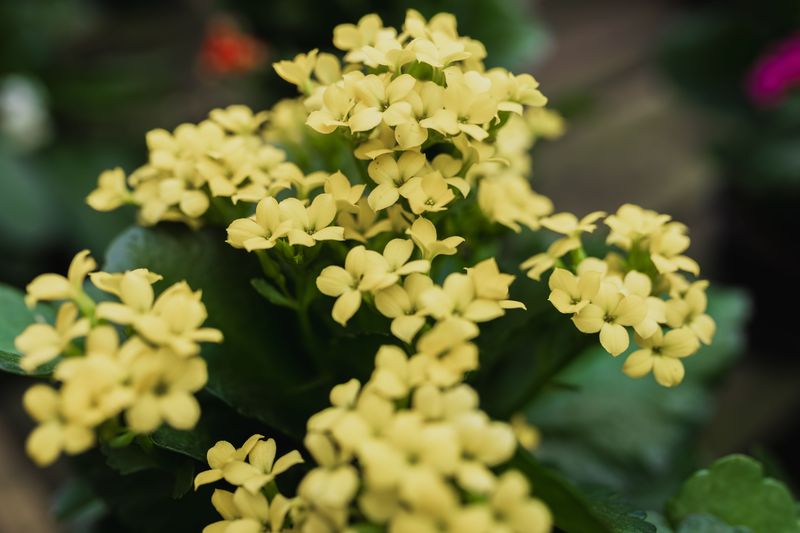
Kalanchoe sits in grocery store floral aisles all winter, covered in clusters of bright red, orange, and pink blooms. I love how cheerful it looks on a kitchen windowsill, but I would think twice before bringing one home with pets around.
This succulent contains compounds called bufadienolides, which act on the heart much like the toxins in oleander. The ASPCA lists it as toxic to dogs, cats, and horses.
Vomiting, drooling, and diarrhea are the most common signs after a pet chews on it. Larger amounts can cause an abnormal heart rhythm, so call your vet or a pet poison hotline right away if you suspect a bite.
Cats and curious puppies are the biggest worry, because the thick, fleshy leaves are easy to chew and the blooms sit at nose level. Small children may also nibble the colorful flowers, so keep the pot on a high shelf.
Kalanchoe is easy to grow, needing bright light and a deep watering only when the soil feels dry. Too much water causes soft stems and root rot, which is the main reason these plants die indoors.
It blooms when days get short, and many growers keep it flowering by giving it long, dark nights in fall. Outdoors it survives only in frost-free areas, such as USDA zones 10 through 12.
If you want a tidy succulent without the toxic risk, haworthia and echeveria are both listed as nontoxic by the ASPCA. They give you that same sculptural look on a sunny sill, minus the worry about heart-affecting chemicals.
6. Angel’s Trumpet
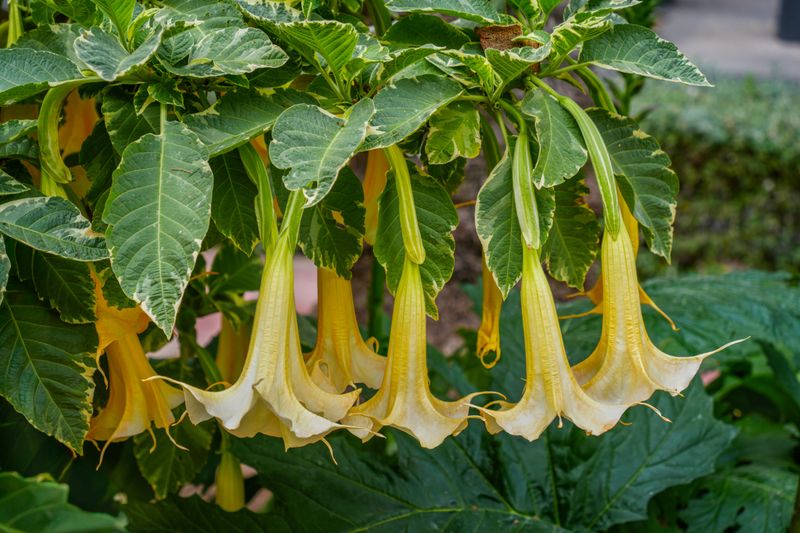
Angel’s trumpet dangles flowers up to a foot long, and their perfume grows strongest on warm evenings. I can’t imagine a more dramatic plant, yet that heavenly name hides some of the garden’s nastiest chemistry.
Every part contains tropane alkaloids like scopolamine and atropine, which scramble the nervous system when swallowed. Symptoms can include confusion, racing heartbeat, dilated pupils, and frightening hallucinations that last for hours or even days.
Emergency rooms have treated teens who experimented with the flowers, and some cases ended in serious hospital stays. Pets face similar dangers, so a dropped bloom on the floor is more than just a messy cleanup.
The strong nighttime fragrance bothers some sensitive people, who report headaches or nausea in closed rooms. Evidence for scent-related illness is mostly anecdotal, but stuffy indoor air certainly concentrates that heavy perfume more.
Brugmansia also grows large, reaching ten feet or more, which quickly overwhelms ordinary living rooms and ceilings. It thrives outdoors in USDA zones 9 through 11 and enjoys rich soil with steady moisture.
Northern gardeners often overwinter potted plants indoors, and that is when spider mites and whiteflies tend to explode. Choose a cool basement or garage where the plant can rest semi-dormant, away from kids and pets.
Wear gloves when pruning, and wash hands before touching your eyes, since the sap can dilate pupils. Enjoy those glowing trumpets on the patio instead, where their fragrance drifts safely through open evening air.
7. Lilies
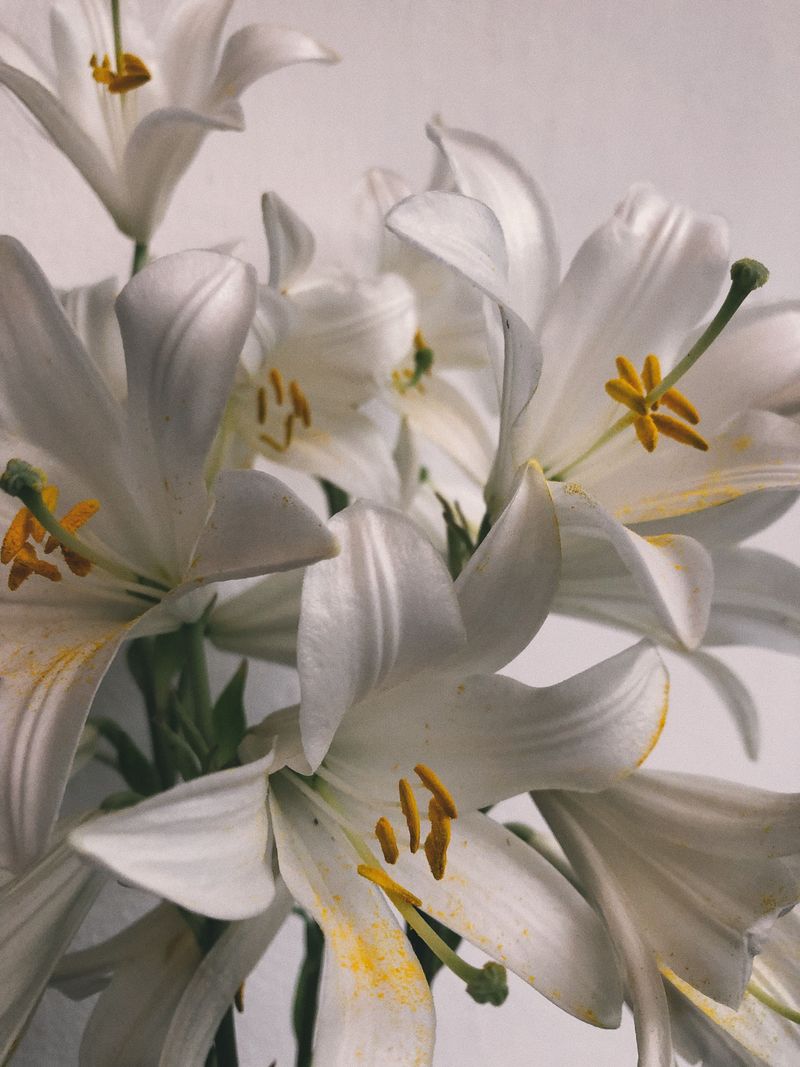
Lilies fill bouquets and holiday tables with fragrance, yet true lilies are among the most dangerous plants for cats. I love how elegant they look in a vase, but I would never set one where a cat can reach it.
Easter, tiger, and Asiatic lilies can cause acute kidney failure in cats, and daylilies carry the same risk. Even a nibbled petal or a lick of pollen groomed off a furry coat can be enough to cause harm.
Early signs include vomiting, drooling, and lethargy within hours, followed by a loss of appetite as the kidneys struggle. Without treatment, kidney failure can develop within a few days, so call your vet right away after any suspected nibble.
Vase water can also carry pollen and plant compounds, so keep it out of reach as well. Dogs usually suffer only an upset stomach, which makes cats the main worry in most households.
Peace lilies and calla lilies are not true lilies, but they contain calcium oxalate crystals that cause mouth burning and drooling. They do not cause the kidney failure seen with true lilies, yet chewing them is still painful for pets.
Easter lilies are sold as potted gifts each spring, and gardeners often plant them outdoors afterward, where they return in USDA zones 4 through 9. Keep garden beds off limits to roaming cats, since the same risk applies outside.
If you love fresh flowers, ask your florist for a lily-free arrangement. Roses, sunflowers, snapdragons, and orchids are listed as nontoxic by the ASPCA, and they give you a festive look without the worry.
8. Jerusalem Cherry
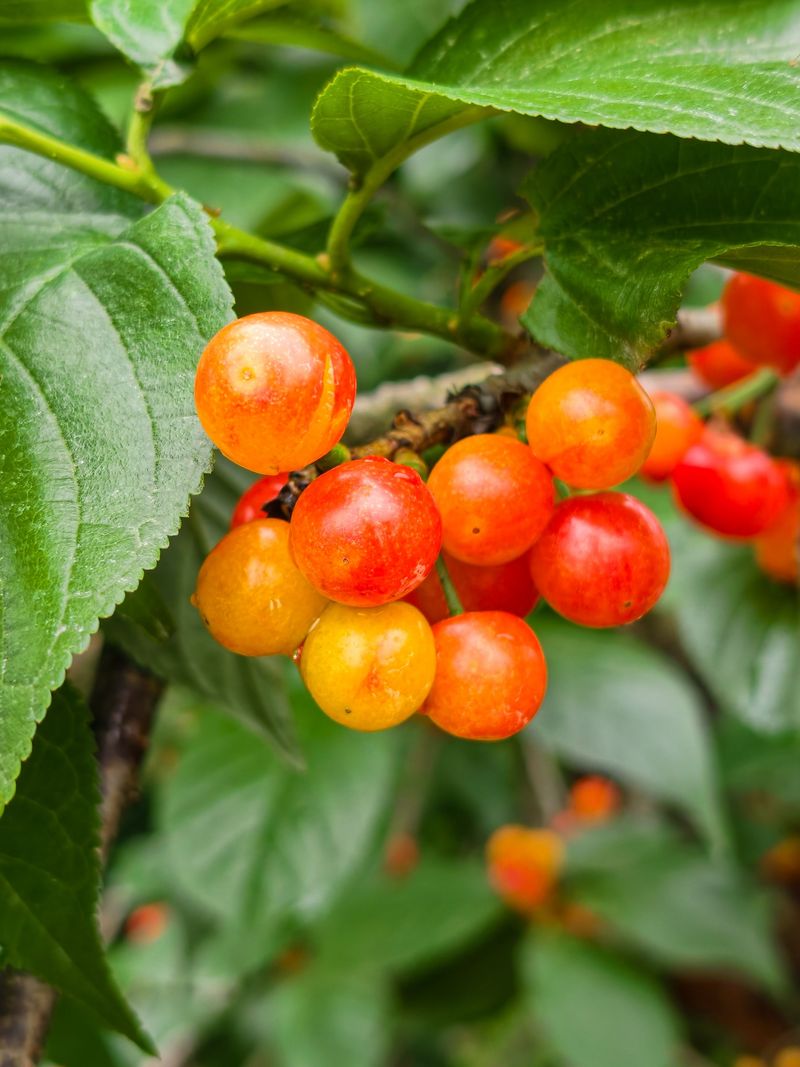
Jerusalem cherry looks like a tiny tomato plant covered in shiny orange berries, which makes it a popular holiday gift. I find it sneaky that something so cheerful hides toxins inside every one of those bright fruits.
The berries and leaves contain solanine-type alkaloids that can upset the stomach and nervous system. The ASPCA lists this plant as toxic to dogs, cats, and horses.
Pets that chew on it may drool, vomit, and develop diarrhea along with belly pain. Severe cases can bring weakness, a slow or irregular heartbeat, and seizures, so call your vet or a pet poison hotline quickly.
Small children are at risk too, because the berries look like cherry tomatoes and are easy to pick off. If a child swallows one, call your local poison control center right away instead of waiting for symptoms.
Indoors, Jerusalem cherry wants bright light and cool temperatures, ideally between 55 and 65 degrees Fahrenheit. Dry heated air makes it drop berries and leaves, which then scatter across the floor within easy reach of pets.
Outdoors, it grows as a short-lived shrub in USDA zones 9 through 11, but it has spread into the wild in warm areas such as Florida. Please skip planting it near natural areas, since birds can carry the seeds into native habitats.
If you want bright holiday color indoors, a Christmas cactus is a safer pick, and the ASPCA lists it as nontoxic. It blooms right when the days get short, so you still get that festive pop without the emergency vet visit.