Plants You Should Divide In North Carolina Before May Ends
May is one of the best months to divide perennials in North Carolina, and the window closes faster than most gardeners expect. Plants divided now still have weeks of mild weather ahead to push new roots before summer heat sets in across the state.
Wait until June and the heat makes recovery slower and results less predictable. Division is also one of the most cost effective things you can do in the garden.
One overcrowded clump becomes three or four healthy plants ready to fill new spots, strengthen existing beds, or share with neighbors.
Several of the most popular perennials grown across North Carolina benefit directly from being split at this point in the season, coming back stronger, blooming better, and taking up the right amount of space instead of crowding everything around them.
These are the plants worth dividing before the end of May.
1. Bee Balm Spreads Fast Enough To Divide Every Few Years
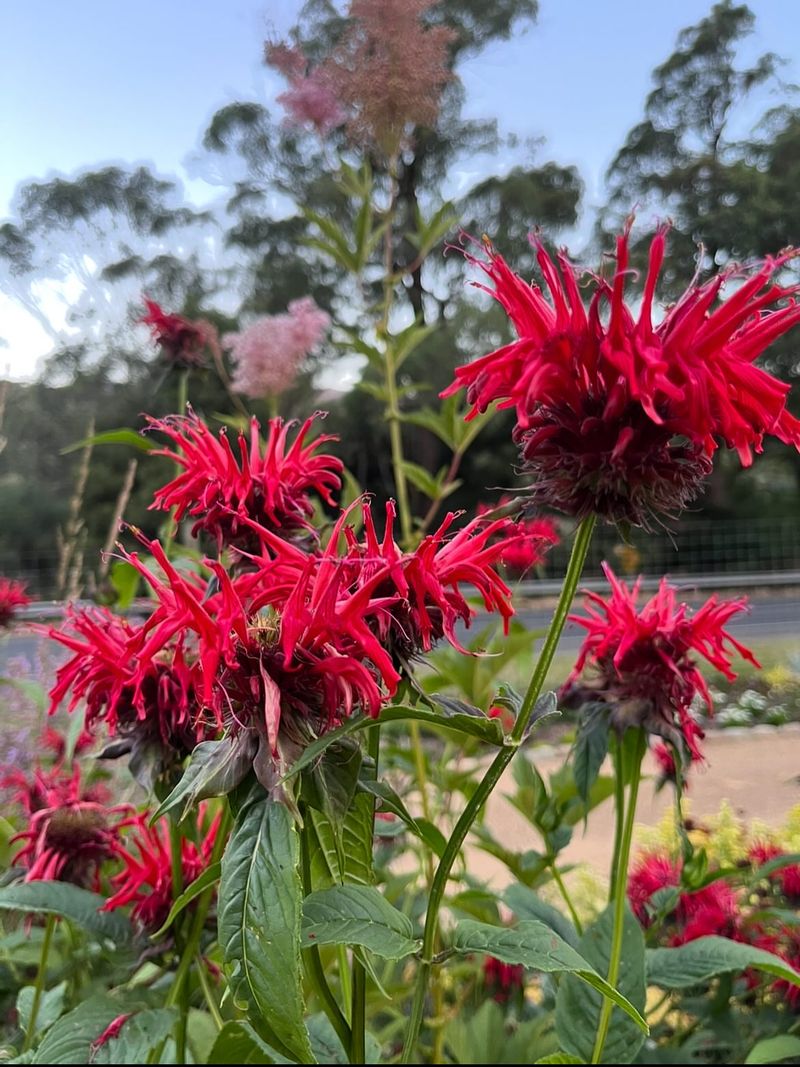
Bee Balm has a reputation for being generous, maybe a little too generous. Monarda fistulosa is a native perennial that spreads through underground stems called rhizomes, and within just a few seasons, a single plant can turn into a wide, crowded patch.
When clumps get too thick, airflow drops, and that is when powdery mildew becomes a problem in North Carolina’s humid summers.
Dividing Bee Balm before May ends is one of the smartest moves you can make. Dig up the outer edges of the clump where the growth is youngest and most vigorous.
Discard the tired, woody center and replant the fresh sections about 18 inches apart in a sunny to partly shaded spot with well-drained soil.
Water the new transplants thoroughly right after planting and keep the soil consistently moist for the first two to three weeks. North Carolina summers can be brutal, so getting those roots established before the heat arrives makes a real difference.
Newly divided Bee Balm usually bounces back quickly and rewards you with those showy, wildflower blooms that pollinators absolutely love. Bees, butterflies, and hummingbirds are all regular visitors.
Dividing every two to three years keeps clumps healthy, flowering strongly, and looking their best throughout the growing season.
2. Golden Ragwort Quickly Fills Shady Gardens
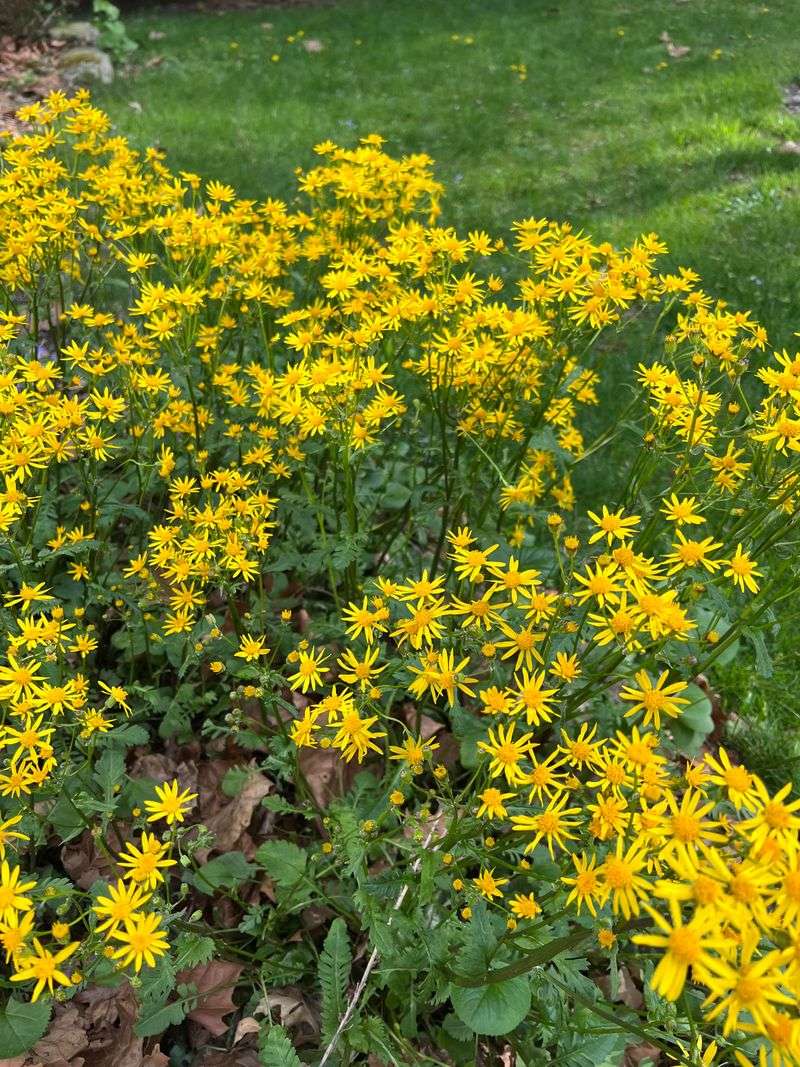
Few native plants cover shady ground as cheerfully as Golden Ragwort. Packera aurea produces clusters of small, bright yellow flowers in early spring and then settles into a handsome, low-growing carpet of rounded leaves that stays green well into winter.
It spreads steadily through rhizomes, and mature patches can become quite dense after a few seasons.
Late spring, right before May ends, is the perfect moment to divide Golden Ragwort in North Carolina. The weather is still mild, and the soil holds enough moisture to help newly divided sections establish without too much stress.
Use a sharp spade to slice through the colony, lift sections cleanly, and replant them about 12 inches apart in a shaded or partly shaded spot.
Golden Ragwort thrives in consistently moist soil with plenty of organic matter, so amend your planting area with compost if the ground tends to dry out. Water new transplants every couple of days for the first few weeks, especially if temperatures start climbing.
Your North Carolina Garden Changes Every Week. Your Plan Should Too.
Gardening in North Carolina changes quickly throughout the season. Every Friday you’ll receive a simple weekly plan showing exactly what to plant, prune, fertilize, harvest, and protect so you never miss the right timing.
One thing that makes this plant so rewarding is how forgiving it is. Even small divisions with just a few leaves and healthy roots tend to establish quickly.
Once settled, it spreads on its own, gradually creating that lush, weed-suppressing groundcover that shaded North Carolina landscapes truly benefit from year after year.
3. Green And Gold Forms Easy To Split Woodland Clumps
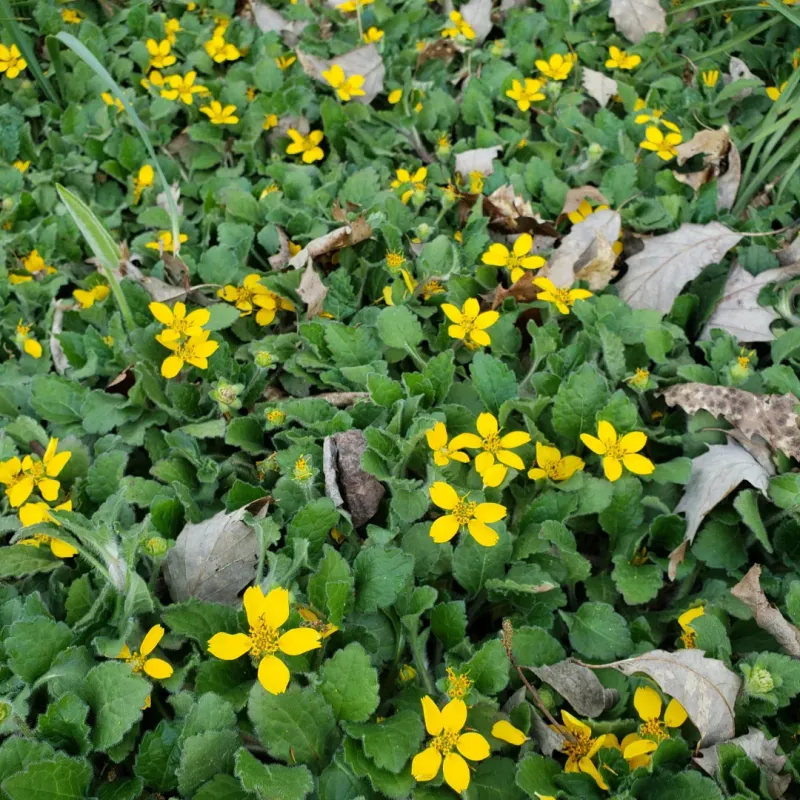
There is something quietly charming about Green and Gold. Chrysogonum virginianum is a low-growing native groundcover that produces cheerful little yellow flowers for weeks on end, and it spreads into dense, weed-blocking mats without becoming invasive.
It is the kind of plant that fills in gaps beautifully and asks for very little in return.
By late spring, established clumps can be lifted and divided before North Carolina’s heat builds. The plant spreads both by stolons and by seed, so you will usually find plenty of rooted sections around the edges of an existing patch.
Use your hands or a small trowel to gently separate these sections, making sure each division has a good set of roots attached before replanting.
Green and Gold does best in partial to full shade with moist, well-drained, humus-rich soil, conditions that are easy to find in most North Carolina woodland gardens. Space new transplants about 12 to 18 inches apart and water them in well.
Keep the soil consistently moist for the first few weeks while roots settle in. This plant is quite adaptable and handles North Carolina’s variable spring weather well.
Once established, it forms a reliable, attractive mat that looks great beneath trees, along shaded paths, and in naturalized garden areas where low maintenance and year-round beauty are the top priorities.
4. Blue Flag Iris Benefits From Spring Division In Moist Gardens
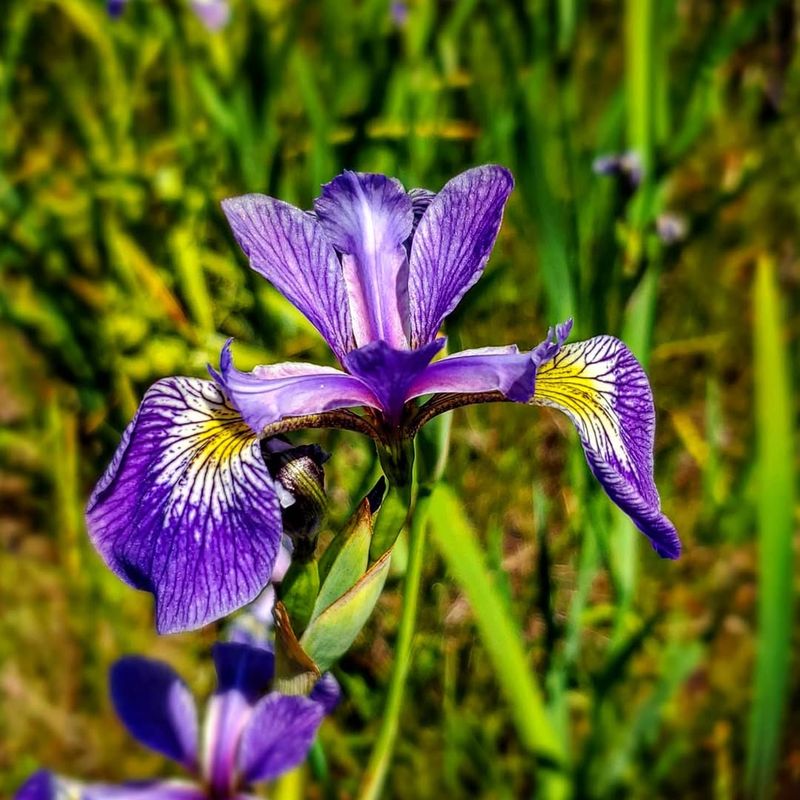
Standing tall near the water’s edge, Blue Flag Iris is one of the most striking native plants you can grow in a North Carolina garden.
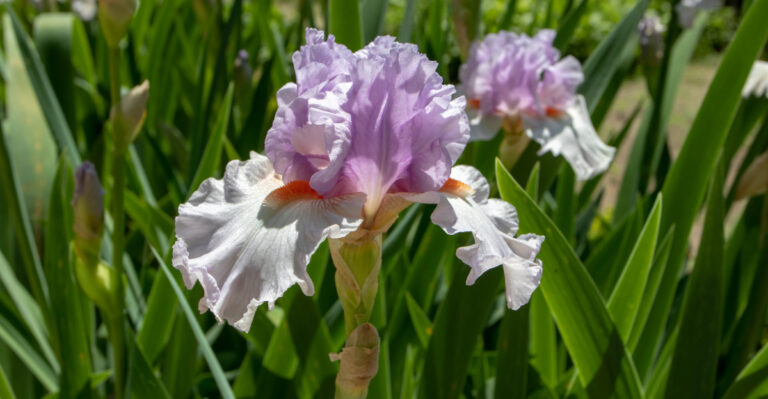
Iris virginica produces gorgeous blue-violet blooms in late spring and thrives in moist to wet conditions, making it a natural fit for rain gardens, pond margins, and boggy borders.
Over time, though, mature clumps become congested and start blooming less reliably.
Dividing Blue Flag Iris before May ends gives the rhizomes time to settle before summer heat intensifies. After blooming, carefully dig up the entire clump and shake off the soil so you can see the rhizomes clearly.
Use a sharp, clean knife to separate healthy sections, making sure each division has at least one fan of leaves and a firm, healthy rhizome. Remove any soft or damaged sections before replanting.
Replant divisions at the same depth they were growing before, roughly at or just below the soil surface, and space them about 18 inches apart. Blue Flag Iris prefers full sun to light shade and consistently moist or even occasionally saturated soil.
Water new transplants generously and do not let the soil dry out during the establishment period.
Freshly divided clumps typically recover quickly and come back with noticeably stronger blooms the following season, making the effort completely worth it for any North Carolina water garden or moist border.
5. Christmas Fern Slowly Expands Into Large Woodland Colonies
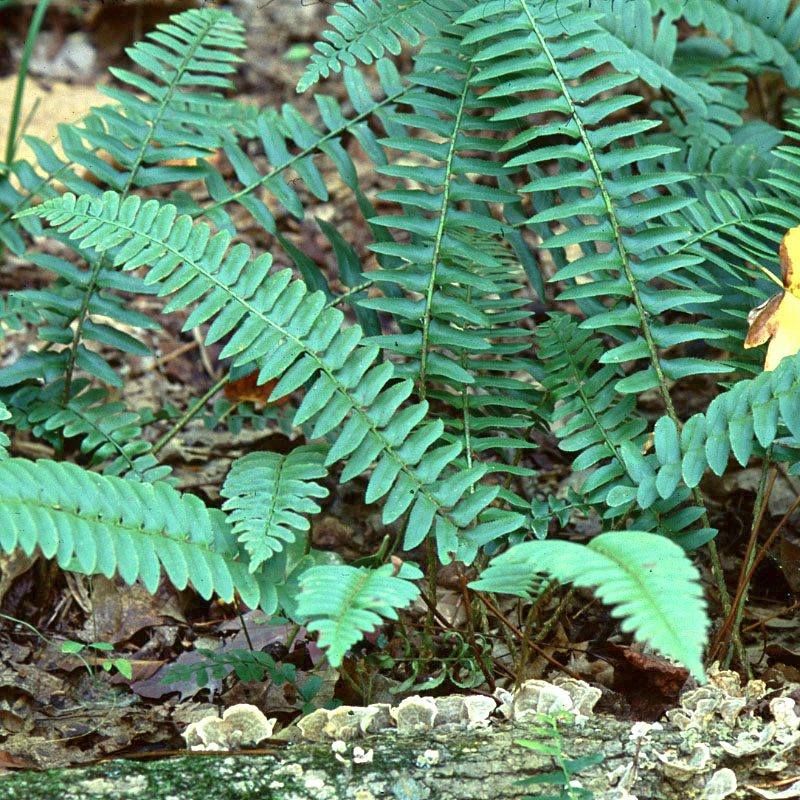
Christmas Fern is one of the most reliable native plants in any North Carolina shade garden. Polystichum acrostichoides stays evergreen through winter, providing color and texture when most other plants have gone dormant.
It grows slowly but steadily, forming graceful, arching clumps that expand year by year into handsome woodland colonies.
Spring is the best time to divide Christmas Fern, ideally before new fronds fully unfurl and before summer heat arrives. Mature clumps develop multiple crowns over time, and these can be carefully separated with a sharp spade or garden fork.
Each division should have at least one healthy crown with roots attached. Avoid tearing the roots unnecessarily, as clean divisions establish much faster.
Replant divisions in a shaded spot with rich, moist, well-drained soil and plenty of organic matter. Woodland soil amended with compost works wonderfully.
Space new plants about 18 to 24 inches apart to give them room to grow without crowding. Water thoroughly after planting and keep the soil evenly moist for the first month.
Christmas Fern is surprisingly tough once established, but new divisions appreciate consistent moisture while they settle in.
Adding a layer of shredded leaf mulch around the base helps retain moisture and mimics the natural forest floor conditions this fern loves. Within one growing season, your new transplants should be looking strong and healthy.
6. Foamflower Creates Dense Native Groundcover That Divides Easily
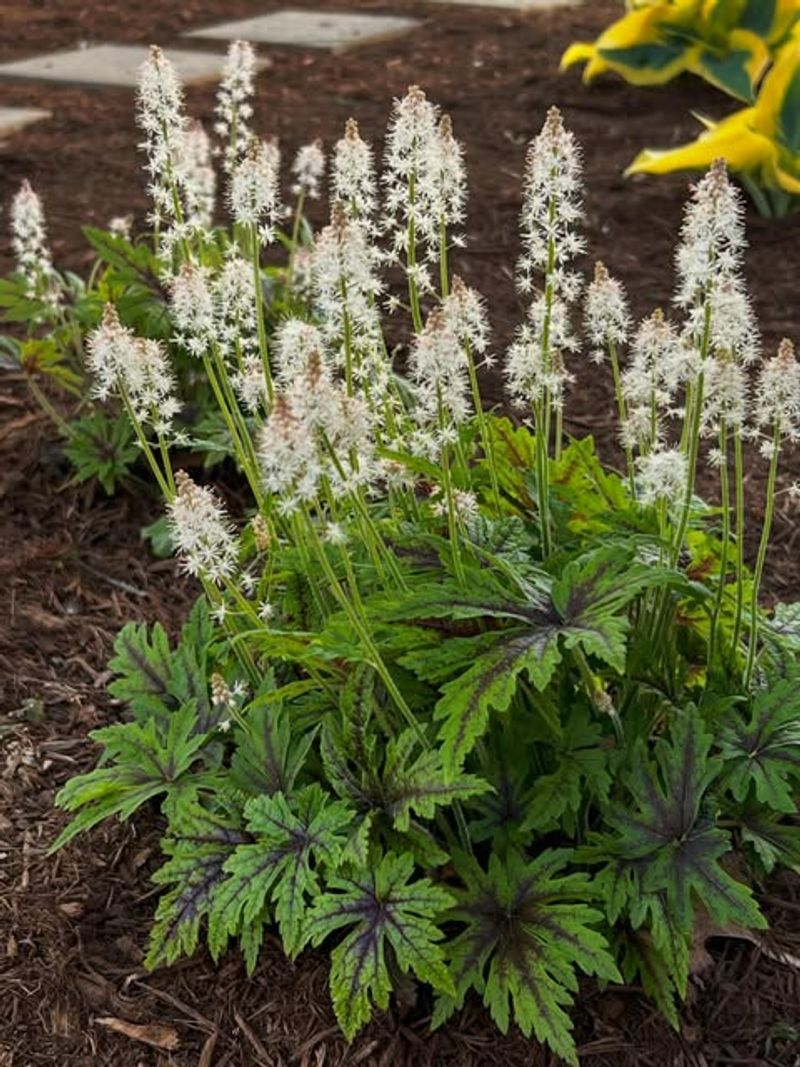
Walk through almost any native plant garden in North Carolina and you are likely to spot Foamflower.
Tiarella cordifolia is a woodland native that earns its name from those frothy, white flower spikes that pop up in spring, hovering like little clouds above attractive, lobed foliage.
It spreads naturally by sending out runners that root wherever they touch the soil, making it one of the easiest plants to divide.
Before May ends, take a look at your Foamflower patch and you will probably find dozens of naturally rooted sections at the ends of those runners. Simply snip the runner, dig up the rooted section with a small trowel, and you have an instant new plant ready to go.
Each division should have a healthy root system and at least a few leaves before you move it to its new home.
Foamflower thrives in partial to full shade with moist, humus-rich soil, the kind of conditions found naturally beneath deciduous trees. Space new transplants about 12 inches apart and water them in well.
Keep the soil consistently moist during the first few weeks of establishment, especially as temperatures begin rising. A thin layer of mulch helps hold moisture and keeps roots cool.
Once settled, Foamflower spreads on its own and creates a beautiful, low-maintenance groundcover that looks stunning through spring and summer in shaded North Carolina borders and woodland gardens alike.
7. Wild Ginger Slowly Forms Thick Native Shade Carpets
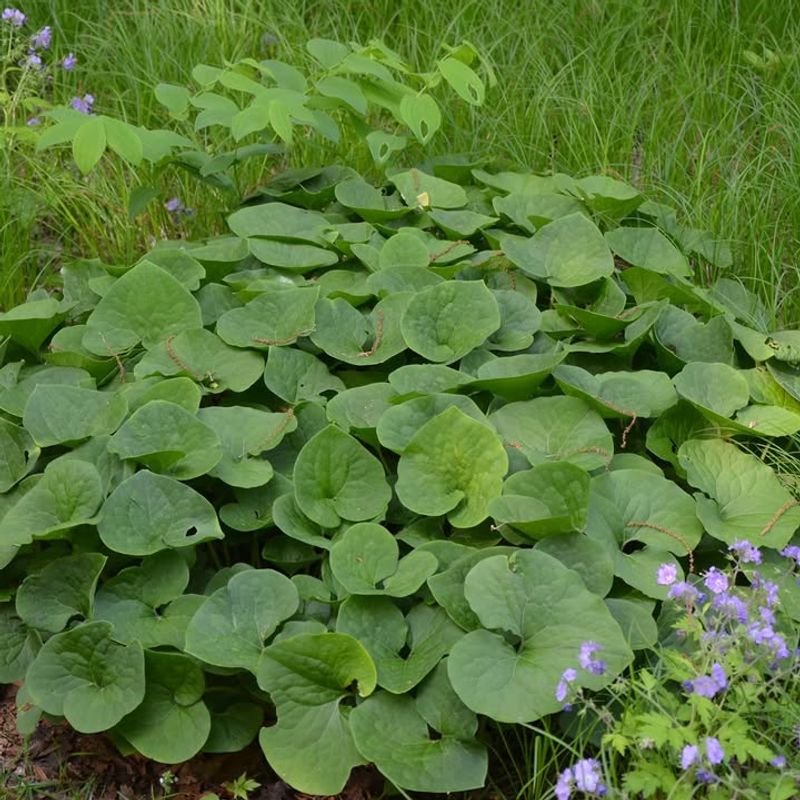
Wild Ginger is one of those plants that quietly does its job without asking for much attention.
Asarum canadense spreads slowly through rhizomes just beneath the soil surface, forming a thick, attractive carpet of large, heart-shaped leaves that covers ground beautifully in deep shade.
It is not flashy, but its lush, rich green texture makes it one of the most satisfying native groundcovers you can grow.
Dividing Wild Ginger before May ends takes advantage of the mild temperatures and moist soil that make transplanting easier. Carefully dig up sections of the colony and trace the rhizomes to find natural separation points.
Each division should include a healthy piece of rhizome with roots and at least one or two leaves. Wild Ginger transplants are fairly forgiving as long as you keep them moist after replanting.
Choose a planting spot with deep to partial shade and rich, consistently moist, well-drained soil. Amend with compost if the soil is compacted or poor.
Space new sections about 12 inches apart and water them generously right after planting. For the first few weeks, check the soil regularly and water whenever the top inch feels dry.
Adding a layer of shredded leaves as mulch is a great idea since it mimics Wild Ginger’s natural forest floor habitat and helps roots stay cool and moist through the warmer months ahead.
8. Joe Pye Weed Can Be Split Before Summer Growth Accelerates
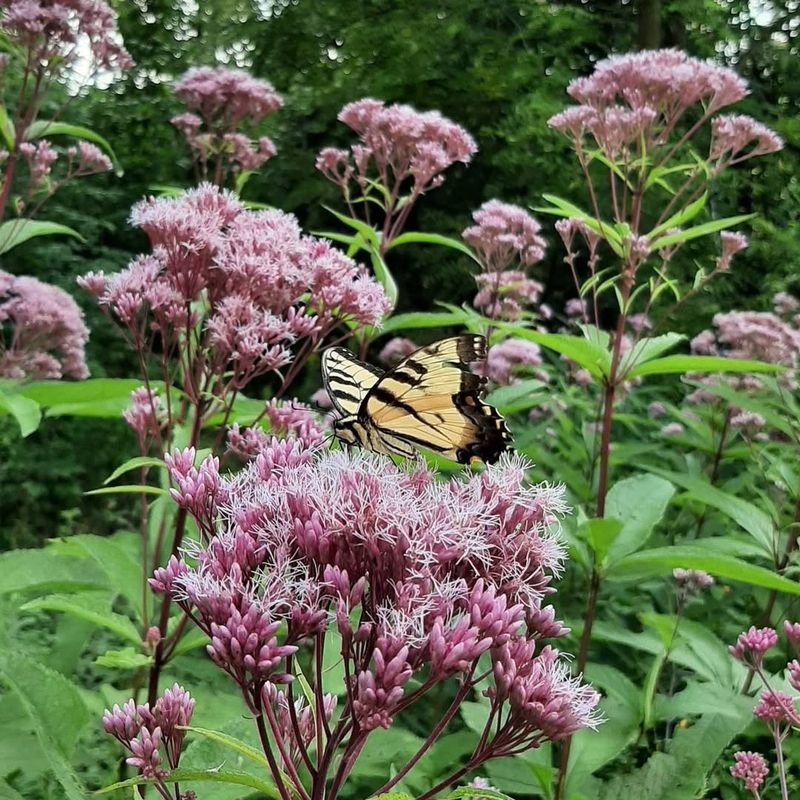
Joe Pye Weed is a showstopper by late summer, but it starts the season as a fast-growing clump that gets bigger every year.
Eutrochium purpureum is a tall native perennial that can reach six to eight feet in height, producing large, dusty-pink flower clusters that butterflies and bees absolutely swarm.
The problem is that mature clumps can become enormous and start crowding out neighboring plants.
May is the ideal month to divide Joe Pye Weed in North Carolina, before summer growth really kicks into high gear. At this point, the new shoots are still short and manageable, making the whole process much easier.
Use a sharp spade to cut through the base of the clump and lift sections with a garden fork. Each division should have several healthy shoots and a solid root mass before replanting.
Joe Pye Weed thrives in full sun to light shade with consistently moist soil, and it performs especially well near rain gardens or low-lying areas where moisture collects naturally.
Space new divisions about 24 to 36 inches apart to give them room for their impressive summer growth.
Water thoroughly after planting and continue watering regularly throughout the first few weeks. Once established, Joe Pye Weed is quite tough and drought-tolerant.
Freshly divided plants tend to grow vigorously and reward you with spectacular late-season blooms that support a wide range of pollinators across North Carolina landscapes.
9. Woodland Phlox Divides Best Before Heat Builds
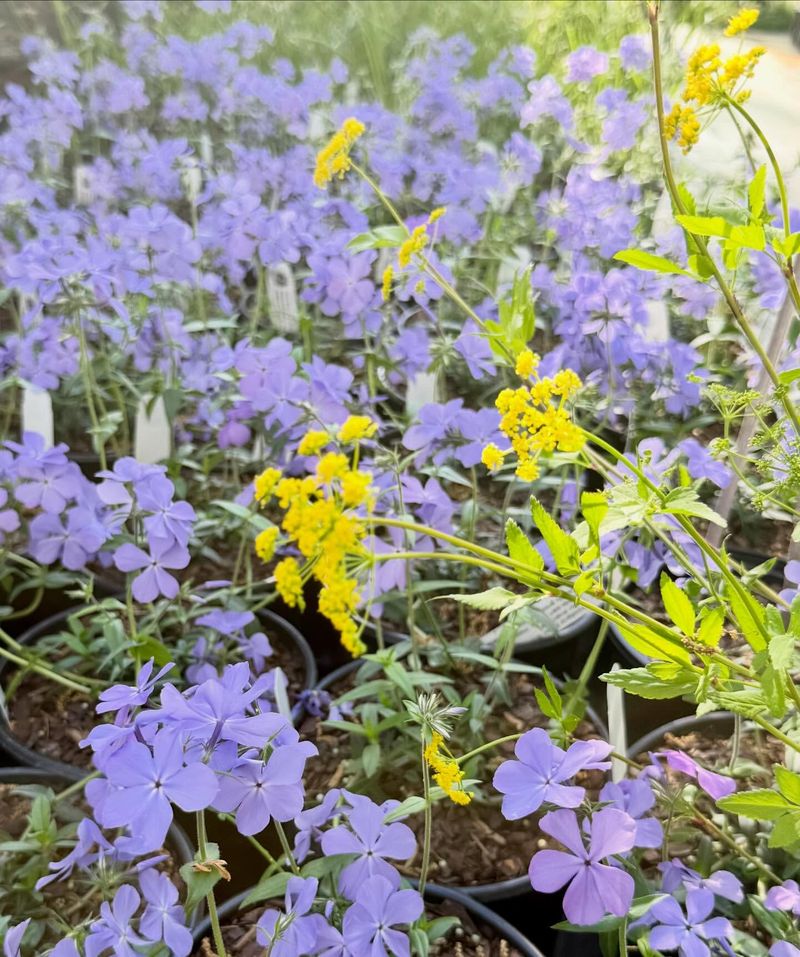
Few spring bloomers match the soft beauty of Woodland Phlox. Phlox divaricata fills shaded borders with clouds of pale blue to lavender flowers in mid to late spring, and its light, sweet fragrance is enough to make you stop and breathe it all in.
After a few seasons in the garden, established clumps spread into loose mats that are ready to be divided and shared.
The best time to divide Woodland Phlox in North Carolina is right after it finishes blooming, while temperatures are still moderate. Look for naturally rooted sections around the edges of the clump where stems have touched the soil.
These root easily and can be lifted with a small trowel. Larger clumps can also be dug up and gently pulled apart into sections, each with a good set of roots and several healthy stems.
Woodland Phlox prefers partial to full shade with moist, well-drained, organically rich soil.
Good airflow around the plants is important because Phlox can be prone to powdery mildew in humid conditions, and that is something North Carolina summers bring in abundance.
Space new transplants about 12 to 18 inches apart to encourage good air circulation. Water well after planting and keep the soil evenly moist for the first few weeks.
A light mulch layer helps retain moisture while roots establish, and your new plants should be settled in and thriving well before summer arrives in full force.
10. Solomon’s Seal Forms Large Woodland Clumps That Divide Easily
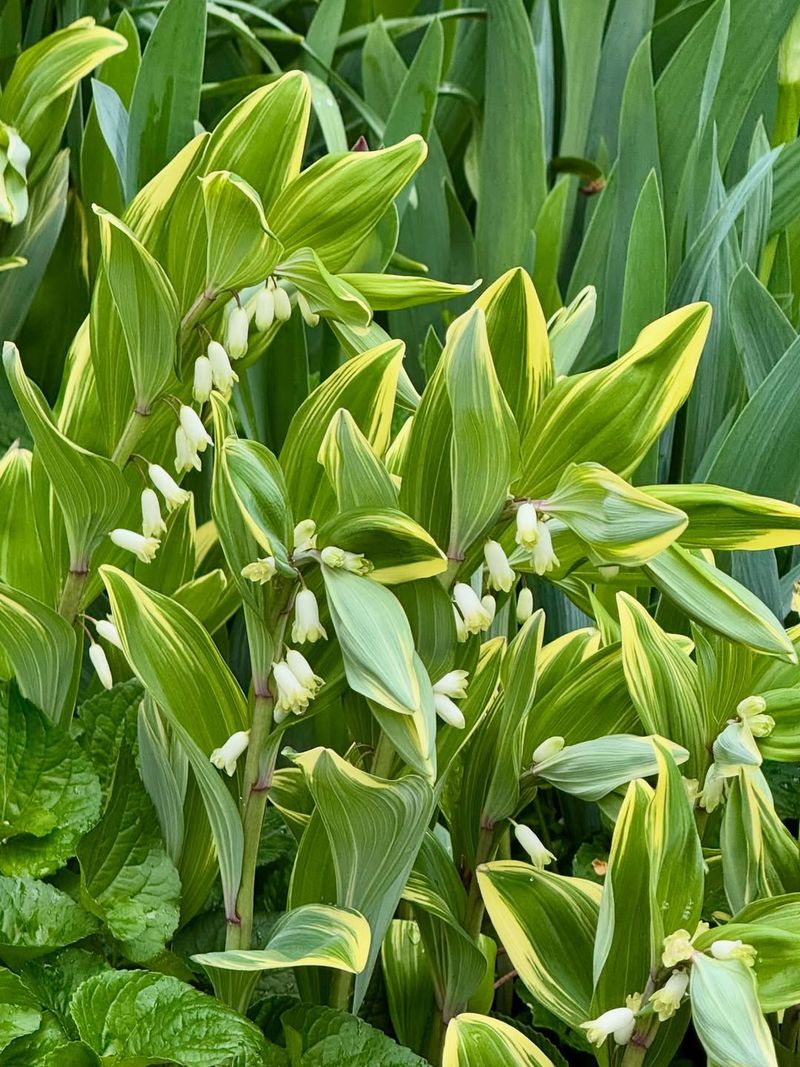
Solomon’s Seal has an elegance that is hard to match in a shade garden. Polygonatum biflorum produces long, arching stems lined with paired oval leaves and small, dangling white bell-shaped flowers that hang underneath like tiny charms.
Over several years, the underground rhizomes spread steadily, building wide, impressive colonies that become real focal points in woodland plantings.
Dividing Solomon’s Seal before May ends is straightforward and rewarding. As new shoots emerge in spring, you can see exactly where the clump is expanding.
Dig carefully around the outer edge of the colony and trace the rhizomes back to find natural division points. Each section should include a healthy rhizome with at least one or two emerging shoots.
Handle the rhizomes gently to avoid snapping them.
Replant divisions in partial to full shade with rich, consistently moist, well-drained soil. Adding compost to the planting hole gives new transplants a strong nutritional start.
Space divisions about 18 inches apart so each plant has room to arch gracefully without crowding its neighbors. Water thoroughly after planting and keep the soil moist for the first several weeks while roots settle in.
A generous layer of shredded leaf mulch is highly recommended because it retains moisture and gradually improves soil quality as it breaks down.
Solomon’s Seal is a slow but steady grower, and freshly divided plants typically establish well and begin expanding into beautiful new colonies within a single growing season.
11. Cardinal Flower Can Be Divided Carefully In Moist Garden Beds
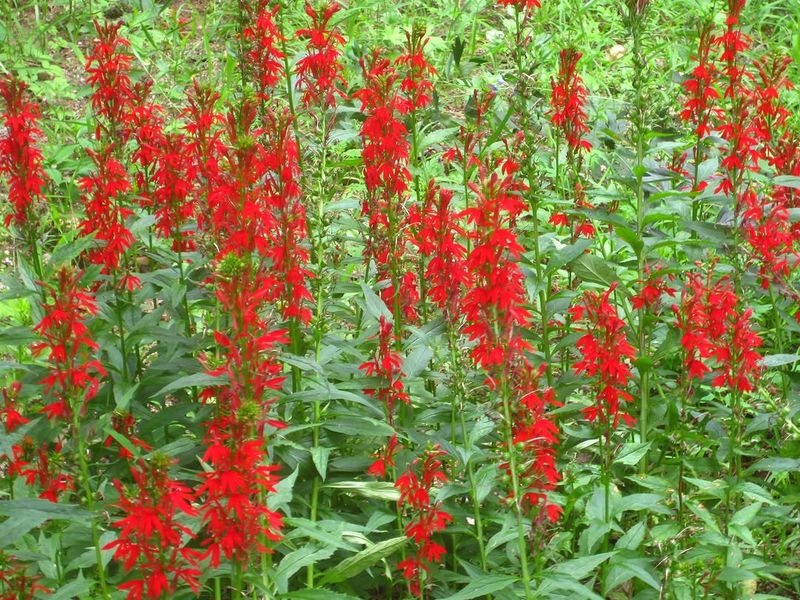
Hummingbirds practically race each other to reach Cardinal Flower. Lobelia cardinalis produces some of the most vivid scarlet flower spikes of any native plant, and it blooms right through the heart of summer when hummingbirds need reliable nectar sources.
It grows naturally along stream banks and in moist meadows, and it thrives in North Carolina gardens that offer consistently wet conditions.
Cardinal Flower is a short-lived perennial, but it offsets reliably by producing small rosettes around the base of the main plant. Spring, before May ends, is a great time to carefully separate these offsets while the weather is still mild.
Use a clean trowel to gently lift the small rosettes, making sure each one has a healthy root system before replanting. Handle them with care since the roots are somewhat delicate.
Replant Cardinal Flower divisions in full sun to partial shade with moist to consistently wet, rich soil. Rain gardens, pond edges, and low spots that collect water naturally are ideal locations in North Carolina landscapes.
Space new transplants about 18 inches apart and water them in deeply right after planting. Do not let the soil dry out during the establishment period since Cardinal Flower is particularly sensitive to drought stress while young.
Mulching around the base helps lock in moisture and keeps roots cool. Once established, these plants grow vigorously and reward you with those spectacular red blooms all summer long.
12. Ostrich Fern Spreads Through Underground Runners In Moist Shade
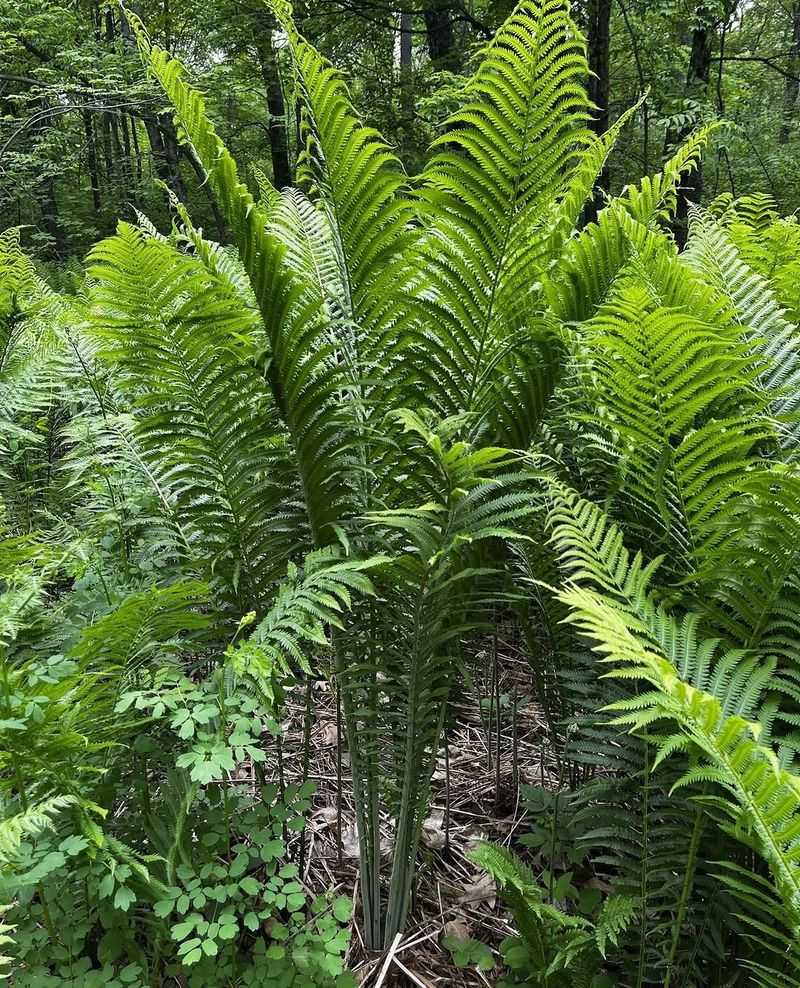
There is something almost prehistoric about Ostrich Fern. Matteuccia struthiopteris produces enormous, vase-shaped fronds that can reach four to six feet tall, making it one of the most dramatic native ferns you can grow in a shade garden.
It spreads through underground runners called stolons, steadily sending up new crowns and forming impressive colonies over time.
Before summer heat arrives, those new crowns that pop up around the edges of an established colony are easy to dig up and transplant.
Use a sharp spade to sever the stolon connecting the new crown to the parent plant, then carefully lift the division with a garden fork.
Each transplant should have a firm crown and a healthy root ball. Try to disturb the roots as little as possible during the process.
Ostrich Fern thrives in partial to full shade with consistently moist to wet, rich soil. It does especially well near water features, along stream banks, or in low areas of the garden where moisture naturally collects.
Space new divisions about 24 to 36 inches apart since these ferns grow large and need room to spread their impressive fronds. Water deeply after planting and keep the soil consistently moist throughout the first growing season.
A thick layer of shredded bark or leaf mulch helps retain soil moisture and keeps roots cool during North Carolina’s warm summers, giving your new ferns the best possible start.