7 Plants You Should Never Plant In Your Southern Pennsylvania Garden
Southern Pennsylvania sits in an interesting position geographically, and that position matters more for gardening than a lot of residents give it credit for.
It’s not quite the mid-Atlantic, not quite the Mid-South, and the specific combination of climate, soil, humidity, and frost patterns that defines the region creates growing conditions that don’t always match what general planting guides recommend for the broader state.
That means some plants that grow without issue in other parts of Pennsylvania become genuine problems in the southern part of the state. Some struggle with the slightly warmer winters that don’t provide enough cold stratification.
Others take advantage of the longer growing season to spread far more aggressively than they would further north. A few are simply poor matches for the soil and drainage conditions that are common across the region.
Knowing which plants to avoid in southern Pennsylvania before you buy them saves a lot of frustration, wasted money, and garden space better used for something that actually works.
1. Bradford Pear
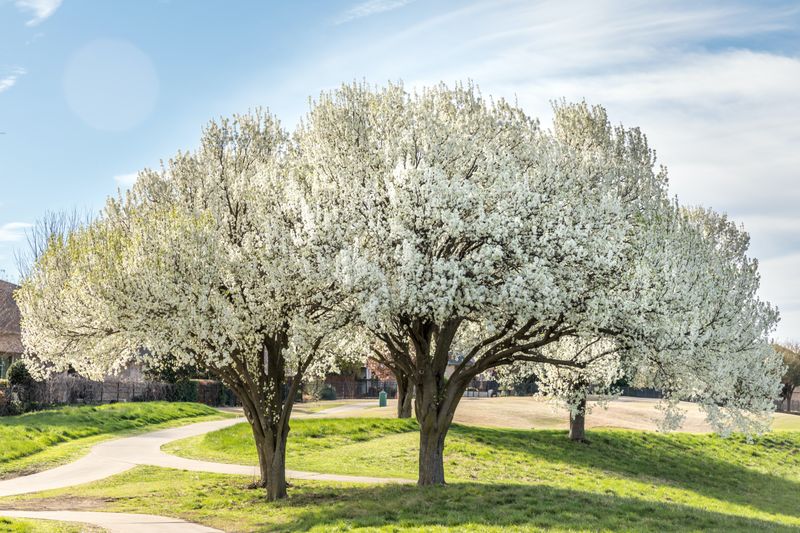
Walk through almost any neighborhood in southern Pennsylvania during spring, and you will likely spot Bradford Pear trees covered in bright white blossoms. They look stunning from a distance, but do not let that beauty fool you.
This tree comes with a long list of problems that make it one of the worst choices for any local yard.
First, the smell. Bradford Pear flowers are known for producing an odor that most people find very unpleasant.
It has been compared to rotting fish, which is not exactly what you want drifting through your backyard during a spring cookout.
Beyond the smell, Bradford Pear trees have a serious structural weakness. Their branches grow at tight angles, which makes them extremely prone to splitting during storms.
Southern Pennsylvania gets its fair share of heavy rain and wind, and these trees often lose large branches or fall apart entirely when bad weather hits. That can mean serious damage to your home, car, or fence.
Worst of all, Bradford Pears are highly invasive. Birds eat the small fruits and spread the seeds into nearby forests and open fields.
Once established in the wild, these trees crowd out native plants that local wildlife depends on. Pennsylvania has actually encouraged residents to remove Bradford Pears and replace them with native alternatives.
Trees like serviceberry, redbud, or native dogwood offer beautiful blooms without the chaos. Making the switch is one of the best things you can do for your southern Pennsylvania landscape.
2. Japanese Barberry
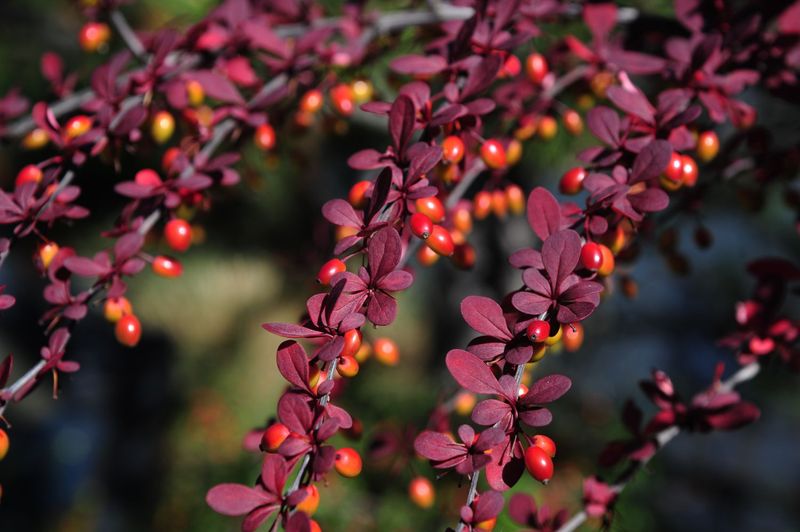
Japanese Barberry might look like a harmless, colorful shrub, but it has earned a serious reputation as one of the most problematic invasive plants in the entire northeastern United States. In southern Pennsylvania, it has spread into forests, roadsides, and natural areas at an alarming rate.
The plant was originally brought over from Asia as an ornamental shrub, and for a while, it was extremely popular in American landscaping.
The problem with Japanese Barberry goes beyond just crowding out native plants. Research has shown a strong link between dense patches of this shrub and higher populations of black-legged ticks, the kind that can carry Lyme disease.
Your Pennsylvania Garden Changes Every Week. Your Plan Should Too.
Gardening in Pennsylvania changes quickly throughout the season. Every Friday you’ll receive a simple weekly plan showing exactly what to plant, prune, fertilize, harvest, and protect so you never miss the right timing.
The thick, thorny branches create the perfect sheltered habitat for ticks to thrive. Southern Pennsylvania already has one of the higher rates of tick activity in the country, so adding more Japanese Barberry to the mix is genuinely risky.
Pennsylvania officially listed Japanese Barberry as a noxious weed, which means selling it is now regulated or restricted depending on where you are in the state. If you already have it in your yard, removing it carefully and replacing it with a native alternative is the smart move.
Plants like native spicebush or inkberry offer similar visual appeal and actually support local birds and insects instead of harming them.
Swapping out Japanese Barberry is a small change that makes a big positive impact on your southern Pennsylvania garden and the surrounding natural environment.
3. Tree Of Heaven
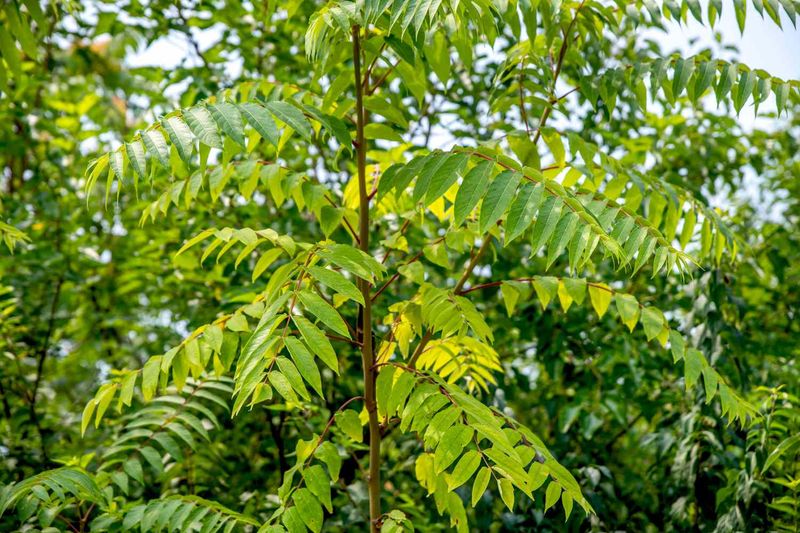
Few plants have caused as much trouble across southern Pennsylvania as the Tree of Heaven. Despite its lofty name, this tree is anything but heavenly for local ecosystems.
Originally brought to North America from China in the 1700s, it was once planted widely as a fast-growing shade tree. Over the centuries, it has spread far beyond anyone’s intentions and is now considered one of the most aggressive invasive trees in the region.
Tree of Heaven grows incredibly fast and produces huge numbers of seeds that travel easily on the wind. It can sprout through pavement cracks, push up through foundations, and take over disturbed land with almost no help at all.
Once it gets established in your yard, removing it becomes a serious challenge. Cutting it down often makes things worse, because the roots send up dozens of new sprouts in response.
There is another major reason to keep this tree far away from your southern Pennsylvania property. Tree of Heaven is the preferred host plant for the spotted lanternfly, an invasive pest that has caused massive damage to Pennsylvania agriculture and native forests.
Spotted lanternflies lay their eggs on Tree of Heaven and use it as a primary food source. Having one in your yard essentially rolls out a welcome mat for these destructive insects.
Native fast-growing alternatives like tulip poplar or river birch can give you the shade you want without inviting a wave of pests into your garden. Removing Tree of Heaven is one of the most impactful steps a southern Pennsylvania homeowner can take.
4. English Ivy
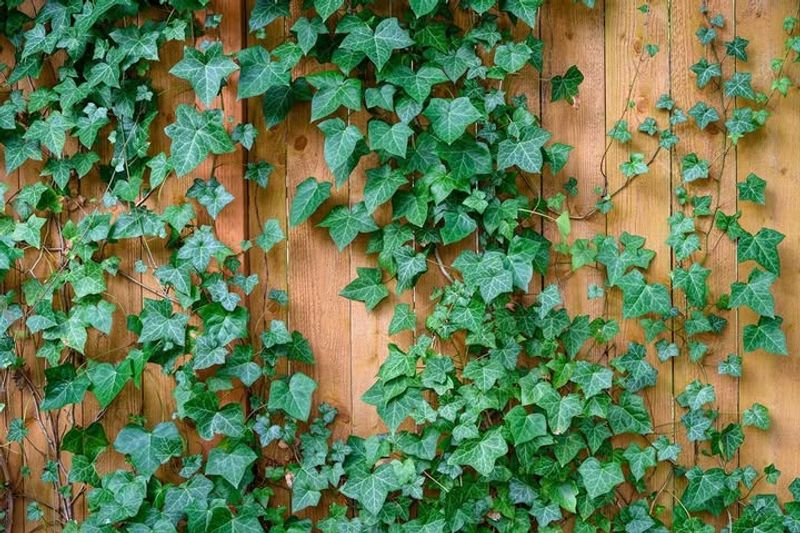
English Ivy has a classic, elegant look that makes it a popular choice for covering walls, fences, and bare ground. Many homeowners in southern Pennsylvania plant it thinking they have found the perfect low-maintenance ground cover.
The reality, though, is that English Ivy is far more aggressive than it appears and can quietly cause a tremendous amount of damage before most people even notice.
On trees, English Ivy is particularly harmful. It climbs up trunks and spreads across branches, blocking sunlight from reaching the tree’s own leaves.
Over time, the added weight and moisture retention weaken the tree significantly, making it far more likely to fall during storms.
In southern Pennsylvania, where mature trees are a valued part of many neighborhoods and landscapes, losing a healthy tree to English Ivy is a real and preventable tragedy.
English Ivy also spreads into natural areas where it forms dense mats on the forest floor. These mats smother native wildflowers, ferns, and tree seedlings, which disrupts the entire food web that local wildlife depends on.
Birds and insects that rely on native ground cover lose important habitat. If you love the look of a spreading ground cover, consider native alternatives like wild ginger, creeping phlox, or Pennsylvania sedge.
These plants stay in bounds, support local pollinators, and look beautiful through the seasons.
Removing English Ivy from your southern Pennsylvania property protects your trees, your garden structures, and the broader local ecosystem from long-term harm.
5. Bamboo
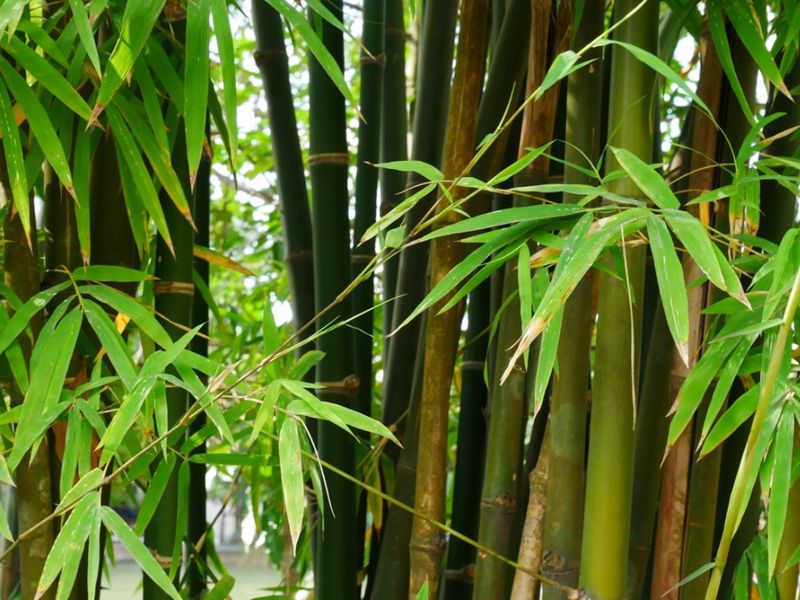
Bamboo has a reputation for being exotic, stylish, and fast-growing, which makes it sound like a dream plant for anyone wanting a quick privacy screen.
Plenty of homeowners in southern Pennsylvania have planted bamboo for exactly that reason, only to spend years regretting it.
The truth is that certain types of bamboo, particularly running bamboo, spread underground through an extensive root system that is extremely difficult to stop or remove.
Running bamboo sends out underground stems called rhizomes that can travel several feet in a single growing season. These rhizomes push through soil, under fences, and into neighboring yards without any warning.
Once bamboo crosses property lines, it becomes a neighbor dispute waiting to happen. In some cases, it has even pushed through concrete patios and cracked foundation walls.
Removing established bamboo is a long and exhausting process. It often takes multiple growing seasons of cutting, digging, and monitoring before the plant finally gives up.
Many southern Pennsylvania homeowners who have tried to remove it say it is one of the hardest landscaping mistakes they have ever had to fix.
If privacy is what you are after, there are much better options for southern Pennsylvania gardens. Native shrubs like arrowwood viburnum, American holly, or native grasses like switchgrass can create a beautiful, dense screen without the aggressive spreading.
Clumping bamboo varieties are slightly less invasive but still require careful management. Skipping bamboo altogether is the safest and smartest choice for your yard and your neighbors.
6. Burning Bush
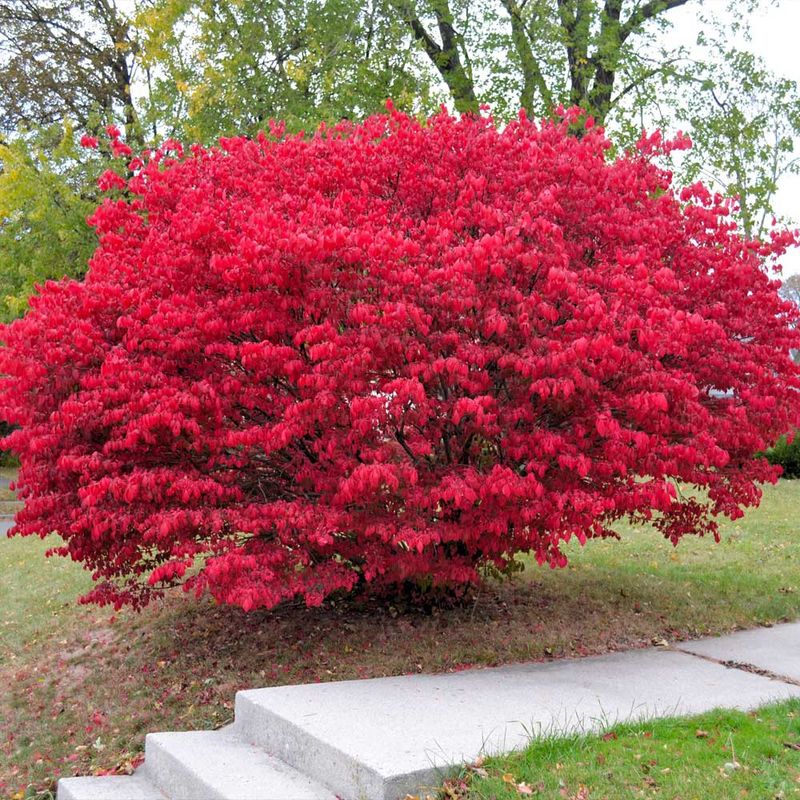
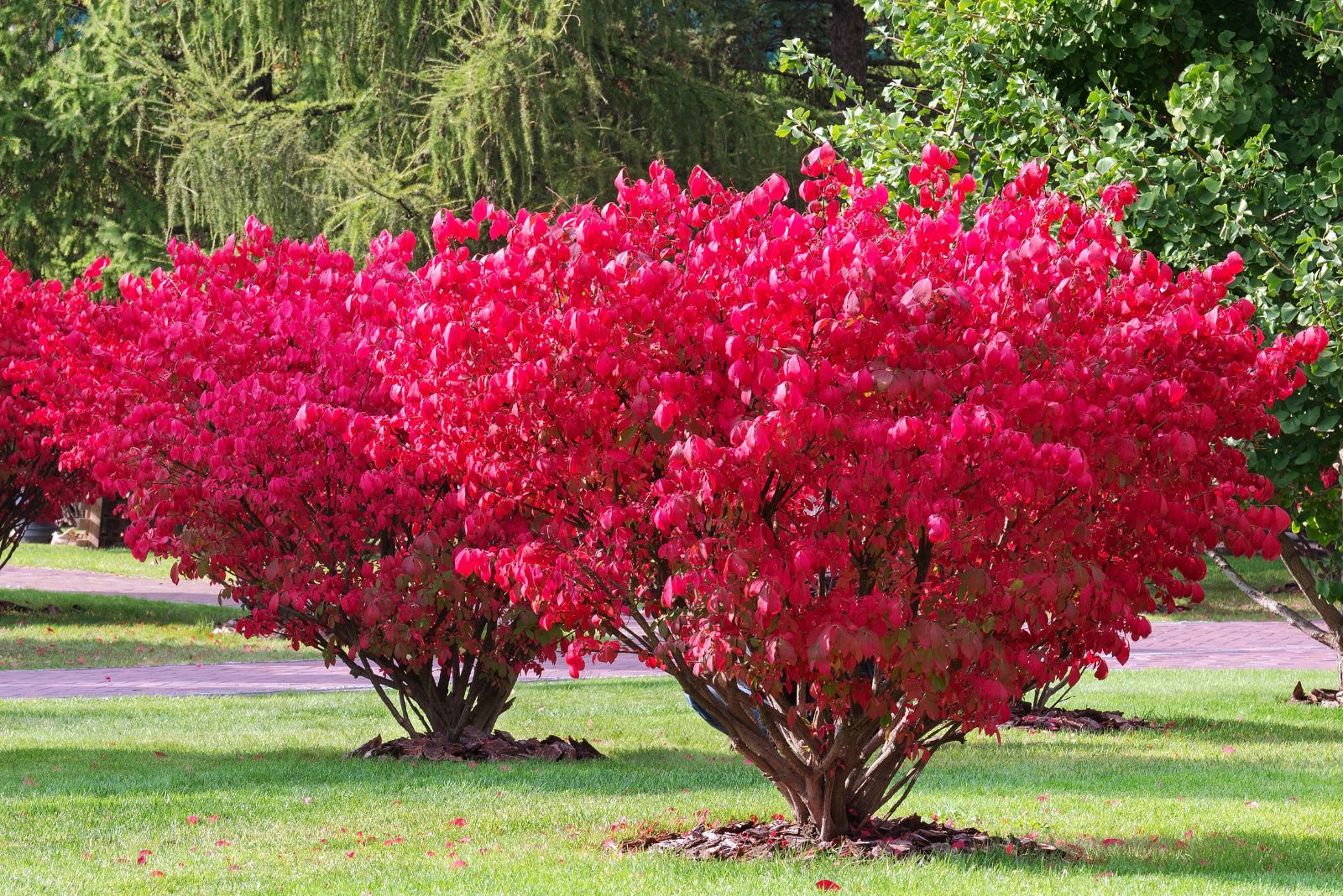
Every fall, Burning Bush earns its name in spectacular fashion. The leaves turn a blazing, fiery red that stops people in their tracks and makes it one of the most eye-catching plants in any neighborhood.
It is still widely sold at garden centers throughout the region, which makes it easy to understand why so many southern Pennsylvania homeowners have one in their yard. But the plant’s good looks hide a serious ecological problem.
Burning Bush is invasive across much of the eastern United States, including Pennsylvania. Birds eat its berries and spread the seeds into forests and natural areas.
Once it gets established in the wild, it forms dense thickets that push out native shrubs and understory plants. Those native plants support birds, pollinators, and other wildlife in ways that Burning Bush simply cannot replace.
Pennsylvania has included Burning Bush on its invasive species watch list, and conservation groups across the state have been actively discouraging its use in home landscapes.
The fact that it is still sold so widely is part of what makes it such a persistent problem. Many people plant it simply because they do not know any better.
The good news is that there are native alternatives with just as much fall color. Highbush blueberry, native viburnums, and Virginia sweetspire all put on a gorgeous autumn display while also providing food and shelter for local wildlife.
Replacing your Burning Bush with one of these options is a great way to keep the color while doing right by the southern Pennsylvania environment.
7. Purple Loosestrife
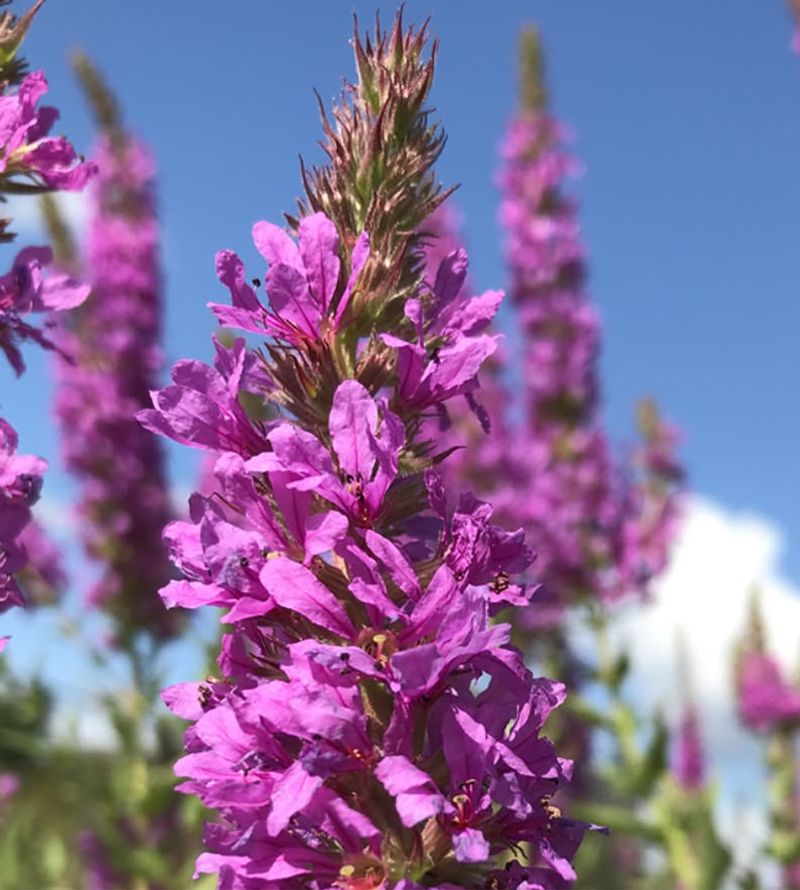
Standing along a wetland edge covered in tall spikes of vivid purple flowers, Purple Loosestrife looks like it belongs on a greeting card. It is genuinely stunning, and that beauty is a big part of why it became so popular in gardens across the northeastern United States.
Unfortunately, this plant is one of the most destructive wetland invaders in all of North America, and southern Pennsylvania has not been spared from its reach.
A single Purple Loosestrife plant can produce up to two million seeds per year. Those seeds spread easily through water, wind, and even on the boots of hikers passing through natural areas.
Once it moves into a wetland, it forms dense, nearly impenetrable stands that crowd out native cattails, sedges, and wildflowers. The loss of those native plants has a ripple effect throughout the entire wetland ecosystem.
Wetlands in southern Pennsylvania provide critical habitat for frogs, turtles, nesting birds, and countless insect species. When Purple Loosestrife takes over, those animals lose the food and shelter they depend on.
The plant also reduces water quality and can affect the overall health of streams and ponds connected to infested wetlands.
If you have a wet or low-lying area in your yard, there are beautiful native alternatives that thrive in those conditions. Blue flag iris, swamp milkweed, and native cardinal flower all love moisture and provide stunning color without any of the invasive risk.
Choosing these plants supports the local ecosystem and keeps southern Pennsylvania wetlands healthy and thriving for future generations.