Humpbacked Jumpers In Alabama Garages Are Not What They Seem
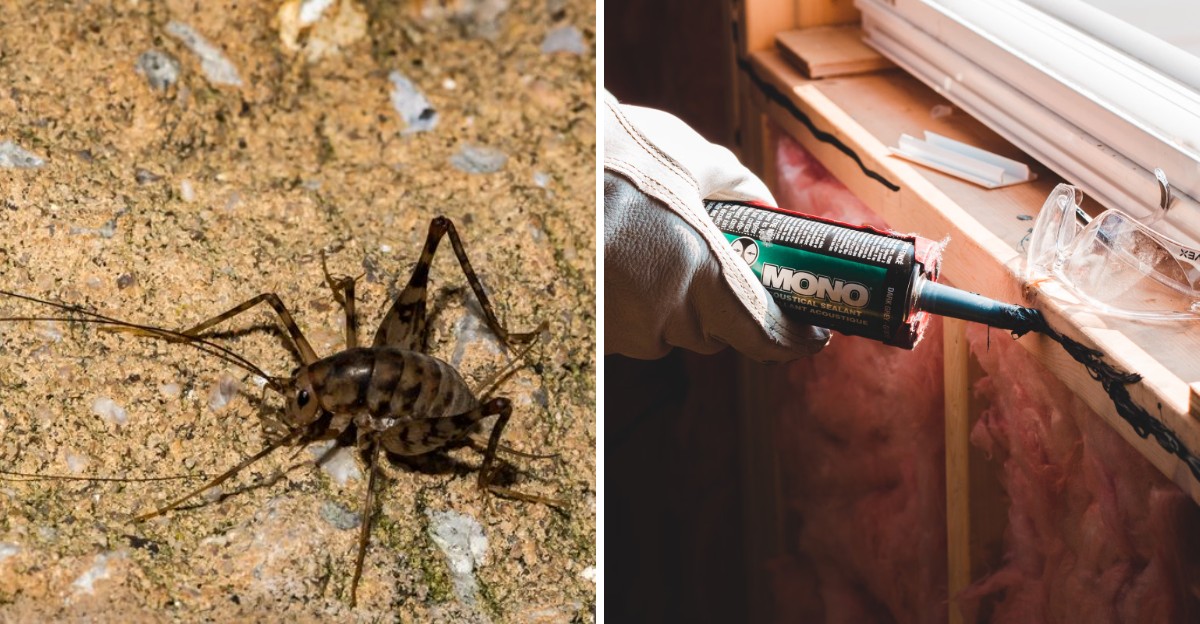
That brown blur just sailed toward your face, then slipped behind the paint cans. You are not facing a spider.
Meet the camel cricket, a wingless, silent jumper with a humped back. Autumn weather swings push it out of its hiding spots, so your damp garage becomes shelter in Alabama.
Its antennae stretch longer than its body. Those hind legs propel it several feet when you surprise it.
Cardboard, fabric, and mildew make up its menu. Your stored boxes and damp corners look like a feast to it.
Skin holds no appeal for this jumper, so you can lower the shoe. Alabama basements and garages host these guests whenever moisture climbs.
Spotting a cluster means damp conditions are hiding nearby. Fix the leak, and the jumpers lose their reason to stay put. Study this quiet guest closely before judging its odd, hunched silhouette.
Harmless Cave Crickets With A Spider-Like Look
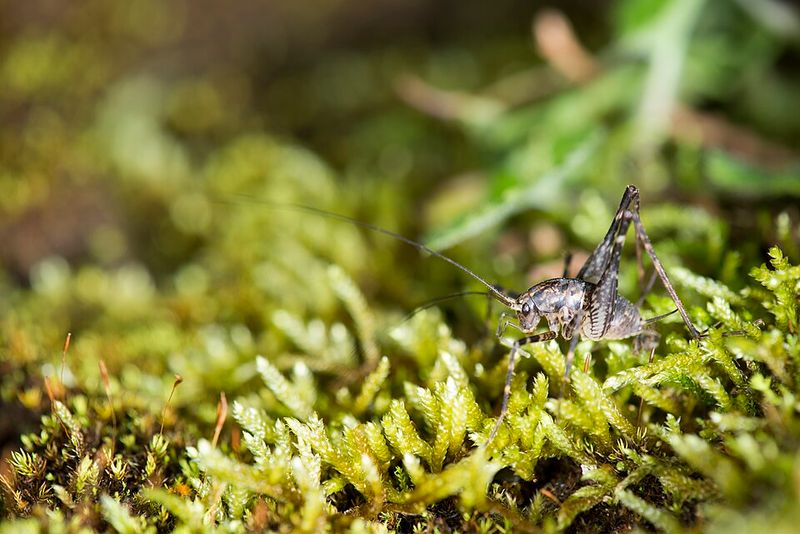
Picture a cricket with a small, humped body and very long legs. That is basically a cave cricket, the brown jumper that turns up in Alabama basements in fall.
Many people call them camel crickets or spider crickets because of their humped backs and long limbs. Despite the nicknames, they are not spiders at all, and they are not known to bite people or pets.
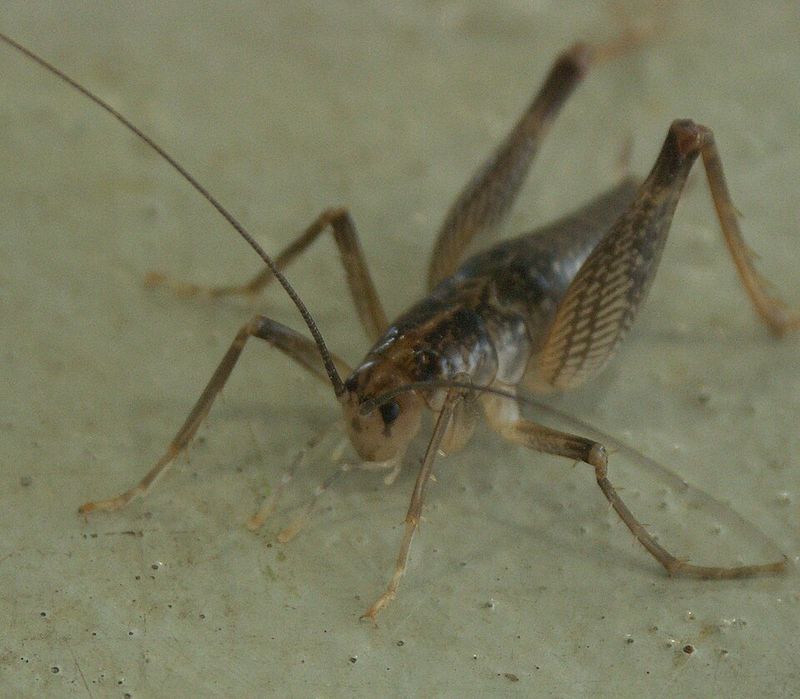
Adults usually measure about one inch long, though their antennae can stretch much farther than their bodies. Their color ranges from tan to dark brown, often with faint stripes or mottled bands.
Unlike the crickets that sing on summer nights, cave crickets have no wings and make no chirping sound. Instead of calling for mates, they rely on those long antennae to feel their way through darkness.
Their big back legs are built for escape, which explains the sudden leaps that startle people. When startled, they jump in unpredictable directions, which can look like a charge but is a defensive reflex.
In the wild, these insects live under logs, inside hollow trees, and deep in real caves. Alabama has plenty of caves, and several camel cricket species live in the state.
They are scavengers, which means they nibble on fungus, plant bits, and other leftover scraps. In a sense, they work as a tiny cleanup crew for damp places.
So the jumpy insect in your garage is mostly harmless, simply outside its usual habitat. Knowing what it is reduces the fright and helps you deal with it calmly.
Weather Shifts And The Move Indoors
Weather swings push many soil dwellers to relocate. After heavy rain or during a dry spell, cave crickets search for steadier shelter.
Your garage or basement offers suitable shelter after a storm. These spaces stay cool, dark, and slightly damp, which matches their natural cave homes almost perfectly.
October in Alabama brings a tricky mix of warm sunny afternoons and surprisingly chilly nights. Cooler air may also push cave crickets to look for steadier temperatures before winter arrives.
Your Alabama Garden Changes Every Week. Your Plan Should Too.
Gardening in Alabama changes quickly throughout the season. Every Friday you’ll receive a simple weekly plan showing exactly what to plant, prune, fertilize, harvest, and protect so you never miss the right timing.
Rain can also push moisture into crawl spaces, cinder block walls, and the soil hugging your foundation. That extra dampness draws them closer to the house, where cracks and gaps offer easy entry.
Some homeowners report more sightings within a few days after a big downpour. It can feel sudden, but it is mostly a weather-driven move indoors.
Garage doors with worn bottom seals are a common doorway for these jumpy travelers. Basement windows, dryer vents, and gaps around pipes also let them slip inside without much effort.
Once indoors, they hide in corners, under boxes, behind water heaters, and inside floor drains. They come out mostly at night, so a midnight trip for laundry might bring a surprise.
Watch the forecast as autumn weather shifts. A rainy week or a long dry spell is your signal to check the dampest corners of your home for hoppers.
Common Bug Spray Pitfalls
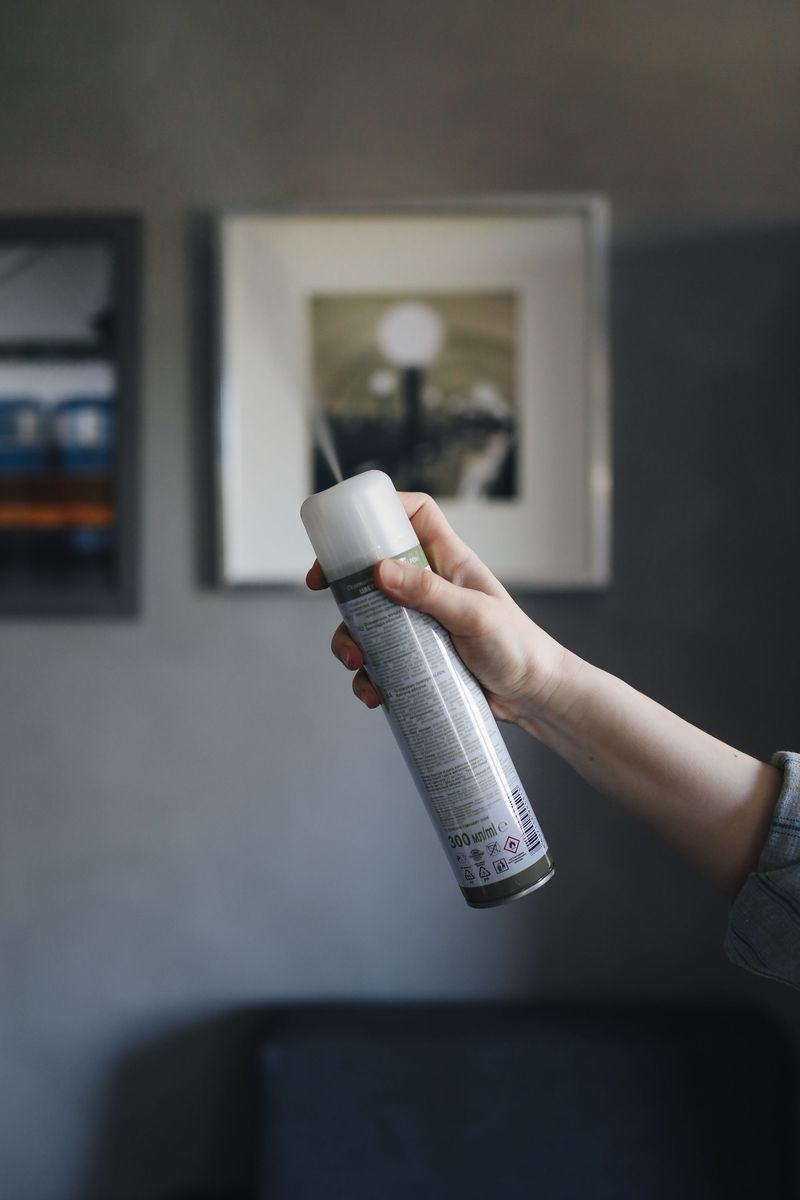
Picture emptying a can of bug spray on your garage floor in one evening. Two days later, the cave crickets are back, and the garage has a strong chemical odor.
That scenario plays out in many Alabama homes in fall. Spraying the insects you see feels satisfying, but it ignores the reason they showed up.
Cave crickets come indoors for moisture, not for food in your pantry. As long as the space stays damp, new crickets will keep wandering in to replace the old ones.
Heavy pesticide use in a closed garage can also irritate your lungs, eyes, and skin. Pets and kids who play on treated floors face the same risks, which is a real concern.
Another common mistake is assuming they breed in your walls like cockroaches. Cave crickets typically lay eggs in moist soil, so the source is often outside, though damp basements or crawl spaces with soil can also host them.
Some people also panic and call for expensive whole-house treatments right away. In most cases, that spending is unnecessary for a harmless insect.
Swatting them with a broom works, but crushed crickets can leave marks on walls and floors. Plus, chasing a jumper around the garage is tiring.
A smarter plan targets dampness first and uses chemicals only as a last resort. If you do use a product, follow the label closely and keep the area ventilated.
Think of it as fixing the leaky roof instead of mopping the floor forever. This approach saves money and avoids chemical exposure.
A Dehumidifier And A Few Sticky Traps
The most affordable tool against cave crickets is dry air. Lower the humidity, and your basement becomes far less inviting to these moisture lovers.
A dehumidifier set between 40 and 50 percent humidity works well for most basements. Empty the bucket often, or connect a hose to a floor drain for easy upkeep.
Fans and open windows on dry, breezy days can help garages air out too. Even a small change in dampness can make the space far less inviting.
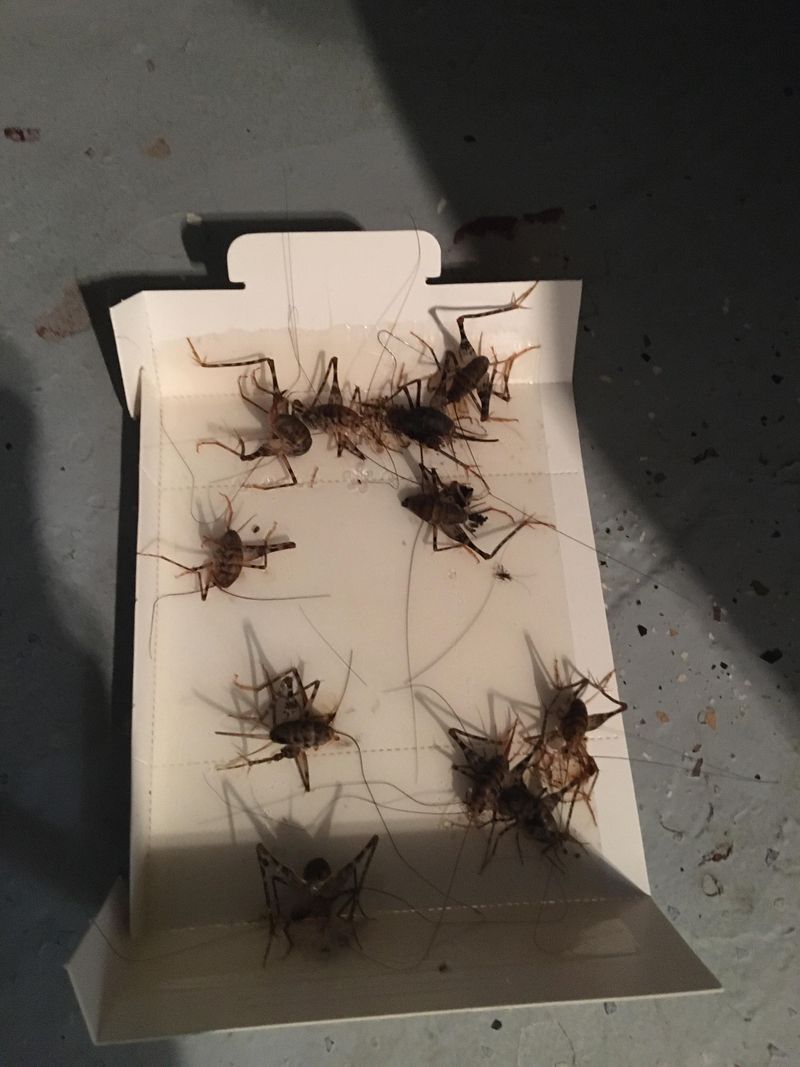
Sticky traps are the next best tool, and they are inexpensive. Place them along walls, behind appliances, and near doors, since crickets travel along edges.
Check the traps every few days to see where activity is heaviest. Those spots point to the moisture problems or entry points you should fix first.
Clear out piles of cardboard, old newspapers, and damp clothing from the floor. Plastic storage bins with tight lids give crickets fewer places to hide and nibble.
A shop vacuum makes quick work of any hoppers you spot, with no squishing required. Empty the canister outside right away so the crickets do not hop back out.
Sweep up leaf litter and dirt that blows into the garage after storms. That debris holds moisture and offers tiny snacks for hungry scavengers. Stick with these steps for a few weeks, and sightings should decline as the space dries out.
Chewed Cardboard And Other Small Damage
Few people want to open a box of holiday decorations and find ragged holes inside. Sadly, that is one of the few real problems cave crickets can cause.
While they are mostly harmless to people, these scavengers will chew on soft, damp materials. Cardboard, paper, fabric, and even houseplant leaves can show nibble marks after a busy season.
Large groups can damage stored clothing, rugs, curtains, and old photo albums kept in basements. The damage is usually minor, but it is frustrating when a family keepsake is damaged.
They also leave behind small dark droppings that look a bit like pepper flakes. These spots can stain fabrics, and mold can grow if the area stays humid.
Some people notice a faint musty smell when cave crickets gather in big numbers. That odor often comes from the damp conditions they love rather than the insects alone.
The upside is that they are not known to spread diseases to humans or pets. They also do not damage wood framing, wiring, or the structure of your house.
Some cats and dogs even treat them like bouncy toys worth chasing. A pet that eats one might get a mild upset stomach, but serious trouble is unlikely.
Their presence can work like a warning light for your home’s moisture levels. Lots of crickets often means water is seeping in somewhere, which can lead to bigger repairs.
So take the chewed boxes as a gentle nudge, not a cause for panic. Fix the dampness now, and you protect both your belongings and your foundation.
Sealed Gaps And A Drier Foundation For Next Fall
When it comes to cave crickets, a dry house is a quieter house. Start outside by checking that gutters are clear and downspouts send water far from the walls. Rainwater pooling near the foundation creates the soggy soil cave crickets adore.
Move firewood and leaf piles well away from the house, ideally 20 feet or more, and keep mulch thin and pulled back from the foundation. These cozy, damp spots act like waiting rooms right outside your door.
Next, replace worn weather stripping along the bottom of the garage door. A new rubber seal costs little and blocks one of the biggest entry points.
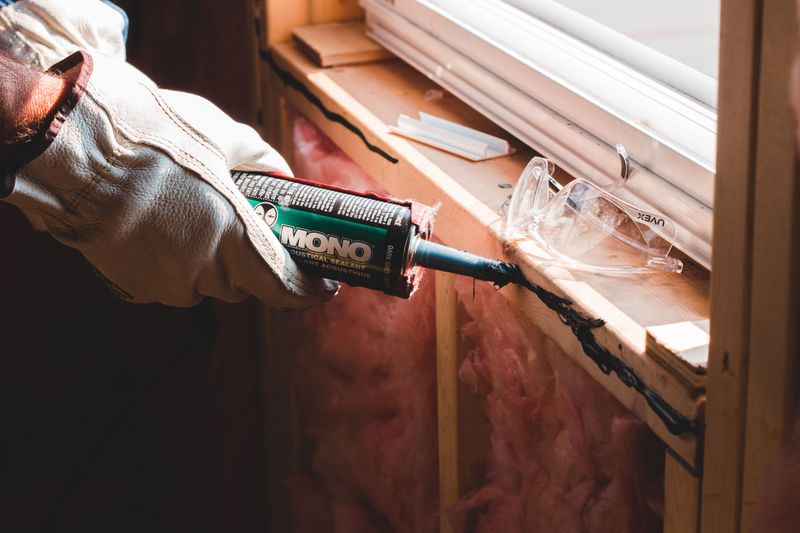
Walk around the house with a tube of caulk and seal cracks in the foundation. Pay close attention to gaps around pipes, cables, vents, and basement windows.
Screens on crawl space vents and covers for floor drains add another layer of protection. Small fixes like these often work better than spray alone.
Outdoor lights near doors can draw other insects, which in turn attract hungry critters. Switching to yellow bug bulbs may help keep the whole area calmer at night.
Late summer or early fall is a good time to tackle these chores, ideally before sightings begin.
With a drier foundation and tighter seals, next fall should bring far fewer surprises. Your garage can go back to holding bikes and boxes instead of hopping houseguests.