Poisonous Plants Illinois Homeowners Can Still Find Around The Yard This Winter
A leafless vine on your fence can still give you a blistering rash in the middle of January. The itchy oil behind that rash stays active on winter stems and old fallen twigs for years after the leaves drop.
Cold weather also hides plenty of other trouble, like glossy evergreen shrubs packed with toxins near the front door. Some persistent winter berries look cheerful against snow, yet a few bites can send a curious toddler to the doctor.
I used to think my Illinois yard took a safe little nap from November until the first spring robins. After a few itchy lessons, I learned to look much closer at every bare stalk and berry cluster.
You might notice a few of these culprits on your next walk to the mailbox or woodpile. So which sneaky Illinois plants deserve a second look before you grab that pruner or let the dog roam?
1. Poison Ivy
Winter strips poison ivy of its famous leaves, but the hairy rope climbing your oak tree is still loaded with itchy oil. I once grabbed a fuzzy vine for kindling and paid for it with a week of scratching.
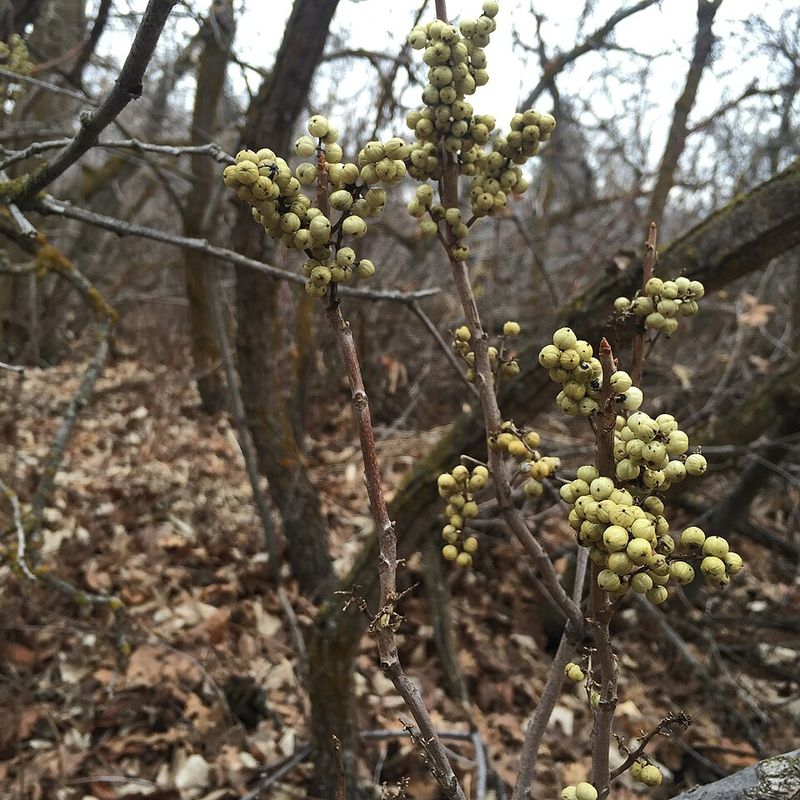
Every part of this plant carries urushiol, including the stems, roots, and those dull white berries clinging on in clusters. The oil stays active on bare vines and old fallen pieces, so a leafless plant is not a harmless one, even in the cold Illinois winters.
You can spot it by the brown, coarse hairs on older vines, which look a lot like a shaggy beard. Those hairs are aerial rootlets that help the vine grip bark as it climbs toward the sunlight, and they are a common sight on trees across Illinois woodlands.
Younger twigs often show a reddish or orange-brown color, and the grayish white berries hang around for hungry birds. Birds happily eat them without trouble, which is how new plants pop up along fences and under trees.
Please skip burning any brush pile that might hold these vines, because the smoke can carry urushiol into your lungs. Bag the cut pieces instead and wear long sleeves with disposable gloves while you handle them.
Many Illinois towns also restrict open burning, so bagging is the safer choice anyway. Wash your tools, gloves, and clothes soon after pulling vines, since the oil can linger on surfaces for months.
Plain soap with plenty of cool water works well on skin if you scrub within the first few minutes. Pets can carry the oil on their fur too, even though most dogs rarely react themselves.
A quick bath after your dog explores the woodpile can save your arms from a mystery rash later.
2. Poison Sumac
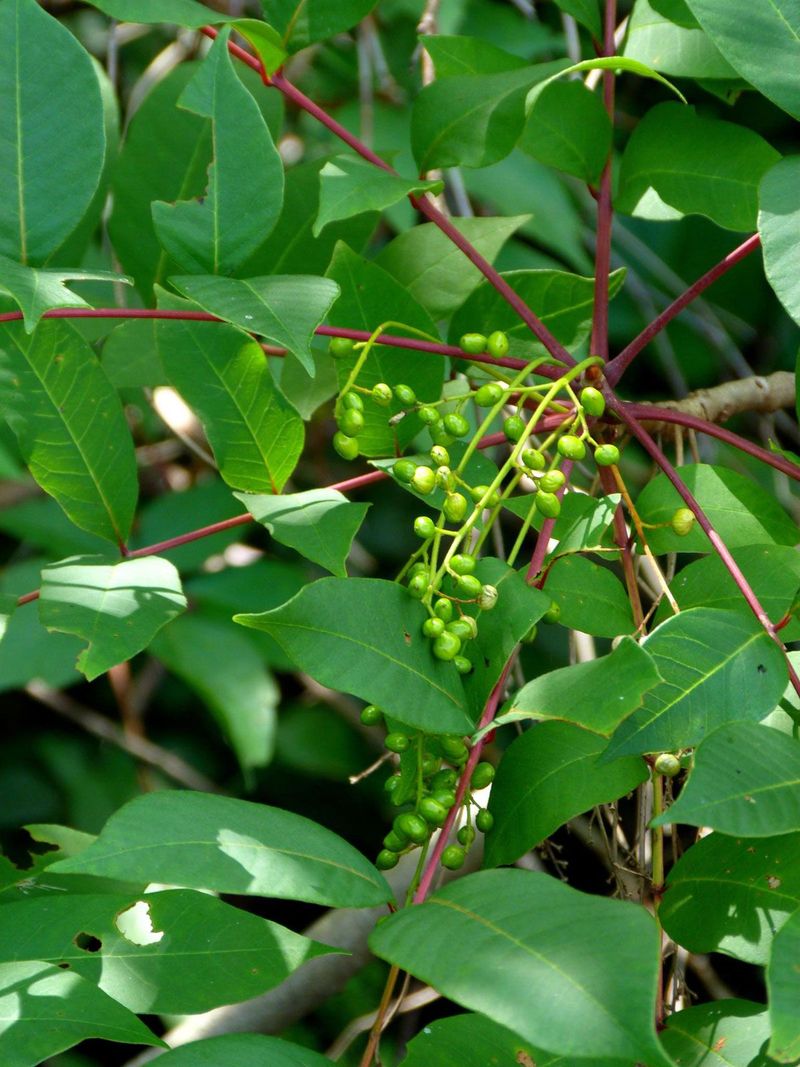
Soggy corners of a property can hide a shrub many experts consider even nastier than its viny cousin. Poison sumac loves swamps and bogs, so homeowners near wet ground should learn its winter look before spring cleanup.
Picking it out is easier than you might expect once you know the clues to watch for. The bark is smooth and light gray, dotted with tiny raised pores called lenticels that look like scattered freckles.
Twigs usually show an orange, tan, or brown tint, and the crown looks open and airy instead of dense. Mature plants reach anywhere from five to twenty-five feet, so some look like small trees rather than shrubs.
My favorite clue is the fruit, which hangs in drooping clusters of smooth, cream-colored berries through the cold months. Harmless red sumacs hold their fuzzy red fruit upright, so drooping pale berries should make you pause and step back.
Urushiol coats every part of this plant, and the oil stays strong on bare winter stems and old branches. Contact can bring burning, swelling, and blisters that often feel worse than a typical backyard rash from poison ivy.
Wet spots tempt people to clear brush in late winter, especially before the ground thaws and turns muddy. Wear gloves and long sleeves, and bag the cuttings rather than tossing them on a bonfire pile.
Burning this plant can release irritating oil into the air, which is risky for your eyes and lungs. When in doubt, a local extension office can help confirm your shrub from a clear photo.
3. Yew
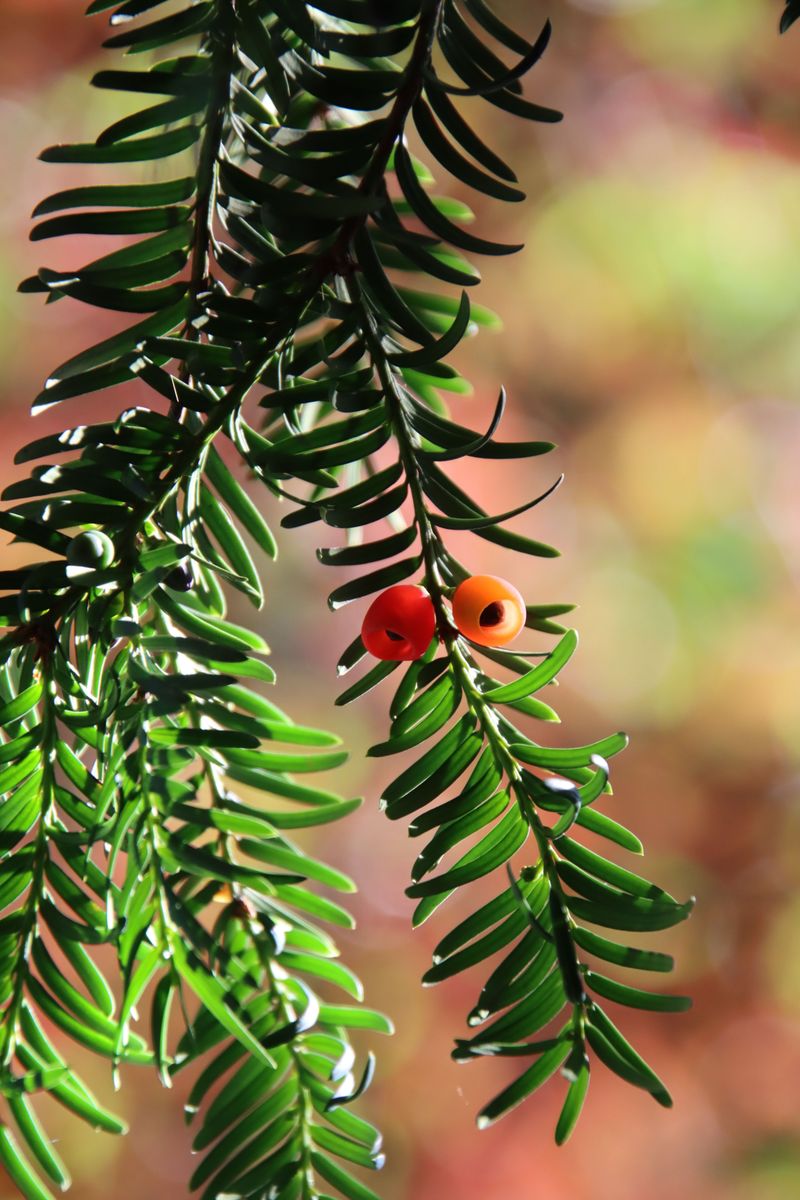
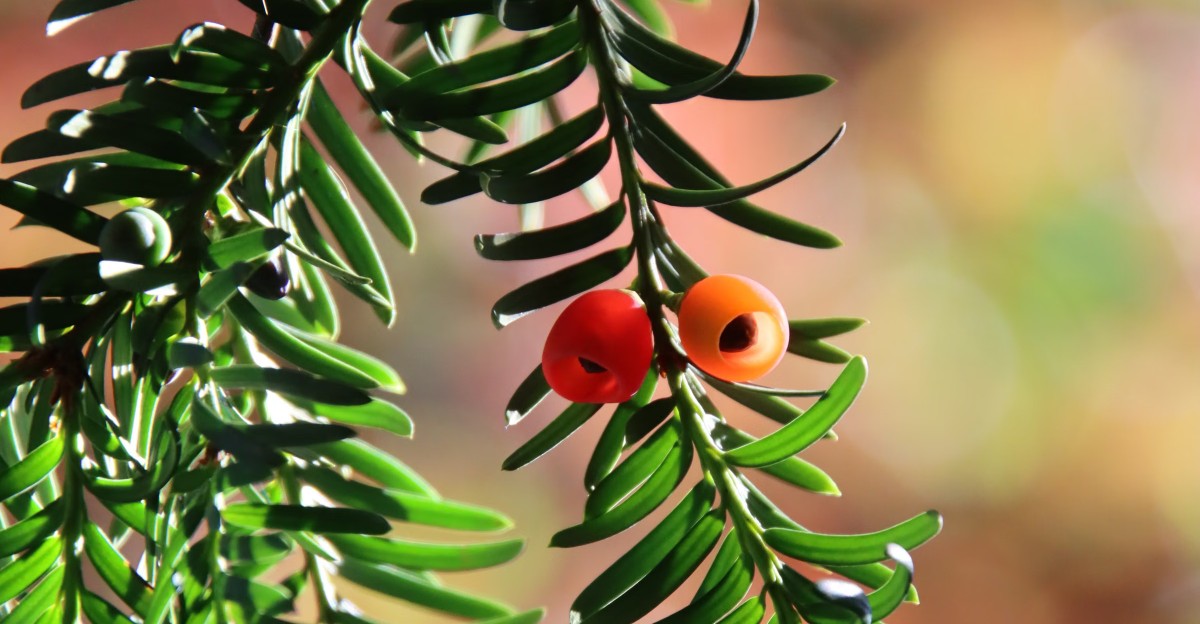
That tidy green hedge hugging your front porch might be one of the most toxic plants on the block. Yews show up in countless foundation plantings because they stay green, handle shearing well, and grow happily in Illinois soil.
Look for flat, glossy needles about one-half to one and a half inches long, with reddish-brown bark that flakes. Female plants carry bright red, cup-shaped arils that look like tiny candies tucked among the dark green foliage.
Here is where people get fooled, because the soft red flesh is the only part without the dangerous toxin. The single seed inside holds a high concentration of taxine alkaloids, which affect the heart very quickly after swallowing.
Research also shows the toxins in the needles run especially high during winter, right when other greenery is scarce. Hungry deer sometimes browse yews, but horses, cattle, and dogs can suffer serious heart problems from just a small amount.
I always gather my yew trimmings into a sealed bag instead of leaving them on the lawn or curb. Livestock owners should be extra careful, since tossing clippings over a fence has caused tragic poisonings in pastures over the years.
Kids may find the red arils tempting, so teach them early that these berries are strictly for looking. If you suspect anyone has chewed a seed or needles, call Poison Control right away.
You can keep yews with some precautions, and choosing male plants removes the red arils, but the needles and seeds of every yew remain toxic, so keep children, pets, and livestock away from them.
Male shrubs skip the red fruit, which removes much of the temptation from curious little hands.
4. American Holly
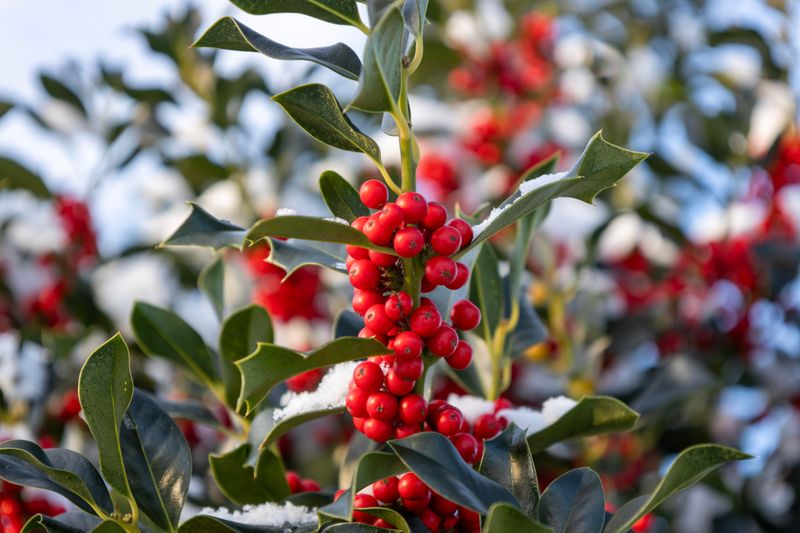
Few plants look more like a holiday card than American holly dusted with fresh snow and dotted with red berries. Its beauty fills wreaths and mantels every December, yet those cheerful berries can upset a stomach in a hurry.
This native evergreen grows slowly into a pyramid shape, sometimes reaching thirty to sixty feet in ideal spots. Its leathery leaves stretch two to four inches long and wear sharp, spiny teeth that poke through thin gloves.
The berries ripen in fall and often hang on through winter, adding bright red color when the garden looks sleepy. Birds like cedar waxwings and robins eat them later in the season, but people and pets should skip them.
Both leaves and berries contain saponins and a bitter compound called ilicin that irritates the digestive system. Eating several berries can cause nausea, vomiting, belly pain, and diarrhea, especially in small children who swallow things quickly.
I love cutting a few sprigs for indoor decorations, but I keep them high on shelves away from the cat. Fallen berries from wreaths can roll under furniture, so sweep up after the holidays to stay on the safe side.
Outdoors, wear sturdy leather gloves when you prune, since those spiny leaf edges can scratch skin and cause irritation. Late winter is a fine time for light shaping, before new spring growth starts pushing out.
Remember that only female hollies produce berries, and they need a male plant nearby for pollination. Families with toddlers might enjoy the glossy foliage of a male plant without worrying about tempting red fruit.
5. Pokeweed
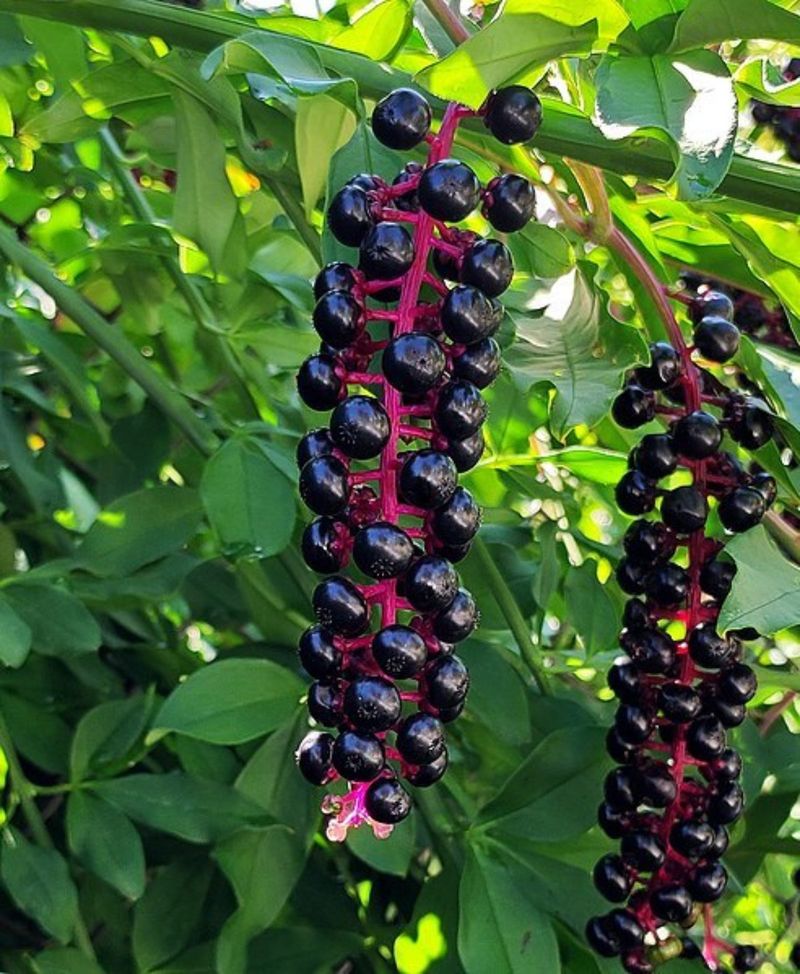
Dried reddish-brown stalks poking out of a snowy fence line usually belong to pokeweed, the summer giant that refuses to disappear quietly. Frost knocks back the leaves, but its dried, reddish-brown skeleton often stands tall through the coldest weeks of winter.
During the growing season this native perennial can shoot up four to ten feet with stout, hollow, reddish stems. A few dark purple berries sometimes cling to winter stalks, looking shriveled but still full of toxic little seeds.
Every part of the plant is poisonous to people and many mammals, and the toxicity rises as plants mature. The roots and seeds carry the highest levels, packed with saponins, oxalates, and a compound called phytolaccine.
Swallowing berries or root pieces can bring nausea, vomiting, diarrhea, headaches, and painful cramps. Severe cases are rare but serious, so any suspected ingestion deserves a quick call to Poison Control.
Honestly, winter is my favorite time to deal with pokeweed because the bare stalks make every plant easy to find. Mark the spots now, then dig out young plants in spring before the huge taproot grows even bigger.
That fleshy root can get as thick as a carrot or wider, and it pushes up fresh shoots every spring. Wear gloves while digging, since the juice may irritate sensitive skin and stain your hands a lovely shade of purple.
Birds spread the seeds far and wide, so new plants pop up under feeders and along fences. Snapping off old stalks before spring helps cut down on seeds dropping into your flower beds.
6. Jimsonweed
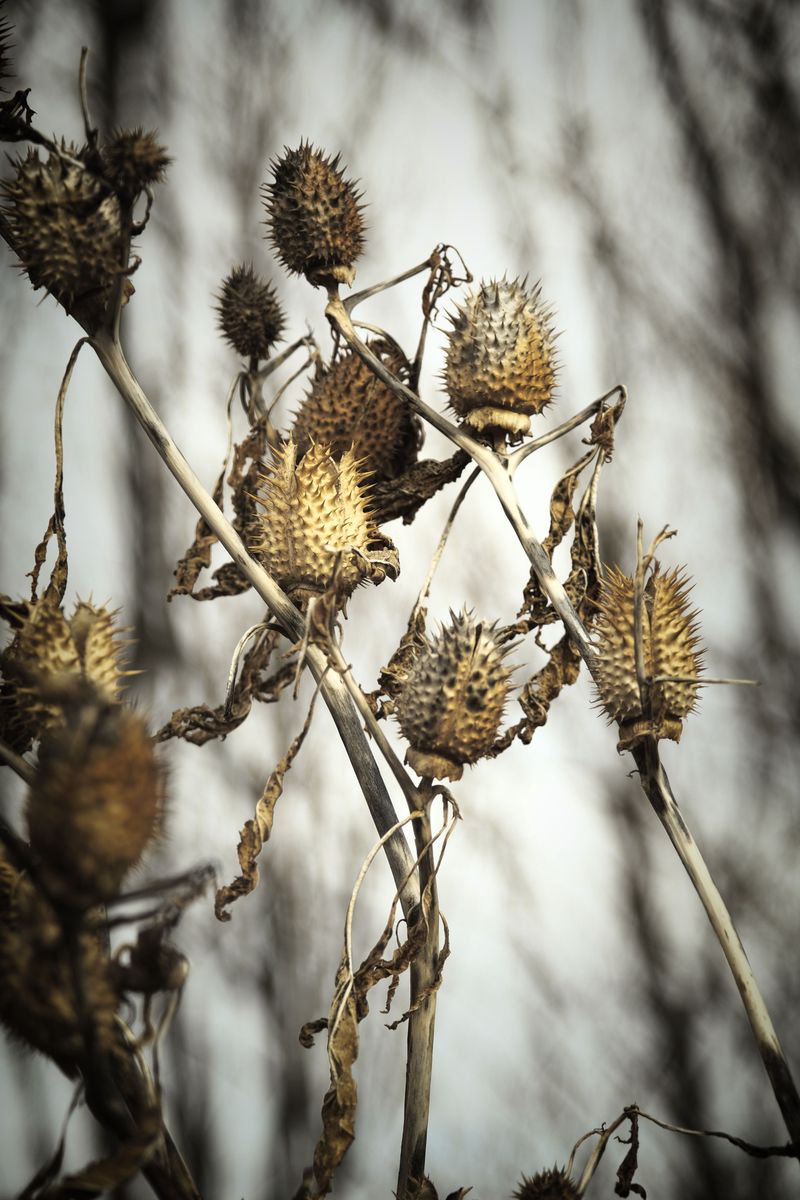
Spiky little seed pods that look like medieval maces are a dead giveaway for jimsonweed, also called thorn apple. They rattle on brown stalks all winter, and each one holds a surprising number of shiny black seeds.
This fast-growing annual shoots up one to five feet tall in disturbed soil, barnyards, and neglected garden corners. Its big, lobed leaves smell awful when crushed, which honestly makes the plant easy to recognize during summer.
After the trumpet-shaped flowers fade, those egg-shaped capsules harden and split open, scattering seeds across the ground. The plant itself finishes its life in one season, yet the dried stalks and pods often stand until spring.
Drying does not make jimsonweed safe, because every part still carries strong tropane alkaloids like atropine and scopolamine. The seeds and leaves hold the highest amounts, and swallowing them can cause confusion, blurred vision, and a racing heartbeat.
Serious poisonings have happened when teens experimented with the seeds, so this plant deserves real respect around older kids. Pets and livestock can be affected too, especially if dried stalks end up mixed into hay or bedding.
Winter offers a handy chance to snip off the seed pods before they finish cracking open. Wear gloves, drop the pods straight into a sealed bag, and send them out with the regular household trash.
Skip the compost pile for these pods, since home bins rarely get hot enough to ruin the hardy seeds. Removing pods now can save you from pulling a whole new crop of seedlings next summer.
7. Evergreen Rhododendron
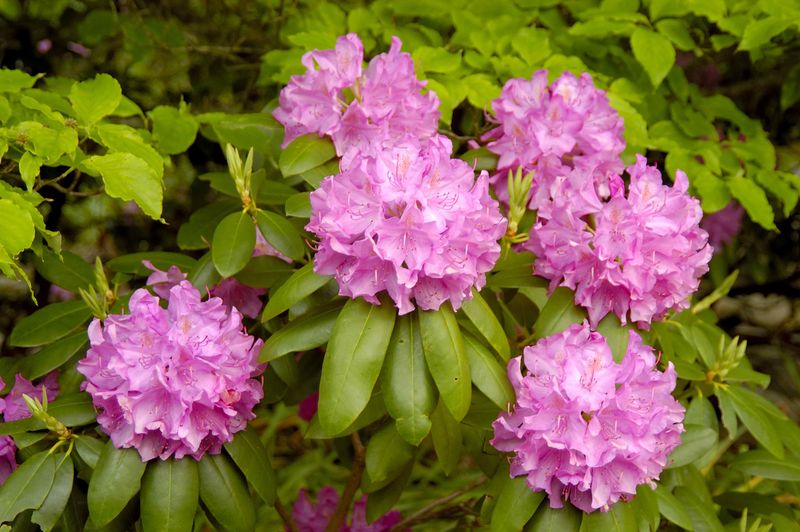
Curled rhododendron leaves on a frosty morning act like a living thermometer, rolling tighter as the temperature drops. I check mine from the kitchen window, and the tighter the curl, the colder my walk to the car.
Evergreen rhododendrons and azaleas keep their leathery leaves all winter, which makes them popular near entryways and patios. Many hardy varieties handle Zone 5 conditions, especially when planted in sheltered spots with acidic, well-drained soil.
Behind that handsome foliage hides a group of toxins called grayanotoxins, found in the leaves, flowers, nectar, and pollen. Even honey made from their nectar in certain regions can cause a condition people call mad honey disease.
Chewing on the leaves can lead to drooling, vomiting, weakness, and dangerously low blood pressure in people and pets. Dogs, cats, goats, and horses are especially at risk when other greenery is scarce during the snowy months.
Bored pets sometimes nibble the only green thing in sight, so watch your dog around these shrubs in January. If a goat or horse shares your property, keep rhododendron trimmings far away from their pens and pastures.
Winter care is simple, and a thick layer of mulch helps protect the shallow roots from freeze and thaw cycles. Watering deeply before the ground freezes also reduces leaf scorch from drying winter winds.
Hold off on pruning until right after the spring bloom, since flower buds are already set on the branches. Cutting now removes those plump buds and leaves you with a rather disappointing show come May.
8. Black Cherry
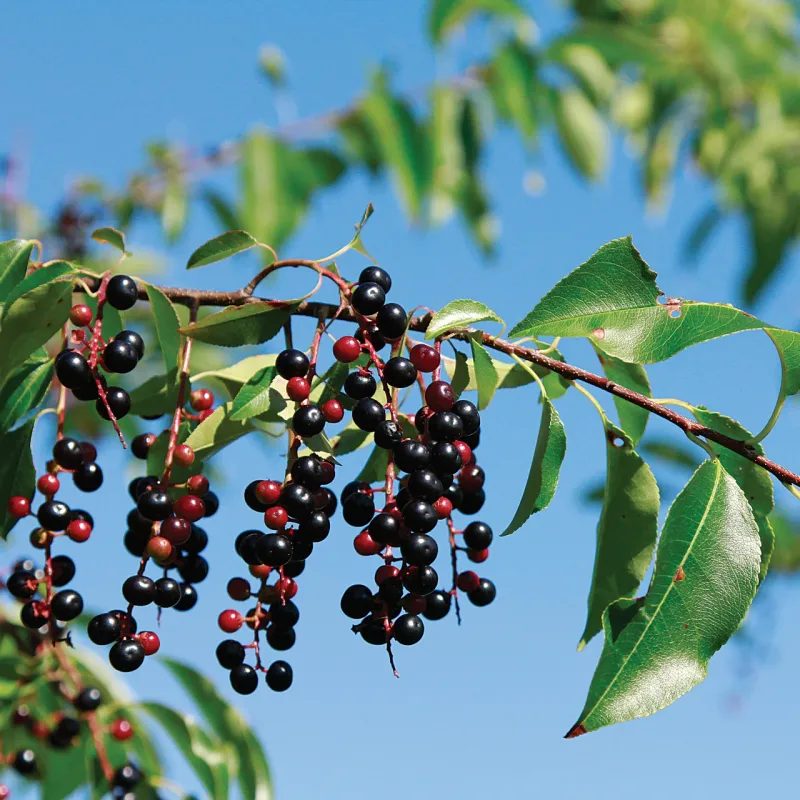
Bark that looks like a pile of burnt potato chips is the classic clue for spotting a mature black cherry tree. Once you notice those dark, curling flakes, you will start seeing this native tree along fence rows everywhere.
Wild black cherry grows fast and can tower fifty to eighty feet tall in good conditions across Illinois. Young trees have smooth, dark gray bark, while slender reddish-brown twigs stand out nicely against winter snow.
This tree feeds plenty of wildlife, and its summer fruit is a favorite of birds and foragers alike. The trouble lies in the leaves, bark, twigs, and pits, which contain compounds that release cyanide when damaged.
Wilted leaves are the biggest worry, especially after storms snap branches and leave them hanging within reach. Horses, cattle, and goats can suffer severe breathing trouble after eating wilted foliage, so farm owners take this seriously.
Winter storms often bring down limbs, and I make a habit of walking the fence line after heavy wind. Clearing fallen branches quickly keeps livestock safe once spring leaves start to sprout and later wilt on broken limbs.
Fresh fruit flesh is edible when ripe, but the pits should stay whole and out of your mouth. Teach kids to spit out the stones, and skip crushing them into jams or homemade syrups.
Late winter is a solid time to prune black cherry, since dormant trees show their branch structure clearly. Bag or chip the cuttings, and keep them well away from any animals that like to munch.