What It Means When A Goldfinch Visits Your Illinois Yard This Summer
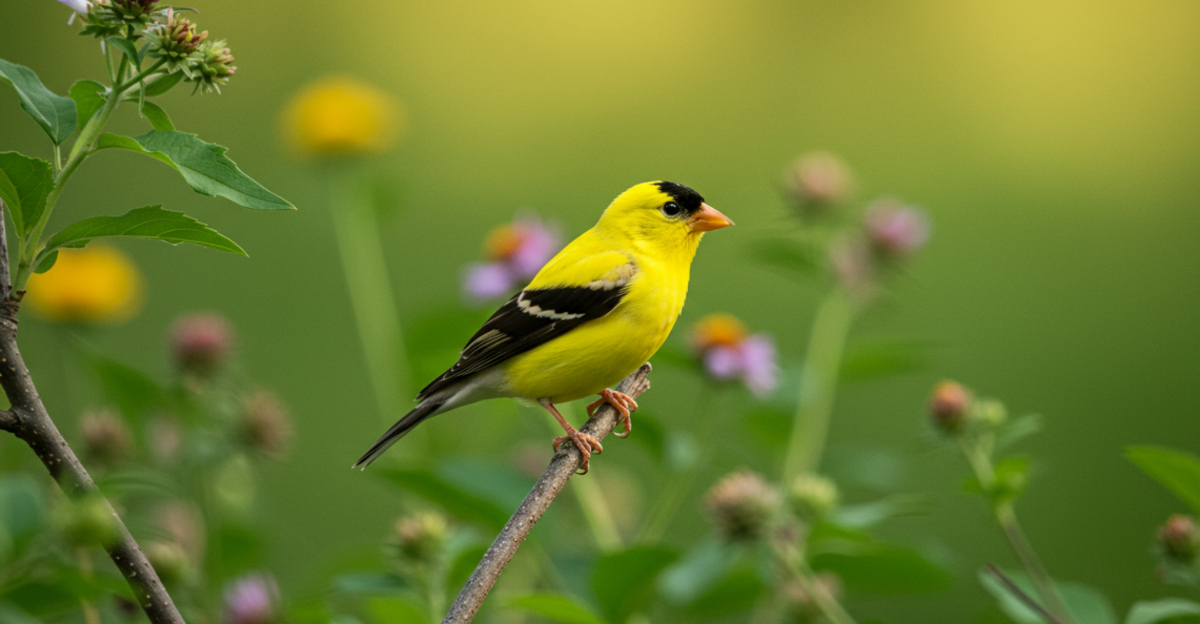
A flash of yellow shoots across your yard, lands on a stem, and starts swinging like it owns the place. That is an American Goldfinch, and it did not end up in your Illinois yard by accident.
These birds are picky. They show up where conditions are right. If one just landed in your garden, your yard earned it.
The males turn a yellow so bright it almost looks fake. Knowing what pulls them in changes how you look at your whole yard. A bare patch of lawn reads differently when you realize it is pushing goldfinches away.
A patch of coneflowers reads differently when you see one clinging to the seedhead. Illinois summers are full of these birds. You just need to know what you are looking at.
A Goldfinch Visit Is A Sign Of A Thriving Yard
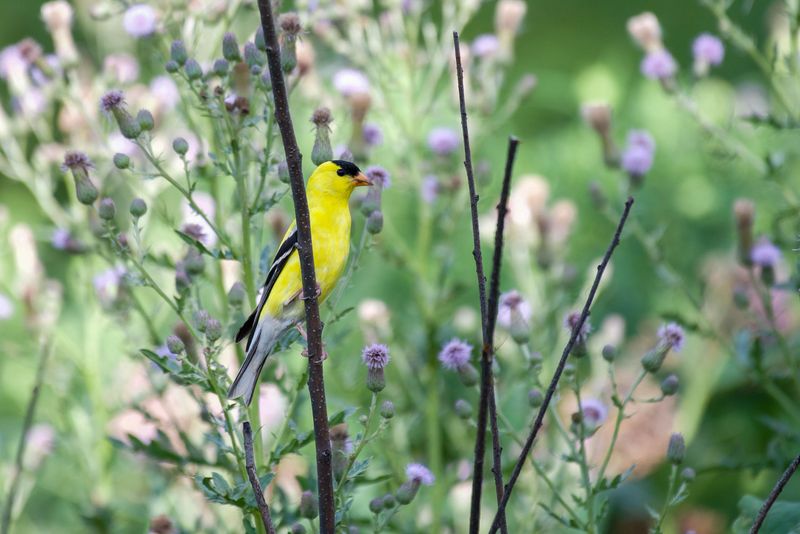
When a goldfinch lands in your yard, take it as a compliment. These birds are picky about where they spend their time, and their presence says your space has something worth visiting.
Goldfinches favor clean, healthy environments with natural food sources nearby. A yard full of pesticides, bare soil, or noisy disturbances rarely attracts them.
Think of their visit as nature giving your outdoor space a gold star. If one shows up, your yard is likely offering shelter, seeds, or water that other nearby spaces are not.
Native plants, minimal chemical use, and a water source. Illinois yards that check those boxes tend to see goldfinches. It is not complicated.
Healthy yards tend to have layered plant growth, meaning shrubs, flowers, and open ground working together. That kind of variety signals safety and food abundance to a small bird scanning the neighborhood from above.
What a goldfinch visit in your Illinois yard this summer really tells you is simple. Your yard has earned it, and that is worth paying attention to.
Your Yard Has The Food Sources Goldfinches Are Looking For
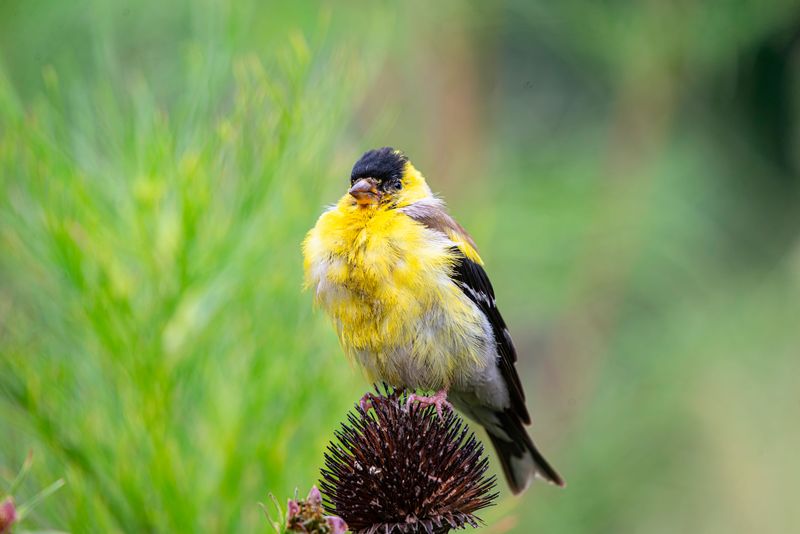
Goldfinches are not just passing through on a whim. They are strategic foragers, and your yard caught their eye for a reason.
These birds are almost entirely seed eaters, which sets them apart from many other backyard visitors. They go wild for nyjer seed, sunflower seeds, and the natural seeds found on plants like coneflowers and cosmos.
If you have any of those growing or hanging in your yard right now, congratulations. You accidentally built a goldfinch buffet, and birds tend to follow reliable food sources, and a well-stocked yard gets noticed.
Unlike robins or sparrows, goldfinches skip the worm hunt entirely. They prefer to cling to tall seed heads and pick apart dried flower tops with their short, pointed beaks.
Spotting one means your yard already has at least one food source that meets their needs. Add a nyjer feeder and you will go from occasional guest to regular hotspot almost overnight.
Goldfinches are also drawn in by what they hear. A yard with moving water, like a simple birdbath fountain, sends an audio signal that carries further than you might expect. Sound and food together make your yard hard to ignore.
Your Illinois Garden Changes Every Week. Your Plan Should Too.
Gardening in Illinois changes quickly throughout the season. Every Friday you’ll receive a simple weekly plan showing exactly what to plant, prune, fertilize, harvest, and protect so you never miss the right timing.
Goldfinches in Illinois this summer are actively building up energy for nesting season. Giving them reliable food now creates a relationship that lasts all season long.
When And Where To Expect Them
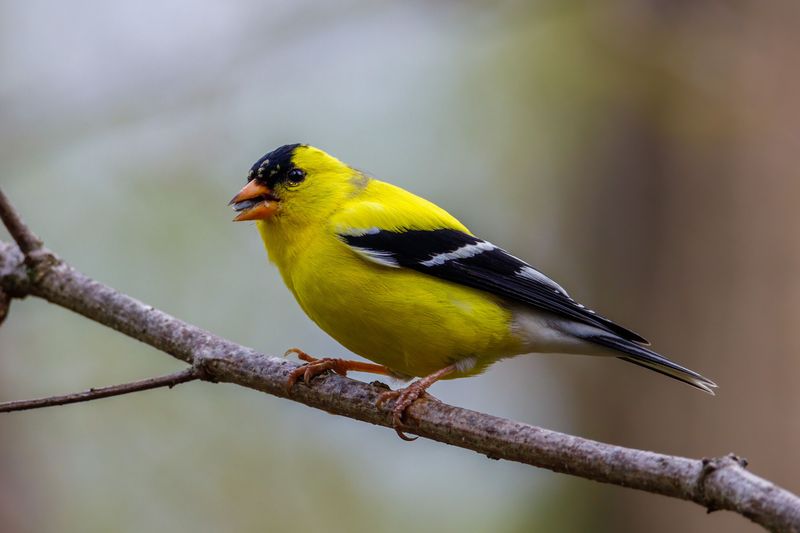
Most people are surprised to learn that goldfinches are actually year-round Illinois residents. They do not migrate south for winter like many other songbirds.
That said, summer is when they truly shine, both literally and figuratively. Males develop their iconic bright yellow plumage starting in spring, and by June they are at their most vivid and vocal.
You are most likely to spot them between late June and early August. Sightings are common across the entire state, from the suburbs of Chicago down to the southern tip.
They tend to nest later than most birds, often waiting until wildflowers and native grasses go to seed.
Look for them near open fields, forest edges, and suburban yards with mature plantings. They are not deep-forest birds, so backyards are genuinely prime territory for them.
Morning hours tend to be the most active time for goldfinch sightings, so an early start gives you the best chance of catching one. Sitting near a window with coffee in hand is honestly the best strategy.
A goldfinch visit to your Illinois yard this summer is most likely during peak nesting season. That means the birds you see may be building a family just blocks away from your home.
The Plants And Flowers That Keep Drawing Them Back
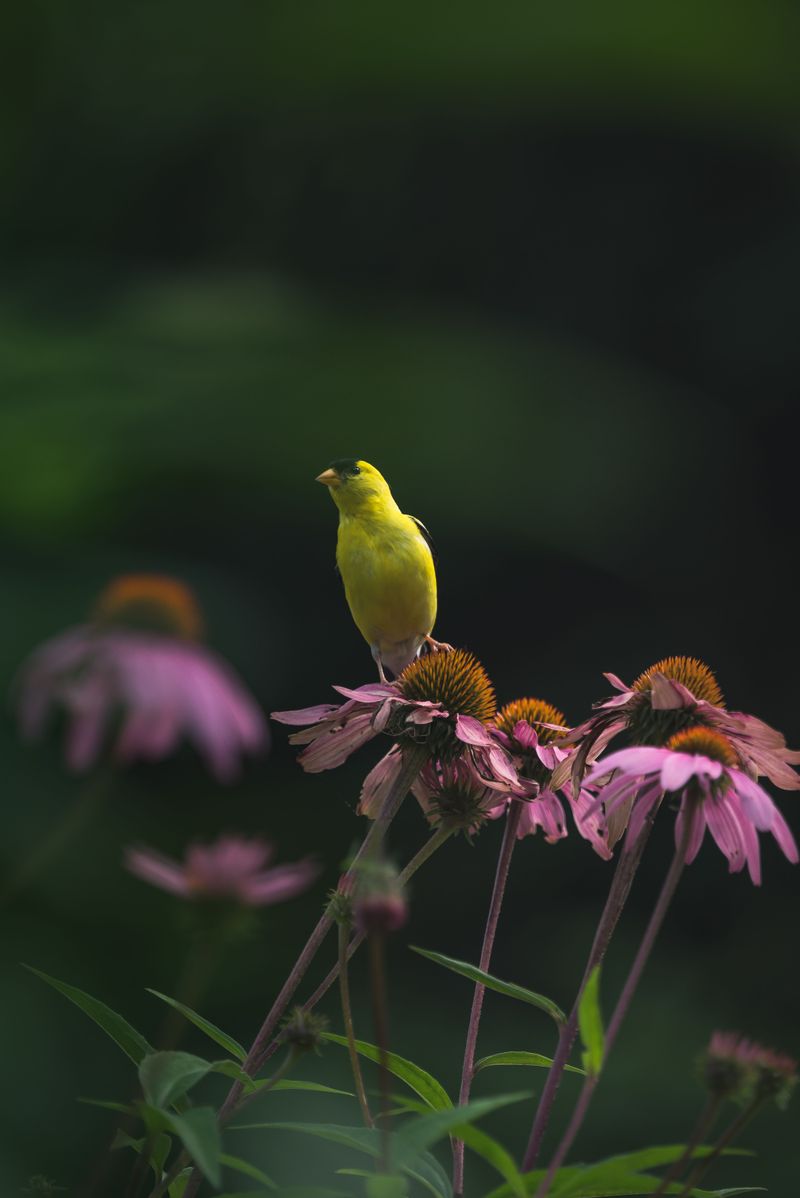
Goldfinches are basically garden influencers. Plant the right things, and they will keep showing up all season without you doing much else.
Their absolute favorites include purple coneflowers, black-eyed Susans, and cosmos. All three are easy to grow in Illinois, and all three produce the kind of seed heads goldfinches love to cling to and pick apart.
Sunflowers are another crowd-pleaser. A single large sunflower can feed several birds for days once the petals drop and the seeds ripen in late summer heat.
Native grasses like switchgrass and little bluestem also attract them, especially when the seed plumes develop. Letting a corner of your yard go a little wild can pay off in unexpected ways.
Avoid removing spent flowers too early in the season. Leaving those seed heads intact through summer and into fall is one of the simplest things you can do to keep goldfinches returning.
The plants that draw them back share one trait: they produce abundant natural seeds. Once you stock your garden with a few of these, your yard becomes part of their regular summer circuit.
How To Tell A Goldfinch From Similar Yellow Birds
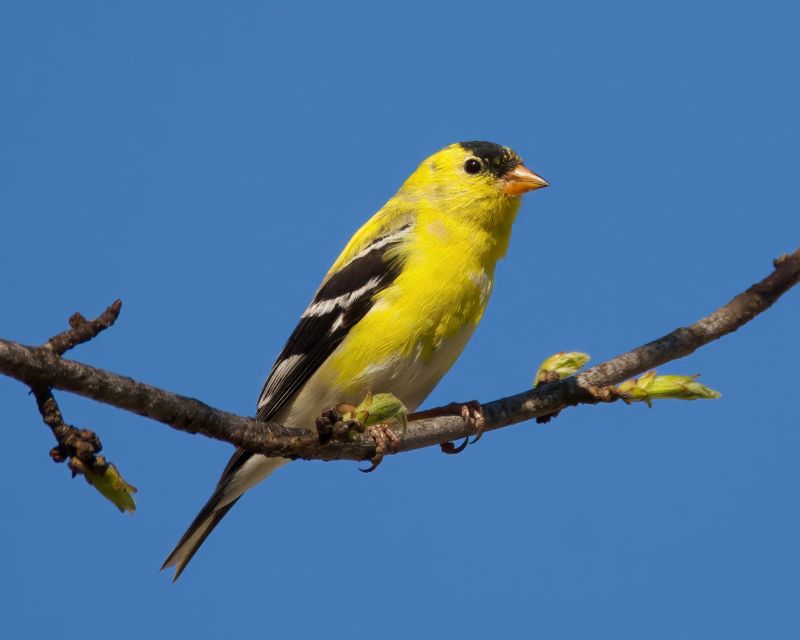
Not every yellow bird that zips through your yard is a goldfinch. Illinois is home to several yellow species, and they can look surprisingly similar at a quick glance.
The American Goldfinch male in summer is hard to miss. He is bright lemon yellow with bold black wings featuring white wing bars, and a small black cap on top of his head.
Yellow Warblers are a common mix-up. They are smaller, have reddish streaks on their chest, and lack the strong black-and-white wing pattern that makes goldfinches so distinctive.
Common Yellowthroats are another possibility. The male has a bold black mask across his face, which makes him easy to separate from a goldfinch once you get a good look.
Female goldfinches are trickier since they are a softer, olive-yellow color without the black cap. But they still show those white wing bars, which is your best field mark.
Knowing what you are looking at makes a goldfinch visit to your Illinois yard this summer feel even more rewarding. Grab a pair of binoculars and you will never mistake one again.
Simple Ways To Make Your Yard More Goldfinch-Friendly
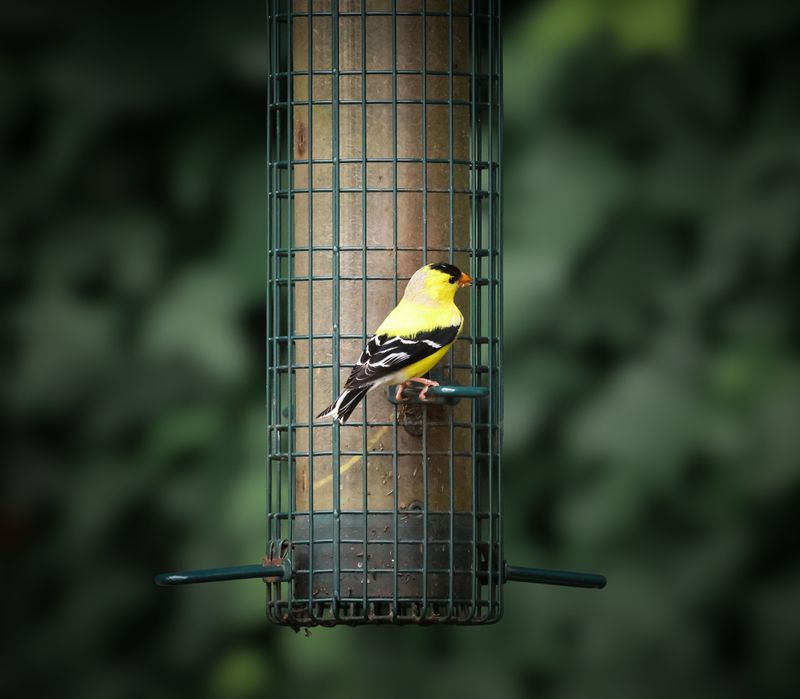
You do not need a fancy landscape or a huge yard to attract goldfinches. A few targeted changes can turn even a small suburban space into a reliable stop on their summer route.
Start with a nyjer feeder, sometimes called thistle seed. It is inexpensive, widely available, and goldfinches go absolutely wild for it compared to standard mixed seed blends.
Add a shallow birdbath with fresh water nearby. Goldfinches bathe and drink regularly, and clean water can be just as attractive to them as food.
Skip the pesticides if you can. Chemical sprays reduce the insect population that supports the broader food web, and they can also contaminate the seeds goldfinches depend on.
Plant at least two or three native flowering plants in a sunny spot. Native species require less maintenance and produce far more natural food than ornamental varieties bred for looks over function.
Keep your feeder clean and filled consistently. Goldfinches are creatures of habit, and an empty or dirty feeder will send them searching for a more dependable neighbor.
Small, steady efforts compound over time. By midsummer, your yard could become one of the most visited goldfinch spots on your entire block.
What To Do When You Spot One
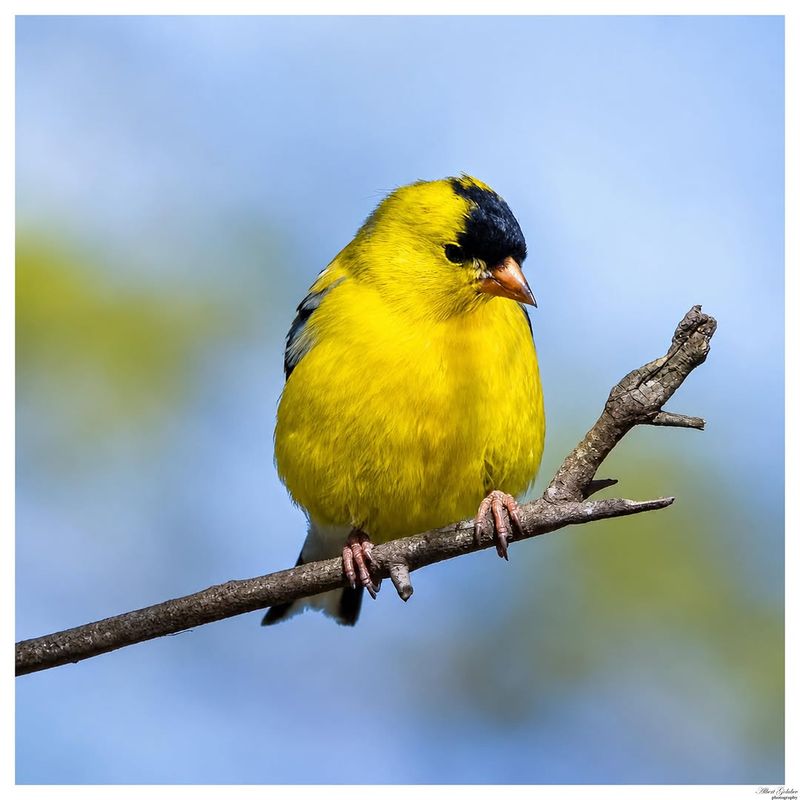
The moment a goldfinch appears, your instinct might be to run for your phone. That is totally fair, but move slowly or you will spook it before you even unlock the screen.
Stay still and watch for at least a minute before reaching for anything. Notice which plant or feeder it gravitates toward, because that tells you exactly what your yard is already doing right.
Keep a small notebook near your window or door to jot down the date and time. Goldfinches are creatures of routine, and you may find they return at the same hour each day.
If you want a photo, a camera with a zoom lens beats a phone in almost every situation. You can stay inside and shoot through a clean window without disturbing the bird at all.
Share your sighting on a free app like Merlin or eBird. Your observation contributes to real wildlife data that helps researchers track goldfinch populations across the state.
A goldfinch visit to your Illinois yard this summer is one of those small moments that sticks with you. Slow down, pay attention, and let it remind you that nature is thriving just outside your door.