These Texas Veggies Thrive In Hanging Baskets
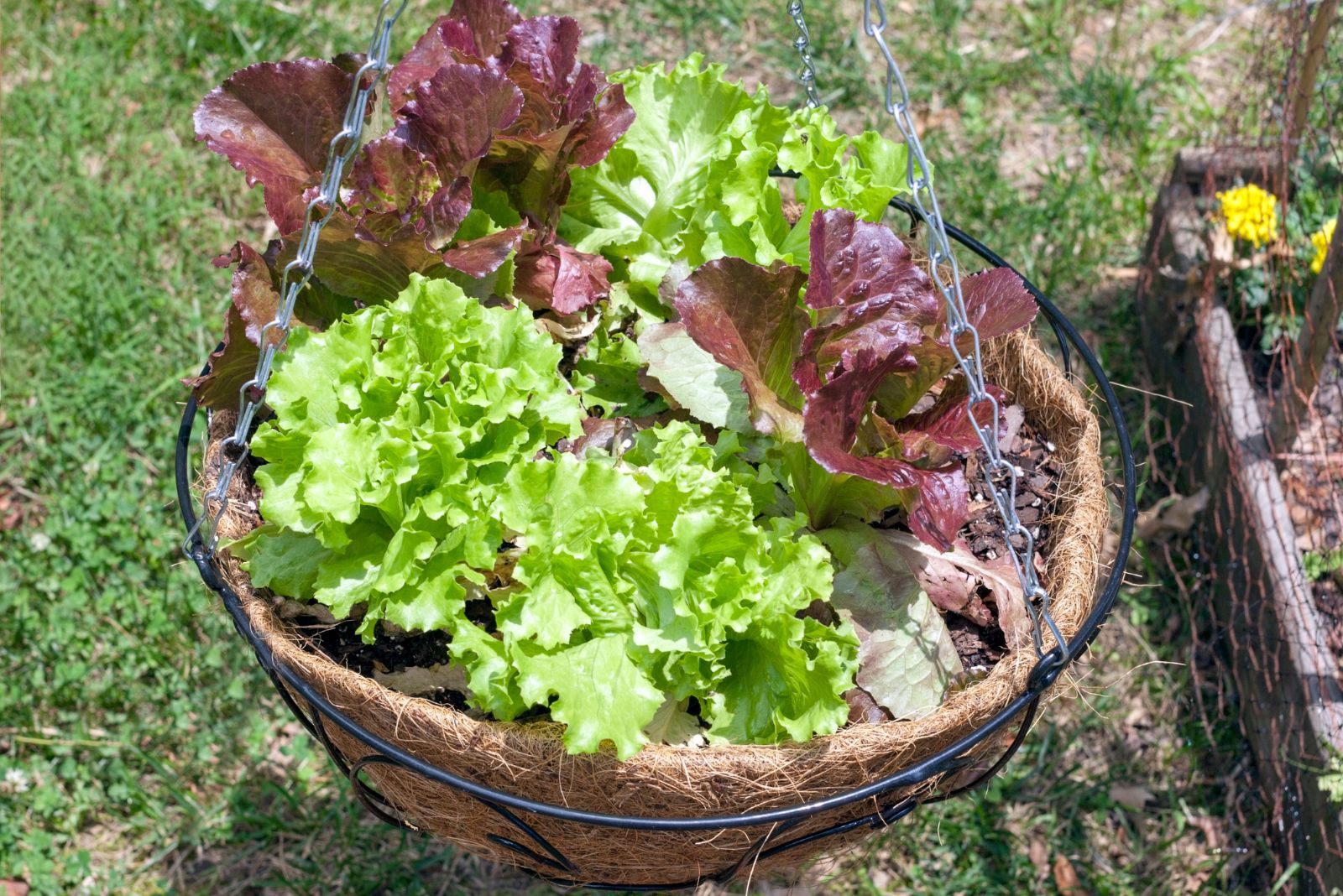
Not every vegetable needs a big backyard, raised bed, or perfect patch of Texas soil to grow well. Some are perfectly happy hanging out above ground, soaking up the sun from a basket on your porch, patio, balcony, or fence line.
For Texas gardeners, that is great news, especially when summer heat, clay soil, and limited space make traditional gardening feel like a workout.
Hanging baskets can turn small spaces into productive little gardens. They also make it easier to control soil quality, improve drainage, and keep certain pests from treating your veggies like a free buffet.
Plus, there is something pretty satisfying about reaching up to grab fresh produce right outside your door.
The trick is choosing vegetables that can handle container life and still produce in Texas conditions. With the right picks, a few sturdy baskets, and regular watering, your overhead garden can be both practical and surprisingly pretty.
1. Cherry Tomatoes (Trailing Or Patio Varieties)
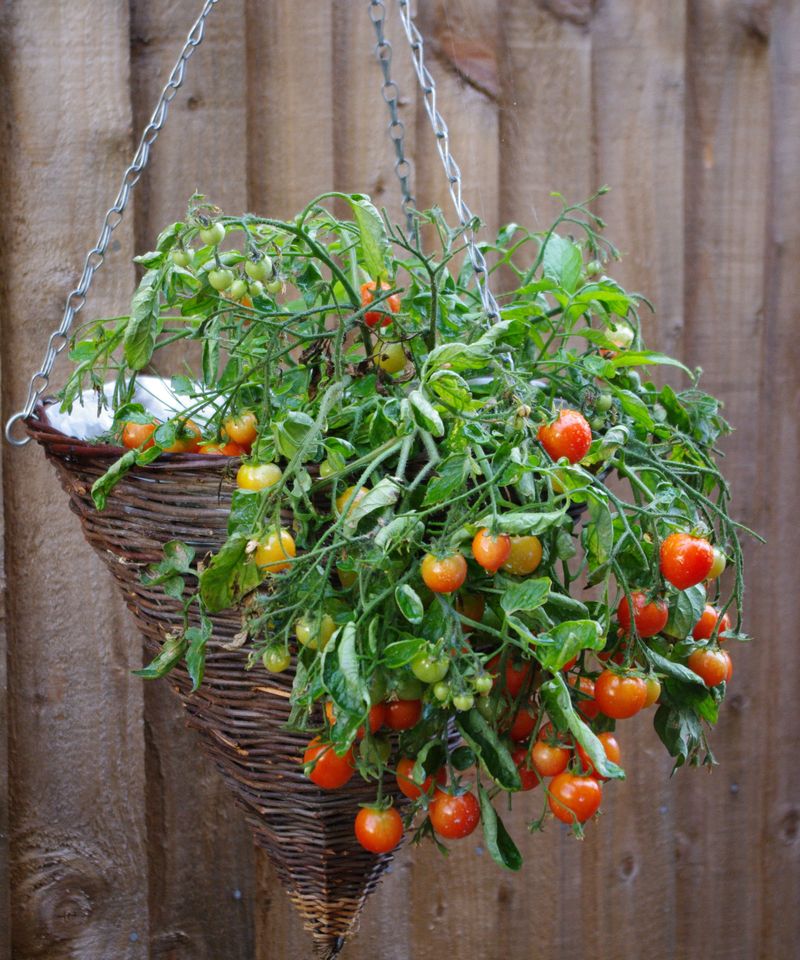
Few things beat the joy of plucking a sun-warmed cherry tomato right off a hanging basket on your porch. In Texas, trailing and patio varieties like Tumbling Tom, Tumbler, and Tiny Tim are absolute all-stars when it comes to container gardening.
These compact plants were practically born for hanging baskets, with their vines naturally cascading over the sides in a beautiful, fruit-filled curtain.
Texas summers are intense, so it is important to water your cherry tomato baskets consistently. The soil in hanging baskets dries out faster than ground soil, especially under that blazing Texas sun.
Aim to water once or even twice a day during peak summer heat, and always check the moisture level by sticking your finger an inch into the soil.
Feeding your plants matters just as much as watering. Use a balanced liquid fertilizer every one to two weeks to keep those blooms coming and the fruit setting.
Cherry tomatoes in hanging baskets tend to produce heavily when they get enough nutrients and at least six to eight hours of direct sunlight daily.
One underrated tip for Texas gardeners is to hang your baskets where they get morning sun but some afternoon shade. The brutal afternoon heat in cities like Dallas or San Antonio can stress the plants and cause blossom drop.
A spot with filtered afternoon light keeps production steady all season long. With the right care, your hanging cherry tomato basket can produce fresh snacks for months.
2. Lettuce (Leaf Varieties Like Romaine Or Butterhead)
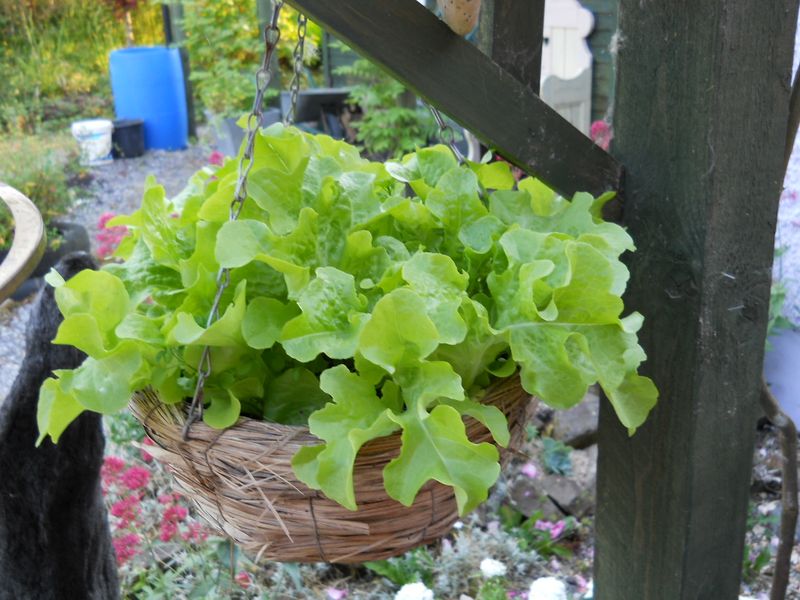
Lettuce is one of those vegetables that surprises people when they see it growing in a hanging basket. Most folks picture lettuce in a raised bed or a garden row, but leaf varieties like romaine, butterhead, and loose-leaf blends actually do wonderfully when grown up off the ground.
The cascading leaves look lush and decorative while also being completely edible, which is a win on every level.
In Texas, lettuce grows best during the cooler months, typically from October through March. The mild winters across much of the state, especially in central and south Texas, create ideal conditions for lettuce production.
Your Texas Garden Changes Every Week. Your Plan Should Too.
Gardening in Texas changes quickly throughout the season. Every Friday you’ll receive a simple weekly plan showing exactly what to plant, prune, fertilize, harvest, and protect so you never miss the right timing.
Cities like Austin and San Antonio often enjoy long stretches of cool weather that allow gardeners to harvest fresh salad greens well into late winter.
One of the biggest advantages of growing lettuce in a hanging basket is the ability to move it around. When a cold snap hits, you can bring the basket indoors or under a covered porch to protect the leaves.
When temperatures climb, shift the basket to a shadier spot to prevent the lettuce from bolting, which is when the plant goes to seed and the leaves turn bitter.
Harvest lettuce by snipping the outer leaves and leaving the center to keep growing. This cut-and-come-again method means one basket can provide fresh salad greens for weeks at a time.
Use a lightweight potting mix with good moisture retention, and water regularly to keep the soil evenly moist. Fresh homegrown salad from a Texas hanging basket is hard to beat.
3. Spinach (Best In Cooler Months)
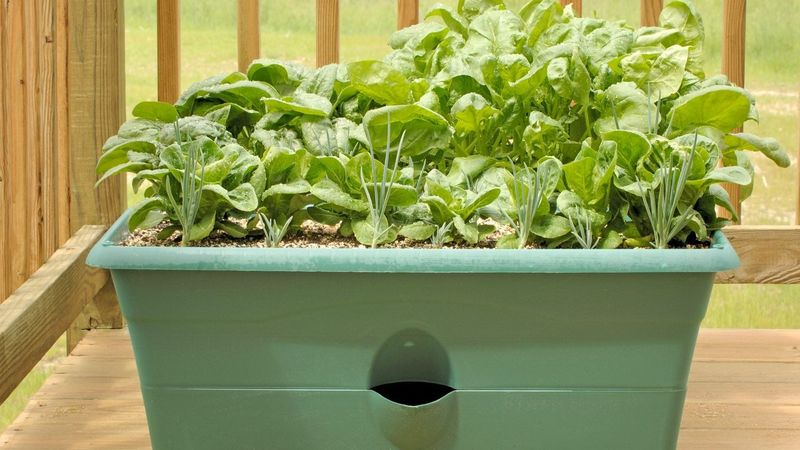
Spinach is a powerhouse vegetable that thrives in hanging baskets during Texas winters. While the summer heat sends spinach into a tailspin, the cooler months from November through February are prime growing time across most of the state.
If you have ever tried to grow spinach in a Texas summer and failed, do not give up. You were just planting at the wrong time of year.
Varieties like Bloomsdale Long Standing and Space spinach are particularly well-suited to container growing. Their compact growth habit fits nicely into a hanging basket without overcrowding.
Because spinach has relatively shallow roots, it does not need a super deep container, making standard hanging baskets a great option for this leafy green.
Spinach loves cool temperatures, ideally between 35 and 65 degrees Fahrenheit. In Texas, regions like the Panhandle and North Texas naturally get cooler winters, which gives spinach plants more time to thrive before warming up.
In south Texas, the window is shorter but still very workable, especially in January and February when nighttime temperatures drop enough to keep the plants happy.
Keep the soil consistently moist but never waterlogged, and place your spinach basket in a spot that gets partial to full sun during the cooler months. You can begin harvesting leaves when the plant has at least six true leaves.
Just like lettuce, spinach responds well to the cut-and-come-again harvesting method. Fresh spinach picked from your own hanging basket adds an incredible boost to smoothies, salads, and pasta dishes alike.
4. Peppers (Small Varieties Like Chili Or Mini Bell)
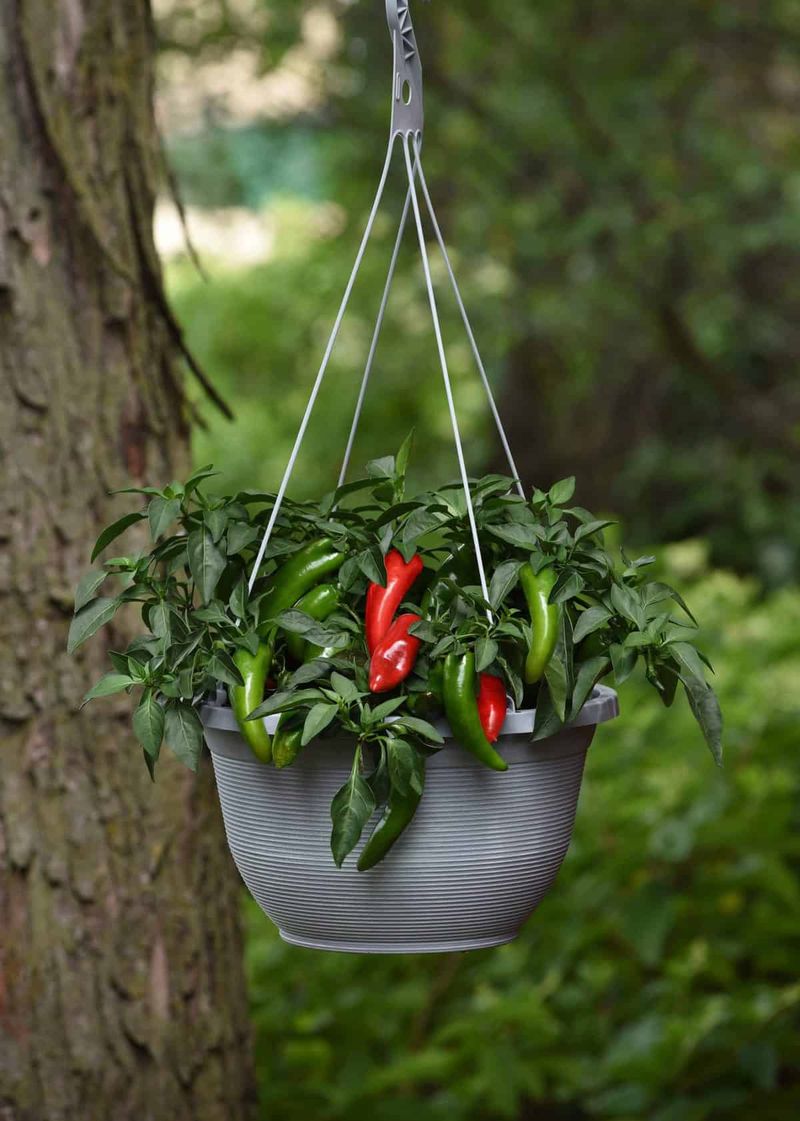
Texas and peppers go together like brisket and barbecue sauce. It only makes sense that small pepper varieties would find a happy home in hanging baskets across the state.
Chili peppers, pequin peppers, and mini bell peppers are especially well-suited because their compact size keeps them from getting too heavy for a hanging basket setup. Plus, watching a basket full of colorful peppers ripen from green to red or yellow is genuinely exciting.
Peppers love heat, and Texas has plenty of it to share. Once the temperatures consistently stay above 60 degrees Fahrenheit, pepper plants take off.
In places like Houston and Laredo, that warm season can stretch for a very long time, giving hanging pepper baskets months of productive growing time. Plant them in spring after the last frost date for your area and enjoy harvests well into fall.
Use a high-quality potting mix with good drainage, and fertilize your hanging pepper baskets every two weeks with a fertilizer that is slightly lower in nitrogen and higher in phosphorus.
Too much nitrogen pushes leafy growth at the expense of fruit production, which is the opposite of what you want. A balanced bloom-boosting fertilizer works great once the plant starts flowering.
Water peppers deeply but allow the top inch of soil to dry slightly between waterings. Peppers are somewhat drought-tolerant once established, but hanging baskets dry out faster than in-ground plants, so check them daily.
Pinching off the first few blooms when the plant is young encourages stronger branching and heavier fruit production later in the season.
5. Radishes
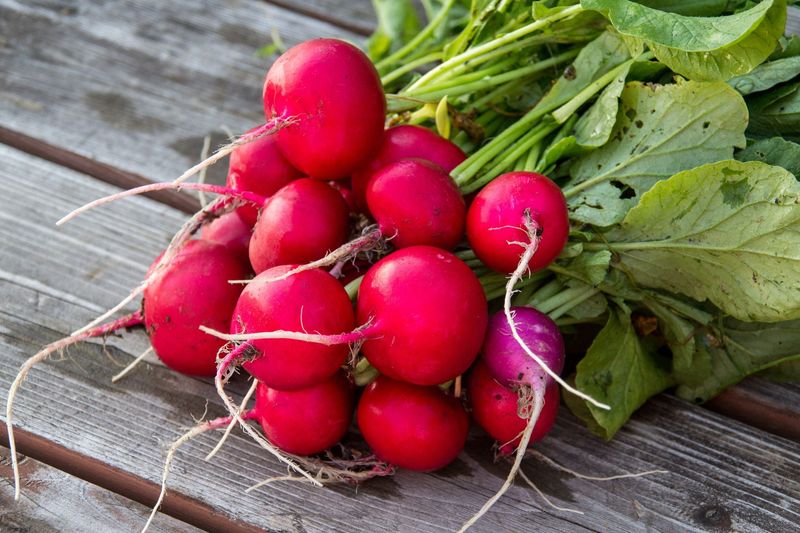
Radishes might be the most underestimated vegetable when it comes to hanging basket gardening. Most people do not even think of growing them above the ground, but radishes actually adapt surprisingly well to container life.
The key is choosing smaller, round varieties like Cherry Belle or Easter Egg rather than long varieties that need deeper soil to develop properly. These compact types mature quickly and fit comfortably in a standard hanging basket.
One of the coolest things about radishes is how fast they grow. Most varieties are ready to harvest in just 22 to 30 days from planting.
That makes them one of the quickest payoffs in the vegetable garden, which is especially satisfying for beginner gardeners in Texas who want to see results fast. You can succession plant radishes every two weeks to keep a steady supply coming throughout the cooler months.
In Texas, radishes perform best when grown during fall and spring. The mild winters in central and southern Texas also allow for winter growing in some years.
Radishes prefer cooler soil, and hot temperatures cause them to bolt quickly and develop a pithy, unpleasant texture. Keeping your hanging basket in a spot with morning sun and afternoon shade helps extend the harvest window during warmer spells.
Water radishes consistently to encourage smooth, even root development. Uneven watering can cause the roots to crack or become woody.
Mix a light, loose potting medium to give the roots room to expand without resistance. Toss fresh radishes into salads, slice them onto tacos, or enjoy them with a little salt straight from the basket for a crisp, peppery snack.
6. Green Onions (Scallions)
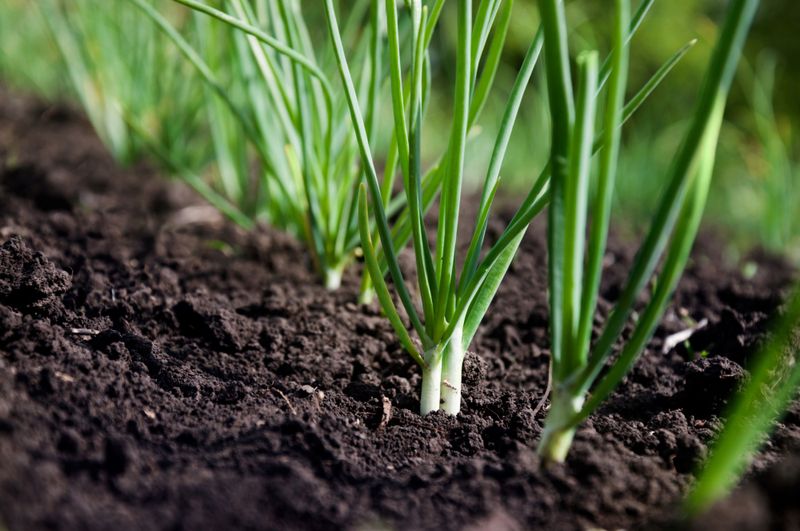
Green onions, also called scallions, are one of the easiest and most rewarding vegetables you can grow in a hanging basket in Texas. They take up very little space, grow quickly, and can be harvested repeatedly without replanting.
If you have ever bought a bunch of green onions at the grocery store and let the roots sit in a glass of water to regrow, you already know how resilient these plants really are.
Scallions grow well in Texas throughout most of the year, although they prefer the milder temperatures of fall, winter, and early spring. In areas like Central Texas and the Gulf Coast, the growing season for green onions can stretch across many months with very little trouble.
They are frost-tolerant down to around 20 degrees Fahrenheit, which means even a Texas cold snap is unlikely to wipe them out completely.
Plant scallion seeds or sets about an inch apart in a hanging basket filled with rich, well-draining potting mix. They do not need deep soil since their roots stay relatively shallow.
Water consistently to keep the soil moist, and place the basket in a spot that gets at least four to six hours of sunlight per day. Green onions are not as demanding about sunlight as tomatoes or peppers, which makes them a flexible option for shadier spots on your porch.
Harvest scallions by snipping the green tops with scissors, leaving the white base in the soil to regrow. This method can give you multiple harvests from a single planting.
Chop them fresh onto eggs, soups, tacos, or grilled meats for a burst of mild, fresh flavor straight from your Texas hanging basket.