9 Practical Options For What To Do With All Those Acorns Covering Your Lawn
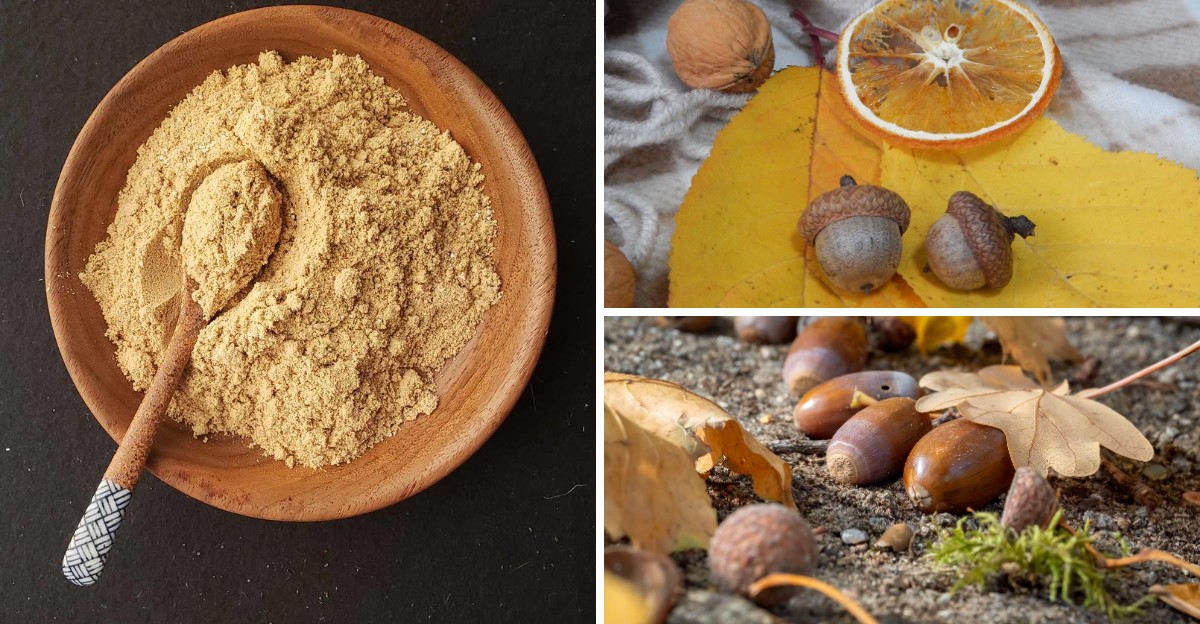
You are stepping on flour, and the squirrels are counting on you missing it. Oaks pelt you with acorns during mast years, and scientists still argue why.
That bumpy mess jamming your mower fed Californian tribes for generations. Korean cooks still whisk acorn starch into dotorimuk, a glossy, wobbly jelly.
Raw acorns coat your tongue with sharp bitterness from tannins. Soak them in cold water, change it repeatedly, and that bite fades. Suddenly you hold a nutty, rich flour worth bragging about.
Pinch an empty cap between your thumbs, blow hard, and you get a shrieking whistle. Your dog, however, can get seriously sick from chewing them.
Squirrels abandon plenty of their buried stash, and those leftover acorns sprout into oaks. Mold hits fallen acorns fast. Grab a bucket now, because the squirrels have a serious head start on you.
1. Pick Them Up With A Nut Gatherer
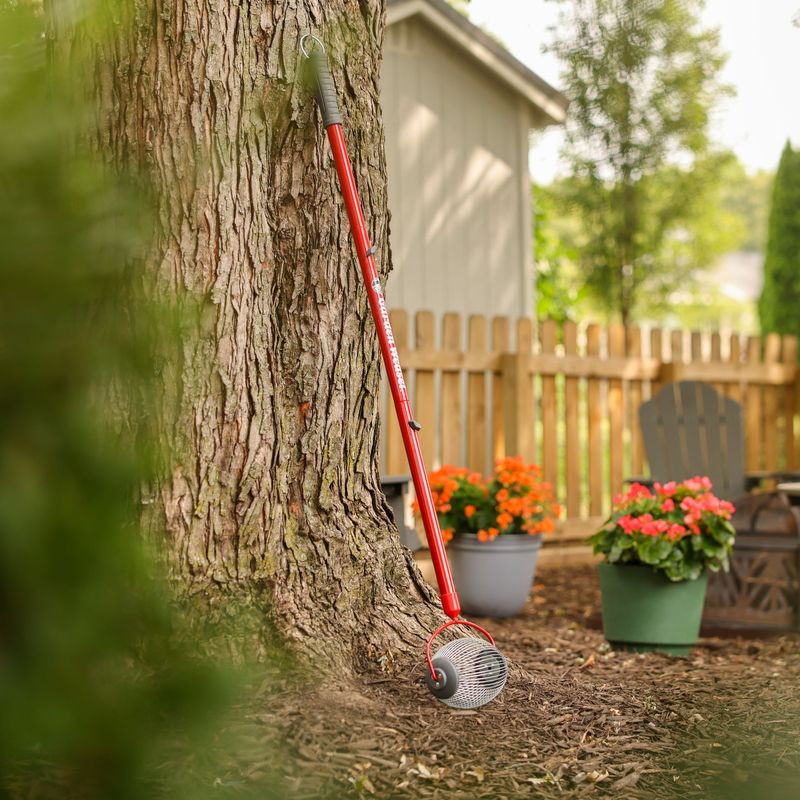
Picture a wire ball on a stick that gobbles nuts like a hungry robot. Folks call it a nut gatherer, and it might be the most satisfying yard tool you ever use.
You simply roll the cage across the grass, and the flexible wires spread apart to trap each acorn. When the basket fills up, you pop it open over a bucket and start again.
Regular rakes struggle with acorns because the round nuts slip right through the tines. A leaf blower just scatters them into flower beds, which creates a whole new headache.
Prices vary by brand and size, so compare options at hardware stores or online shops before you buy. Pick the right size, since smaller cages work best for acorns and sweetgum balls.
Timing matters too, so try gathering once or twice a week while the acorns are dropping, usually from late summer through fall. Waiting until every acorn falls means a much heavier, more tiring cleanup job for your back later.
Kids usually love this chore, which is a rare thing to say about yard work. Turn it into a friendly contest and see who can fill a bucket first for a small prize.
Once the acorns are safely collected, you get to decide what happens to them next. Keep reading, because several of the next ideas start with a full bucket just like this one.
2. Toss Them Into The Compost Bin
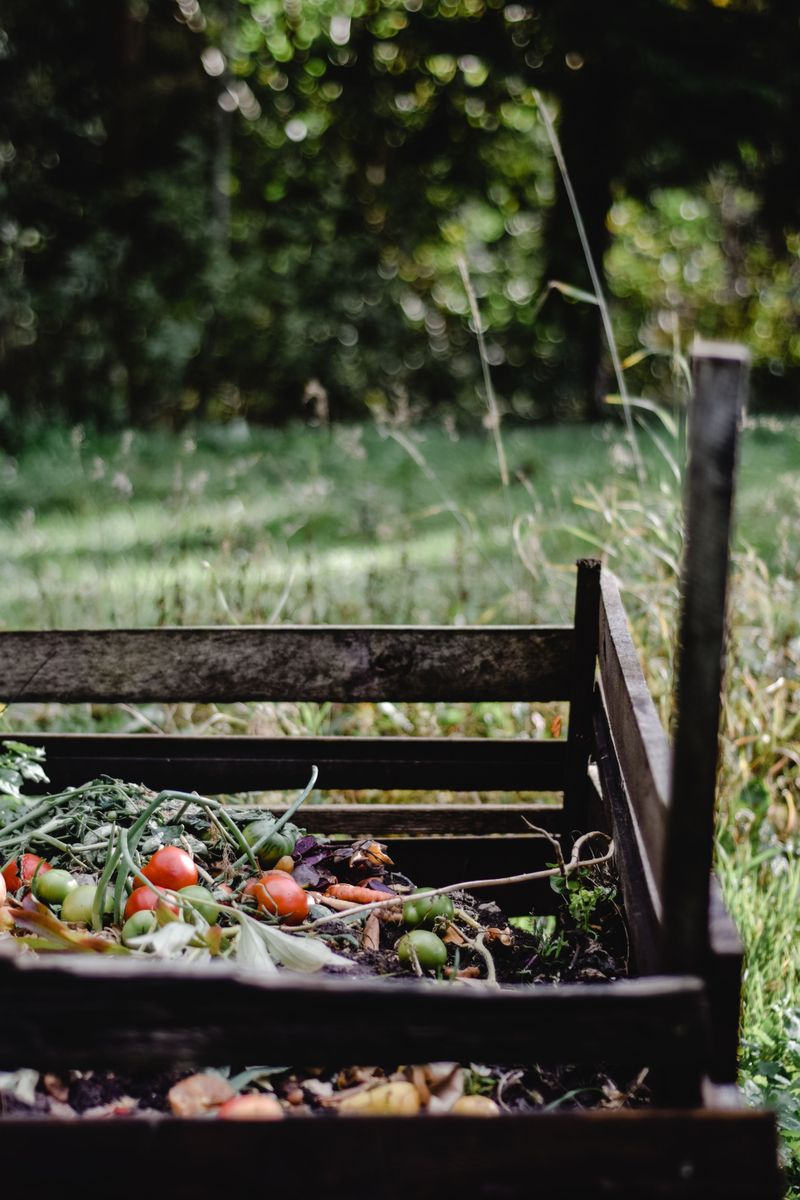
Every acorn is a tiny package of carbon, and your compost pile is hungry for it. Along with fallen leaves, acorns count as brown material that balances out green kitchen scraps.
There is one catch, though, because whole acorns wear tough, waxy shells that resist rotting for ages. Tossed in as they are, some can sit in the bin for a year or longer.
Crushing them first speeds things up a whole lot, and honestly, it is oddly fun. Spread them on an old tarp over the driveway and roll over them with your car a few times, since crushed acorns can stain concrete.
A hammer or an old rolling pin works well if you only have a small batch. Cracked pieces give tiny microbes more surface to munch on, which means faster compost.
Some gardeners worry that the tannins in acorns will make their soil too sour. In a well-mixed pile, the effect is quite small and usually fades as everything breaks down together.
Aim for about three parts brown to one part green, and turn the pile every week or two. Keep it about as damp as a wrung-out sponge so the helpful bacteria stay busy.
Within a season or two, those annoying nuts can turn into dark, crumbly soil food for your vegetable garden. Your tomatoes will thank you, even if your car tires looked a little confused.
3. Shred Them Into Garden Mulch
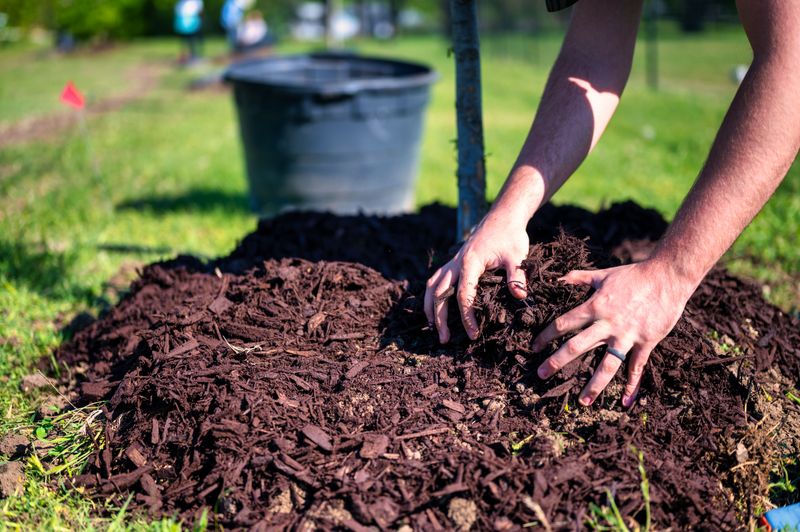
Free mulch drops right into your yard, yet many people bag it up and send it away. Why buy bags at the garden center when your oak tree delivers a fresh supply every fall?
Whole acorns make lumpy, rolling mulch, so you will want to break them up first. A chipper shredder handles big piles fast, while a mulching mower works for smaller loads.
Mixing the crushed nuts with shredded leaves creates a thick blanket that stays put in the wind. Spread it about two or three inches deep around shrubs, trees, and perennial flower beds.
A good layer holds moisture in the soil during dry spells and blocks many weeds from sprouting. It also protects plant roots from sudden temperature swings once chilly nights arrive.
Keep the mulch a few inches away from tree trunks and the stems of your plants. Piling it right against the bark can trap moisture and invite rot or hungry bugs.
Watch out for sprouting, too, since whole acorns tucked into mulch may try to grow. Crushing them well stops that sneaky trick and saves you from pulling baby oaks next spring.
Over time, the mulch slowly breaks down and feeds the earthworms and tiny critters underneath it. Your garden gets richer each year, and your wallet stays a little fatter too.
4. Share Them With Backyard Wildlife
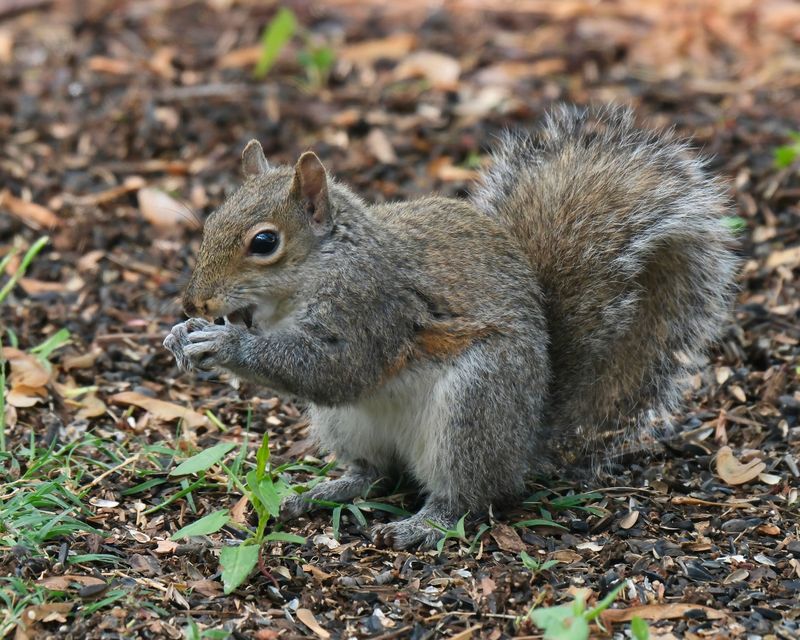
Did you know a single blue jay can bury thousands of acorns in one autumn? Some scientists believe these bright birds helped oak forests spread after the last ice age.
Your extra acorns can become a feast for squirrels, chipmunks, deer, wild turkeys, and woodpeckers. Many of these animals rely on the fatty nuts to bulk up before winter arrives.
Rather than scattering them across the lawn, pick one wild corner of your yard for a feeding spot. Pile them near a brush heap or the edge of the woods where critters feel safe.
You can also store a few buckets in a cool, dry garage or shed for later, checking them regularly for mold and mice. Setting them out in January, when food gets scarce, gives hungry visitors a real boost.
Keep a camera or a pair of binoculars handy, because the show can be surprisingly entertaining. Watching a chipmunk stuff its cheeks until it looks like a furry balloon is pure joy.
Check your local rules first, since some towns and states restrict or ban feeding deer, partly to limit the spread of wildlife disease. Large piles close to your house might also attract mice or rats looking for an easy meal.
Sharing your acorn haul with wildlife turns a boring chore into a sweet little act of kindness. Plus, the squirrels might finally stop giving you dirty looks from the fence.
5. Donate Them To Local Farms Or Hunters
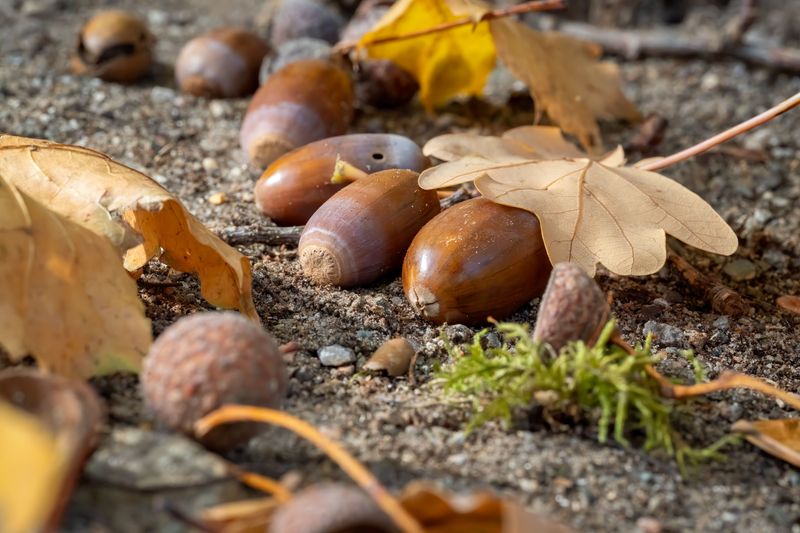
One person’s yard mess is another person’s pig snack, and farmers know it well. Small farms, especially those raising hogs, often welcome free bags of acorns in the fall.
In Spain, special black pigs roam oak forests and fatten up on acorns before becoming famous ham. The same idea works on a smaller scale for backyard farmers in your area.
Goats, chickens, and ducks may nibble a few, but farmers must limit how many they eat. Large amounts can cause oak poisoning in cattle and horses, a serious illness triggered by the strong tannins inside.
That is why you should let the farmer decide whether acorns are a good fit for their animals. A quick post on a local community page can often find takers fast.
Deer hunters are another friendly group that might happily haul away your heavy bags each September. Some use acorns to draw deer to trail cameras or food plots before hunting season opens.
Baiting laws differ from state to state, and some states ban baiting entirely, so the hunter is responsible for following local rules. Your job is simply to bag them up and set them by the curb.
Use sturdy feed sacks or paper yard bags, and keep the acorns dry so they do not mold. You clear your lawn, a neighbor gets free feed, and everybody walks away smiling.
6. Craft Them Into Fall Decorations
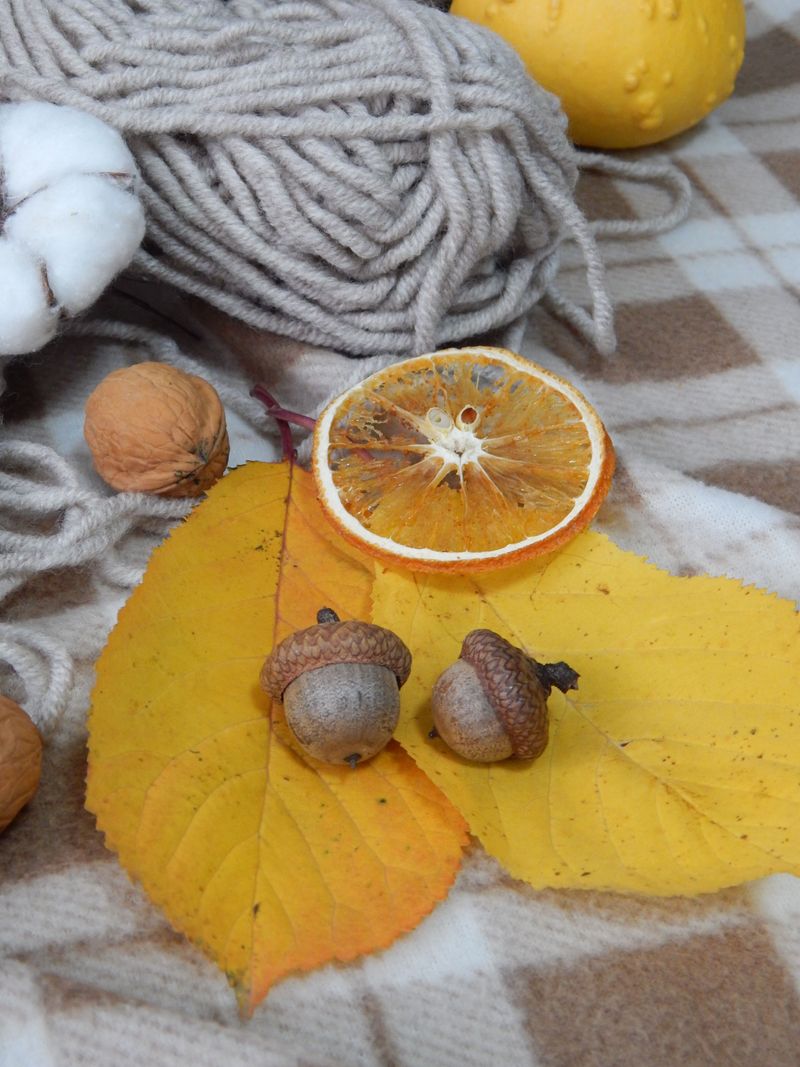
Grandma had the right idea when she filled glass jars with acorns every autumn. Those simple displays still look charming on a kitchen table, a bookshelf, or a front porch step.
Before crafting, you need to get rid of any tiny bugs that might be hiding inside the shells. Acorn weevil larvae love to wiggle out weeks later, which is not the surprise you want.
Rinse the acorns, dry them, and spread them on a foil-lined baking sheet. Bake them at about 175°F (80°C) for two hours, stirring now and then so they heat evenly.
Once they cool down on the counter, the fun part finally begins. Glue the caps back on if they fall off, then brush on clear sealer for a soft shine.
Paint the caps gold or copper for a fancy touch, or leave them natural for a rustic look. Hot glue them onto a foam ring to create a wreath that lasts for years.
Kids can turn acorns into tiny owls, people, or garden gnomes with markers and googly eyes. Stringing them into a garland for the mantel is another easy project for a rainy afternoon.
Sealed acorn crafts make sweet, handmade gifts for teachers, neighbors, and grandparents when the holidays roll around. Just wait until someone asks which fancy store sold you that adorable wreath.
7. Plant Them To Grow New Oak Trees
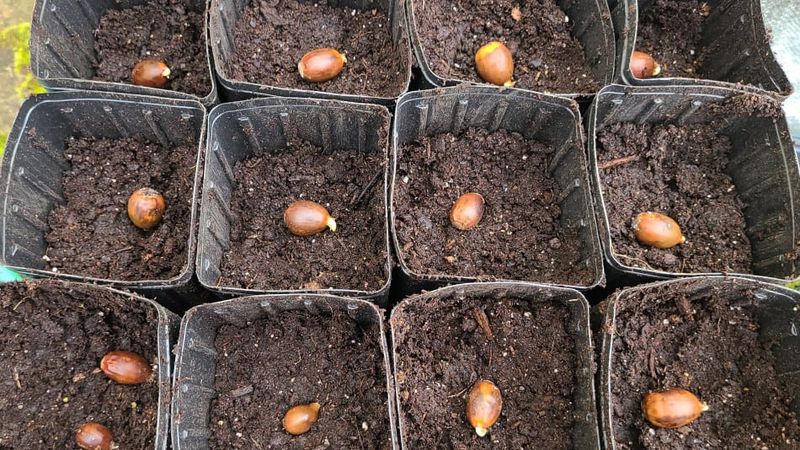
An old saying goes, ‘Mighty oaks from little acorns grow,’ and you can prove it yourself. Growing an oak from seed costs nothing and gives you a tree that may outlive your great-grandkids.
Start by picking the healthiest, heaviest acorns, since many have hidden damage from tiny bugs. Drop them into a bucket of water and toss out any that float to the top.
Acorns from white oaks sprout right away in the fall, so plant them soon after gathering. Red oak acorns need a cold winter nap before they wake up and grow.
For red oaks, tuck them into a bag of damp peat moss and store it in the fridge. After about three months, plant them in pots roughly one inch deep.
Deep pots work best because young oaks grow a long taproot before they grow much of a stem. Keep the soil moist, and cover the pots with wire mesh so squirrels cannot steal your seeds.
Once your seedlings reach about a foot tall, move them to a sunny, open spot outdoors. Give them plenty of room, far from your house, power lines, and underground pipes.
You can also share extra seedlings with schools, parks, or tree planting groups in your area. Someday a kid might climb a tree you started from a single nut on your lawn.
8. Leach Them And Make Acorn Flour
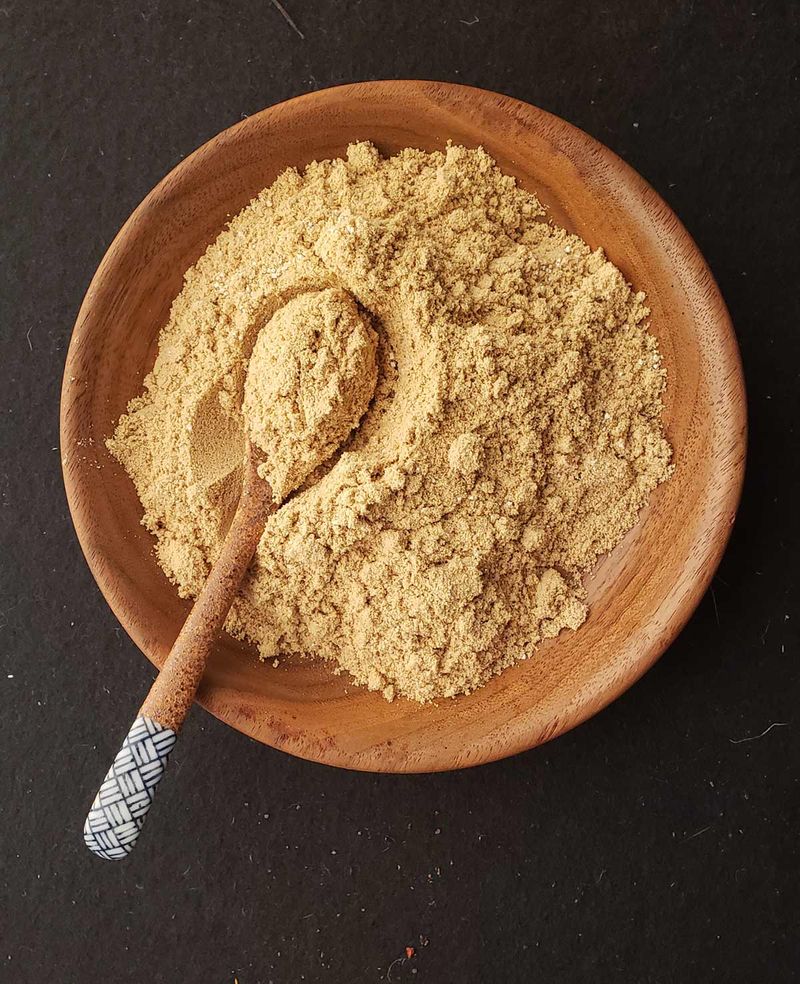
Long before grocery stores, many Native American tribes in California relied on acorns as a main food. They ground the nuts into a fine flour for breads, soups, and a warm, hearty mush.
Raw acorns taste terribly bitter because of tannins, and eating them can upset your stomach. Leaching is the process that washes those tannins away and makes the nuts safe to eat.
First, crack and shell the acorns, tossing any with dark spots, holes, or mold inside. Grind the good nutmeats in a blender with water until the mix looks like a coarse paste.
For cold leaching, pour the mash into a jar of fresh water and store it in the fridge. Drain and replace the water once or twice a day for several days.
Taste a tiny bit now and then, and stop once the bitterness finally fades away. Cold leaching keeps the starches sticky, which helps the flour hold together in homemade baked goods.
Next, squeeze out the water using cheesecloth and spread the meal on a baking sheet. Dry it in a low oven, then grind it again for a finer, fluffier flour.
Acorn flour has a nutty, earthy flavor that shines in pancakes, muffins, and cookies. Mix it half and half with wheat flour, and skip it if anyone has a tree nut allergy.
9. Mow Them Down With A Bagging Mower
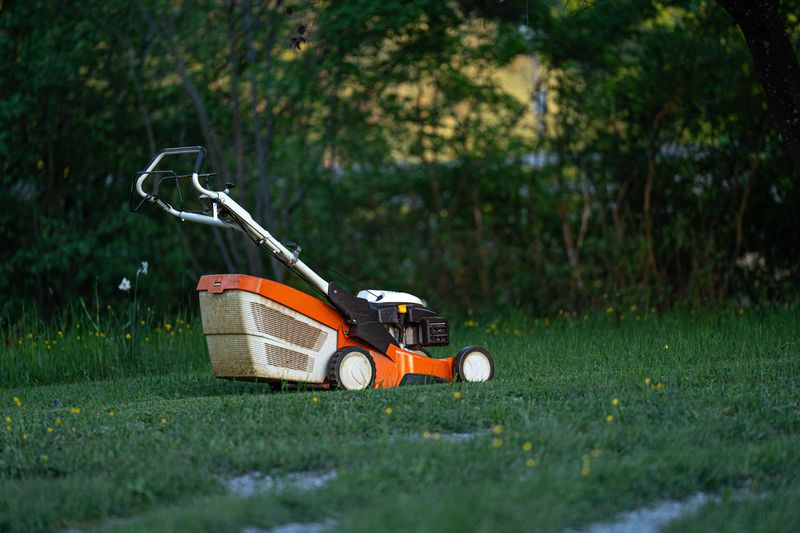
Let’s be honest, some of us just want the acorns gone without bending over a single time. Good news: your lawn mower might be the easiest cleanup tool sitting in your garage.
A mower with a rear bag can suck up acorns along with grass clippings and fallen leaves. Set the deck a notch higher than usual so the blade grabs nuts without scalping your grass.
Safety matters here, because a spinning blade can fling acorns like tiny rockets. Wear safety glasses, long pants, and sturdy shoes, and keep kids and pets far away while you mow.
Hard acorns can dull your blade faster than grass alone, so sharpen it more often this season. Empty the bag before it gets too heavy, since a bag full of nuts weighs a surprising amount.
Some homeowners prefer to mulch the acorns right into the lawn instead of bagging them. Chopped pieces break down over time, but thick layers can smother grass, so go easy.
Dog owners should pay extra attention, since acorns can make pups sick if they chew or swallow them. Mowing often during peak drop weeks keeps your yard safer for curious noses.
Dump the bagged acorns into your compost, a wildlife pile, or your yard waste bin. Your back stays happy, and the lawn looks neat enough for a cozy fall picnic.