Primocane Blackberries Can Produce A Fall Crop In Georgia Gardens
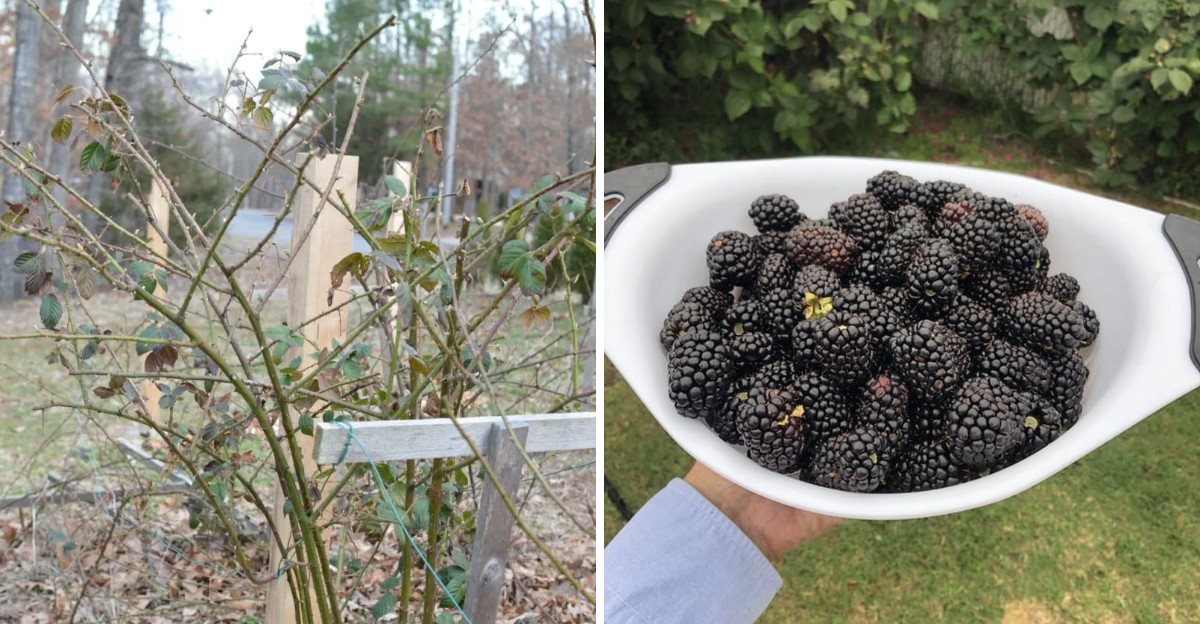
Blackberries appearing after summer harvest might seem unusual, but some particular varieties can produce fruit on new canes later in the growing season.
These are called primocane-fruiting blackberries, and their growth habit differs from traditional types. Instead of relying only on second-year canes, they can flower on first-year growth.
That distinction changes what gardeners can expect as temperatures begin cooling.
In Georgia, fall production depends on the variety, planting location, and how long suitable weather lasts. Fruit may still be developing when colder nights begin limiting growth.
Check which type you planted before changing your pruning routine.
The timing of cane removal can affect your future harvests, so treating every blackberry alike is not helpful. Knowing your variety gives you a clearer picture of whether a fall crop is realistic.
1. These Blackberries Can Fruit On First Year Canes
Here is the big trick that sets primocane blackberries apart from the rest. They can bloom and set fruit on canes that sprouted from the ground that very same spring.
Standard blackberries, called floricane types, fruit only on second-year canes.
So with older varieties, a cane grows leaves and stems in year one and then rests through winter. It flowers and fruits the next season, and after that it is finished.
Primocane types skip part of that wait by forming flower buds near the tips of new growth.
Picture a cane that pushes up in April and keeps climbing through summer. By late summer, clusters of flowers may appear at the top, followed by green berries that ripen over the following weeks.
In Georgia, timing depends heavily on where you live and how hot the summer runs.
Heat is the main limit here. Flowering on new canes tends to drop off when temperatures stay very high, so fruit set may be light during the hottest stretch.
Gardeners in cooler, higher spots often see stronger tip crops than those in hotter lowland areas.
None of this means primocane plants are hard to grow. It simply helps to know that first-year fruit is a bonus that responds to weather, not a fixed promise every year.
2. A Second Crop Can Ripen Later In The Season
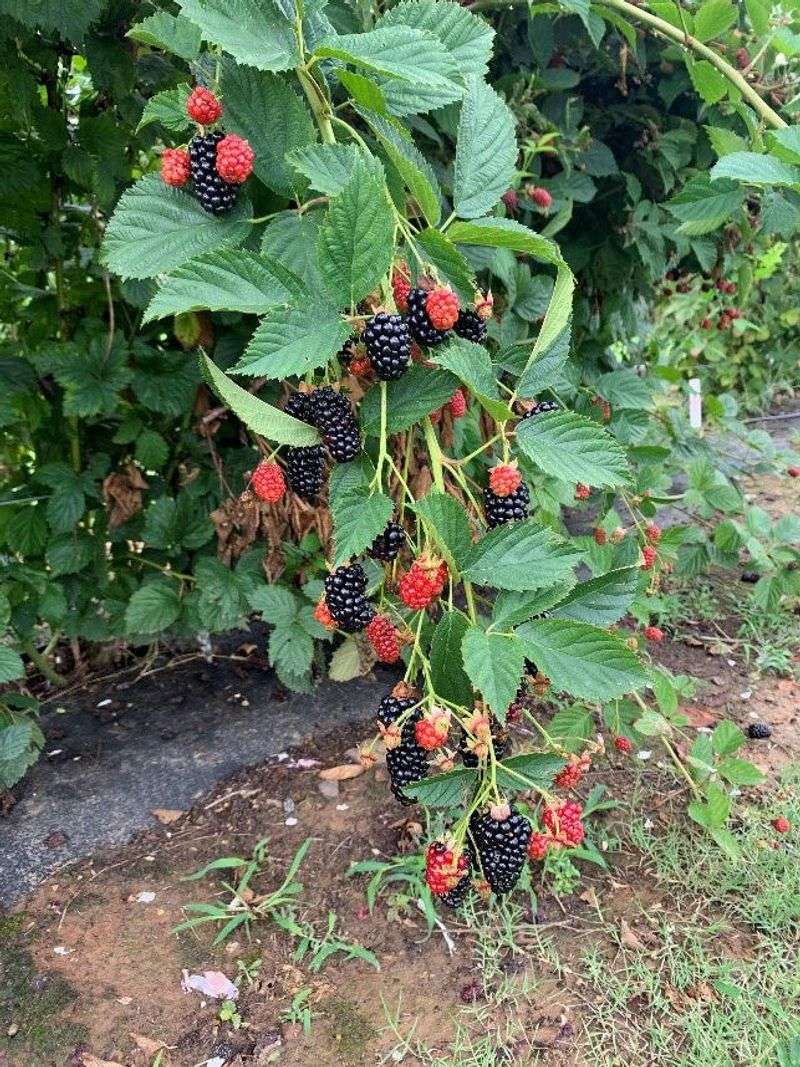
Two harvests from one plant sounds almost too good, yet primocane blackberries can make it happen. Older canes may fruit in late spring or early summer, while new canes can carry a later crop.
That early batch comes from canes that grew last year and stayed in place over winter.
Once those berries are picked, attention shifts to the fresh canes. Their tips may flower in summer and ripen fruit from late summer into fall, depending on the weather.
Across much of Georgia, the later crop is often smaller than the early one.
Hot nights and long heat waves can reduce flowering, cause poor fruit set, or lead to smaller berries. A milder late summer, on the other hand, may bring a nicer showing than you expected.
Keep your expectations flexible and treat that second round as extra fruit.
Your Georgia Garden Changes Every Week. Your Plan Should Too.
Gardening in Georgia changes quickly throughout the season. Every Friday you’ll receive a simple weekly plan showing exactly what to plant, prune, fertilize, harvest, and protect so you never miss the right timing.
Some years you might fill several bowls in September. Other years you may only snack a handful at a time while working in the yard.
A simple notebook can help you track what happens from one season to the next.
Write down when flowers open and when berries ripen. After a few years, you will have a clearer picture of how your own spot behaves.
3. Prime Ark Varieties Offer Primocane Fruiting Options
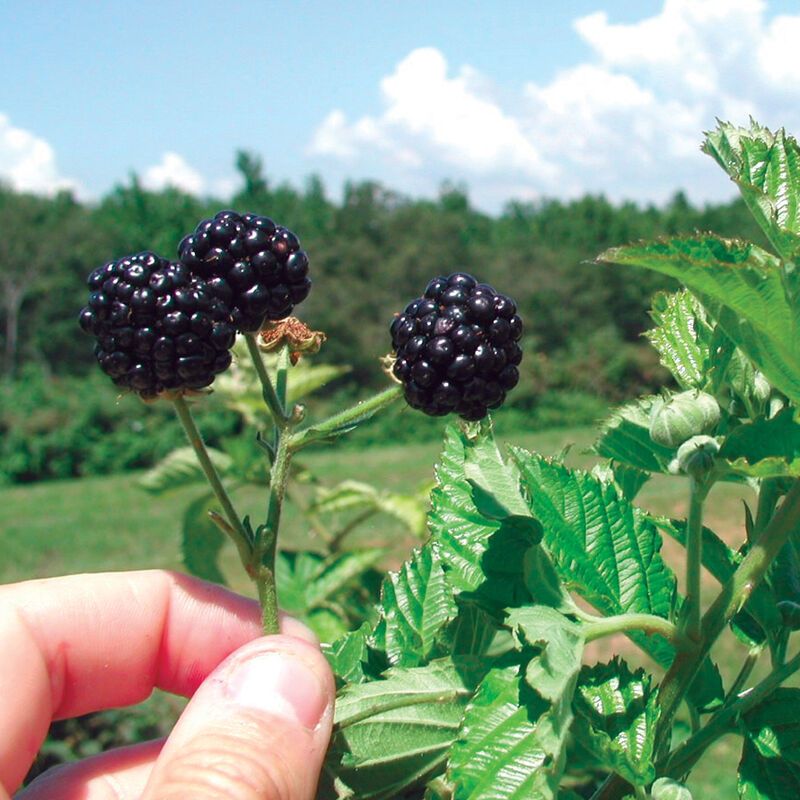
Want primocane fruit in your yard? Start with the Prime-Ark series from the University of Arkansas, which developed the first primocane blackberries for commercial and home use.
Several names show up at nurseries, including Prime-Ark Freedom, Prime-Ark Traveler, and Prime-Ark 45.
Freedom is thornless and is known for large berries. Traveler is also thornless and is valued for firm fruit that holds up well after picking.
Prime-Ark 45 has thorns, which some gardeners dislike when harvesting.
Each type behaves a bit differently in heat, so it pays to read the plant tag and ask local growers. Your county Extension office can be a helpful place to check which choices fit your area.
Gardeners in north Georgia may have more luck with fall fruit than those farther south.
No single variety handles every climate the same way. Soil, rainfall, and summer temperatures all affect how much fruit you see on new canes.
Buying from a trusted nursery matters too, since healthy, disease-free plants give you a stronger start.
Try planting two or three of one variety first. Watch how they grow for a couple of seasons before adding more to your patch.
4. Fall Harvest Continues Until Cold Weather Stops Growth
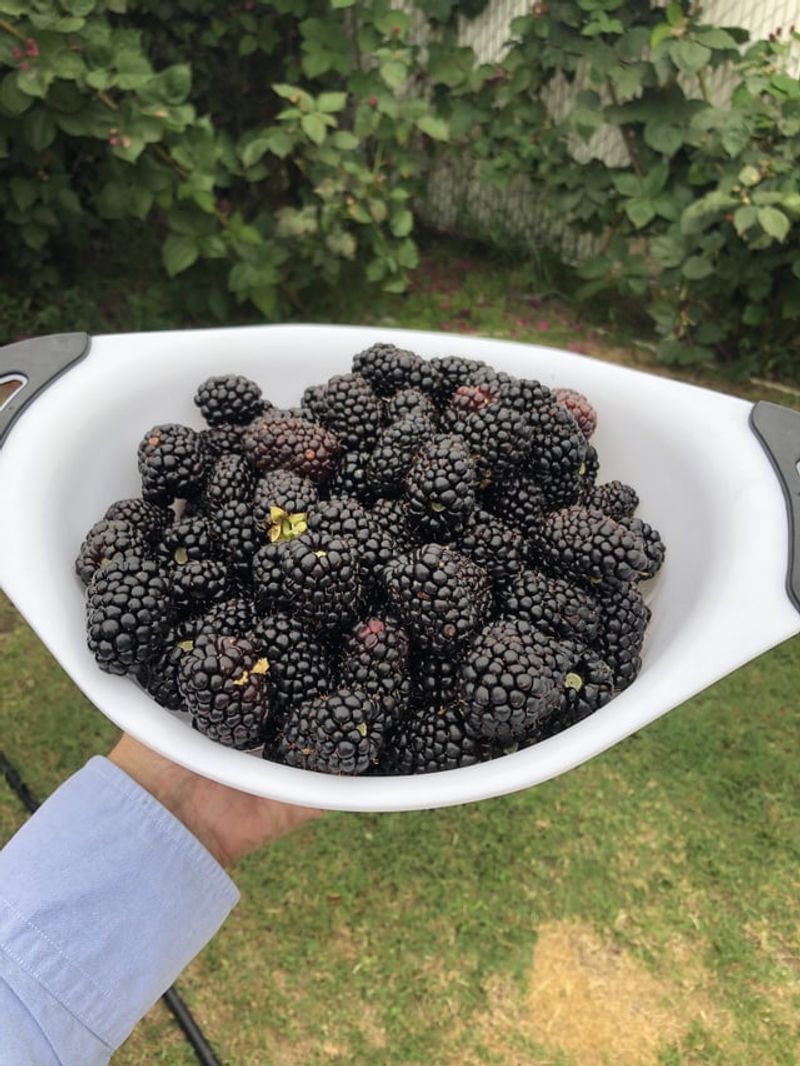
Cooler days can be a friend to primocane berries. After summer heat eases, flowering and fruit set on new canes often improve.
Picking may stretch into October in some years, with berries ripening slowly as days shorten.
Frost is what usually brings the season to a close. Once freezing temperatures arrive, flowers and green fruit are often damaged, and growth slows down.
First frost dates vary a lot across Georgia, from the mountains down to the coastal plain.
North Georgia tends to see cold weather earlier, which can shorten the fall window. Southern areas often have more frost-free days, though lingering heat there may limit flowering first.
Green berries left on the cane late in the season might not ripen in time.
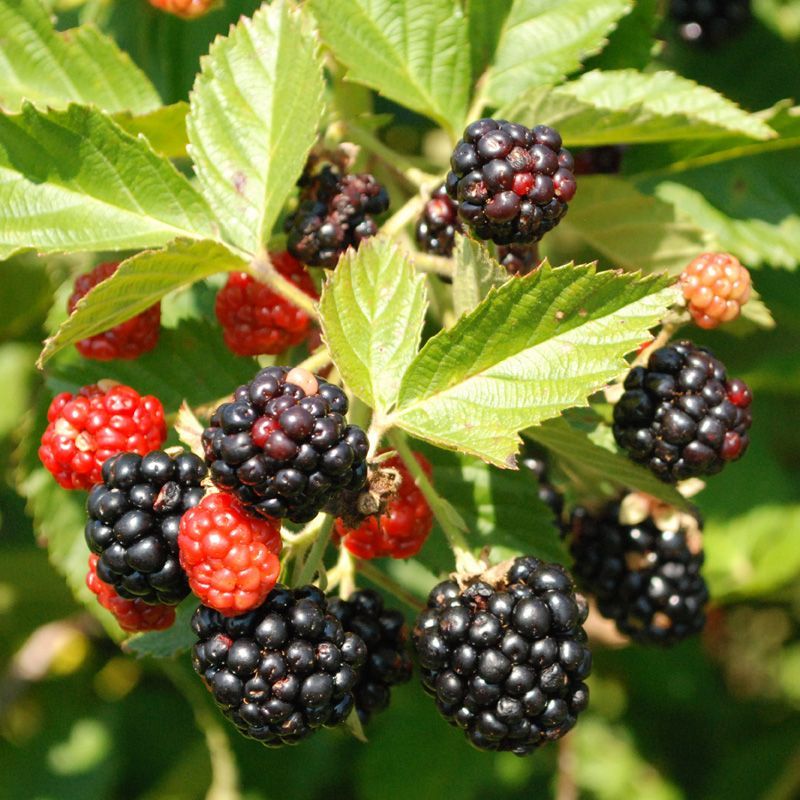
Check your plants every couple of days once berries start turning dark. Ripe blackberries are fully black, a little soft, and pull away easily from the plant.
Picking in the cool morning hours helps keep the fruit firm.
Store berries in the refrigerator soon after harvest and wash them just before eating. Fresh blackberries do not keep long, so plan to use them within a few days.
5. Full Sun Helps Canes Produce Their Best Crop
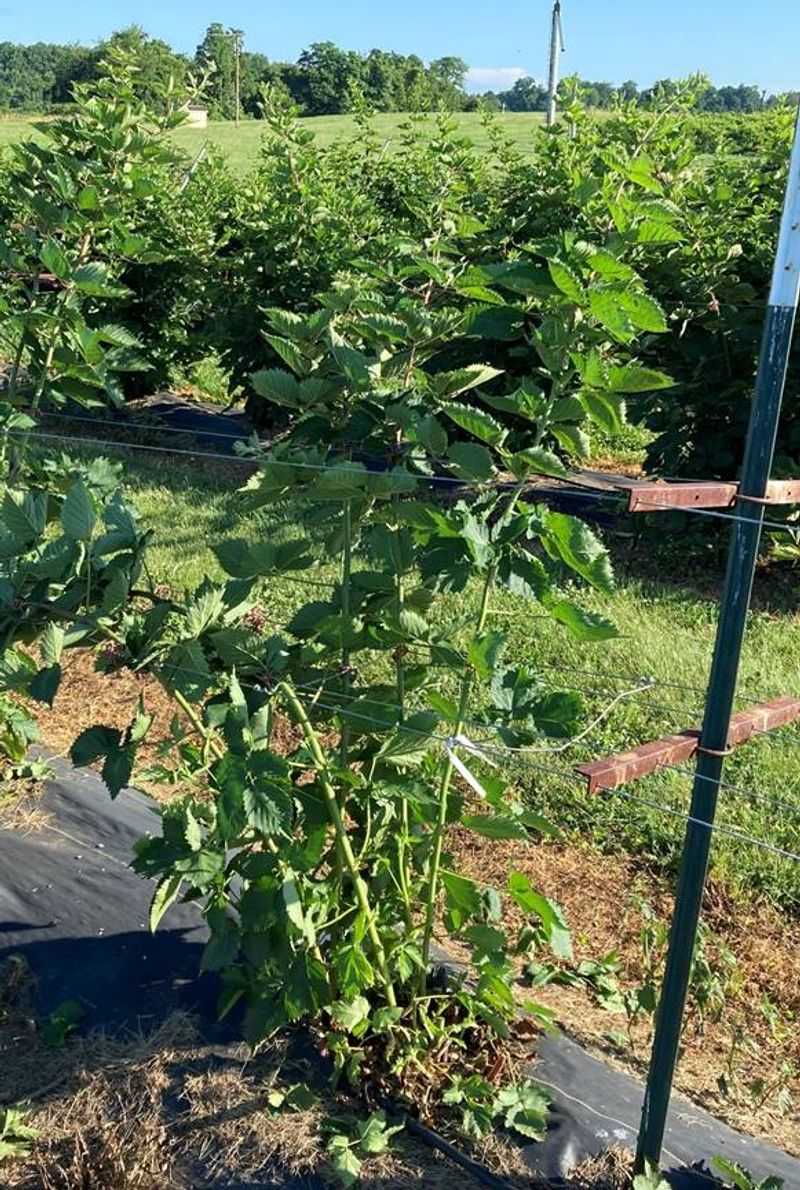
Shade and blackberries do not get along well. Plants grown in too much shade tend to stretch out, flower less, and give you fewer berries.
Aim for a spot that gets full sun, which usually means at least six to eight hours a day.
Sunlight fuels the leaves that build sugar for the fruit. Good light also helps leaves dry faster after rain or dew, which may lower the chance of some leaf diseases.
Walk your yard at different times of day before planting anything.
A spot that looks bright at noon may sit in shade by midafternoon. Trees, fences, and buildings can all cut light more than you might expect.
Good drainage matters as much as sunshine.
Blackberries dislike soggy roots, so avoid low places where water pools after storms. Raised rows can help where heavy clay soil is common, as in much of the Georgia Piedmont.
A soil test through your local Extension office can show if you need to adjust pH before planting.
Leave room for air to move between rows. Crowded plants hold moisture and may struggle more with disease during humid summers.
6. Regular Water Matters While Berries Are Developing
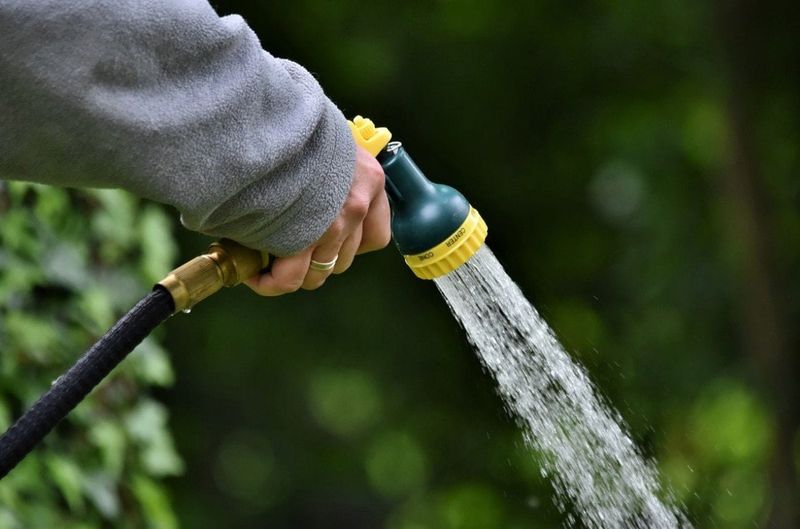
Dry soil shows up fast in the fruit. Berries that form during a dry spell may stay small, ripen unevenly, or taste less juicy.
Steady moisture is the goal, especially from flowering through harvest.
Summer storms can be hit or miss, and a week of hot sun can dry out the root zone quickly. A quick finger test a few inches deep tells you more than looking at the surface.
Drip lines or soaker hoses work well for blackberry rows.
They deliver water right to the soil and keep the leaves drier. Wet leaves for long periods can invite disease problems in humid weather.
Deep watering less often usually beats a light sprinkle every day.
How much and how often depends on your soil, the weather, and the age of your plants. Sandy soils in south Georgia may need water more often than heavy clay soils.
A layer of mulch, such as pine straw or wood chips, helps hold moisture and keeps roots cooler.
Be careful not to overdo it, though. Soil that stays soggy can lead to root problems, so let the top layer dry a little between waterings.
7. Winter Pruning Depends On The Harvest You Want
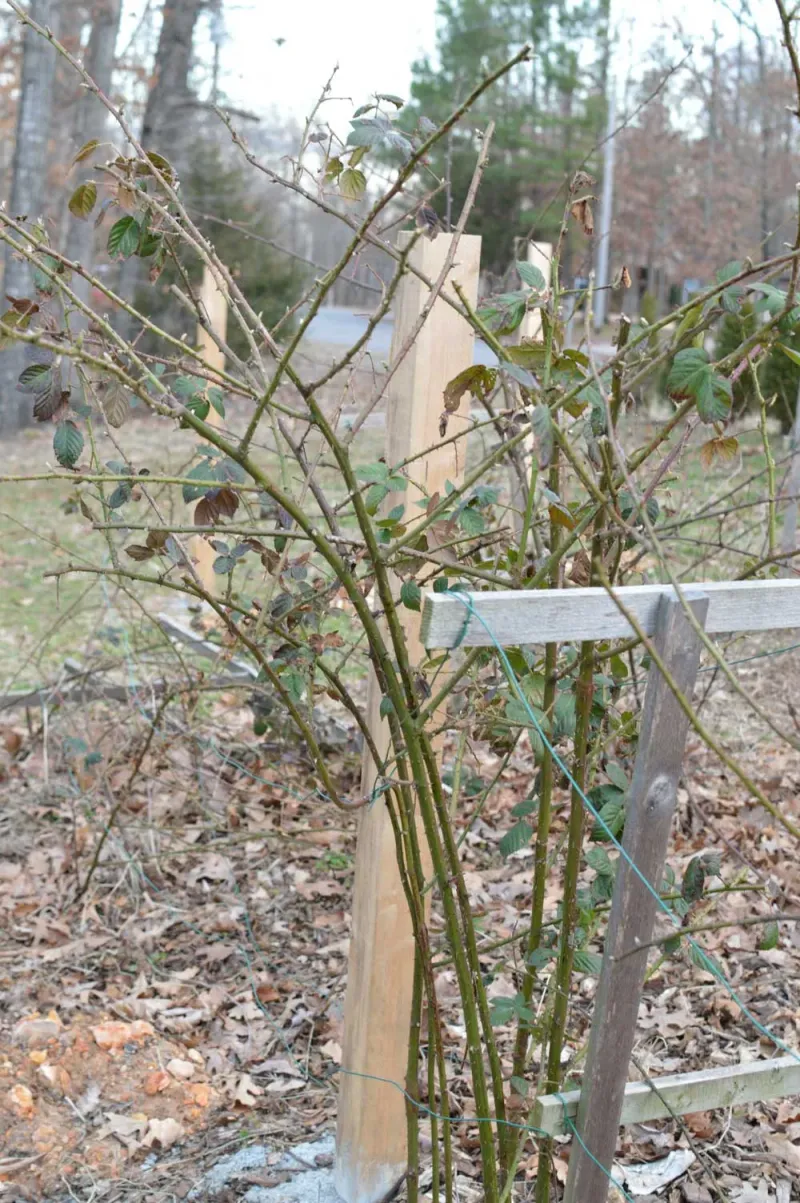
Grab the pruners, but first decide what kind of harvest you are after. Primocane blackberries can be pruned two ways, and each leads to a different result.
Option one is mowing or cutting all canes close to the ground in late winter.
That approach gives up the early summer crop. In return, you get one fall crop on new canes, plus easier pest and disease cleanup.
In hot parts of Georgia, though, that single fall crop may be light, so some growers choose the second method instead.
Option two keeps the canes that grew last year. They fruit in early summer, and the new canes may give you a later crop too.
With this method, remove old canes after they finish fruiting.
Leftover fruited canes will not bear again and only crowd the row. Cutting them out lets light and air reach the young growth.
Thin weak or damaged canes during winter as well.
Many growers also tip new canes in summer to encourage branching, though advice varies by variety. Check guidance from your local Extension office for your area, and clean your tools between plants to limit disease spread.