8 Privacy Plants Virginia Gardeners Are Choosing Over Arborvitae That Deer Avoid
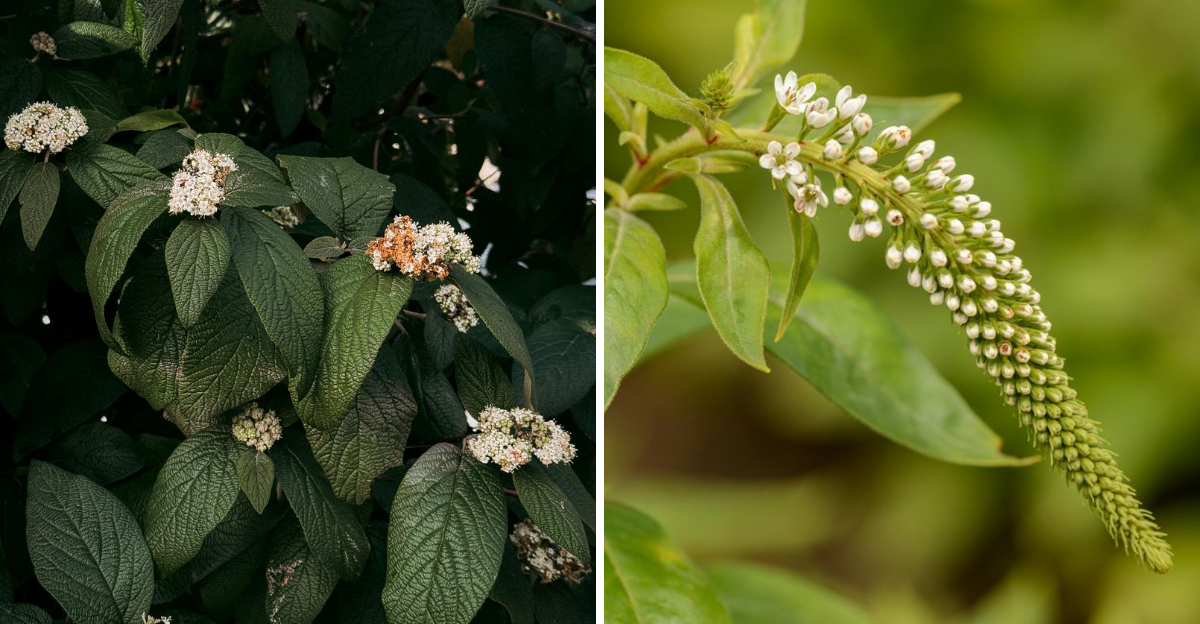
Virginia gardeners have long relied on arborvitae for privacy, and it is easy to see why. Those tall, cone-shaped evergreens promised quick coverage and simple maintenance. But many homeowners are now reconsidering their hedges.
Arborvitae can struggle in Virginia’s humid summers.
Bagworm infestations are common, and brown patches sometimes appear despite consistent watering. The plant simply did not evolve for this climate.
Virginia’s native shrubs did not just adapt to the clay soils, summer heat, and winter ice storms. They evolved alongside them. Once established, they largely take care of themselves, and many actively support the local wildlife that arborvitae never could.
The good news is that swapping your hedge does not mean sacrificing beauty or structure. Native alternatives can offer fragrance, fall color, year-round form, and habitat for birds and pollinators. Forget the boring green wall.
Your yard is about to get a serious upgrade.
Wax Myrtle
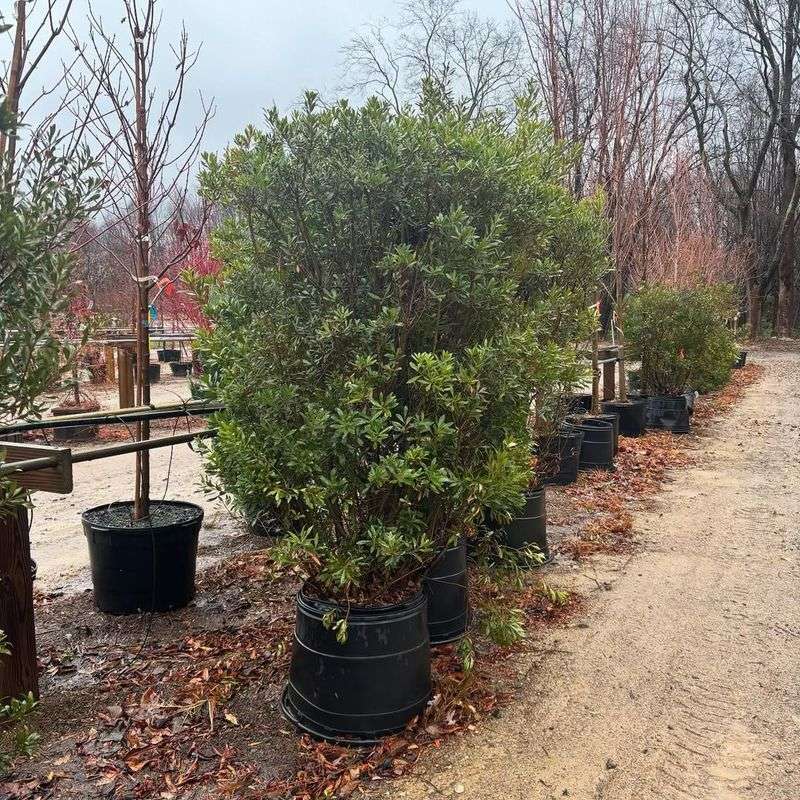
Walk past a Wax Myrtle on a warm afternoon and you will smell it before you see it.
That sharp, clean, bayberry-like fragrance hits you immediately, and honestly, it is one of the best free air fresheners nature offers.
This fast-growing native shrub is one of the top reasons Virginia gardeners are ditching arborvitae, and once you understand what it can do, the swap makes total sense.
Wax Myrtle grows quickly, often reaching 10 to 15 feet tall, which makes it a solid choice for privacy screening.
Unlike arborvitae, it handles both wet and dry soils without throwing a fit.
It thrives in full sun or partial shade, tolerates salt spray near coastal areas, and stays evergreen through most of Virginia’s winters without browning out.
Birds absolutely go wild for the small, waxy, blue-gray berries that appear in fall and linger through winter.
Yellow-rumped warblers, in particular, depend on these berries as a major food source during migration.
Planting a row of Wax Myrtle is essentially setting up a five-star restaurant for your local bird population.
From a maintenance standpoint, this shrub is refreshingly low-key.
It rarely needs pruning unless you want to shape it, and it has no serious pest problems to lose sleep over.
Bagworms, a persistent problem for arborvitae, simply do not bother Wax Myrtle.
For gardeners who want a tough, fragrant, wildlife-friendly hedge that actually looks good year-round, Wax Myrtle is the clear front-runner on this list.
Sweetbay Magnolia
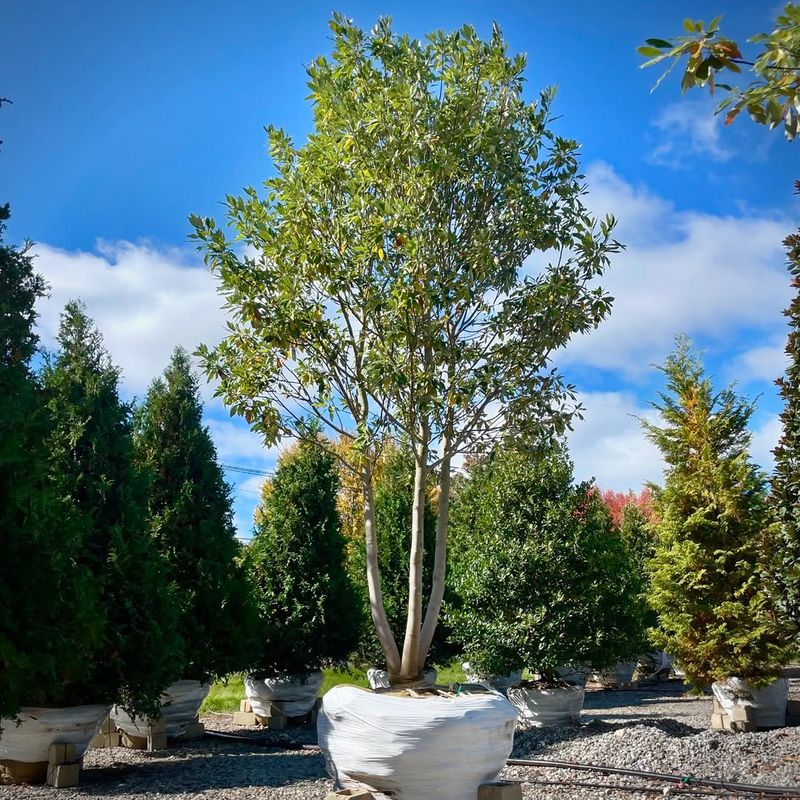
Imagine a shrub that smells like a lemon mixed with vanilla, blooms in early summer, and barely asks anything from you in return.
Sweetbay Magnolia has been winning over Virginia gardeners who are tired of dealing with yet another bagworm infestation.
This semi-evergreen native brings a sense of elegance to the landscape that no boring hedge can match.
Growing 10 to 20 feet tall, Sweetbay Magnolia works well as a screen or a specimen planting.
It thrives in moist, slightly acidic soils, which makes it a natural fit for low spots in the yard where other plants struggle and eventually give up.
Full sun to partial shade suits it just fine, giving you flexibility in placement.
Your Virginia Garden Changes Every Week. Your Plan Should Too.
Gardening in Virginia changes quickly throughout the season. Every Friday you’ll receive a simple weekly plan showing exactly what to plant, prune, fertilize, harvest, and protect so you never miss the right timing.
The creamy white flowers appear in late spring and continue sporadically through summer, releasing that unforgettable fragrance into the evening air.
Pollinators swarm the blooms, and birds nest in the branches with enthusiasm.
In fall, the seed pods split open to reveal bright red seeds that songbirds treat like a seasonal buffet.
Sweetbay Magnolia holds its leaves through most of Virginia’s mild winters, providing some year-round structure in the garden.
It does not brown out the way arborvitae does during dry spells, and it bounces back quickly after cold snaps.
For anyone wanting a showstopper that doubles as a privacy screen, this magnolia delivers beauty and function without demanding constant attention.
Arrowwood Viburnum
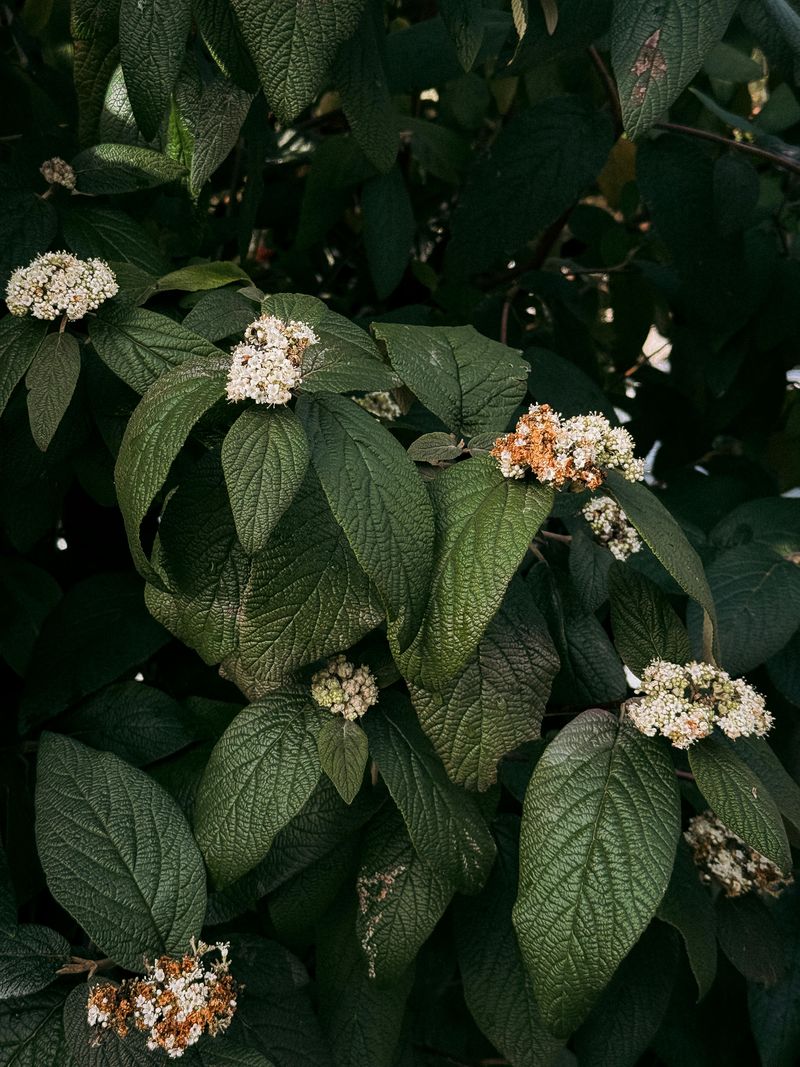
Image Credit: © Alisa Skripina / Pexels
Arrowwood Viburnum might be the hardest-working native shrub in a Virginia garden.
This tough, adaptable shrub produces flat-topped white flower clusters in late spring that practically vibrate with pollinator activity.
Bees, butterflies, and beetles all show up to the party, making your yard feel alive in a way a row of arborvitae never could.
Arrowwood Viburnum grows 6 to 10 feet tall and wide, forming a dense, rounded shape that works perfectly as a natural privacy screen or a hedge along a fence line.
It tolerates a wide range of soil conditions, from dry and rocky to moist and clay-heavy, which describes most Virginia backyards pretty accurately.
Full sun to full shade, this shrub adjusts without complaint.
By late summer, clusters of dark blue-black berries ripen and become an essential food source for migrating birds.
Dozens of bird species eat these berries, including thrushes, cedar waxwings, and bluebirds.
That kind of ecological generosity is something a non-native hedge simply cannot offer, no matter how neatly it is trimmed.
Fall color is another reason to get excited about this plant.
The leaves shift to shades of burgundy and deep red before dropping, giving the garden a warm seasonal glow.
Arrowwood Viburnum requires almost no maintenance once established, resists most pests, and spreads gradually through suckers to fill in gaps over time.
For gardeners ready to trade a high-maintenance hedge for something genuinely rewarding, this viburnum is an obvious choice.
Virginia Sweetspire
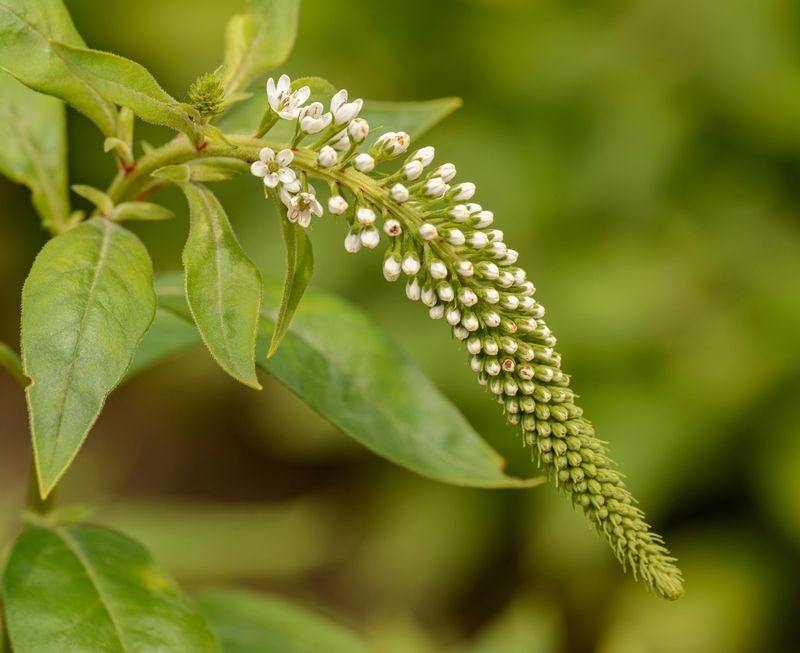
Image Credit: © Petr Ganaj / Pexels
Virginia Sweetspire has the name, the looks, and the temperament to thrive here. And it knows it.
This compact, graceful native shrub produces long, arching white flower spikes in early summer that smell faintly sweet and attract a parade of pollinators.
Gardeners who have swapped out arborvitae for this plant often say they had no idea what they were missing until those blooms appeared.
Virginia Sweetspire typically grows 3 to 5 feet tall and spreads gradually through root suckers to form a soft, flowing mass.
It thrives in moist, shaded spots where other shrubs sulk and refuse to perform, making it ideal for stream banks, rain gardens, or the shady side of a house.
That said, it also handles full sun reasonably well as long as the soil stays moderately moist.
The fall color on this plant is genuinely stunning.
Leaves turn shades of red, orange, and purple, often holding those colors for weeks before dropping.
For a shrub this easy to grow, the autumn display feels almost unfair to the plants around it.
Wildlife benefits are significant too.
Bees and butterflies love the summer flowers, and the dense, suckering growth provides excellent cover for ground-nesting birds and small mammals.
Virginia Sweetspire needs almost no pruning, rarely encounters serious pest problems, and establishes quickly in the right conditions.
At 3 to 5 feet tall, Virginia Sweetspire works best as a front layer in a mixed planting rather than a standalone screen.
Pair it with taller natives along a shaded fence line and it will reward you with color and fragrance that most hedges cannot match.
Native Witch Hazel
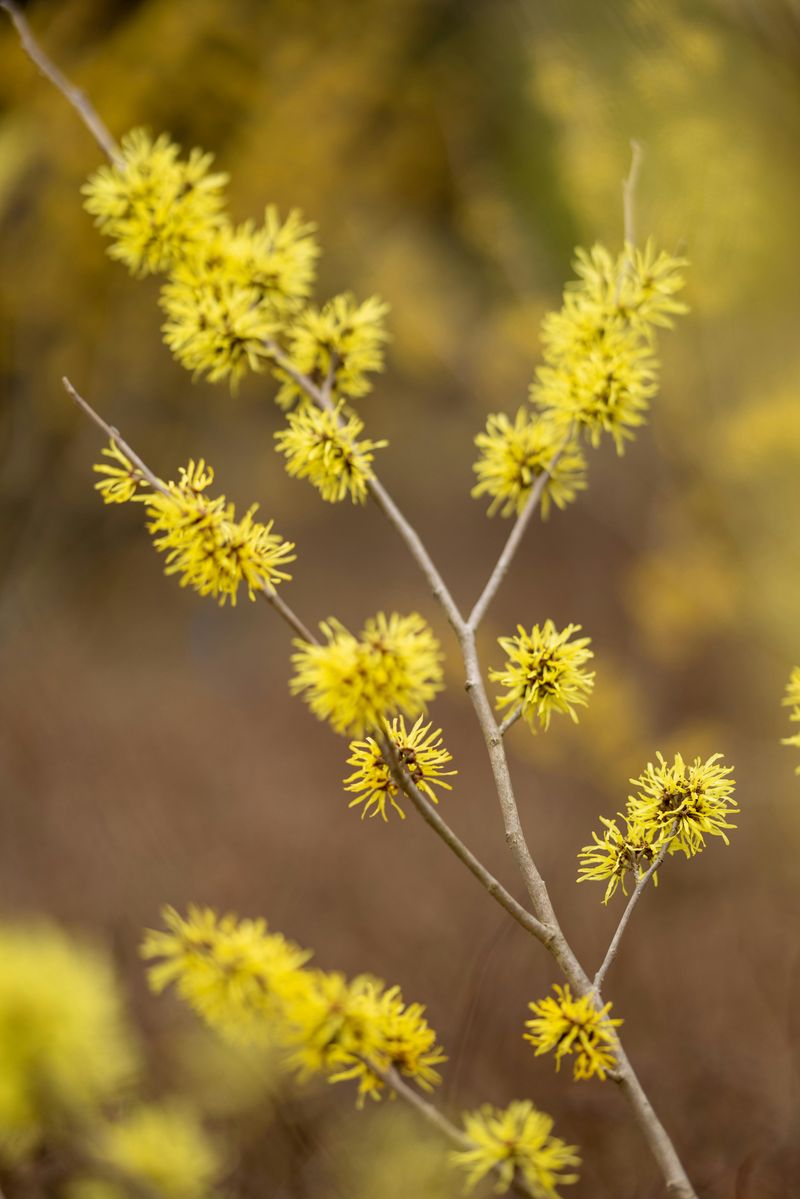
Most plants shut down for winter. Native Witch Hazel is just getting started.
Those spidery, ribbon-like yellow flowers appear on bare branches between November and February, releasing a sweet, spicy fragrance into cold air that feels almost magical.
For anyone tired of staring at brown arborvitae all winter, this shrub is a complete revelation.
Native Witch hazel grows as a large shrub or small tree, typically reaching 15 to 20 feet tall over time.
It thrives in partial shade beneath taller trees, making it one of the best choices for woodland edges or shaded backyards where most screening plants refuse to grow.
The plant adapts well to Virginia’s clay soils and tolerates both dry and moist conditions once established.
Beyond the winter blooms, Witch hazel offers beautiful fall foliage in shades of yellow, orange, and red.
The leaves often linger on the branches even after color peaks, adding texture and warmth to the late-season garden.
Spider-shaped seed pods follow the flowers and split open dramatically in fall, launching seeds several feet away with a satisfying snap.
Wildlife connections are strong here as well.
Native bees and other early-season insects seek out the winter flowers when food sources are scarce.
The dense branching structure offers shelter for birds during harsh weather.
For gardeners replacing arborvitae with something that performs year-round and surprises visitors in every season, Native Witch hazel earns its place without question.
Bayberry
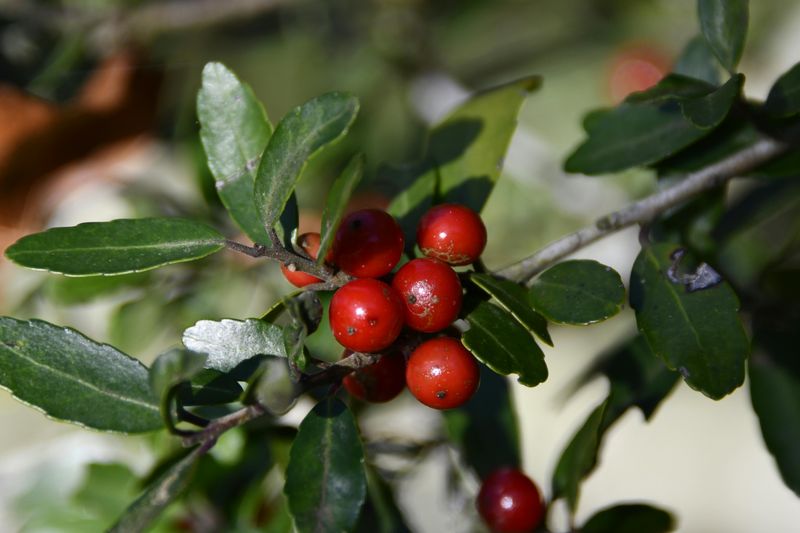
Bayberry is one of those no-nonsense native shrubs that thrives where other plants give up entirely.
Poor, sandy, or compacted soil? No problem.
Salt spray from a nearby road? Handled.
Full sun baking down all afternoon? Bayberry shrugs it off and keeps growing, making it one of the most underrated alternatives to arborvitae in the state.
This semi-evergreen shrub grows 5 to 10 feet tall with a dense habit that works well as a screen, windbreak, or hedge.
The aromatic leaves carry a spicy scent when crushed, and the waxy gray berries in fall and winter are stunning.
Those berries gave bayberry candles their name, and the fragrance tradition dates back centuries.
From a wildlife perspective, Bayberry is a powerhouse.
Yellow-rumped warblers depend on the high-fat berries during fall migration, and tree swallows also rely on them heavily.
The shrub spreads through root suckers, gradually filling in gaps and creating a thicker screen over time without any effort on your part.
Bayberry fixes nitrogen in the soil through a symbiotic relationship with bacteria in its roots, which means it actually improves the ground it grows in.
That is a benefit arborvitae could never offer.
It needs minimal pruning, tolerates drought once established, and rarely encounters pest problems.
For tough spots in the yard where nothing seems to work, Bayberry is the dependable answer you have been searching for.
Eastern Red Cedar
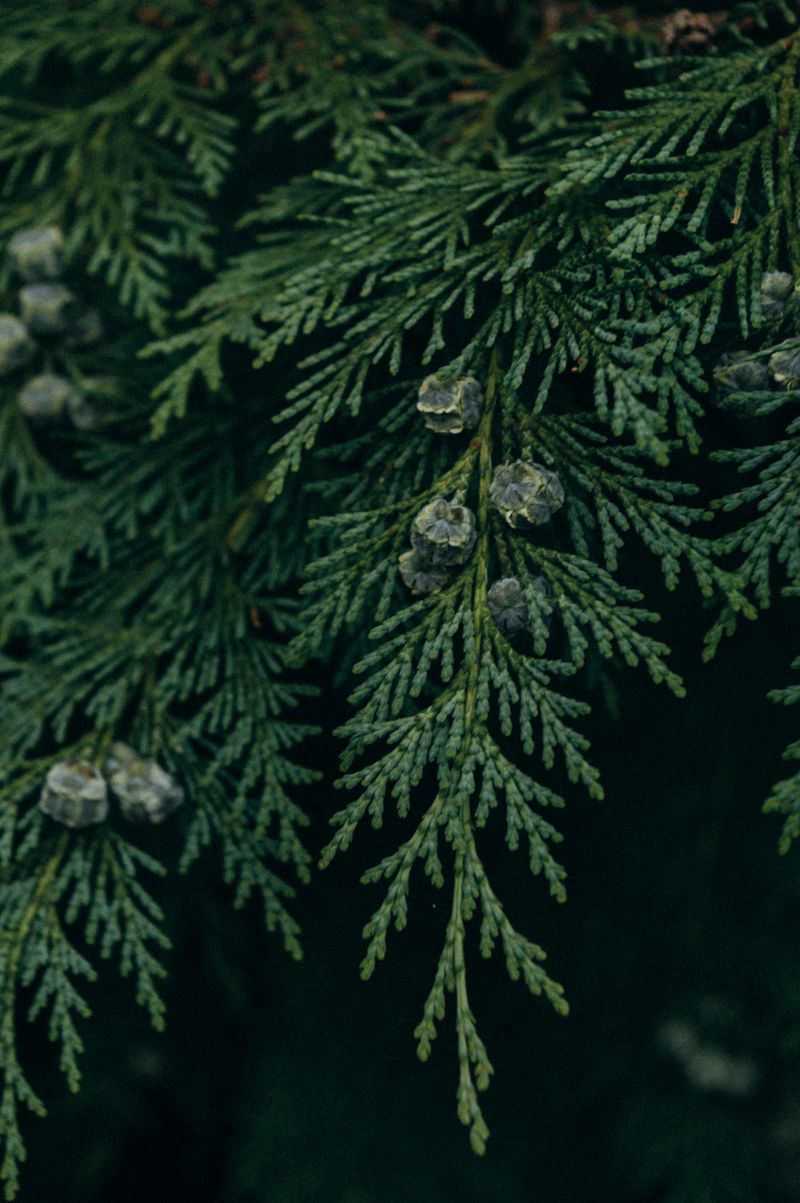
Virginia gardeners keep overlooking Eastern Red Cedar, and that is a mistake worth correcting.
This native evergreen forms a dense, columnar shape that provides reliable year-round screening.
Deer generally avoid it once the plant is established.
It grows 20 to 40 feet tall over time but responds well to occasional pruning if a more compact size is preferred. It tolerates poor soil, drought, clay, and rocky ground without much trouble, and it holds its deep green foliage through Virginia winters without browning.
Wildlife value is notable. The small, blue-gray berry-like cones are a key food source for Cedar Waxwings, a bird so associated with this plant that it was named after it.
Many other bird species eat the berries as well, and the dense foliage provides nesting and roosting cover throughout the year.
Eastern red cedar is dioecious, meaning only female plants produce berries. Gardeners who want wildlife activity would do well to seek out female plants or put in a small mixed group.
One thing to keep in mind: this plant can serve as an alternate host for cedar-apple rust, a fungal disease that affects apple and crabapple trees. Gardeners with apple trees nearby may want to consider placement carefully.
For low-maintenance privacy screening with good deer resistance and meaningful wildlife support, Eastern red cedar is a dependable option.
Spicebush
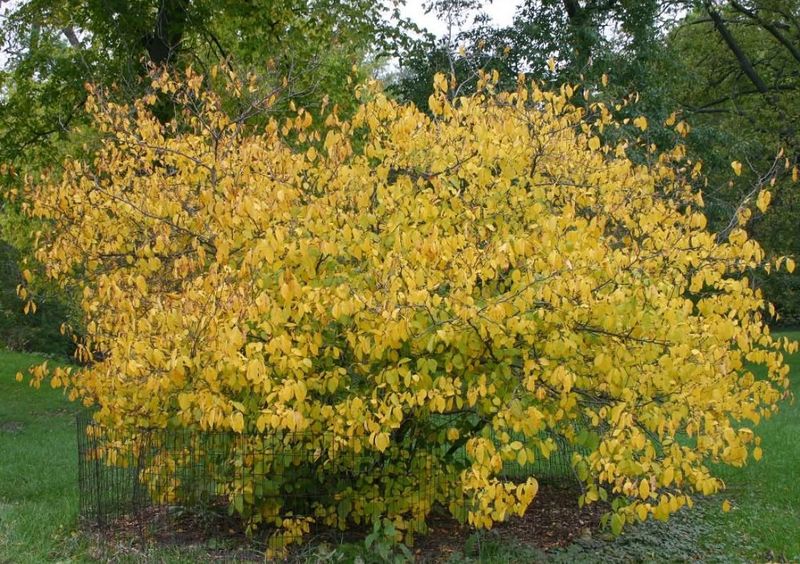
Spicebush is the kind of plant that rewards curious gardeners who take the time to crush a leaf between their fingers.
That warm, spicy, citrus-edged scent that rises up is distinctive, and it explains why this native shrub has been treasured in American woodlands long before anyone thought to put it in a formal garden.
Swapping arborvitae for Spicebush is not just a practical decision, it is a sensory upgrade.
Growing 6 to 12 feet tall in partial to full shade, Spicebush fills the understory layer beautifully.
It tolerates moist, clay-heavy soils that would stress most ornamental shrubs, making it a natural solution for low areas of the yard that stay wet after rain.
The bright yellow flower clusters appear in very early spring before the leaves emerge, providing one of the first nectar sources of the season for native bees.
Spicebush is dioecious, meaning you need at least one male and one female plant to get fruit.
Plant a small group and by late summer the female plants will produce glossy red berries.
Spicebush is also the sole host plant for the Spicebush Swallowtail butterfly, one of the most stunning insects in the eastern United States.
Watching those iridescent blue butterflies lay eggs on your shrub is a moment that sticks with you.
Fall color on Spicebush ranges from clear yellow to soft gold, lighting up shaded corners of the garden in October.
For gardeners replacing arborvitae and wanting a plant that feeds birds, hosts butterflies, smells incredible, and asks for almost nothing in return, Spicebush is the perfect final word on this list.