The Real Reason Michigan Gardeners Struggle With Roses And How To Fix It For Good
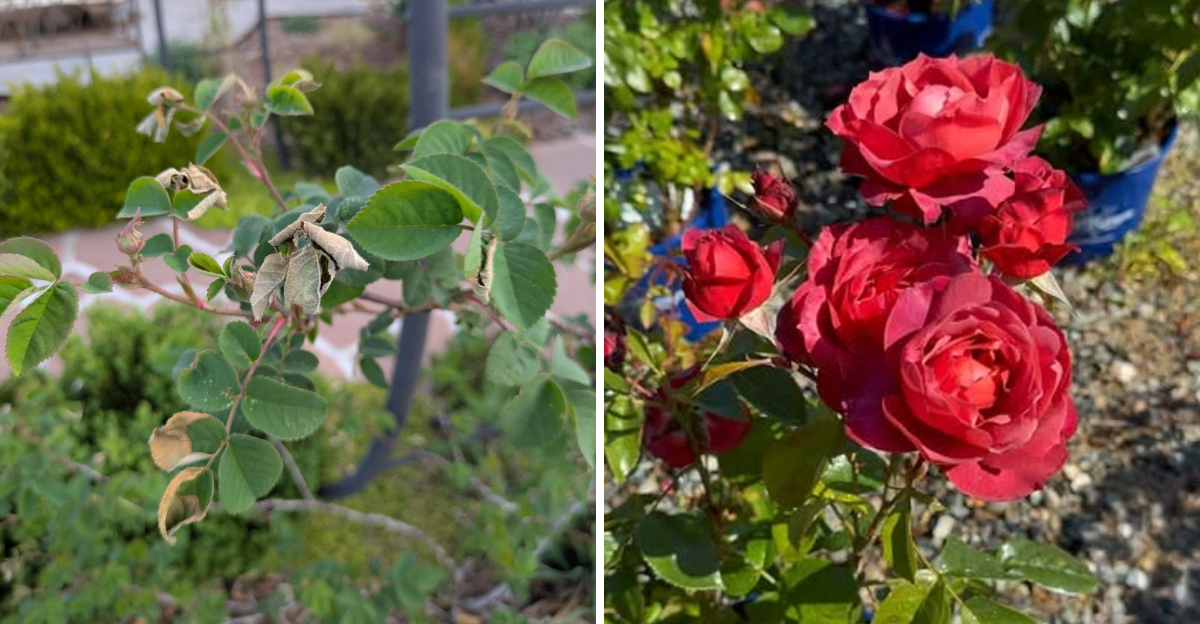
Roses have a reputation for being difficult, and in Michigan that reputation has some basis in reality.
The cold winters, heavy clay soil in many parts of the state, and humid summers that encourage fungal disease create a combination of challenges that trips up gardeners who approach roses without understanding what this climate actually demands from them.
The frustrating part is that most rose struggles trace back to a small number of fixable problems rather than the plant being inherently impossible to grow here.
Variety selection accounts for more failures than any other single factor, followed closely by planting location and a feeding schedule that does not match Michigan’s specific seasonal rhythm.
Address those variables and roses in a garden stop being a source of frustration and start being one of the most rewarding plants in the yard.
1. Roses Here Often Struggle Because Airflow Is Much Worse Than Gardeners Realize
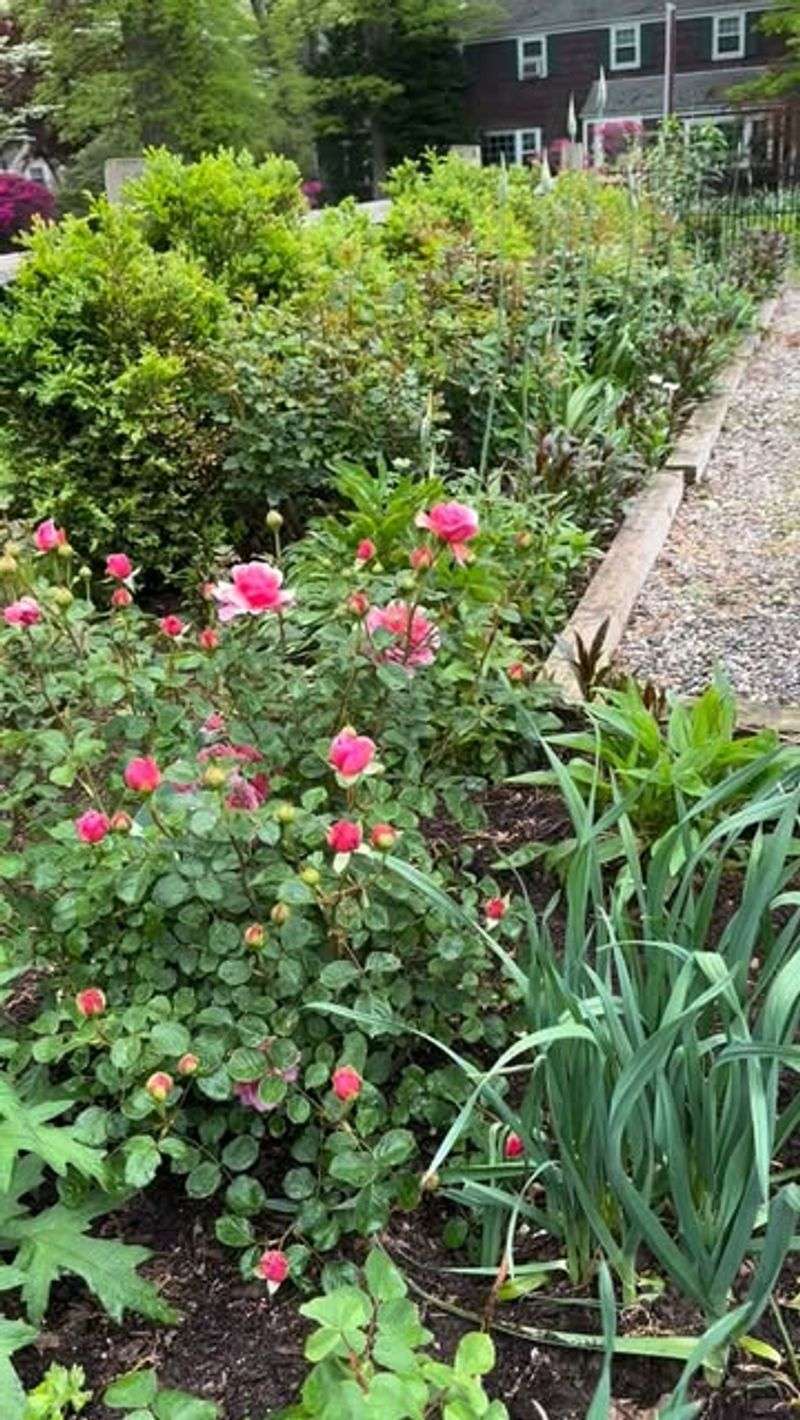
Poor airflow is one of the sneakiest problems in rose gardens, and most gardeners never see it coming. Roses planted too close together, tucked against fences, or squeezed into foundation beds end up sitting in pockets of warm, humid air all summer long.
Our summers already bring plenty of moisture, and that trapped humidity around leaves is exactly what black spot and other fungal diseases need to take hold fast.
Fungal spores spread easily when foliage stays damp and air cannot move freely between plants. Many gardeners notice black spot year after year and reach for sprays, never realizing that the real fix starts with spacing and placement.
Roses planted at least three to four feet apart allow air to circulate, helping leaves dry out after rain or morning dew before disease pressure builds up.
Placement matters just as much as spacing. Avoid planting roses directly against solid walls or tall privacy fences that block prevailing winds.
Open corners, raised beds near lawn areas, or spots away from dense shrub groupings all give roses the breathing room they need. Selective pruning inside the plant to open up the center also improves airflow dramatically.
When air moves freely through the canopy, roses stay drier, healthier, and far more resistant to the fungal problems that plague so many gardens season after season.
2. Many Gardeners Plant Roses In Too Much Shade
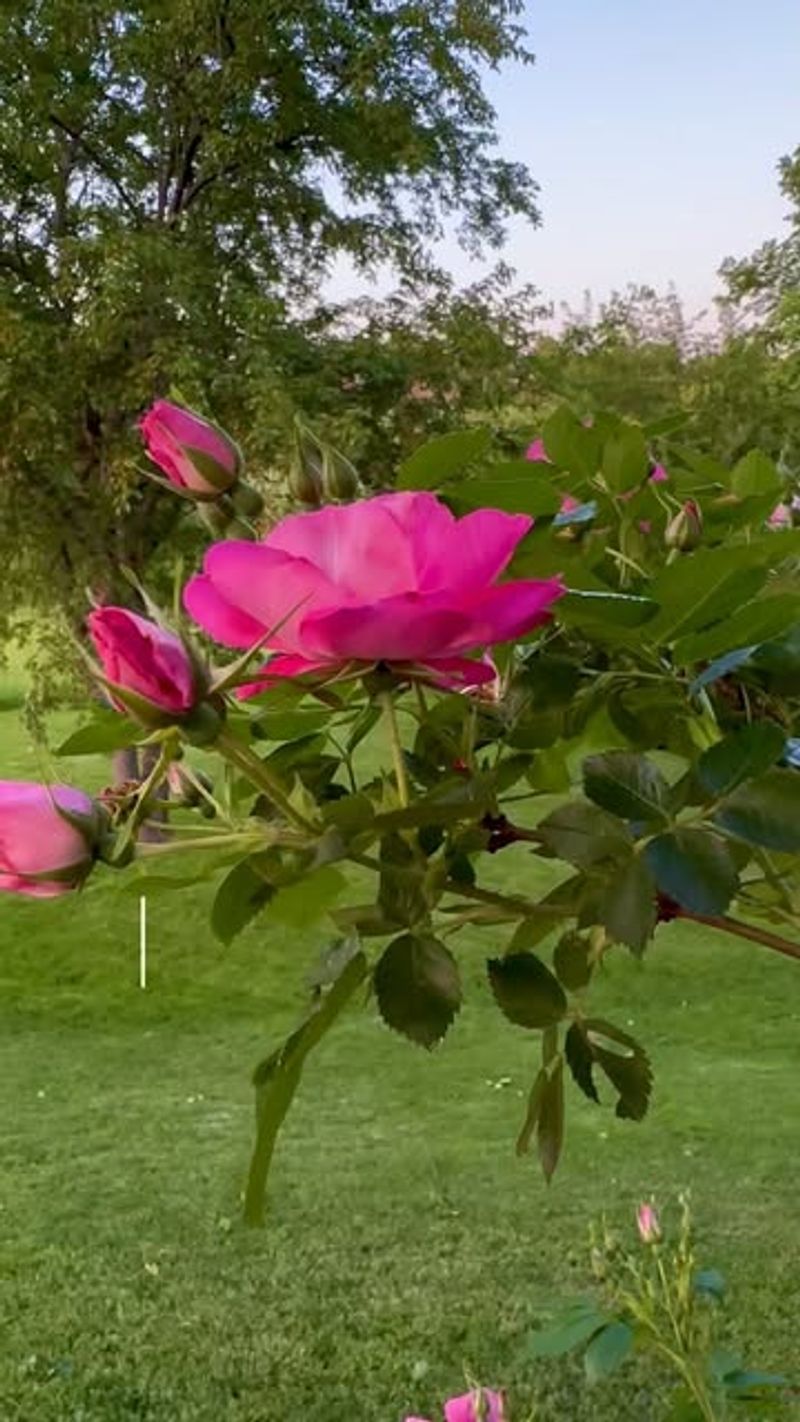
Sunlight is the single biggest driver of rose performance, and shade is quietly responsible for more struggling roses in Michigan than most gardeners ever suspect.
Roses need at least six hours of strong direct sunlight every day to produce healthy foliage, consistent blooms, and natural resistance to fungal problems.
When that sunlight gets cut short, roses respond with weak stems, fewer flowers, and leaves that stay wet far too long after rain.
Morning sun is especially valuable for roses because it dries overnight moisture off foliage quickly, reducing the window that fungal spores need to germinate.
A spot with strong eastern exposure and some afternoon shade during the hottest part of a Michigan summer actually works well for many varieties.
Your Michigan Garden Changes Every Week. Your Plan Should Too.
Gardening in Michigan changes quickly throughout the season. Every Friday you’ll receive a simple weekly plan showing exactly what to plant, prune, fertilize, harvest, and protect so you never miss the right timing.
The trouble comes when roses end up under mature trees or along the north side of a house where direct sunlight barely reaches at all.
Michigan landscapes change over time, and trees that seemed small when roses were first planted can gradually shade out an entire bed within a decade.
Walk your garden at different times of day and track how much direct sun each rose actually receives during the growing season.
Relocating roses to a sunnier spot is far more effective than any spray or fertilizer program. Strong sun builds stronger plants, and stronger plants handle Michigan weather with much less drama from season to season.
3. Wet Leaves Overnight Trigger Major Rose Disease Problems
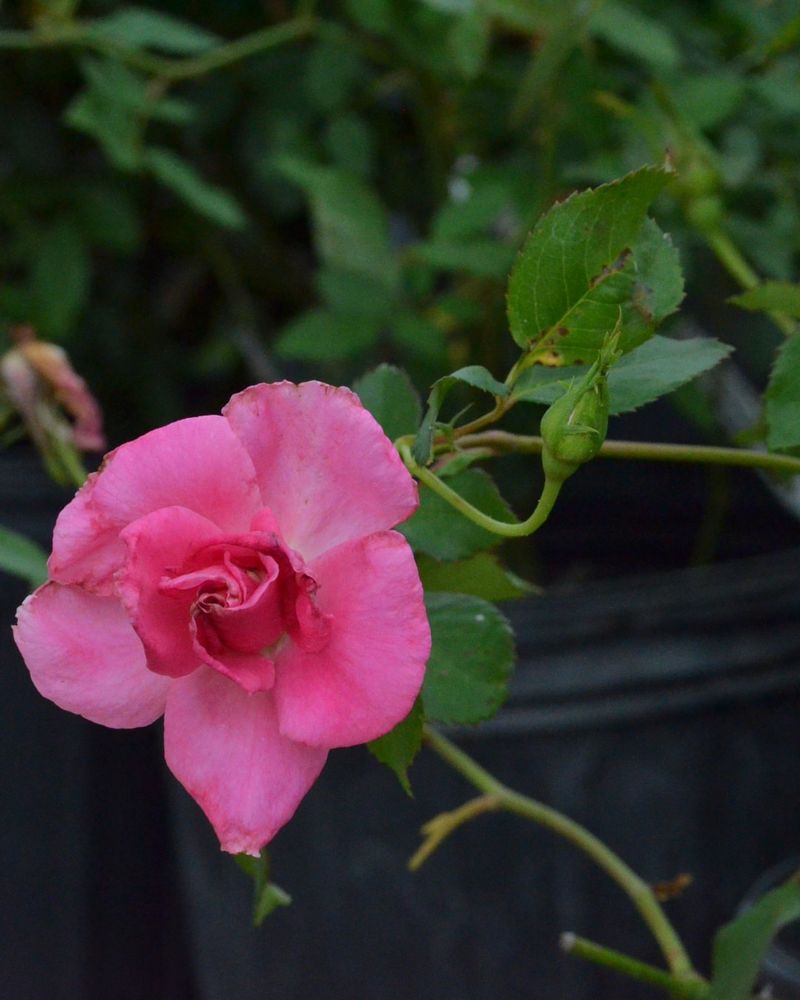
Watering habits can make or break rose health in Michigan, and evening overhead watering is one of the most common mistakes gardeners make without realizing it.
When the foliage stays wet through the night, fungal spores have all the time they need to settle and spread.
Black spot thrives in exactly these conditions, and summers with warm nights and high humidity make the problem even worse when leaves go into darkness already soaked.
Switching to morning watering makes a noticeable difference almost immediately. Morning moisture gives foliage hours of sunlight and warm air to dry off before evening arrives.
Watering at the soil level rather than overhead keeps leaves dry entirely, which is the most effective strategy of all.
A soaker hose or drip irrigation system delivers water directly to the root zone where roses actually need it, skipping the foliage completely and cutting fungal pressure dramatically.
Mulching the soil around roses adds another layer of protection by reducing soil splash during rain or irrigation. When water hits bare soil near roses, it kicks up soil particles that can carry fungal spores directly onto lower leaves.
A two to three inch layer of shredded bark or wood chip mulch around roses keeps soil moisture more consistent, reduces weeds, and acts as a physical barrier against splash.
Small changes to watering habits and bed maintenance create a noticeably healthier growing environment across an entire Michigan rose garden.
4. Michigan Clay Soil Often Suffocates Rose Roots
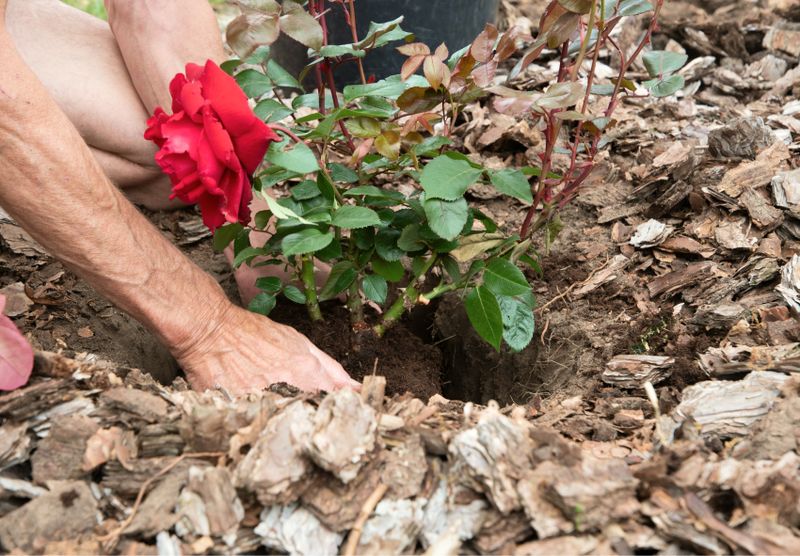
Clay soil covers a huge portion of Michigan landscapes, and it creates serious problems for roses that most gardeners do not fully understand until their plants start struggling year after year.
Roses need well-drained soil where roots can access both oxygen and moisture in a healthy balance.
Dense clay holds water so tightly that roots sit in saturated conditions after heavy rain, which weakens the entire plant and opens the door to root rot and disease stress.
The fix starts with organic matter. Working generous amounts of compost into existing clay soil before planting improves drainage, loosens the structure, and feeds beneficial soil organisms that help roses thrive.
Aim for at least four to six inches of compost incorporated into the top twelve inches of soil. This kind of soil preparation takes effort upfront but pays off for years because roots can finally spread and breathe the way healthy roses need them to.
Raised beds are another excellent option for gardeners dealing with especially stubborn clay.
Building a raised bed just ten to twelve inches above grade with a quality blend of compost, topsoil, and coarse organic material gives roses a completely different growing environment right from the start.
Planting on a slight slope also helps water move away from root zones naturally after heavy rain. Improving soil drainage is one of the highest-impact changes any rose gardener here can make for long-term plant health and performance.
5. Many Popular Roses Simply Are Not Well Suited To Michigan Conditions
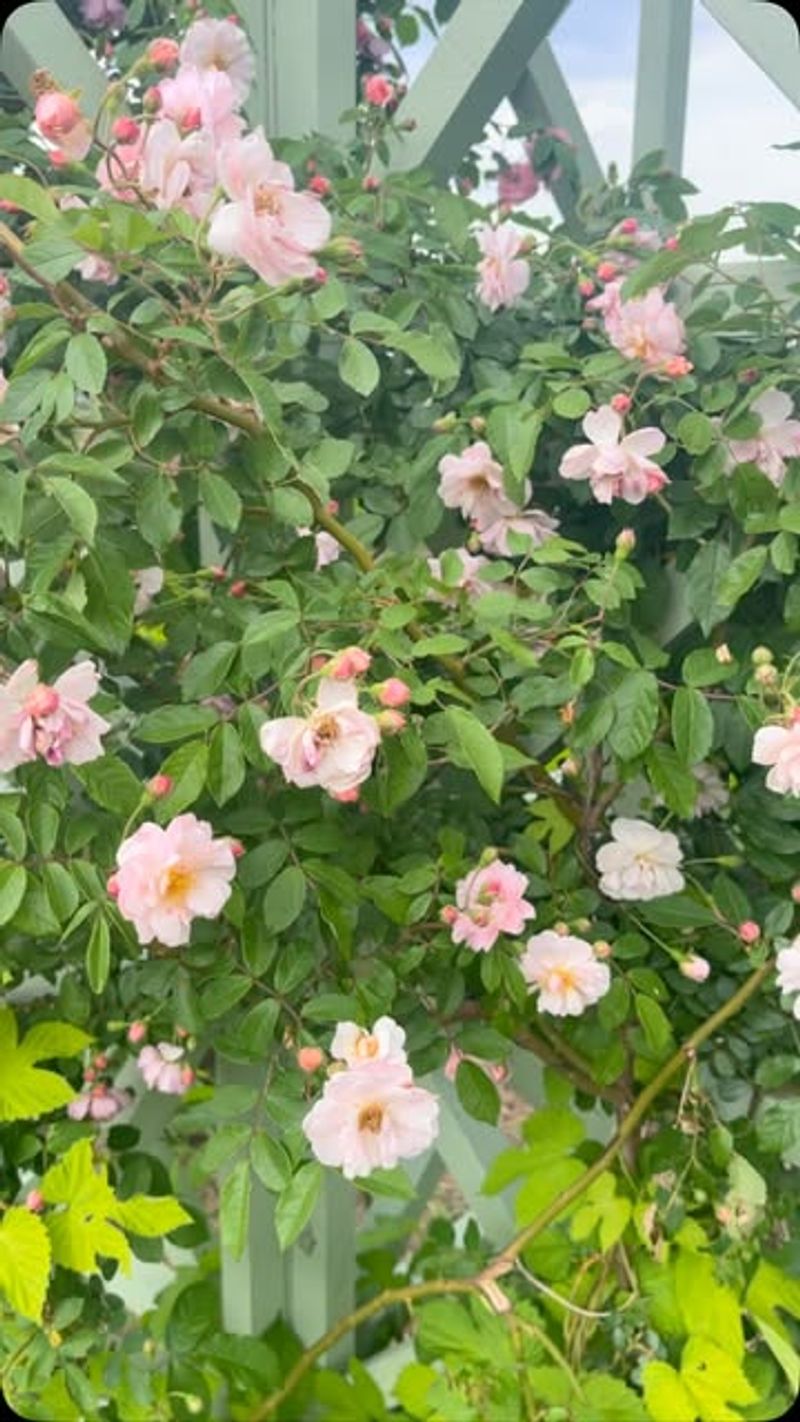
Not every rose sold at a garden center is built for Michigan weather, and choosing the wrong variety is one of the fastest ways to set yourself up for years of frustration.
Hybrid tea roses look gorgeous in catalogs, but many struggle in Michigan because they lack natural resistance to the humidity-driven fungal diseases that sweep through gardens every summer.
They also require significant winter protection to survive Michigan cold without serious damage to canes and graft unions.
Tougher shrub roses tell a completely different story. Rosa Knock Out Group varieties have become popular across Michigan for good reason.
They bloom repeatedly, resist black spot naturally, and handle cold winters with far less babying than hybrid teas demand.
Rosa rugosa is another powerhouse for Michigan gardens, offering fragrant flowers, impressive disease resistance, and cold hardiness that shrugs off even brutal Upper Peninsula winters without missing a beat.
Rosa Carefree Beauty is worth knowing about as well. This shrub rose produces large, fragrant pink blooms on arching canes and handles both humidity and cold with real toughness.
Choosing disease-resistant and climate-appropriate varieties does not mean giving up on beauty. It means spending less time spraying, less time worrying, and more time actually enjoying a garden full of healthy color.
Matching variety to climate is one of the smartest decisions any rose grower can make from the very beginning of the planning process.
6. Overfertilizing Creates Weak Disease Prone Rose Growth
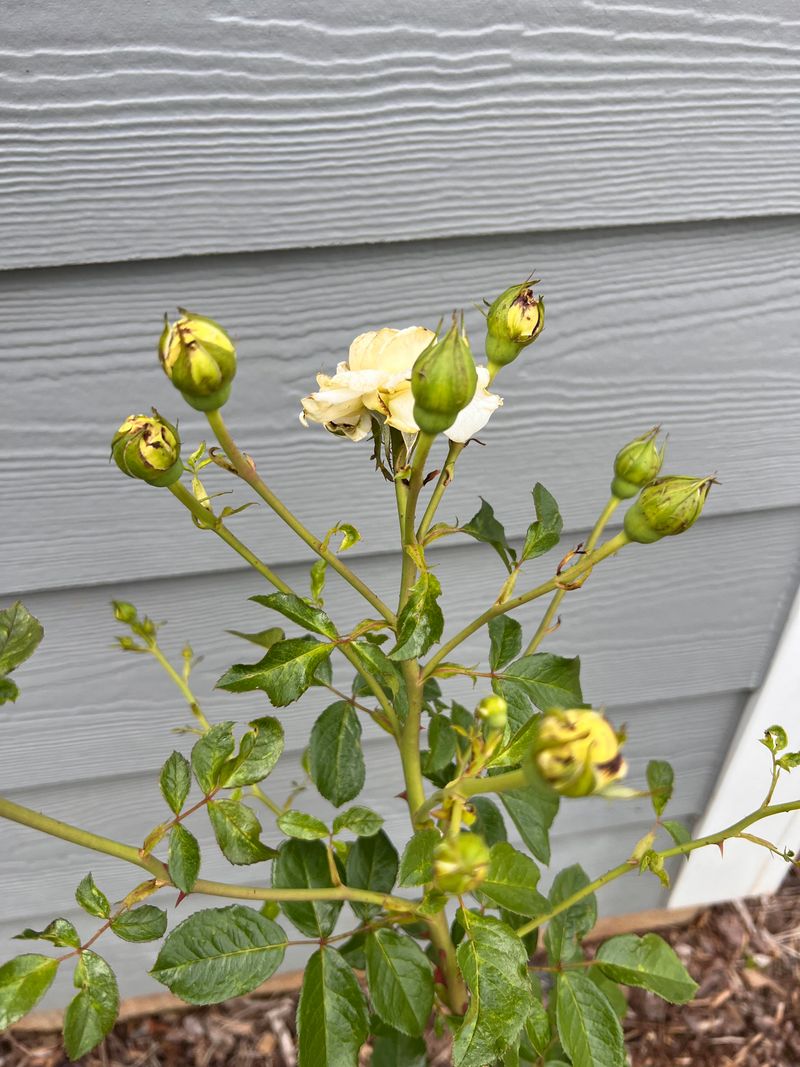
More fertilizer does not always mean better roses, and overfertilizing is a surprisingly common mistake that actually makes Michigan roses weaker rather than stronger.
Rosa spp. pushed with excessive nitrogen produce lush, fast-growing soft tissue that looks impressive at first glance but turns out to be exactly what fungal diseases and sucking insects are looking for.
Aphids flock to tender new growth, and black spot spreads more aggressively through soft, quickly produced foliage than through the firmer growth that comes from balanced feeding.
A realistic fertilizing schedule for roses starts in spring once new growth is a few inches long, usually around late April or early May depending on the year. A balanced granular rose fertilizer applied at that point gives plants a steady, even push through early summer.
A second light application in midsummer around late June keeps energy consistent for repeat bloom cycles without forcing a surge of weak late-season growth.
Stopping fertilizer by mid-August is genuinely important in Michigan. Late feeding encourages new growth that cannot harden off before frost arrives, leaving canes vulnerable to winter damage.
Organic fertilizers like compost, alfalfa meal, or fish emulsion release nutrients more slowly than synthetic options, making it harder to accidentally overfeed.
Balanced, timed feeding produces roses with firmer, more resilient growth that handles humidity and pest pressure far better than plants pushed hard all season with heavy synthetic fertilizer programs.
7. Michigan Winters Damage Roses More Than Many Gardeners Expect
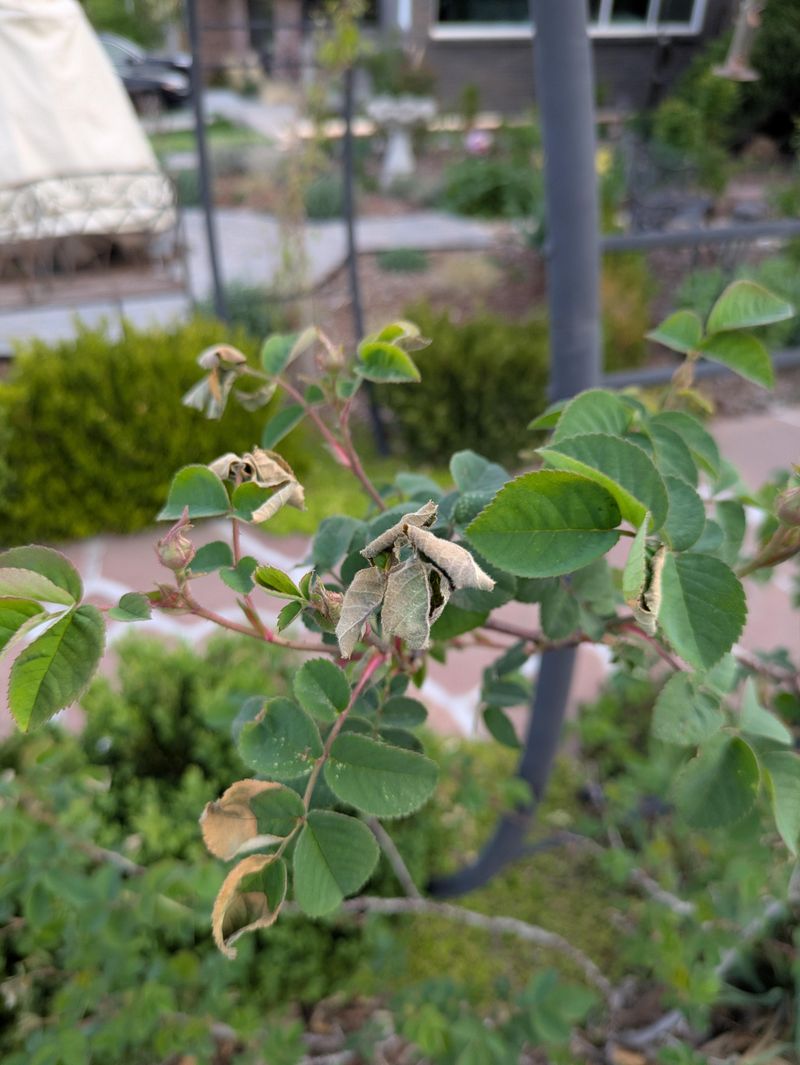
Michigan winters are genuinely tough on roses, and the damage often goes deeper than what shows up on the surface when spring finally arrives.
Freeze-thaw cycles are especially hard on Roses because repeated freezing and thawing heaves soil, exposes roots, and cracks canes in ways that weaken plants heading into the new growing season.
Drying winter winds pull moisture from exposed canes faster than roots can replace it, leaving stems shriveled and struggling before the first warm day even arrives. Graft unions are particularly vulnerable in Michigan winters.
The graft union is the swollen knob near the base of the plant where the desirable rose variety meets the rootstock, and it needs protection from freezing temperatures to keep the named variety alive through winter.
Mounding eight to ten inches of soil or compost over the base of the plant after the ground begins to freeze in late fall gives that union the insulation it needs to make it through January and February.
Adding a layer of straw or shredded leaves over the mound extends that protection further. Burlap windbreaks on the north and west sides of exposed plantings reduce desiccation damage significantly without trapping damaging ice.
Timing matters too. Pruning in spring rather than fall prevents fresh cut wounds from sitting exposed all winter.
Gardeners who take these protective steps consistently end up with roses that bounce back faster, grow stronger, and perform noticeably better each successive season.
8. Healthy Roses Start With Choosing The Right Location From The Beginning

Site selection is the foundation of every successful rose garden, and getting it right from the start saves years of frustration, extra spraying, and disappointing results.
Rosa spp. planted in the right spot with plenty of sunlight, good airflow, proper drainage, and appropriate spacing develop a natural resilience that carries them through Michigan summers and winters.
It does so far more reliably than roses crammed into difficult spots and then propped up with chemicals and extra care.
A poor planting site in Michigan might look like a narrow side yard between a house and a fence where shade builds through the day and air barely moves. It might be a low corner of the yard where water collects after heavy rain or snowmelt.
These spots make roses work against the environment from day one, and no amount of extra attention fully compensates for a fundamentally bad location.
An ideal rose site faces east or southeast to capture morning sun, sits on slightly elevated or well-drained ground, and has at least several feet of open space on multiple sides.
Nearby structures should not block prevailing breezes or create wind tunnels that stress canes in winter.
Taking time before planting to observe sunlight patterns, drainage behavior after rain, and wind exposure across different seasons gives roses the best possible start.
Strong site selection is not just helpful, it is the single most powerful decision a rose gardener can make for long-term success.