Texas Garden Mistakes That Seem Fine In May But Destroy Plants By August
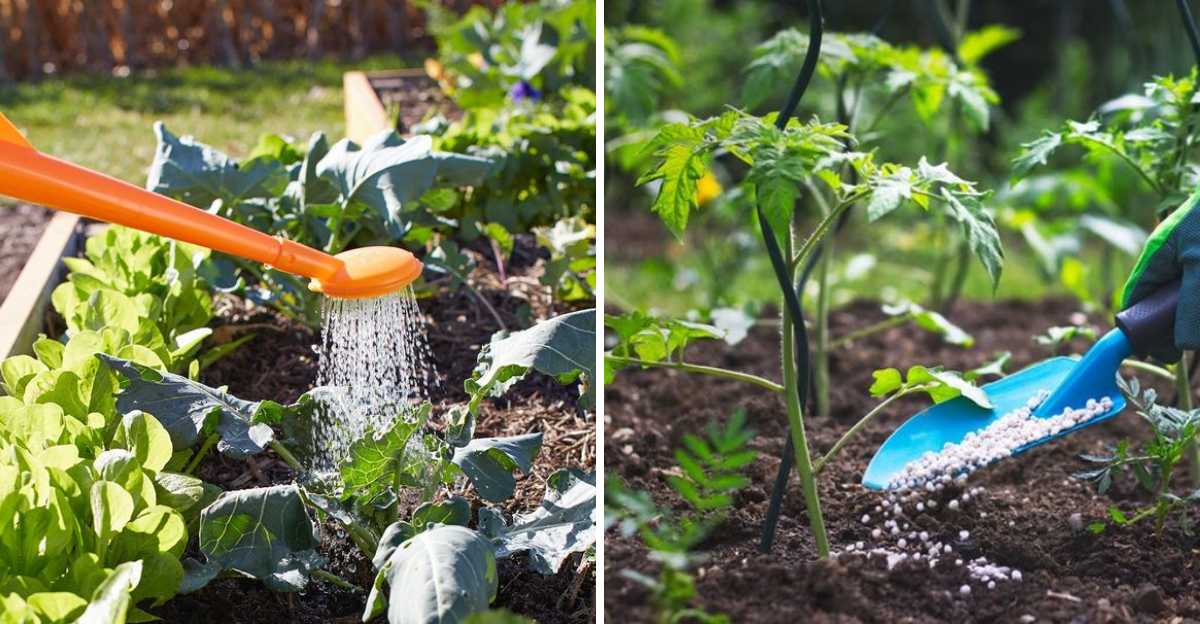
May in Texas has a way of making even the most questionable gardening decisions look perfectly reasonable.
Everything is growing, the temperatures are still workable, and the garden has enough momentum coming out of spring that it can absorb a fair amount of mishandling without showing obvious signs of stress.
That forgiving quality is exactly what makes May such a dangerous month for mistakes that don’t announce themselves until much later. The gap between cause and consequence in Texas gardening is often measured in weeks, sometimes months.
A decision made in May when conditions are still relatively mild can sit quietly in the background, creating problems that only become visible when the August heat arrives and starts putting real pressure on every plant in the garden.
By then, the connection back to what happened in spring isn’t always obvious, and the window for easy fixes has long since closed.
Knowing which May habits lead to August disasters is some of the most valuable gardening knowledge a Texan can have.
1. Planting Cool-Season Crops Too Late
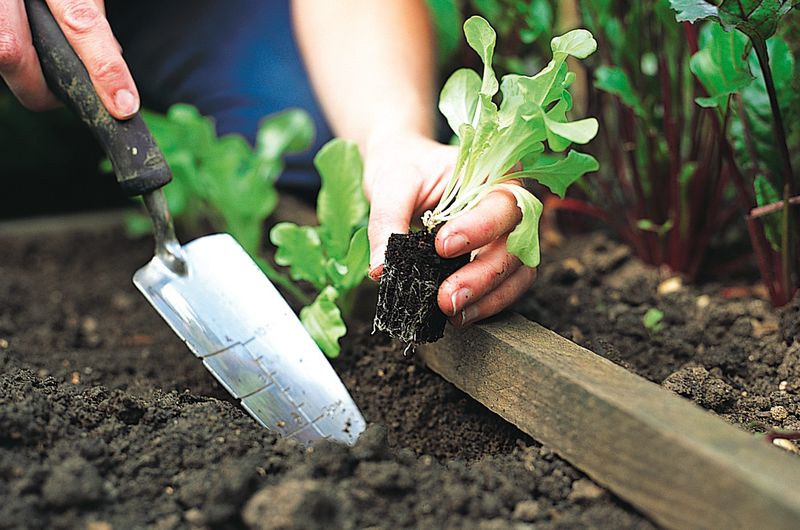
Cool-season crops like lettuce, spinach, and kale have a short window in Texas. They love mild temperatures, but once the heat cranks up, they struggle fast.
Many gardeners plant these vegetables in late April or May thinking they still have time, but the Texas summer has other plans.
Lettuce and spinach may look perfectly fine in early May when temperatures are still manageable. But as soon as consistent heat arrives, usually by late June, these plants start to bolt.
Bolting means the plant sends up a flower stalk and turns bitter and tough. Once that happens, the harvest is basically over.
In Texas, cool-season crops need to be planted much earlier, ideally between February and March. That gives them enough time to mature before summer heat takes over.
If you missed that window, it is better to skip these crops entirely and wait for the fall planting season.
Fall is actually a fantastic time for cool-season gardening in Texas. Temperatures drop back to comfortable levels around September and October, giving lettuce and spinach a second chance to thrive.
Planning your garden calendar around Texas seasons instead of general gardening advice makes a huge difference. Knowing when to plant and when to wait is one of the smartest habits any gardener can develop.
A little patience now saves a lot of frustration later when August arrives and your plants are already struggling to survive the relentless heat.
2. Skipping Mulch Around Plants
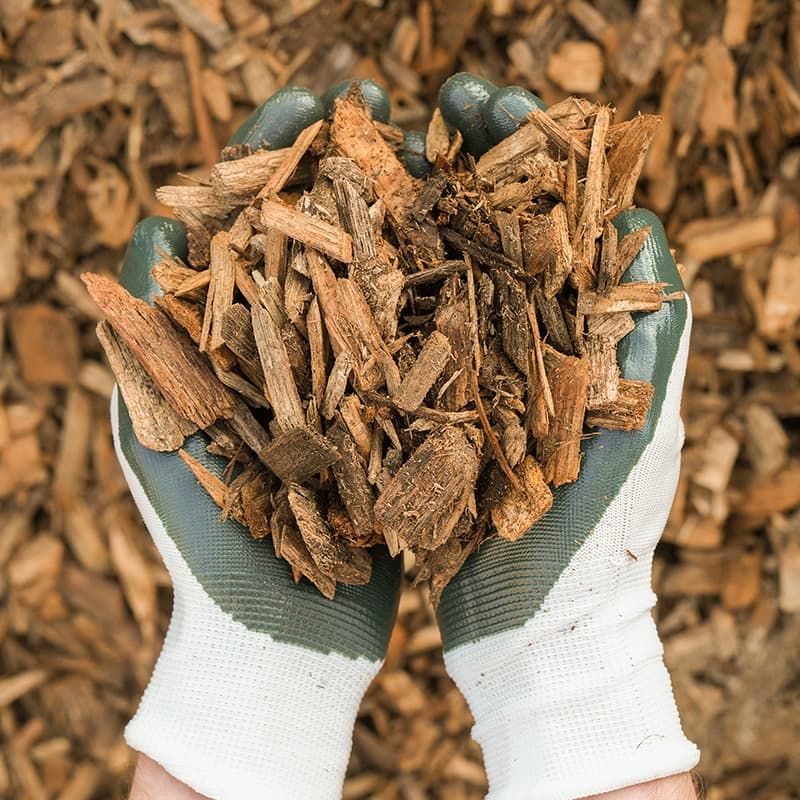
Bare soil in a Texas summer is basically an oven. Without anything covering the ground, the sun bakes the soil surface and moisture evaporates within hours.
Roots sitting in that hot, dry soil get stressed quickly, and stressed plants are much weaker and more vulnerable to everything else summer throws at them.
In May, skipping mulch might not seem like a big deal. The temperatures are still tolerable, and the soil holds moisture a little longer.
But once June and July hit, that bare soil becomes a real problem. Soil temperatures can reach over 120 degrees Fahrenheit at the surface in Texas summers, which is damaging to roots even when you cannot see it happening above ground.
Your Texas Garden Changes Every Week. Your Plan Should Too.
Gardening in Texas changes quickly throughout the season. Every Friday you’ll receive a simple weekly plan showing exactly what to plant, prune, fertilize, harvest, and protect so you never miss the right timing.
Adding a layer of mulch, about 3 to 4 inches thick, makes a noticeable difference. Organic mulches like shredded wood, straw, or leaves help keep soil cool and moist.
They also break down slowly, adding nutrients back into the soil over time. That is a double benefit for your garden.
Mulching also cuts down on weeds, which compete with your plants for water and nutrients. Fewer weeds mean less work during those hot summer months when you really do not want to spend extra time outside.
Applying mulch in May, before the worst heat arrives, gives your garden a protective barrier that holds up all summer long. Skipping this simple step is one of the easiest mistakes to make and one of the easiest to fix before it causes real damage.
3. Watering Shallowly And Too Often
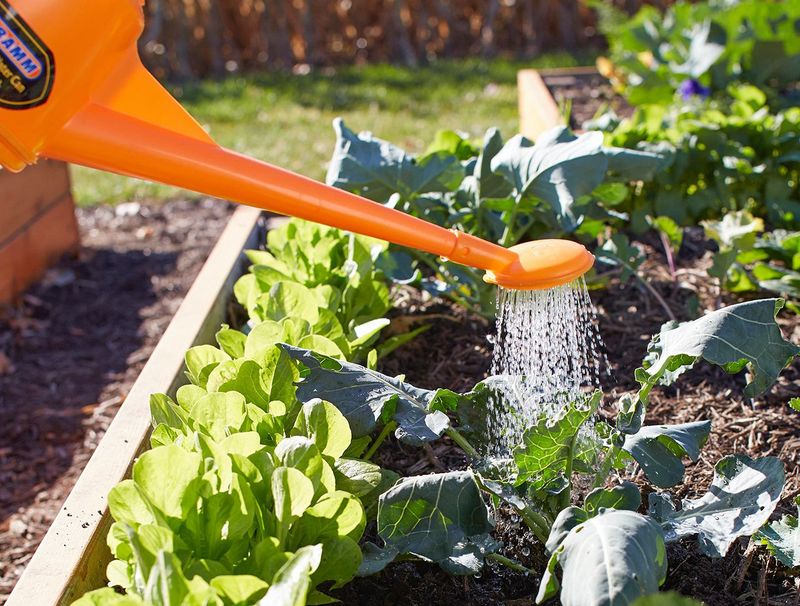
A lot of gardeners water their plants a little every single day and feel good about it. It feels responsible and attentive.
But shallow, frequent watering is actually one of the worst habits you can have in a Texas garden, especially heading into summer.
When you water just the top inch or two of soil, roots have no reason to grow deeper. They stay near the surface where the moisture is.
That might work fine in mild May weather, but when August arrives and Texas heat pushes soil surface temperatures through the roof, those shallow roots have nowhere to go. Deep roots can reach cooler, moister soil layers underground, which helps plants survive long hot spells.
Deep, infrequent watering is the better approach. Water slowly and thoroughly, allowing moisture to soak down at least 6 to 8 inches into the soil.
Then wait until the top inch or two dries out before watering again. This trains roots to grow downward in search of moisture, making plants far more resilient.
Checking your soil with a finger or a simple moisture meter before watering is a great habit. Many Texas gardeners overwater in spring and then wonder why their plants look weak by midsummer.
Switching to deep watering in May gives roots the whole spring season to establish themselves properly. By the time summer heat peaks, your plants will have a strong, deep root system that can handle even the most brutal afternoons without falling apart.
4. Overcrowding Garden Beds
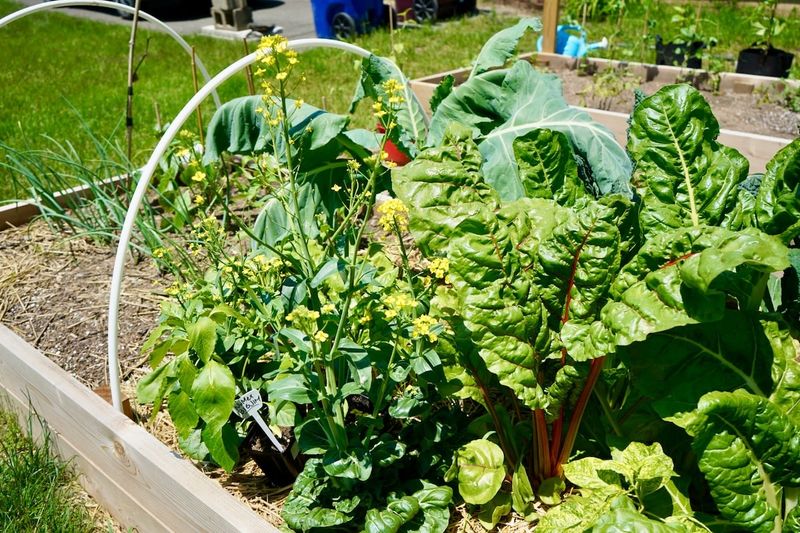
Spacing plants too closely together is a mistake that sneaks up on you. In May, those seedlings look tiny and the garden bed seems to have plenty of room.
It feels almost wasteful to leave so much empty space between plants. But fast forward to July, and that same garden bed can turn into a tangled, overcrowded mess.
Overcrowding creates a chain reaction of problems. When plants grow too close together, airflow between them drops significantly.
Poor airflow traps humidity near the leaves and stems, which creates the perfect environment for fungal diseases like powdery mildew and leaf spot. Texas summers are already brutal enough without adding disease pressure on top.
Roots also compete heavily when plants are too close. Each plant needs access to water and nutrients in the surrounding soil.
When roots are constantly competing with neighbors, no single plant gets enough resources to stay strong. Weak plants are much more likely to struggle or collapse under extreme summer heat.
Following the spacing recommendations on seed packets or plant tags is genuinely important in Texas. Those guidelines exist for a reason, and in a hot climate, proper spacing matters even more than in cooler regions.
Thinning out seedlings early in the season feels counterintuitive but pays off hugely by August. If you notice your garden getting crowded in May, do not wait.
Remove extra plants now before competition and disease pressure build up. Giving each plant its own space is one of the kindest things you can do for your garden.
5. Ignoring Afternoon Shade Needs
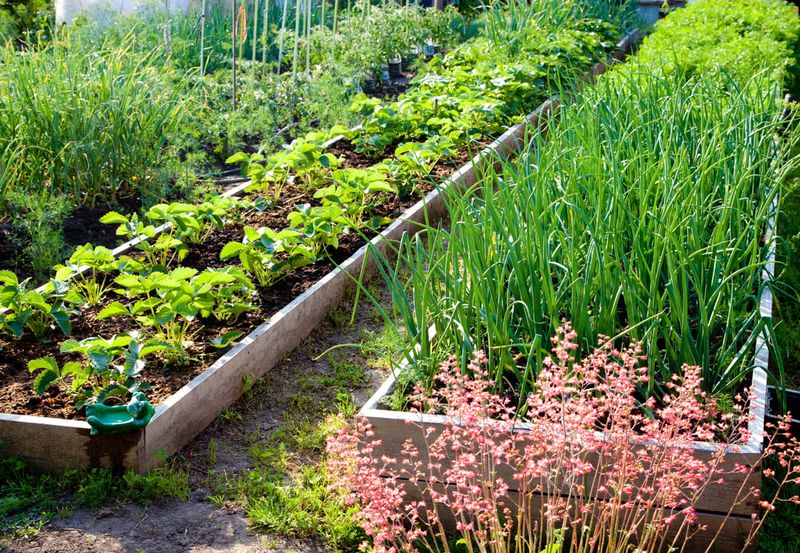
May sunshine in Texas feels pleasant and encouraging. Plants soak it up, grow quickly, and look fantastic.
So it makes sense that many gardeners assume full sun is always better. But there is a big difference between May sunshine and August sunshine in Texas, and some plants simply cannot handle that shift.
Vegetables like peppers, herbs such as basil, and many flowering plants can handle full sun in spring. But by July and August, the afternoon sun in Texas becomes intense enough to scorch leaves and stress plants badly.
Afternoon temperatures regularly climb above 100 degrees Fahrenheit in many parts of the state, and direct sun during those hours is punishing.
Shade cloth is a simple and affordable solution. Placing a 30 to 50 percent shade cloth over vulnerable plants during the afternoon hours can protect them from the worst heat of the day.
Even natural shade from a fence, taller plants, or a nearby tree can make a meaningful difference for heat-sensitive varieties.
Planning your garden layout with afternoon shade in mind is a smart move every Texas gardener should consider. Observe where shade falls in your yard during the afternoon hours and use that information when deciding where to place certain plants.
Some plants, like sweet potatoes and okra, genuinely love heat and do not need protection. But many others quietly suffer under harsh afternoon sun.
Paying attention to shade needs in May, before the worst heat arrives, keeps your garden healthier and more productive all the way through the toughest summer months.
6. Overfertilizing During Late Spring
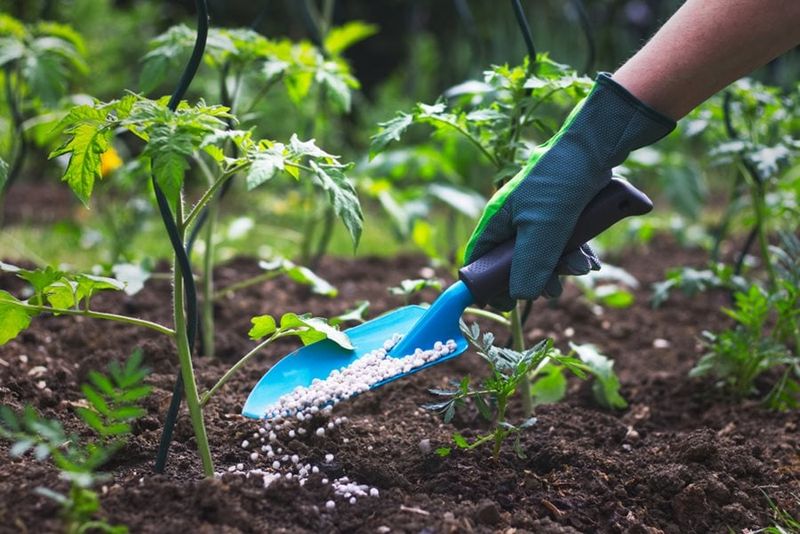
More fertilizer feels like more love for your plants. It is an easy assumption to make, especially when your garden is growing fast in late spring and everything looks green and lush.
But overfertilizing in May is a mistake that shows its consequences hard when summer heat arrives in Texas.
Excess nitrogen fertilizer pushes rapid, soft, tender new growth. That kind of growth looks impressive in mild weather but has very little strength or heat tolerance.
When temperatures spike in June and July, that tender new growth is the first to suffer. Leaves may turn yellow, curl, or show signs of burning along the edges, which gardeners sometimes mistake for a watering problem.
Fertilizing at the right rate and the right time matters a lot in Texas. A slow-release fertilizer applied in early spring is usually enough to carry most garden plants through the growing season.
If you feel the need to fertilize again later, use a light application and avoid high-nitrogen products once temperatures start climbing.
Paying attention to what your plants actually look like before reaching for fertilizer is a habit worth building. Healthy, deep green leaves usually mean your plants do not need extra feeding.
Pale or yellowish leaves might signal a need, but they could also point to overwatering or soil pH issues rather than a lack of nutrients.
Getting a simple soil test from a Texas cooperative extension office can give you clear answers and help you fertilize smarter, not just more often, protecting your garden from unnecessary stress all summer long.
7. Waiting Too Long To Control Pests
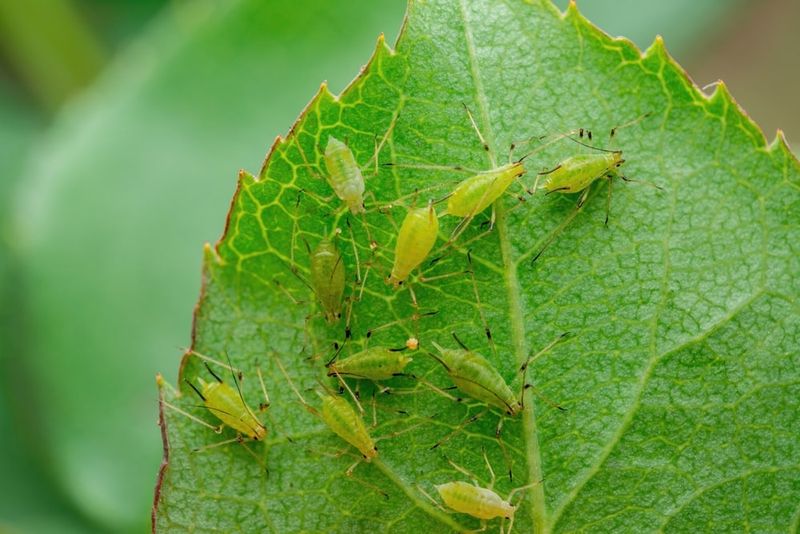
Spotting a few aphids or spider mites on your plants in May can feel like no big deal. There are only a handful of them, the plants look mostly healthy, and it seems easy to deal with later.
But in Texas, waiting on pest control is a gamble that rarely pays off once summer heat arrives.
Warm temperatures speed up insect reproduction dramatically. A small colony of aphids in May can multiply into thousands by July if left unchecked.
Spider mites especially love hot, dry Texas summers and can spread across an entire garden bed in just a few weeks during peak heat. By the time the damage becomes obvious, the infestation is already severe.
Catching pest problems early and acting quickly is the most effective strategy. Check the undersides of leaves regularly since that is where most insects hide and lay eggs.
A strong spray of water from a garden hose can knock off aphids and mites effectively. Insecticidal soap or neem oil are also safe and affordable options that work well on soft-bodied insects without harming beneficial bugs like ladybugs and bees.
Encouraging natural predators is another smart approach for Texas gardeners. Planting flowers like marigolds, zinnias, and dill near your vegetable beds attracts beneficial insects that feed on common pests.
Building that kind of natural balance in spring means your garden has its own defense system before summer stress peaks. A small pest problem handled in May stays small. Ignored, it becomes a full-scale crisis by August that is much harder to turn around.