Rabbits Will Girdle Your Young Ohio Fruit Trees This Winter Unless You Do This
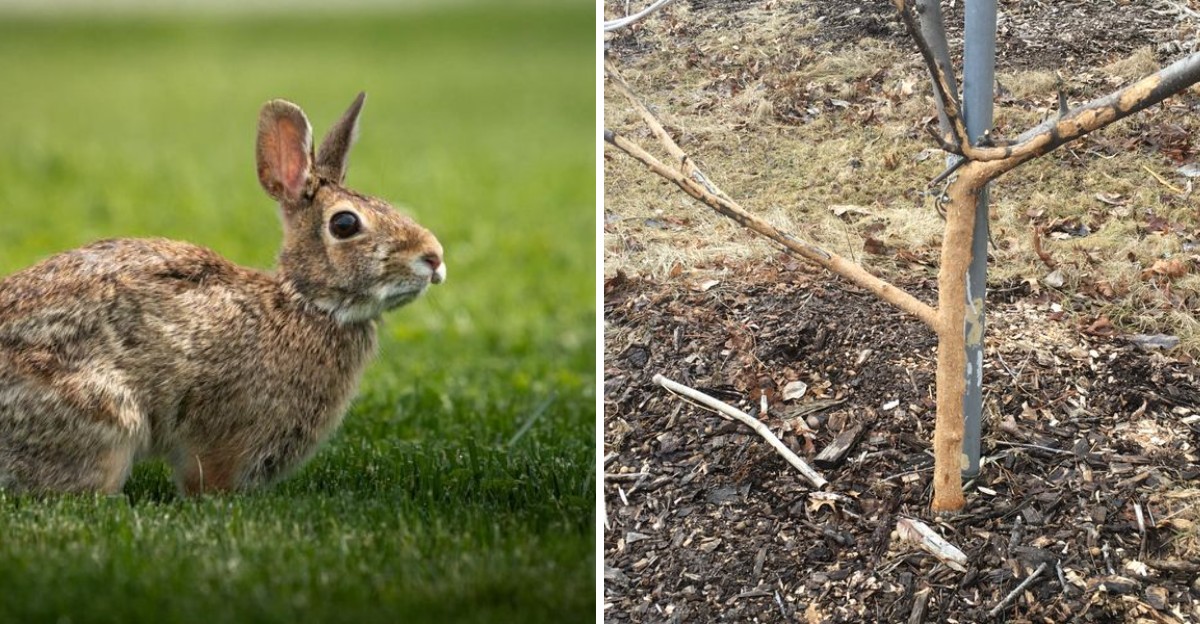
A single hungry nibbler can ruin a five-year-old tree in one snowy night. It eats in a neat ring around the trunk, and the tree may still leaf out in spring before it starts to fail.
I learned this the hard way. The chew marks looked like someone had sanded my little tree with a tiny chisel, and the culprit left only tracks and round droppings behind.
Ohio winters push these animals toward smooth, sweet bark once clover and grass disappear under snow. Apples, plums, cherries, and crabapples sit near the top of the menu.
You need to know that the damage often hides until the snow melts.
The fix is cheap, simple, and almost boring. So why do so many backyard orchards still lose trees every single year?
That Neat Ring of Chewed Bark Around Your Fruit Tree Trunk Means Trouble
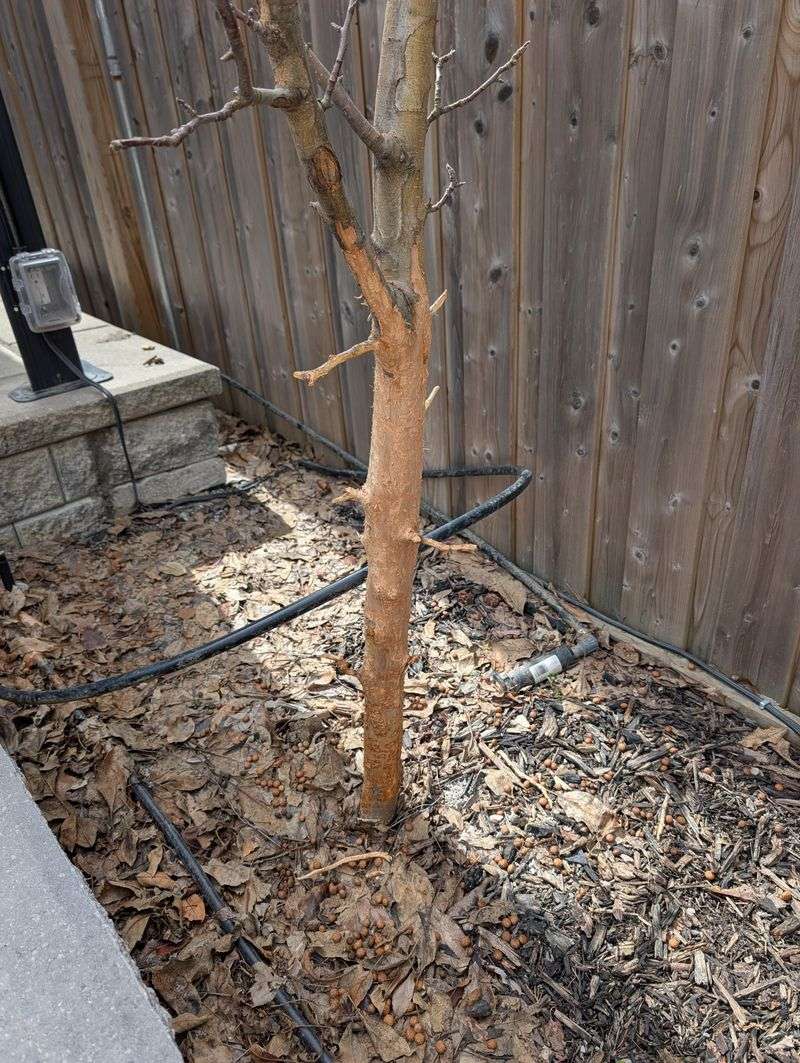
Bark looks tough, but the real action happens just underneath it. A thin layer called the phloem carries sugars made in the leaves down to the roots, and the cambium beside it builds new wood each year.
When cottontails chew all the way around a trunk, they cut that sugar highway. Gardeners call this girdling.
The roots slowly starve, even though water may still move upward through the older wood for a while.
That delay fools plenty of people. A girdled tree may bloom and leaf out in spring, then wilt and fade by summer once the roots run out of stored energy.
Partial chewing is less serious, since the tree can often heal around a narrow wound.
Rabbit damage has a signature look. You will see small, paired tooth marks and clean, angled cuts on twigs, almost like pruner snips.
Deer leave ragged, torn ends instead, and voles usually chew below the snow or right at the soil line.
Young trees are the favorite target because their bark is thin and smooth. Older trees with rough, corky bark get far less attention.
That makes the first three to five years after planting the most risky window for your little orchard.
A Hardware Cloth Cylinder Is the Rabbit Guard That Actually Works
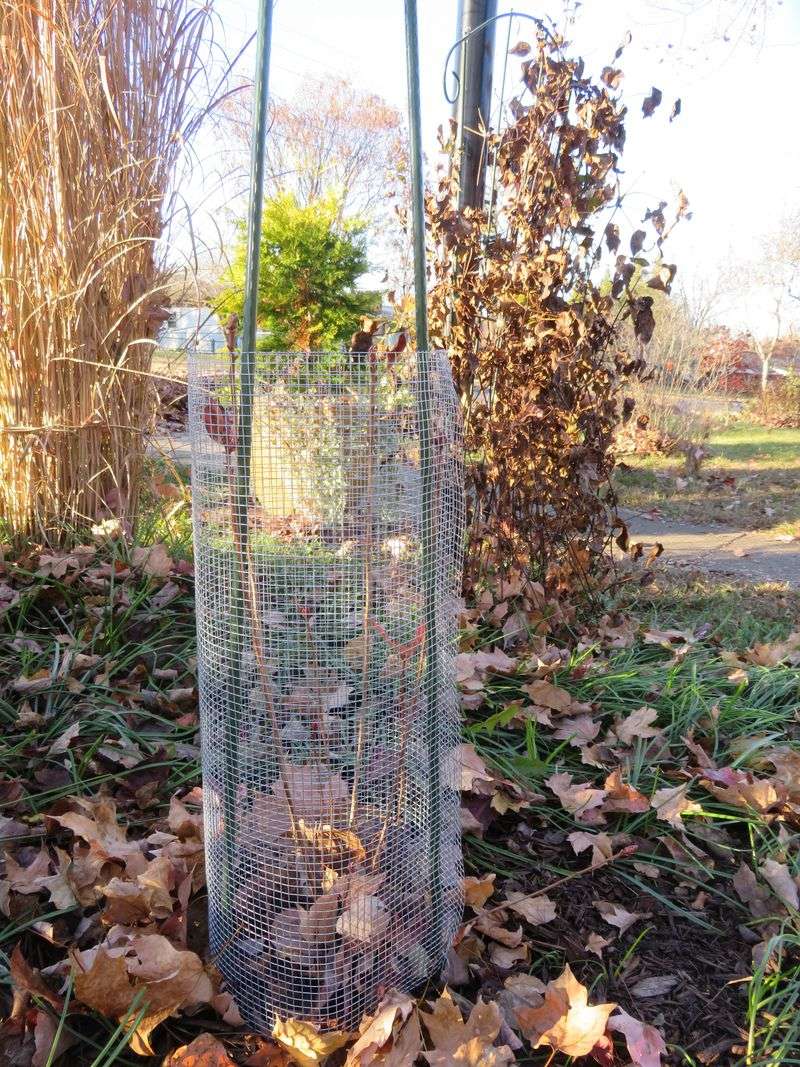
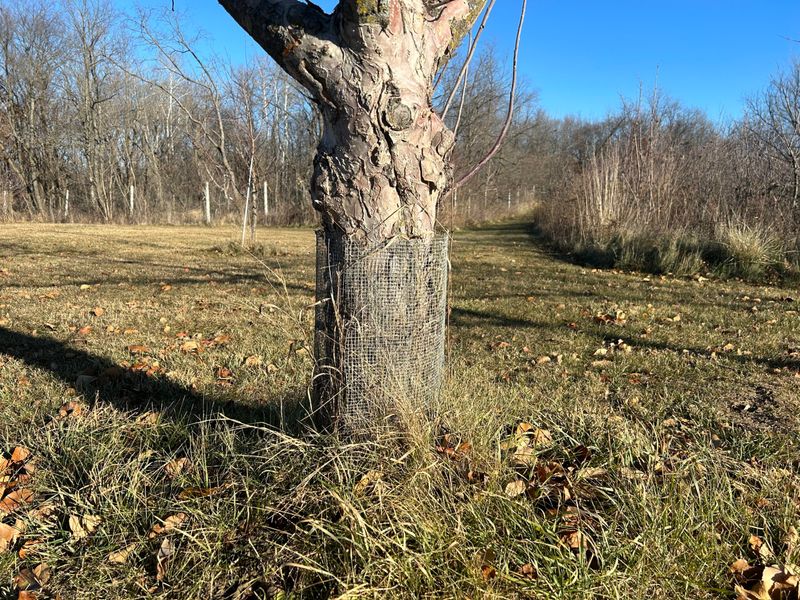
Honestly, the winning answer is a roll of metal mesh. University extension experts, including Ohio State, point to physical barriers as the most reliable way to stop rabbit girdling.
Hardware cloth with 1/4-inch or 1/2-inch openings works best. Chicken wire can help in a pinch, but its bigger holes let small rabbits push their faces through and nibble.
Galvanized mesh also lasts for many winters, so one purchase covers years of protection.
Cut a piece long enough to wrap loosely around the trunk with a few inches of overlap. Fasten the edges with zip ties or bent wire.
Leave a gap of at least one to two inches between the mesh and the bark so teeth cannot reach through.
Height matters more than most people expect. Aim for a guard that stands 18 to 24 inches above your typical snow depth.
Rabbits happily hop onto packed drifts and chew higher than you would guess.
Your Ohio Garden Changes Every Week. Your Plan Should Too.
Gardening in Ohio changes quickly throughout the season. Every Friday you’ll receive a simple weekly plan showing exactly what to plant, prune, fertilize, harvest, and protect so you never miss the right timing.
Finally, push the bottom edge a couple of inches into the soil or pin it down with landscape staples. That small step blocks sneaky diggers and keeps the guard from shifting in a windstorm.
Get Those Trunk Guards On Before the First Real Snow Sticks
My rule is simple. When the leaves are mostly down and the lawn stops needing a mow, the guards go on.
For most of the state, that means late October through November. Gardeners in northern counties near Lake Erie often see earlier snow and may want guards up a bit sooner.
Folks in southern areas sometimes get a little extra time, but waiting too long is a gamble.
Rabbits shift to bark and twigs once green plants fade. A sudden snow can bury their usual snacks overnight, and that hungry first week is when a lot of trees get hit.
Spring timing counts too. Plan to check or loosen guards around April, once grass and clover are growing again and rabbits have plenty of other food.
Wire cylinders with a roomy gap can often stay up longer, but anything snug against the bark needs attention.
Put a reminder on your calendar for both dates. It sounds silly, but a quick note saves a lot of heartache.
I also like to walk the yard after every heavy storm to see whether drifts have climbed high enough to give rabbits a step stool.
Deep Snowdrifts Turn Cottontails Into Taller Bark Chewers
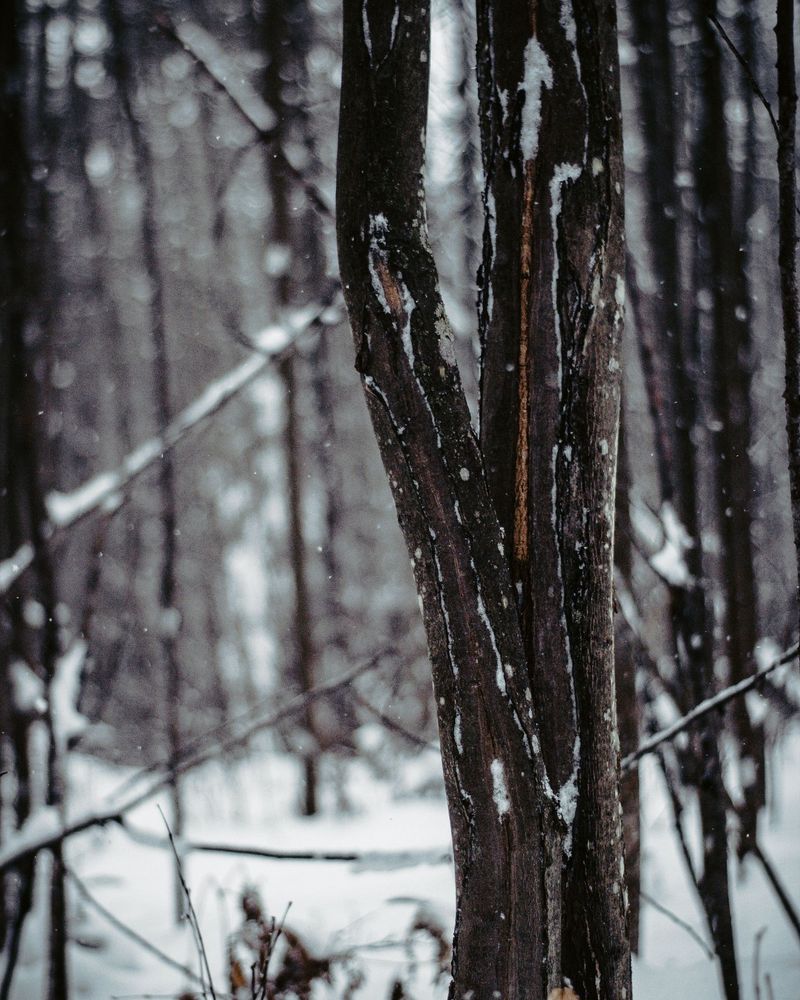
Snow acts like a free ladder. Every foot of packed drift lifts a hungry cottontail another foot up your tree.
Extension specialists often find chew marks well above the guard line after a snowy winter. The rabbit did not jump.
It simply stood on the crust and kept eating at its normal height.
So check your guards after big storms. If snow is piled close to the top of the mesh, gently shovel or kick it away from the trunk area.
Be careful not to bend the wire or knock off low branches while you work.
Low limbs deserve a look too. Rabbits snip off twigs and buds they can reach, which can set back the shape of a young tree.
Those clean, slanted cuts on small branches are a classic clue.
A taller guard solves most of this. In snowy spots, a cylinder three or four feet tall gives a nice safety cushion.
Lake-effect areas in the northeast part of the state see more snow than central and southern regions, so match your guard height to what your yard usually gets.
White Plastic Spiral Tree Wraps Help, With a Catch
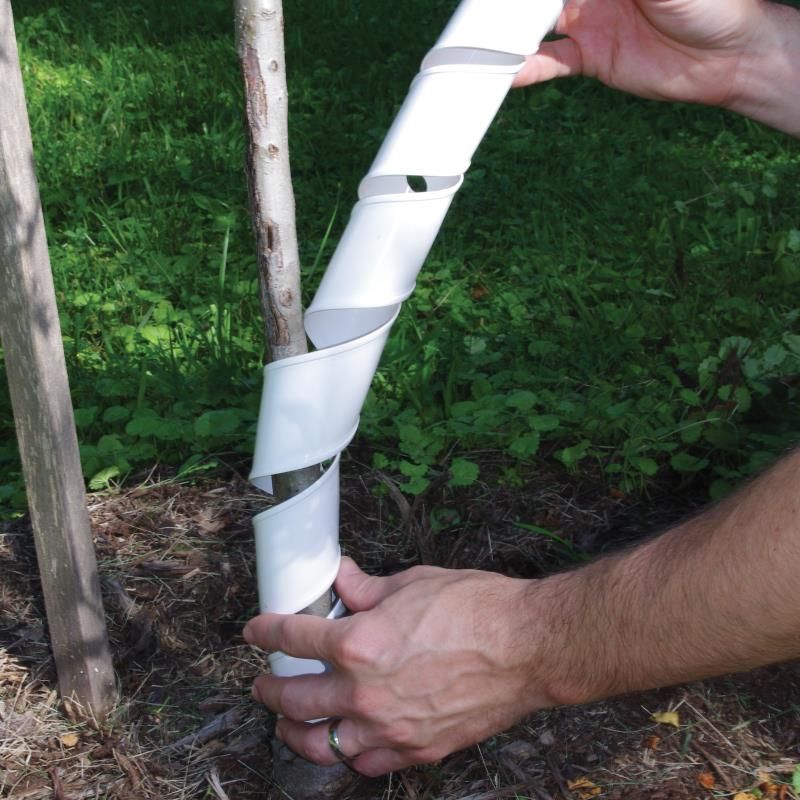
Plenty of garden centers sell those white plastic spirals, and they do have a place. They are quick to install and cheap.
They also reflect sunlight. That can reduce sunscald, a winter injury where bright sun warms bark on the southwest side of the trunk before temperatures plunge at night.
Young fruit trees with thin bark are prone to it.
The catch is that spirals sit right against the bark. They can trap moisture, hide insects, and squeeze a growing trunk if they stay on all year.
Remove them in spring and put them back each fall.
Spirals also need to be tall enough. A short wrap does little good once snow builds up.
Some gardeners pair a spiral for sun protection with a wire cylinder for rabbit defense, which gives you the best of both.
Paper tree wrap is another option some people try. It is mainly sold for sunscald protection and is not a strong rabbit barrier, so treat it as an extra, not your main defense.
If you only buy one thing, buy the metal mesh. Plastic is a helpful sidekick, not the hero.
Rabbit Repellent Sprays Buy Time but Need Frequent Reapplying
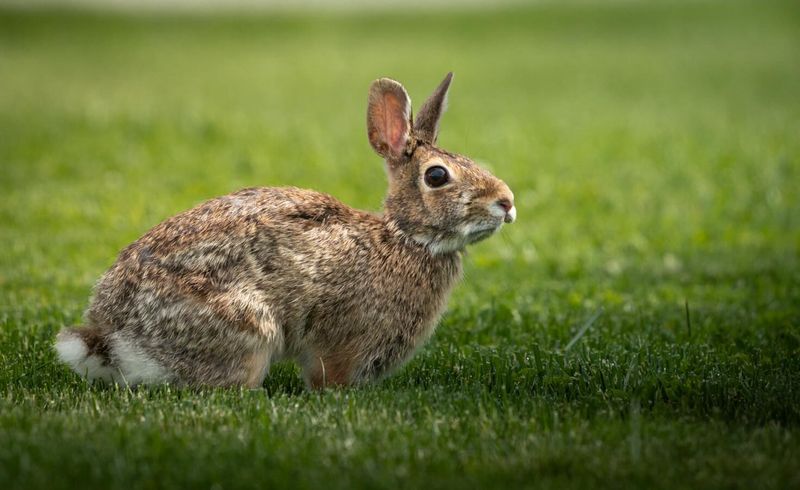
Repellents are a bit like sunscreen. They work while they last, then they quietly wear off.
Most products discourage rabbits through bad taste or strong smell. Common ingredients include thiram, capsaicin from hot peppers, or putrescent egg.
Some work well for short stretches, especially before rabbits get really hungry.
Rain, snow, and new growth reduce their power. You will need to reapply often, and spraying in freezing weather can be tricky, since many products need dry conditions above freezing to stick.
Read the label closely every time.
Check that the product is labeled for use on fruit trees. Some taste repellents are not approved for edible crops, and none should go on fruit you plan to eat.
On dormant trunks in winter, approved products are usually the main use.
Here is my honest take. Repellents shine as a backup, like for low branches the guard does not cover.
When rabbit numbers are high and food is scarce, a starving cottontail may ignore a bad taste altogether.
Scare tactics like plastic owls and shiny spinners are even weaker. Rabbits learn quickly that the fake predator never moves.
Brush Piles and Tall Weeds Give Rabbits a Cozy Winter Hideout
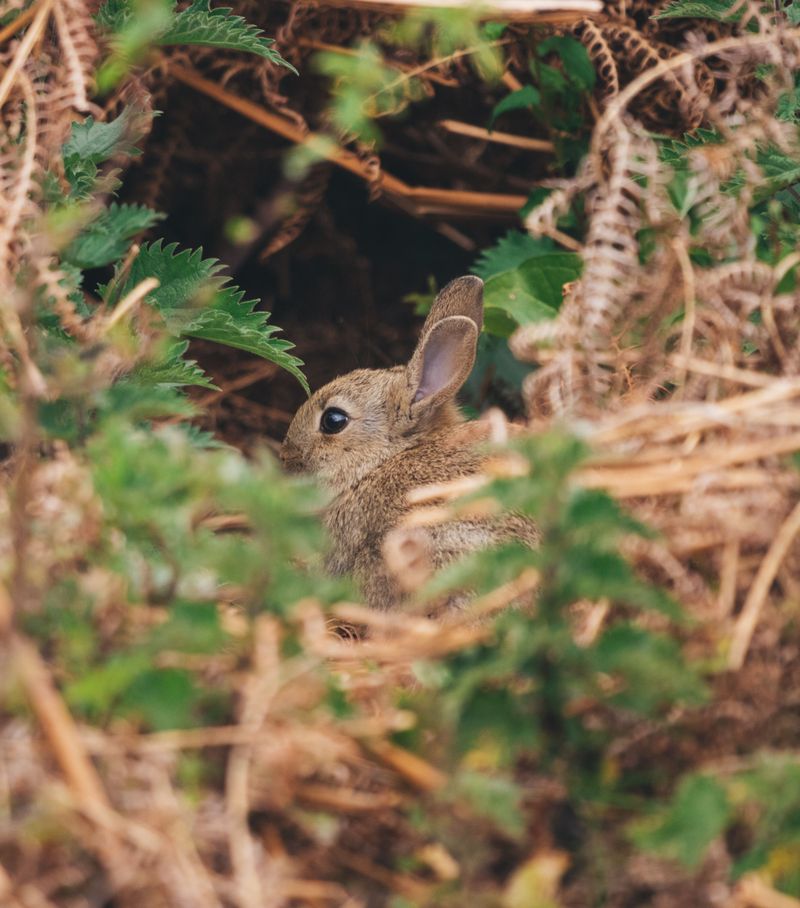
Cottontails rarely wander far from cover. Most spend their lives within a few acres, darting from shelter to food and back again.
That means your yard layout matters. Brush piles, tall grass, overgrown fence rows, and stacks of lumber near fruit trees are perfect hiding spots.
Remove or relocate that cover, and your trees feel a lot less convenient to visit.
Keep a clear circle around each trunk, roughly two to three feet wide. Pull weeds and keep mulch a few inches away from the bark.
Thick mulch piled against the trunk can also shelter voles, which chew bark at ground level and cause their own girdling.
Mow the orchard area short before winter. Tall grass flops over under snow and creates tunnels that small critters love.
Fencing the whole planting is another choice for larger orchards. A rabbit fence needs mesh about two feet tall with small openings and a buried or bent-out bottom edge.
In deep snow areas, rabbits may hop over, so trunk guards still help.
Remember that cottontails are a game species in Ohio. Trapping or hunting falls under state wildlife rules, so check with the Ohio Division of Wildlife first.
Found Chewed Bark This Spring? Your Fruit Tree May Still Have a Chance
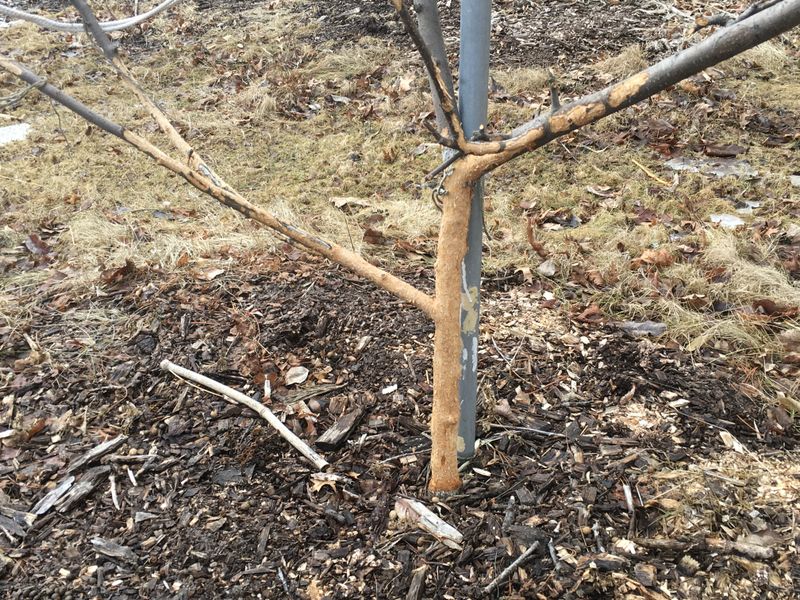
Spring checkups are a great habit. Once the snow melts, walk your trees and look closely at every trunk from soil level to knee height.
If the chewing only goes partway around, the tree often recovers. Leave the wound open to the air.
Extension experts generally advise skipping wound paint and tar, since they do not speed healing and may trap moisture.
A fully girdled trunk is a harder story. Skilled growers sometimes try bridge grafting, where pieces of dormant wood are inserted above and below the wound to carry sugars across.
It works best on valuable trees and takes careful timing in early spring.
For a small, young tree, replanting is often simpler. Some grafted trees also send up new shoots from below the damage, but those may come from the rootstock, not the fruiting variety you bought.
Whatever happened this year, treat it as a lesson. Measure your snow line, buy enough hardware cloth, and set those fall reminders now.
Personally, I think a ten-dollar wire cylinder is the best bargain in gardening. Protect those trunks for a few winters, and your Ohio orchard can reward you with fruit for decades.