What To Do With Your Florida Desert Rose In November As It Slows Down
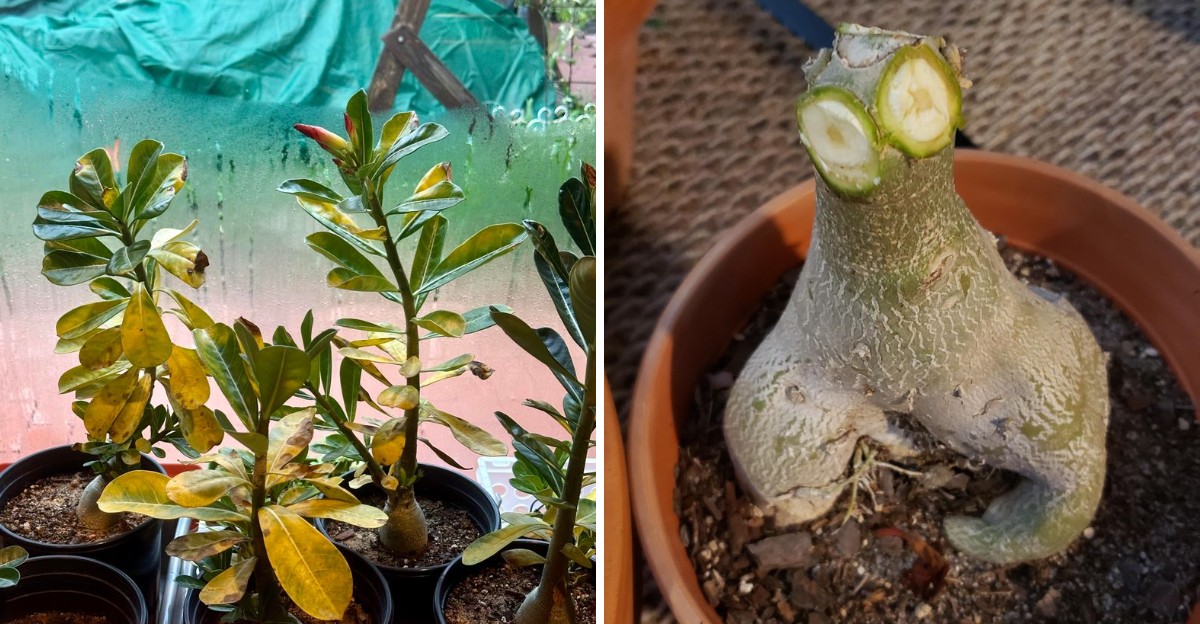
A plant that stores water in a swollen, bottle-shaped trunk can sulk all winter in a state famous for sunshine. Mine dropped half its leaves one breezy November week, and I nearly panicked.
This African and Arabian native grows wild in dry, rocky places where seasons swing from wet to bone-dry. Its fat base, called a caudex, works like a living canteen.
When days shorten and nights cool, the plant reads those signals and starts to rest, even in Florida.
I love how honest it is about its mood. Yellow leaves and paused blooms are not a cry for help, and they rarely mean you did something wrong.
You just need to change your habits as quickly as the plant changes its own.
Now, what does a sleepy succulent want from you right now? The answers might surprise you, and a few are easier than you expect.
1. Those Yellowing Desert Rose Leaves Are Sending You A Message
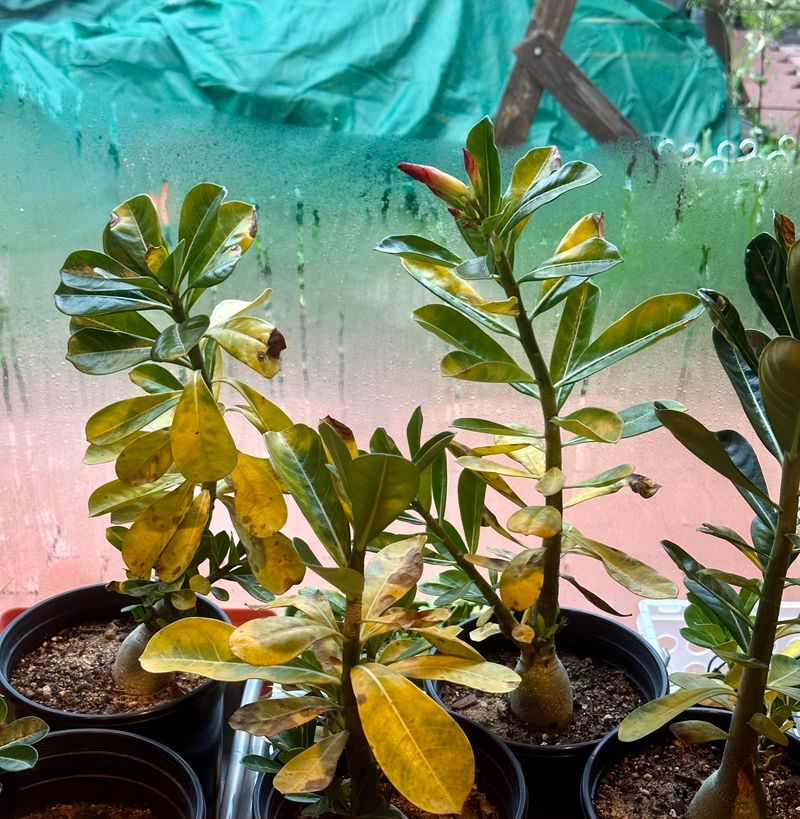
My first desert rose scared me silly the year it turned yellow in November. I checked for bugs, sniffed the soil, and worried for days before learning the truth.
Shorter days and cooler nights tell Adenium obesum that its rest season is coming. In its native range, winter often means drought, so the plant sheds leaves to save water and energy.
Older leaves near the bottom usually go first, turning yellow before they fall.
In South Florida, many plants stay semi-evergreen and keep some foliage. In North and Central Florida, where nights dip lower, a mostly bare plant by December is common.
Both patterns are normal.
Watch the caudex and stems instead of the leaves. A firm, plump base means your plant is healthy and simply napping.
A mushy, dark, or foul-smelling base is a different story and usually points to rot from too much water.
Brown spots, sticky residue, or cottony clumps also deserve a closer look, since those can signal pests or fungus. Otherwise, sweep up the fallen leaves to keep things tidy and resist the urge to fuss.
Your calm, patient response is the best care you can give right now.
2. Cut Way Back On Watering Your Adenium Starting Now
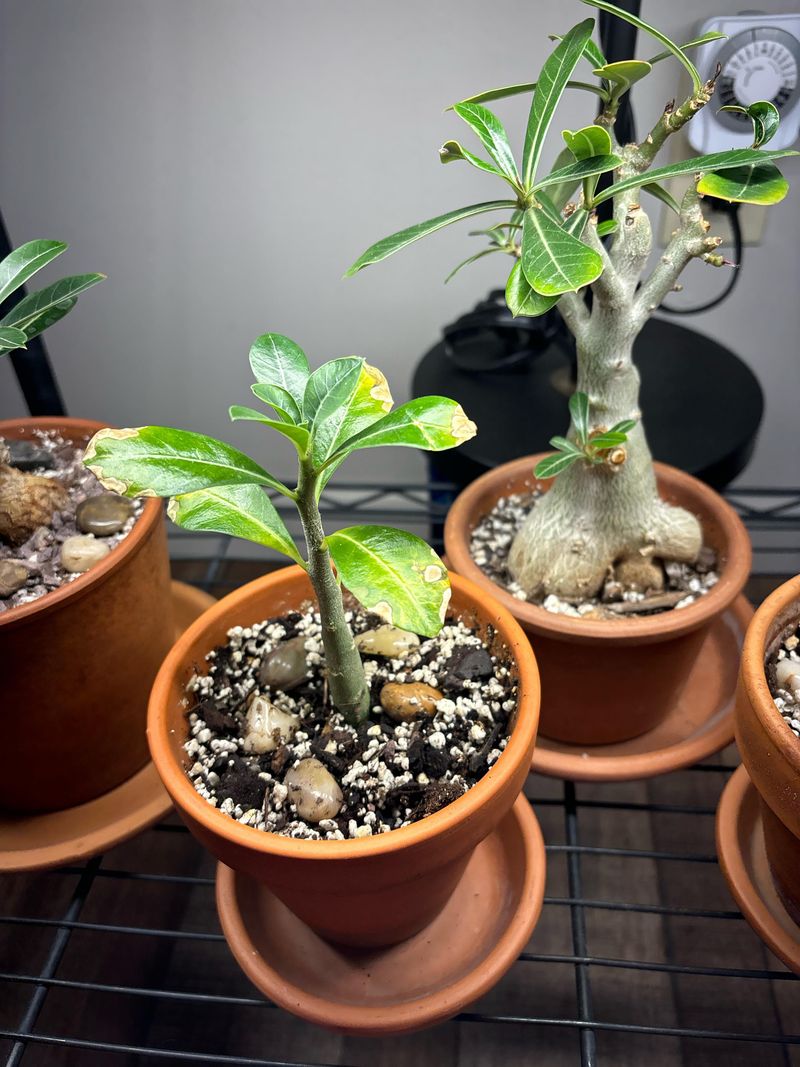
Water is the single biggest change you need to make this month. A resting desert rose uses very little moisture, and soggy roots are the fastest route to trouble.
During summer, you probably watered whenever the top inch dried out. Now, let the soil dry all the way through before you add more.
For many potted plants in Florida, that means watering every two to four weeks, and sometimes less once most leaves have dropped.
Stick your finger deep into the pot or use a wooden skewer. If it comes out with damp soil clinging to it, wait.
Lifting the pot works too, since a dry pot feels noticeably lighter.
Cool, wet soil invites root rot, which can quietly ruin the caudex from the inside. A slightly wrinkled base is a better sign of thirst than drooping leaves.
Your Florida Garden Changes Every Week. Your Plan Should Too.
Gardening in Florida changes quickly throughout the season. Every Friday you’ll receive a simple weekly plan showing exactly what to plant, prune, fertilize, harvest, and protect so you never miss the right timing.
Give a modest drink at that point, letting extra water drain freely.
Plants in the ground need even less help. Florida often turns drier in late fall, but a passing cold front with rain may be plenty.
Skip the irrigation zone that serves your desert rose, if you can, until spring growth begins.
3. Chilly Florida Nights Can Hurt That Swollen Caudex
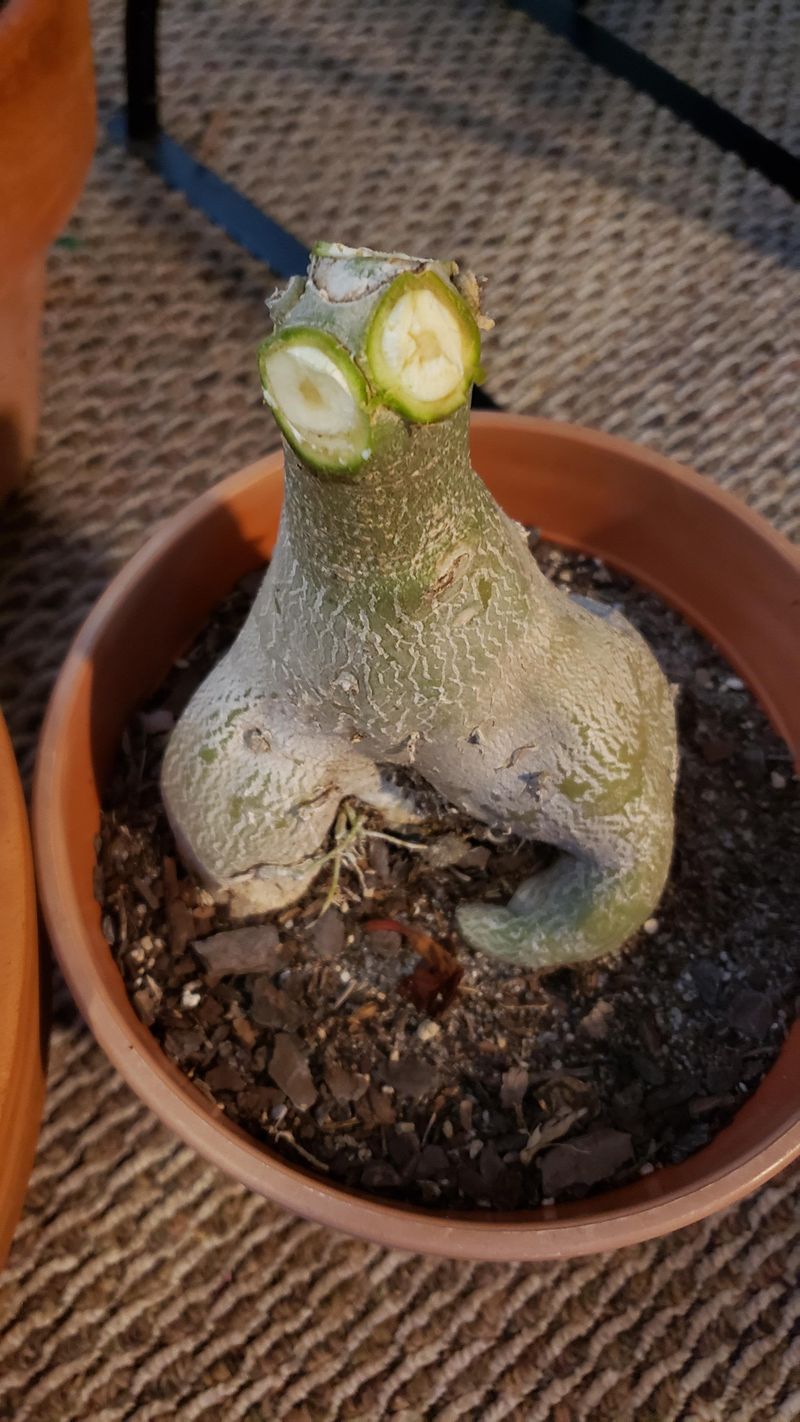
Desert roses are true tropical plants, and they dislike cold far more than most folks expect. UF/IFAS lists them as hardy only in zones 10 and 11, which covers South Florida and the Keys.
Trouble often starts once nights fall below about 50 degrees. Leaves blacken, stems soften, and a wet, cold caudex can rot.
Frost or a freeze can cause serious damage, especially to young plants.
Check your forecast every evening in November. North Florida and the Panhandle may see their first cold snaps this month, while Central Florida usually gets a few chilly nights later on.
Miami gardeners can relax a bit, though surprise fronts do happen.
Potted plants are easy to move. Roll them into a garage, screened porch, or bright room when lows near 50, then bring them back out on warm days.
For in-ground plants, drape frost cloth or an old bedsheet over them, letting it reach the ground to trap soil warmth. Remove the cover the next morning so heat does not build up.
Keeping the soil dry before a cold night helps too, since dry roots handle chill better than wet ones.
4. Put Away The Fertilizer Bag Until Spring Leaves Appear
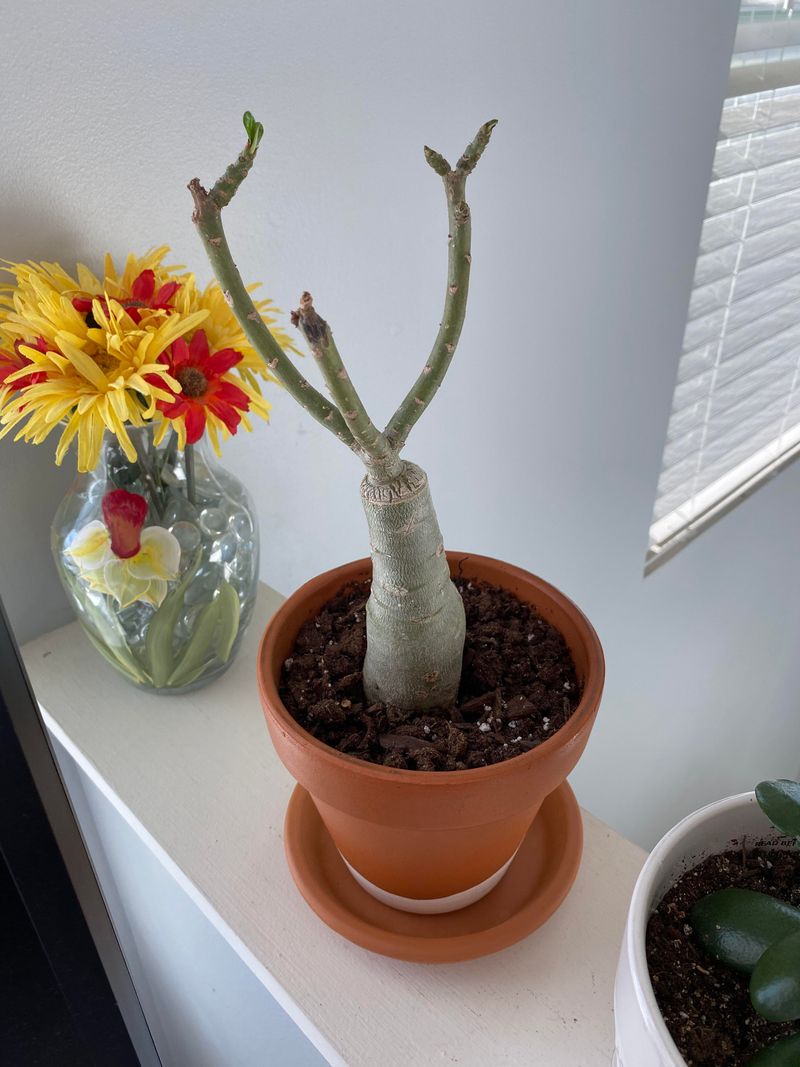
Feeding a sleepy plant is like offering a big dinner to someone already in bed. Your desert rose simply cannot use extra nutrients while its growth has slowed to a crawl.
Most growers stop fertilizing by late October or November. Unused fertilizer salts can build up in the pot and stress the roots.
Worse, a nitrogen boost may push out soft new shoots that cool nights can easily damage.
So stash that bag of bloom food on a shelf. You can pick it back up once fresh leaves unfold in spring, usually around March or April in most of Florida.
When feeding season returns, many experts suggest a balanced or bloom-focused product, such as a slow-release formula or a diluted liquid fertilizer. Following label directions keeps you from overdoing it.
One small tip from my own mistakes is worth sharing. If salt crust shows up on the soil surface or pot rim this winter, gently scrape it off rather than flushing the pot with lots of water.
Big soakings during rest season can do more harm than a little white residue. Patience now pays off with stronger growth later.
5. Bright Sun Keeps A Resting Desert Rose Strong
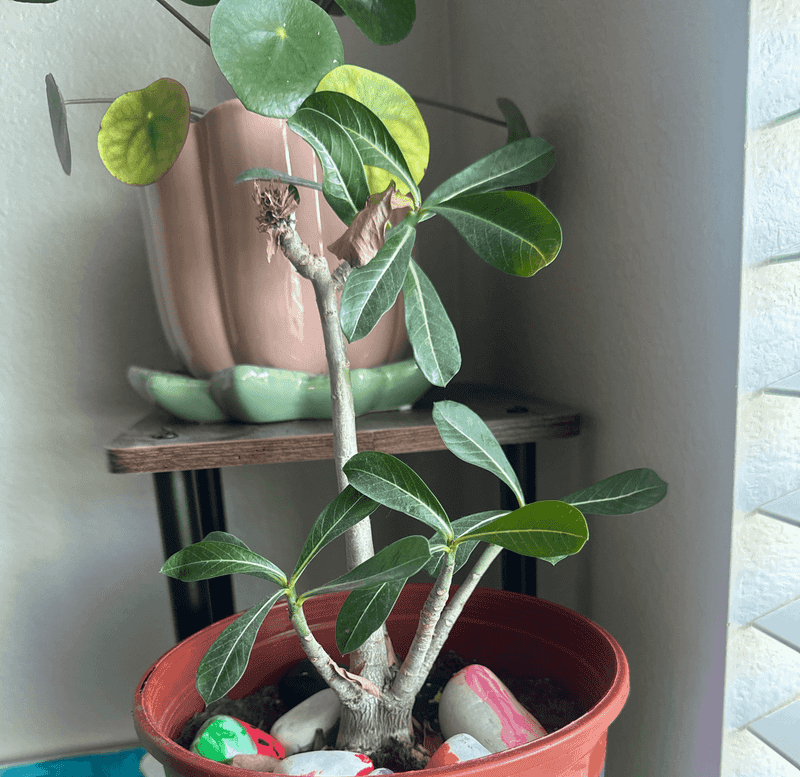
Sunlight is the one thing a desert rose craves all year long. Even a resting plant needs at least six hours of bright, direct light to stay compact and healthy.
Outdoors in Florida, November sun sits lower in the sky. Spots that were blazing in July may now sit in afternoon shade from trees or your house.
Walk around your yard at midday and move potted plants to the sunniest corner you can find.
Indoors is trickier. A south-facing window gives the most light in winter, and west-facing glass comes second.
Without enough brightness, stems stretch, grow thin, and lean toward the window.
If your home is on the dim side, a simple full-spectrum LED grow light can fill the gap. Keep it several inches above the plant for ten to twelve hours a day.
Rotate the pot every week or so to keep growth even. When warm days return, ease your plant back outside gradually.
Sudden full sun after weeks indoors can scorch tender leaves, so a few days of morning light first helps it adjust. I like using a shaded porch as a halfway stop.
6. Pruning Desert Rose Branches Takes Smart Timing
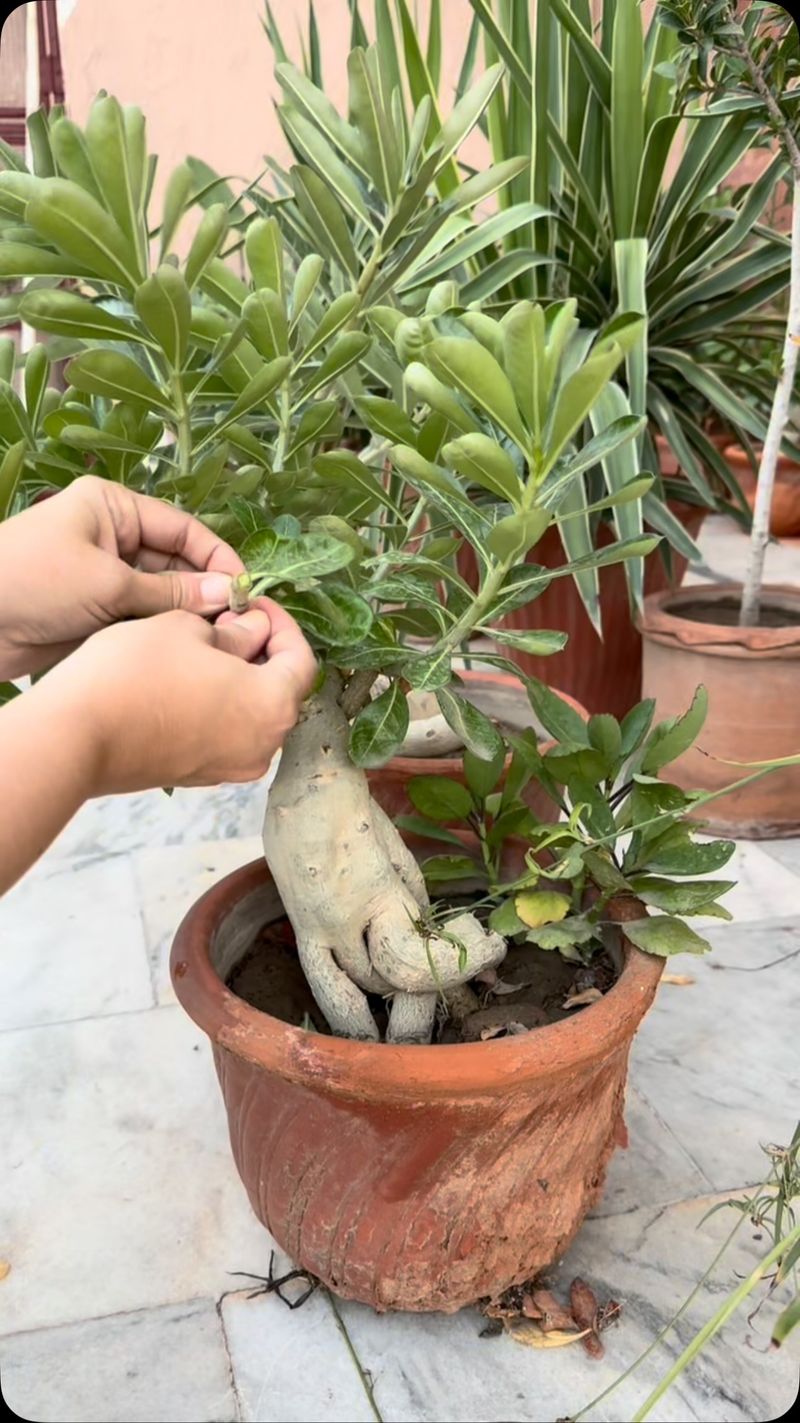
Grab your shears carefully, because the timing here depends on where you live. Most experts recommend pruning in early spring, just as growth picks up again.
Some growers in frost-free South Florida trim in fall, and the plants often respond fine. In Central and North Florida, fresh cuts heal slowly in cool weather and can invite rot or cold damage.
Waiting until spring is usually the safer choice there.
Removing a few broken, rotting, or crossing branches is fine at any time. Just keep big shaping jobs for warmer weeks.
Fun fact for you. The milky sap of the desert rose has a long history as an arrow and fish poison in parts of Africa.
That same sap can irritate skin and eyes and is toxic if swallowed, so wear gloves and keep pets and kids away from trimmings.
Use clean, sharp tools to make smooth cuts just above a node. Wiping blades with rubbing alcohol between plants lowers the risk of spreading disease.
Let the cut ends dry and seal on their own. A bright, dry spot speeds healing, and new branches usually sprout below the cut once spring arrives.
7. Gritty Soil And Good Drainage Protect Adenium Roots
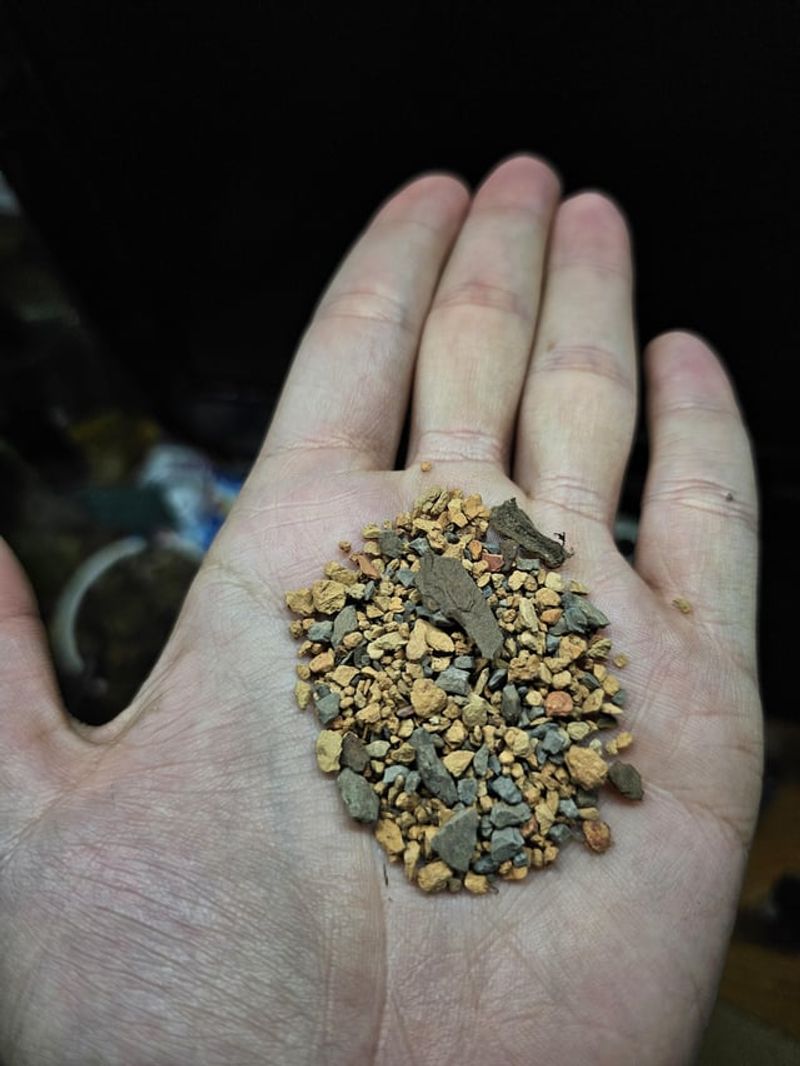
Soggy soil and a resting desert rose are a terrible match. Fast drainage matters more in winter than at any other time of year.
Check your pot first. It needs at least one large drainage hole, and saucers should be emptied after rain or watering.
Terracotta pots breathe and dry faster than plastic, which helps in cooler months.
A gritty mix works best, such as cactus soil blended with perlite, pumice, or coarse sand. Regular potting soil holds too much moisture once growth slows.
If your plant sits in heavy, dense soil, mark your calendar to repot in spring rather than disturbing it now.
In-ground plants need a raised or sloped spot where water runs off fast. Florida’s sandy soil drains well in many areas, though low spots and clay pockets can stay wet after storms.
Keep mulch pulled a few inches away from the caudex. Damp mulch against that swollen base creates a perfect hideout for rot.
I also like setting pots on small feet or bricks so water flows freely out the bottom. These tiny tweaks keep roots happy while the plant naps through the cooler weeks.
8. Mealybugs On Your Desert Rose Love A Quiet Winter
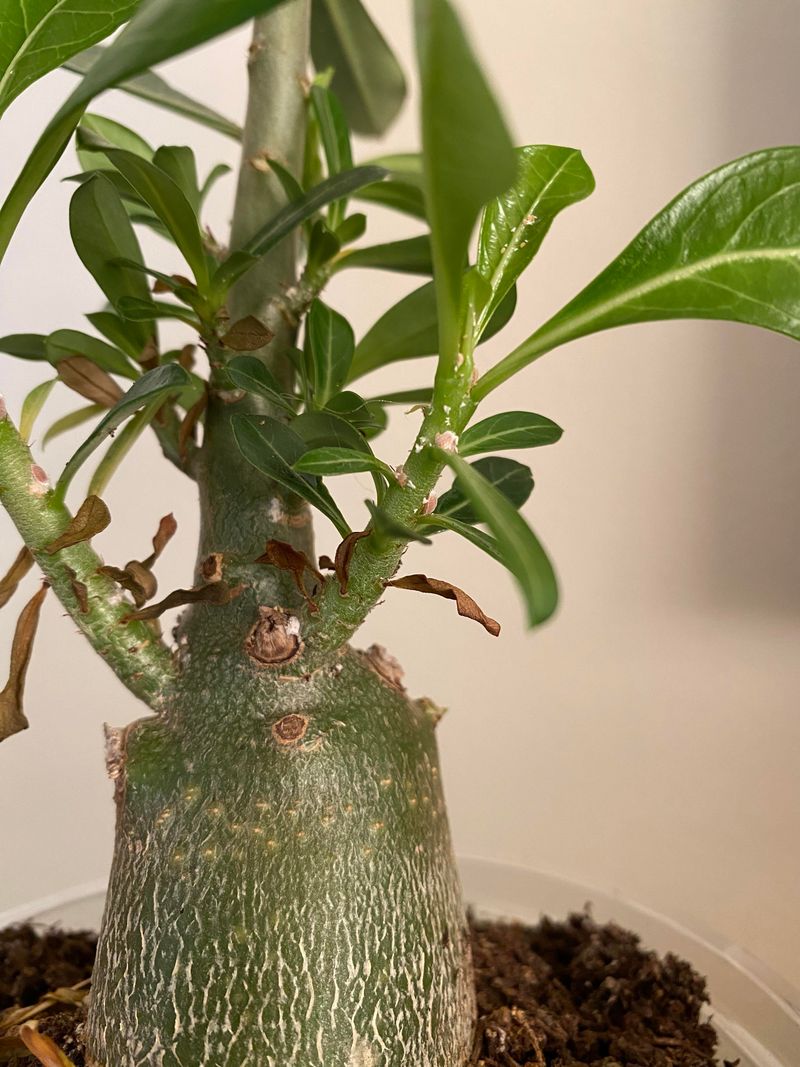
Pests rarely take a vacation, even when your plant does. Mealybugs, scale, spider mites, and aphids may show up on desert roses, especially indoors where air is still and dry.
Mealybugs look like tiny tufts of cotton tucked into leaf joints and stem crevices. Scale insects form small bumps that do not wipe away easily.
Sticky residue on leaves often means sap-sucking pests are nearby.
Inspect your plant every week or two with a quick glance. Catching a few bugs early is much easier than handling a big crowd later.
For light problems, dab pests with a cotton swab dipped in rubbing alcohol. Insecticidal soap or horticultural oil can help with larger groups, but follow the label and avoid spraying in cold or hot extremes.
Isolate any affected plant from your others until it is clean.
Looking ahead, this quiet season is a fine time to plan spring tasks like repotting and pruning. Keep notes on how your plant handled cold nights and dry weeks.
When new leaves pop out next spring, you can resume regular watering and feeding. A rested, pest-free desert rose often rewards you with an impressive flush of blooms.