Raccoon Moved Under Your Shed? What Ohio Homeowners Should Do First
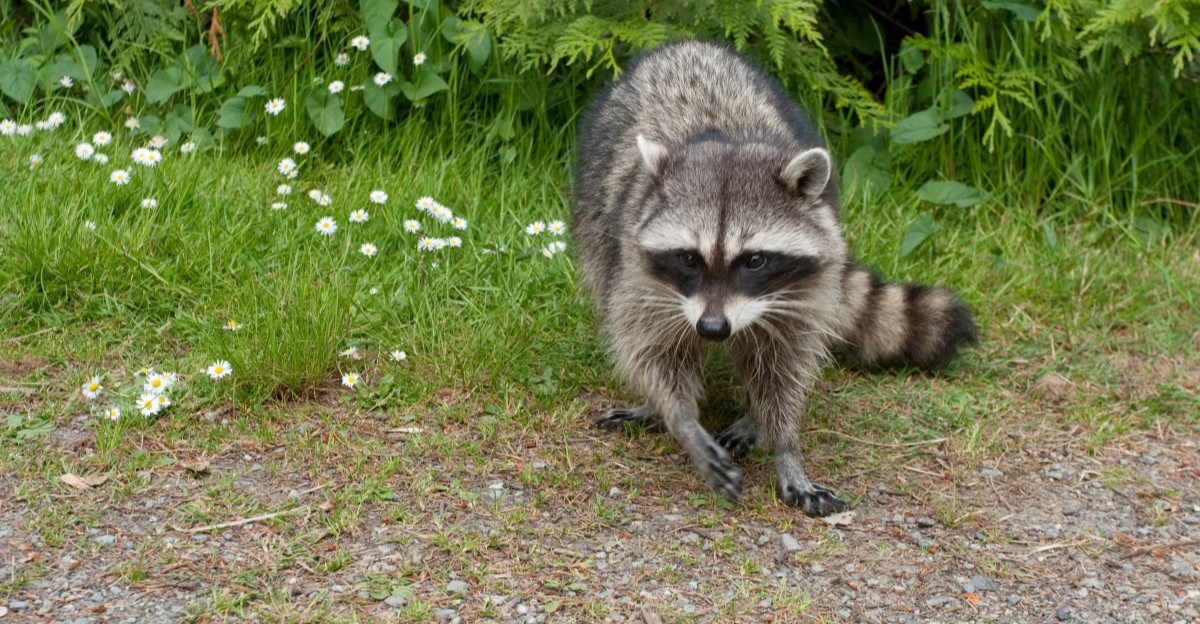
Ohio law says you can’t trap the critter living under your shed and drive it to a nice park across town. That surprised me the first time I heard it.
A live-trapped animal has to be released on your own property or humanely euthanized.
The culprit has tiny hands that leave prints like a toddler’s, about two to three inches long. It chitters, growls, and even purrs after dark.
It can also scoop out a tunnel beneath your floorboards with surprising speed.
I believe most of us panic first and plan later. You need a calmer approach, because there might be babies tucked under there too.
Spring dens often hold a mother and several kits, and late fall brings a hunt for snug winter shelter.
Before you grab a shovel or call for help, there is one simple thing worth checking first. It could save you from making the situation much worse.
1. Those Little Handprints by the Shed Are Telling You Who Moved In
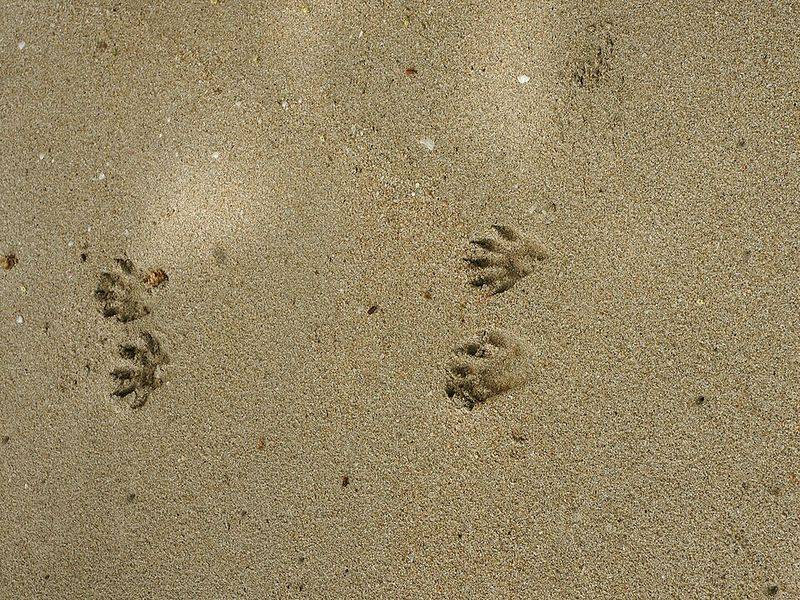
Raccoons leave some of the cutest evidence in the animal world. Their front paw prints look like small human handprints with five long fingers, usually two to three inches long.
Check the soft soil or mud right beside your shed for these clues.
Fresh dirt piles and a rounded hole along the shed edge are another strong hint. Raccoons are powerful diggers, and they push soil out of the way to make a dark, dry den.
You might also find torn landscape fabric or scattered mulch nearby.
Use your ears too. Adults chitter, growl, and sometimes purr, while kits make high-pitched crying or whimpering sounds.
Scratching and thumping tend to pick up around dusk and dawn, since these animals are mostly nocturnal.
A musky smell from droppings and urine can build up over time near the den. Tipped trash cans and missing pet food point in the same direction.
Skunks, groundhogs, and opossums also love the space under sheds, so confirming the tenant matters. Groundhogs are active in daytime and leave big dirt mounds, while skunks have a much stronger odor.
Knowing exactly who moved in helps you pick the right next step.
2. Hold Off on Trapping That Raccoon Until You Know the Rules
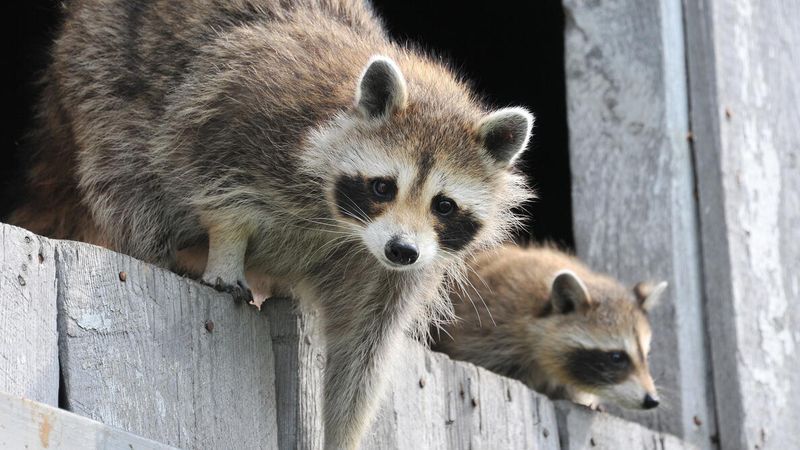
Grabbing a live trap from the hardware store feels like the obvious fix. Before you do, you should know that Ohio rules make trapping trickier than most people expect.
Relocating a trapped raccoon to a new area is not allowed.
Under state wildlife rules, a raccoon caught on your property must be released on that same property or humanely euthanized. Raccoons are a rabies vector species, and moving them around can spread disease to new places.
Driving one to a far-off woods mostly just moves the problem to someone else.
Trapping also carries hidden risks. A trap can catch a nursing mother, leaving her kits stranded under your shed.
It can also catch a neighbor’s cat or a curious skunk, which is a whole other adventure.
Personally, I think trapping should sit near the bottom of your list. Gentle harassment works well in many cases and keeps everything legal and simple.
You save money, avoid handling a stressed wild animal, and skip the paperwork headaches.
Some towns have their own rules about wildlife and traps, so a quick call to your city or county office is smart. The Ohio Department of Natural Resources district offices can also answer questions about current regulations.
3. A Radio and a Bright Light Can Nudge the Raccoon Out From Under the Shed
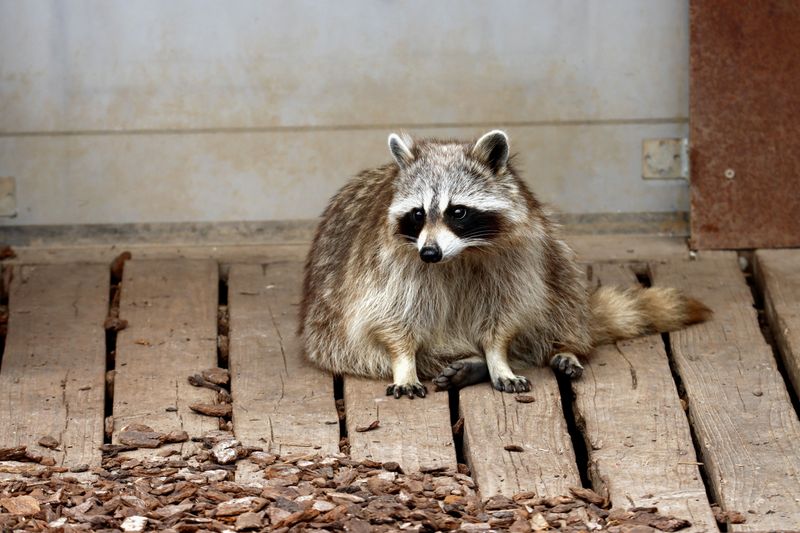
Raccoons are a lot like teenagers. They love a dark, quiet room, and they get grumpy when someone turns on the lights and the music.
You can use that to your advantage.
Set a radio tuned to a talk station near the den entrance. Human voices make raccoons nervous, and the steady chatter tells them this spot is not as safe as it seemed.
Add a bright work light pointed at the opening, since raccoons prefer darkness for resting.
Scent can help as well. Some homeowners place rags soaked in ammonia or a cayenne pepper mixture near the hole.
Use ammonia with care, keep it away from kids and pets, and do not pour it straight into the den.
Consistency is the secret ingredient. Keep the radio, light, and scents going for at least three or four days and nights.
Raccoons usually have backup den sites, and a steady annoyance encourages them to move to one.
Stay patient if the first night shows no change. A stubborn raccoon might hold out a little longer, especially in cold weather.
Keep a close eye on the entrance before moving on to the next step.
4. Baby Raccoons Under the Floorboards Change Your Whole Timeline
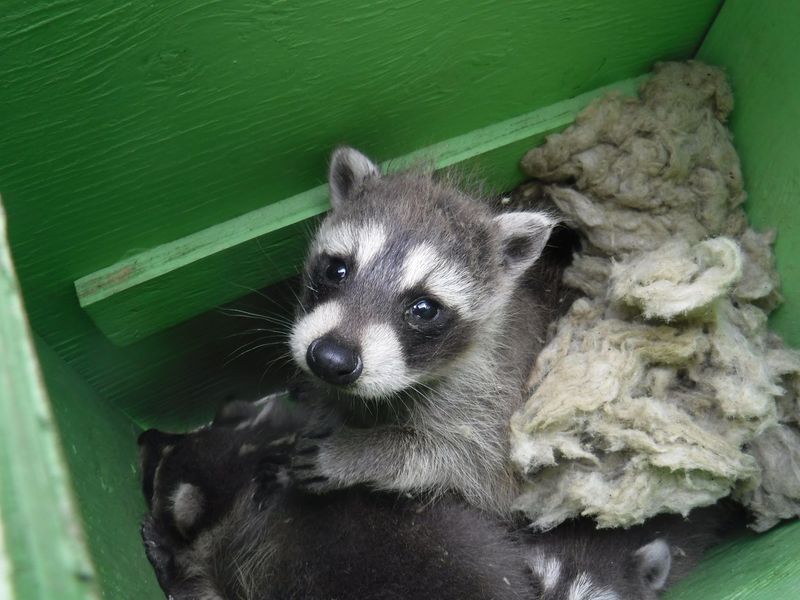
Spring is baby season under Ohio sheds. Raccoons here mate from late January through March, and kits arrive about 63 to 65 days later.
That means a den you find in April or May may hold a mother and a few tiny, helpless youngsters.
Listen for high-pitched crying, chirping, or whimpering coming from under the floor. You might also see a female out during daylight, since nursing mothers sometimes forage at odd hours.
That alone is not a sign of illness.
If kits are present, waiting is often the kindest choice. The young grow fast, and families usually move on by late summer once the babies can follow their mother.
Sealing or trapping during this window can leave kits stranded and starving.
Light harassment can still work when kits are older, because the mother often carries or leads them to a new den. Give her a few calm nights to make the move.
Avoid pulling boards or reaching under the shed yourself.
Fall brings a different story. Young raccoons may still travel with mom into autumn, and many raccoons hunt for snug winter shelter in November.
A shed den found now could be a family group settling in.
5. Crumpled Newspaper in the Shed Hole Proves the Raccoon Den Is Empty
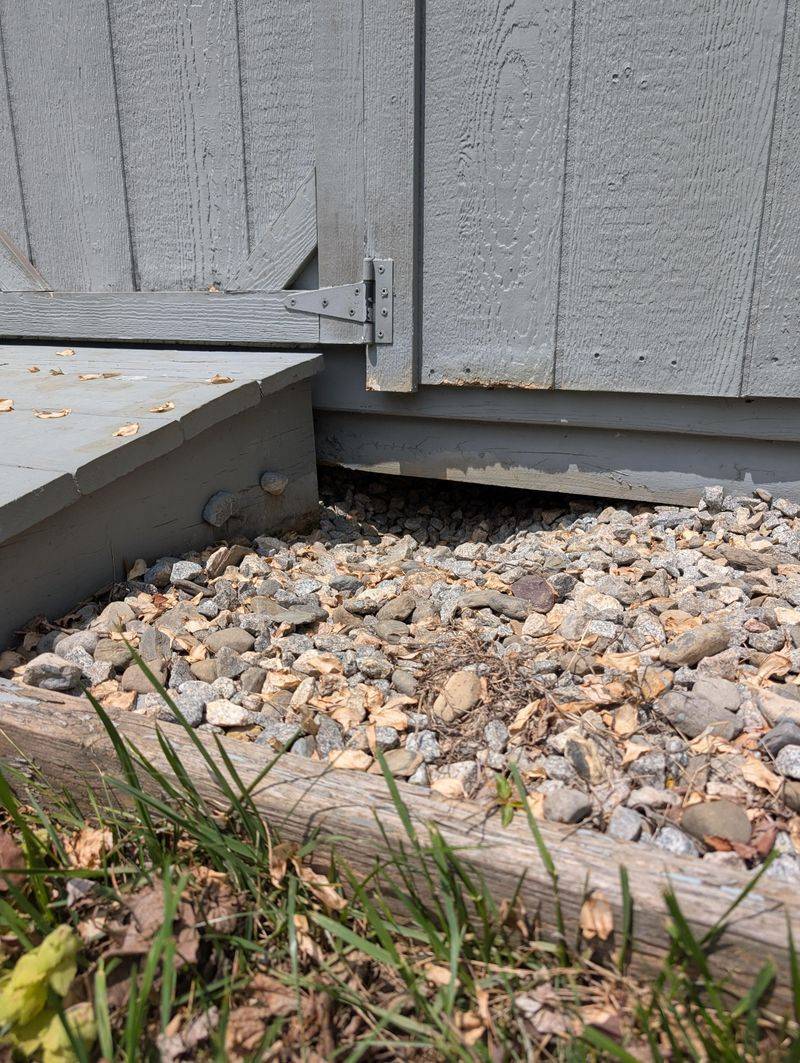
Crumpled newspaper might be the cheapest wildlife tool you ever use. Once your deterrents have run for a few days, loosely stuff the entrance hole with wadded paper.
Another trick is sprinkling a layer of flour in front of the opening to catch fresh tracks.
Check the spot each morning. If the paper gets pushed out or the flour shows footprints, someone is still using the den.
Keep up the light and radio a bit longer and try again.
When the paper stays put for several days in a row, the den is likely empty. I like to wait an extra night or two just to be sure, especially after rainy weather when raccoons may stay tucked in.
Sealing the hole too early is the biggest mistake people make here. A raccoon trapped inside will often tear through siding, flooring, or fresh wire to get out.
Worse, sealed-in kits can starve and leave a terrible smell behind.
Give the area one last look with a flashlight before closing anything. Listen quietly for movement or crying for a few minutes.
Once you feel confident the space is clear, you can move straight into repairs and prevention.
6. Keep Your Distance From a Raccoon Wobbling Around in Daylight
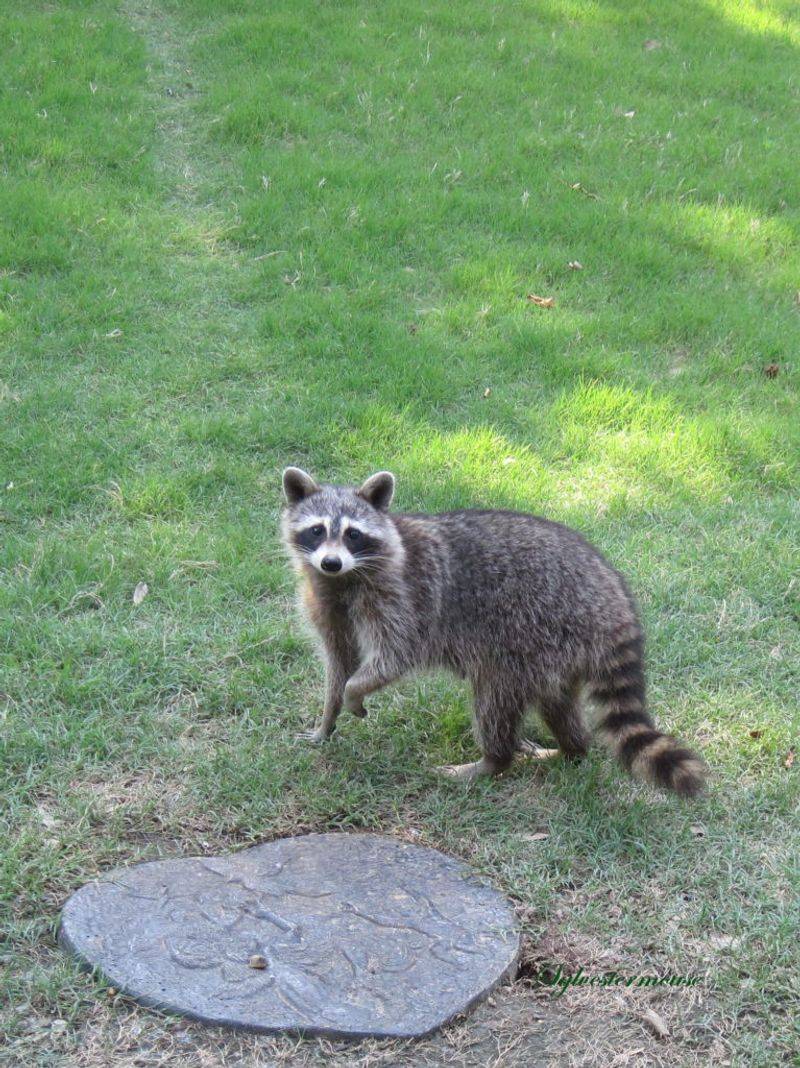
Spotting a raccoon in the afternoon is not automatically a red flag. Mothers with young sometimes forage during the day, and a hungry raccoon may wander out early.
Behavior tells you far more than the clock does.
Watch for a raccoon that stumbles, circles, seems listless, or shows no fear of people. Those signs can point to rabies or canine distemper, both of which raccoons can carry.
Distemper is more common in raccoons, but you cannot tell the difference just by looking.
Keep kids and pets indoors and stay well back. Report sick-looking raccoons to your local health department or the nearest ODNR district office.
Make sure your dogs and cats are current on rabies shots, since that is your best everyday protection.
Droppings deserve respect too. Raccoon feces can carry raccoon roundworm, a parasite whose eggs can infect people who accidentally swallow them.
Raccoon latrines can contain infectious roundworm eggs, so avoid cleaning them yourself and contact a qualified wildlife cleanup professional for safe removal.
Wash your hands well after any cleanup work around the shed. If anyone is bitten or scratched, wash the wound with soap and water and call a doctor right away.
7. Licensed Wildlife Pros Can Tackle the Trickiest Raccoon Dens
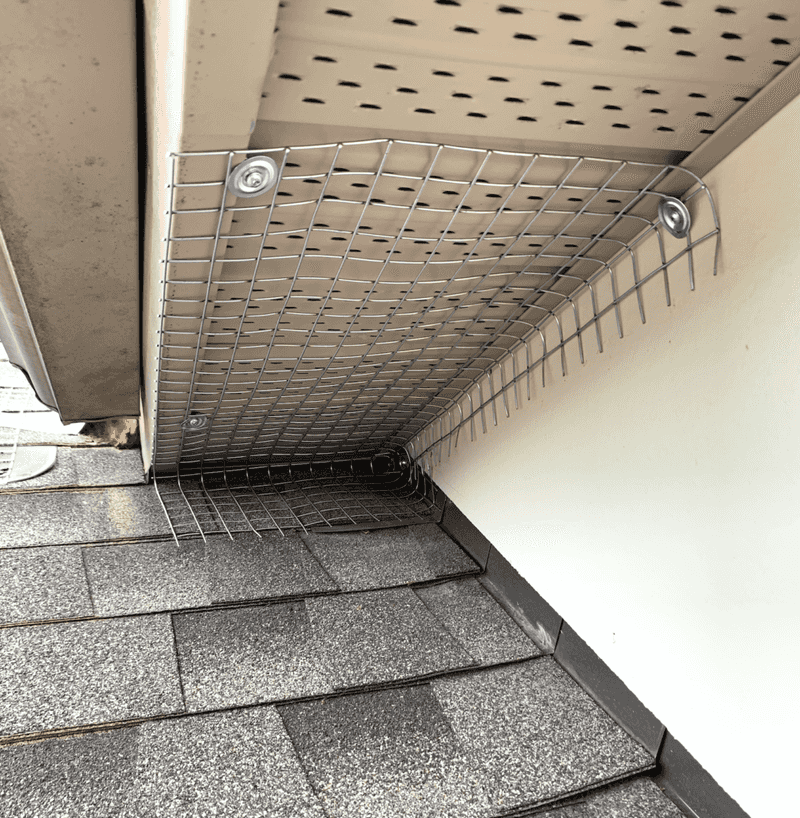
Sometimes the smartest move is picking up the phone. A raccoon that refuses to leave, a den under a tricky slab, or a family you suspect is sick are all good reasons to call for backup.
In Ohio, people who remove nuisance wildlife for pay must hold a commercial nuisance wild animal control license. Ask any company you call to confirm that license before they set foot in your yard.
A legit operator will follow state rules on trapping and release.
Good pros start with an inspection. They should identify the animal, check for kits, and explain whether exclusion, harassment, or trapping makes the most sense.
Many use one-way exclusion doors that let raccoons exit but block them from returning.
Ask about the full plan, including cleanup and repairs. Some companies offer warranties on their exclusion work, which can be handy if you live near woods or a creek.
Get prices in writing so there are no surprises.
A word of caution about bargain offers. Be wary of anyone who promises to haul raccoons far away, since relocation breaks state rules.
Honest answers to your questions are a strong sign you found the right help.
8. An L-Shaped Hardware Cloth Skirt Stops Raccoons From Digging Back In
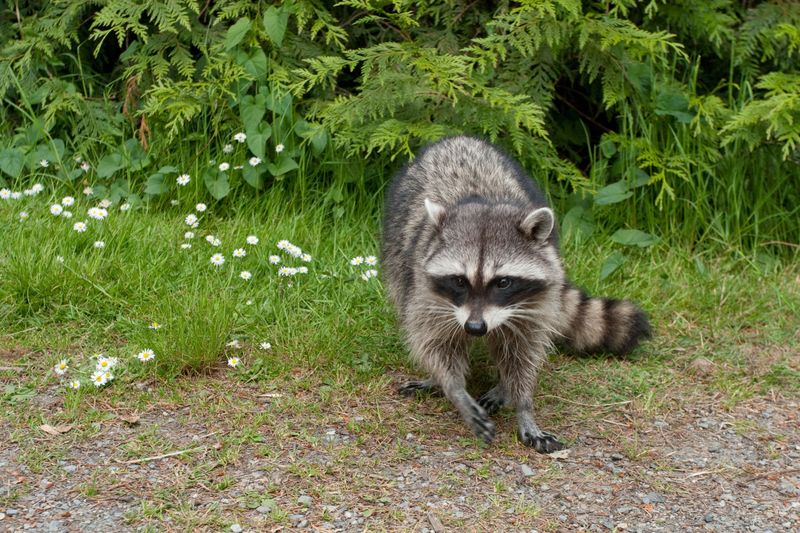
Once the den is empty, it is time to make your shed a lot less inviting. The best barrier is galvanized hardware cloth attached to the bottom edge of the shed.
Bury it 6 to 12 inches deep and bend it outward into an L shape about a foot wide.
That L shape is the clever part. A raccoon digging at the wall hits wire, and it rarely thinks to back up and start farther out.
Gravel, concrete edging, or metal skirting can add extra protection.
Fix loose boards, gaps, and soft spots on the shed too. Trim shrubs and branches that give raccoons cover or a ladder to the roof.
Clear away woodpiles, leaf heaps, and other clutter nearby.
Food is the magnet that brings them back. Lock trash bins with tight lids, bring pet food inside at night, and take in bird feeders after dark.
Fallen fruit and leaky outdoor faucets are worth tackling as well.
Late fall is a great time for this project in Ohio, before the ground freezes hard. A weekend of work now can spare you another raccoon roommate when mating season rolls around.
Your shed, your garden, and your peace of mind will thank you.