Rain Barrels Are Helping Minnesota Gardeners Get Through A Dry Summer
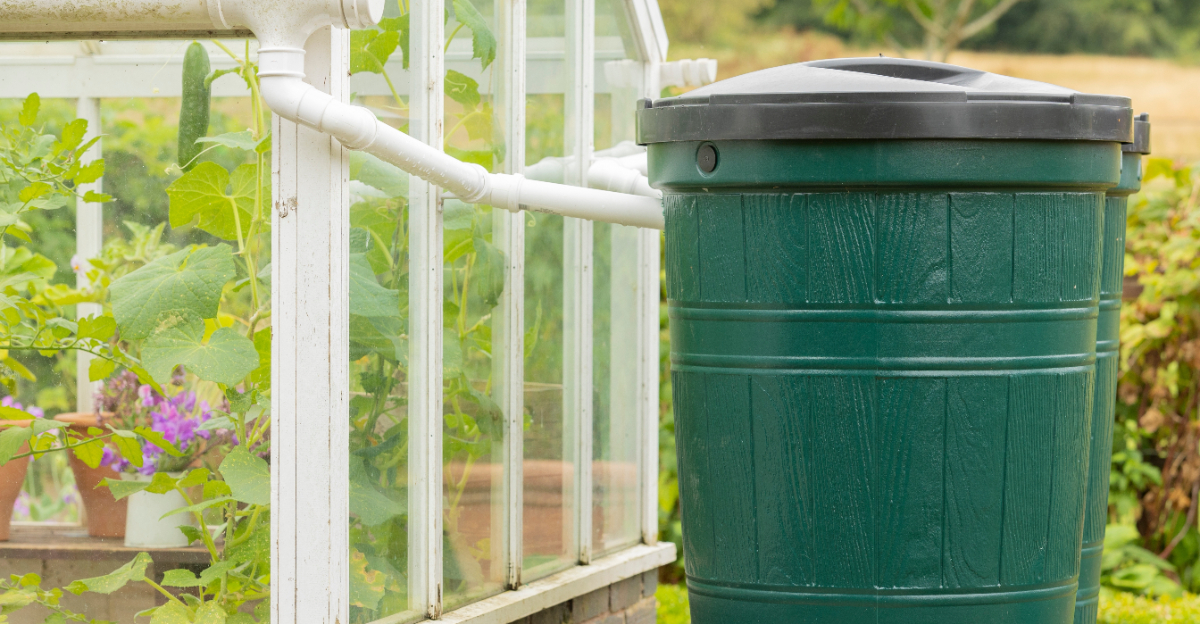
Summer in Minnesota has a reputation, lush yards, thriving gardens, and just enough rain to keep things easy. This year, that reputation is taking a hit.
Dry stretches are running longer, and gardeners are watching their hard work wilt between watering sessions. Some are cranking up the hose. Others are rethinking the whole approach.
Rain barrels have been around for generations, but Minnesota gardeners are rediscovering them fast. A single barrel can collect up to 55 gallons from one decent rainfall, water that would otherwise run straight off the roof and into the street.
Set one up under a downspout, and suddenly every storm becomes a deposit into a private water reserve.
Minnesota Gardeners Are Putting Rain Barrels To Work This Summer
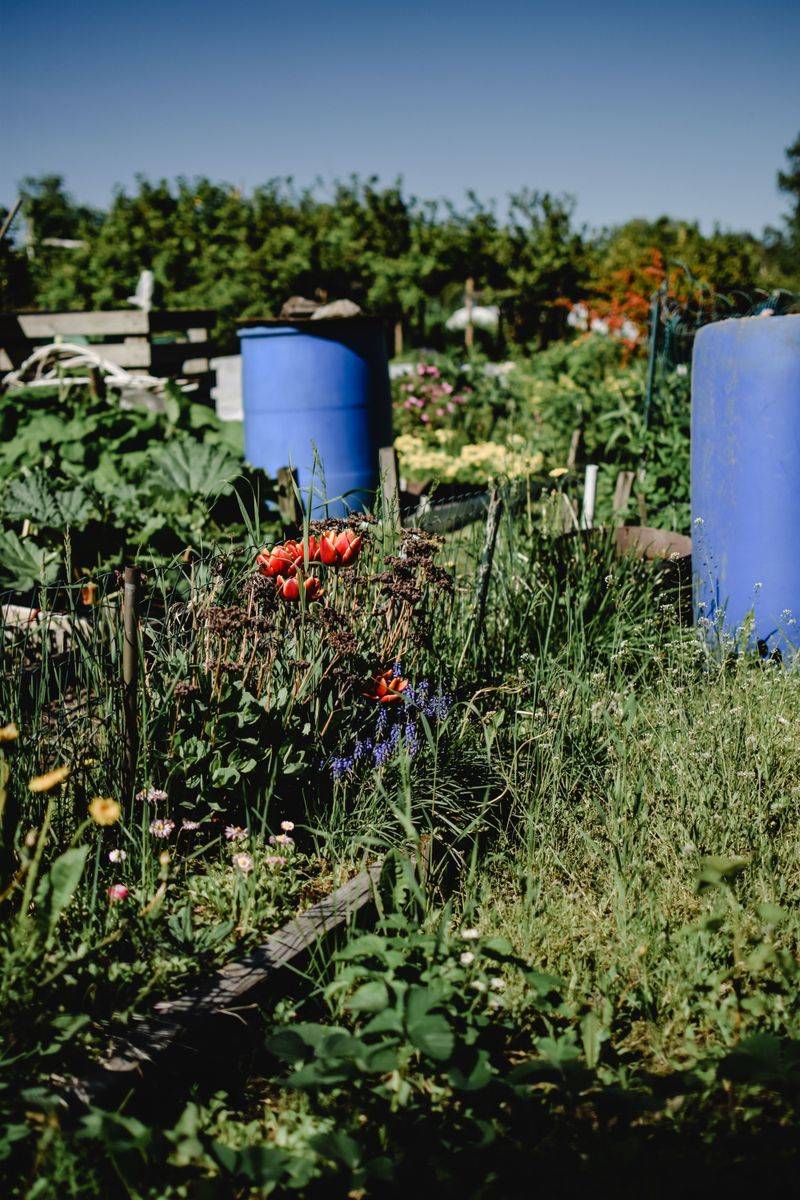
The hose is dry, the ground is cracked, and the tomatoes are begging for mercy. Across the state, home gardeners are turning to rain barrels as their secret weapon against brutal dry spells.
Rain barrels collect water from rooftops during rainstorms and store it for later use. That stored water becomes gold when the skies stay stubbornly clear for weeks at a time.
Gardeners in the Twin Cities and beyond have started placing barrels under downspouts before the first summer storm even arrives. The idea is simple: catch what you can when rain falls, then use it when it does not.
Many gardeners say they fill their barrels in just one good rain event. A single inch of rain falling on a 1,000-square-foot roof can produce over 600 gallons of runoff. That is a substantial amount of free water available from a single rainfall event.
Interest in rain barrels has picked up noticeably this season, with many gardeners reporting that local hardware stores and garden centers have been moving through stock faster than usual.
Some gardeners have taken things further, building DIY barrel systems from scratch and swapping tips with neighbors on how to get the most out of every setup.
Community gardens across the metro have installed multiple barrels linked together in series. Rain barrels are helping Minnesota gardeners stretch every drop through a season that has refused to cooperate.
Why Minnesota Summers Are Getting Harder On Home Gardens
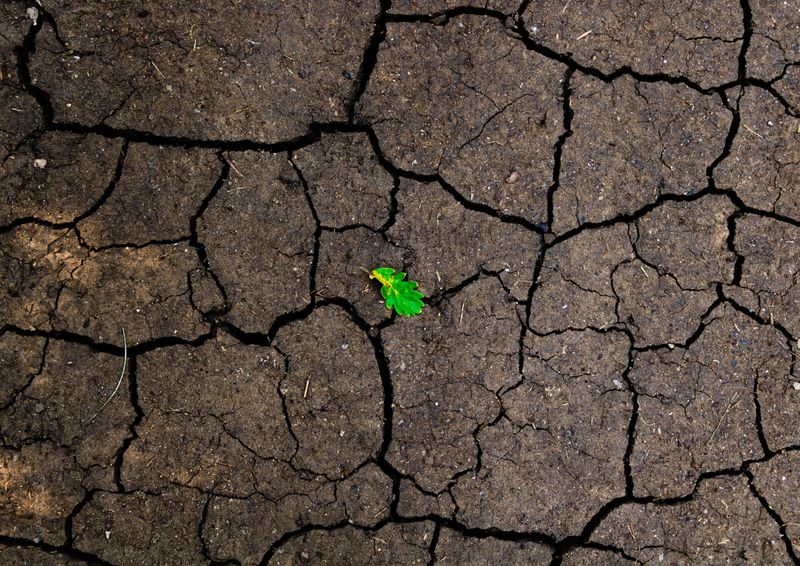
Something has shifted in the Minnesota summer weather pattern, and gardeners are feeling it firsthand. Rainfall totals have become wildly unpredictable, swinging between flash floods and weeks of nothing.
That inconsistency is brutal for plants that depend on steady soil moisture to grow well. Tomatoes split when soaked after a dry stretch. Beans drop flowers when heat spikes without relief.
Peppers stall out, cucumbers curl, and even tough perennials start looking rough by mid-July. Some Minnesota cities have introduced seasonal watering restrictions that limit how often residents can run sprinklers.
Municipal water rates have increased in many Minnesota communities, and frequent irrigation can add up quickly on a summer utility bill.
Climate data for the Upper Midwest points to a gradual warming trend over the past two decades, with summer heat arriving earlier and lasting longer.
Your Minnesota Garden Changes Every Week. Your Plan Should Too.
Gardening in Minnesota changes quickly throughout the season. Every Friday you’ll receive a simple weekly plan showing exactly what to plant, prune, fertilize, harvest, and protect so you never miss the right timing.
Evaporation rates climb with the heat, pulling moisture out of soil faster than plants can absorb it. Sandy or loamy soils, common in many parts of the state, drain quickly and dry out fast.
Without supplemental watering, even well-established garden beds struggle to survive a two-week dry stretch. Rain barrels offer a buffer against these swings, giving gardeners a reserve when the forecast looks grim.
Adapting to the new summer reality means planning ahead and storing water before the dry days arrive.
How Rain Barrels Work And What Makes Them Worth The Setup
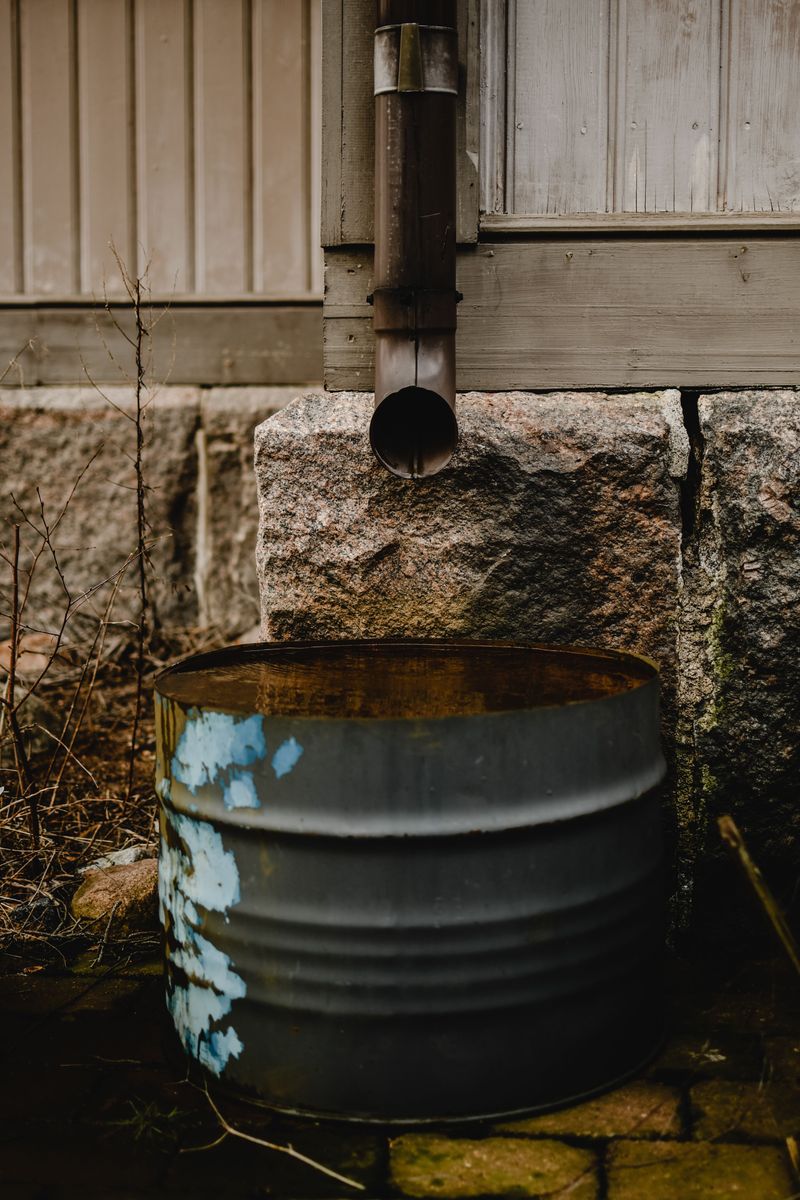
Picture a giant bucket sitting under your downspout, quietly doing its job every time clouds roll in. That is essentially what a rain barrel is, though the details make a big difference in performance.
Most barrels hold between 50 and 100 gallons and connect directly to a downspout with a diverter. A diverter is a small fitting that redirects water from the pipe into the barrel instead of onto the ground.
When the barrel fills up, excess water flows back through the downspout or out an overflow hose. A mesh screen on top keeps mosquitoes from breeding and debris from clogging the system.
A spigot near the bottom lets you attach a garden hose or fill a watering can with ease. Water flows by gravity, so pressure is lower than a faucet but plenty strong for hand watering.
Elevating the barrel on a stand or cinder blocks improves flow and makes filling containers easier. Setup takes most people under two hours, and the tools needed are minimal.
The return on investment comes fast when you consider the cost of running a sprinkler for hours. One barrel can offset dozens of gallons of municipal water use per week during peak growing season.
Collected rainwater is also naturally soft, free of chlorine, and plants tend to love it. Rain barrels are worth every bit of the setup effort for any serious home gardener.
Choosing The Right Rain Barrel For Your Minnesota Yard
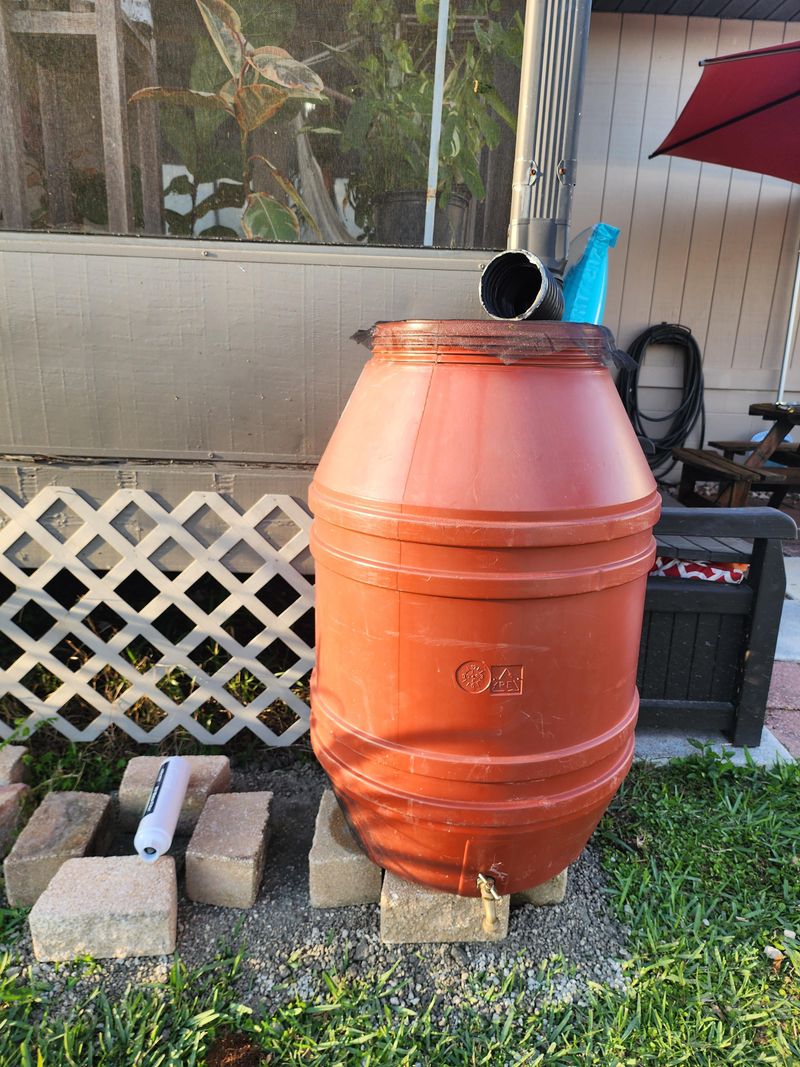
Not every barrel is built the same, and picking the wrong one can lead to frustration fast. The first thing to consider is capacity: how much water do you actually need between rain events?
A small container garden might get by with a 50-gallon barrel just fine. A larger in-ground vegetable plot with multiple raised beds may need two or three barrels linked together.
Linking barrels in series is easy with overflow hoses and dramatically increases your total storage. Material matters too. Food-grade plastic barrels are durable, lightweight, and widely available at local retailers.
Recycled food barrels, often sold cheaply at farm supply stores, are a budget-friendly starting point. Decorative options exist for gardeners who care about curb appeal as much as function.
Urn-style and faux-wood barrels blend into landscaping beautifully without looking industrial or out of place. Some models come with flat backs designed to sit flush against a house wall, saving space.
Look for a barrel with a wide-mouth opening for easy cleaning and a tight-fitting lid to keep pests out. A built-in overflow port is essential so excess water goes where you want it, not where it causes damage.
Check that the spigot position allows clearance for a watering can underneath. Darker-colored barrels can help reduce algae growth by limiting how much sunlight reaches the stored water.
Choosing wisely up front means fewer headaches and a system that runs smoothly all summer long.
Setting Up Your Rain Barrel The Right Way
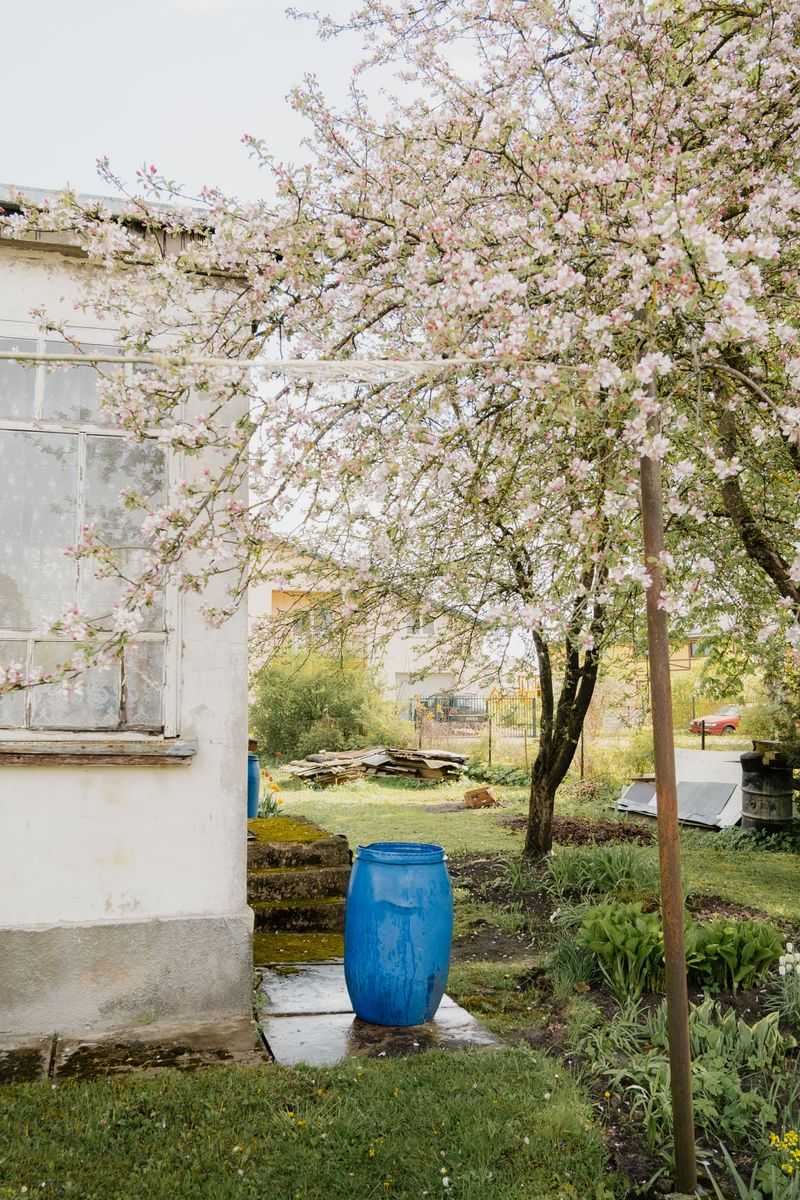
A crooked setup can turn a great idea into a leaky mess within the first rainstorm. Getting the installation right from the start saves time, water, and a lot of frustration down the road.
Start by choosing a downspout that drains the largest section of your roof for maximum collection. Place the barrel on a stable, level surface raised at least 12 inches off the ground.
Cinder blocks work perfectly and cost almost nothing at most home improvement stores. Cut the downspout to the correct height and attach the diverter kit according to the package instructions.
Most diverters come with a simple screen and a connection hose that runs into the barrel lid. Make sure the overflow hose points away from your foundation to protect your home from water damage.
Check that the lid fits snugly after connecting the inlet hose to prevent mosquito access. Run a short garden hose from the spigot to the area of the garden you water most often.
Consider adding a soaker hose at the end for slow, deep watering that plants absorb better. After the first rain, inspect every connection for drips and tighten fittings as needed.
Flush the barrel once a season with a diluted bleach solution to prevent algae and odor buildup. Before the first hard freeze arrives, drain the barrel completely and disconnect the diverter to avoid cracking.
A well-installed system will serve your garden reliably for many seasons ahead.
Rain Barrel Rules Minnesota Gardeners Should Know About
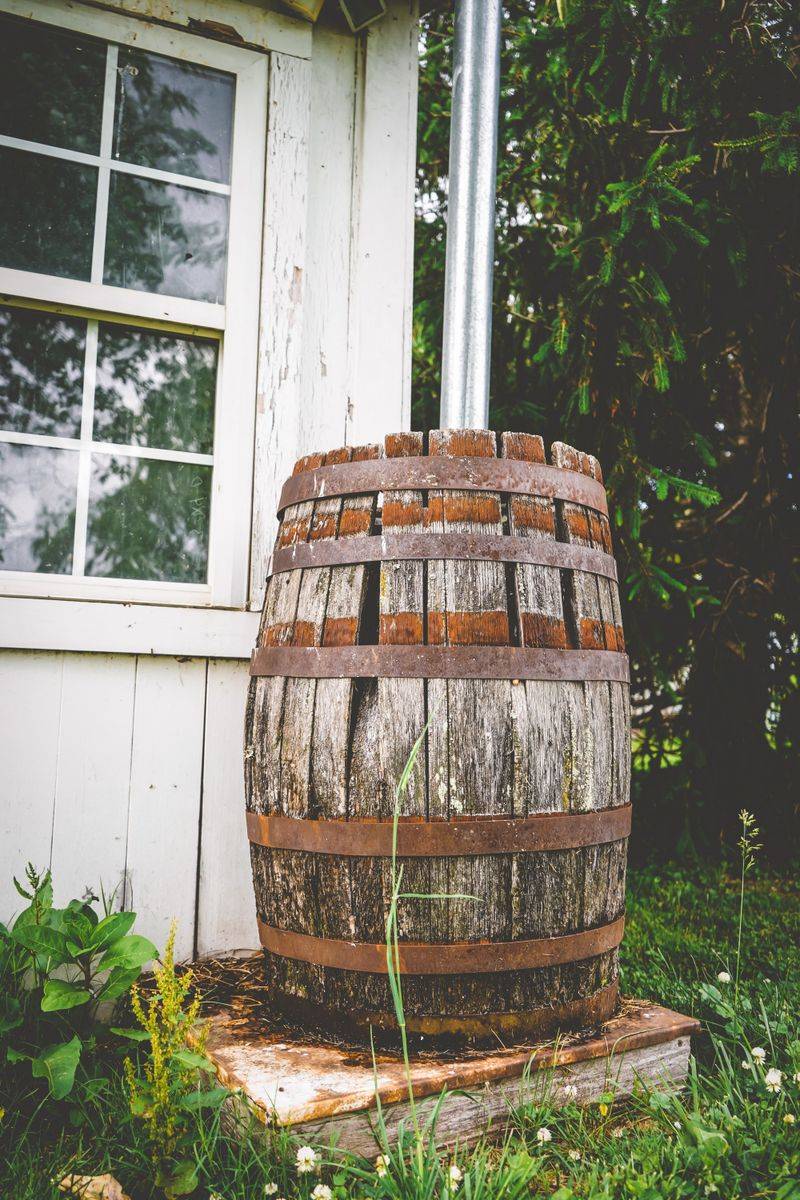
Before you buy, it pays to check what your city or utility provider is offering this season. Many municipalities across the state have rebate programs that put money back in your pocket after purchase.
Some Minnesota cities have offered rebates or discounted barrel programs in past years. It is worth checking your city’s current water conservation page to see what is available this season.
Checking your city website or calling your water department takes five minutes and could save real money. State law in Minnesota allows rainwater collection for outdoor use, so there are no legal barriers to worry about.
That was not always the case in some states, where rainwater harvesting was once restricted or even banned. Homeowners associations sometimes have rules about barrel placement or appearance, so check your HOA guidelines first.
Most concerns center on visibility from the street, which decorative barrel models handle easily. If you live in a rural area on a well system, you have even more flexibility with water use.
Some counties also offer educational workshops on rainwater harvesting through extension services or conservation districts. Those workshops often include hands-on installation demos and free take-home materials.
Soil and water conservation districts across the state periodically offer workshops and resources on rainwater harvesting, making it even easier to get started. Rain barrels are helping Minnesota gardeners save money and water at the same time.