This Rare Vermont Flower Returns To Its Woods After Disappearing For Over A Century
Picture a flower nobody has seen since before your grandparents were born. You are standing at the edge of a genuine comeback. Vermont just handed science a surprise nobody saw coming.
Researchers walking quiet trails found something you would never expect. Believed gone forever, this tiny bloom proved everyone wrong, including you. Your instincts about extinction just got seriously questioned.
Scientists rushed in, stunned and thrilled at what they found. Excitement spread through Vermont faster than anyone could have expected. Botanists are already rewriting everything they thought they knew for certain.
Hikers, gardeners, and casual wanderers are paying close attention right now. Every rediscovery like this rewires what you thought was possible. Curiosity pulls you deeper into exactly how this happened.
Questions are multiplying faster than answers can arrive for you. Answers exist, and you deserve every bit of what comes next. Nothing about this story lets you look away.
The Accidental Discovery That Stunned Vermont Botanists
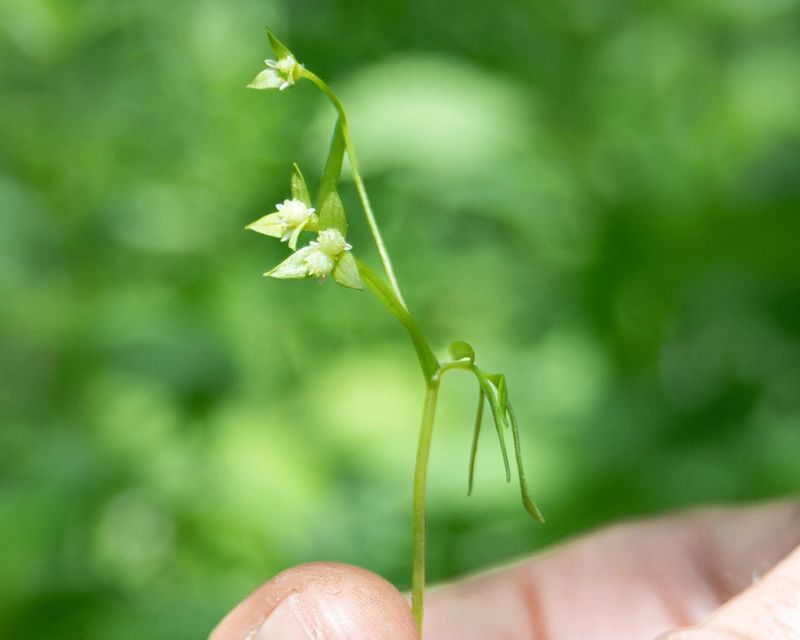
Nobody planned to find it. Molly Parren, a turtle technician with Vermont Fish & Wildlife, was surveying habitats in Addison County when she photographed a patch of rare wild garlic.
She sent the photo to state botanist Grace Glynn, expecting nothing unusual. Peeking into the corner of the frame was a single stem of false mermaid-weed.
Glynn recognized it instantly, even though she had never seen the plant in person before. She called Parren to tell her she couldn’t believe what Parren had accidentally found.
The species had been missing from Vermont since 1916. Until that call, it carried the state’s “historical” designation, reserved for plants presumed gone.
Parren had no intention of rediscovering anything. She simply photographed one rare plant and happened to catch another hiding in the frame.
Botanists across the state took notice fast. It was the latest in a string of recent Vermont plant rediscoveries, following the small whorled pogonia in 2022.
Glynn said the find speaks to a revitalized interest in native plants across the state. Community attention, she added, is what makes discoveries like this possible.
The discovery was reported to Vermont Fish & Wildlife, and the plant’s status was updated. A designation reserved for the presumed-lost had just been reversed.
Vermont’s False Mermaid-Weed Is A Tiny Comeback Story
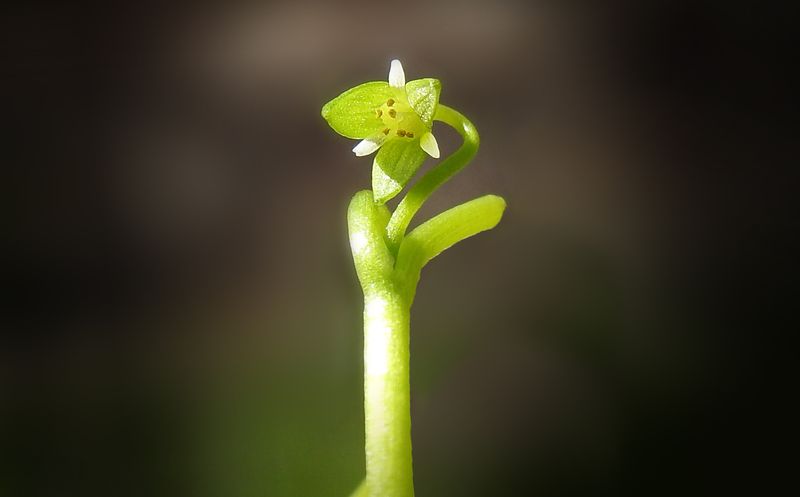
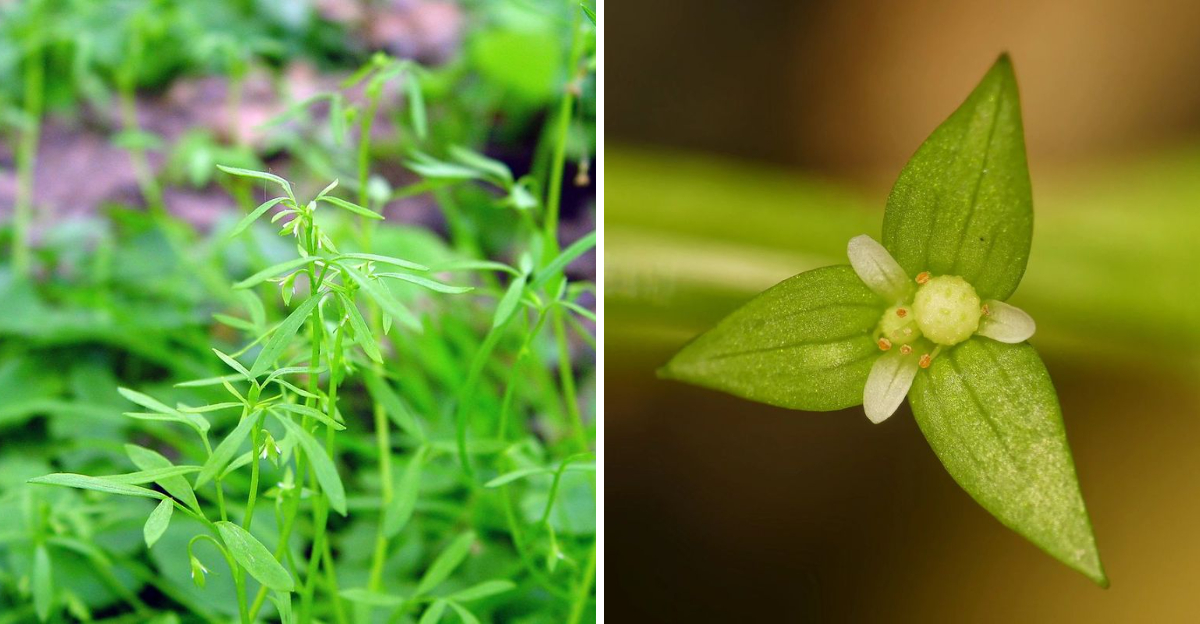
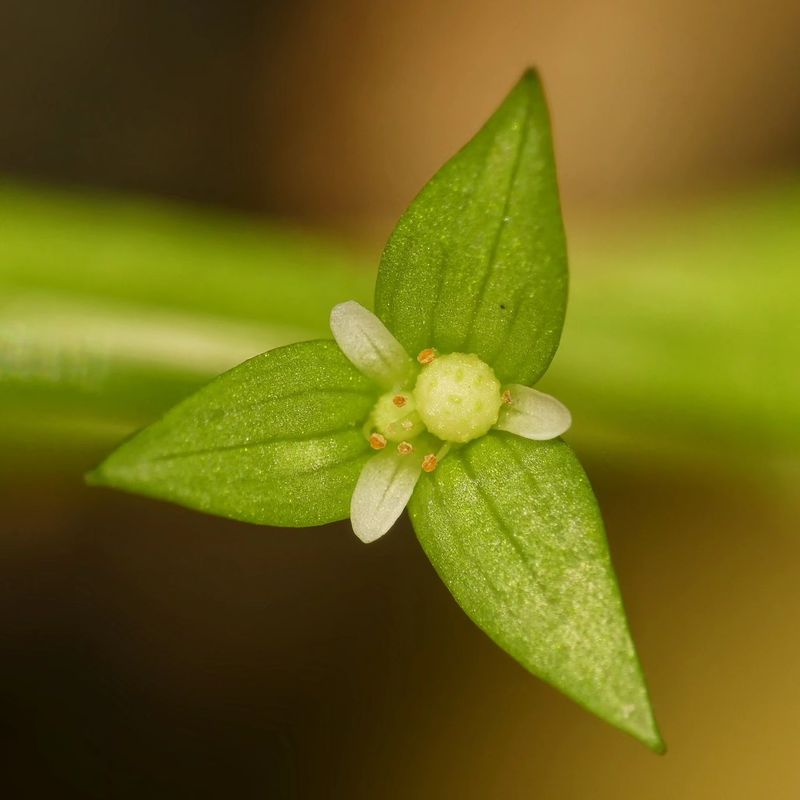
Small but mighty, false mermaid-weed refused to disappear forever. Botanists describe it as a delicate, low-growing plant with flowers as small as the head of a pin, easy to walk right past.
Most people would never notice it without stopping to look closely. That is part of what makes the rediscovery so remarkable.
Floerkea proserpinacoides, its scientific name, belongs to a small genus of flowering herbs that favor cool, shaded floodplain environments. It thrives in damp, streamside corners shaded by ostrich ferns, spots most hikers overlook entirely.
Historically, the species was documented in only a handful of northeastern locations. Over time, habitat changes caused populations to shrink and eventually disappear from recorded surveys.
What makes this comeback special is how resilient the plant turned out to be. Seeds can remain dormant in soil for decades under the right conditions.
Botanists believe false mermaid-weed may have been quietly surviving underground all along, waiting for local conditions to shift just enough to trigger new growth.
The flower’s size works against it when it comes to public attention. Flashy orchids and towering ferns tend to steal the spotlight in conservation news.
But botanists like Grace Glynn argue that small native plants like this one anchor entire ecosystems. Pollinators, soil microbes, and neighboring plants all benefit from its presence.
This little bloom plays an outsized ecological role, and Vermont’s forests are richer for having it back.
Why This Plant Disappeared For Over A Century
A flower does not just disappear without reason. Understanding what typically drives native species out of an area helps put this rediscovery in context.
New England’s forests went through dramatic changes beginning in the late 1800s. Logging operations cleared enormous stretches of woodland across the region during that period.
When forests are cleared, understory plants that depend on shade often disappear with them. Moisture levels drop, sunlight patterns shift, and soil chemistry changes fast.
Agriculture reshaped much of the landscape too. Fields that replaced forests left little room for the woodland wildflowers that once grew there.
Invasive species have added pressure across many native plant communities in the region. Aggressive growers can crowd out slower, more delicate species over time.
Botanists say it is rarely one single cause. More often, several pressures compound, making it harder for sensitive species to hold on.
Vermont Fish & Wildlife has not identified a specific cause for false mermaid-weed’s century-long absence. What is clear is that the plant persisted quietly, likely through dormant seeds, until conditions allowed it to reappear.
Forests in parts of the state have partially recovered in recent decades. That shift may be part of why this plant, and others like it, are being found again.
Inside The Rare Habitat Where It Was Found
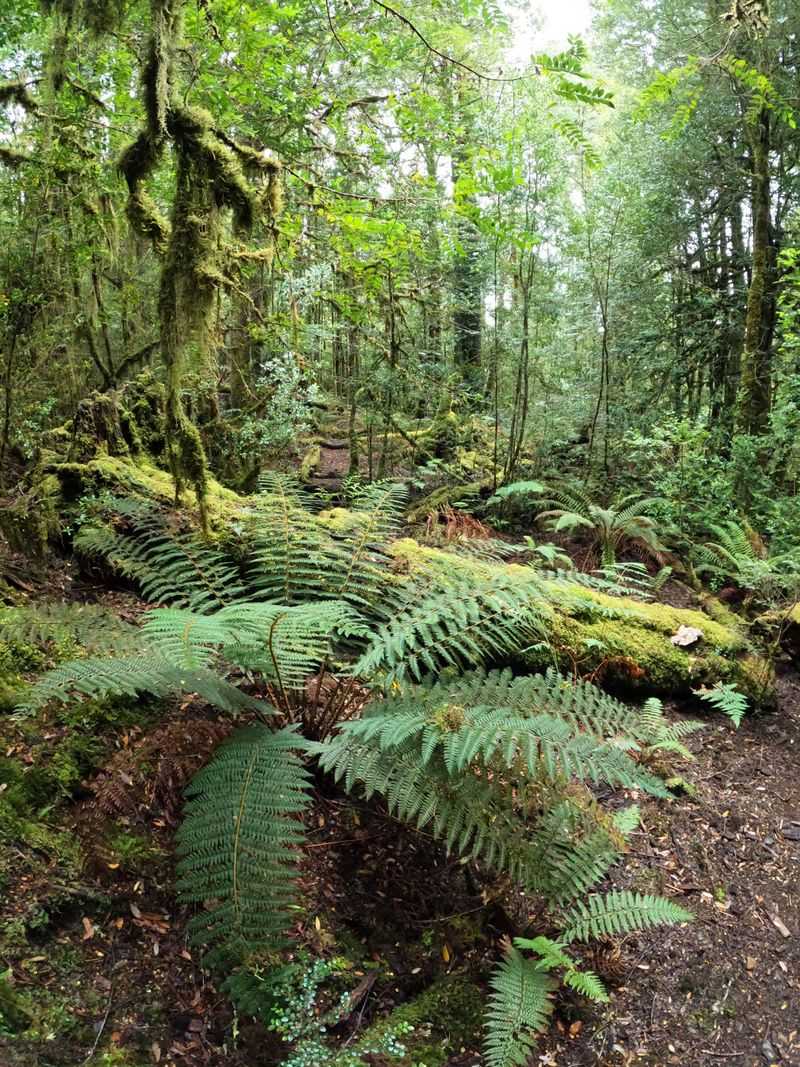
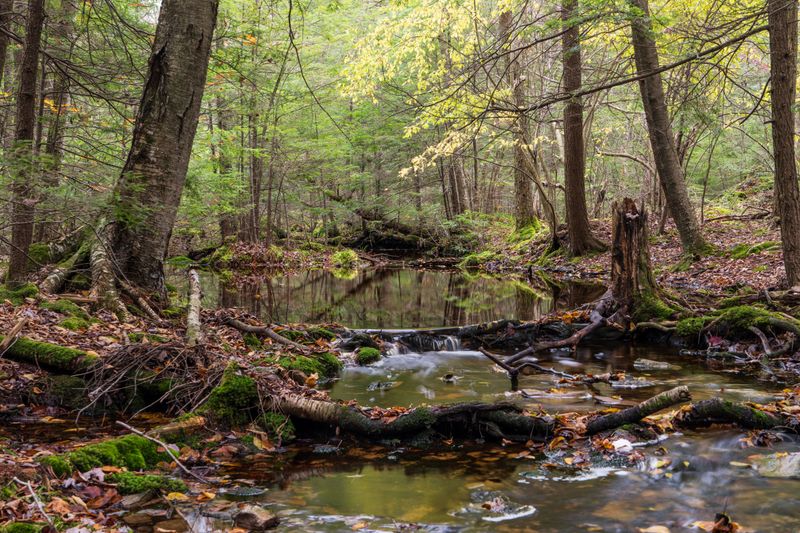
The false mermaid-weed was found growing along a streamside site in Addison County, shaded by tall ostrich ferns. Vermont Fish & Wildlife has not disclosed the exact location, in order to protect the population.
This kind of floodplain habitat suits the plant well. Botanist Art Gilman of the University of Vermont’s Pringle Herbarium notes it is an early spring ephemeral, adapted to forests that get plenty of light before the canopy fills in.
Its blooming window is short. Within about a month of emerging, the plant dries up and disappears until the following spring, making it easy to miss even for trained botanists.
Glynn retraced Parren’s steps after the initial sighting and found more plants on a private streamside parcel. A second visit turned up additional false mermaid-weed on public conservation land downstream.
The population is larger than first thought, extending both upstream and downstream of the original site. Researchers are still mapping its full spread.
None of this would have happened without the landowners’ cooperation. Glynn said the find shows that private land ownership and biodiversity conservation can go hand in hand.
Access to the site remains limited. Protecting a population this fragile means keeping foot traffic, and its precise coordinates, away from public view.
What This Rediscovery Means For Vermont’s Ecosystem
One small flower can tell a big story about an entire ecosystem. The return of this species signals that the surrounding habitat has healed enough to support it again.
Ecologists call plants like this one indicator species. Their presence, or absence, reflects the overall health of the environment around them.
When rare native plants return, they bring benefits that ripple outward. Pollinators that depended on them historically begin to benefit from their reappearance.
Native bees, beetles, and small flies often have tight relationships with specific plant species. Restoring one link in that chain can strengthen the whole web.
Soil fungi also play a role here. Many native wildflowers form partnerships with underground fungal networks that improve nutrient exchange for multiple species at once.
The rediscovery also adds urgency to ongoing conservation funding conversations. Lawmakers and donors pay more attention when there is a living success story to point to.
For local conservation groups, this find is a valuable example to point to in funding and advocacy efforts. Advocates say tangible successes like this strengthen the case for land protection.
Schools and nature programs across the state have already reached out about educational opportunities. Getting young people excited about native plants is a long game worth playing.
Researchers are now conducting soil and pollen studies around the site. The data gathered may help restore similar plants in other locations across the Northeast.
This rediscovery is not just a feel-good headline. It is a blueprint for what patient, committed conservation can actually achieve.
The Ongoing Search For Vermont’s Missing Native Plants
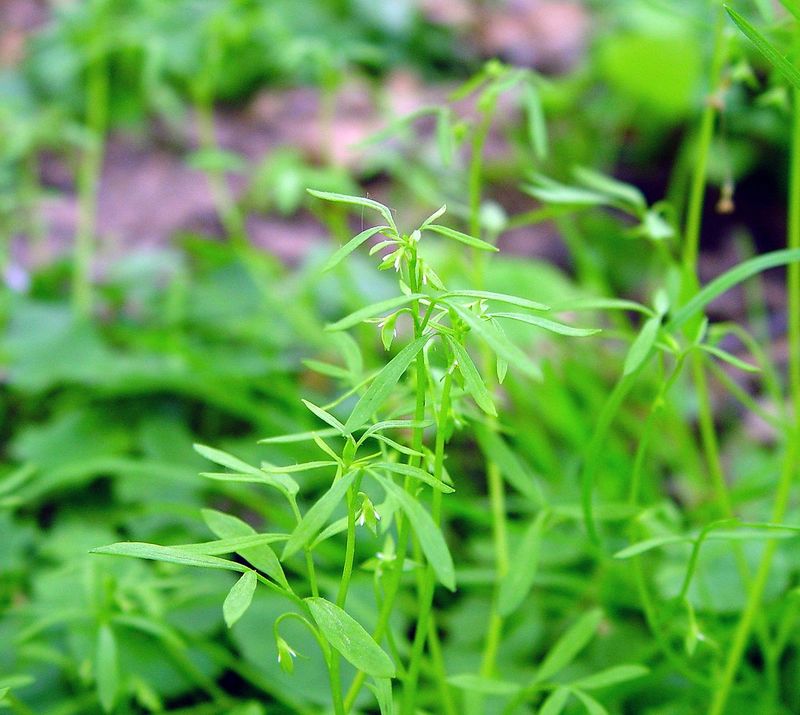
This rare Vermont flower rediscovered story has inspired a new wave of botanical fieldwork. Survey teams are now fanning out across the state with fresh energy and sharper eyes.
Vermont has dozens of plant species classified as rare, threatened, or of special concern. Many have not been confirmed in the wild for years, even decades.
Botanists use historical herbarium records as treasure maps of a sort. Old pressed plant specimens from the 1800s give clues about where to search today.
Citizen science programs are expanding rapidly in response to this discovery. Regular hikers and gardeners are being trained to spot and report unusual native plants.
Apps like iNaturalist have made reporting easier than ever before. A clear photo uploaded from a trail can reach expert eyes within hours.
The state’s nongame and natural heritage programs are also increasing their field survey budgets. More boots on the ground means more chances for the next big find.
University students are getting involved through field botany courses tied to real conservation goals. Academic work with real-world stakes tends to produce sharper, more motivated researchers.
Landowners are being encouraged to inventory their own properties for rare species. Private land holds a surprising amount of biodiversity that has never been formally documented.
Every meadow, wetland edge, and shaded ravine in the state is now a potential site of wonder. The search for what else might be hiding out there is very much alive.
The rediscovery is a reminder that even species long presumed lost can still be waiting to be found.