What Vermont Gardeners Should Do This July To Set Up Next Season’s Peonies
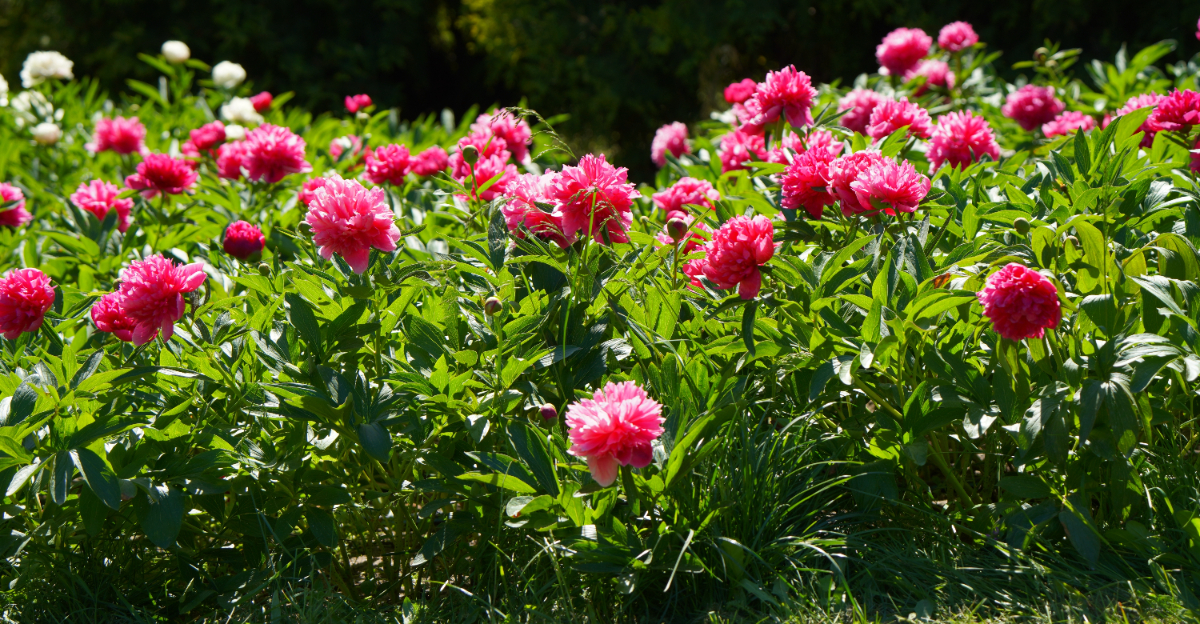
Vermont in July settles into something slower. The peony beds sit quiet now, stripped of their pink and ivory drama, leaves holding steady green through the thick summer air.
Most gardeners walk past these plants without a second glance, already thinking ahead to tomatoes or dahlias. That’s the mistake. The real work behind next June’s blooms happens right now, while the plant quietly builds strength underground.
Skip these weeks, and next spring’s flowers show it, fewer blooms, weaker stems, a garden that struggles to recover its rhythm. Vermont’s short growing season makes timing even less forgiving than in warmer states.
A few deliberate moves this month, done at the right point in the heat, set the stage for a peony display that stops neighbors mid-walk next year. The plant is listening. July is when it starts to answer.
1. Removing Spent Blooms Redirects Energy To The Roots
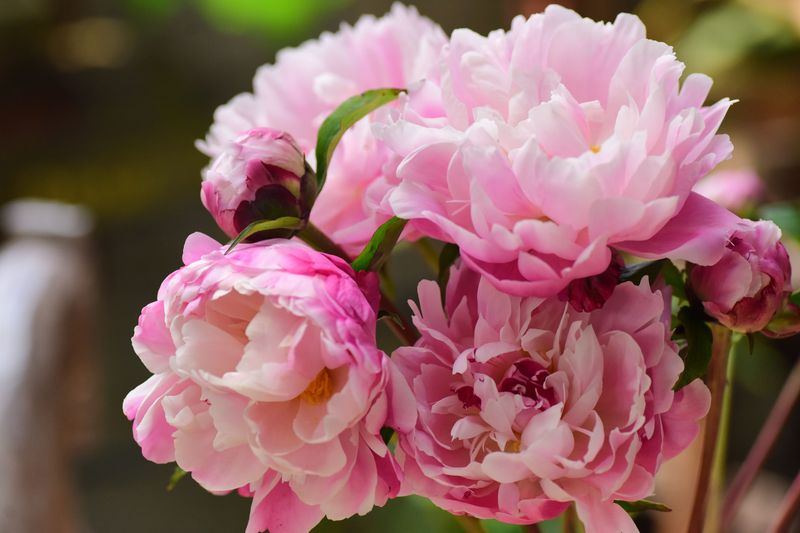
Those drooping brown blossoms are more than an eyesore. They are quietly draining your peony plant of energy it desperately needs.
When a peony finishes blooming, it wants to form seeds, and seed production pulls nutrients away from the roots. Removing spent blooms stops that process and redirects the energy back down toward next year’s growth.
Grab a clean pair of garden shears and snip just below each faded flower head. Make your cut right above the first healthy set of leaves, taking care not to damage the stem below it.
This simple step tells the plant to push energy downward instead of upward. Strong roots built in summer become fat, productive buds next spring, setting the stage for a fuller bloom.
Many gardeners skip this task because the blooms look harmless once they fade. But leaving them on is like leaving a leaky faucet running all season, quietly wasting resources the plant could use elsewhere.
Every day matters when the plant is deciding where to invest its resources. Vermont summers are short, so every week of growing season counts double toward next year’s display.
Your peony has roughly eight to ten weeks left to build strength before fall arrives. Give it every advantage you can during this window.
The task itself takes about five minutes per plant. The payoff is a noticeably fuller bloom display the following June.
Check each plant every few days through July, since new blooms fade at different rates. Staying on top of this small task keeps energy flowing steadily to the roots all summer long.
2. Healthy Foliage Stays In Place Through Late Summer
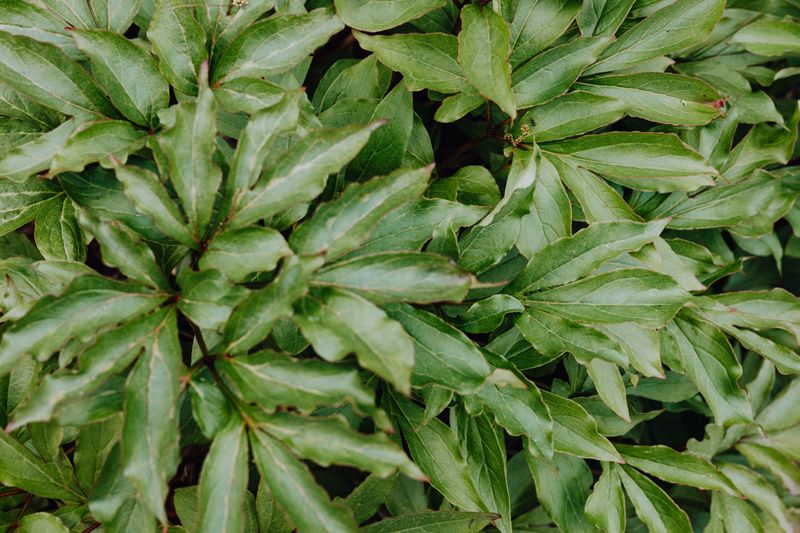
Resist the urge to cut your peony leaves back after blooming ends. Those green leaves are doing serious, invisible work right now.
Peony foliage acts like a solar panel. All summer long, it captures sunlight and converts it into food stored in the roots below. Cut the leaves too soon and next year’s blooms lose the energy they need to form.
Some gardeners tidy up too aggressively after the flowers fade. They see the plant as done for the season and start cutting. That is a costly mistake in a climate with short growing windows.
Leave all healthy foliage standing until at least late September. In Vermont, that means letting the plant work hard through August and into early fall. The roots are quietly stockpiling energy the whole time.
Think of the leaves as the plant’s paycheck. Every sunny day the foliage stands, the plant earns a little more for next season. Cutting early is like quitting your job in July.
If a few leaves look a little ragged or yellowed, you can remove just those. Healthy green leaves should stay firmly in place. Selective trimming is fine; aggressive cutting is not.
By late September, the foliage will begin to yellow naturally. That is your signal to cut the stems down to about two inches above the soil. Timing that cut correctly sets up next season’s peonies for a strong start.
A clean cut matters as much as the timing. Use sharp, sanitized shears to avoid introducing disease into the crown, since a ragged or contaminated cut can invite problems the plant carries into next spring.
3. Powdery Mildew Often Appears During July’s Humid Stretch
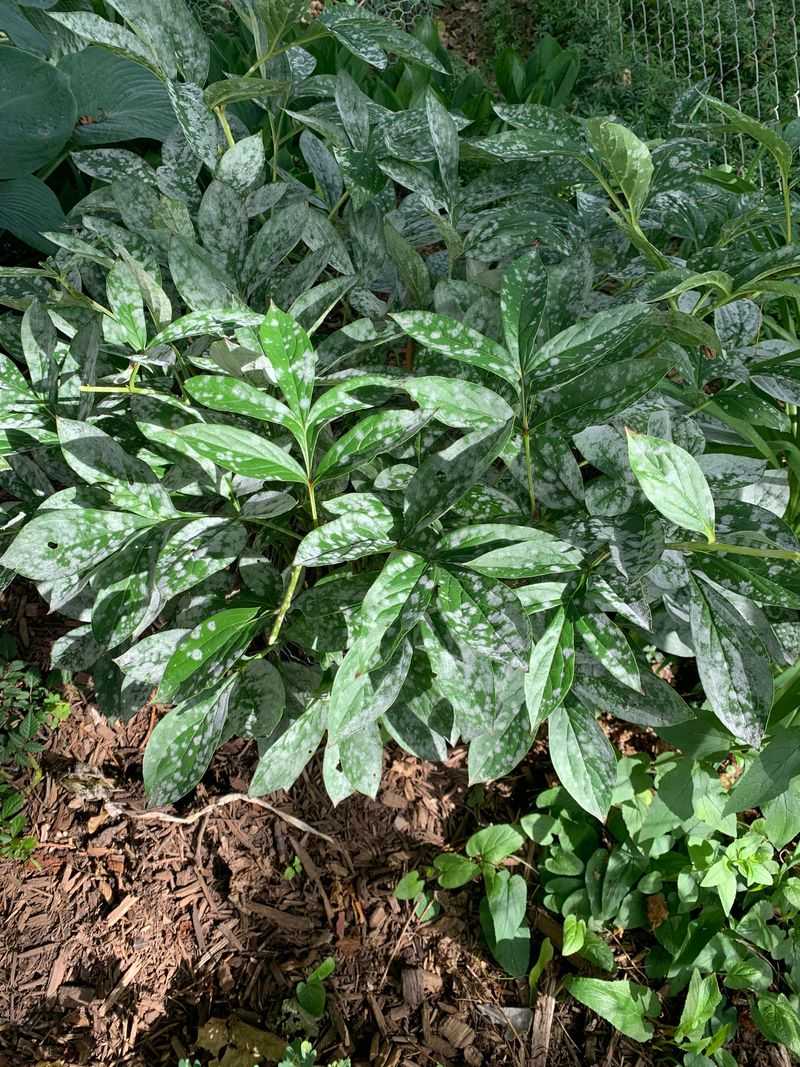
White dusty patches on your peony leaves are not frost. They are powdery mildew, and July in Vermont is prime time for this fungal nuisance.
Mildew thrives when warm days meet cool nights and humidity hangs in the air. Sound familiar? That is basically a Vermont July in a nutshell. Catching it early makes all the difference.
Check the undersides of leaves every few days during humid spells. Mildew often starts there before spreading to the top surface. Early detection means easier control.
A simple homemade spray can help slow its spread. Mix one tablespoon of baking soda with a quart of water and a few drops of dish soap. Apply it to affected leaves every five to seven days.
Good airflow around your plants reduces mildew risk significantly. If your peonies are crowded by other plants, consider trimming nearby foliage. Space is one of the best defenses against fungal problems.
Mildew weakens the leaves and reduces their ability to photosynthesize. A plant fighting mildew all summer stores less energy in its roots. Less stored energy means smaller blooms next June.
You do not need harsh chemicals to manage this problem. Consistent monitoring and simple organic sprays keep most mildew outbreaks manageable. A little attention now protects a lot of beauty later.
Timing matters as much as the treatment itself. A spray applied at the first sign of white patches works far better than one applied after the fungus has spread across the plant.
Watering habits play a role too. Morning watering at the base of the plant, rather than overhead in the evening, gives leaves time to dry out and makes conditions less inviting for mildew to take hold.
4. Deep Watering Matters More During Dry Spells
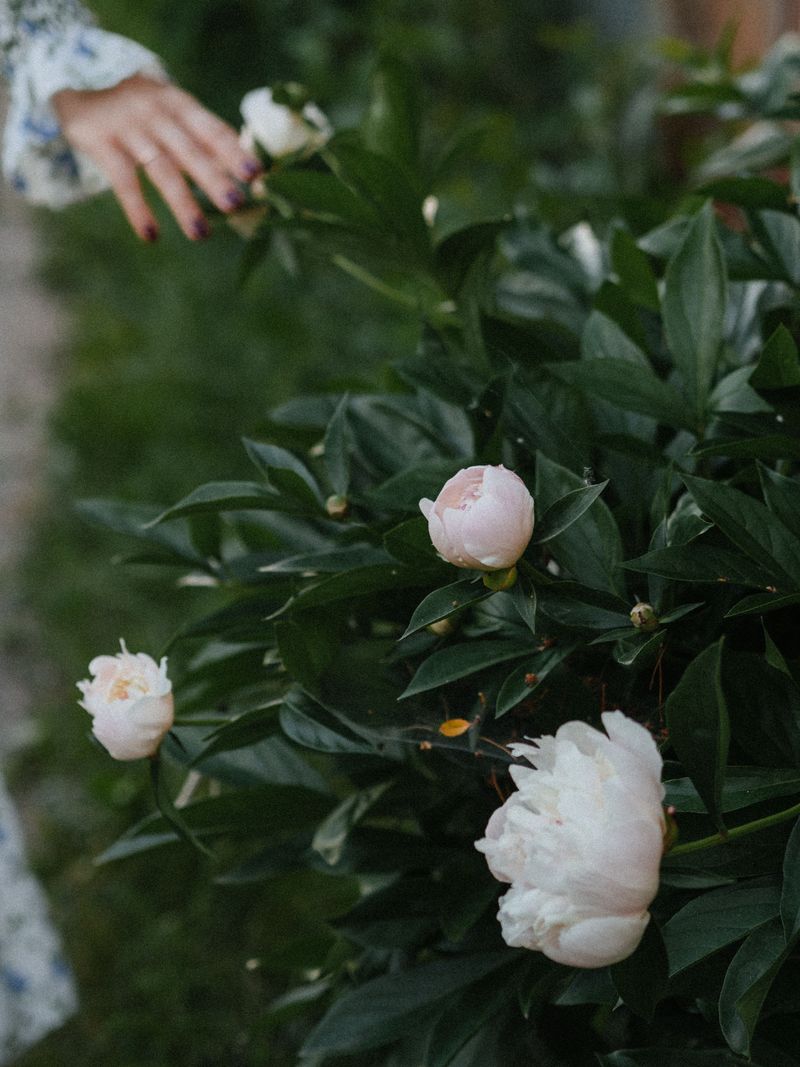
Peonies are tough plants, but they are not invincible. A dry July can quietly stress them in ways that show up as weak blooms the following spring.
Shallow, frequent watering encourages roots to stay near the surface. Deep, infrequent watering pushes roots to grow downward where moisture is more stable. Deep roots build stronger plants overall.
Aim to water your peonies deeply once or twice a week during dry stretches. Let the water soak in slowly rather than running off the surface. A slow trickle at the base for twenty minutes works well.
Avoid wetting the foliage when you water. Wet leaves in humid conditions invite mildew and other fungal issues. Direct your hose or drip line right at the soil level.
Mulching around the base of your plants helps retain moisture between watering sessions. A two-inch layer of shredded bark or wood chips keeps the soil cooler and wetter. That layer also suppresses weeds that compete for water.
Keep mulch pulled back an inch or two from the crown itself. Piling it directly against the stems traps moisture against the plant and can invite rot instead of preventing it.
Check soil moisture by pressing a finger two inches into the ground near the base of the plant. If it feels dry at that depth, it is time to water. If it still feels damp, wait another day or two.
Consistent moisture through July and August builds robust root systems. Those roots are the foundation for next season’s peonies. Do not let summer dryness undo all your hard work.
5. Nitrogen-Heavy Fertilizer Should Wait Until Late Summer
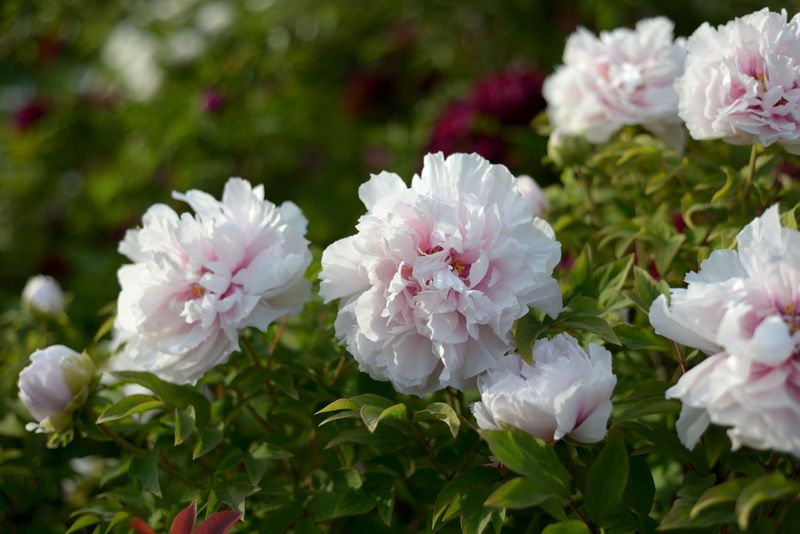
Fertilizing feels productive, but timing it wrong can actually hurt your peonies. Nitrogen-rich fertilizer in early July pushes leafy green growth, not root development.
Lush new foliage in midsummer sounds appealing, but it is not what your peony needs right now. The plant should be channeling energy into its root system, not sprouting new leaves. Extra nitrogen disrupts that priority.
Too much top growth in July also makes the plant more vulnerable to frost damage later in fall. Soft, new growth does not harden off well before winter arrives. In Vermont, that can mean damaged crowns heading into the cold months.
If you want to feed your peonies in July, choose a fertilizer low in nitrogen and higher in phosphorus and potassium. A 5-10-10 blend supports root strength without triggering excessive leafy growth. Read the label carefully before applying anything.
Apply fertilizer lightly and water it in well after spreading. Over-fertilizing is worse than not fertilizing at all for established peonies. Less really is more with these plants.
A soil test can take the guesswork out of the decision entirely. If phosphorus and potassium levels already run high in your garden, skipping the July feeding altogether may serve the plant better than adding more.
Wait until late August or early September to give a more complete feeding. By then, the plant is winding down and storing nutrients for winter. A fall feeding supports a strong start the following spring.
Peonies are not heavy feeders compared to many garden plants. They reward restraint and patience far more than aggressive fertilizing. Hold off now and reap the rewards next season.
6. Dividing Overcrowded Clumps Pays Off Big Next Spring
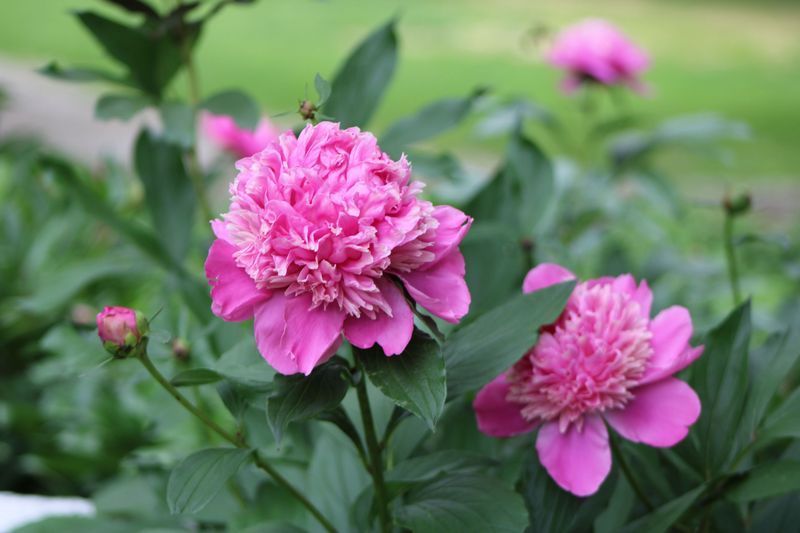
If your peony clump has been growing in the same spot for more than five years, it might be getting crowded. Crowded clumps produce fewer blooms and smaller flowers over time.
July is not the ideal month for full division, but it is a great time to assess whether division is needed this fall. Walk around your plants and look for signs of decline. Fewer buds, smaller flowers, and weak stems are all red flags.
Plan to divide in early September when the heat begins to ease. Digging in summer heat stresses the roots unnecessarily. Mark your calendar now so you do not forget when the timing is right.
When you do divide, use a sharp spade to lift the entire clump carefully. Wash the roots with a gentle stream of water to see the structure clearly. Each division should have three to five pink eyes, which are the growth buds for next year.
Replant divisions at the correct depth, no more than one to two inches below the soil surface. Planting too deep is one of the most common reasons peonies fail to bloom. That single detail makes a big difference in next season’s results.
Add compost to the planting hole before settling the division in place. Good organic matter gives new divisions a strong foundation to establish before winter. A well-prepared hole sets next season’s peonies up beautifully.
Divided plants may skip blooming the first year after replanting. By year two, they typically come back stronger and more floriferous than before.
7. These Small Efforts Shape Next Year’s Bloom Size
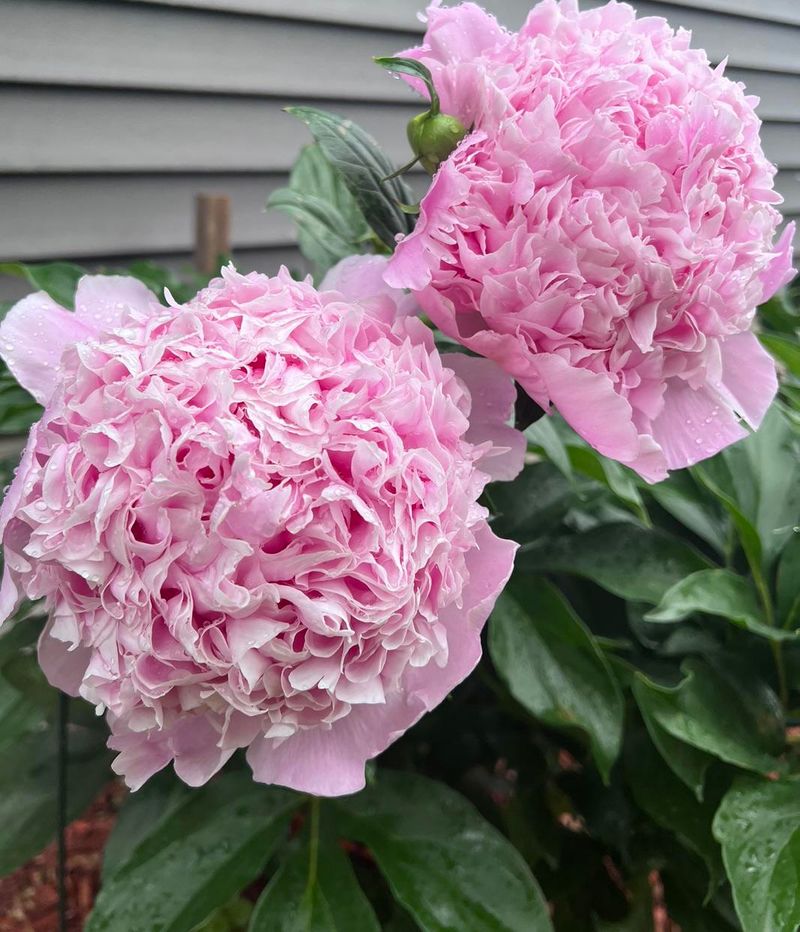
Every small task you do this July quietly builds toward one spectacular moment next June. The blooms you dream about all winter are shaped by choices made right now.
Removing spent blooms, protecting foliage, managing mildew, watering deeply, and holding off on nitrogen are not complicated steps. They take maybe thirty minutes a week across your whole peony bed.
Peonies are famously long-lived plants. Some clumps outlast the gardeners who planted them, thriving for fifty years or more with basic care.
Think of July as the foundation month for your peony garden. The blooms are gone, but the real work is quietly happening underground.
Gardeners who skip summer care often wonder why their peonies seem to underperform year after year. The answer is almost always in what did not happen between July and September.
Consistent care in the off-season is what produces stunning spring displays. Share these tips with a neighbor who grows peonies.
Gardening communities thrive when knowledge moves freely between yards and fences. What you do this July for next season’s peonies could inspire someone else to do the same.
A little consistency now is worth more than a burst of effort later. Small, steady habits are what turn an ordinary peony bed into one neighbors stop to admire.
The blooms will come back. Make sure they come back bigger and bolder next year.