The Simple Mistake That Could Introduce A Harmful Pest To Vermont’s Backyard Trees
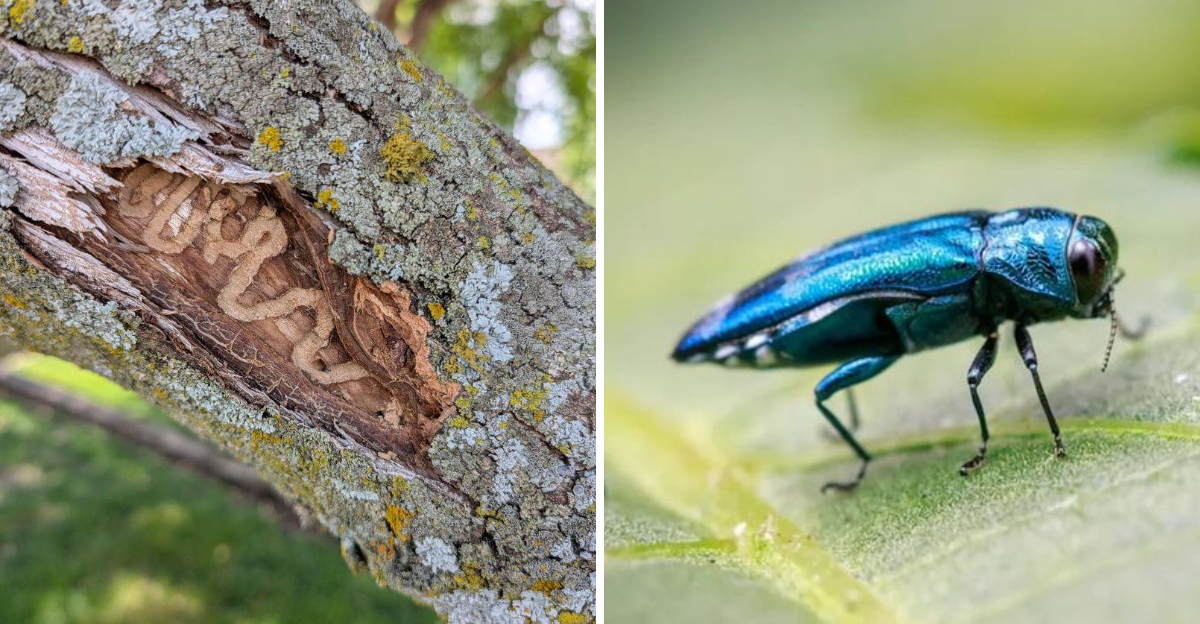
A tiny green invader is quietly reshaping forests across America. Something dangerous is coming for your local trees, and the countdown has already started.
This threat doesn’t announce itself with warning signs or loud disruption. Firewood carries it silently, hidden beneath bark you never inspect. Campers unknowingly transport this danger every time they cross county lines.
Tiny larvae tunnel through the wood, weakening trees from within. Foresters somewhere are racing against a pest that spreads faster than awareness. Your next camping trip could either help or hinder that fight.
You’re not the reason a forest should struggle. Awareness now spares heartbreak later, and action matters immediately. Insects like these travel faster than you’d expect.
Every log you move might carry harm for someone else’s trees. Local regulations exist for a reason, and ignoring them costs you more than money. You need every fact before the next truckload changes everything now.
Moving Firewood, Vermont’s Backyard Habit Putting Trees At Risk
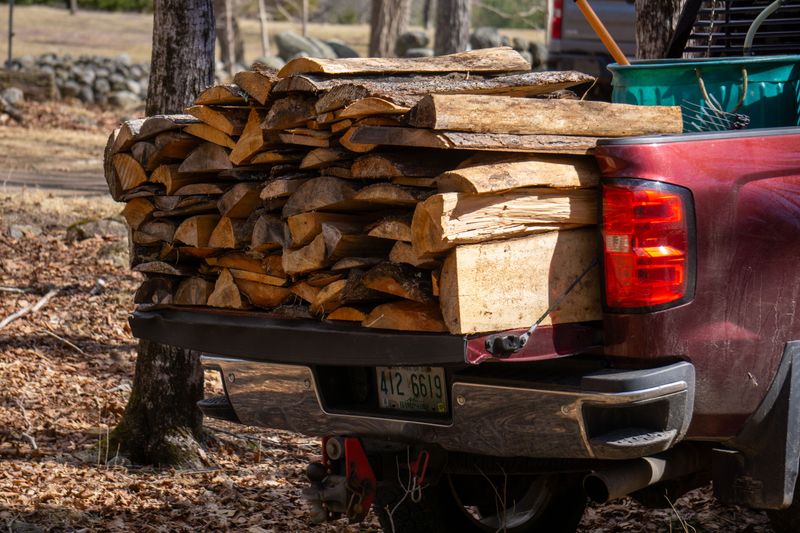
That stack of firewood looks totally innocent sitting in your truck bed. But moving it across county or state lines could be the simple mistake that introduces a harmful pest to Vermont’s backyard trees.
Ash trees line thousands of Vermont driveways, neighborhoods, and hiking trails. They provide shade, beauty, and habitat for birds and wildlife.
When you carry firewood from one area to another, you may unknowingly carry insect larvae hidden inside the wood. Those larvae hatch, emerge, and start feeding on local trees that have no natural defense against them.
Vermont has strict firewood movement regulations for exactly this reason. Residents are urged to buy firewood locally, ideally within twenty-five miles of where they plan to burn it, and never more than fifty.
Many people have never heard this rule. They grab a bundle at a gas station two states away and think nothing of it.
That gas station bundle might have come from a region already infested with the emerald ash borer. Once the larvae hatch in your backyard, there is no taking it back.
Campers, tailgaters, and weekend fire enthusiasts are often the most common unintentional carriers. Nobody does this on purpose, which makes education so important.
A simple habit change, buying local and burning local, can protect the trees you walk past every single day. Your backyard deserves that small effort.
The Emerald Ash Borer Behind Vermont’s Growing Tree Problem
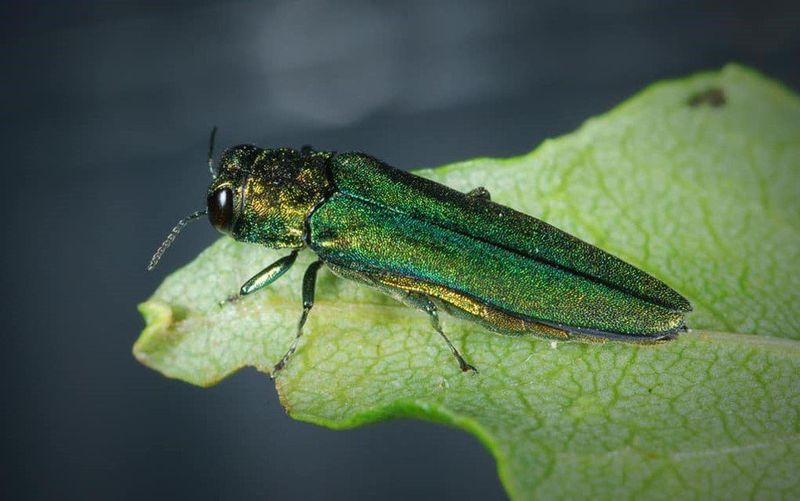
Tiny, metallic, and aggressive. The emerald ash borer is a beetle barely half an inch long, yet it has caused more tree destruction than almost any other pest in American history.
Originally from Asia, this beetle arrived in the United States around 2002, likely inside wooden packing crates. It was first spotted in Michigan and spread fast from there.
The adult beetle lays eggs under the bark of ash trees. When the larvae hatch, they chew winding tunnels through the wood that cut off the tree’s ability to move water and nutrients.
An ash tree that is infested cannot feed itself properly. Within two to five years of infestation, most untreated trees do not recover.
Vermont confirmed its first emerald ash borer sighting in 2018. Since then, the pest has been detected in multiple counties across the state.
Ash trees make up roughly five percent of Vermont’s forested land. That may sound small, but it represents millions of individual trees.
Communities, homeowners, and forest managers are all scrambling to respond. Treatments exist, but they cost money and require early detection to work well.
Understanding what this beetle actually is, and why it is so destructive, is the first step toward protecting the trees in your yard. Knowledge is genuinely your best tool here.
Why Does Moving Firewood Spread The Emerald Ash Borer So Fast
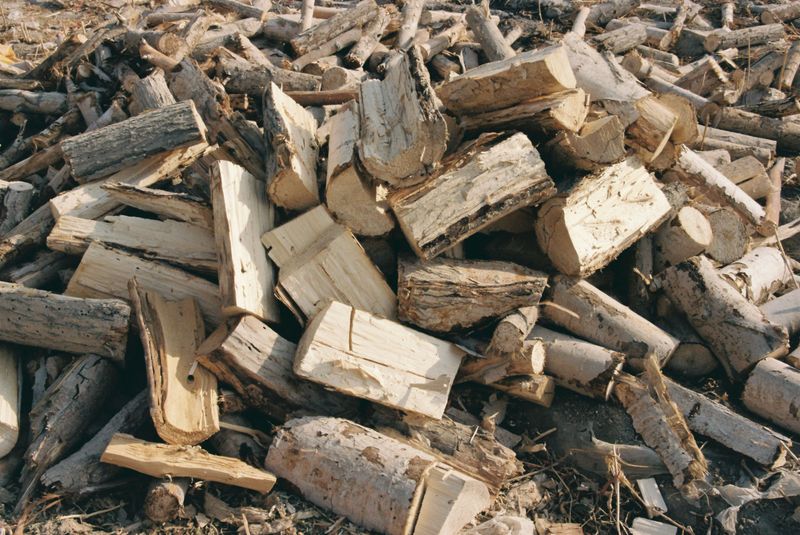
Here is something that surprises most people: you cannot always see the pest in the wood. The emerald ash borer spends most of its life hidden beneath tree bark as a larva.
When you pick up a log, the larvae may already be tunneling inside. They are invisible to the naked eye unless you peel back the bark and look for their telltale winding trails.
Adult beetles emerge in late spring and early summer. They fly a short distance, mate, and lay eggs on nearby ash trees, rarely traveling more than a few miles on their own.
That limited flying range would normally slow the spread. But when humans carry infested firewood hundreds of miles, the beetle jumps entire regions overnight.
Scientists have studied the spread patterns of this pest carefully. Their data shows that new infestations almost always appear near campgrounds, parks, and areas with high firewood traffic.
The beetle does not need to be alive in the wood for this to happen. Eggs and young larvae survive transport just fine, even in a dry log sitting in your garage.
Once the wood warms up in spring, larvae become active and eventually emerge as adults ready to infest your neighborhood trees. The cycle starts all over again.
Stopping the spread is genuinely possible, but it requires people to change one simple habit. Buying firewood where you burn it breaks the chain completely.
How The Emerald Ash Borer Crosses State Lines Undetected
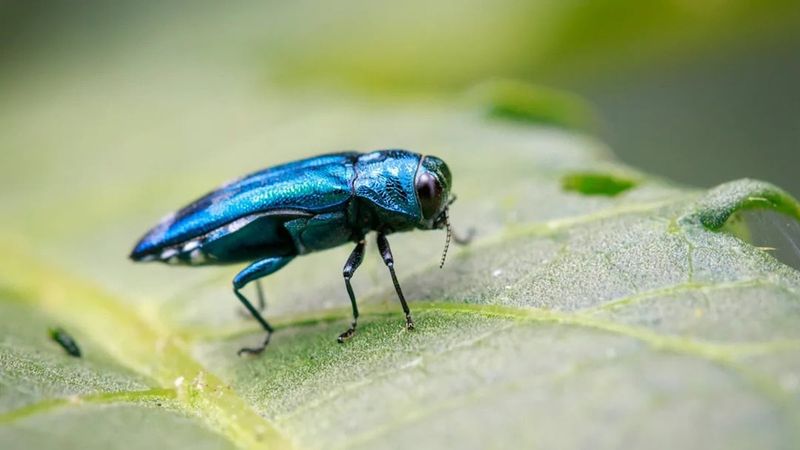
State borders mean nothing to a beetle tucked inside a log. The emerald ash borer has crossed dozens of state lines simply because people did not know they were carrying it.
Quarantine zones exist in many states, including parts of Vermont. These zones restrict the movement of ash wood, firewood, and certain wood products to slow the pest’s spread.
The problem is enforcement. There are no checkpoints on every back road where a ranger inspects your truck bed before you enter a new county.
Most of the prevention system relies on public awareness and voluntary compliance. That puts the responsibility squarely on your shoulders as a homeowner and outdoor enthusiast.
Retail firewood sold at big box stores or gas stations often travels long distances before it reaches shelves. The origin of that wood is rarely labeled clearly.
Buying from a local supplier who sources wood nearby dramatically reduces your risk. Ask where the wood was cut before you buy it. Some states have launched certification programs for heat-treated firewood.
Look for the USDA-approved seal on firewood packaging when buying from a store. That seal means the wood was treated to remove hidden hitchhikers before sale.
Crossing state lines with a load of firewood without checking local rules is the kind of simple mistake that introduces a harmful pest to Vermont’s backyard trees.
Signs That Emerald Ash Borer May Be In Your Trees
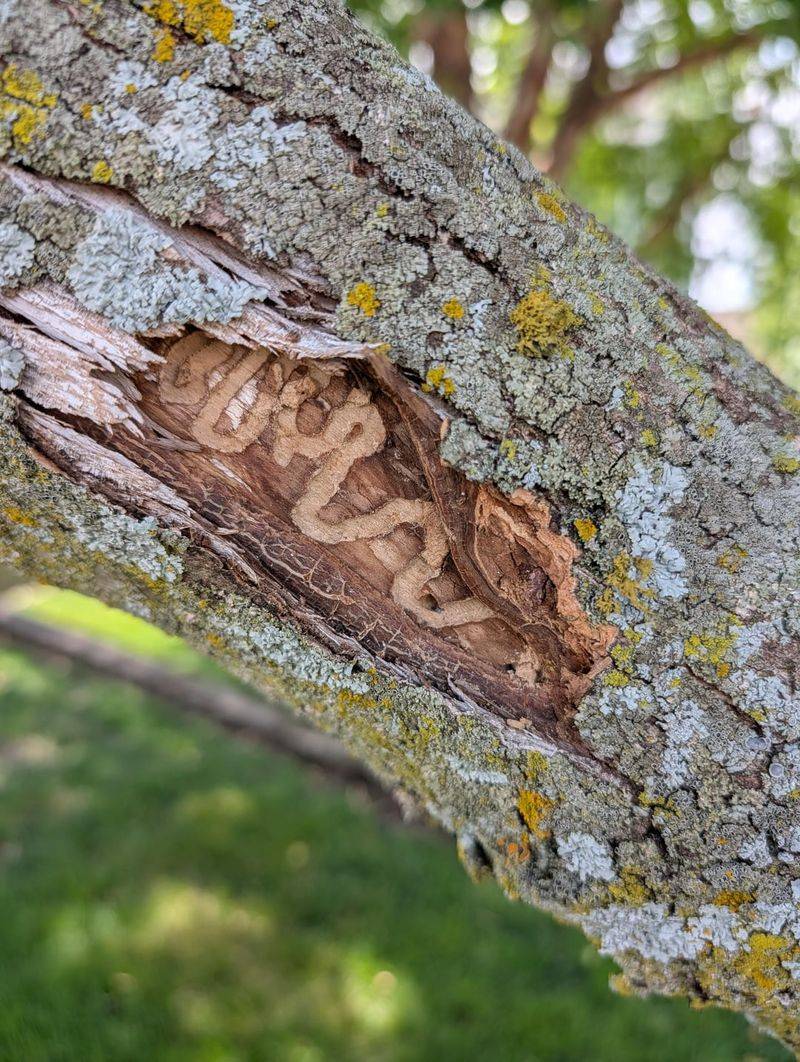
Your ash tree might already be infested without showing obvious signs for a year or two. That delayed reaction is part of what makes this pest so dangerous.
One of the earliest clues is thinning at the top of the tree. The canopy starts losing leaves from the upper branches first, working its way downward over time.
Vertical cracks in the bark are another warning sign. As larvae tunnel underneath, the bark splits from the pressure and stress they create inside the wood.
Look for tiny D-shaped exit holes in the bark. These are left by adult beetles when they chew their way out after completing their larval stage inside the tree.
The holes are about the size of a small fingernail and have a distinctive flat side, which is why scientists call them D-shaped. Round holes usually mean a different insect.
Woodpeckers are actually a helpful indicator. They love feeding on emerald ash borer larvae, so heavy woodpecker activity on your ash tree is worth investigating closely.
You might also notice unusual sprouting from the base of the trunk or from lower branches. Trees sometimes do this as a stress response when their upper canopy is declining.
If you spot two or more of these signs together, contact your local Vermont extension office right away. Early action gives your tree the best shot at surviving.
Smart Firewood Habits That Keep Emerald Ash Borer Away
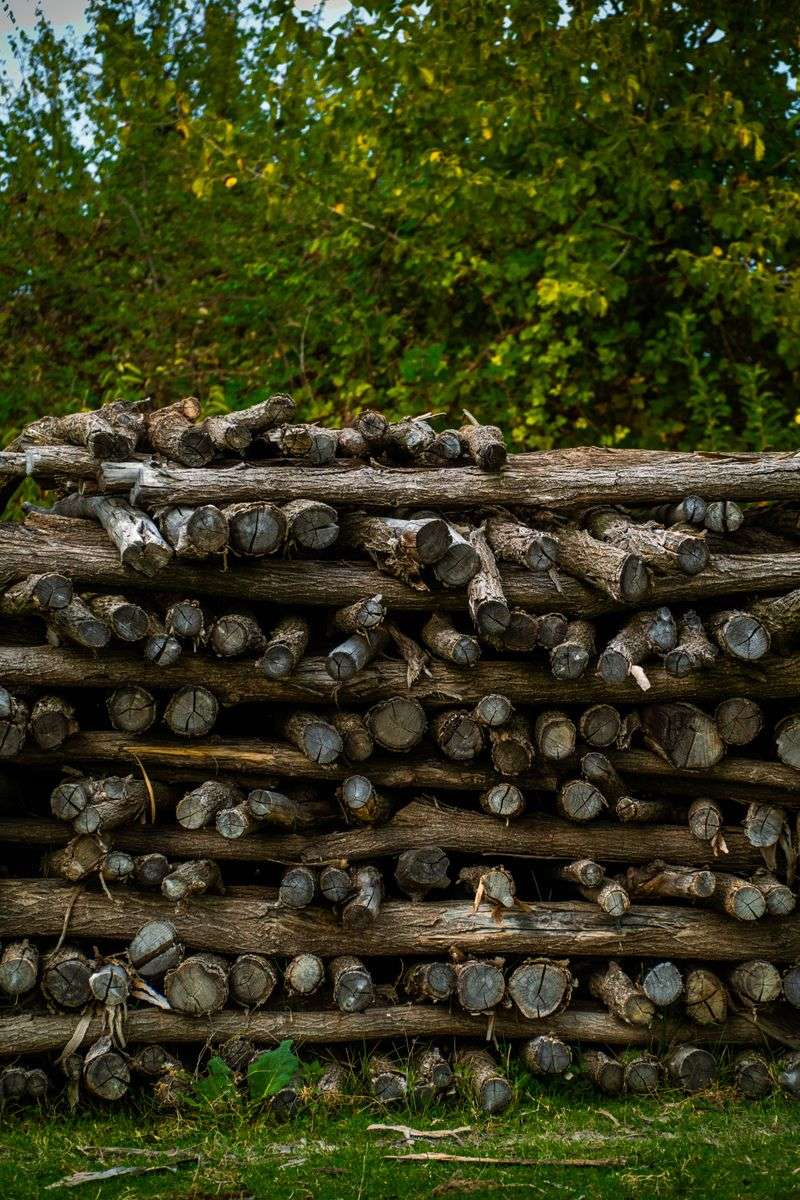
Good news: protecting your trees from this pest does not require expensive equipment or expert training. A few straightforward habit changes go a very long way.
The golden rule is simple. Buy firewood locally and burn it where you buy it, ideally within twenty-five miles of its source, and never more than fifty.
When you camp, buy firewood at the campground store or from a vendor right outside the park entrance. Resist the urge to bring a bundle from home.
If you have leftover firewood after a camping trip, leave it at the site. Do not bring it back home with you, even if it feels wasteful.
For your backyard fire pit, find a local tree service or firewood seller who sources wood from your immediate area. Many communities have local options that are easy to find online.
If you already have ash trees in your yard, talk to a certified arborist about preventive treatments. Systemic insecticides applied to healthy trees can protect them before infestation begins.
Early treatment is far cheaper than removing a fully infested tree later. Removing a single ash tree can be costly, with prices varying widely based on size, location, and accessibility.
Sharing this information with neighbors matters too. One protected yard surrounded by untreated trees is still vulnerable.
Community-wide awareness is what truly stops the spread of the simple mistake that could introduce a harmful pest to Vermont’s backyard trees.