8 Reasons Fire Ant Mounds Keep Multiplying In Your Maryland Yard
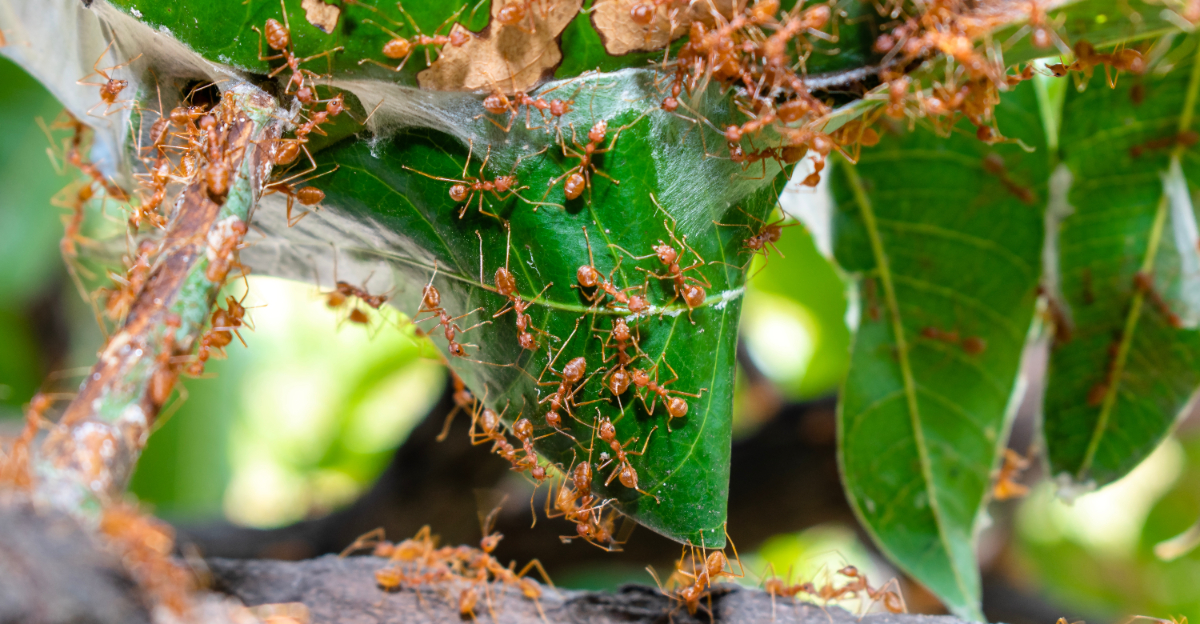
You mowed Saturday. By Monday, three new mounds had pushed through the soil like they owned the place. Fire ants are not wandering into Maryland yards by accident, your lawn checks every box on their list.
What looks like a random infestation is actually a coordinated underground operation, and the mound you see on the surface is the last thing that forms, not the first.
Most homeowners treat what they can see and wonder why nothing changes. The answer is always below the surface, sometimes several feet down, sometimes already three yards over.
Maryland’s shifting climate gives colonies a longer window to establish and relocate before winter ever threatens them. Reacting to what you can see will keep you busy all season, the biology tells a different story.
1. Maryland’s Warming Climate Creates Ideal Nesting Conditions

Warmer winters have changed everything for fire ants in the mid-Atlantic region. What once stopped their spread now barely slows them down.
Maryland has seen average temperatures rise steadily over the past two decades. Milder winters mean fewer colony-ending cold snaps to naturally thin their numbers.
Fire ants thrive when soil temperatures stay above 60 degrees Fahrenheit. Southern Maryland and the Eastern Shore have hit that threshold well into November in many recent years.
Longer warm seasons give colonies more time to grow, reproduce, and establish satellite mounds. A colony that once had three months to expand now gets five or six.
That extra time compounds fast. More warm weeks means more mating flights, more founding queens, and more colonies reaching reproductive maturity before the first frost has any chance to intervene.
The Chesapeake Bay region has become a documented expansion corridor for invasive ant species moving northward. Maryland sits directly in that path, and the pressure is coming from multiple directions at once.
Soil moisture levels also play a huge role in nesting success. When warm temperatures combine with moderate rainfall, fire ants find the perfect underground environment to build tunnels and chambers.
Your yard is not just a yard anymore, it is a climate-controlled habitat that fire ants are actively exploiting. Taking action before peak nesting season begins in late spring gives you the best chance of staying ahead of new mound formation.
2. A Single Queen Can Launch An Entire New Colony

At peak output, a queen fire ant can lay up to 1,500 eggs per day, though average daily production is considerably lower. That number sounds impossible until you see the results spread across your lawn.
A newly mated queen needs only a small patch of warm, loose soil to begin her colony. She buries herself, starts laying eggs, and the first workers emerge within weeks.
Most homeowners never notice this founding stage because the mound is tiny and easy to miss. By the time you spot a visible mound, the colony may already have thousands of workers.
Queens can live for seven years, continuously producing new generations of workers and future queens. A single queen you overlook this spring could anchor a thriving colony through multiple seasons.
Your Maryland Garden Changes Every Week. Your Plan Should Too.
Gardening in Maryland changes quickly throughout the season. Every Friday you’ll receive a simple weekly plan showing exactly what to plant, prune, fertilize, harvest, and protect so you never miss the right timing.
During mating flights, young queens travel impressive distances before landing and starting fresh. Wind, elevation, and surrounding vegetation all influence where a new queen decides to settle.
Your lawn may look clear today and have a new colony tomorrow. That is not an exaggeration, it is the biological reality of how fire ant queens operate.
Eliminating visible mounds without targeting the queen accomplishes almost nothing lasting. Worker ants will simply relocate the queen to a safer spot underground, and the colony rebuilds fast.
Effective control always starts with reaching the queen directly. Surface treatments skip that step entirely, which is why the same mounds keep returning season after season.
3. Multiple-Queen Colonies Multiply Faster Than You Think
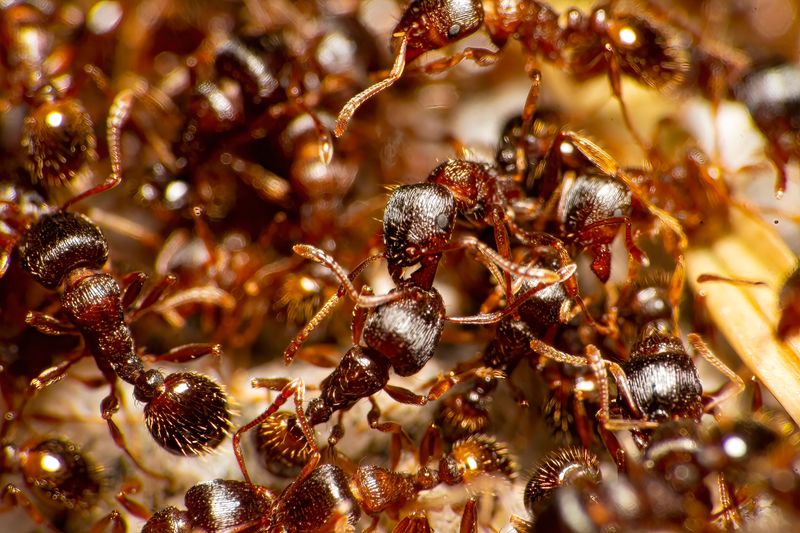
Not every fire ant colony follows the one-queen model that most people assume. Polygyne colonies, those with multiple queens, are spreading fast and behaving very differently.
A polygyne colony can contain dozens of egg-laying queens all working simultaneously. More queens means exponentially more eggs, more workers, and more mounds appearing in a shorter time frame.
These multi-queen colonies also tend to be far less aggressive toward neighboring colonies of the same type. Instead of fighting each other, they cooperate and share territory in ways that allow them to blanket entire yards.
Homeowners dealing with polygyne infestations often describe the experience as mounds appearing overnight. That feeling is not paranoia, it reflects the accelerated reproduction rate these colonies achieve.
Standard treatment approaches designed for single-queen colonies often fall short against polygyne groups. Removing one mound or one queen barely dents a network that has backup queens ready to take over.
Identifying whether you have a polygyne situation requires close observation or professional assessment. The spacing between mounds and the lack of territorial aggression between neighboring colonies are key indicators.
Polygyne fire ant colonies represent a serious escalation in yard management challenges. Once established, they require a property-wide strategy rather than spot treatments, the sooner it begins, the less ground the network gains.
4. Rainfall Sends Colonies Searching For New Ground
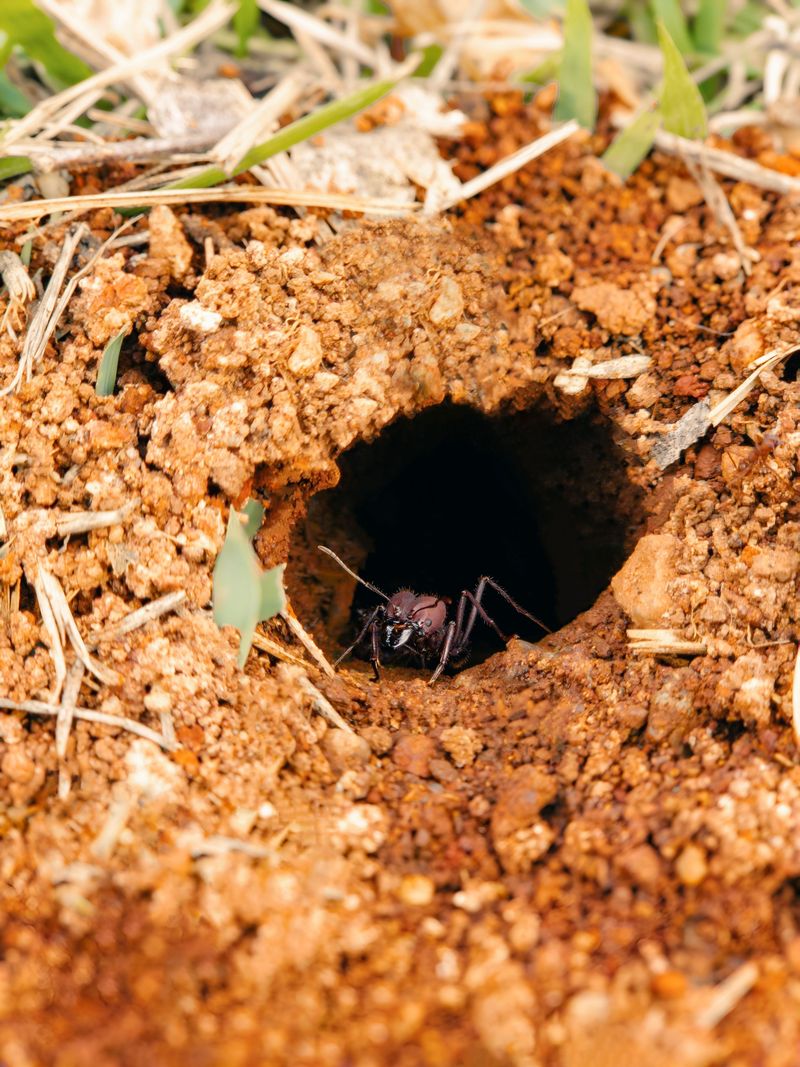
Heavy rain does not wash fire ants away, it relocates them. When floodwaters or saturated soil threaten a colony, ants respond with remarkable speed and coordination.
Worker ants form living rafts by linking their bodies together, keeping the queen and larvae afloat. These rafts can survive for days before finding dry land and reestablishing the colony.
Even without standing water, saturated soil triggers a colony-wide alarm signal. Ants interpret waterlogged ground as an existential threat and begin scouting for elevated, drier locations immediately.
Your raised garden beds, lawn edges, and sunny slopes become prime real estate after a storm. Fire ants target these spots because they drain quickly and warm up fast after rainfall.
Maryland’s spring and fall rain patterns create repeated displacement events throughout the year. Each heavy storm is essentially a resettlement opportunity for colonies looking for better ground.
That pattern repeats multiple times a year in Maryland. Each event is another chance for a displaced colony to claim a better spot in your yard.
Post-storm inspections of your yard are one of the most practical habits a homeowner can develop. Catching new mound activity within 48 hours of a major rain event gives you a narrow window for early intervention.
Waiting until mounds are large and well-established reduces your success rate significantly. Freshly displaced colonies are smaller, more vulnerable, and easier to address before they dig in deep.
5. Underground Tunnels Hide How Far Colonies Have Already Spread
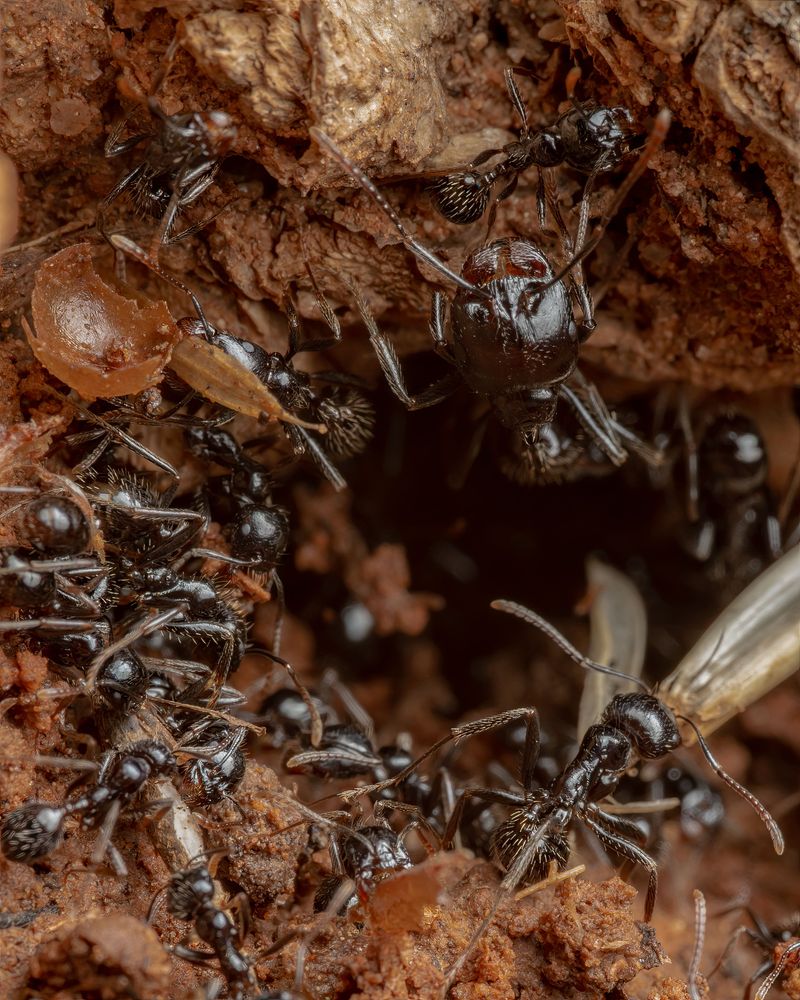
What you see above ground is a fraction of what is actually there. Fire ant tunnel systems can extend several feet below the surface and spread across a radius that reaches far beyond the visible mound.
These underground highways allow ants to move between mounds without ever surfacing. Homeowners who treat individual mounds are often attacking outposts while the main colony remains untouched below.
Tunnel networks also allow colonies to survive temperature extremes. During Maryland’s cold snaps, ants simply descend deeper underground where soil temperatures stay stable and survivable.
The same tunnels that protect colonies in winter become expansion routes in summer. Workers use established passages to scout new nesting areas without exposing themselves to predators or treatments.
Soil type significantly influences how far tunnels spread. Sandy, loamy soils common in parts of central and southern Maryland allow ants to excavate faster and farther than clay-heavy ground.
Detecting the full extent of a tunnel network without professional equipment is nearly impossible for the average homeowner. You might treat what looks like three separate mounds without realizing they are all connected chambers of one giant colony.
Fire ant mounds are surface indicators of a much larger hidden system. Targeting the network beneath them, not just the visible bumps, is what separates temporary relief from lasting results.
6. Treating One Mound Does Not Stop The Network Below

Pouring a treatment on one mound feels satisfying, but it rarely solves the actual problem. The colony simply retreats through tunnels and resurfaces somewhere else within days.
Most retail fire ant products only reach what is already above ground. They rarely penetrate deep enough to reach the queen or the core chambers where reproduction happens.
When a mound is disturbed, guard ants release alarm pheromones that signal the colony to evacuate. The queen is moved first, deep into the tunnel system, well before the treatment reaches her.
This evacuation behavior is one of the main reasons homeowners feel like fire ants keep coming back. Technically, they never fully left, they just relocated underground and waited.
Baits work differently because worker ants carry the active ingredient back to the colony themselves. This slow-acting approach reaches deep into the network and eventually affects the queen directly.
Combining baits with mound treatments increases effectiveness, but timing and product selection matter enormously. Using the wrong product at the wrong time of year can scatter a colony rather than eliminate it.
Professional pest management companies design treatments around the full underground network, not just what is visible on the surface. A property-wide strategy is what finally breaks the cycle.
7. Neighboring Properties Keep Reintroducing Fire Ants
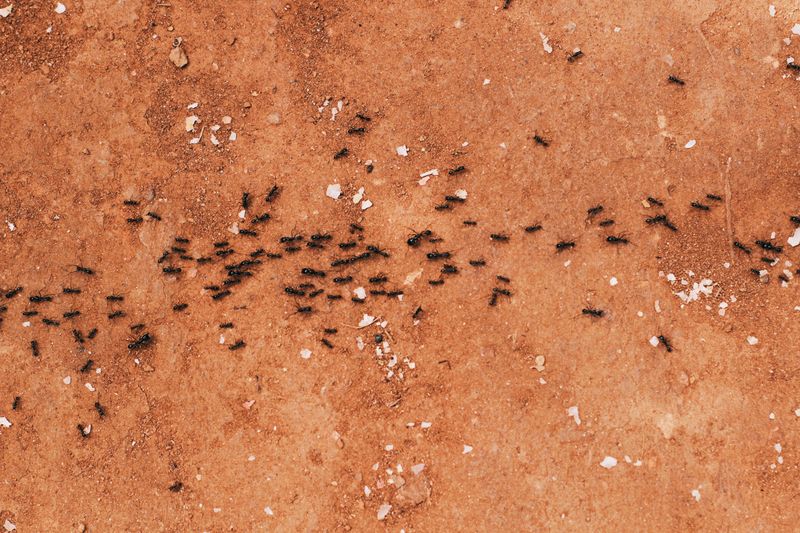
Your yard does not exist in isolation. Fire ant colonies spread across property lines constantly, and a neighbor’s untreated infestation is your next infestation waiting to happen.
Mated queens disperse during warm months and can travel surprising distances before choosing a nesting site. A queen that launches from your neighbor’s yard may land squarely in the middle of yours.
Polygyne colonies are especially prone to budding, a process where a group of workers and queens simply walks to an adjacent area and starts fresh. The whole operation happens underground, without anyone noticing.
Shared fence lines, garden beds that touch adjacent properties, and open lawn edges all serve as natural migration corridors. Fire ants follow these low-resistance paths with impressive efficiency.
Community-level management is the most effective long-term solution for neighborhoods dealing with widespread infestations. When multiple homeowners treat simultaneously, the reintroduction cycle breaks down significantly.
Talking to neighbors about a shared pest problem can feel awkward, but it is one of the most impactful steps you can take. Coordinated treatment across several properties removes the constant source of new colonies entering your space.
Even if every other homeowner on your street does nothing, knowing that reintroduction is inevitable helps you plan smarter. Regular perimeter treatments reduce how quickly neighboring colonies can gain a foothold.
Scheduling seasonal inspections on top of that closes the gap further. The fire ant mound cycle restarts fast, and cutting off its entry points is how you slow it down significantly.
8. Open Lawns Are Exactly What Fire Ants Look For

Fire ants are sun-seekers. Open, sunny turf is their preferred habitat, and a well-maintained grass lawn often gives them precisely the conditions they need to thrive.
Mounds built in sunny spots warm up faster, which accelerates egg development and colony growth. Fire ants actively choose locations that maximize solar exposure for their nest chambers.
Short, closely mowed grass provides minimal shade and allows sunlight to penetrate directly to the soil surface. Ironically, a picture-perfect lawn is often the most attractive environment for fire ant mound formation.
Areas near driveways, sidewalks, and south-facing slopes absorb and retain heat especially well. These spots are consistently among the first places new fire ant mounds appear in residential yards.
Landscaping choices can influence fire ant pressure over time. Diverse plantings, mulched beds, and areas of ground cover create shadier, less hospitable conditions that fire ants tend to avoid.
Maintaining some structural diversity in your yard does not mean sacrificing curb appeal. Strategic placement of shrubs, ornamental grasses, and garden borders can reduce the amount of open sunny turf available for mound establishment.
Fire ants are highly selective about where they nest. Disrupting the open, sun-drenched conditions they prefer gives you a real advantage before the first mound ever forms.
Combined with consistent treatment and professional support, smart landscaping is one of the most underrated tools in this fight. A yard that works against fire ants at the structural level is a yard that stays manageable season after season.