10 Perennials That Triple in Size in One Season and Fill Virginia Beds Fast
One small nursery pot can send flowering stems sprawling nearly three feet across before the first autumn frost arrives. That kind of speed sounds like a tall tale, yet several growers report it in ordinary Virginia gardens.
Tripling is a big claim, and not every perennial reaches it in one summer from a small start. Still, some fast growers come close by spreading underground runners or shooting stems far above their nursery size.
In my own yard, I have watched bare mulch vanish under leaves within a few humid weeks of June. You might notice the same magic when warm soil and steady rain finally team up in your beds.
Truth be told, empty patches across the beds bother me more than weeds, so I hunt for quick fillers. Which of these eager growers would you trust to cover that bare corner by next summer?
1. Rozanne Hardy Geranium
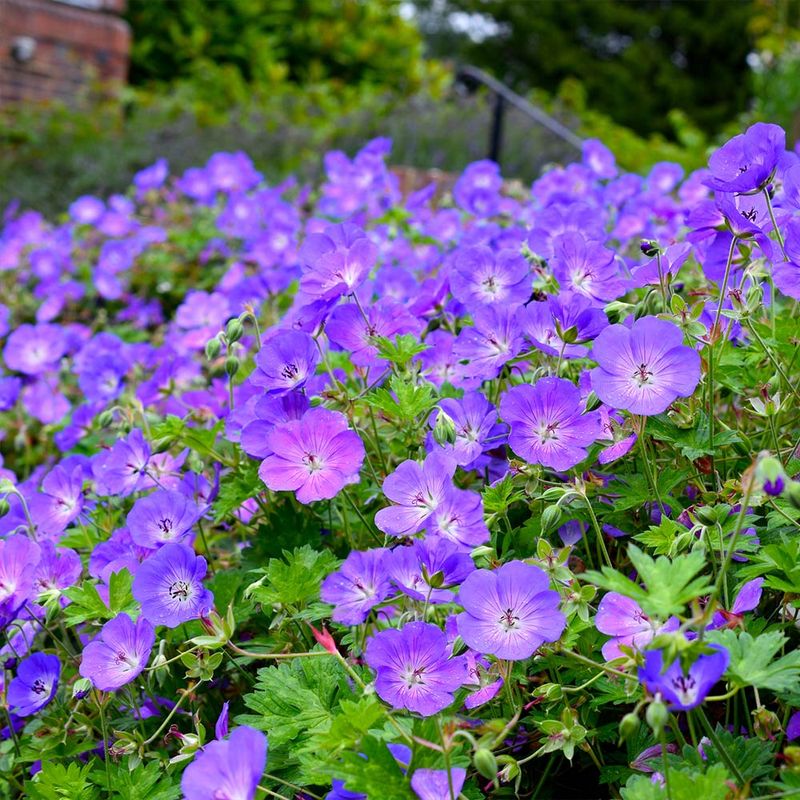
Few plants scramble across a bed like this violet-blue charmer, which can stretch two to three feet in one season. Its saucer-shaped blooms carry bright white eyes, and bees seem to find them before I finish my coffee.
Proven Winners and other growers list it for Zones 5 through 8, which covers most of the state comfortably. Plant it in full sun or partial shade, and give hot afternoon spots a little extra water.
Moderately fertile soil that drains well suits it best, though established clumps handle short dry spells without much fuss. I mix a shovel of compost into each planting hole and skip heavy fertilizer after that.
Flowering often starts in late spring and keeps going until a hard frost finally shuts the show down. That long run makes it one of the hardest-working fillers I have tucked between slower shrubs.
By midsummer, the stems can look floppy and open in the center, especially after heavy storms roll through. A gentle shearing back by about half usually sparks fresh leaves and another wave of flowers within weeks.
Unlike many geraniums, this hybrid rarely sets viable seed, so you will not find surprise babies across the Virginia yard. Its spread stays near the original crown, which makes trimming the edges simple when neighbors get crowded.
Deer tend to pass it by, and the lobed leaves often blush red as autumn nights cool down. Give each plant about two feet of elbow room at planting, and watch that gap disappear by August.
2. Empress Wu Hosta
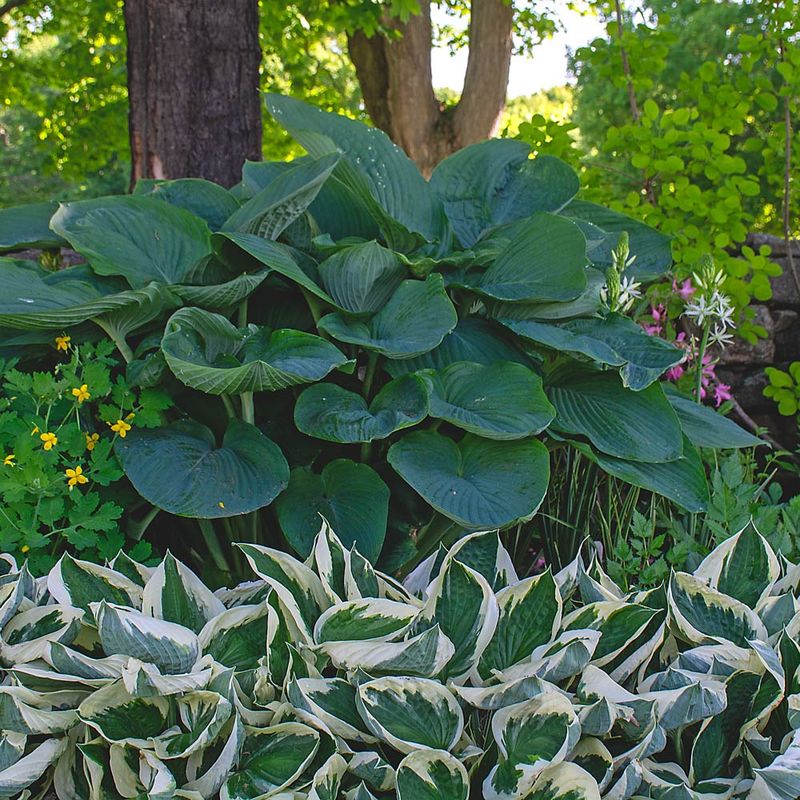
Leaves the size of serving platters make this giant hosta look like it wandered out of a rainforest film set. Single leaves can stretch past eighteen inches, so one plant shades out weeds better than any mulch I own.
Honesty matters here, because reaching the full five or six foot spread usually takes around five years. Still, young plants often bulk up fast once roots settle, gaining noticeable size from one spring to the next.
Hardy in Zones 3 through 9, it handles winters in the mountains and summers near the coast quite well. Bright shade or full shade keeps those huge leaves from scorching during long, sticky July afternoons.
Moist, rich soil with plenty of organic matter is the secret behind those record-setting leaves. I water deeply once a week during dry stretches and spread shredded leaves around the base each fall.
Pale lavender flowers rise on tall stalks in early summer, and hummingbirds sometimes stop by to sip from them. The blooms are pleasant, yet most gardeners grow this beauty for its dramatic foliage rather than its flowers.
Slugs and deer love hostas, so you need a plan before planting such a pricey treat in the open. Thick, leathery leaves resist slugs better than thin varieties, but deer may still need a fence or repellent spray.
Give it a spot where it can stretch without crowding paths, since mature clumps get wonderfully wide. Fill the empty space around young plants with ferns for a few years, then move them as the giant expands.
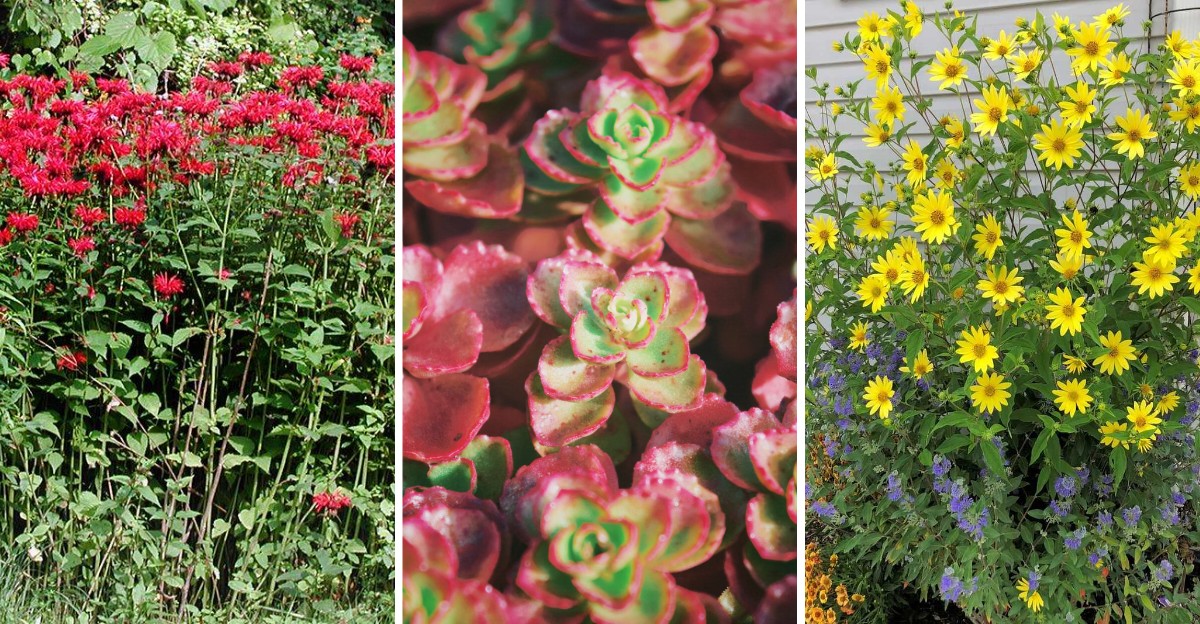
3. Scarlet Bee Balm
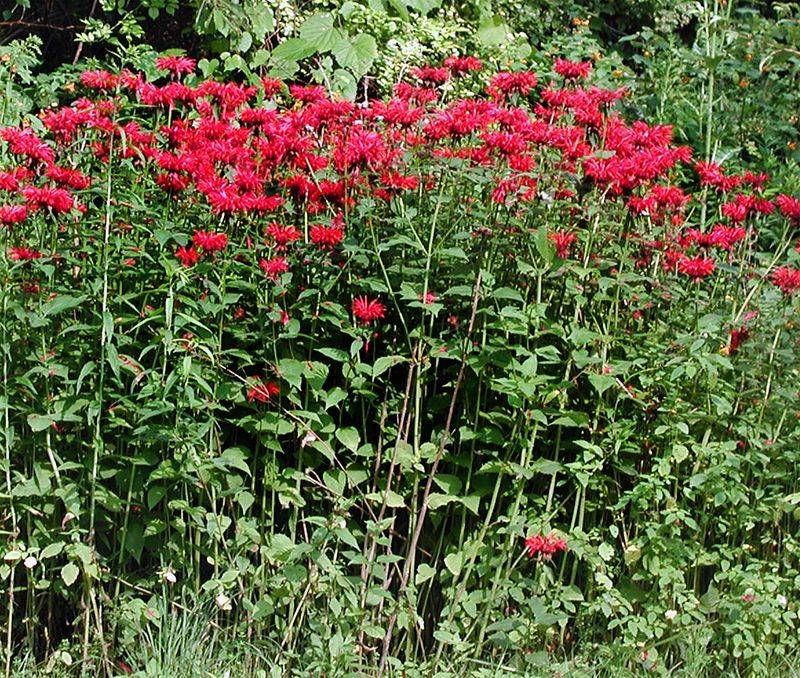
Brush your hand across a patch of bee balm and the air suddenly smells like a cup of Earl Grey tea. Funny thing is, the plant is not related to tea at all, though it shares a similar citrusy scent.
Monarda didyma grows native in the eastern United States, including mountain areas of the Old Dominion. Underground rhizomes push outward each year, so a single clump can widen fast once it feels at home.
Tripling in one season is possible in rich, moist soil, though results vary from yard to yard. Most gardeners notice the patch spreading wider every spring, filling gaps that once sat empty after the tulips faded.
Scarlet blooms in midsummer look like shaggy little party hats, and ruby-throated hummingbirds visit them constantly through July. Bees and butterflies crowd in too, turning one sunny corner into the busiest spot in the garden.
Powdery mildew is the main headache, especially when humid summer nights settle in and air stops moving. Thin out crowded stems in spring and water at soil level to keep those leaves greener for longer.
Full sun to partial shade works, but plants in deep shade grow lanky and flower less. Rich soil that stays evenly moist suits this plant best, since long dry spells stress it and invite mildew.
If the patch grows bolder than you planned, dig up the outer edges every few years in early spring. Share those divisions with friends, because I have yet to meet a gardener who refused free hummingbird food.
4. Dragon’s Blood Sedum
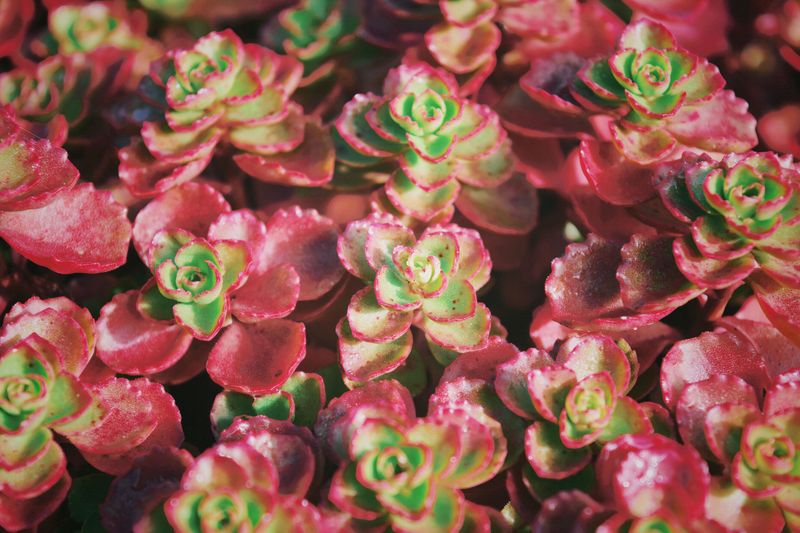
Deep red leaves that look painted onto the ground give this tough little stonecrop its dramatic, storybook name. One small plug can creep twelve to eighteen inches in a single growing season, rooting wherever its stems touch soil.
Sedum spurium hails from the Caucasus region, and growers rate this selection for Zones 3 through 8. It handles cold mountain winters easily, though steamy coastal summers can cause some rot in heavy, soggy ground.
Sharp drainage is the real secret, so gritty or sandy soil works far better than thick clay. I mix gravel into planting spots on slopes, and the mats knit together faster than I expected.
Full sun brings out the richest burgundy color, while shaded plants often stay greener and grow looser. Clusters of starry pinkish red flowers appear in summer, and small bees happily work them on warm afternoons.
Once established, the plant shrugs off drought and needs little help beyond pulling an occasional weed. That makes it a fantastic choice for hot strips along driveways where thirstier perennials tend to struggle.
Being a non-native groundcover, it deserves a little supervision near woodland edges or natural areas. Keep the mats inside garden borders, and pull stray pieces before they wander somewhere you did not plan.
Pieces that snap off can root easily, so sharing starts with neighbors costs nothing but a minute. Just tuck broken stems into moist gritty soil, and new rosettes usually appear within a few weeks.
5. Common Yarrow
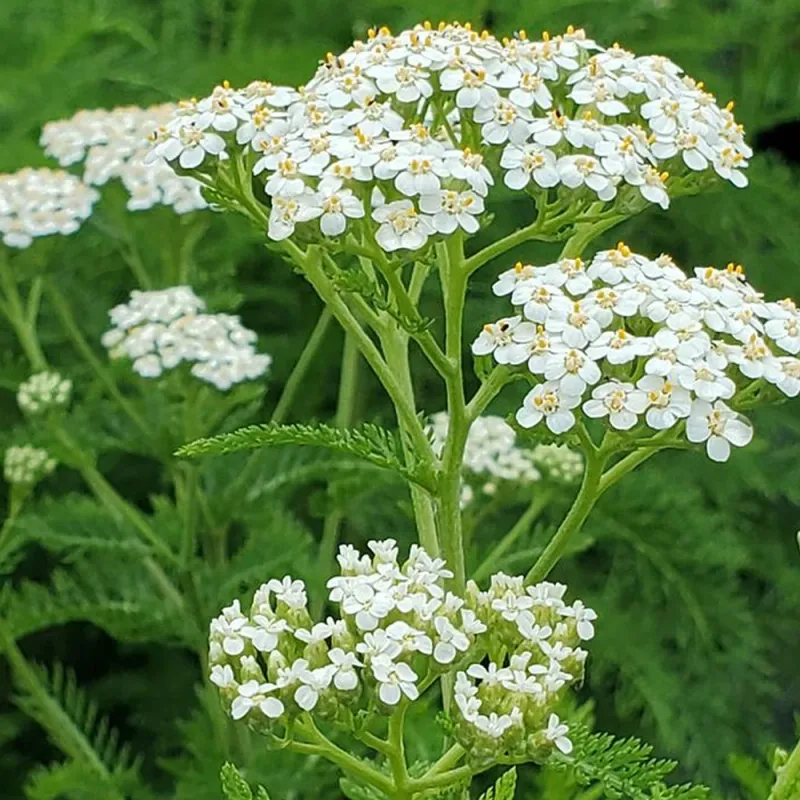
Feathery leaves that look like soft green ferns hide a seriously tough spirit inside common yarrow. Its creeping rhizomes can turn a few small plants into a solid patch surprisingly quickly in sunny, lean ground.
Achillea millefolium grows across much of North America, with native forms mixed alongside introduced European types. Hardy in Zones 3 through 9, it fits comfortably into nearly any sunny bed across the region.
Poor, well-drained soil suits this plant better than rich garden loam, which often makes stems flop. I learned that lesson after feeding mine generously, then watching the whole patch lean over after a summer storm.
Flat clusters of tiny flowers appear from late spring into summer in white, pink, yellow, or red shades. Butterflies and small native bees land on those wide landing pads, and the blooms dry nicely for crafts.
Wet feet are its weakness, so skip low spots where rainwater collects for days after a storm. Six or more hours of direct sun keeps stems sturdy and flowers coming in steady waves through summer.
Snipping faded clusters encourages more blooms, and cutting stems back after the first flush tidies the plant. Rabbits and deer usually ignore the strong-smelling foliage, which feels like a small win in my yard.
Because it travels by rhizomes, edge the patch with a shovel each spring if neighbors start feeling crowded. Extra clumps transplant easily, and they make thoughtful gifts for friends planting their first pollinator garden.
6. Goldsturm Black Eyed Susan
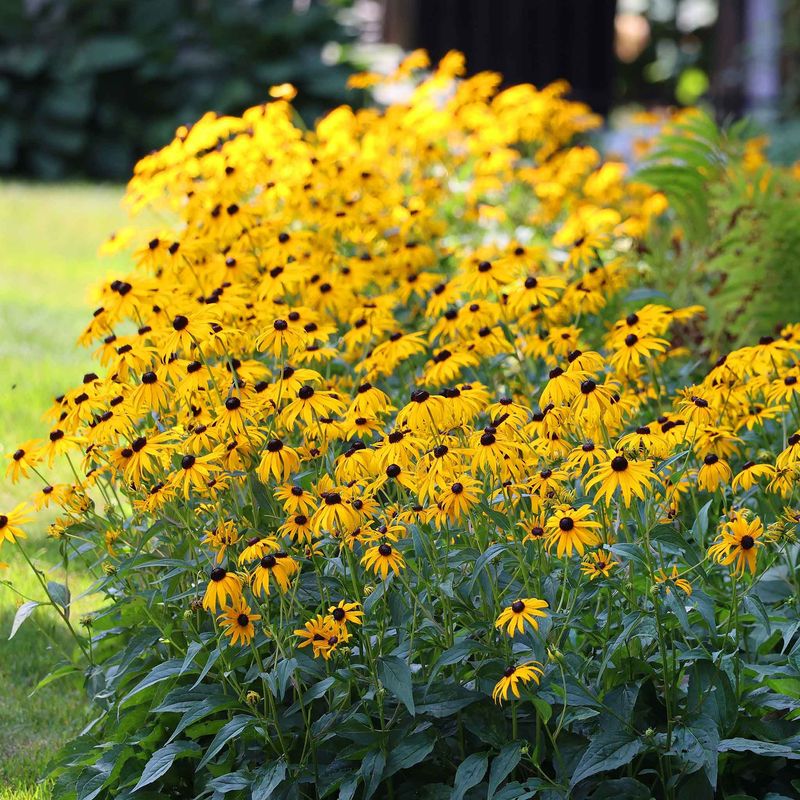
Golden petals around chocolate-brown centers make this black-eyed Susan look like a summer sunrise sitting on a stem. Goldsturm has been a garden favorite for decades, and it earned the Perennial Plant of the Year title in 1999.
Rudbeckia fulgida is native to the eastern United States, and this selection handles Zones 3 through 9 with ease. Clumps widen by short rhizomes, and a one-gallon start often reaches two feet across fairly quickly.
Full sun produces the heaviest flower show, though a little afternoon shade keeps blooms fresher in hot spells. Average soil that drains well works nicely, and established plants tolerate dry weeks better than many perennials.
Blooms open in midsummer and keep coming into early fall, carrying the garden through the hottest stretch of the year. Bees and butterflies visit steadily, and goldfinches pick at the seed heads once the petals drop.
Leave those dark cones standing through winter if you can, because birds appreciate the snack. Some seeds will sprout around the parent plant in spring, giving you free plants to move into bare spots.
Leaf spot can appear during humid summers, especially when plants are crowded together without enough airflow. Dividing the clumps every three or four years in spring keeps them vigorous and gives you extra plants to share.
If you ask me, few perennials offer this much color for such a small amount of effort. Pair them with purple coneflowers or ornamental grasses, and that border suddenly looks planned by a professional designer.
7. New England Aster
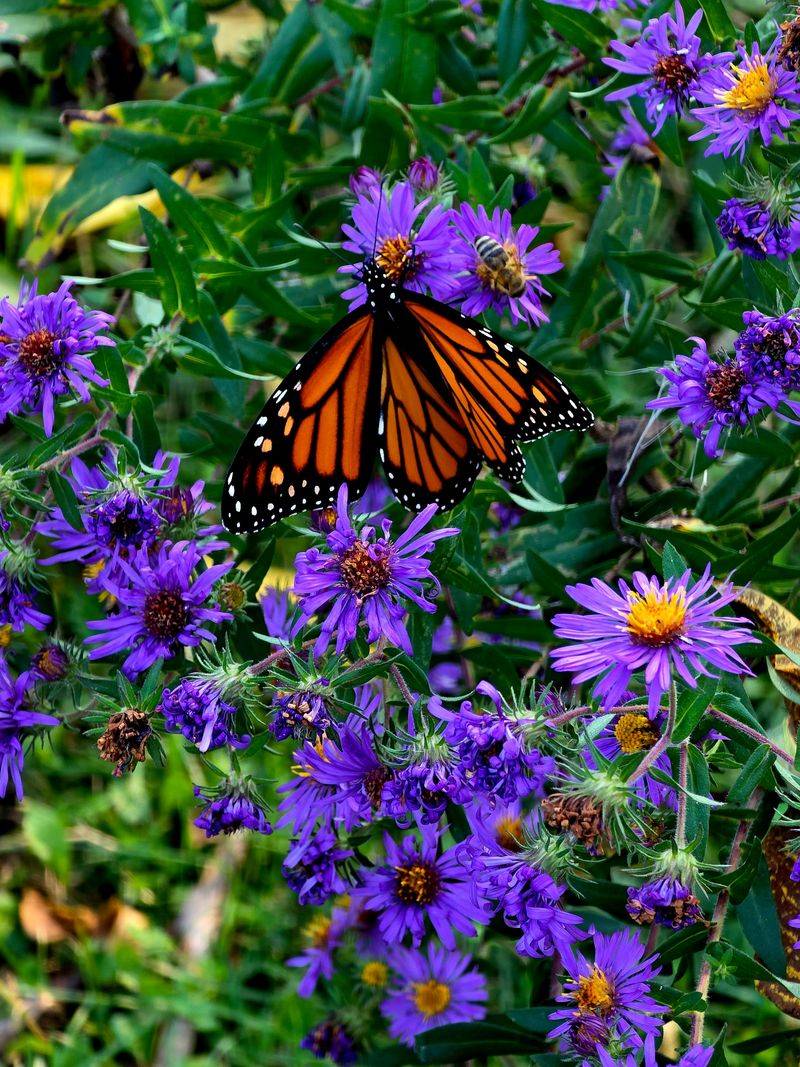
Migrating monarch butterflies often refuel on these purple daisies in fall, and watching them land still thrills me each year. A small spring transplant can shoot up three to six feet tall by September in good conditions.
Symphyotrichum novae-angliae is native to much of eastern North America and grows well in Zones 4 through 8. It was once called Aster novae-angliae, so older plant tags and books may still use that name.
Full sun keeps the stems strong and the flower count high, while shady plants stretch and flop. Moist, fertile soil helps it bulk up fastest, though average garden soil still produces a respectable show.
Pinching the stems back by about a third before early July creates bushier plants that need less staking. I learned that trick after tall plants toppled across my path during a windy September afternoon.
Lower leaves often turn brown and drop by late summer, which is normal but not very pretty. Planting shorter perennials in front hides those bare ankles and keeps the border looking full and tidy.
Flowers range from deep purple to pink, each with a sunny yellow center that bees find irresistible. Late blooms provide valuable nectar when most other flowers have faded, helping pollinators prepare for colder weather.
Clumps widen each year and may self-seed, so pull extra seedlings in spring if they pop up in odd places. Divide crowded plants every few years to keep them healthy and blooming generously.
8. Lemon Queen Perennial Sunflower
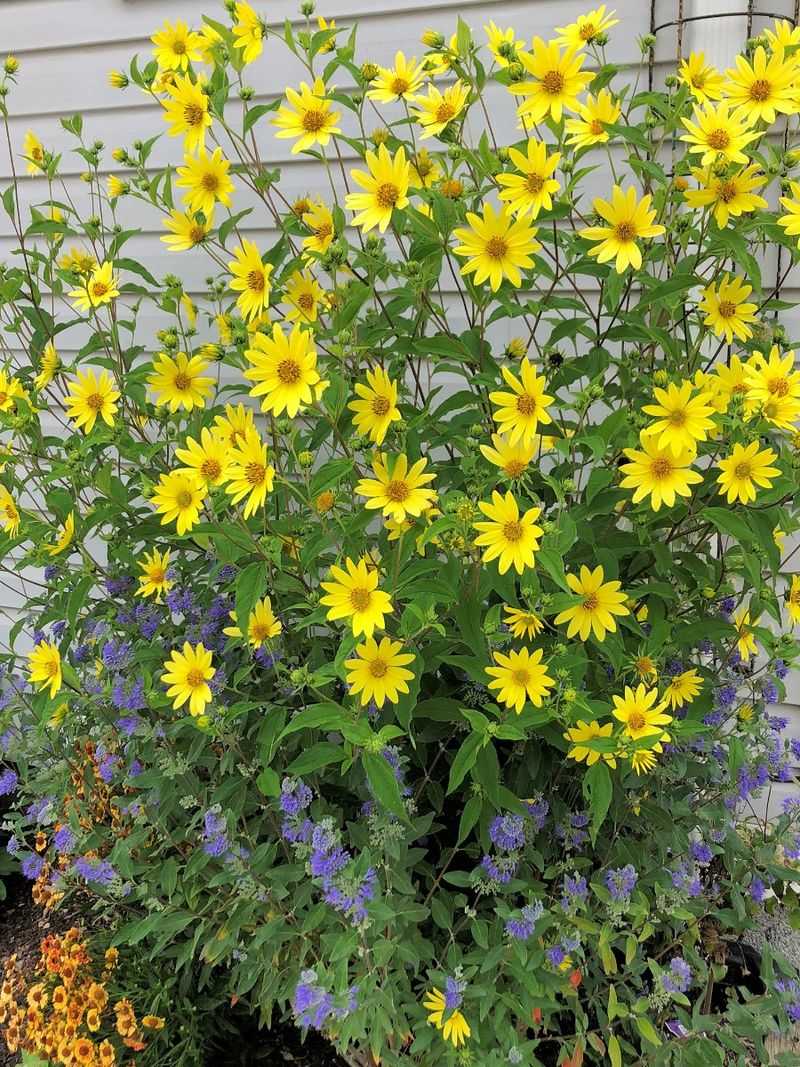
Standing beside a full-grown Lemon Queen in late summer feels like visiting a friend who suddenly grew taller than you. Plants often reach five to seven feet, covered in soft butter-yellow blooms with golden centers.
Helianthus Lemon Queen is a perennial sunflower hybrid, and growers list it for roughly Zones 4 through 9. It thrives in hot, humid summers, which makes it a natural fit for sunny southern gardens.
Full sun is non-negotiable, since shaded plants lean dramatically and produce far fewer flowers. Average soil with decent drainage works fine, and mature clumps handle short droughts better than you might expect.
Clumps spread outward each year, and a young plant can grow three or four feet wide fairly quickly. Give it plenty of space at the back of a border where its height becomes an advantage instead of a problem.
Pollinators adore those pale flowers, and I often count several bumblebees per bloom on warm September mornings. Goldfinches visit later for the seeds, so leaving a few heads standing keeps the birds happy.
Cutting stems back by half in early June produces shorter, sturdier plants that bloom a little later. That simple chop has saved me from staking tall stems after every summer thunderstorm.
Powdery mildew can show up on lower leaves, though it rarely affects the flowering much. Divide clumps every few years in spring if they creep too far, and share the extras with sunflower fans nearby.
9. Othello Ligularia
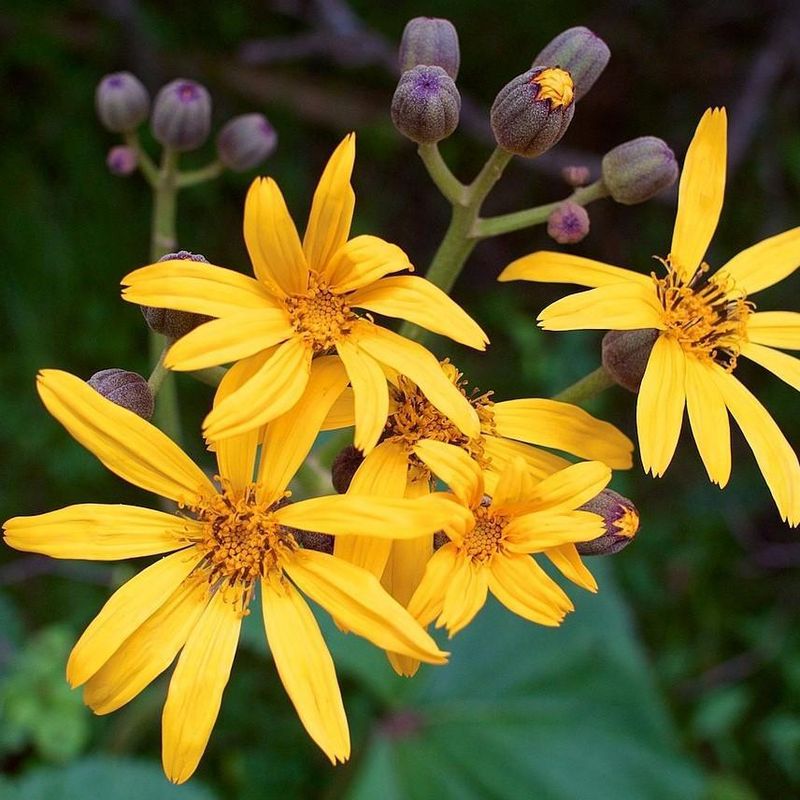
Dark chocolate leaves as big as dinner plates give Othello a moody look that brightens when orange flowers appear. Few shade plants make such a bold impression so quickly, often reaching three feet across within one season.
Ligularia dentata comes from China and Japan, and Othello is rated for Zones 4 through 8. That range covers the state, but the plant clearly prefers cooler mountain areas over the steamy southeastern lowlands.
Moisture is everything for this plant, since leaves wilt dramatically on hot afternoons when soil dries out. I keep mine near a downspout, and the extra water makes a huge difference during July heat waves.
Partial to full shade works best, especially spots with gentle morning sun and protection from harsh afternoon glare. Rich, organic soil holds moisture longer and keeps those big leaves looking glossy instead of tattered.
Bright orange daisy-like flowers rise on tall stalks in late summer, glowing against the purple foliage. Butterflies sometimes visit, and the color contrast is honestly one of my favorite sights in a shady garden.
Slugs love the tender leaves, so check under the foliage on damp evenings and remove any visitors you find. Copper tape or iron phosphate bait can help protect the plant without harming birds or pets.
Wilting in afternoon heat does not mean trouble every time, as leaves often perk up by evening. If plants still droop at sunrise, give them a deep soak and add mulch to hold moisture.
10. Palace Purple Coral Bells
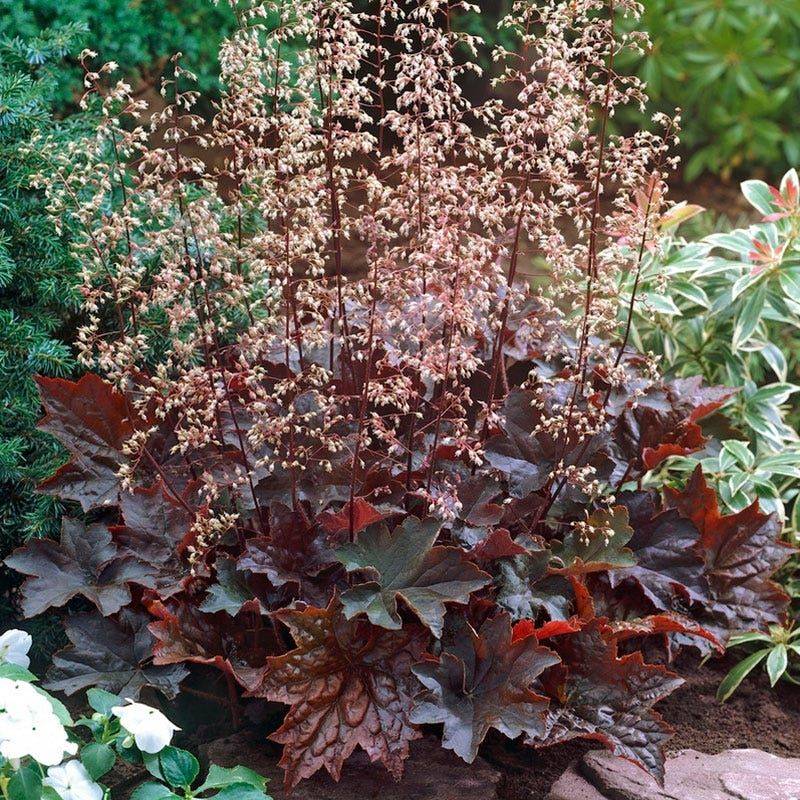
Maple-shaped leaves in deep bronze and purple make Palace Purple look like a jewelry box tucked into the shade. It won the Perennial Plant of the Year award in 1991, and gardeners still praise its easy nature.
Heuchera villosa is native to the southern Appalachians, so it feels right at home in many local gardens. Most sources list it for Zones 4 through 9, and it handles summer heat better than many coral bells.
Mounds usually reach about a foot tall and spread up to twenty inches wide, filling gaps between hostas and ferns. Fresh leaves push out quickly each spring, replacing tired winter foliage within just a few weeks.
Afternoon shade protects the leaves from scorching, especially in hot southern summers where full sun can be harsh. Morning light brings out the richest color, while deep shade slows growth but still keeps the plant healthy.
Well-drained soil is essential, since soggy ground can rot the crowns during wet winters. I tuck mine near the front of raised beds where water drains away quickly after heavy rain.
Tiny white flowers float above the leaves on slender stems in early summer, attracting small bees and the occasional hummingbird. Some gardeners snip them off to focus on foliage, but I enjoy their airy look.
Over time, crowns can rise above the soil and look woody, especially after frost heaving in winter. Replant those crowns deeper every few years in spring, and they will bounce back with fresh, colorful growth.