8 Reasons Sumac Shrubs Across Minnesota Are Turning Red Weeks Early

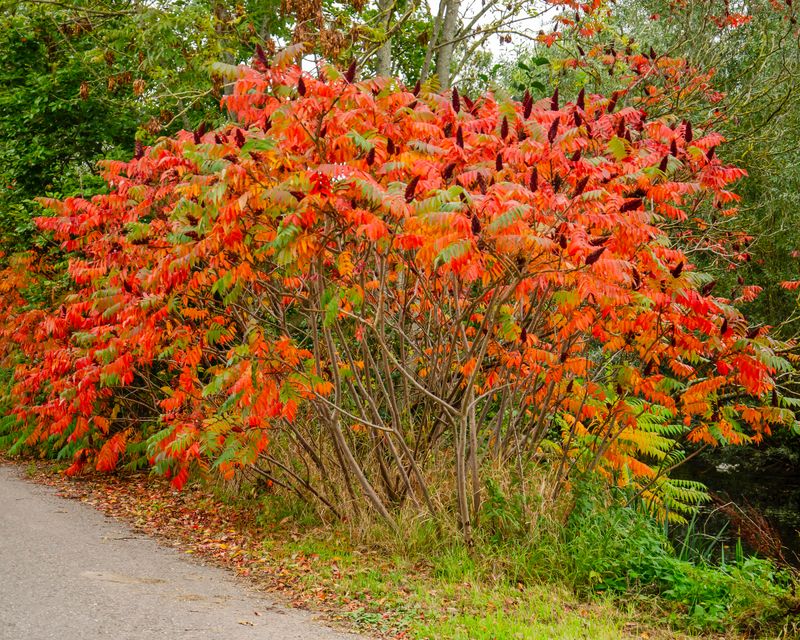
Blaze appears along Minnesota ditches weeks before autumn’s arrival. You notice it first from the highway, red flashing past green. Maples stay calm while sumac shifts without any notice.
Something quiet is happening beneath those leaves, and you deserve the explanation. Weather plays a role, but it isn’t the whole story. Soil chemistry shapes timing more than casual drivers realize.
Pressure triggers pigment shifts long before chlorophyll actually fades. Minnesota’s shifting rainfall patterns are rewriting the calendar this season. Neighbors are already comparing photos and swapping theories nearby.
Farmers notice patterns tourists miss entirely, and their instincts matter here. Each red leaf carries a signal about heat, drought, or strain. Understanding that signal turns confusion into confidence during your next drive.
Questions multiply the longer you stare at those fence lines. Answers exist, connecting soil, sun, and a shrub’s own wiring. That transformation holds clues you cannot ignore right now.
1. Drought Stress Is Speeding Up The Color Clock

Ask any Minnesota gardener about this summer’s rainfall, and many will point to the dry stretches. Long stretches of dry weather have left roadside soil crumbly and pale.
Sumac grows in some of the toughest ground around, including gravel shoulders and sandy banks. Those spots hold very little moisture, so when rain skips a few weeks, the plant feels it first.
When water gets scarce, a sumac protects itself by shutting down leaf activity earlier than usual. The green pigment fades, and the red pigments that were hiding underneath finally get their moment.
Think of it as the plant reducing activity early rather than continuing through a stressful stretch. Energy goes into roots and stems instead of thirsty leaves.
You can spot drought-driven color by looking at the leaf edges. Crispy brown tips mixed with red usually point to a moisture problem rather than a normal seasonal shift.
Plants growing near downspouts, low ditches, or shaded slopes often stay green weeks longer. That side-by-side difference on the same road is a handy clue.
If you have sumac in a home landscape, a deep soaking once every ten days during dry spells helps a lot. Water slowly at the base so it soaks in instead of running off.
A two-inch layer of wood chips keeps the root zone cooler and holds moisture between rains. Skip the fertilizer, since feeding a thirsty plant only adds stress. Early red from drought is not a disaster. It is a sensible survival move.
2. Cool Overnight Temperatures Arrived Ahead Of Schedule
There is a certain morning in late August when you step outside and reach for a flannel. Minnesota got several of those mornings this year, and the plants noticed too.
Cool nights slow the movement of sugars out of leaves. Those trapped sugars help build anthocyanin, the pigment responsible for that fire-engine red.
Warm days paired with chilly nights create the perfect recipe for bold color. When that pattern shows up in the last week of August instead of the third week of September, the color simply arrives sooner.
Your Minnesota Garden Changes Every Week. Your Plan Should Too.
Gardening in Minnesota changes quickly throughout the season. Every Friday you’ll receive a simple weekly plan showing exactly what to plant, prune, fertilize, harvest, and protect so you never miss the right timing.
Sumac reacts faster than oaks or maples because its leaves are thin and lightweight. Less tissue means quicker chemical changes.
Northern counties usually flip first, but this year even southern stands joined in. Cold air pools in low valleys and river bottoms, so those spots often show the earliest blush.
Here is a fun bit of trivia. Cool nights also influence sugar levels in apples and carrots, which is one reason September produce often tastes sweeter.
If you enjoy photography, plan your outings for the two hours after sunrise. Backlit sumac leaves appear especially vivid when the sun is low and the air is still cool.
Gardeners should not panic about a chilly stretch. Cool nights do not harm established shrubs, and the roots keep working underground long after leaves drop.
Consider the early color a preview rather than a problem. Nature moved the opening night up a few weeks.
3. Shallow Roots Meet Compacted Roadside Soil
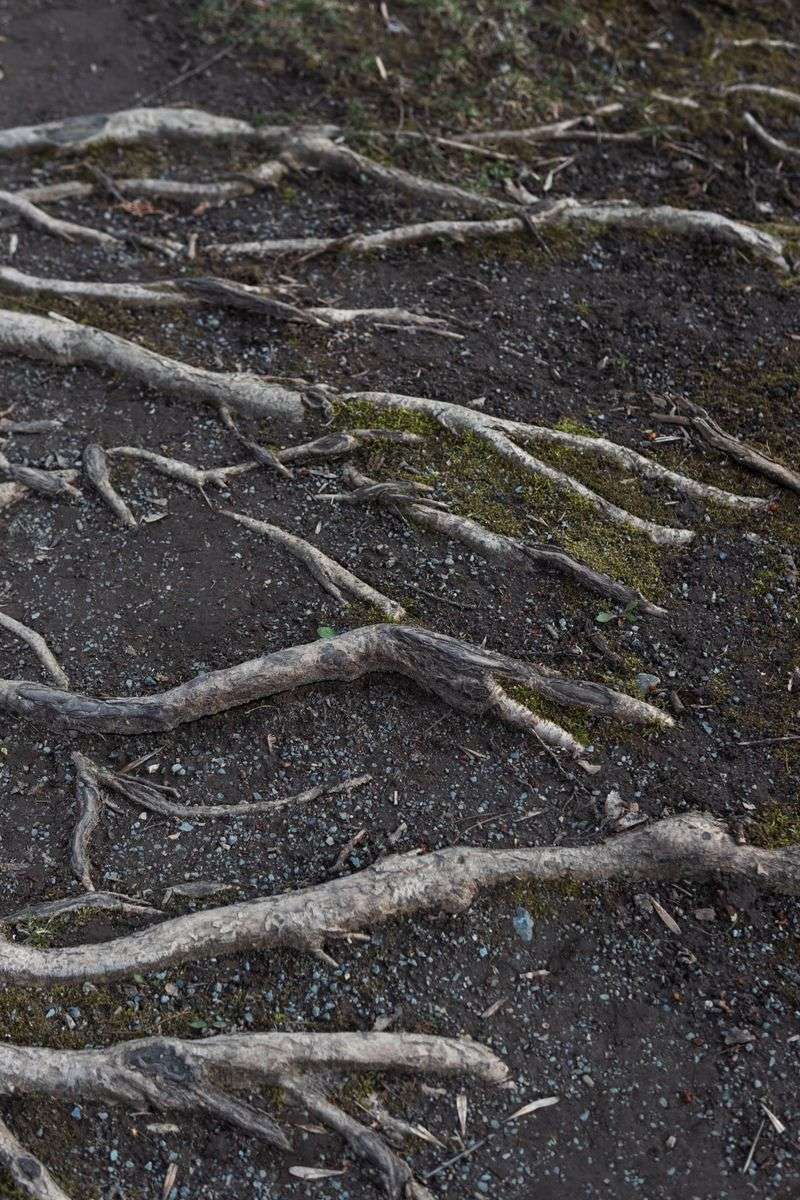
Sumac keeps its roots close to the surface, sometimes just a few inches down. That habit lets it colonize gravel banks where fussier plants give up.
The tradeoff is real, though. Shallow roots dry out fast and get squeezed by heavy soil.
Roadsides take a beating from mowers, plows, and traffic vibration all year. Over time the soil packs down like a dirt path, leaving fewer air pockets for roots to breathe.
Compacted ground also sheds rainwater instead of absorbing it. A half-inch shower may barely wet the top layer before running into the ditch.
Stressed roots send a message upward, and the leaves respond by changing color early. It is the plant’s version of tapping out of a long shift.
Homeowners can spot compaction by pushing a screwdriver into the soil. If it stops after two inches, the ground is tight.
Loosening the surface with a garden fork helps without chopping the roots. Wiggle the fork gently rather than turning the soil over.
Adding shredded leaves or compost on top invites earthworms, and they do the tunneling for free. Keep foot traffic and parked equipment off the root zone whenever possible.
Curious fact: a single sumac clone can spread dozens of feet through underground runners, meaning that whole red patch along the highway might be one plant wearing many stems.
Give those shallow roots a little breathing room and color usually returns to its normal timing next season.
4. Leaf Spot Fungus Showed Up After A Damp Spring
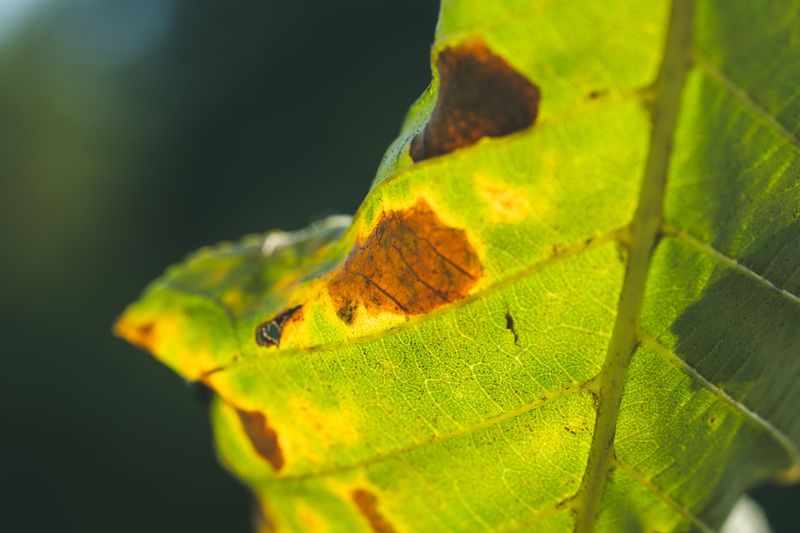
Spring in Minnesota came in soggy, with weeks of drizzle and heavy dew. Fungal spores love that kind of weather.
Tiny spots appeared on sumac leaflets back in June, small enough that nobody noticed. By August those spots had grown and merged.
Damaged leaf tissue cannot make food efficiently, so the plant retires those leaves ahead of schedule. Red shows up early as a side effect.
Look closely at an affected leaflet and you will see brown or purple circles with slightly darker edges. Healthy autumn color is smooth and even across the surface.
The good news is that leaf spot rarely troubles a mature sumac stand for long. Roots and stems stay sturdy, and next spring’s growth usually comes in clean.
Backyard growers can reduce the problem by raking fallen leaflets in October. Spores overwinter in that debris and splash back up with spring rain.
Thinning a few crowded stems improves airflow, which helps leaves dry quickly after storms. Water at the base instead of overhead if you irrigate.
Avoid working around wet foliage, since spores hitch rides on gloves and tools. A quick rinse of pruners between plants is a smart habit.
Wet springs followed by warm summers happen often in this state, so expect a repeat performance some years. The plants have handled it for centuries. Early red from leaf spot looks dramatic but signals a temporary setback, not a lasting one.
5. Heat Waves Pushed Leaves Past Their Comfort Zone
Remember the stretches this summer when afternoon temperatures climbed into the nineties? Sumac remembers them too.
Leaves cool themselves by releasing water vapor, the same way sweating cools people. When air temperatures climb too high for too long, that system runs out of steam.
Roadside sumac sits in full sun with radiant heat bouncing off asphalt and gravel. Surface temperatures there can run well above the reported air temperature.
Leaf tissue in those conditions gets scorched around the edges. The plant then triggers its shutdown process weeks before the calendar suggests.
Heat-driven color tends to look patchy. One side of a shrub blazes red while the shaded north side stays green.
Home gardeners often see the same pattern on south-facing foundations and along driveways. Reflected heat is sneaky.
If you plant sumac at home, give it a spot with morning sun and a bit of afternoon shelter. It still gets plenty of light without the midday intensity.
Mulch matters more than people expect, since bare soil can reach uncomfortable temperatures by noon. A light-colored gravel mulch reflects some heat away from stems.
Grouping shrubs together also helps, because their combined canopy shades the ground and holds humidity.
Sumac is tough enough to bounce back from a rough summer. Buds for next year formed months ago and sit tucked safely in the stems, waiting for spring.
6. Sumac Simply Colors Up Before Its Neighbors
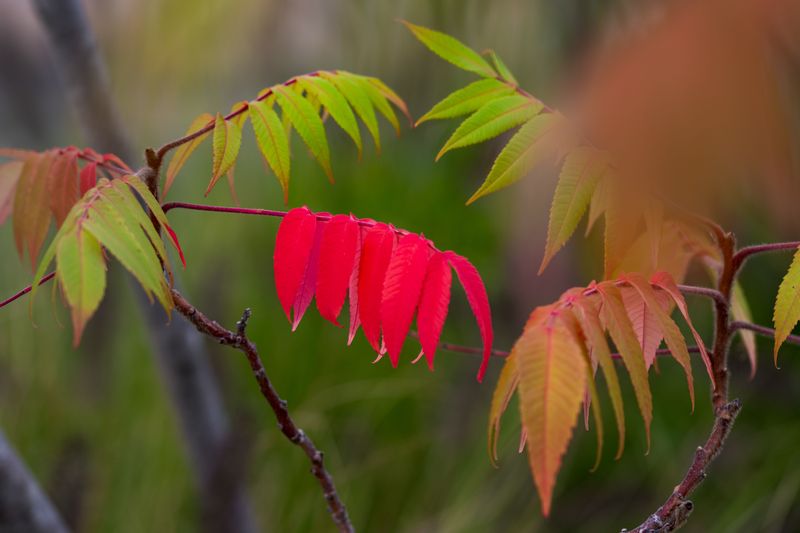
Here is the part that surprises people. Sumac has a reputation for jumping the gun on fall color, even in ordinary years.
Botanists have long noted that it starts changing while the surrounding forest stays green. One theory suggests the bright color may help attract birds to its fuzzy seed clusters, though this remains unconfirmed.
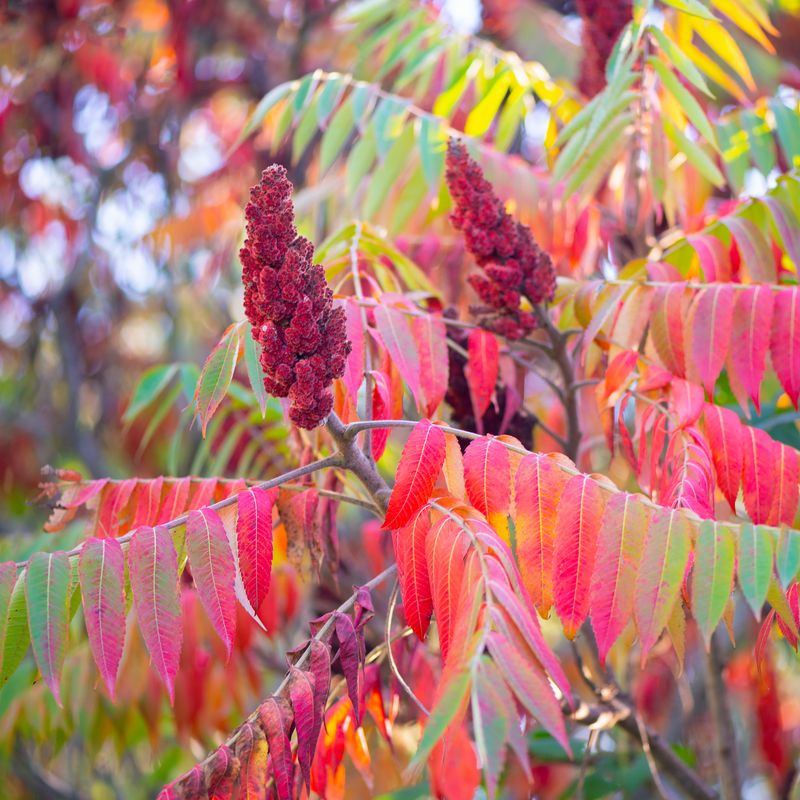
Those red seed heads stand upright like velvety candles and hang on through winter. Robins and chickadees rely on them when other food runs thin.
Flagging the buffet early gives sumac an advantage over competing shrubs. Color equals advertising in the plant world.
Because sumac often grows at woodland edges and open ditches, it also gets more sun exposure than trees inside a canopy. More light means faster pigment production.
So part of what looks like an alarming early change is simply this plant doing its usual thing in a very visible location. Green shrubs draw far less attention than red ones.
Compare notes with previous years using old phone photos. Many Minnesotans discover their sumac looked similar in early September before, just less noticed.
For landscaping, that head start is a feature worth using. A sumac group planted near a patio delivers color long before the maples catch up.
Cultivated varieties like cutleaf staghorn bring lacy foliage plus the same early blaze. Give them room to spread and they will reward you annually.
7. Road Salt Residue Lingers In The Soil

Winter leaves a souvenir that nobody wants. Salt spread on Minnesota highways washes into the shoulder soil and settles there.
Spring rain normally flushes some of it deeper, but a dry season means less flushing. The salt stays put right where sumac roots live.
Salty soil makes it harder for roots to pull in water, even when moisture is technically present. The plant ends up under stress in damp ground, a compounding effect. You will notice the effect strongest closest to the pavement, fading as you move away.
Walk well back from the road and the same sumac clone often looks greener and healthier. Homeowners near sidewalks and driveways see this too. Salt from a snowblower path can affect a shrub bed for several seasons.
Reduce the impact by using sand or coarse grit for traction where you can. If salt is needed, sweep up leftovers once the ice melts.
A deep watering in April helps rinse salt below the root zone. Gypsum worked into the top few inches can also improve soil structure in salty spots.
Consider planting salt-tolerant natives closest to pavement and saving the fussier plants for farther back.
Early red near the highway is often the soil telling a story from last February. Sumac keeps growing anyway, reflecting its overall resilience.
8. Shorter Daylight Hours Are Already Doing Their Job
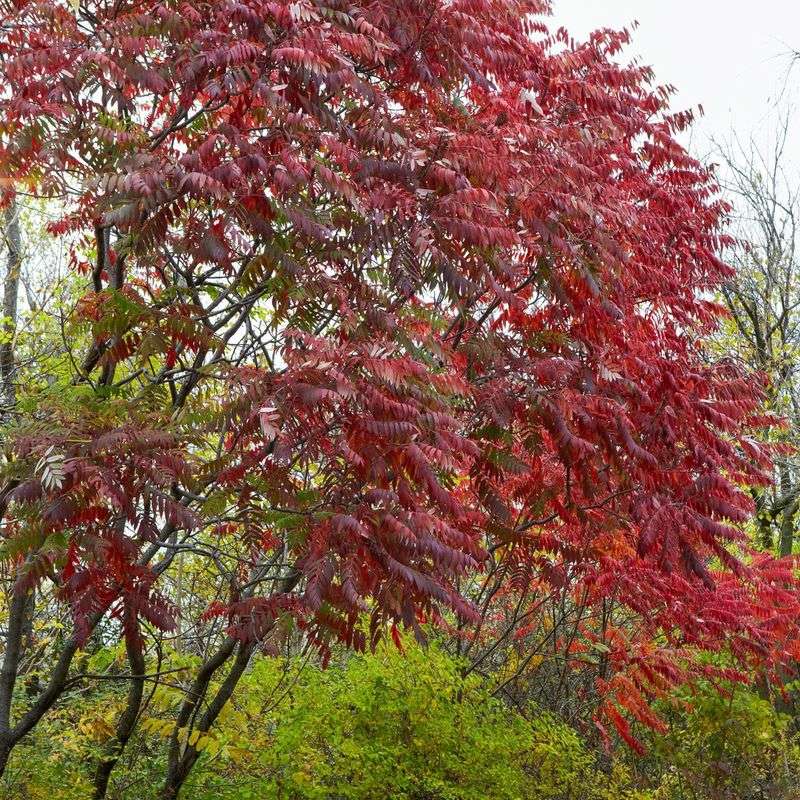
By the first week of September, Minnesota has already lost close to two and a half hours of daylight compared with the summer solstice peak. Plants track that change far more precisely than people do.
Special pigments in leaves sense the length of the dark period each night. Once darkness passes a certain threshold, the countdown to leaf drop begins.
Sumac responds to that signal quickly because it is a fast-growing, short-lived pioneer plant. It does not gamble on stretching the season the way a long-lived oak might.
Add early sunsets to cool nights and dry soil, and the timing moves up noticeably. Several triggers stacking together create the effect people are seeing this month.
Latitude plays a role too. Northern Minnesota loses daylight faster than southern counties, which is why the color wave rolls south over a few weeks.
Streetlights can actually delay color on nearby branches, an effect linked to light pollution’s impact on plant cycles. Look at a sumac beside a parking lot lamp and compare it with one in the dark.
For gardeners, this means there is no fixing early color, and there is no need to. The plant is responding to internal seasonal cues.
Use the timing to your advantage instead. Photograph, forage the seed heads for tart sumac lemonade, and enjoy the show while it lasts. Autumn in this state moves quickly, and sumac is simply the first to send the invitation.