Why California Ground Squirrels Suddenly Vanish In Late Summer
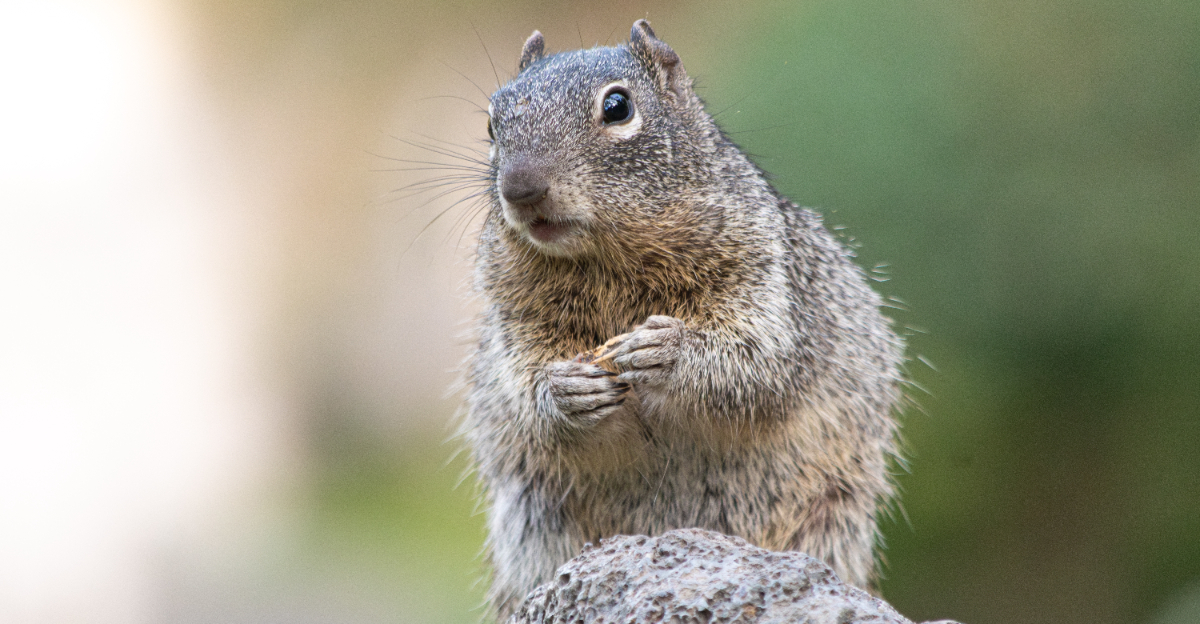
One week your yard sounds like a tiny airport, with small brown bodies zipping between holes and sharp chirping alarm calls. The next week, quiet.
The mounds of loose dirt are still sitting there, and the tunnel openings look freshly swept. Still, nobody pops up to greet the morning sun. Neighbors start trading theories over the fence.
Maybe a hawk moved into the oak, or maybe the August heat finally settled the matter for everyone. The truth turns out to be stranger and far more ordinary than most of those guesses.
It involves crispy brown grass, a built in body clock, and a pause button hidden a few feet underground. The reason has nothing to do with hawks or heat alone.
The Underground Retreat Behind Their Late Summer Disappearance
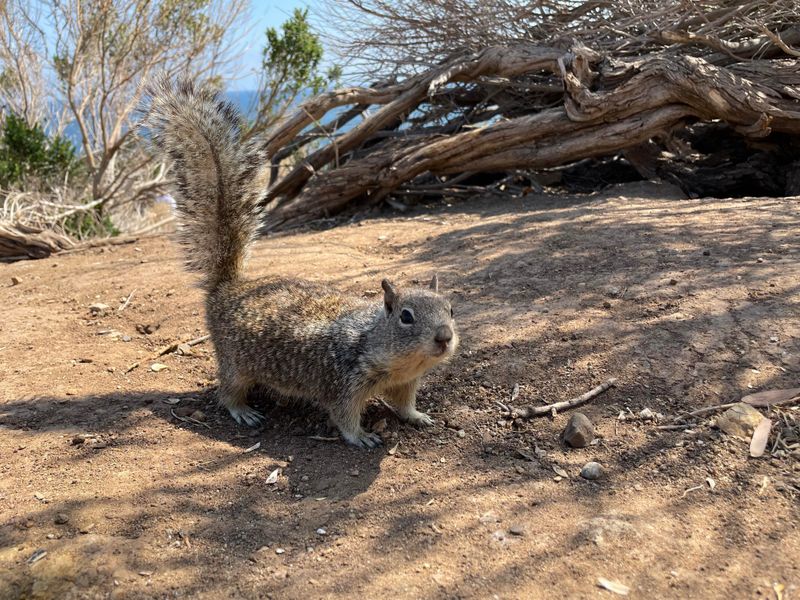
Picture a hotel with no lobby windows. That is roughly what a burrow system looks like from the surface, which is why an empty yard can feel so mysterious.
California ground squirrels build tunnel networks that often run five to thirty feet long and sit two to four feet below the surface. When conditions turn rough above ground, the animals simply move their whole schedule downstairs.
These burrow systems often include six to twenty separate entrances rather than just one. Because California ground squirrels are social animals, a single network can house many residents at once.
Down there, the air stays cooler and more humid than the baked soil overhead. A squirrel resting in that cool pocket burns far less fuel than one sprinting around in ninety degree sunshine.
Many will also plug the entrance with loose soil behind them, which is one reason holes look abandoned or slightly caved in. Homeowners spot the closed opening and assume the colony packed up for good.
Filling burrows during the quiet weeks rarely solves much, since the residents are usually still inside and can reopen tunnels later. Take notes instead, marking active openings with small flags or stakes on a simple hand drawn yard map.
That map becomes gold when activity returns, because you will know exactly where to focus attention rather than guessing across the whole property.
Estivation, Torpor, And The Squirrel Body Clock
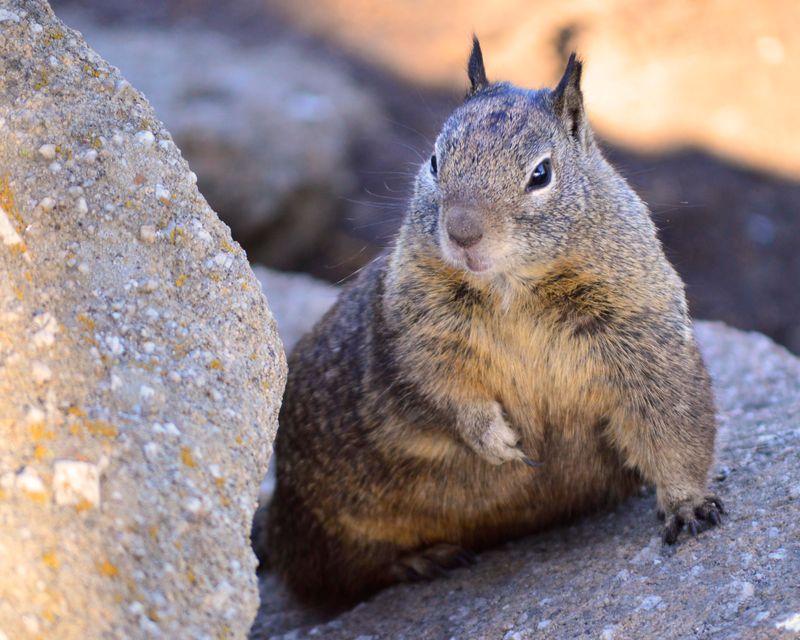
Scientists have a name for a summer nap that stretches on for weeks. Estivation, sometimes spelled aestivation, is dormancy triggered by heat and dryness rather than cold.
During these stretches, a California ground squirrel drops into torpor inside its nest chamber. Heart rate slows dramatically, breathing turns shallow, and body temperature falls closer to the temperature of the surrounding soil.
Adult males usually check out first, sometimes by early July. Adult females follow within weeks, and the year’s youngsters stay above ground longest.
Fat reserves and hormones drive much of this, not only the thermometer. Researchers describe an internal calendar, a circannual rhythm, that keeps ticking even for animals kept in steady laboratory conditions.
In many inland areas, estivation slides straight into winter dormancy with barely a gap. That is why a squirrel that faded from view in August might not show its face again until the first warm stretch of January or February.
For anyone watching a backyard, the takeaway is straightforward. Quiet does not equal gone, and the colony runs on a clock that has little to do with your fence repairs or your patience.
A lone juvenile still darting around in September is a normal sign that the rest of the family is resting below.
Heat, Dry Grass, And Vanishing Green Food
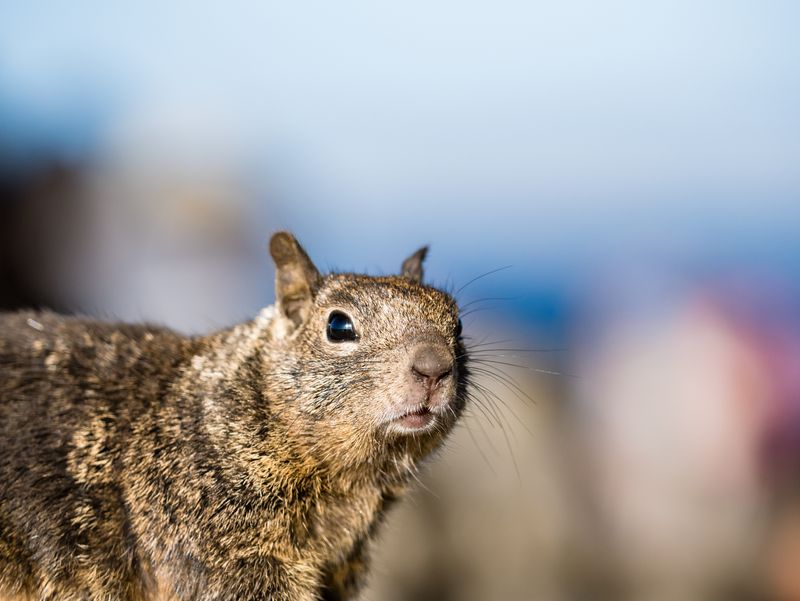
Walk a California hillside in April and it feels like green velvet. Return in August and it crunches like cereal underfoot.
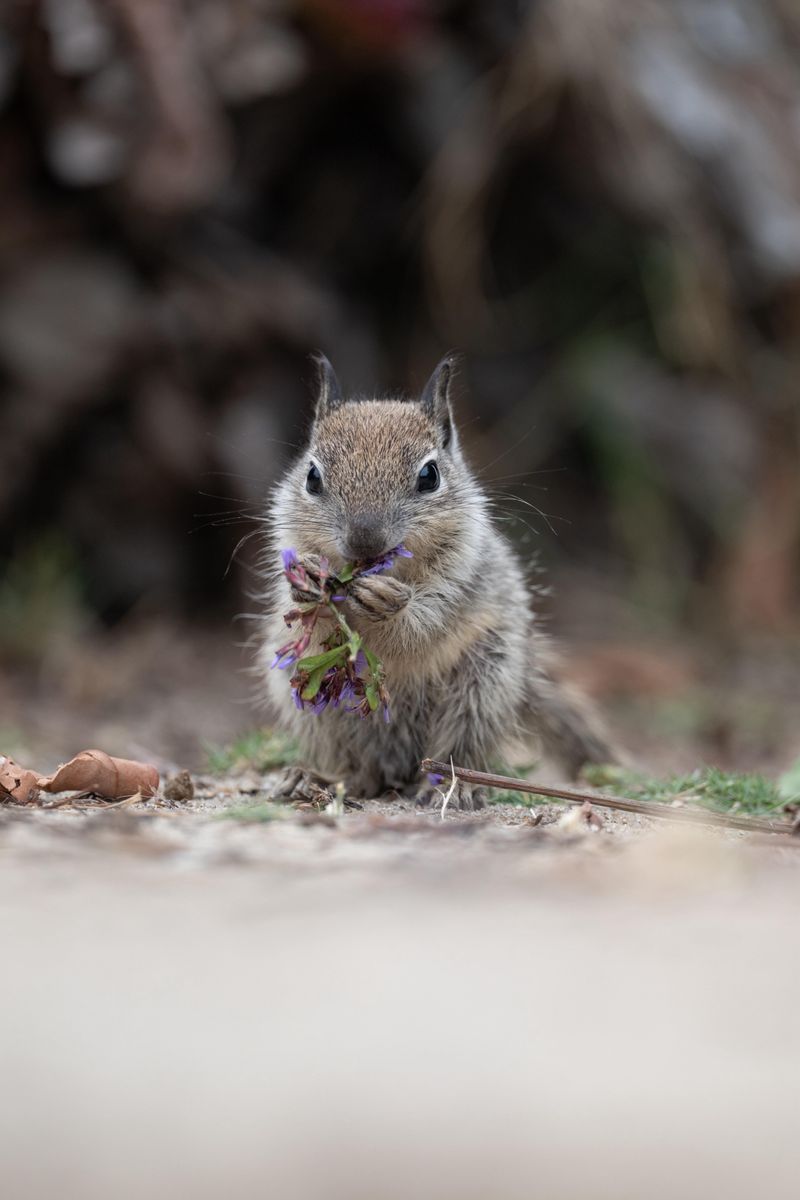
California ground squirrels lean heavily on green shoots, leaves, and flowers in spring, which supply both nutrition and most of their water. Seeds and grain help for a while, and squirrels stuff their cheek pouches to stock underground pantries.
Running around in triple digit heat costs water and calories, while the available salad bar offers less and less in return. Resting underground on stored fat becomes the better deal.
Irrigation changes that equation, and this is where gardeners enter the story. Lawns, drip lines, and vegetable beds create green islands that stay tasty long after the surrounding hills go brown.
Colonies near those watered patches often stay active later in the season, sometimes delaying deep dormancy for weeks. If a neighbor reports an empty field while your tomatoes still have visitors, water is usually the reason.
Harvest ripe fruit promptly, sweep up fallen almonds, walnuts, and acorns, and keep birdseed in sealed metal containers. Cutting tall dry grass along the yard edge also removes cover that makes daytime trips feel safe.
None of that empties a burrow overnight, but it lowers the reward for staying awake in your California yard rather than someone else’s. Small changes add up across a season.
Regional Timing From The Central Valley To The Coast
Geography turns this whole story into a patchwork. One tidy answer about timing rarely fits the entire state.
Out in the hot interior valleys and foothills, adults may head below ground in late June or July, with young ones lingering into September. Emergence often begins in December or January, which startles people who expect a spring debut.
Along the cool, foggy coast, the pattern loosens considerably. Mild temperatures and greener vegetation let some populations stay busy through much of the year, broken only by short quiet spells.
Higher elevations flip the emphasis. Squirrels there spend less time estivating and more time in true winter hibernation, since deep cold and snow outlast the summer drought.
Weather nudges the calendar from year to year as well. A wet spring that keeps hillsides green into June can push dormancy later, while an early heat wave can move everything up by a couple of weeks.
Keeping your own record beats leaning on averages. Jot down the week activity fades and the week it returns, along with rough rainfall and temperature notes.
After two or three seasons, patterns for your specific property start to appear. That personal calendar tells you when to inspect burrow openings, when to install barriers, and when to expect a fresh wave of digging near the vegetable beds.
Ranchers and orchard managers use the same trick, since timing decides whether their effort lands during a quiet stretch or during peak activity. Your notebook does the same job on a smaller scale.
Mistakes Homeowners Make During The Quiet Stretch
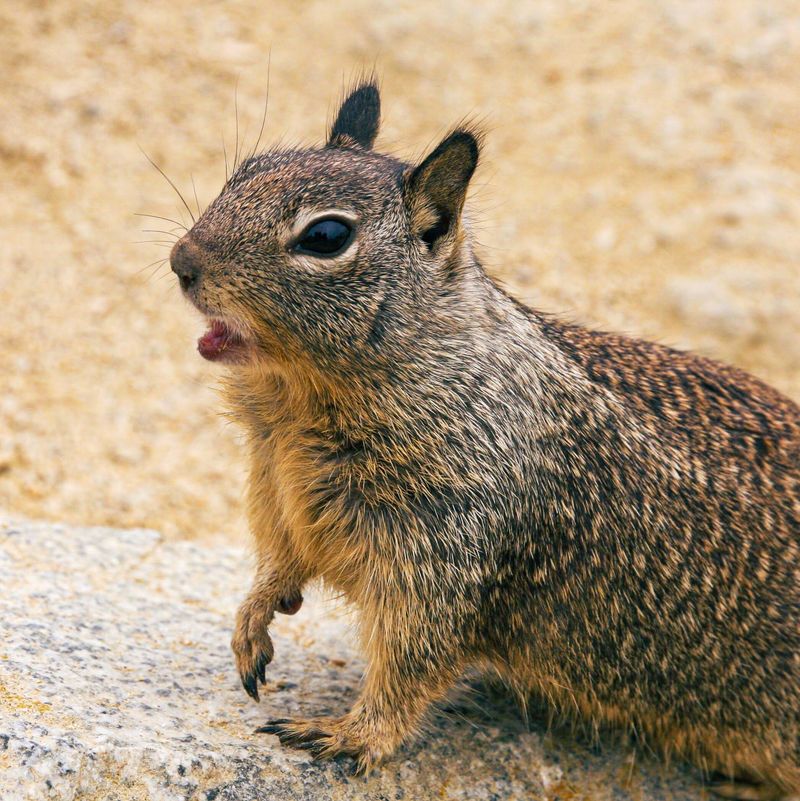
A quiet yard feels like a win. Plenty of homeowners take a bow in September and then get a rude surprise in February.
The most common misstep is treating silence as proof that the colony relocated. Monitoring stops, repairs get postponed, and the burrow map fades from memory. By the time diggers reappear, the head start belongs to them.
Collapsing entrances or running water down tunnels during dormancy mostly rearranges soil, because the network branches deeply and residents can reopen a route in an afternoon.
Timing of management trips people up too. Bait and trapping programs tend to work poorly on animals resting underground rather than foraging, so effort spent in August often produces nothing but frustration.
Some folks plant new shrubs or fruit trees during the quiet weeks with no protection at the root zone. Come emergence, tender young roots and bark sit right beside a reopening tunnel.
Skipping the paperwork counts as a mistake as well. Without dated notes and flagged openings, next season starts from scratch and the guesswork begins again.
Treat late summer as a repair window instead of a finish line. Patch fence gaps, line raised beds with wire mesh, wrap young trunks, and fix leaky irrigation that keeps one corner suspiciously green.
That approach turns a slow stretch into real progress rather than a false sense of security.
Smart Preparation For The Autumn Return
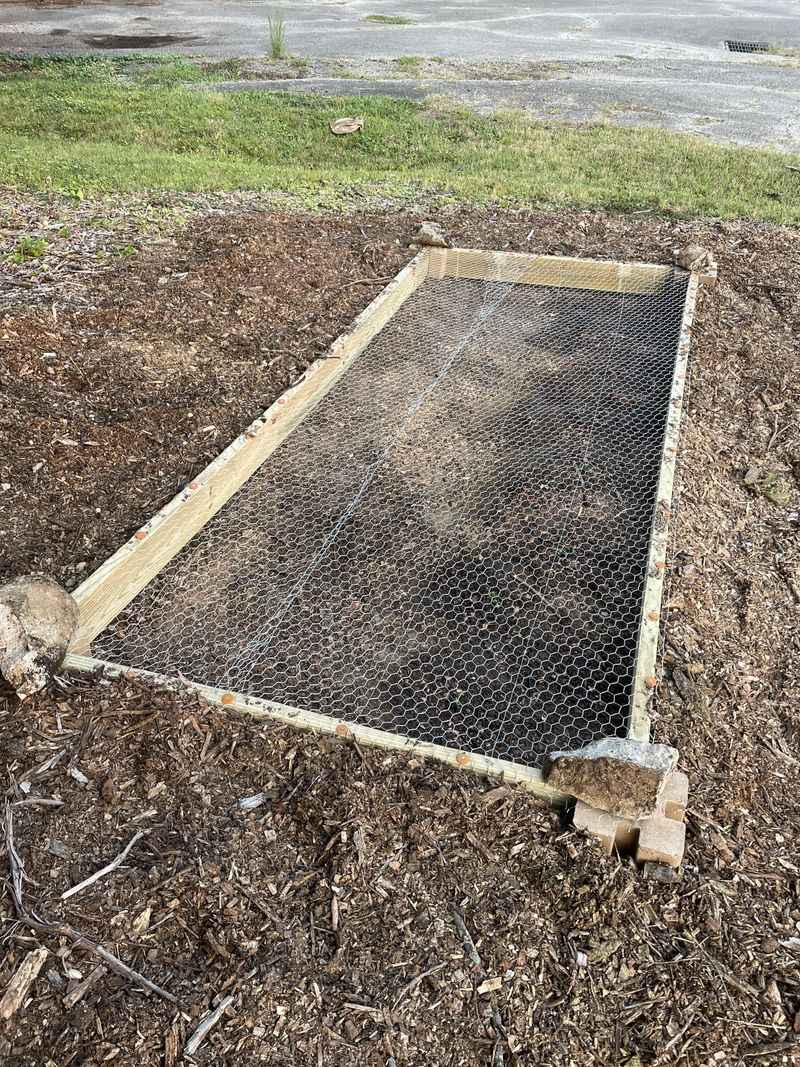
Think of the quiet weeks as an intermission with a stagehand’s to do list. Work finished now pays off the moment activity picks up again.
Start with cover, since open ground makes squirrels nervous and thick cover makes them bold. Mowing tall dry grass, clearing brush piles, and pulling old lumber stacks away from field edges removes safe hiding spots near your growing space.
Protect the plants that matter most. Line the bottom of raised beds with half inch hardware cloth, install root baskets around young fruit trees, and wrap trunks with mesh guards set slightly above the soil line.
A tall pole with a crossbar invites hawks and owls to hunt the area, and a sunny rock pile welcomes gopher snakes as another natural check. Fewer squirrels settle in yards that feel exposed from above.
Walk the property, look for fresh soil at flagged openings, and note which tunnels reopen first. Bring the notebook and a handful of flags.
Reopened burrows reveal where a colony plans to feed, which is exactly where barriers, traps, or professional help should focus. Acting during that first active stretch, before pups appear in spring, keeps numbers from climbing all season.
The payoff is a garden that greets emergence with defenses already standing. Instead of chasing a problem in May, you spend that month picking strawberries.