7 Reasons the Leaves On Your Christmas Cactus Are Turning Limp (And How To Save It In Texas)
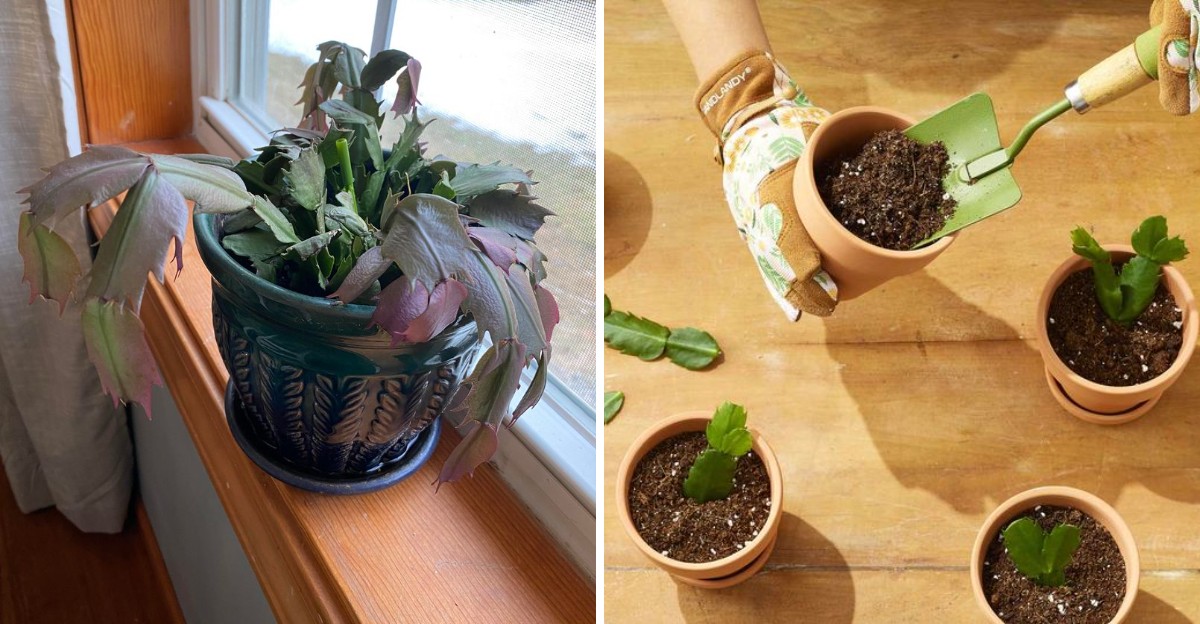
You stroll past your favorite windowsill plant with your morning cocoa and do a double take. Its once plump, glossy segments now bend gently, like soft ribbons on a Texas gift box.
Touch one, and it feels tender and relaxed, like a party balloon a few days after the celebration.
Your heart gives a little flutter of concern, because this green buddy was supposed to bloom for the holidays.
Plants cannot text us when something feels off, so they send quiet, gentle signals instead. Luckily, those signals are easier to read than a toddler’s handwriting on a birthday card.
With a few small changes, that soft bend can turn into a proud, perky stance again. Until then, your plant is basically a cozy Texas cowboy taking a well-earned afternoon rest.
Too Much Water Has Saturated The Roots
Picture wearing wet socks all day long after a Texas rainstorm, with no chance to kick them off. Roots stuck in soggy soil feel much the same way, and soon they start to rot.
Rotting roots cannot pull up water, so the leaves above go soft and floppy. It sounds backward, but an overwatered plant often looks thirsty, which tricks many owners into watering more.
Check the soil by pushing your pointer finger about one inch down into the pot. If it feels damp or smells sour, hold off on the watering can for now.
Gently slide the plant out of its pot and look closely at the roots. Healthy roots are firm and pale, while rotten ones look brown, mushy, and slimy.
Snip away any mushy parts with clean scissors, then repot in fresh, dry cactus mix. Water lightly after a few days so the cut roots can heal first.
A pot with a drainage hole helps a lot, too. Empty any saucer of standing water about fifteen minutes after each drink.
In October, cooler days mean the soil dries slower than it did in summer. Water only when the top inch feels dry, and your plant will thank you with perkier leaves.
Thirsty Soil Has Turned Bone Dry
Despite its name, this plant is not a desert cactus at all. In the wild, it grows on tree branches in rainy, misty Brazilian forests.
That jungle background means it likes more water than its spiny cousins. When the soil stays dry too long, the leaf pads shrink, wrinkle, and become limp.
Think of each pad as a tiny water balloon at a Texas barbecue. Once the stored water runs low, the balloon goes saggy and soft to the touch.
Bone-dry soil often pulls away from the sides of the pot. Water may then rush straight down the gap and out the bottom without soaking in.
To fix this, try bottom watering for a deep, even drink. Set the pot in a bowl of room-temperature water for about twenty minutes.
The soil will soak up moisture slowly, like a sponge. Afterward, let the extra water drain away so the roots do not sit in a puddle.
Your Texas Garden Changes Every Week. Your Plan Should Too.
Gardening in Texas changes quickly throughout the season. Every Friday you’ll receive a simple weekly plan showing exactly what to plant, prune, fertilize, harvest, and protect so you never miss the right timing.
Most pads plump back up within a few days of steady care. Try setting a weekly phone reminder to check the soil, especially once your heater kicks on.
A cheap moisture meter can also help if guessing feels stressful. Water when it reads on the dry side, not before.
Too Much Direct Sunlight Is Stressing The Plant
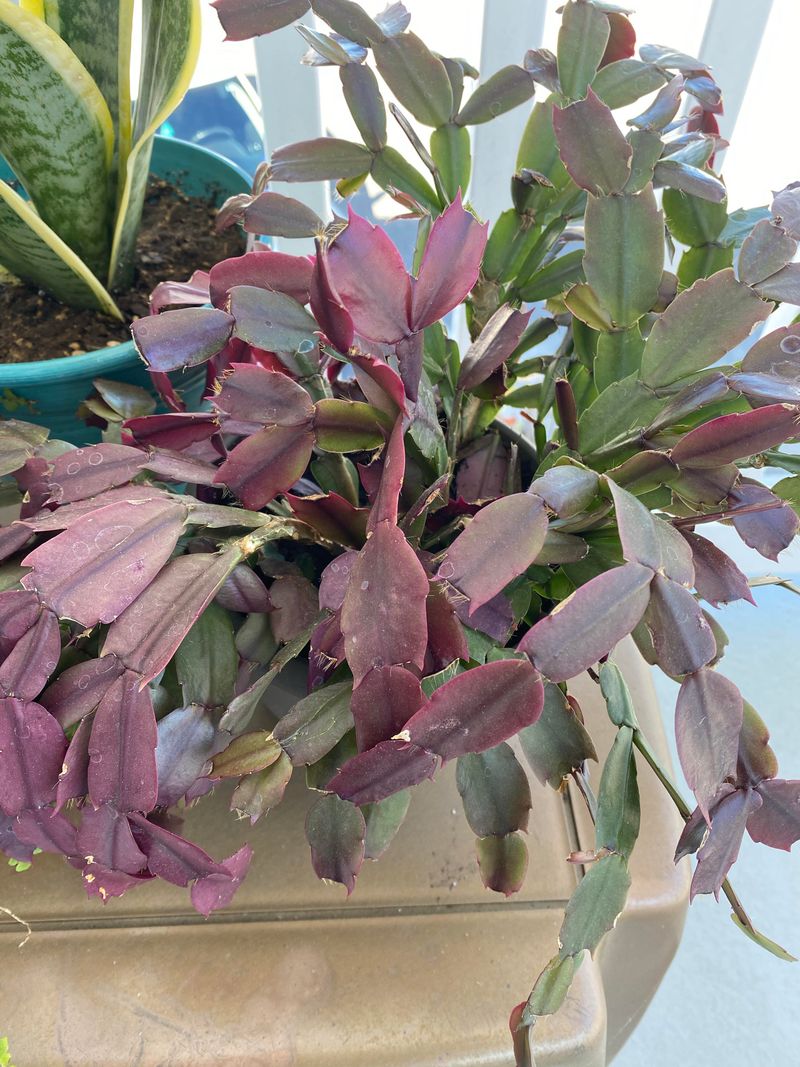
Sunbathing sounds lovely until you forget the sunscreen at a Texas lake and turn bright red. Your plant can get a similar burn when it sits in strong, direct afternoon light.
Remember, it grows under a leafy tree canopy in nature. Filtered, dappled light suits it far better than strong direct light from a south-facing window.
Too much sun heats the leaves and makes them lose water faster than roots can replace it. The result is limp pads that may turn reddish, purple, or pale yellow.
A little red tint can be harmless, almost like a summer tan. Soft, faded, limp leaves, though, are a clear sign the light is too intense.
Move the pot to a bright spot that gets morning sun and afternoon shade. An east-facing window works wonderfully for most homes.
If a sunny window is your only choice, hang a sheer curtain to soften the glare. It acts like a pair of Texas-style sunglasses for your leafy friend.
October sun sits lower in the sky, so it may reach spots it skipped in summer. Take a quick look at where the light lands each afternoon.
Give the plant a week or two in its new home to recover. Fresh, firm growth is your signal that the move worked.
Cold Drafts Are Chilling The Plant
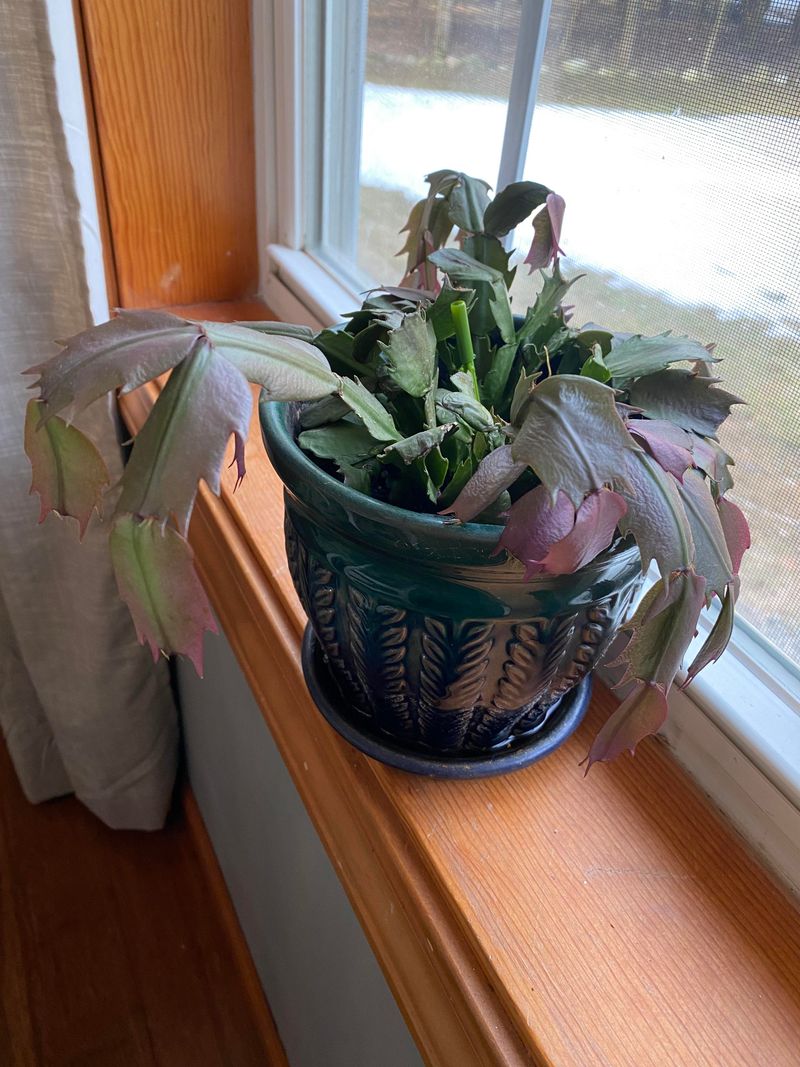
October nights can sneak up on a houseplant, even in Texas, faster than you might expect. Tropical plants like this one prefer temperatures between sixty and seventy degrees Fahrenheit (15 to 21°C).
When temperatures dip below fifty degrees (10°C), the cells inside the leaves can get damaged. Damaged cells lose their firmness, so the pads turn limp and mushy.
Cold glass is a common cause, especially on frosty mornings. Leaves pressed against a chilly windowpane can sustain cold injury without you noticing.
Drafty doors are another trouble spot during fall. Every time someone opens the front door, a blast of cool air rushes over the plant.
Feel around your plant with your hand on a cold evening. If you notice a breeze, it is time to find a cozier location.
Keep leaves a few inches away from windows at night. A spot in the middle of a bright room often works better than a sill.
Cool nights around fifty-five degrees (13°C) actually help trigger flower buds this time of year. The goal is gentle coolness, not a freezer-like chill.
Snip off any leaves that turn black or slimy after a cold snap. Healthy segments nearby may firm up once the plant is warm again.
Dry Indoor Air Is Drawing Moisture From The Plant

Static shocks from doorknobs are a sure sign that fall heating season has arrived. That same dry air can gradually draw moisture from your plant’s leaves.
Rainforest plants are used to very humid air, often well above sixty percent. Heated indoor air, even in Texas, can drop to thirty percent humidity or lower in October.
In very dry air, leaves lose water through tiny pores faster than usual. They slowly lose their bounce and start to sag like tired shoulders.
Crispy brown leaf edges often show up alongside the droop. Flower buds may also fall off before they get a chance to open.
A pebble tray is a cheap and easy option. Fill a shallow dish with pebbles and water, then set the pot on top.
As the water evaporates, it slightly raises the humidity around the leaves, though the effect is small. Just keep the pot bottom above the waterline so roots stay dry.
Grouping plants together also helps, since they share moisture like friends sharing snacks. A small room humidifier is helpful if the air in your home is very dry.
Keep the plant away from heater vents and radiators, too. Hot, dry air from vents can dry leaves out quickly.
Tight Roots Have Outgrown The Pot
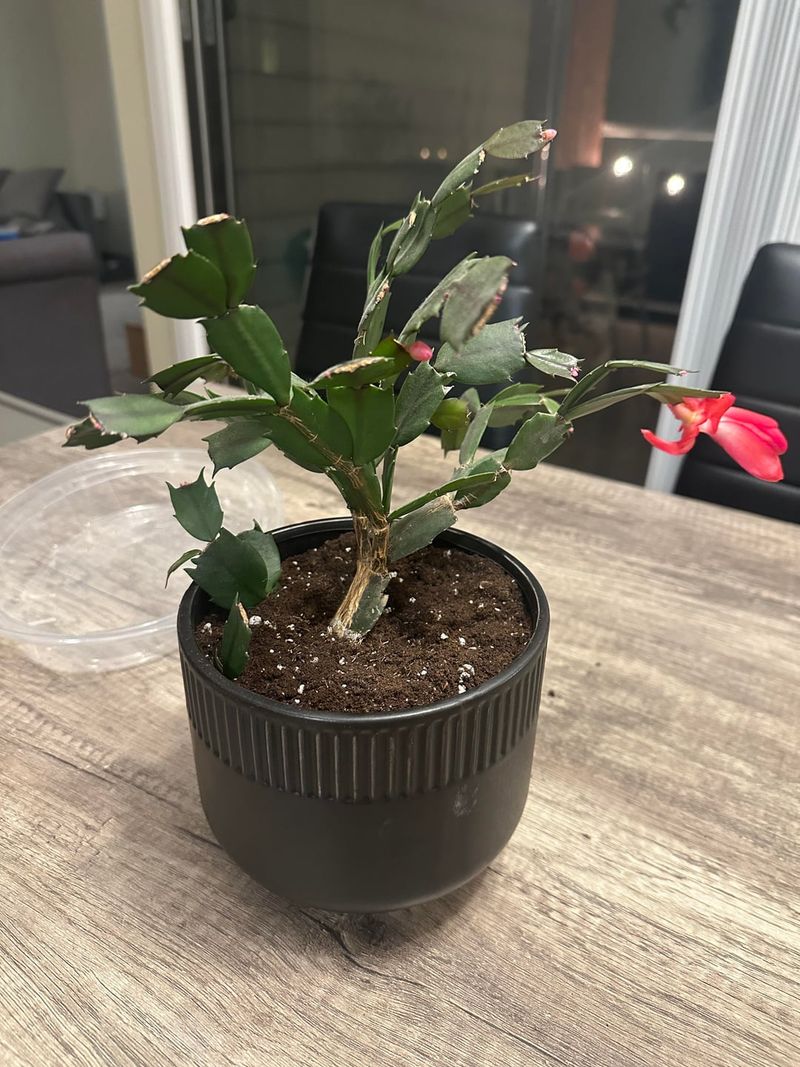
Ever tried squeezing into jeans, or boots from a Texas rodeo, that you wore three years ago? Roots confined in a small old pot become cramped over time.
These plants actually like being a little snug, which is why repotting every few years works best. After a long while, though, roots can fill every inch of space.
With little soil left, there is not enough room to hold water or nutrients. The plant receives too little water and nutrients, so its leaves turn soft and weak.
Look for roots poking out of the drainage hole like curious little worms. Water that runs straight through the pot is another strong clue.
Repotting in October is a bit tricky, since buds are starting to form. Moving the plant now may cause it to drop its developing buds.
If the droop is mild, wait until after blooming, usually in late winter or spring. If the plant looks clearly stressed, go ahead and repot gently now.
Pick a new pot just one or two inches wider than the old one. A giant, Texas-sized pot holds too much wet soil and can cause rot.
Use a loose mix of potting soil, orchid bark, and perlite. Roots love that airy, crumbly texture, much like their old home in the trees.
Pests Are Feeding On The Sap
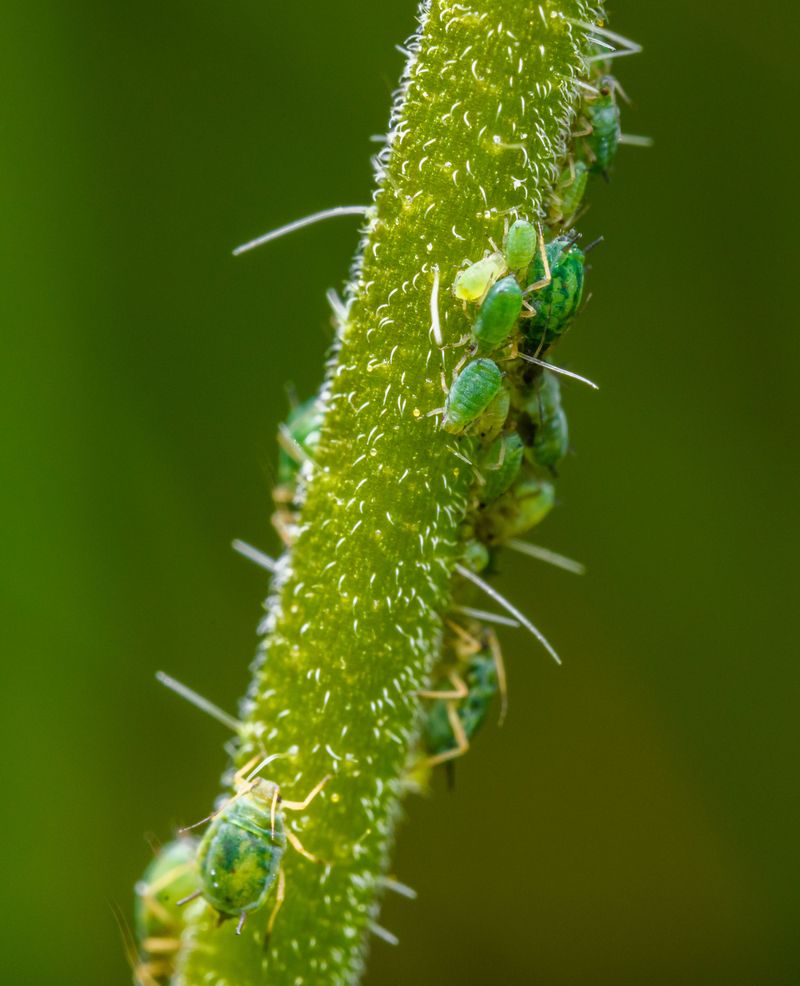
Small pests can cause real damage, and they often hide in hard-to-see spots. Mealybugs, scale, and spider mites all enjoy snacking on juicy leaf pads.
These bugs pierce the leaves and drink the sap inside, a bit like sipping juice through a straw. Over time, the leaves lose their juice and go limp.
Mealybugs look like small blobs of white cotton tucked into leaf joints. Scale appears as tiny brown bumps that stick to stems like glued-on freckles.
Spider mites are harder to spot, but they leave fine webbing behind. You might also notice a sticky film on the leaves or nearby furniture.
Plants that spent summer outdoors, even in sunny Texas, often bring hitchhikers inside in October. Give every plant a careful look with a flashlight before moving it indoors.
To fight back, dab mealybugs and scale with a cotton swab dipped in rubbing alcohol. The bugs loosen their grip and wipe right off.
For larger infestations, spray the leaves with insecticidal soap, following the directions on the product label. Be sure to coat the undersides, where pests like to hide.
Keep the infested plant away from your other greenery until it recovers. Pests spread quickly, so keep the affected plant isolated.
Set Up A Steady Watering Routine
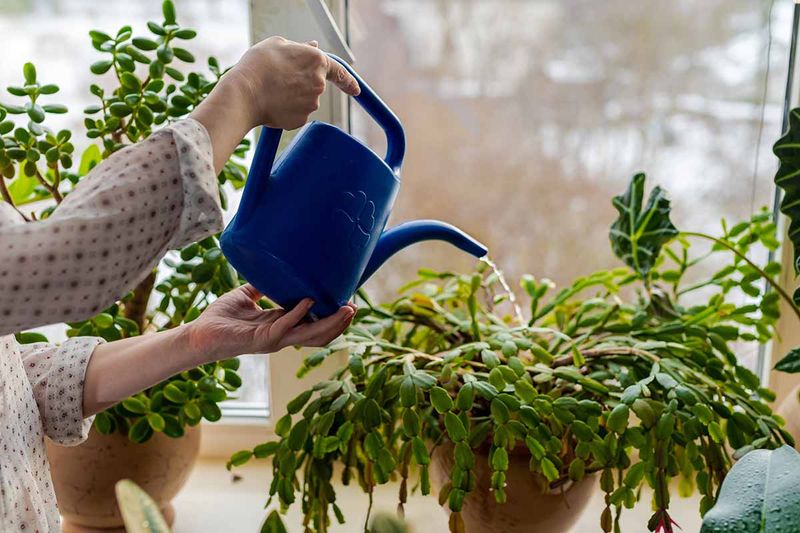
Consistency is key to a healthy plant, much like a well-run Texas ranch. Random splashes of water whenever you remember can swing the roots between soggy and parched.
Start by checking the soil once a week on the same day. Sunday mornings work well, since many people have a bit more free time.
Give a drink once the top inch of soil feels dry. Pour slowly until water trickles out the drainage hole, then stop. Room-temperature water is best, because very cold water can stress the roots.
A simple notebook or phone app can track your watering dates. Over a few weeks, you will spot a pattern that fits your home.
During fall and winter, many plants need water roughly every ten to fourteen days, and in spring and summer often about weekly. Timing depends on the pot, light, and temperature, so always check the soil first.
Once buds appear in late fall, keep the soil a little more evenly moist. Bud-forming plants get fussy when their drinks become unpredictable.
Limp leaves usually firm up within a week or two of steady care. Patience pays off, so resist the urge to fuss over every pad.
Move It To A Bright, Cool-Night Spot
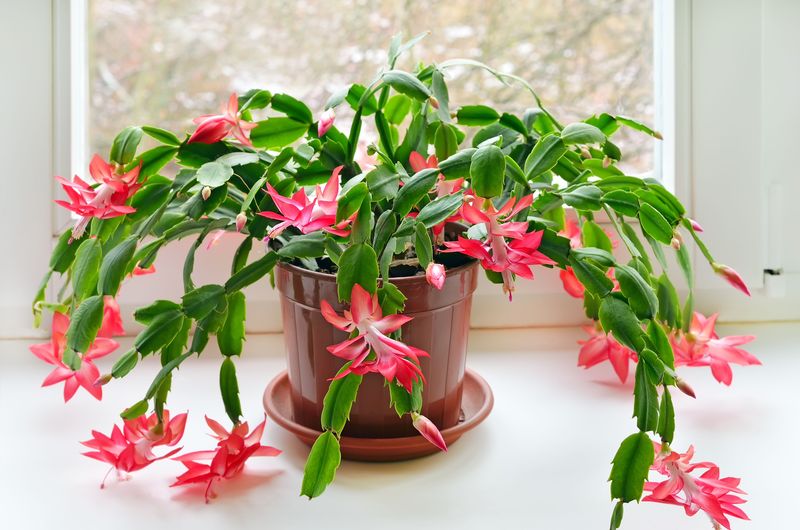
Location matters for plants just as much as it does for Texas houses. The right spot can help restore firm growth within a few weeks.
Aim for bright, indirect light for most of the day. A spot a few feet back from an east or west window fits the bill nicely.
Temperature is the other half of the puzzle. Daytime warmth near seventy degrees (21°C) and slightly cooler nights keep the leaves firm and happy.
Steer clear of fireplaces, heater vents, and drafty hallways. Sudden hot or cold blasts stress the plant and undo your hard work.
October is prime time to think about darkness, too. These plants need about twelve to fourteen hours of uninterrupted dark time nightly to set buds.
A spare bedroom that stays dark in the evening works perfectly. Even a lamp switched on late at night can confuse the plant’s internal clock.
Once you find a good home, try not to move the plant around. Buds may drop after a sudden change of location.
Before buds form, rotate the pot a quarter turn every couple of weeks. That small habit keeps the plant from leaning toward the window like a curious Texas neighbor.
Feed Seasonally And Propagate Healthy Cuttings
Some plants bounce back with a simple tune-up, like a Texas cowboy after a good meal, while others need a fresh start. Either way, a little food and a few cuttings can help.
During spring and summer, even through a hot Texas season, feed your plant every two to four weeks with a balanced houseplant fertilizer. Mix it at half strength so the roots do not get burned.
In October, pause the feeding so the plant can focus on making buds. Start again after the flowers fade, usually by late winter.
Some growers add a small amount of Epsom salt in summer, but it only helps if the plant is short on magnesium, so it is optional.
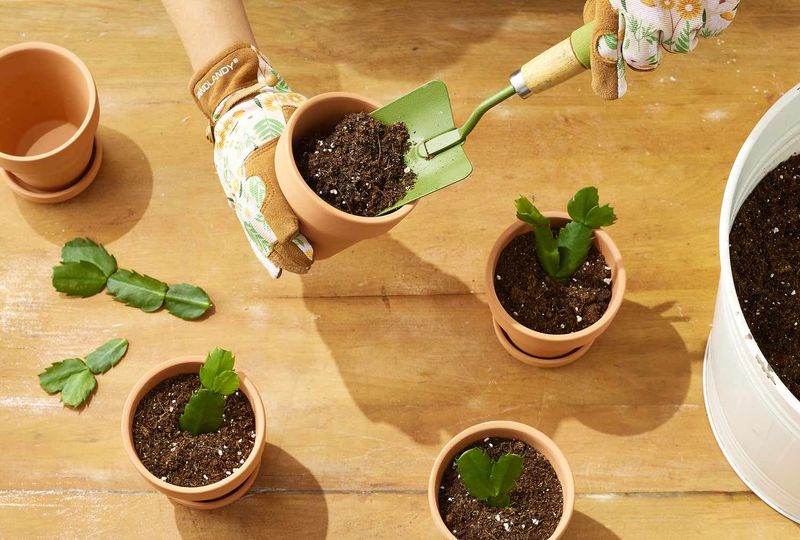
If rot or pests have caused significant damage, cuttings can rescue the plant. Twist off a healthy piece with two or three firm segments.
Let the cutting rest on a paper towel for a few days so the end can dry and form a callus. Then tuck it about an inch deep into slightly damp potting mix.
Roots usually form within three to four weeks in a warm, bright spot. A gentle tug that meets resistance means the cutting has settled in.
Plenty of families, Texas ones included, pass these plants down for generations, and well-cared-for plants can live for decades. Your rescued cutting could become a treasured heirloom someday.