These Shrubs Are Illegal To Have In Pennsylvania
Most people do not expect a shrub in the yard to come with legal trouble, but in Pennsylvania, some plants can do exactly that.
A shrub may look attractive at the garden center or seem like an easy choice for filling empty space, yet certain species have a reputation for spreading aggressively and causing serious problems beyond the property line.
Once they escape into natural areas, they can crowd out native plants, disrupt wildlife habitat, and become a real headache for land managers and homeowners alike. That is why some shrubs are not just discouraged in Pennsylvania, but actually illegal to sell, grow, or distribute.
For gardeners, that makes plant shopping a little more important than simply picking what looks nice in the moment. Knowing which shrubs are banned can save you from wasting money, breaking state rules, or planting something that turns into a long-term nuisance.
It also opens the door to better choices that still give you beauty, privacy, and curb appeal without the environmental damage. A yard can look great without relying on plants that Pennsylvania has already flagged as a problem.
1. Japanese Barberry
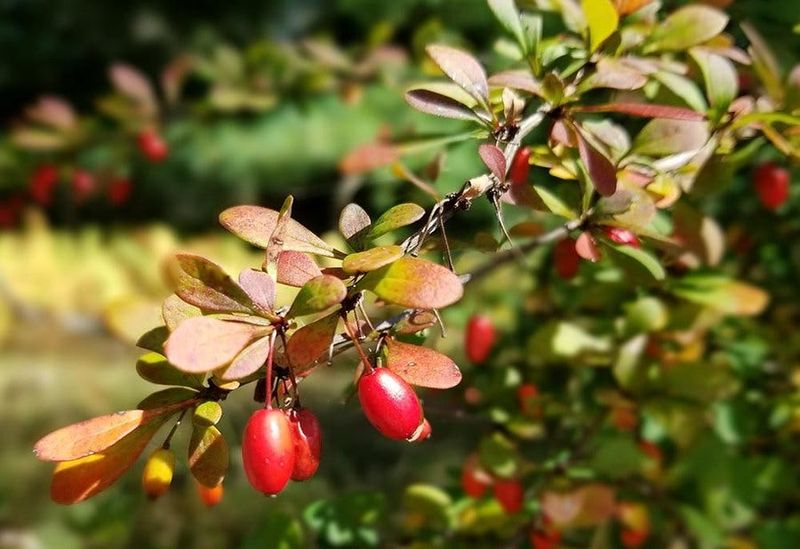
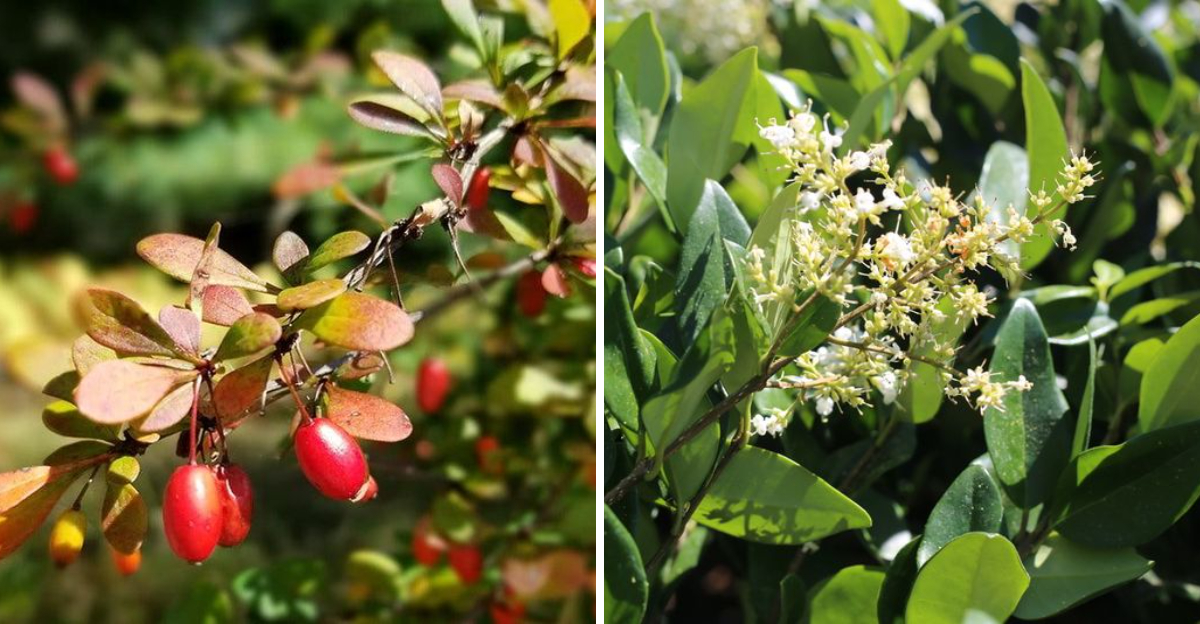
Walk through almost any Pennsylvania woodland and you might spot a low-growing shrub covered in bright red berries and sharp thorns. That shrub is likely Japanese Barberry, and it is officially banned in Pennsylvania.
The Pennsylvania Department of Agriculture lists it as a controlled plant, meaning you cannot sell it, plant it, or move it around the state.
Japanese Barberry originally came from Japan and was brought to the United States in the 1800s as an ornamental hedge plant. It looked great in gardens, but nobody realized how fast it would spread into forests and natural areas.
Birds eat the red berries and then drop the seeds far and wide, helping the plant take over huge stretches of land.
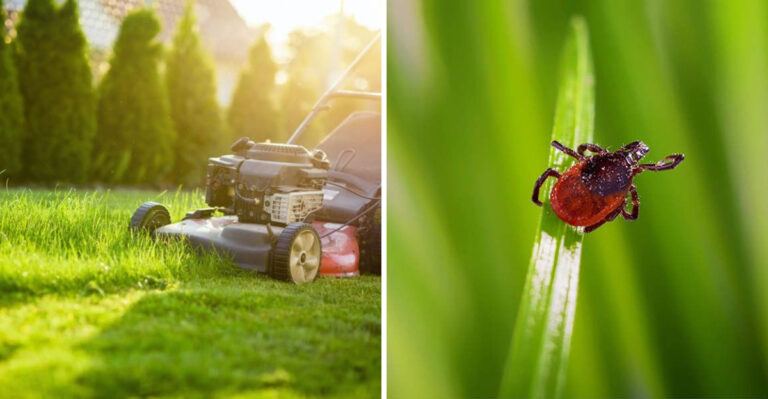
One serious problem with Japanese Barberry is that it changes the soil around it. Studies have found that soil under barberry thickets has higher moisture levels, which creates perfect conditions for ticks that carry Lyme disease.
So removing this shrub is not just good for plants, it is good for people too. If you already have Japanese Barberry growing on your property in Pennsylvania, the right move is to contact your local cooperative extension office for advice on safe removal.
Pulling young plants by hand works well, but larger shrubs may need cutting and treatment with an approved herbicide.
Native alternatives like spicebush or native viburnums can fill the same role in your garden without causing harm to Pennsylvania ecosystems. Making the switch is easier than you might think.
2. Burning Bush
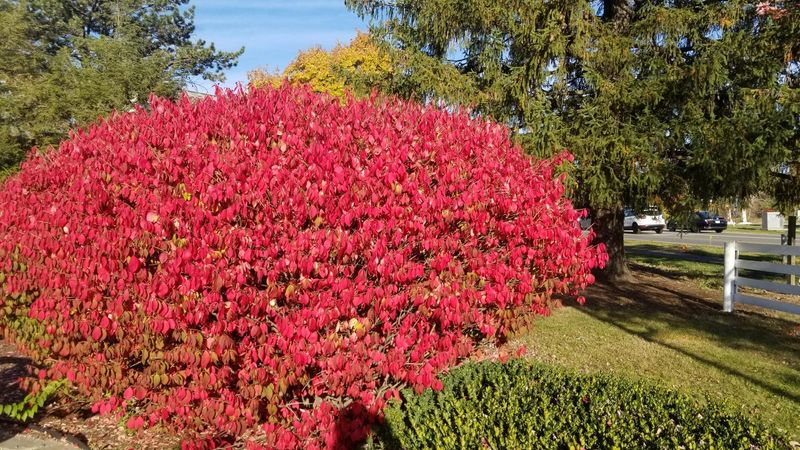
Few shrubs put on a fall color show quite like Burning Bush. Its leaves turn a stunning, fiery red in autumn, which is exactly why it became one of the most popular landscaping plants in the country.
But in Pennsylvania, that beautiful display comes with a serious legal problem. Burning Bush is on the state’s controlled plant list and is prohibited from being sold, planted, or transported.
Your Pennsylvania Garden Changes Every Week. Your Plan Should Too.
Gardening in Pennsylvania changes quickly throughout the season. Every Friday you’ll receive a simple weekly plan showing exactly what to plant, prune, fertilize, harvest, and protect so you never miss the right timing.
The scientific name for Burning Bush is Euonymus alatus, and it is native to northeastern Asia. It was introduced to North America as a decorative plant decades ago.
The trouble is that birds love its small red berries and spread the seeds into forests, meadows, and natural areas all across Pennsylvania. Once it gets established, it forms thick stands that block sunlight from reaching native plants growing below.
What makes Burning Bush particularly stubborn is how well it adapts to different conditions. It grows in sun or shade, in wet or dry soil, making it nearly impossible to stop once it starts spreading.
Native plant communities in Pennsylvania have taken a real hit because of this shrub’s aggressive growth habits.
If Burning Bush is growing in your yard right now, you are not automatically in trouble, but you should think about replacing it.
Great native alternatives include native azaleas, highbush blueberry, or Virginia sweetspire, all of which offer beautiful fall colors without threatening Pennsylvania’s wild spaces.
Reach out to a local nursery that specializes in native plants for help finding the best replacement. Your yard can still look amazing while supporting local wildlife.
3. Chinese Privet
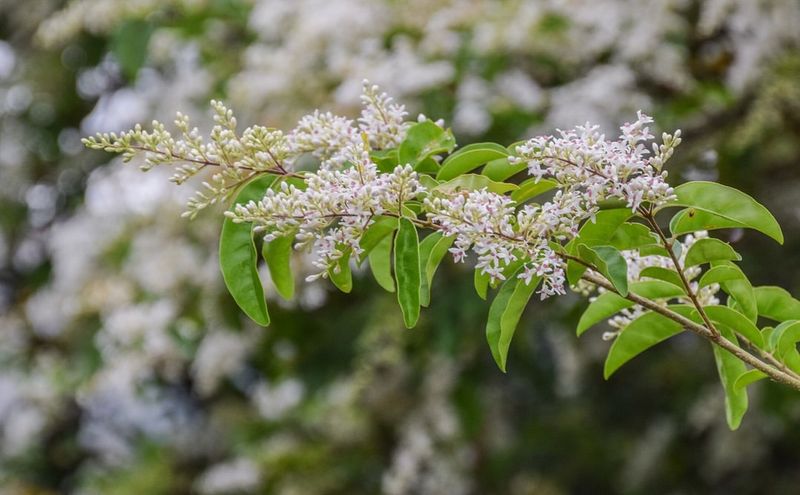
Chinese Privet might look harmless with its clusters of small white flowers and glossy green leaves, but do not let the pretty appearance fool you.
Ligustrum sinense is one of the most aggressive invasive shrubs found in the eastern United States, and Pennsylvania has banned it for good reason.
It spreads fast, grows thick, and leaves very little room for native plants to survive alongside it.
Originally from China, this shrub was introduced to the United States in the 1800s for use as a hedge plant and ornamental garden shrub. It was affordable, easy to grow, and stayed green for much of the year.
Those same qualities that made it popular in gardens also made it a nightmare in natural areas. Birds eat the dark berries and spread seeds across Pennsylvania forests, fields, and stream banks.
One thing that makes Chinese Privet so hard to manage is its ability to regrow quickly after being cut back. Cutting it down without treating the stump often just encourages it to send up multiple new shoots.
Land managers in Pennsylvania have spent significant resources trying to control its spread in state parks and natural areas.
Homeowners who spot Chinese Privet on their property should act quickly and carefully. Small seedlings can be pulled out by hand when the soil is moist.
Larger plants need stump treatment with an approved herbicide to prevent regrowth. Native shrubs like buttonbush, native hazelnut, or inkberry holly make excellent replacements that support Pennsylvania’s birds and pollinators.
Swapping invasive shrubs for native ones is one of the best things a homeowner can do for the local environment.
4. European Privet
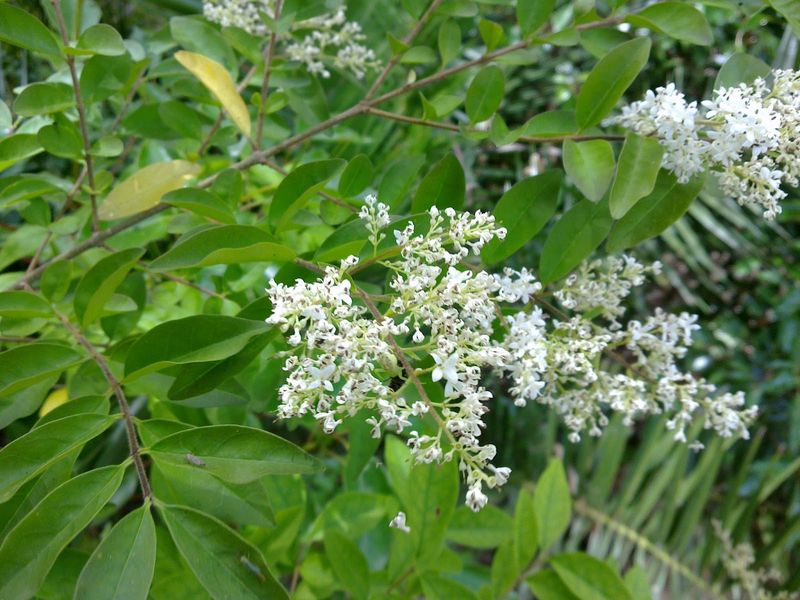
European Privet has been used as a classic hedge plant across the United States for well over a century. It is tidy, grows fast, and tolerates heavy pruning, which made it a top pick for property lines and formal gardens.
But in Pennsylvania, planting or selling Ligustrum vulgare is now against the law because of the serious damage it causes to native ecosystems.
Native to Europe and parts of Asia, European Privet was brought to North America in the 1700s. Back then, nobody had the tools or knowledge to predict how it would behave outside its home range.
Without the natural insects, diseases, and competitors that kept it in check in Europe, it spread aggressively through Pennsylvania woodlands, roadsides, and stream corridors. Birds love the small black berries and carry seeds far from any garden.
European Privet leafs out early in spring and holds its leaves late into fall, giving it a big advantage over native shrubs that follow normal seasonal patterns. That extended growing season lets it capture sunlight and resources that native plants desperately need.
Over time, it can completely transform the understory of a Pennsylvania forest, replacing a diverse mix of native species with a single invasive plant.
Getting rid of established European Privet takes patience and persistence. Hand-pulling works for small seedlings, but mature shrubs need to be cut and the stumps treated right away to stop regrowth.
Pennsylvania homeowners looking for a replacement hedge plant should consider native options like arrowwood viburnum or native elderberry. Both grow vigorously, look great, and actually benefit local birds and insects instead of crowding them out.
5. Border Privet
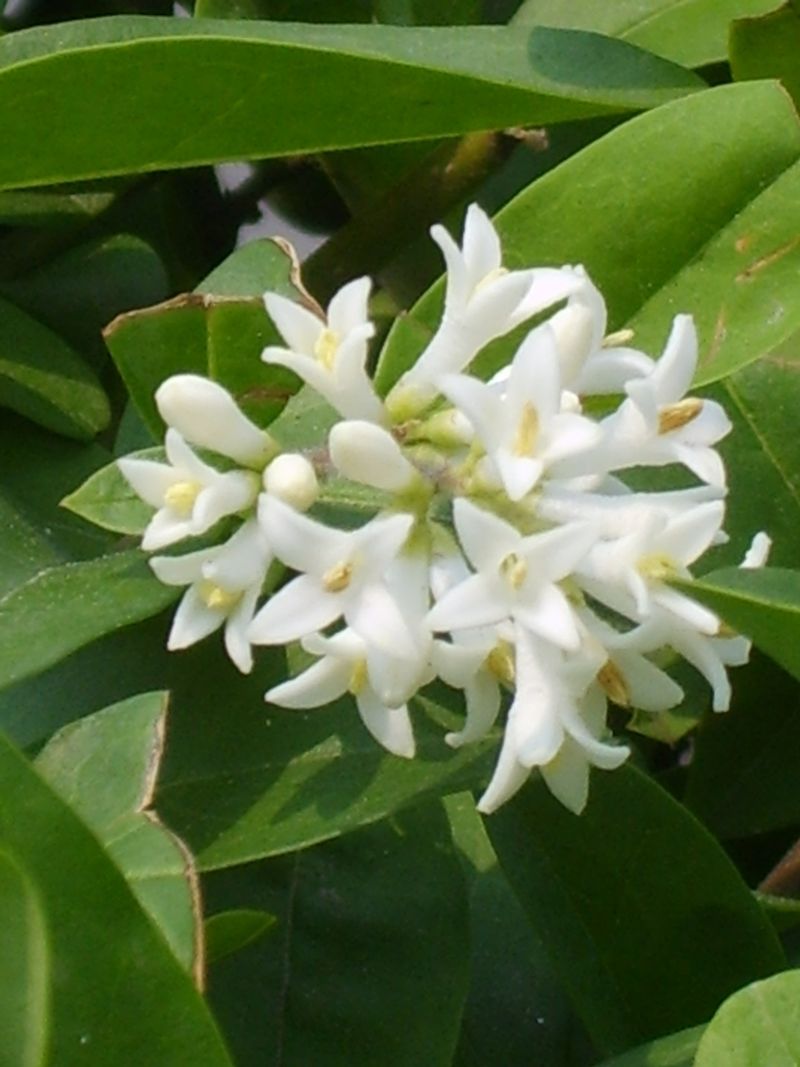
Border Privet has a softer, more relaxed look than some of its privet cousins, with gracefully arching branches and clusters of fragrant white flowers in early summer. For years it was a go-to choice for low hedges and garden borders across Pennsylvania.
Today, however, Ligustrum obtusifolium is on the state’s banned plant list, and for very good reason.
What sets Border Privet apart from other invasive shrubs is just how far it has spread across Pennsylvania’s natural areas. It thrives along forest edges, roadsides, stream banks, and disturbed land.
Once it gets a foothold, it spreads through both root sprouts and bird-dispersed seeds, making it one of the harder invasive shrubs to fully eliminate from a property or natural area.
Like its close relatives, Border Privet leafs out early and stays green late, giving it a competitive edge over native vegetation. It creates dense thickets that shade out wildflowers, native shrubs, and tree seedlings that would otherwise regenerate naturally.
Pennsylvania’s state parks and natural lands have all felt the impact of this plant’s aggressive spread over the past several decades.
If you find Border Privet on your Pennsylvania property, the best first step is to stop it from producing more berries. Cutting it back before berries ripen can help limit how far seeds spread in a single season.
Long-term control usually involves repeated cutting combined with stump treatment using a targeted herbicide.
Native shrubs like native spicebush, silky dogwood, or meadowsweet are all wonderful alternatives that blend beautifully into Pennsylvania landscapes while supporting the native insects and birds that local ecosystems depend on.
6. Japanese Privet
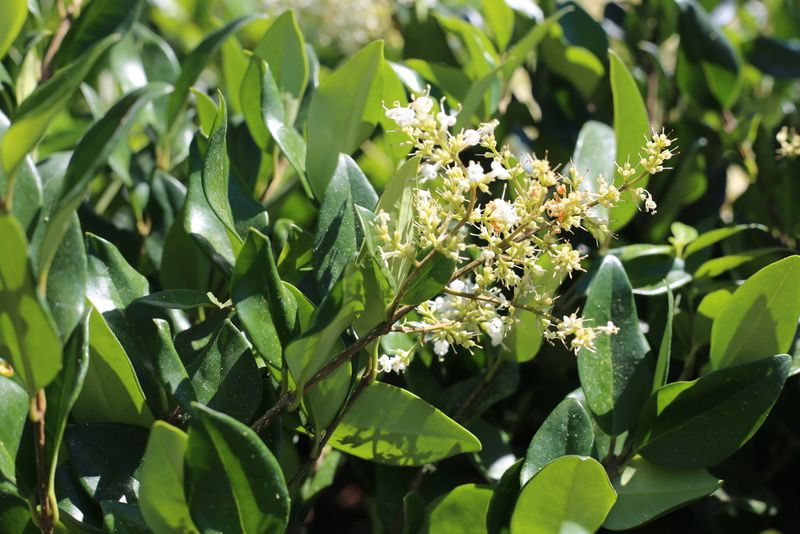
Glossy, dark green leaves and fragrant white flower clusters make Japanese Privet one of the most visually appealing members of the privet family. It was widely used across the United States as an evergreen hedge and foundation plant because it looks polished year-round.
But in Pennsylvania, Ligustrum japonicum is classified as a controlled invasive plant, and owning, selling, or planting it is not allowed.
Japanese Privet originally comes from Japan and Korea and was introduced to North America as an ornamental plant. It is a tough, adaptable shrub that handles shade, drought, and poor soil with ease.
Those survival skills are impressive in a garden setting, but they become a serious problem when the plant escapes into Pennsylvania’s wild spaces. Birds that eat the dark berries spread seeds into forests and natural areas where the shrub quickly establishes itself.
One reason Japanese Privet is particularly concerning in Pennsylvania is its evergreen nature. While native shrubs drop their leaves and slow down in winter, Japanese Privet stays green and continues to suppress native seedlings even during the cold months.
Over time, this gives it a massive advantage that native vegetation simply cannot match without help.
Removing Japanese Privet from your property in Pennsylvania is a responsible and important step. Young plants can be pulled or dug out when soil is soft and moist.
Established shrubs need cutting followed by immediate stump treatment to prevent vigorous resprouting.
Native evergreen alternatives like mountain laurel, Pennsylvania’s state flower, or inkberry holly offer similar year-round greenery while actively supporting local wildlife and keeping Pennsylvania’s natural spaces healthy and thriving.