Reasons Why You Should Plant Swamp Milkweed In Your Pennsylvania Garden
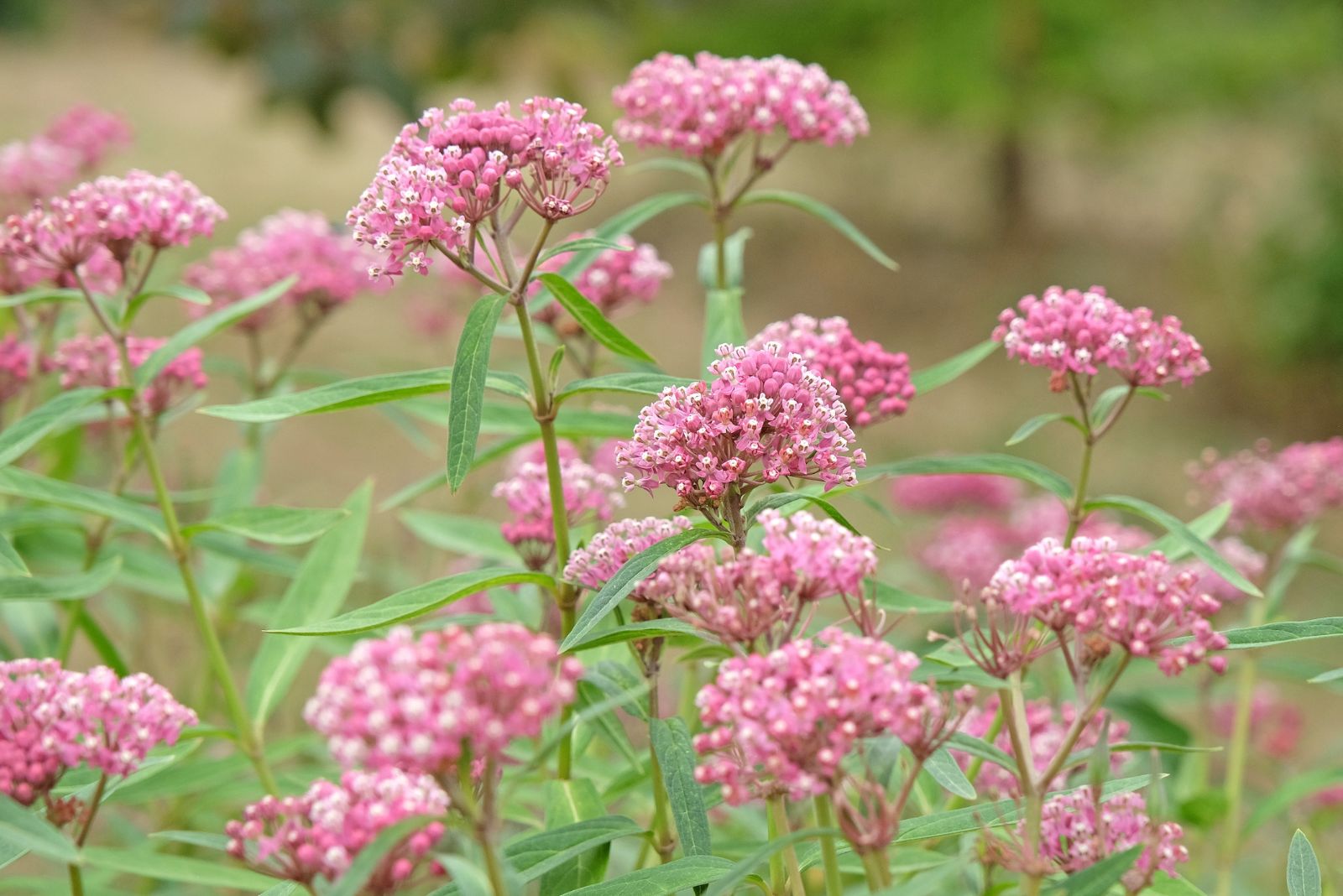
Swamp milkweed has a name that works against it in a lot of garden conversations, and that is a genuinely unfortunate thing because this plant deserves far more attention than its reputation currently gets.
It is not the aggressive spreader that some milkweed species are, it does not need boggy conditions despite the name, and it brings a combination of ecological value and visual appeal that very few Pennsylvania garden plants can match.
It is one of the most important plants a Pennsylvania gardener can grow for monarch butterflies, providing the host plant that caterpillars depend on during their development.
Beyond monarchs, it draws in a remarkable diversity of native pollinators through a long summer bloom period and handles Pennsylvania’s range of growing conditions with much less fuss than most people expect from a plant they assumed was difficult.
Once you understand what swamp milkweed actually does in a Pennsylvania garden, the name stops being a reason to hesitate.
1. Swamp Milkweed Attracts Monarch Butterflies
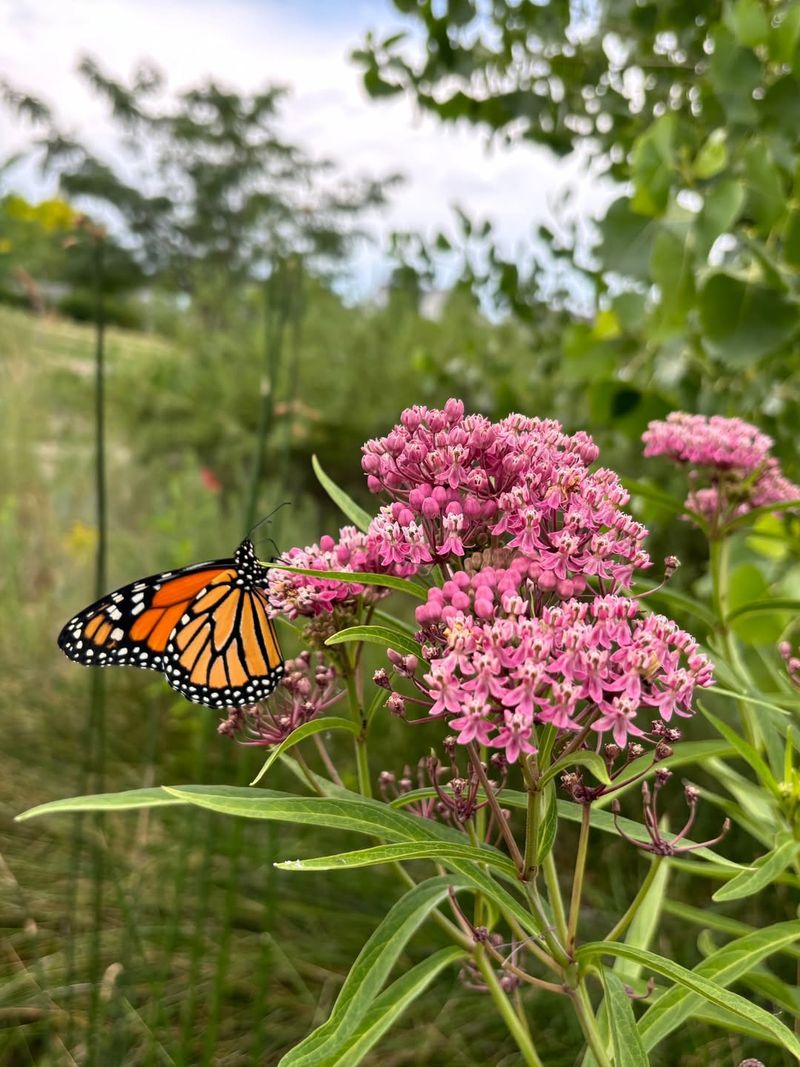
Every gardener dreams of seeing a monarch butterfly land gently on a flower just a few feet away. Swamp milkweed makes that dream a reality.
It is one of the only plants that monarch caterpillars can actually eat, making it a true lifeline for this iconic species.
Monarch butterflies lay their eggs directly on milkweed leaves. When the eggs hatch, the tiny caterpillars feed on those leaves to grow big and strong.
Without milkweed, monarch caterpillars simply cannot survive, which is why planting it in your garden makes a real difference.
Adult monarchs also love the pink blooms of swamp milkweed. They visit the flowers to drink nectar, fueling their long migration south each fall.
Watching them stop and feed in your yard is one of the most rewarding things a gardener can experience.
Monarch populations have dropped significantly over the past few decades. Habitat loss and the removal of milkweed from fields and roadsides are big reasons why.
By planting swamp milkweed in Pennsylvania, you are helping bring those numbers back up, one garden at a time.
You do not need a large yard to make an impact. Even a small patch of swamp milkweed can attract monarchs and support their life cycle.
It is a simple step with a powerful result, and your garden becomes part of something much bigger than itself.
2. It Has Long Blooming Period
Most flowering plants put on a great show for a few weeks and then fade away. Swamp milkweed takes a different approach.
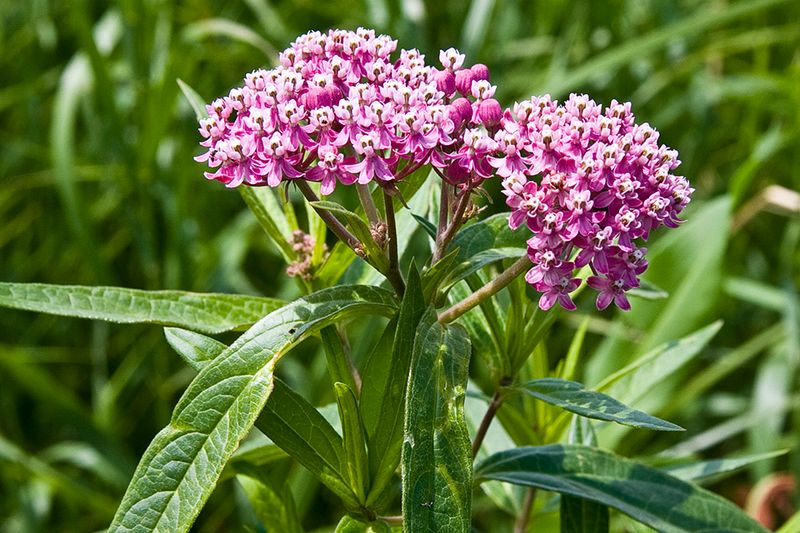
Its cheerful pink flower clusters start opening in midsummer and keep going all the way into early fall, giving your garden weeks of reliable color.
That extended bloom time is a big deal for pollinators. Many flowers wrap up by late July, leaving bees and butterflies searching for food during the hottest part of summer.
Swamp milkweed steps right in to fill that gap, providing nectar when other plants have already called it a season.
The flowers themselves are truly lovely. They grow in rounded clusters, almost like little bouquets, and their rosy pink color stands out beautifully against green foliage. They have a light, sweet fragrance that adds another layer of charm to any outdoor space.
Your Pennsylvania Garden Changes Every Week. Your Plan Should Too.
Gardening in Pennsylvania changes quickly throughout the season. Every Friday you’ll receive a simple weekly plan showing exactly what to plant, prune, fertilize, harvest, and protect so you never miss the right timing.
For gardeners who want a low-effort plant that delivers season-long interest, swamp milkweed is a fantastic pick. Once it gets going, you do not need to deadhead constantly or fuss over it to keep the blooms coming. It just keeps flowering on its own schedule.
After the flowers fade, interesting seedpods form and eventually split open, releasing silky white seeds into the breeze. Those seedpods add their own kind of beauty to the late-season garden.
From bloom to seed, swamp milkweed gives you something interesting to look at for months on end.
3. It Supports Pollinators
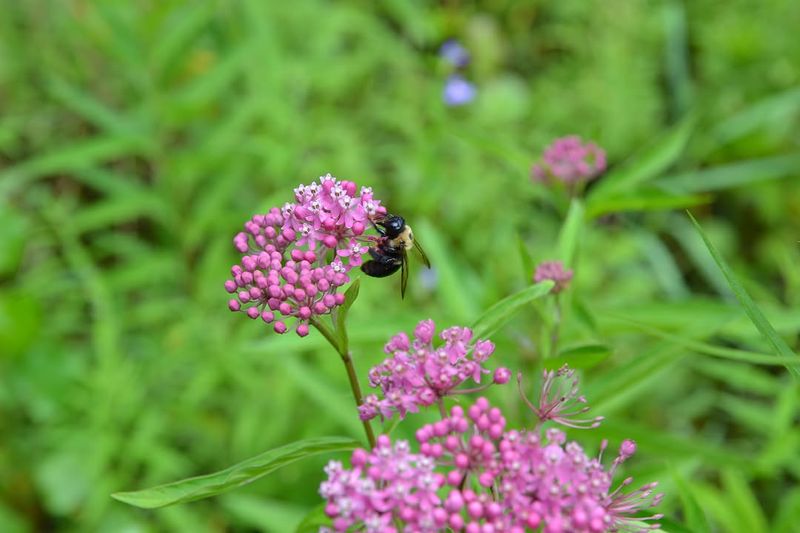
Monarchs get a lot of the spotlight, but swamp milkweed is a favorite stop for a whole crowd of other visitors too. Bumblebees, honeybees, and native sweat bees flock to the blooms in large numbers.
On a warm summer morning, the buzzing around a swamp milkweed patch can be surprisingly lively and fun to watch.
Swallowtail butterflies, fritillaries, and skippers are also regulars at swamp milkweed flowers. Each of these species plays a role in pollinating other plants nearby, so attracting them benefits your entire garden.
More pollinators means more fruits, vegetables, and flowers across your whole yard.
Hummingbirds are another delightful visitor. These tiny birds are drawn to the nectar-rich blooms and will zip in for a quick drink, especially in late summer when they are building up energy for migration.
Planting swamp milkweed near a window or porch gives you a front-row seat to all the action.
A garden that supports diverse pollinators is a healthier garden overall. Pollinators help create a balanced ecosystem where plants, insects, and birds all work together.
Swamp milkweed acts almost like a welcome sign, inviting that whole community into your outdoor space.
Supporting pollinators is not just good for your garden. It is good for local food production, natural habitats, and the environment as a whole.
One native plant can spark a chain reaction of ecological benefits, and swamp milkweed is one of the most effective plants you can choose to get that started.
4. Swamp Milkweed Is Native To Pennsylvania
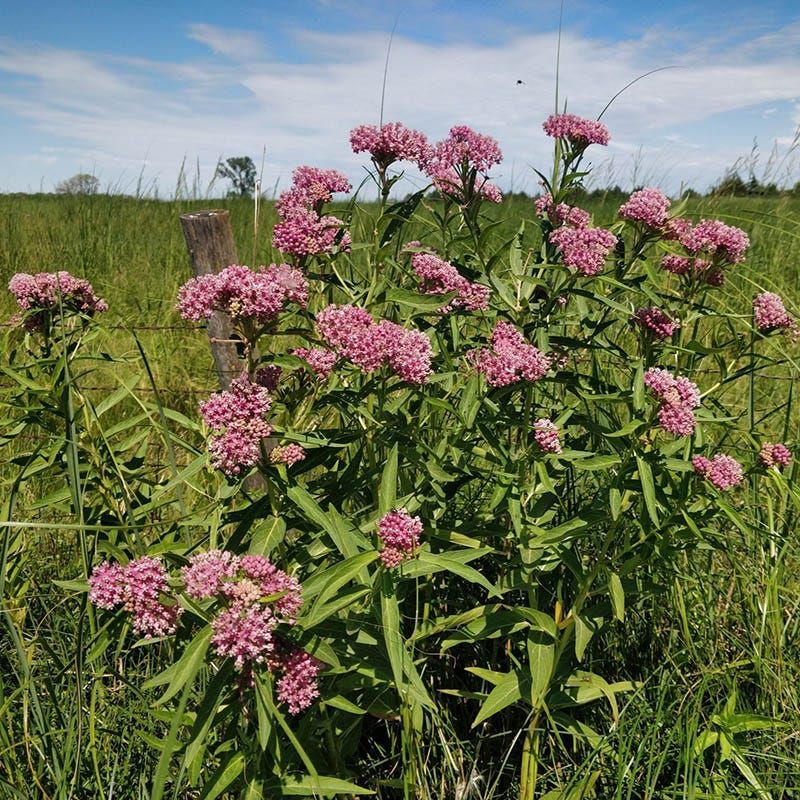
There is something special about planting a flower that actually belongs where you live. Swamp milkweed is native to Pennsylvania and much of the eastern United States, which means it evolved right alongside the local soils, rainfall patterns, and wildlife.
It is not a transplant trying to adapt. It is already home. Because it is native, swamp milkweed knows how to handle Pennsylvania weather. Hot and humid summers, rainy springs, and cold winters are no problem for this tough perennial.
It comes back reliably year after year without needing much help from you at all. Native plants also tend to need far fewer inputs than non-native ornamentals.
You will not need to fertilize heavily or water constantly once swamp milkweed gets established in your garden. It is already tuned in to the local environment and knows what to do on its own.
Choosing native plants is one of the most impactful things a home gardener can do for local wildlife. Birds, insects, and other animals evolved alongside native plants and depend on them in ways that non-native species simply cannot replace.
By planting swamp milkweed, you are restoring a small piece of Pennsylvania’s natural landscape.
Native gardening is also a growing movement across the country, and for good reason. Gardeners are realizing that working with nature instead of against it leads to more beautiful, more sustainable, and more rewarding outdoor spaces.
Swamp milkweed is a perfect starting point for anyone ready to make that shift in their own yard.
5. It Tolerates Wet Soils
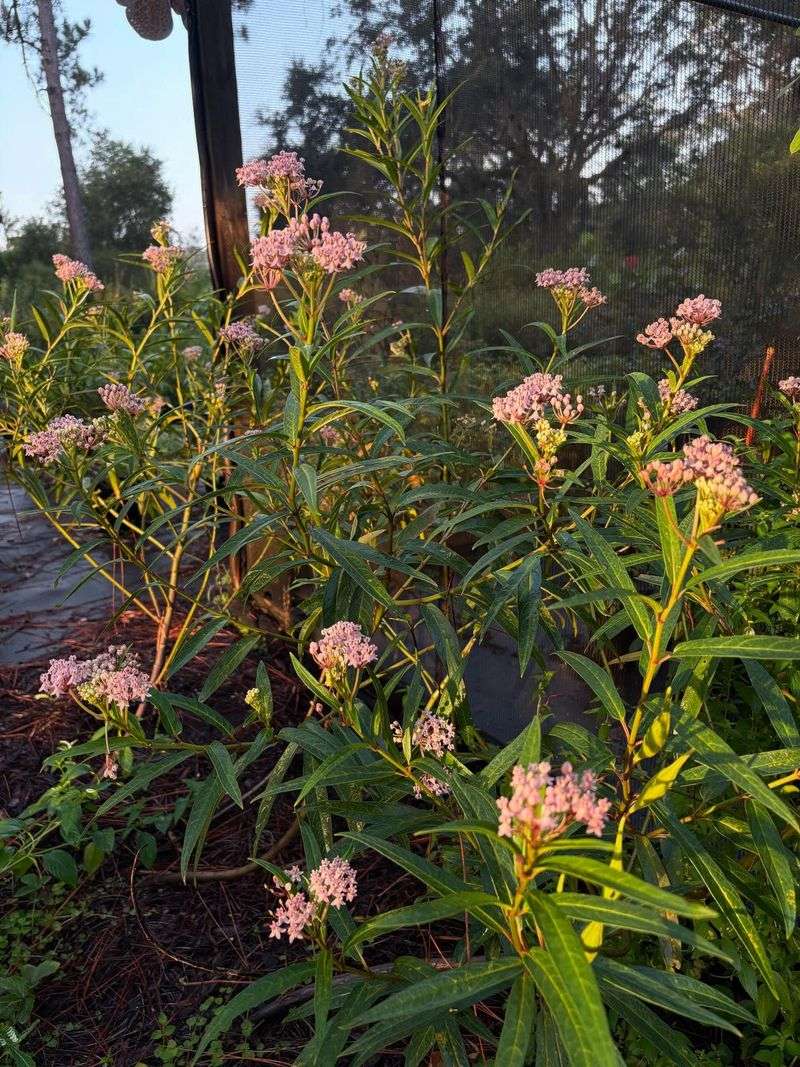
Ask any gardener about their least favorite garden problem, and soggy soil is almost always near the top of the list.
Most perennials sulk or struggle in wet conditions, leaving those low-lying corners of the yard looking bare and neglected. Swamp milkweed was practically made for exactly those spots.
True to its name, swamp milkweed loves moisture. It thrives along pond edges, in rain gardens, and in low areas where water tends to collect after a heavy rain.
Instead of fighting your yard’s drainage challenges, you can plant swamp milkweed and let it turn a problem spot into a showstopper.
Rain gardens have become increasingly popular in Pennsylvania as homeowners look for ways to manage stormwater runoff. Swamp milkweed is one of the top recommended plants for these features because it handles periodic flooding without missing a beat.
It absorbs and filters water while adding beauty to the space. Even in average garden soil that stays consistently moist, swamp milkweed performs well. It is not so picky that it only grows in swampy conditions.
It simply tolerates wet feet better than most plants, giving it a versatility that makes it useful in many different garden settings.
If you have a spot in your yard where other plants have repeatedly failed because of excess moisture, give swamp milkweed a try.
It is one of those rare plants that genuinely solves a problem while also looking great. Turning a frustrating wet patch into a thriving pollinator habitat is a win on every level.
6. It Adds Vertical Structure And Beauty
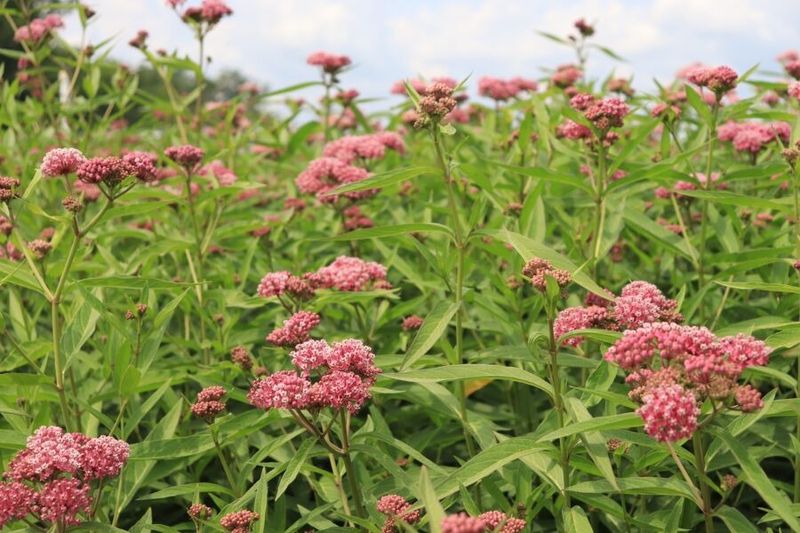
Not every garden plant can do double duty as both a practical workhorse and a true showpiece. Swamp milkweed pulls off both with ease.
Growing anywhere from three to five feet tall, it brings height and structure to a garden bed in a way that shorter plants simply cannot match.
Tall plants are important for creating visual depth and layering in a garden design. Swamp milkweed works beautifully as a background plant in a perennial border, rising up behind shorter flowers like coneflowers or black-eyed Susans.
That layered look gives a garden a lush, full, professionally designed appearance. The blooms themselves are genuinely eye-catching. The clusters of rosy pink flowers sit atop strong upright stems and sway gently in a summer breeze.
That soft movement adds life and energy to the garden in a way that rigid or stiff plants never quite achieve.
Swamp milkweed also pairs beautifully with other Pennsylvania native plants. Blue wild indigo, cardinal flower, and Joe-Pye weed all bloom around the same time and share similar growing conditions.
Planting them together creates a cohesive native garden that looks intentional and stunning throughout the season.
Even after the flowers fade, the plant continues to earn its space. The seedpods that develop in fall have an interesting sculptural quality, and the dried stems provide shelter for overwintering insects.
Leaving them standing through winter is actually the best thing you can do for local wildlife, and they add a quiet, natural beauty to the dormant garden. Swamp milkweed truly gives from spring all the way through winter.