The Winter Lawn Recovery Gap Between Middle And East Tennessee
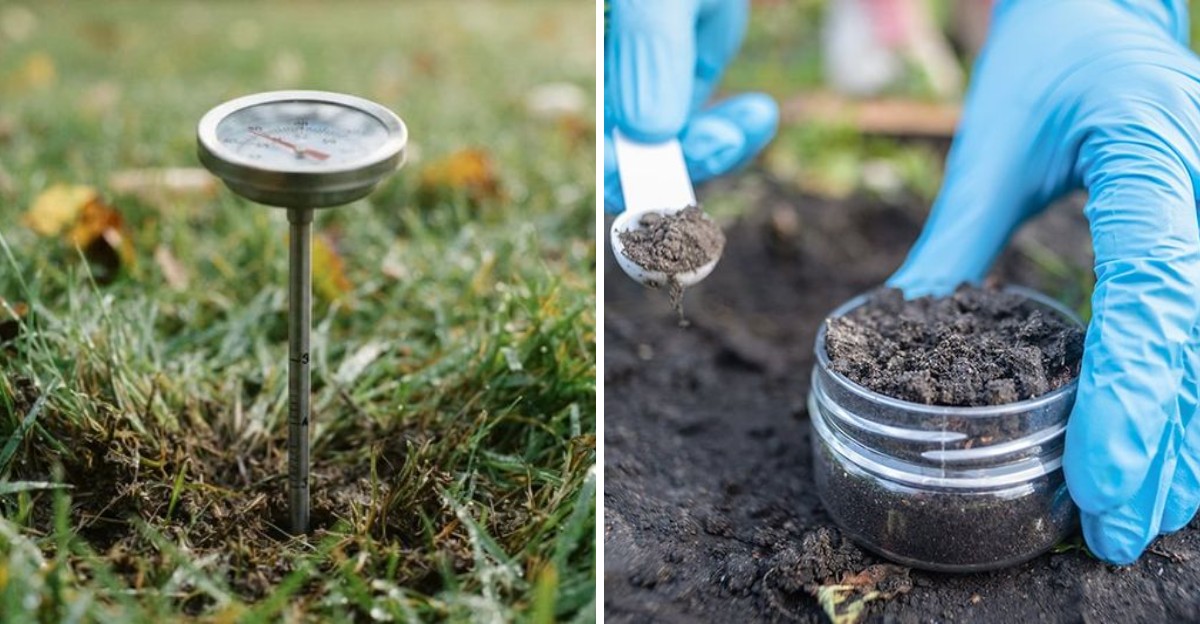
Something important happens to lawns west of the Cumberland Plateau every November. Homeowners keep asking the same question.
Why do yards in Franklin or Clarksville come out of winter thin and muddy? Yards in Johnson City or Bristol bounce back thick in spring. The answer isn’t neglect. It’s not a bad fall cleanup either.
Middle Tennessee sits on a different foundation entirely. It’s built from limestone bedrock, thin topsoil, and clay that traps water one week and locks up hard the next. Add in a wet winter. Add summer damage that never fully healed.
Soil here needs help before spring in ways East Tennessee’s higher elevation and looser terrain rarely demand.
This isn’t a story about one rough season. It’s a pattern. It repeats yard after yard, county after county. November is the right month to start fixing it.
Clay Soil In Middle Tennessee Drains Poorly
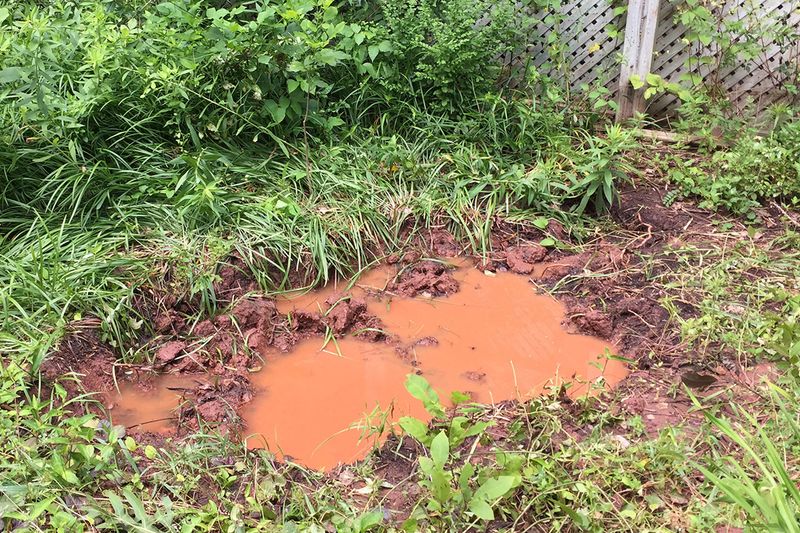
Sticky, dense, slow-draining clay is one of the biggest reasons Middle Tennessee yards need more winter recovery than those in East Tennessee. Middle Tennessee sits on a thick belt of heavy clay that holds water after rain and turns rock-solid when it dries.
In winter, roots sit in cold, waterlogged ground. Then freeze-thaw cycles heave and crack the surface.
East Tennessee has more varied soils, and many sites near the mountains drain faster. Those sites shed winter rain more easily, giving roots room to breathe even in the coldest months.
Clay in Middle Tennessee compacts easily and drains poorly. Homeowners often notice puddles sitting for days after a November rain.
That standing water breeds root rot, moss, and fungal problems while the ground is too cold to dry out.
Fixing clay takes real effort, but fall is the right time to start. Spreading a thin layer of compost over the lawn feeds soil life through winter. Add gypsum only if a soil test suggests it.
Without intervention, clay keeps winning the fight against your grass. Raised beds are another smart workaround for garden areas. Filling them with quality topsoil bypasses the clay entirely.
Summer Damage Leaves Lawns Weak Heading Into Winter
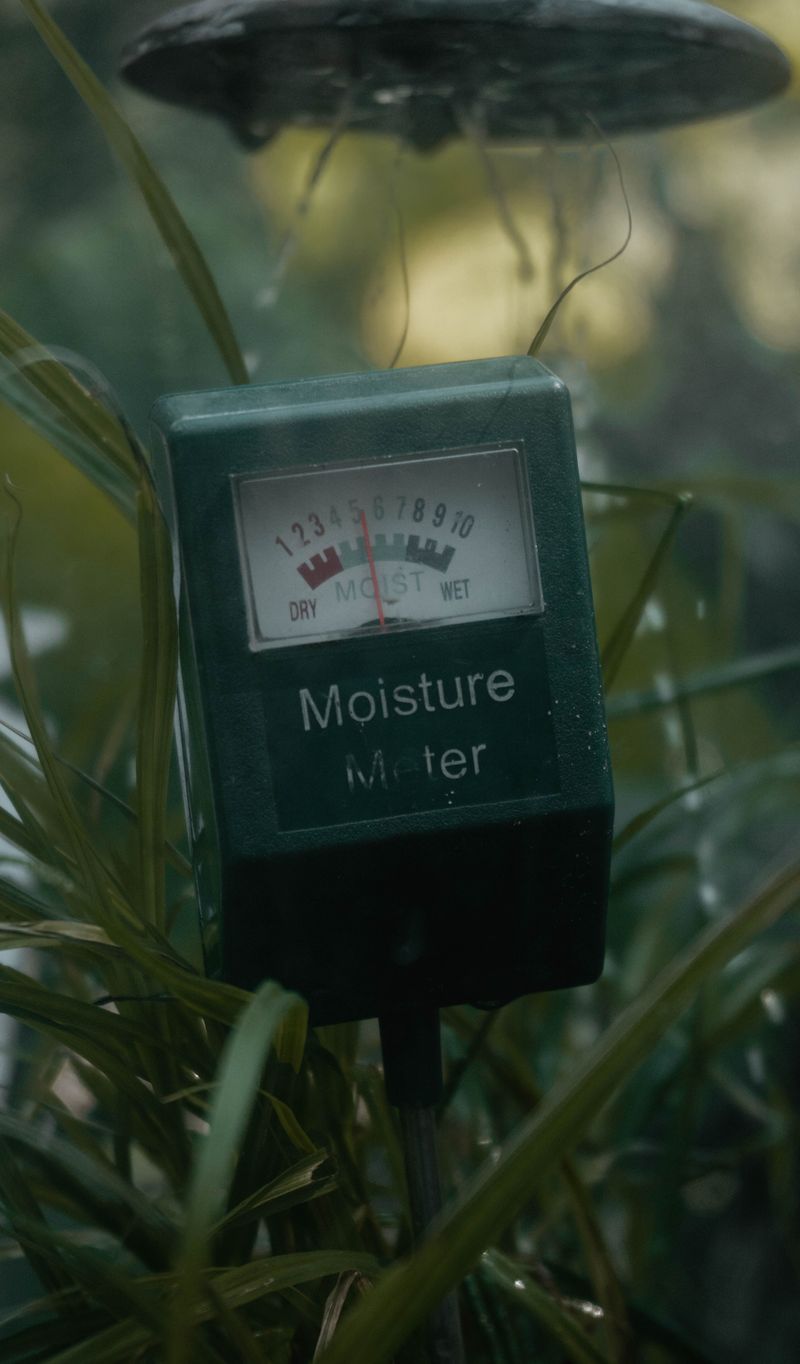
Summer in Middle Tennessee feels like a warm, wet towel that never dries. By November, the damage it did is still sitting in your lawn.
Fescue that endured weeks above 90 degrees often enters winter thin, with weak roots and little stored energy.
Middle Tennessee’s lower-elevation basin held onto heat and humidity longer than higher terrain. Grass here had less time to recover before cold weather arrived.
Turf cannot rebuild roots efficiently when it spent the whole summer stressed. Bermuda handles heat better than fescue, but it goes dormant in the first hard frosts. Brown, tan Bermuda in November is normal, not a sign of failure.
East Tennessee’s cooler summers meant lawns there entered fall in better shape. Grasses got real overnight recovery all season. That head start makes a big difference in how healthy a lawn looks come March.
Late-fall feeding helps thin fescue rebuild. A slow-release fertilizer applied in November, while roots are still active, builds reserves for spring.
Keep mowing until growth stops, gradually lowering the height for the last cut. Rake debris so grass can still reach the sun. Winter recovery starts with what you do before the ground freezes.
Wet Winter Rainfall Keeps Clay Saturated

Unpredictable moisture is a challenge in every season, and winter is no exception. Some weeks bring soaking rain, and then a hard freeze follows within days. Saturated clay that freezes expands, then collapses when it thaws, tearing at fine roots.
East Tennessee tends to see more varied, better-draining ground, partly because mountain terrain moves water downhill instead of letting it settle. Soil there sheds winter rain faster and holds fewer standing pools.
Middle Tennessee has less of that geographic advantage. Soggy winter soil cannot hold oxygen. Roots weaken, and shallow root systems left over from summer suffer most.
Stay off wet ground whenever possible. Walking or mowing on saturated clay presses out air pockets and makes drainage even worse.
Redirecting water starts with a few simple fixes. Clear downspouts and extend them well away from lawn edges. Fill low spots with a thin layer of topsoil.
Mulching garden beds with two to three inches of shredded leaves or hardwood mulch protects soil from pounding rain and temperature swings. It also reduces erosion on slopes. Managing winter water at home can offset the soggy skies Middle Tennessee gets.
Warmer Soils In Middle Tennessee Shorten The Dormant Window
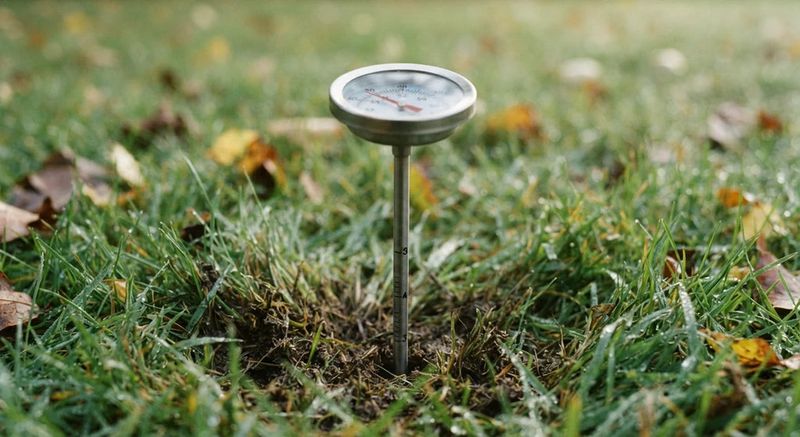
Elevation gives East Tennessee a natural rhythm that homeowners rarely think about, though it varies by location. Knoxville sits higher than Nashville, and Smoky Mountain foothill communities cool off even earlier.
Soil there chills sooner in fall, and lawns shut down for winter on a steady schedule. Cool-season grasses like tall fescue keep growing slowly when soil temperatures sit in the 50s. Middle Tennessee’s soil often stays in that range well into November.
That means roots are still active, and so are weeds and pests. Middle Tennessee homeowners get a longer window for fall work, but also face less predictable dormancy, so watch the weather before each task.
Warm spells followed by sudden freezes can stress turf that never fully hardened off. Many homeowners mistake dormant, tan grass for dead grass and panic, which leads to wasted effort.
Higher elevation also means East Tennessee winters are more consistently cold. That steady chill keeps soil biology slow and predictable through January.
Use your window wisely. If fescue is thin, dormant overseeding in late fall or winter can still help, though early fall is ideal. Elevation may not be something you can change, but your fall timing absolutely is.
Fallen Leaves Smother Lawns And Starve Soil
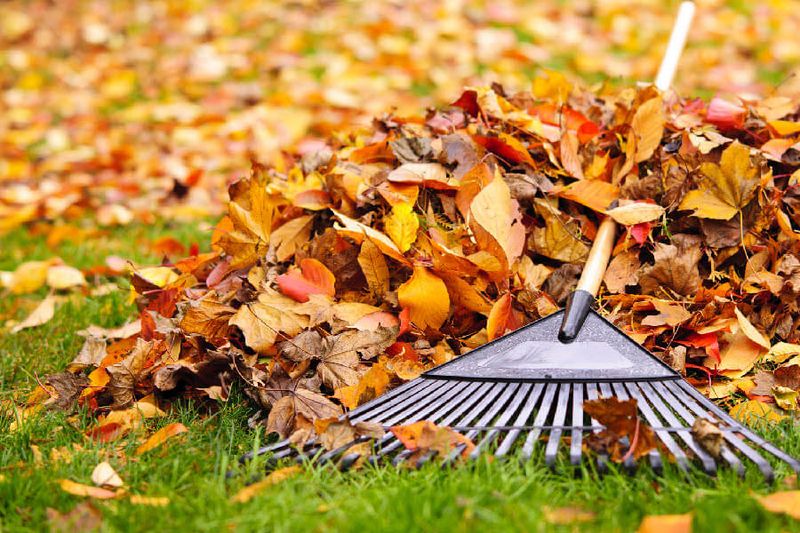
Nashville and its surrounding counties have grown rapidly, but many established neighborhoods still have mature shade trees. Every November, those trees drop an enormous amount of leaves onto lawns and garden beds.
A thick, wet mat of leaves blocks sunlight and traps moisture against the grass. Neighborhoods with older canopies see the heaviest leaf loads. Smothered turf turns yellow, thins out, and invites disease before spring ever arrives.
That buried grass also struggles to harden off before the first hard freeze. East Tennessee has plenty of trees too, but colder weather often means leaves come down earlier and settle on firmer ground.
Cleanup there tends to happen before soils turn soggy. In Middle Tennessee, wet leaves sitting on clay can stay soggy for weeks. Leaves are not just waste, though.
Mulching them with a mower and leaving a thin layer on the lawn returns nutrients and organic matter to the soil.
Shredded leaves also make excellent mulch for garden beds, and a compost pile turns the rest into free soil conditioner. Recovery begins one rake, or one mower pass, at a time.
Compaction Needs Fixing Before The Ground Freezes
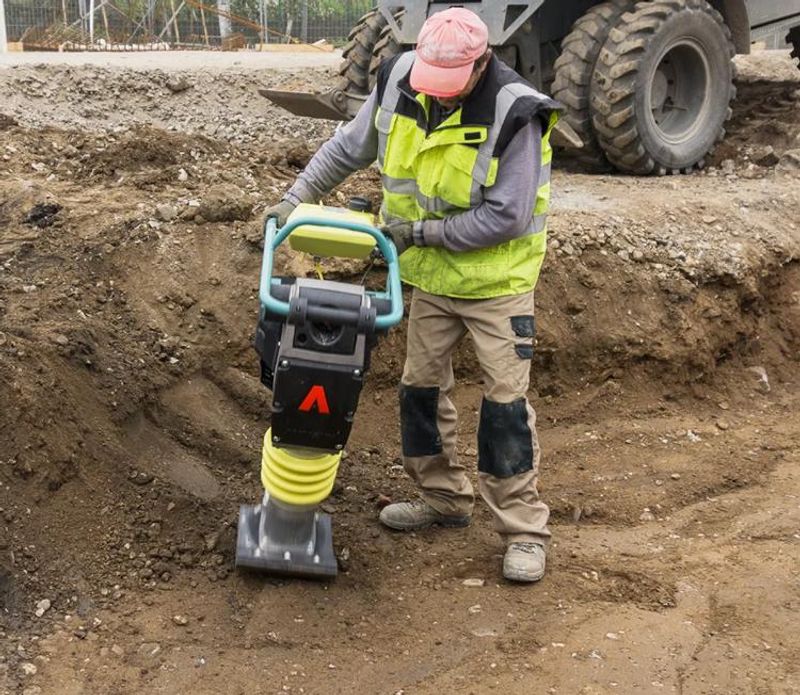
Compacted soil is a difficult problem, and Middle Tennessee yards face it far too often. When soil particles are pressed tightly together, water and air cannot reach roots, and winter only makes it worse.
Frozen, compacted ground sheds rain across the surface instead of absorbing it. Heavy clay compacts more easily than sandy or loamy soils, which puts Middle Tennessee at an automatic disadvantage.
Foot traffic, mowers, and a summer of baking can press clay into a nearly impenetrable layer.
Once compacted, that layer resists water even during generous rains. East Tennessee’s more varied soils can resist compaction better in some areas. Water moves through those profiles freely, and roots stay deeper and healthier.
Core aeration is one of the most effective tools for breaking up compacted soil. Pulling plugs of soil creates channels for water, air, and nutrients to reach roots directly.
Early fall is the ideal time to do it, and November is still possible as long as the ground is not frozen or soaking wet.
Follow aeration with a light topdressing of compost. Over two to three years, consistent aeration and organic matter can transform stubborn clay into something roots actually enjoy.
Compaction does not disappear overnight, but relief now gives your yard a fighting chance by spring.
Fungal Problems Linger In Damp Winter Lowlands
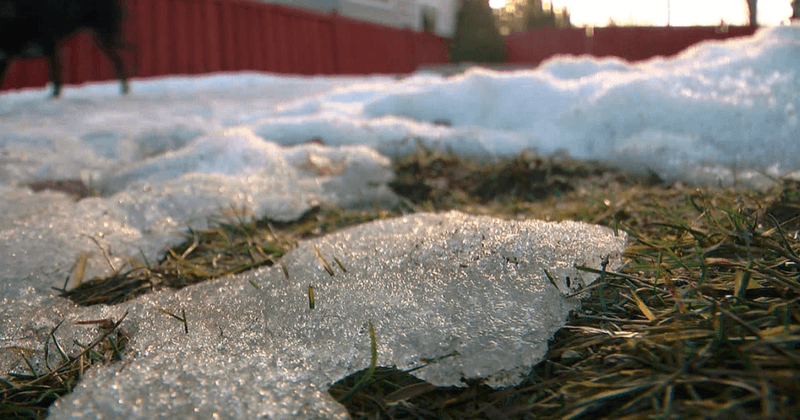
Fungus does not disappear when summer ends. Middle Tennessee’s low-lying geography still traps damp air close to the ground, and November leaves and thatch keep turf wet. A single mild, rainy week is all certain pathogens need to survive into winter.
Brown patch fades with the cold, but diseases like leaf spot and snow mold can move in on weakened turf. Matted leaves and tall grass make conditions worse.
Fescue that went into winter stressed is especially vulnerable because blades stay wet for long stretches.
East Tennessee’s colder winter air shortens the window for most fungal activity. Leaf blades dry faster, and cold soil keeps pathogens slow. That shorter wet period limits how aggressively disease can spread.
Cleaning up is the simplest defense. Remove heavy leaf cover, keep your final mowing height moderate, and avoid cutting wet grass.
Skip fast-release or heavy nitrogen applications this late, since soft growth invites disease. Improve air circulation by pruning low branches that shade the lawn. Prevention is far more cost-effective than any fungicide.
Soil Testing And Lime Set Up A Strong Spring
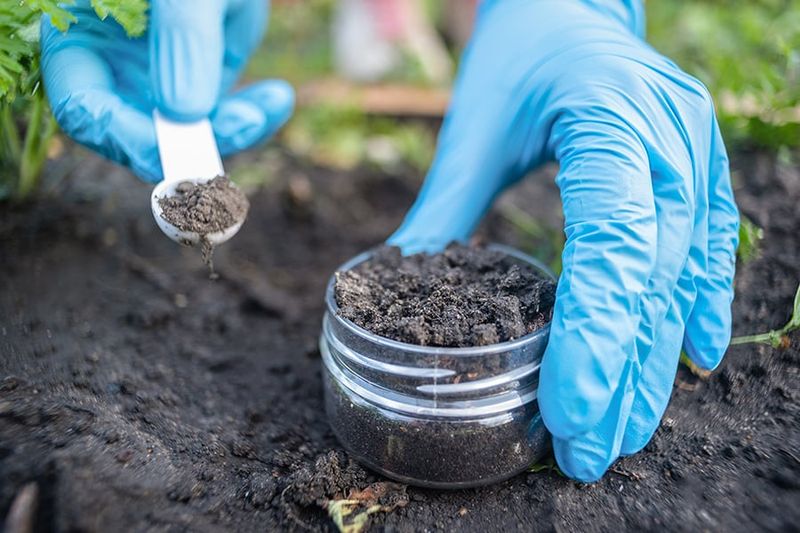
Late fall and winter are not just a waiting period. They are the best time to learn what your soil actually needs, before spring growth begins.
Many Middle Tennessee soils run acidic, and acidic soil locks up nutrients that grass roots need.
Local extension offices offer low-cost soil tests that show pH and nutrient levels. A November test gives lime time to work slowly through winter rain and freeze-thaw cycles.
Applying lime in fall instead of spring is one of the smartest moves you can make. East Tennessee yards face similar pH issues, and soil testing is just as useful there.
Middle Tennessee’s thin topsoil and clay can respond quickly, for better or worse, to what you add. Testing removes the guesswork and keeps you from wasting money.
Add organic matter while you are at it. Compost, shredded leaves, and well-aged manure build structure and feed beneficial microbes through the cold months.
For bare garden beds, a winter cover crop like crimson clover or cereal rye protects soil from erosion and adds nutrients when tilled under in spring.
Adapting your routine to winter is one of the smartest moves any Middle Tennessee homeowner can make right now.