Why Your Geraniums Stop Blooming In Late Summer
Those scarlet pom-poms you admired in June left for a reason. You hold the clues right in your hands.
Rub a leaf and breathe in that peppery, oregano-like scent. Lush leaves with no buds can point to too much nitrogen in the soil.
Lawn fertilizer that reaches your pots can push stems skyward and soften bud production. Soil that feels dusty beneath your fingertips signals thirst, which pauses blooming.
Check your leaves for gray fuzz, rusty spots, or a white film too. Fungal problems drain your plant’s energy by late summer.
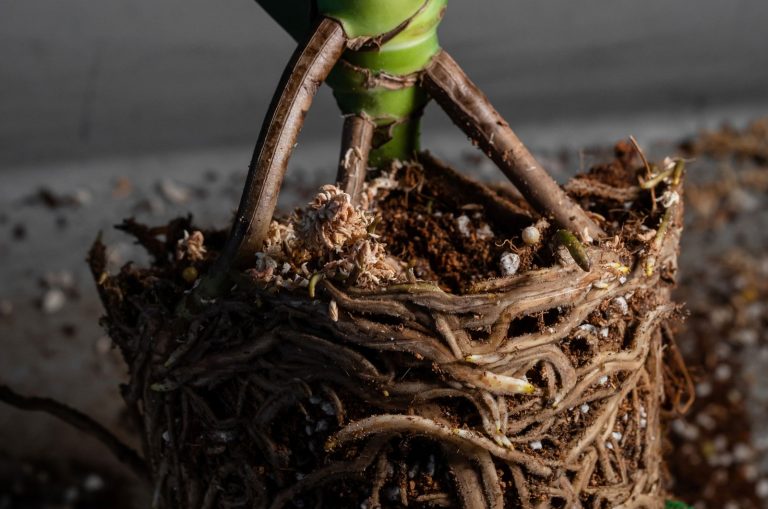
Tip your pot and look for roots circling the drainage holes. Severely crowded roots dry out fast, and that stress slows buds.
Snip spent stems back to fresh leaf pairs, and you trigger new buds. Pair that trim with bloom-boosting feed, and September color can follow. Neighbors will notice.
1. Spent Flowers Left On The Plant
Many gardeners walk their pots each evening with a small pair of snips and a coffee mug. It looks like tidying up, but it helps flowers last all summer.
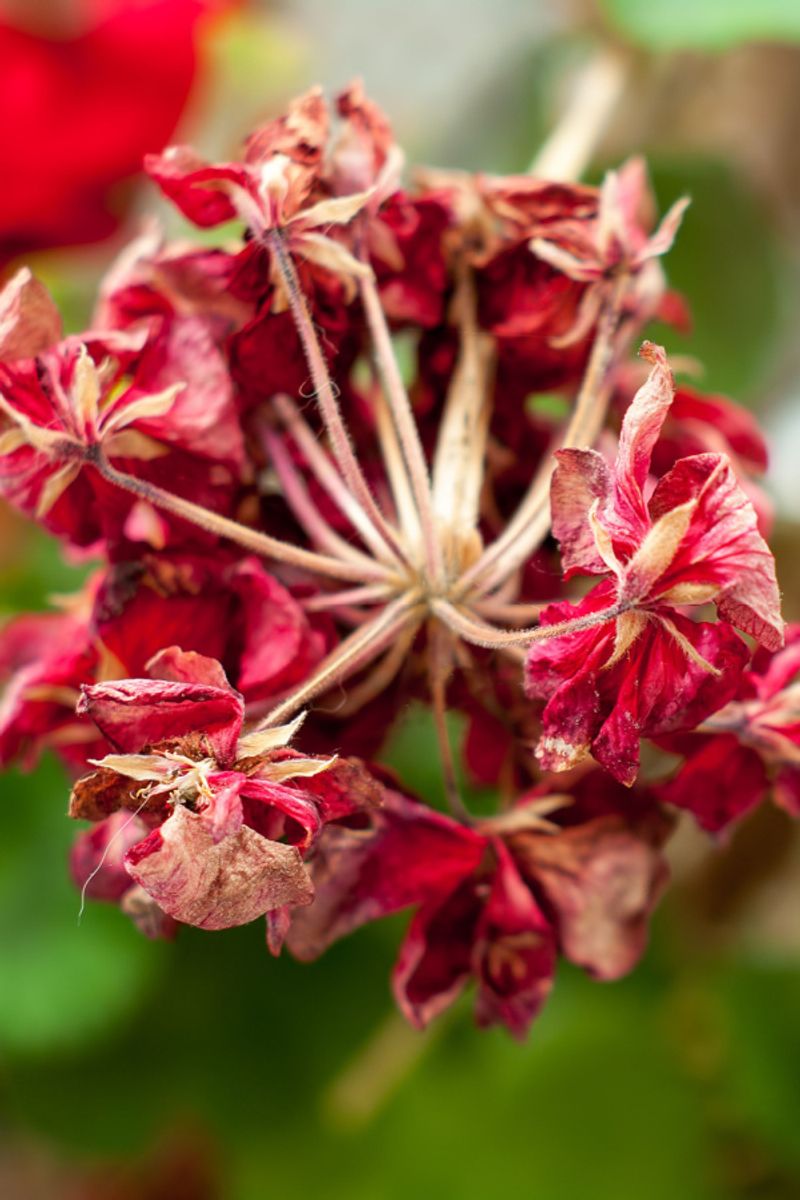
When a bloom fades, the plant starts working on seeds instead of new flowers. Seed making uses lots of energy, and it tells the plant its job is done.
Snipping off faded flowers tricks the plant into making more buds. It is a simple and useful garden chore.
Follow the faded flower stalk all the way down to where it meets the main stem. Snap or cut it off there, rather than just plucking the top cluster.
Leaving bare stalks behind looks messy and can invite fungus to settle on decaying plant material. A clean cut keeps the plant neat and healthy at the same time.
Try making it a habit every two or three days during peak summer. Five minutes with a cup of coffee in hand is plenty for a few pots.
Brown, crispy petals that drop onto leaves should be cleared away too. Wet petals stuck to foliage can lead to spots and gray mold.
Some newer varieties are labeled self-cleaning, meaning they drop old petals on their own. Many of those still form seed heads, so a quick snip helps them keep going.
That nightly stroll with snips is a habit worth copying. A little attention each evening keeps the color coming well into autumn.
2. Fertilizer High In Nitrogen
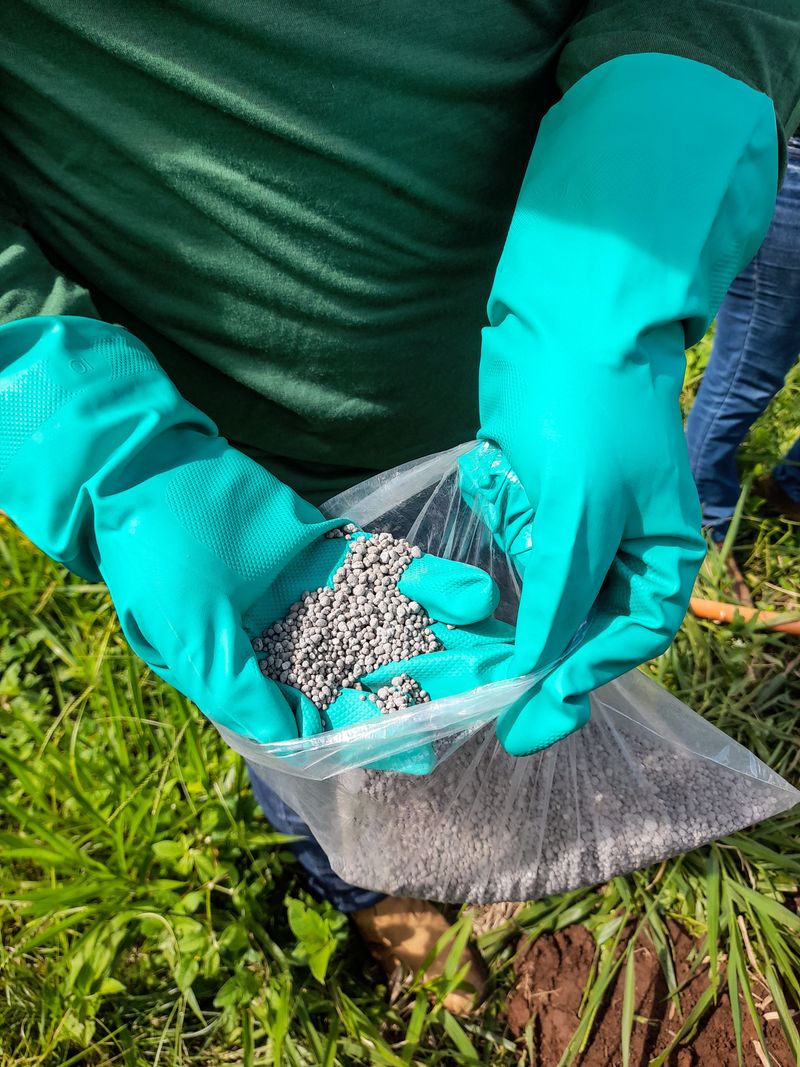
Lush, dark green leaves look like a sign of success, but they can be misleading. A plant bursting with foliage and few or no flowers is often overfed with the wrong food.
Nitrogen is the nutrient that fuels leafy growth, and many all-purpose fertilizers contain plenty of it. Lawn fertilizer is especially heavy in nitrogen, so keep it away from flower pots.
Phosphorus supports bud formation, and potassium supports overall plant vigor. When nitrogen is high, the plant puts its effort into leaves instead.
Check the three numbers on your fertilizer label, which stand for nitrogen, phosphorus, and potassium. A blend like 10-15-10 or 5-10-5 works better for blooming plants.
Feeding every two weeks at half strength is plenty during the growing season. More is not better, and extra fertilizer can damage roots or build up salts.
White crust on the soil or pot rim is a clue that salts have collected. Flush the pot with plain water a few times to rinse them out.
Slow-release pellets mixed into the soil in spring may run out by late summer. A gentle liquid boost in July can help plants finish the season strong.
If your plants are already overfed, stop feeding for two or three weeks. Then return with a bloom-boosting formula and watch for new buds forming.
Feeding plants is a little like feeding kids at a birthday party. Some treats are fine, but a balanced plate keeps everyone happy and growing right.
3. Sunlight Falling Short By August
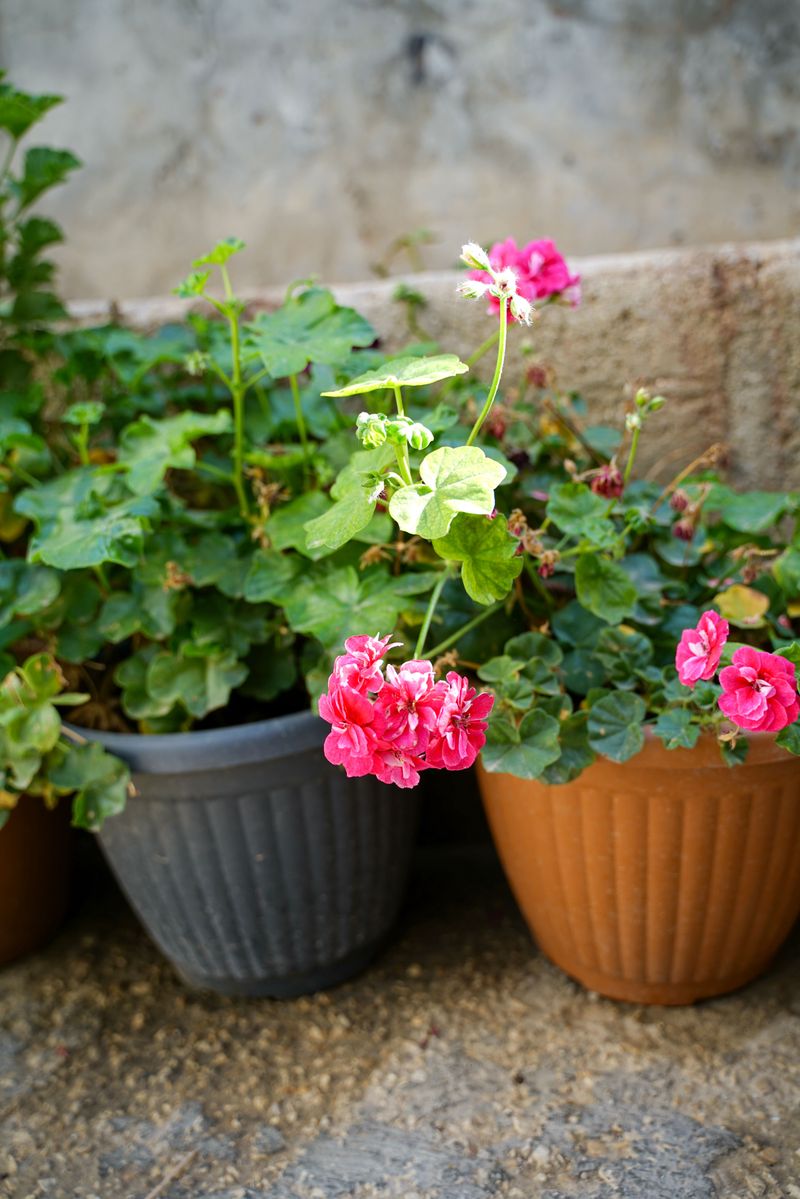
Shade shifts gradually over a summer, often more than people notice. A spot that got full sun in May might be shaded by August.
Tree canopies thicken, neighbors put up umbrellas, and the sun sits lower in the sky. Suddenly your sunny porch corner only gets a few hours of direct light.
Many garden geraniums need at least six hours of sun each day to bloom well. With less light, they grow tall and floppy while reaching for brightness.
Try a simple test by checking your pots every two hours on a sunny day. Jot down when each spot is in sun and when it falls into shade.
If light is falling short, move containers to a brighter location like a south-facing patio. Hanging baskets can be shifted to a different hook with better exposure.
Rotate pots a quarter turn every week so all sides of the plant get equal light. Doing so keeps growth even and encourages buds on every side.
Ivy geraniums and some scented types handle a bit more shade than common zonal kinds. Even so, they still flower best with bright morning light.
Balance matters, since too much intense afternoon sun brings back the heat problem. Aim for strong morning rays and gentle relief in the late afternoon.
Once you find the sweet spot, you may see fresh buds within two or three weeks. Sunshine is free fuel, so let your plants soak it up.
4. Summer Heat Stress In Containers
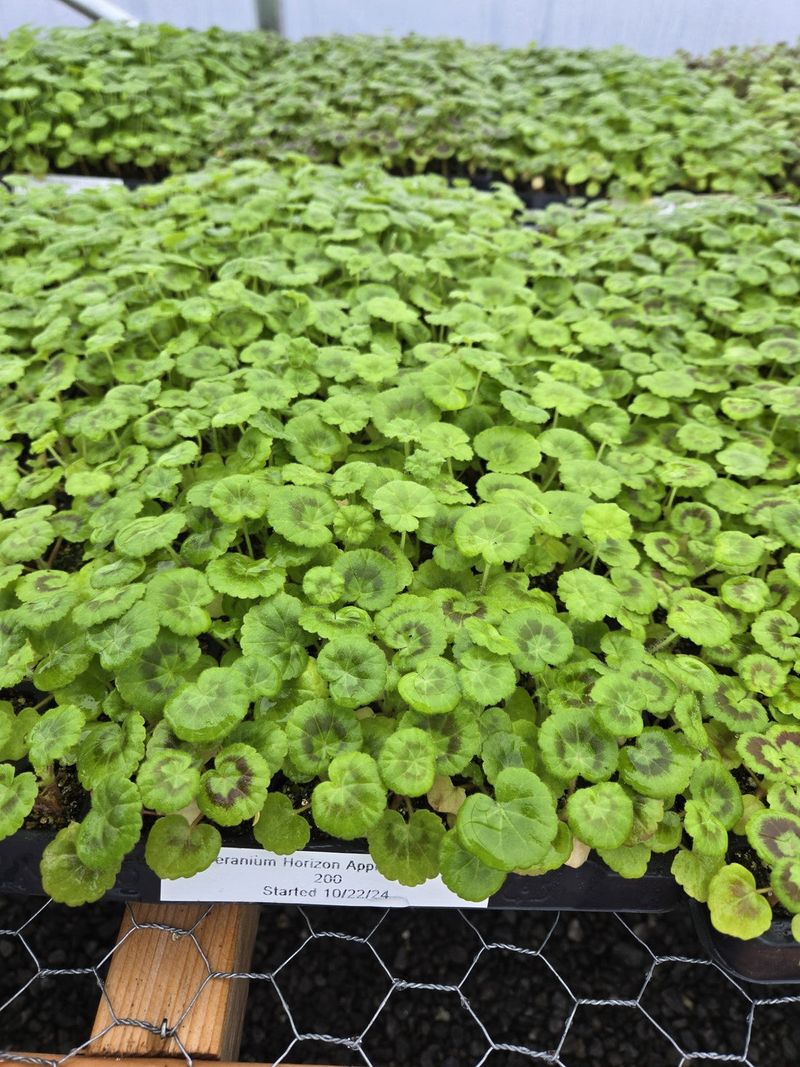
Picture yourself running a marathon in a wool sweater on the hottest day of July. You would stop to rest too, and your plants feel much the same way.
Geraniums grow best when days are warm and nights are cool, around 55 to 75 degrees. Once temperatures climb past 85 degrees for weeks, they slow down flower production.
Heat stress makes the plant save energy and water instead of spending it on blossoms. Buds may form and then dry up before they ever open.
Potted plants are often more affected because dark containers soak up sunshine and overheat the roots inside. Soil in a black plastic pot can get hot enough to stress tender root tips.
Moving pots to a spot with morning sun and afternoon shade can make a big difference. Even a few hours of relief from intense rays helps the plant recover.
Light-colored pots or clay pots wrapped in burlap also help keep roots cooler. Another trick is grouping containers together so they shade each other at the base.
Mulching the soil surface with shredded bark holds in moisture and blocks some heat. Water early in the morning so plants start the hot day fully hydrated.
Patience matters here, because many geraniums bounce back once September brings cooler nights. Keep them healthy through the heat wave, and a fresh round of color usually follows.
Think of the summer slump as a pause in growth rather than a failure. Treat it kindly now, and it will reward you with a fall encore.
5. Soil That Stays Too Wet
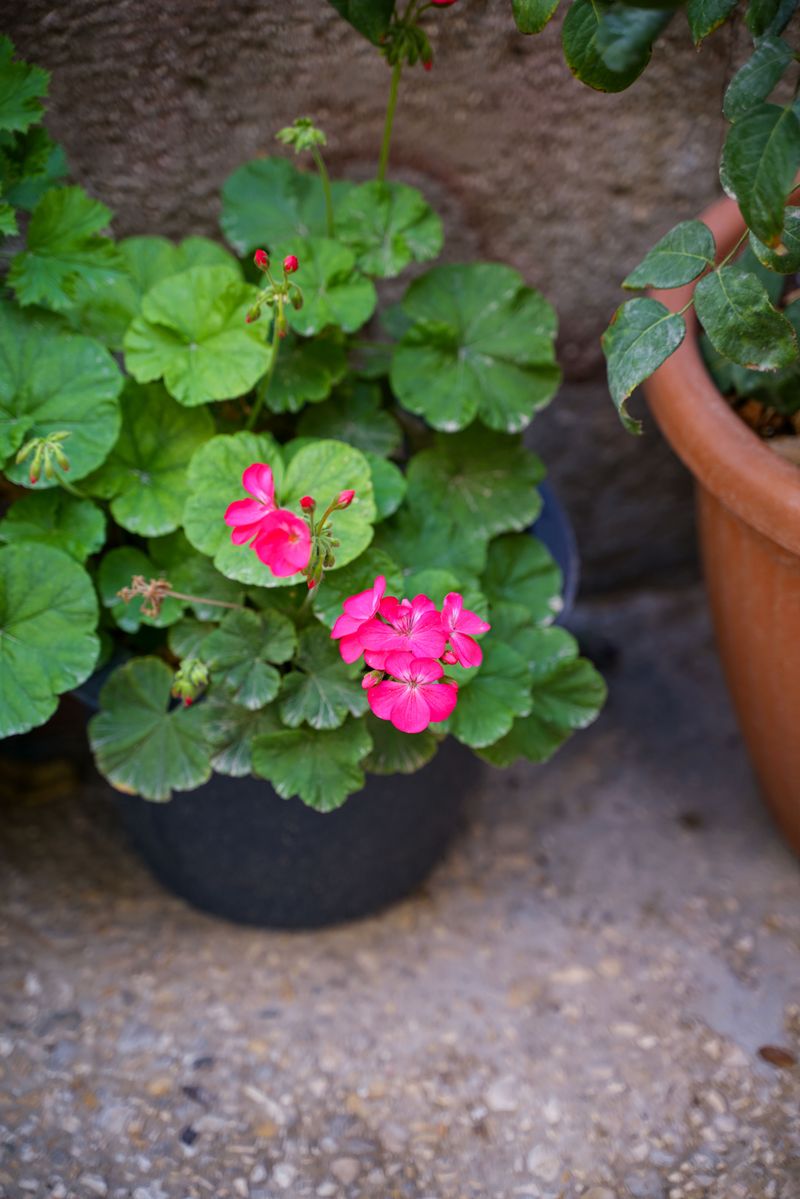
Believe it or not, these plants trace their roots to the dry hills of South Africa. Their wild ancestors grew in rocky soil, so soggy soil does not suit them.
Overwatering is a frequent reason summer flowers fade. Wet soil pushes air out of the roots, and roots need oxygen to work.
Yellow lower leaves, mushy stems, and a sour smell from the pot are warning signs. Flowers drop off early because the plant is struggling below the surface.
Before watering, stick your finger about an inch into the soil. If it still feels damp, wait another day and check again before reaching for the hose.
Pots need drainage holes, and saucers should be emptied after heavy rain or watering. Standing water in a saucer keeps the bottom of the pot soaking wet.
Late summer storms can surprise you by soaking plants several days in a row. Tip pots slightly or move them under cover when a rainy week is coming.
Use a light potting mix with perlite instead of heavy garden soil in containers. Good drainage lets water flow through quickly while roots still get a drink.
Hot weather does mean more frequent watering, especially for small pots and hanging baskets. The goal is soil that feels like a wrung-out sponge, not a swimming pool.
Get the watering rhythm right, and stems firm up quickly. Healthy roots soon send signals upward to start building new buds again.
6. Severely Crowded Roots
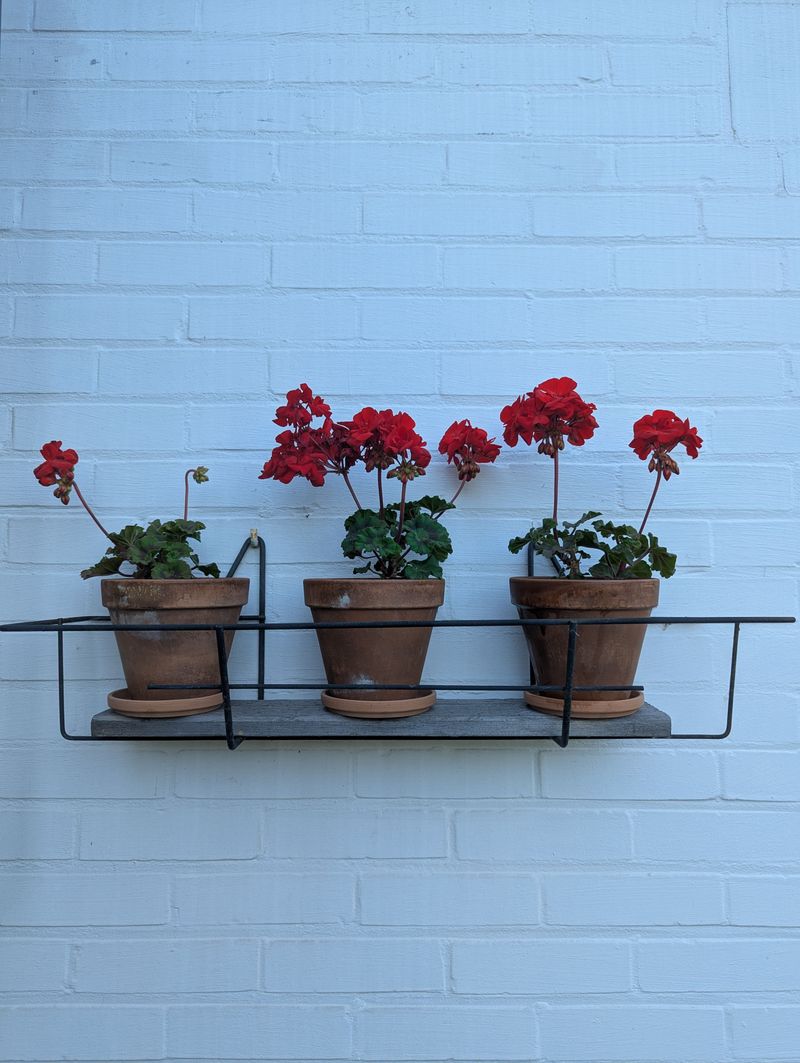
Imagine wearing the same pair of sneakers from first grade all the way to middle school. Your toes would be cramped, and your plant’s roots feel that squeeze too.
By late summer, a plant bought in spring may have filled every inch of its pot. Roots circle around the edges and leave little space for soil or water.
Severely rootbound plants dry out fast, sometimes needing water twice a day in hot weather. Constant thirst stresses the plant, and flowering slows as a result.
Many gardeners find that slightly snug roots can encourage blooms.
Check by gently sliding the plant out of its pot on a cool morning. A thick mat of white roots wrapped around the soil means it needs more space.
Choose a new container one or two inches wider than the old one. Going too big can leave extra soil that stays wet for too long.
Loosen circling roots with your fingers before setting the plant into fresh potting mix. Water it well and keep it in light shade for a few days.
Window boxes and mixed planters get crowded quickly when several plants compete for room. Pulling out one weaker plant can give the others space to stretch.
Repotting in midsummer may cause a short pause while the plant settles in. After a week or two, new roots spread out and fresh growth appears.
Give your plant a roomier home, and you may be surprised at its comeback. Happy roots lead to happy blooms, just like comfy shoes lead to happy feet.
7. Leggy Stems With Few Branch Tips
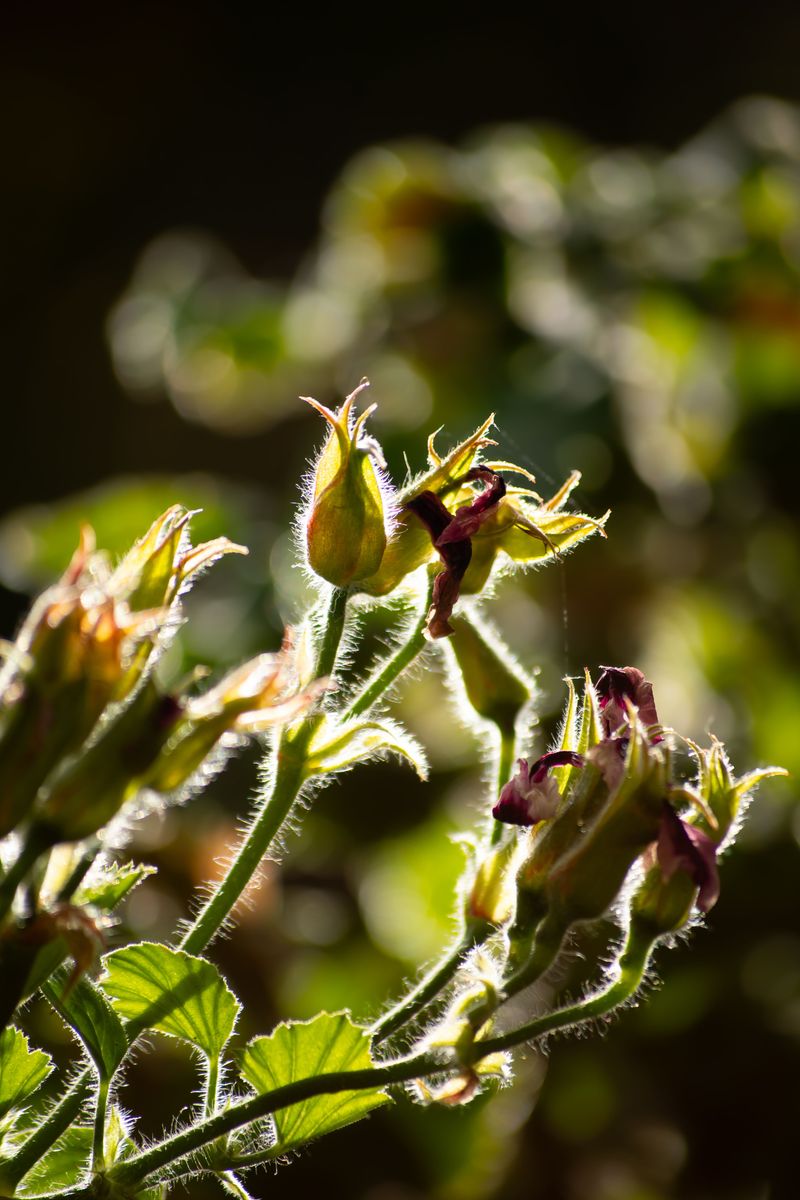
Long, bare stems with a tiny tuft of leaves on top look a bit like a palm tree. Charming in the tropics, maybe, but not so great in a flower pot.
As summer goes on, many plants stretch out and lose leaves along their lower stems. Fewer leaves mean less energy, and fewer branch tips mean fewer places for flowers.
Flower clusters form at the ends of stems, so more branches equal more blooms. A tall, skinny plant simply has fewer spots to produce color.
Pinching and pruning fix the problem by forcing the plant to branch out. Cut each long stem back by about one third, just above a leaf joint, once temperatures ease.
Pruning during a heat wave adds stress and can delay new blooms by several weeks.
New shoots will sprout from the nodes below your cut within a couple of weeks. Those shoots fill in the plant and set up fresh buds for fall.
Use clean, sharp scissors so stems are not crushed or torn. Wipe blades with rubbing alcohol between plants to avoid spreading germs.
The cuttings you remove can be rooted in moist soil to grow brand-new plants. Many gardeners keep these little starts indoors over winter for next year.
Give the plant a light feeding after pruning to support the burst of new growth. Keep watering steady while it fills back in.
Cutting back a plant can feel risky, especially when it already looks sparse. Give it a few weeks, because a trim now leads to a fuller, bushier plant with plenty of color.
8. Budworm Damage
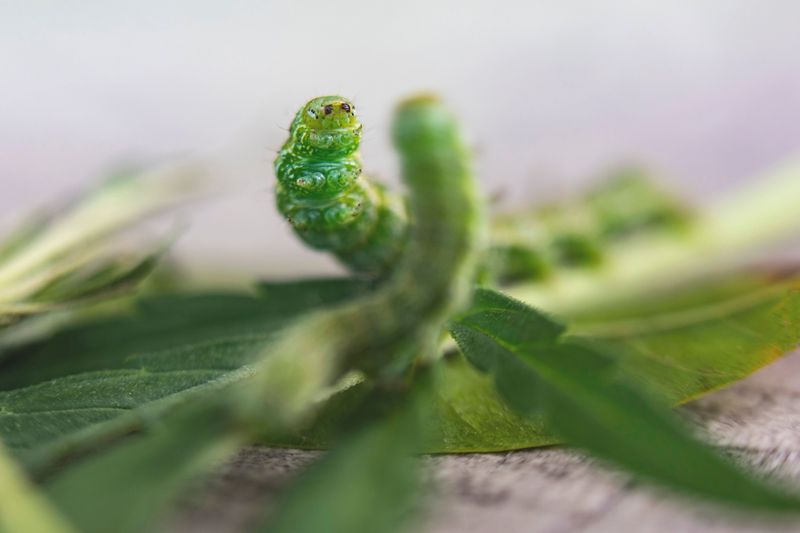
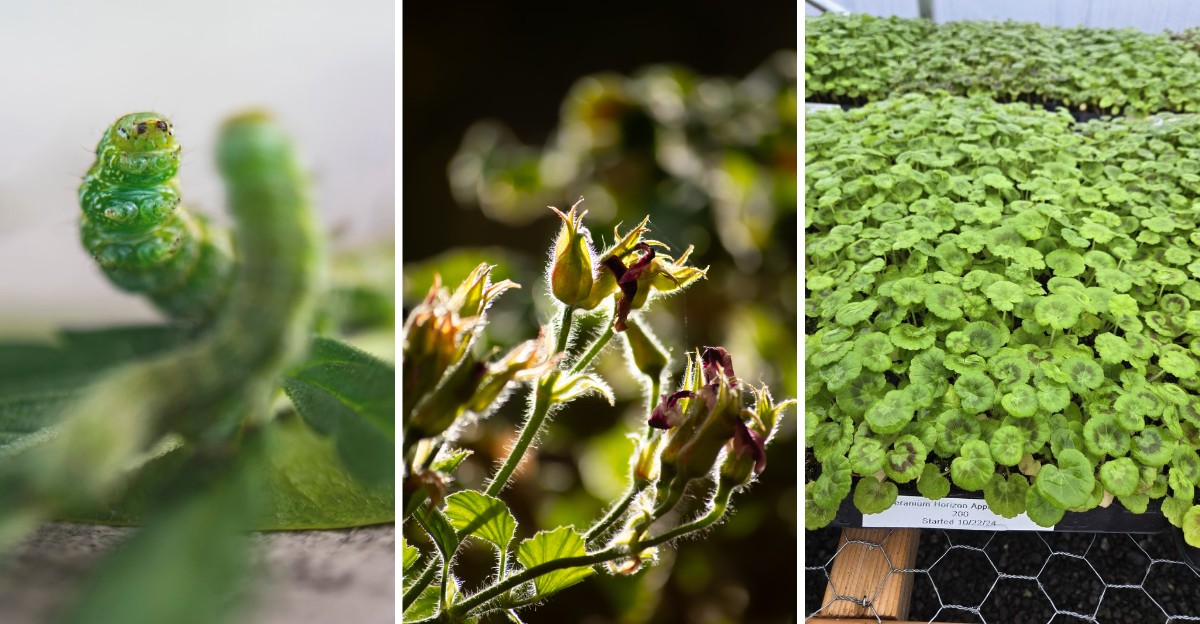
Tiny holes in flower buds might look like someone used a hole punch on your plants. The cause is often a small green caterpillar called the tobacco budworm.
Budworms are the larvae of a moth that becomes active in mid to late summer. They chew into buds before they open, eating the flower from the inside.
Damaged buds turn brown and fall off, so it seems like the plant stopped blooming. Meanwhile, the leaves may look fine, which makes the problem easy to miss.
Look for small round holes in buds and tiny black droppings on the leaves. The caterpillars blend in well, so check closely at dusk when they are busy.
Handpicking works well for a few pots, so grab gloves and drop pests into soapy water. Remove any chewed buds too, since caterpillars may be hiding inside.
For larger plantings, a natural spray containing Bt targets caterpillars and is low risk for bees and birds. Budworms feed inside buds, so apply it to buds and new growth where the larvae eat.
It can also affect butterfly and moth larvae on nearby plants, so spray only affected pots and follow the label.
Some gardeners report less damage on ivy types, though the evidence is mixed. If budworms return yearly, mixing in ivy kinds is worth a try.
In many regions, moths are active from July through September, so check your plants weekly. Catching the problem early means fewer lost buds and more color.
Once the caterpillars are gone, the plant should start forming healthy buds again. Soon your pots will be back in business, minus the pests.