8 Reasons Your Hydrangea Flowers Fade To Green Instead Of Staying Colorful
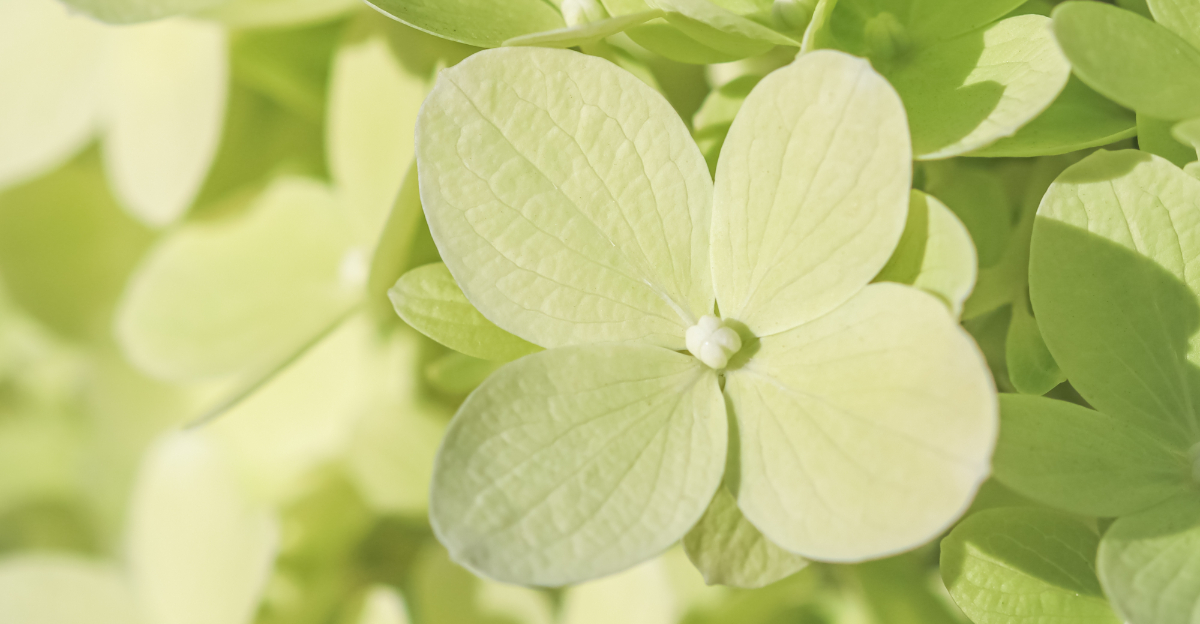
Vivid hydrangea blooms you worked hard for can fade without warning. Petals you nurtured toward deep blue slide into green.
Gardeners everywhere notice this shift in your garden by late summer. Nobody explains how soil pH quietly reshapes flower color.
Aluminum levels, sunlight exposure, and plant age all play a part. Watering habits often take blame, but rarely tell the full story.
Chemistry inside the soil matters more than any spray bottle. Clay heavy ground behaves differently than sandy, well drained beds.
Timing matters too, since blooms naturally fade as summer wanes. Curiosity grows when purple blossoms turn green almost overnight.
Answers exist, though most gardeners never hear them explained clearly. Understanding this process changes how you plant, feed, and prune.
Nothing about hydrangea color happens randomly or by accident. Every shift signals a specific change happening beneath the surface. You will not look at green blooms the same way again.
1. Aging Blooms Shift Color Naturally
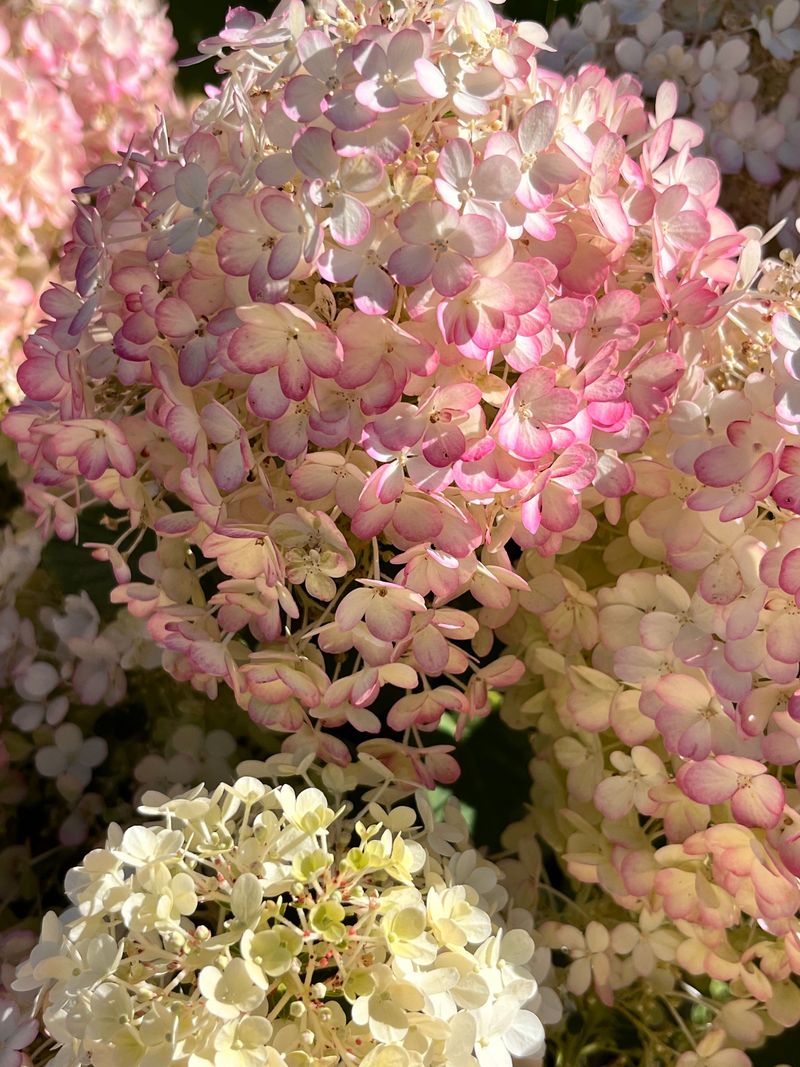
Many gardeners don’t realize that hydrangea blooms are not actually petals. Those colorful parts are sepals, and they age differently than true petals do.
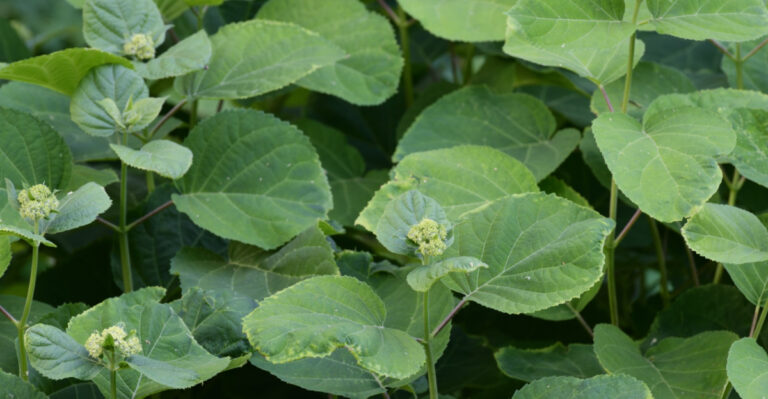
As the bloom matures past its peak, the sepals begin pulling back their pigment. Green chlorophyll slowly takes over as the show stopping color drains away.
Hydrangea flowers fade to green because the plant is essentially recycling energy. The green phase is the bloom winding down, not fading abruptly.
Many gardeners panic when they see green creeping in, but this is completely normal late in the season. The shift can happen gradually over a few weeks or almost overnight depending on conditions.
Limelight hydrangeas are famous for this behavior, starting creamy white and finishing in an attractive chartreuse green. That green finale is part of what makes them so sought after in floral arrangements.
Older blooms on mophead and lacecap varieties often turn a soft, dusty green as summer closes out. This is the plant completing its natural bloom cycle, not a sign of poor care.
If your blooms look green but still feel firm and papery, they are simply aging gracefully. Leaving them on the plant gives you beautiful dried blooms perfect for fall decor.
Cutting them at this green stage actually preserves that color well indoors. Embrace the green shift as a bonus, not a failure, and your garden will feel richer for it.
2. Cooler Temperatures Trigger Greening
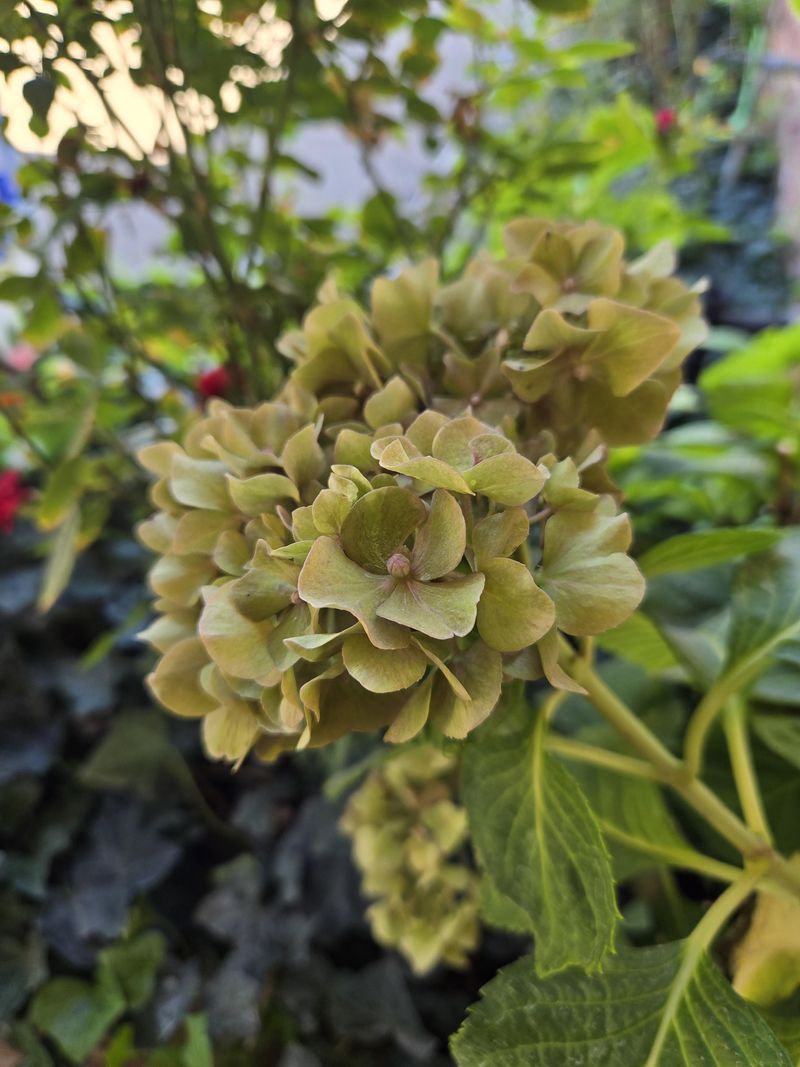
Walk outside on a crisp September morning and look at your hydrangeas. You might notice the blooms look greener than they did just two weeks ago.
Cool temperatures are a well known trigger for color change in hydrangeas. As nights grow noticeably colder, the plant slows pigment production.
Anthocyanins are the pigments responsible for those rich pinks, purples, and blues. Cold air causes the plant to produce fewer of these compounds as it shifts into a rest mode.
Hydrangea flowers fade to green more quickly when temperature swings are dramatic. A warm afternoon followed by a cold night can speed up the greening process significantly.
This is especially true for bigleaf hydrangeas, which are highly sensitive to temperature shifts. Their blooms can go from vivid blue to muted green within just a week of cooler weather.
Gardeners in cooler climates often see this happen in late August. Those in warmer climates may not experience it until October or November depending on the year.
The good news is that this type of greening is temporary and seasonal. Once you understand the temperature connection, you stop worrying and start appreciating the natural calendar your plant follows.
Planting hydrangeas near a south facing wall can extend their colorful bloom period. A little extra warmth from reflected heat buys you more weeks of vivid color before the green takes over.
3. Chlorophyll Builds Up Over Time
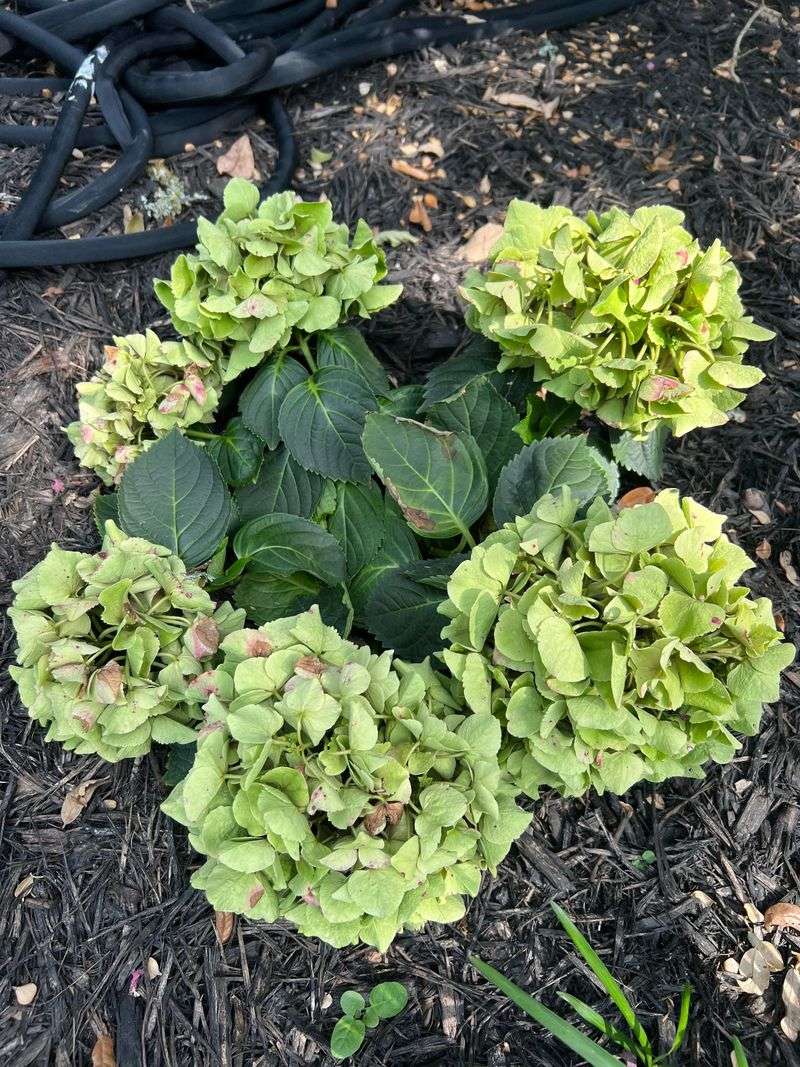
Chlorophyll is the green pigment that makes plants photosynthesize, and it is always present in your hydrangea blooms. The colorful pigments simply mask it early in the bloom cycle.
As blooms age, colorful pigments break down and chlorophyll becomes the dominant color. This is the same process that turns green leaves red and orange in autumn, just in reverse.
This process is sometimes called re-greening and has been observed in a range of ornamental plants. The sepals on hydrangeas share some structural traits with leaves, which is part of why they behave like leaves in some ways.
Because sepals have leaf-like qualities, they can ramp up chlorophyll production under the right conditions. Bright light, warmth, and age all encourage this chlorophyll surge.
Hydrangea flowers fade to green when chlorophyll simply overwhelms the remaining anthocyanins. The plant is not malfunctioning; it is following its own internal chemistry schedule.
Some gardeners actually try to encourage this process for dried flower arrangements. Green hydrangea blooms hold their shape and color beautifully when air dried indoors.
Cutting blooms just as they start to green gives you the best of both worlds. You get the color show in the garden and an attractive green bloom to bring inside.
Understanding chlorophyll’s role makes greening feel less like a problem and more like a process. Your hydrangeas are doing exactly what their biology tells them to do, and that is pretty remarkable.
4. Reduced Sunlight Slows Pigment
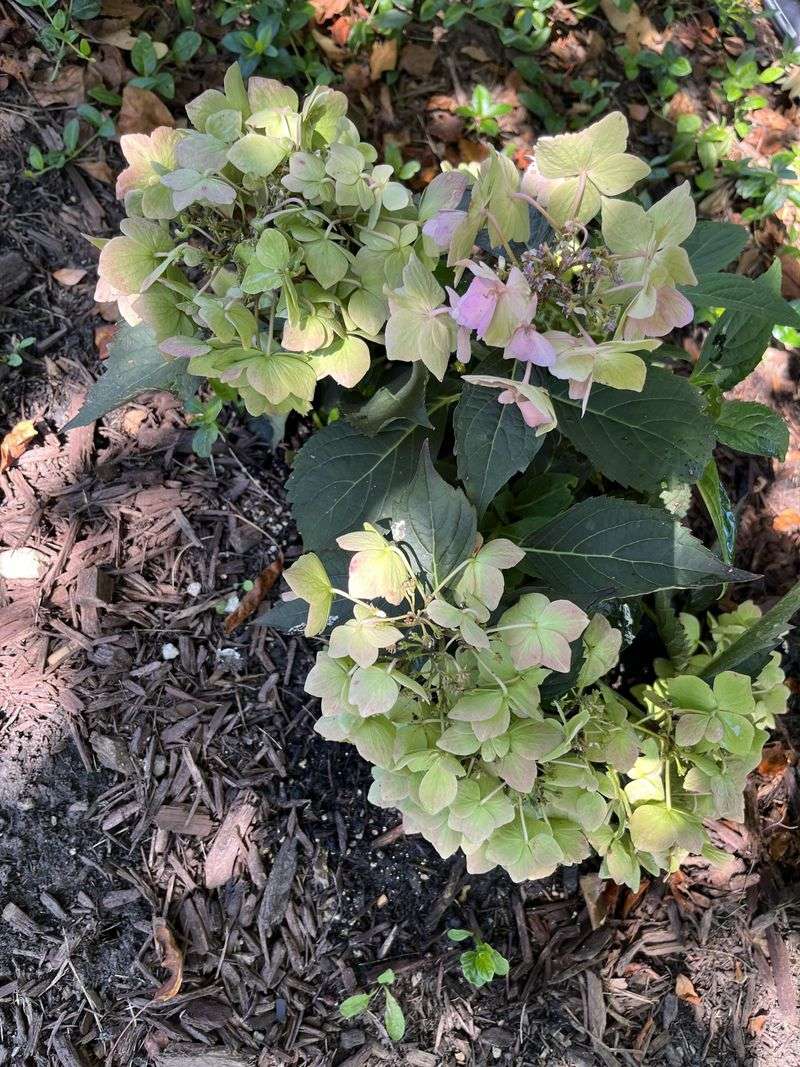
Sunlight is the engine that drives pigment production in hydrangea blooms. Without enough of it, the plant simply cannot generate the vibrant colors you are hoping for.
Anthocyanin production requires energy from sunlight to trigger the right chemical reactions. When shade increases, either from trees leafing out or seasonal angle changes, color output drops fast.
Hydrangea flowers fade to green when they are not getting enough direct sun daily. Partial shade is fine early in the season, but deep shade causes noticeable greening.
Summer tree canopies are a sneaky culprit here. A hydrangea that got full sun in spring may suddenly find itself shaded by a fully leafed out oak by July.
Moving your hydrangea is not always practical, but pruning nearby trees can make a real difference. Even modestly thinning a canopy can restore enough light to revive bloom color.
Container hydrangeas have a big advantage in this situation. You can simply roll or carry them to a sunnier spot when you notice the blooms starting to green up.
Morning sun is particularly valuable for hydrangeas because it is gentle and consistent. Afternoon shade is actually preferred to protect blooms from scorching heat, so placement matters a lot.
Tracking the sun patterns in your yard across the seasons helps you make smarter planting choices. A well placed hydrangea rewards you with months of vivid color rather than weeks of green.
5. Excess Nitrogen Pushes Green Tones
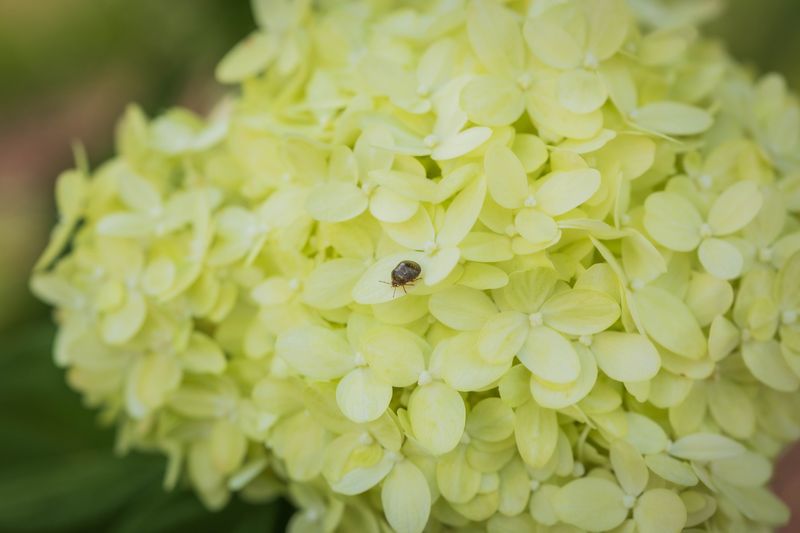
Nitrogen is the nutrient that makes plants grow big and lush, and it is also the one most gardeners overuse. Too much of it sends your hydrangeas into full leaf mode at the expense of flower color.
When nitrogen levels in the soil are high, the plant prioritizes green growth above everything else. Leaves get larger and darker, and blooms shift toward green as a side effect.
Hydrangea flowers fade to green more readily in soils loaded with nitrogen heavy fertilizers. Lawn fertilizers that drift into garden beds are a surprisingly common cause of this issue.
Many all purpose fertilizers have a high first number in the N-P-K ratio, which represents nitrogen. Using these on hydrangeas, especially after blooms form, is a recipe for disappointing color.
Switch to a fertilizer with lower nitrogen and higher phosphorus to encourage bloom vibrancy. Phosphorus supports flower development and color production without pushing excessive green growth.
A soil test from your local extension office can tell you exactly what your garden beds contain. Knowing your nutrient levels takes the guesswork out of fertilizing and prevents costly mistakes.
Organic fertilizers like bone meal or bloom boosting formulas are gentler choices for flowering shrubs. They release nutrients slowly and are far less likely to cause the nitrogen overload that triggers greening.
Timing matters just as much as product choice when feeding hydrangeas. Fertilize in early spring and again in early summer, then stop so blooms can develop their full color potential.
6. Certain Varieties Green More Easily
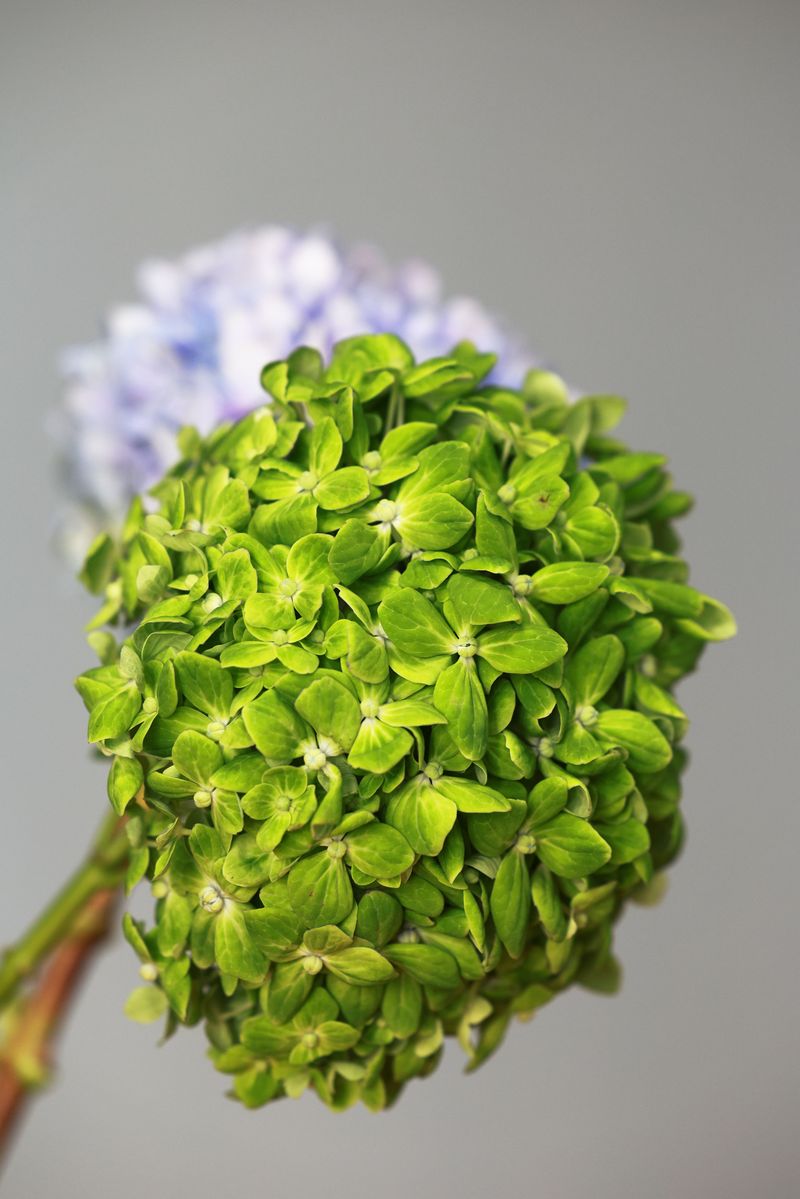
Not all hydrangeas behave the same way when it comes to color. Some varieties are practically bred to turn green, and fighting that tendency is generally not effective.
Limelight, Incrediball, and Annabelle hydrangeas are known for their tendency toward green or white blooms. These paniculata and arborescens types naturally produce less anthocyanin than bigleaf varieties.
Hydrangea flowers fade to green fastest in these species because their pigment capacity is simply lower. Green is their natural resting state, not a sign of stress or poor soil.
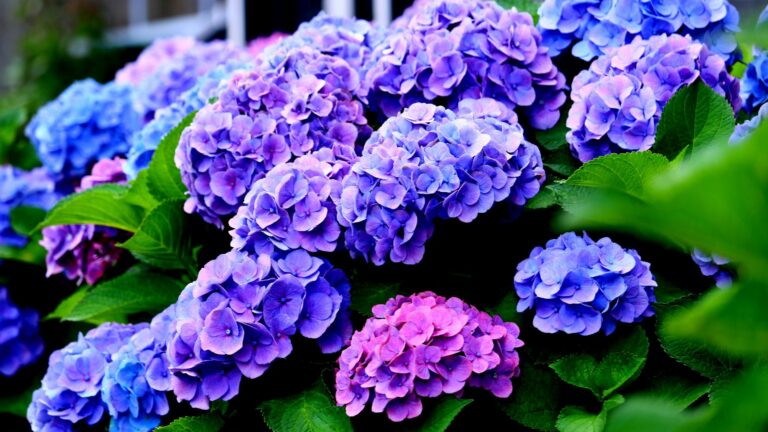
Bigleaf hydrangeas, also called Hydrangea macrophylla, are the most color-responsive variety in the family. These are the ones that turn brilliant blue in acidic soil and rosy pink in alkaline conditions.
Knowing your variety before you plant sets realistic expectations for the season. A Limelight hydrangea will never give you hot pink blooms no matter how carefully you tend it.
Some gardeners intentionally choose green tending varieties for their long lasting blooms and dried flower appeal. These types hold their structure and color for months after cutting, making them popular with florists.
If vivid, lasting color is your goal, focus on macrophylla cultivars like Endless Summer or Nikko Blue. These varieties offer the most dramatic color response to soil amendments and light conditions.
Checking the plant tag or asking your nursery about bloom behavior before buying saves a lot of seasonal disappointment. A little research at the garden center goes a long way in your yard.
7. Heat Stress Speeds Up Fading
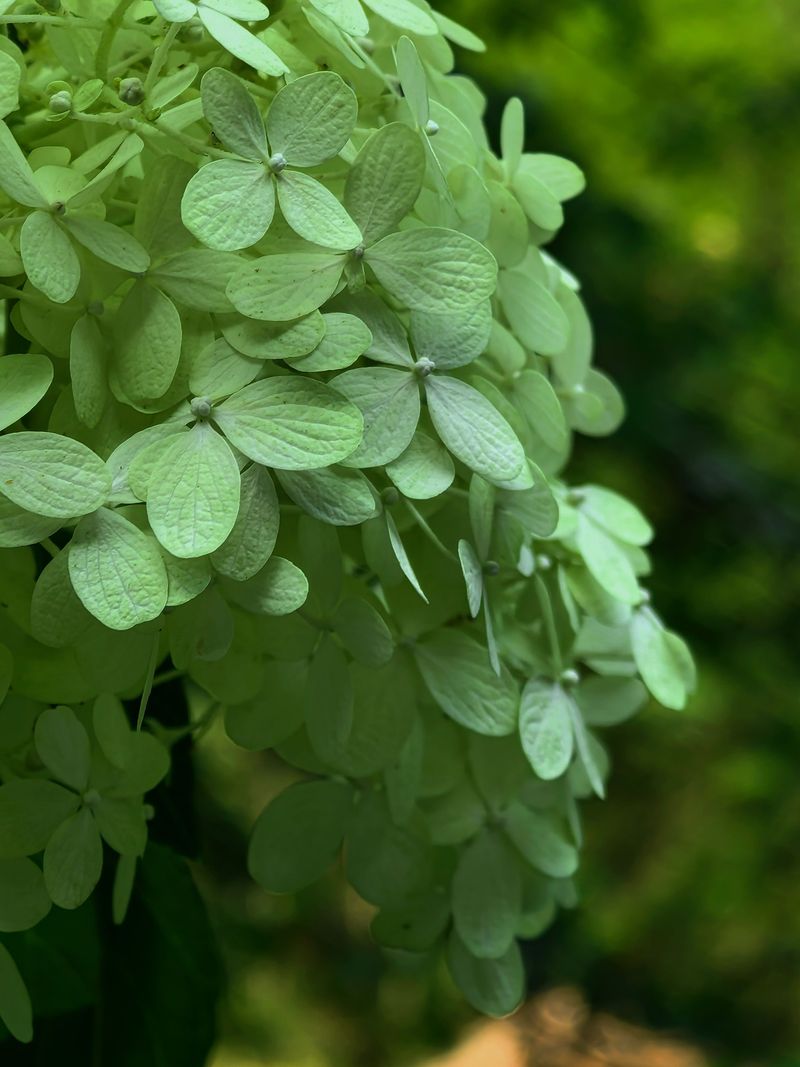
A scorching July afternoon can significantly affect hydrangea color. Heat stress is a common and fast-acting trigger for color loss in these plants.
When temperatures climb into extreme heat for several days in a row, hydrangeas begin to struggle. The plant redirects energy toward survival, and bloom color is one of the first things to go.
Hydrangea flowers fade to green under intense heat because pigment production slows dramatically. The anthocyanins that create blue, pink, and purple tones are heat sensitive compounds that break down quickly.
Wilting blooms are often the first sign that heat stress is hitting your plant hard. Once wilting starts, greening usually follows within days if temperatures do not drop.
Mulching around the base of your hydrangea helps regulate soil temperature during heat waves. A layer of wood chips or shredded bark can help lower root zone temperatures.
Watering deeply in the early morning gives roots moisture before the heat of the day sets in. Shallow watering in the afternoon evaporates too quickly to provide meaningful relief to stressed plants.
Shade cloth is a practical tool for protecting hydrangeas during extreme heat events. Even a few hours of afternoon shade can preserve bloom color through an intense summer stretch.
Choosing heat tolerant hydrangea varieties is a smart move for gardeners in warm climates. Panicle types generally handle heat better than bigleaf varieties and hold their color longer through tough conditions.
8. Late Blooms Fade Straight To Green
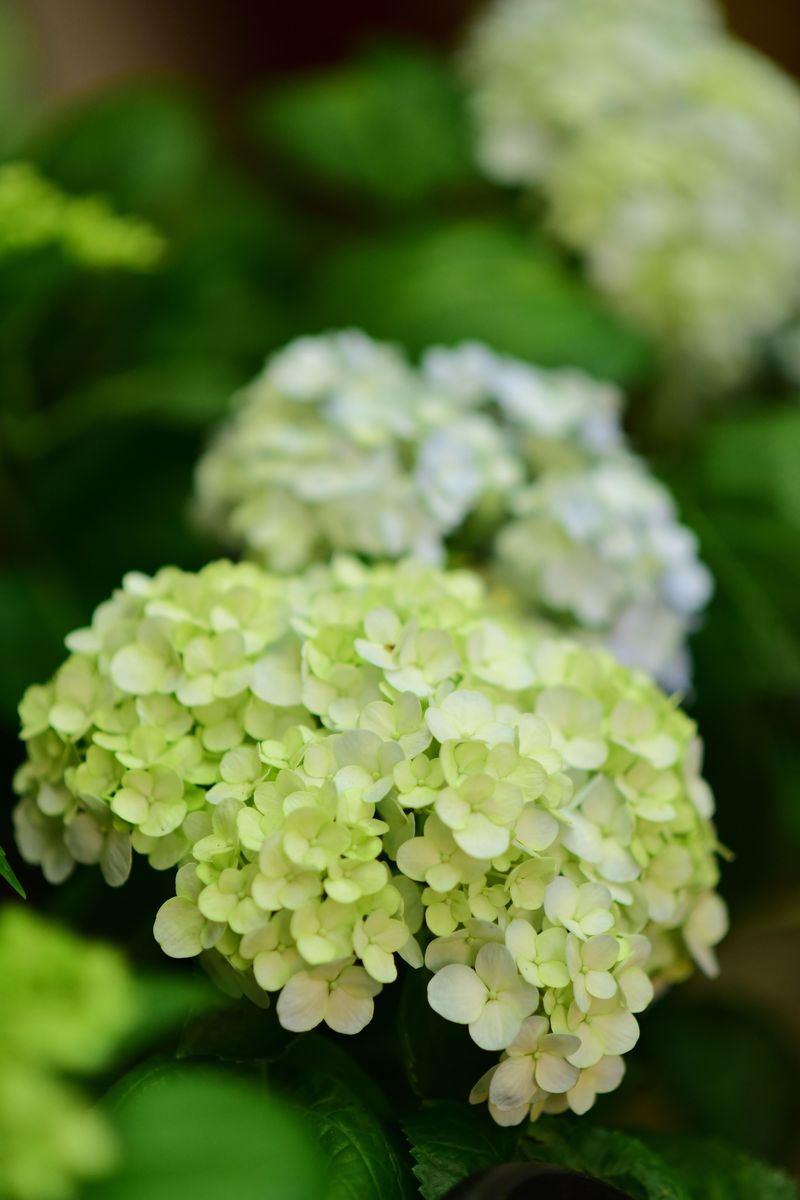
Some hydrangea blooms open late in the season and never really get a chance to show their color. Late season blooms are under time pressure from the moment they appear.
As days shorten and temperatures cool in September and October, conditions for pigment production are already fading. Blooms that open during this window often skip the colorful phase entirely.
Hydrangea flowers fade to green quickly when they emerge after the plant’s peak growing season. The biological machinery that creates rich color simply is not running at full speed that late in the year.
Reblooming varieties like Endless Summer are especially prone to this pattern. Their second or third flush of blooms often arrives too late to develop full color before conditions turn unfavorable.
This can feel discouraging when you are expecting a second act of brilliant blooms. But late green blooms still add texture and interest to the garden well into autumn.
One way to reduce late greening is to deadhead spent blooms earlier in the season. Removing faded flowers in midsummer encourages faster rebloom while conditions are still ideal for color development.
Fertilizing lightly in early summer can also push reblooms to arrive sooner. Timely nutrition gives the plant the energy it needs to cycle through blooms before the season winds down.
Late green blooms dry well and make appealing additions to wreaths and fall arrangements. Even when hydrangeas fade to green at the season’s end, they find a way to stay attractive and useful.