Why Tomato Leaves Turn Purple And What It Means For Your Plant
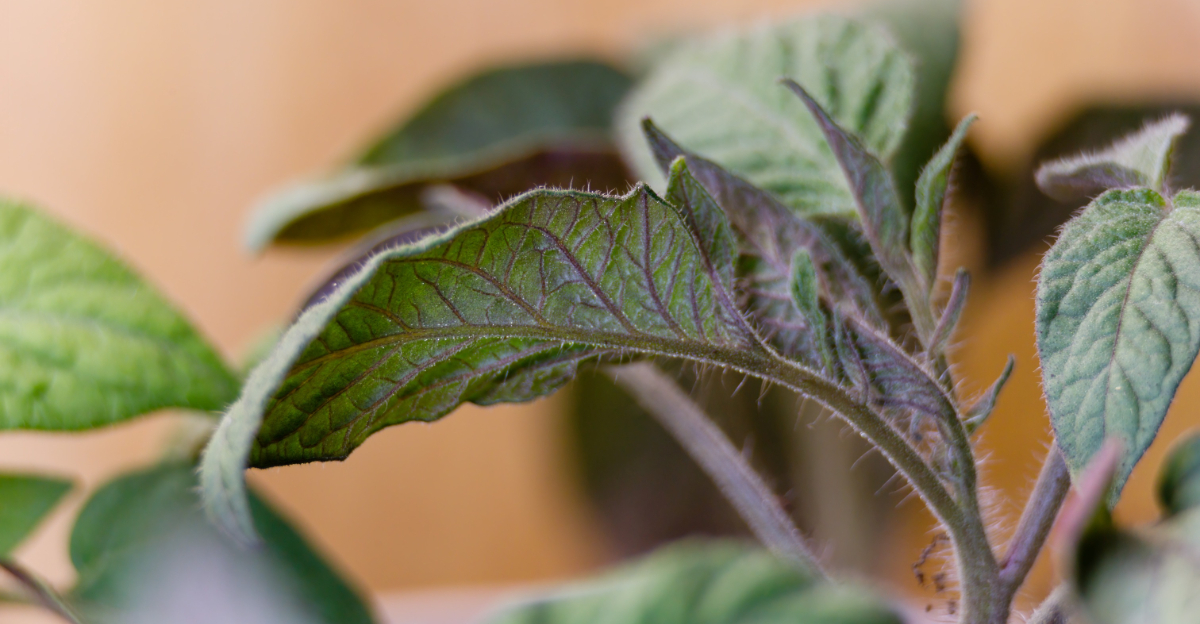
Purple leaves on your tomato plant demand your attention right now. Your plant is not struggling, just talking. Cold snaps in spring often trigger shifts in your leaf color.
Genetics in your tomato variety could explain the purple tint. Phosphorus deficiency drains your plant and turns leaves violet fast. Soil pH imbalances can lock nutrients your roots desperately need.
Stress from transplanting pushes your plant into defensive purple mode. Gardeners everywhere see this pattern in your plants often.
Underlying issues sometimes disguise themselves as ordinary purple discoloration on your leaves.
Pests quietly pull energy from your plant, forcing this dramatic color change. Diagnosis depends on your willingness to watch closely and rule out causes.
Ignoring your plant’s purple warning certainly risks weaker growth and fewer tomatoes. Nothing about your plant’s color change deserves a dismissive shrug. That purple hue is a signal from your tomato plant, and it deserves your attention now.
Cold Nights Trigger Purple Pigment
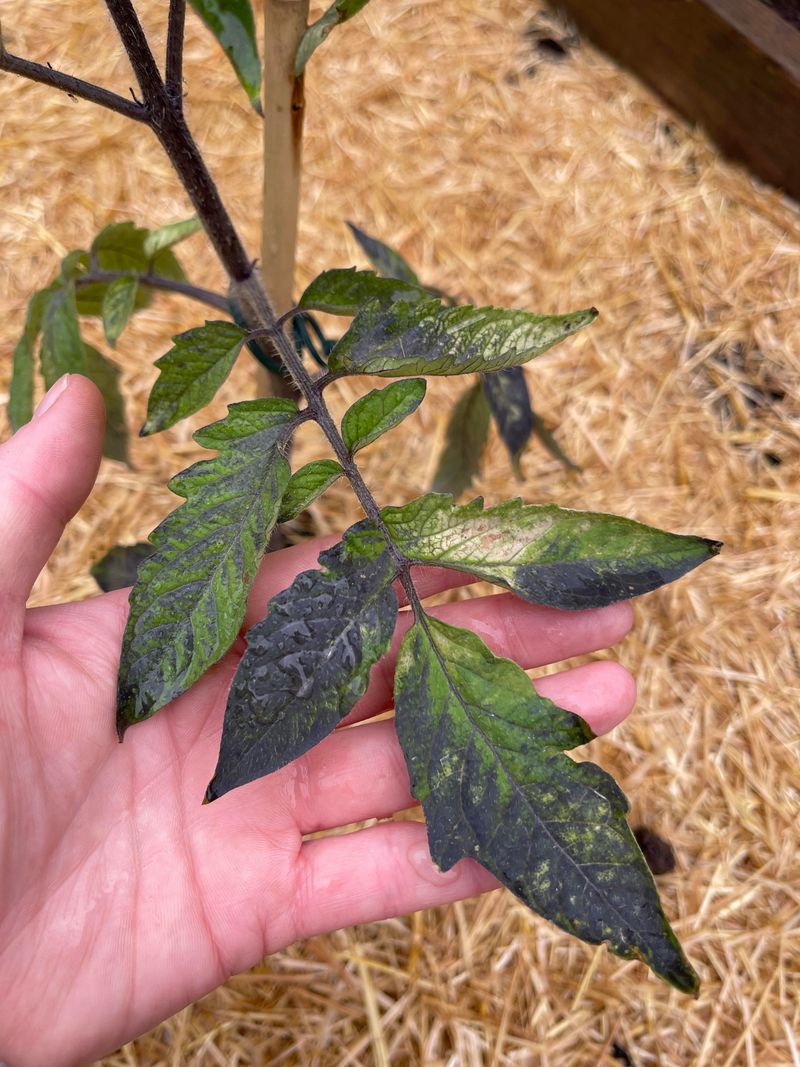
Temperatures drop, and your tomato plant develops a purple pigment response. When nights dip below 55 degrees Fahrenheit, tomato plants respond by producing more anthocyanin, a natural pigment that shows up as purple on the leaves.
Anthocyanin acts like a built-in sunscreen for the plant. It helps protect leaf cells from stress caused by cold temperatures and bright sunlight hitting chilled tissue.
This reaction is completely normal and does not mean your plant is sick. Many gardeners first notice the purpling in early spring when nights are still cool but days are sunny and warm.
The leaves may look alarming, but the plant is actually doing something smart. It is producing a chemical shield to help itself survive the temperature swings.
Once nighttime temperatures stay consistently above 60 degrees, the purple color usually fades on its own. New growth tends to come in green and healthy-looking as the season warms up.
You do not need to spray anything or pull the plant. Just give it time and warmer nights, and the green will return.
If you planted early in the season, row covers or frost cloth can help keep nights warmer around your plants. A few degrees of protection can prevent the purpling from happening at all.
Cold-triggered purple is one of the most harmless causes of this color change. Knowing why tomato leaves turn purple in spring can save you a lot of unnecessary worry.
Phosphorus Deficiency Causes Leaf Discoloration
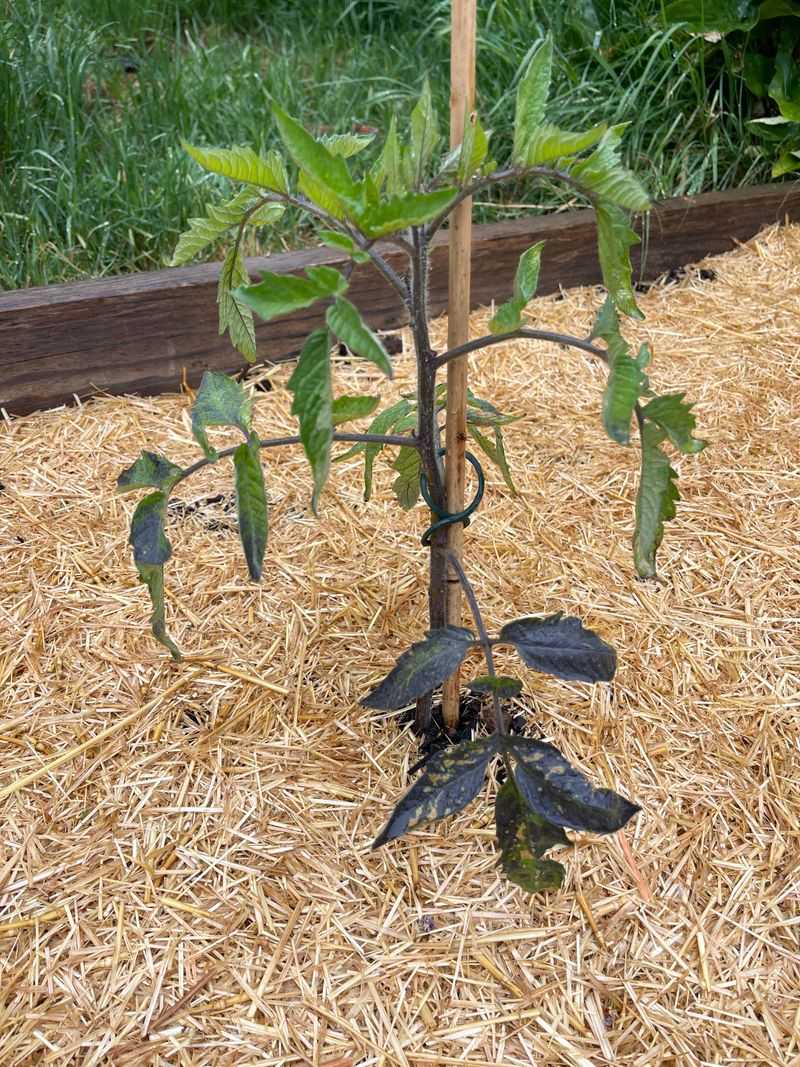
Phosphorus is an essential nutrient your tomato plant depends on for energy processes. When the soil is low in phosphorus, the plant cannot move energy properly, and purple pigment builds up in the leaves as a result.
This type of purpling usually starts on the undersides of older, lower leaves. The color can look more reddish-purple than the blue-purple you see with cold stress.
Phosphorus is essential for root development, flower formation, and fruit production. Without enough of it, your plant may also grow slowly and produce fewer tomatoes than expected.
Cold soil can actually lock up phosphorus even when it is present in the ground. Roots struggle to absorb nutrients from cold, compacted, or waterlogged soil, which makes the deficiency worse.
Adding a balanced fertilizer with a good phosphorus content can help quickly. Look for the middle number on the fertilizer bag, which represents phosphorus, and choose something like a 10-20-10 blend.
Bone meal is a popular organic option that releases phosphorus slowly into the soil. Work it into the top few inches around your plant and water it in well.
Results are not instant, but within a week or two, new growth should start coming in greener. Older leaves may stay purple, but that is okay since new healthy leaves are the goal.
Phosphorus deficiency is one of the most common reasons why tomato leaves turn purple, especially in cool spring gardens.
Root Damage Limits Nutrient Uptake
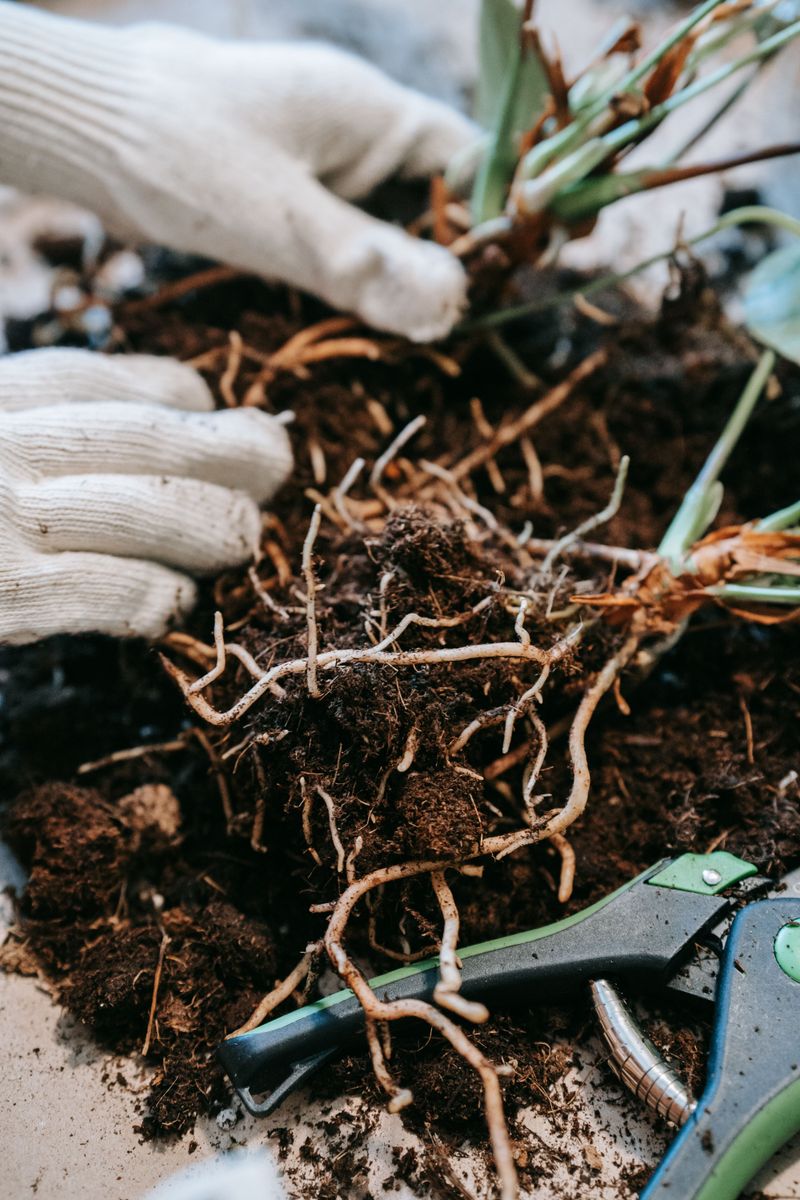
Even a healthy soil can fail your plant if the roots are not working right. Damaged roots cannot pull in the water and nutrients a tomato needs, and the leaves start showing stress signals fast.
Root damage can happen in several ways. Overwatering causes roots to rot, pests like nematodes can chew through them, and even rough transplanting can tear fragile root tips.
When roots are compromised, phosphorus absorption drops sharply. That nutrient shortage triggers the same purple pigment response you see with a straight-up phosphorus deficiency in the soil.
Check for root rot by gently lifting the plant or inspecting the soil near the base. Healthy roots are white or light tan, while damaged roots look brown, mushy, or smell sour.
If root rot is the issue, improve drainage right away. Adding perlite to your soil mix or moving a container plant to a spot with better airflow can help the roots recover.
Avoid overwatering by letting the top inch of soil dry out between waterings. Tomatoes like consistent moisture, but soggy roots significantly increase the risk of root rot.
Nematode damage is trickier to fix but can be managed with beneficial nematodes, crop rotation, or marigolds planted nearby as natural deterrents. Prevention matters more than treatment once damage is done.
Protecting root health is one of the best ways to keep your plant green and productive all season long.
Certain Varieties Naturally Show Purple Veining
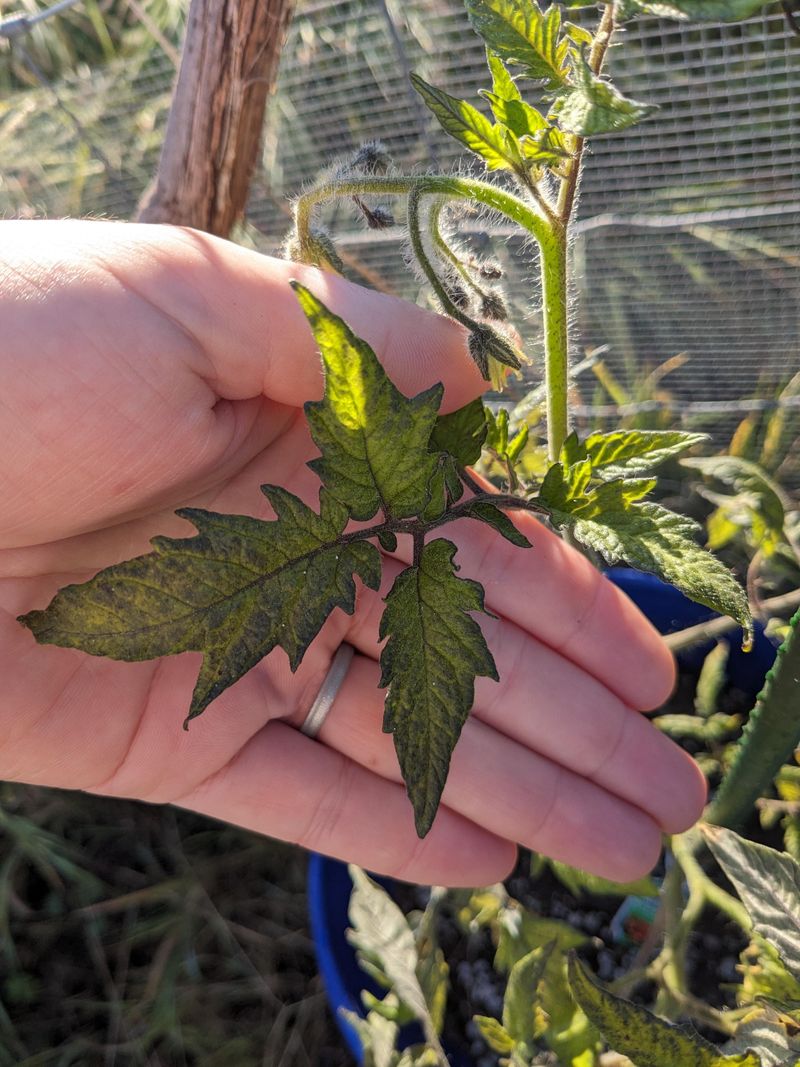
Not every purple leaf is a warning sign. Some tomato varieties are bred to be purple, and their leaves display it prominently from day one.
Varieties like Indigo Rose, Purple Bumble Bee, and Brad’s Atomic Grape carry genes that boost anthocyanin production throughout the whole plant. Leaves, stems, and even the fruit itself can show deep purple tones.
These varieties were often developed to pack more antioxidants into the tomato. The extra anthocyanin is not just for looks since it actually adds nutritional value to the fruit.
If you bought a plant labeled with a funky or unusual name, check the variety description before assuming something is wrong. Seed packets and nursery tags usually mention if purple coloring is expected.
Gardeners sometimes panic when they see purple on these varieties because it looks so dramatic. But the plant is perfectly healthy and often produces abundantly despite its unusual appearance.
The fruit on these varieties can also be striking, with deep red, purple, and black tones on the skin. They taste just as good as traditional red tomatoes, sometimes even better.
If you love growing unique plants, purple tomato varieties are a fantastic choice. They spark conversation, look beautiful in the garden, and give you bragging rights at the farmers market.
Understanding why tomato leaves turn purple on specialty varieties saves you from treating a problem that simply does not exist.
Seedlings Often Outgrow This On Their Own
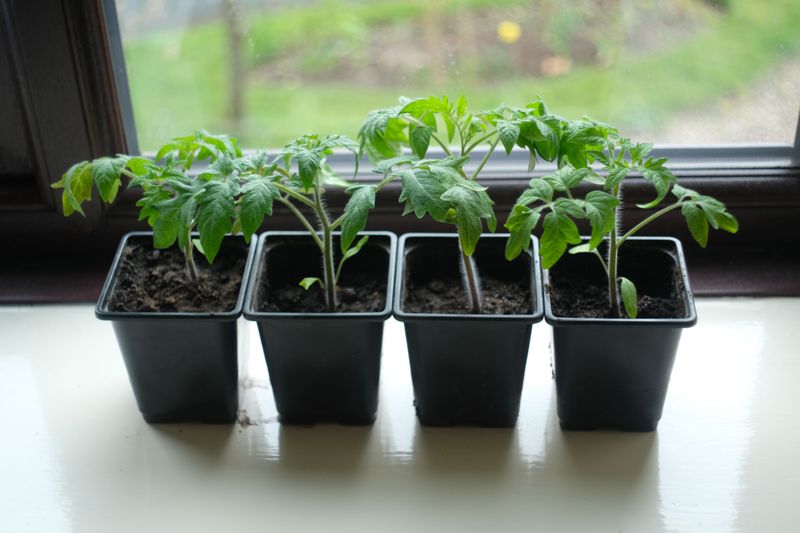
Tomato seedlings often show noticeable color changes. They can turn purple easily, especially when they are young and still adjusting to their environment.
Seedlings grown indoors under artificial lights often show purple coloring because the light intensity or spectrum is not quite right. They are getting light, but not the full-spectrum sunlight they prefer.
Low temperatures in the growing space can also cause purpling in seedlings. A cold windowsill or a drafty basement can stress young plants enough to trigger that anthocyanin response.
The good news is that most seedlings grow out of this phase quickly. Once they are moved outdoors and exposed to real sunlight and warmer air, the purple fades and green takes over.
Hardening off your seedlings before transplanting helps a lot. Spend a week gradually introducing them to outdoor conditions, starting with an hour of shade and building up to full sun.
During this transition, keep an eye on nighttime temperatures. If nights drop below 55 degrees, bring the seedlings back inside to avoid compounding the stress.
Resist the urge to fertilize heavily when seedlings look purple. Too much fertilizer on young roots can cause more harm than the discoloration itself.
Patience is your best tool here. Most seedlings that show purple early go on to become strong, green, fruit-producing plants once the season gets rolling.
Soil Test Can Confirm Phosphorus Levels
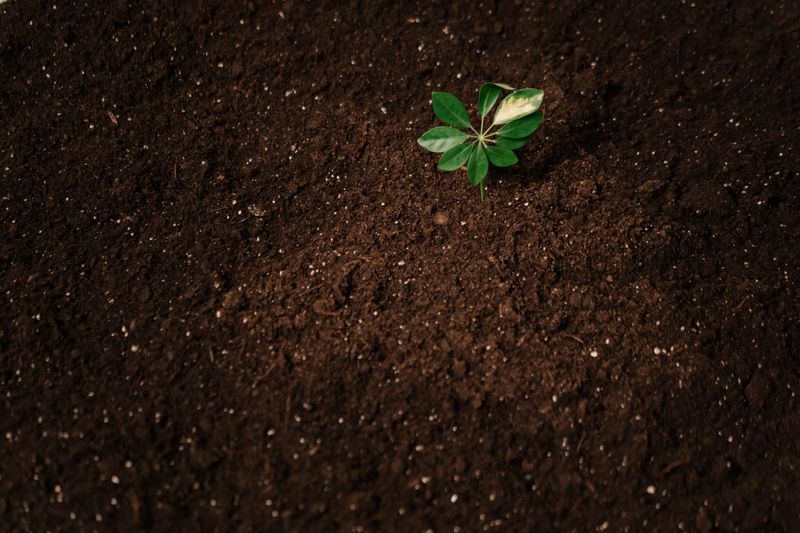
Guessing is fine, but knowing is better. A simple soil test takes the mystery out of purple leaves and tells you exactly what your garden is working with.
Home soil test kits are inexpensive and available at most garden centers. They measure pH, nitrogen, phosphorus, and potassium levels in a matter of minutes.
Phosphorus availability is closely tied to soil pH. When pH drops below 6.0 or rises above 7.0, phosphorus gets locked into chemical bonds that plant roots cannot access.
Tomatoes thrive in soil with a pH between 6.2 and 6.8. Testing your soil pH alongside nutrient levels gives you the full picture of what is happening underground.
If your test shows low phosphorus, you can amend the soil with bone meal, rock phosphate, or a balanced granular fertilizer. Follow the package directions closely to avoid over-applying.
If pH is the culprit, sulfur can lower it and lime can raise it. Both are affordable and widely available at garden supply stores.
Your local cooperative extension office may offer free or low-cost soil testing with detailed lab results. These reports often include specific amendment recommendations for your region and soil type.
A soil test is one of the smartest investments a home gardener can make. Knowing your numbers means every amendment you add is targeted, effective, and not wasted money.
Transplant Shock Usually Resolves Within Days
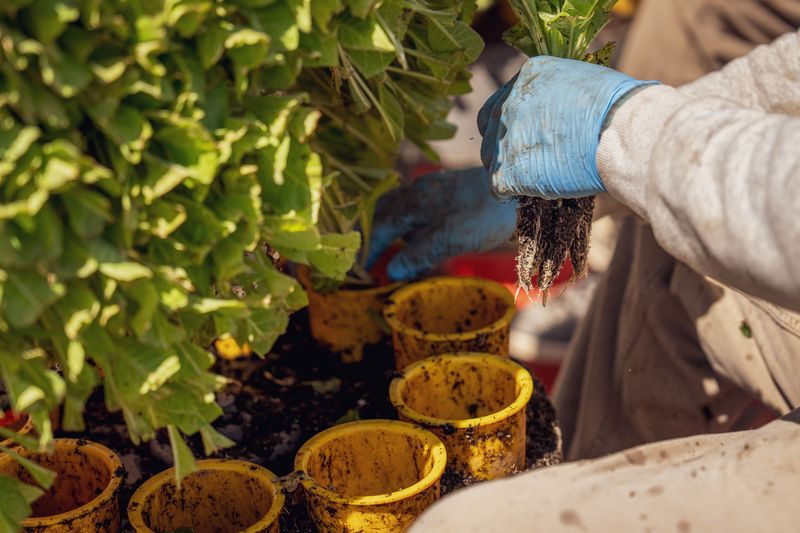
Moving day is stressful for everyone, including tomato plants. Transplant shock happens when a plant is uprooted and placed into a new environment, and purple leaves are a common symptom.
During transplanting, roots get disturbed and temporarily lose their ability to pull in water and nutrients. The plant responds by producing stress pigments, and purple is the color it reaches for.
This type of purpling tends to appear within the first few days after moving a plant. It usually affects the lower or older leaves first, while new growth stays relatively green.
Keeping the root ball intact during transplanting reduces shock significantly. Handle the plant gently, dig a wide hole, and water it in well right after placing it in the ground.
Shading the plant for the first few days can also help. Direct afternoon sun on a freshly transplanted tomato adds stress on top of stress, so a bit of shade cloth goes a long way.
Avoid fertilizing immediately after transplanting. Give the plant a week to settle in before adding any nutrients, since stressed roots are more sensitive to fertilizer burn.
Most transplant shock resolves within five to ten days. New leaves will emerge green and healthy, and the plant will shift its energy toward growth and fruit production.
Transplant stress is temporary, but good technique makes it even shorter. Treat your tomato gently on moving day, and it will reward you all season.
Persistent Purpling Signals A Nutrient Problem
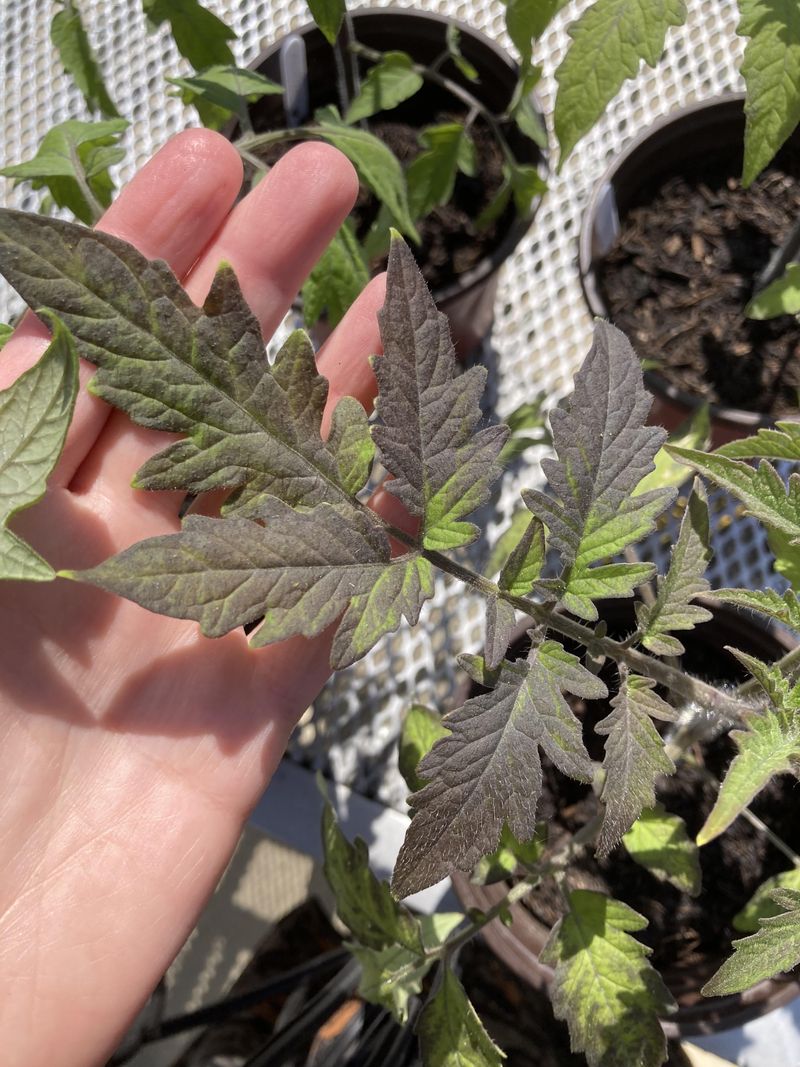
Purple leaves for a day or two are one thing. Purple that sticks around for weeks indicates that something deeper may be wrong.
When purpling does not fade with warmer weather or improved watering, you are likely dealing with a real nutrient imbalance. Phosphorus is the usual suspect, but zinc and magnesium deficiencies can also cause similar symptoms.
Zinc deficiency often shows up as purple or bronzed leaves with distorted new growth. Magnesium deficiency tends to cause yellowing between the veins along with some purple tones on older leaves.
A persistent problem calls for a more thorough approach. Start with a soil test to rule out pH issues, then look at your fertilizer routine to see if something is missing.
Foliar feeding is a quick fix that can deliver nutrients directly through the leaves. Spray a diluted liquid fertilizer with phosphorus or a micronutrient blend on the leaves in the early morning.
Results from foliar feeding can appear within a few days, which makes it a useful diagnostic tool. If the leaves green up after a foliar spray, you have confirmed a nutrient issue.
Long-term, improving your soil with compost, balanced fertilizers, and proper pH management prevents persistent purpling from coming back. Healthy soil grows healthy plants, season after season.
Understanding why tomato leaves turn purple long-term helps you build a better garden every year. Do not ignore the signal your plant is sending.