8 Reasons Your Hydrangea Leaves Have Brown Spots This Season In Maryland
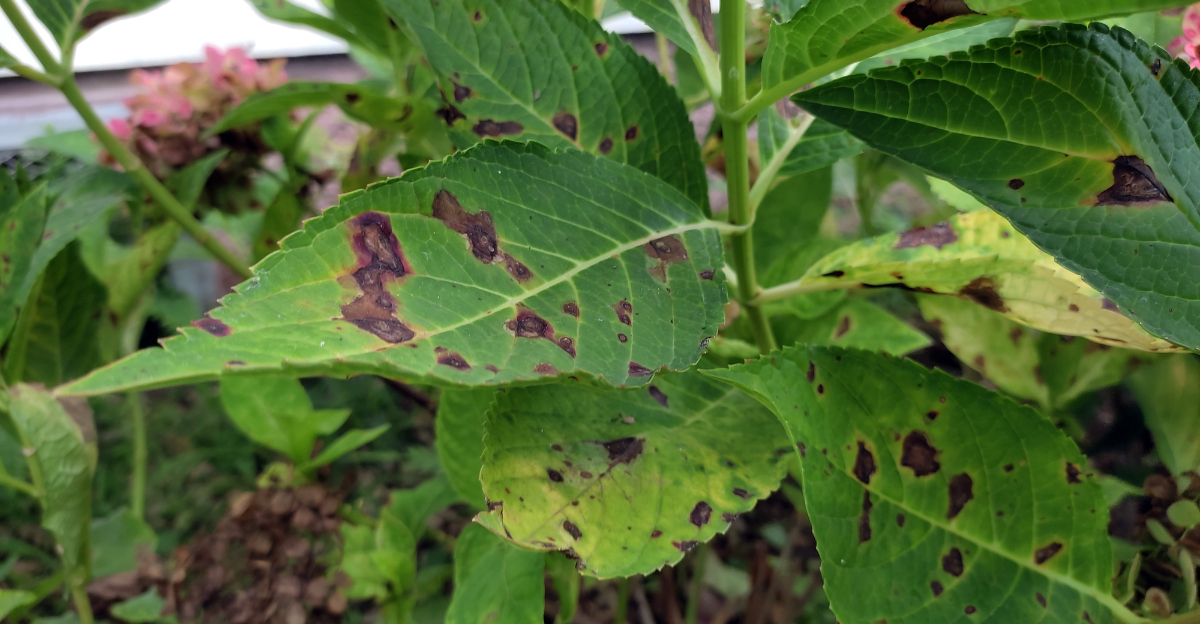
Brown spots don’t just happen to you by accident. You notice them fast, right there on your prized hydrangea leaves.
Humidity across Maryland creates a favorable environment for fungal growth almost overnight.
Fungus spreads quietly across leaves before you even notice it. Bacteria arrive next, leaving you with fewer answers and more lingering confusion. Sunlight stresses your leaves whenever afternoon shade disappears suddenly.
Watering habits work against you slowly without giving clear warning signs. Soil imbalances quietly drain your plants of vital nutrients. Insects damage leaves, introducing disease into your vulnerable garden beds each season.
Maryland’s shifting weather keeps you guessing about the true cause. Every symptom tells you something distinctly different about your hydrangeas’ overall health.
Timing decides whether you ultimately save your plant or lose it fast. Nothing about this stubborn problem ever waits patiently for you. Answers exist, and true relief starts the moment you continue.
1. Fungal Leaf Spot Spreads During Humidity
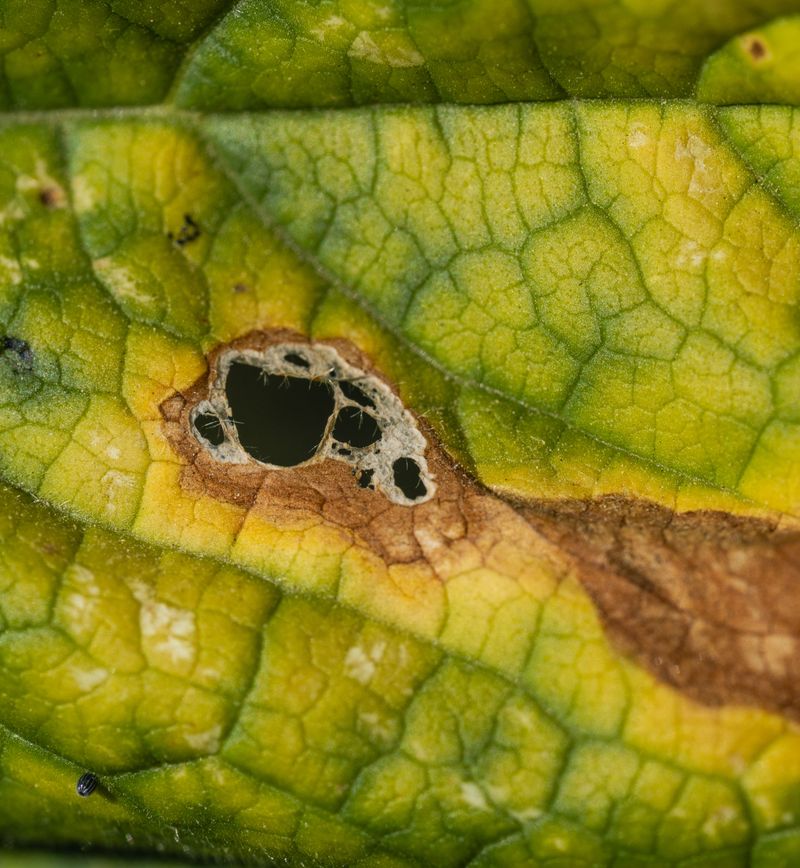
Humidity is basically a welcome mat for fungal leaf spot. Maryland summers are notoriously sticky, and that warm, wet air gives fungal spores the perfect environment to settle onto your hydrangea leaves and start spreading fast.
Fungal leaf spot usually appears as small, circular brown patches. Those patches often have a darker border or a yellowish ring around the outside edge.
The spots can start tiny, almost like freckles. But left unchecked, they merge into larger blotches that make the whole leaf look scorched and tired.
Anthracnose is one of the most common fungal culprits in this region. It thrives when temperatures hover between 75 and 90 degrees Fahrenheit, which describes a Maryland summer almost perfectly.
Removing affected leaves as soon as you spot them helps slow the spread significantly. Drop those leaves straight into a trash bag, not your compost pile, to avoid recycling the spores back into your soil.
A copper-based fungicide applied early in the season can act as a protective barrier. Reapply after heavy rain to keep the coverage strong and consistent.
Staying consistent with treatment is the difference between a minor setback and a full-season struggle. Your hydrangeas are worth the extra effort, and catching this problem early makes all the difference in the world.
2. Overhead Watering Keeps Foliage Wet
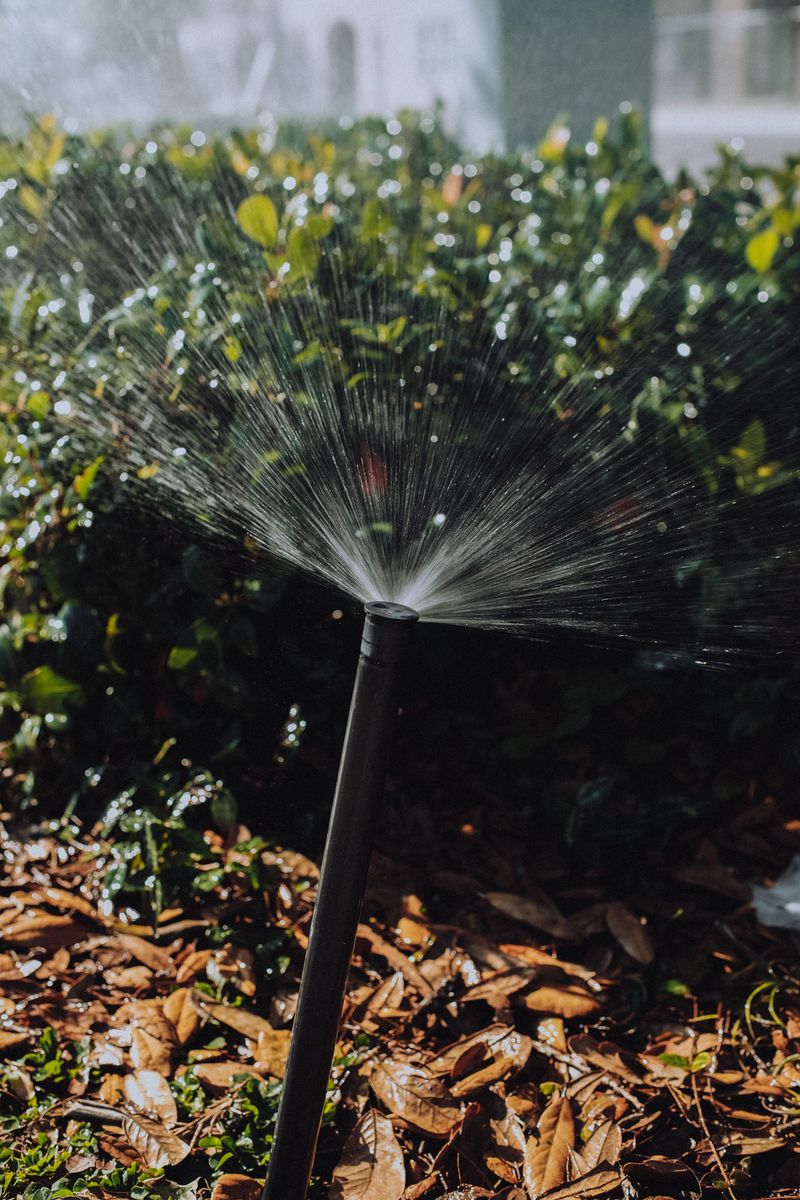
Watering your hydrangeas from above feels natural, but it is one of the most overlooked causes of brown spots on leaves.
When water sits on foliage for hours, it creates a damp surface where fungal spores can land and take hold almost immediately.
Sprinklers set to run in the evening are especially problematic. Leaves stay wet all night long, giving fungus hours of uninterrupted time to establish itself before morning sun arrives.
Switching to a soaker hose or drip irrigation system changes everything. Water goes directly to the root zone, where the plant actually needs it, and the leaves stay completely dry.
If you use a hose by hand, aim low and slow. Point the stream toward the base of the shrub rather than sweeping it up across the canopy.
Your Maryland Garden Changes Every Week. Your Plan Should Too.
Gardening in Maryland changes quickly throughout the season. Every Friday you’ll receive a simple weekly plan showing exactly what to plant, prune, fertilize, harvest, and protect so you never miss the right timing.
Morning watering is also a smart adjustment if you prefer overhead methods. Any moisture that does land on leaves has the entire day to evaporate before temperatures drop at night.
Check your sprinkler heads periodically to make sure none of them are angled directly at your shrubs. A quick adjustment can dramatically reduce how much water hits the foliage during each watering cycle.
Hydrangea leaves with brown spots caused by overhead watering often show a random, scattered pattern across the plant. Recognizing that pattern early helps you trace the problem back to your watering routine before serious damage sets in.
3. Poor Air Circulation Traps Moisture
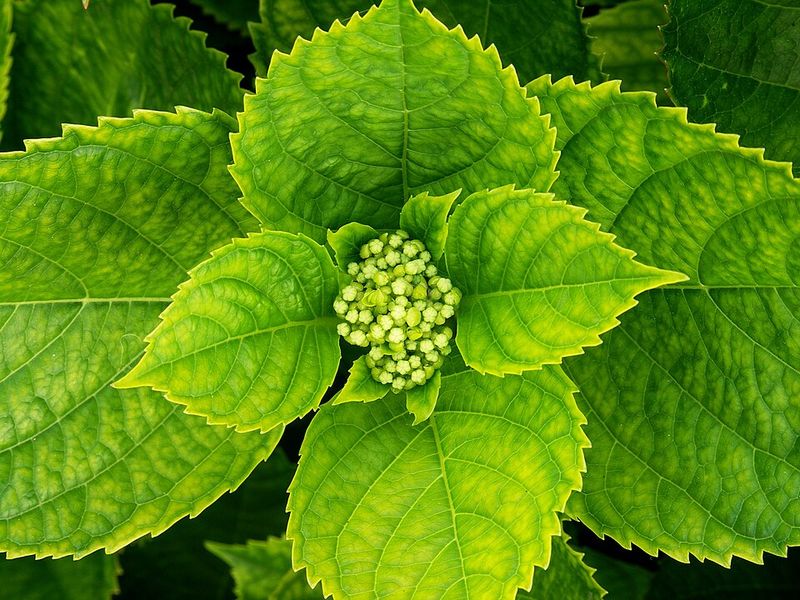
Imagine wearing a rain jacket on a humid day with no breeze. That stuffy, trapped feeling is a useful comparison for what happens to your hydrangeas when they are planted too close to walls, fences, or other shrubs.
Poor air circulation means moisture lingers on leaves long after rain or morning dew. That prolonged dampness is an open invitation for fungal spores to settle in and multiply.
Maryland gardens are often designed with aesthetics in mind, and plants get tucked into tight corners for visual impact. The problem is that beauty sometimes comes at the cost of plant health.
Check the spacing between your hydrangeas and any nearby structures. A gap of at least three to four feet on all sides allows air to move freely around the entire shrub.
Pruning the interior branches of each shrub also helps significantly. Thinning out the center improves airflow through the plant, reducing the time moisture spends sitting on leaf surfaces.
Avoid planting hydrangeas directly against a solid wall or privacy fence. Those surfaces block wind and reflect heat, creating a stagnant microclimate that favors fungal growth.
Strategic placement at the time of planting saves enormous headaches later on. If your hydrangeas are already in a tight spot, consider transplanting them in early spring before new growth emerges, giving them a fresh start with room to breathe and thrive.
4. Cercospora Fungus Thrives In Warmth
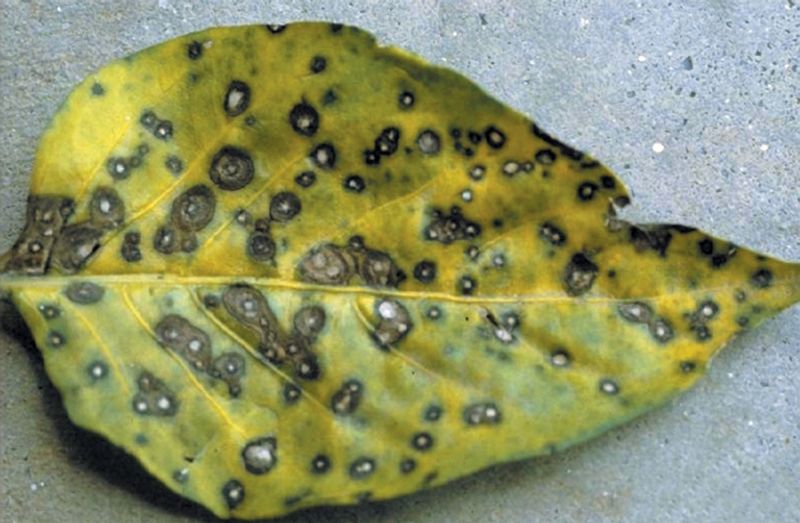
Cercospora leaf spot is one of those garden problems that sounds intimidating but is actually pretty straightforward once you know what to look for.
This specific fungus produces small, round spots that start tan or brown in the center and develop a distinctive purple or reddish-brown border over time.
Warm temperatures between 77 and 86 degrees Fahrenheit are ideal for Cercospora to spread. Maryland summers hit that sweet spot almost every single week from June through September.
The spots typically appear on lower leaves first, working their way up the plant as the season progresses. Spotting the pattern early gives you a significant advantage in controlling the spread.
Cercospora spores travel through water splashing and wind movement. Even a brief afternoon thunderstorm can scatter spores across an entire garden bed in minutes.
Fungicides containing chlorothalonil or mancozeb are effective against this particular fungus. Always follow label directions carefully, and wear protective gloves when applying any chemical treatment in your garden.
Mulching around the base of your hydrangeas also helps by reducing soil splash during rain events. A two-inch layer of organic mulch acts as a buffer between spore-laden soil and your plant’s lower leaves.
Cercospora is frustrating, but it is absolutely manageable with consistent attention. Stay observant, act quickly at the first sign of spots, and your hydrangeas will bounce back looking strong and healthy before the season ends.
5. Overcrowded Shrubs Worsen Fungal Spread

When hydrangeas grow too close together, something almost inevitable happens: one sick plant becomes everyone’s problem. Fungal spores jump easily from leaf to leaf when branches are constantly touching or overlapping throughout the growing season.
Overcrowding also blocks sunlight from reaching the inner parts of each shrub. Without light penetration, moisture hangs around on shaded leaves far longer than it would in an open, well-spaced planting.
Walk through your garden and look honestly at how your hydrangeas are arranged. If you cannot easily slip your hand between neighboring shrubs, they are almost certainly too crowded for good health.
Thinning out the weakest plants or transplanting some to a new location can feel drastic. However, giving the remaining plants enough space dramatically reduces the conditions that allow fungal problems to escalate.
Annual pruning is another powerful tool for managing density. Depending on your hydrangea type, cutting back each shrub by about one-third at the right time opens up the canopy.
Bigleaf and oakleaf hydrangeas should be pruned right after flowering, while panicle and smooth hydrangeas are best pruned in late winter or early spring.
Fallen leaves from affected plants should be raked up and removed promptly. Leaving diseased debris on the ground around overcrowded shrubs creates a reservoir of spores that reinfects plants season after season.
Giving your hydrangeas room to grow is one of the most impactful changes you can make this season. Space equals airflow, airflow equals drier leaves, and drier leaves mean far fewer brown spots affecting your garden’s best feature.
6. Inconsistent Watering Stresses Plant Tissue
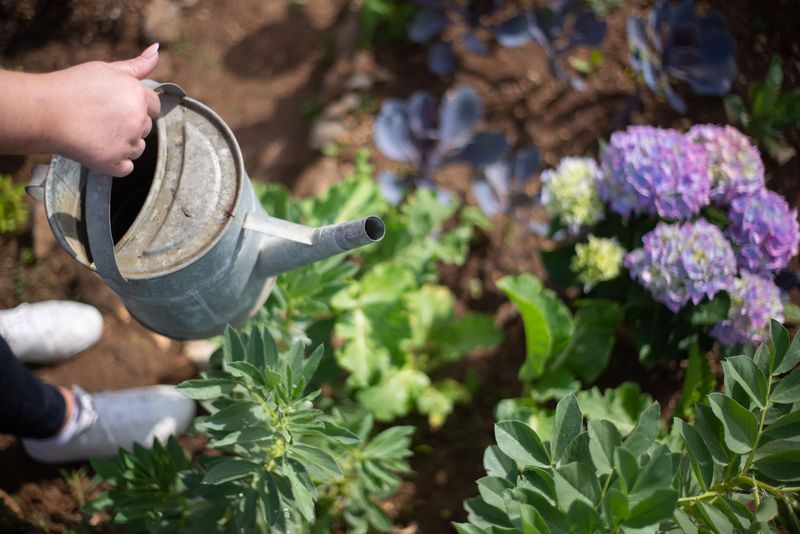
Plants under stress are like people running on no sleep: their defenses drop and problems pile on fast. When hydrangeas go through cycles of drought followed by sudden heavy watering, the stress weakens their cellular structure in ways that invite disease.
Drought stress causes leaf cells to shrink and crack slightly at the microscopic level. Those tiny cracks become entry points for fungal organisms that would otherwise struggle to penetrate healthy, well-hydrated tissue.
Overwatering after a dry spell creates the opposite problem: soggy soil that deprives roots of oxygen and prevents nutrient uptake.
A plant that cannot pull nutrients efficiently cannot repair damaged tissue or mount an effective defense against infection.
Aim for about one inch of water per week during the growing season. Consistent, deep watering encourages roots to grow downward rather than staying shallow and vulnerable near the surface.
A simple rain gauge placed near your garden bed takes all the guesswork out of supplemental watering. Check it weekly and add water only when natural rainfall falls short of that one-inch target.
Organic mulch helps regulate soil moisture by slowing evaporation between watering sessions. A fresh layer applied in late spring can make a noticeable difference in how stable your soil moisture stays through the heat of summer.
Hydrangea leaves with brown spots caused by stress often appear scorched or papery rather than circular and defined. Recognizing that texture difference helps you identify watering issues before they spiral into a full-blown fungal crisis.
7. Splashing Rain Spreads Fungal Spores

A summer thunderstorm feels refreshing, but for your hydrangeas it can be a delivery system for trouble. When raindrops hit soil that already contains fungal spores, those spores launch upward and land directly on the lower leaves of nearby plants.
This process is called splash dispersal, and it is one of the primary ways fungal diseases move through a garden during the rainy season. Maryland gets plenty of those intense, quick-moving summer storms that are perfect for this kind of spread.
Lower leaves are almost always the first ones affected when splash dispersal is the cause. Seeing brown spots concentrated near the base of the plant is a strong visual clue that soil-borne spores are the source of the problem.
Applying a layer of mulch around each shrub creates a physical barrier between the soil and the leaves. That buffer reduces how high soil particles and spores can travel when a raindrop makes impact.
Ground covers planted beneath hydrangeas can also help absorb raindrop impact. Low-growing perennials or dense mulch layers slow the velocity of falling water before it ever reaches bare soil.
After a heavy rain, inspect your hydrangeas within a day or two. Early detection of new spots gives you a window to apply protective fungicide before the infection spreads to healthy foliage higher on the plant.
Rain is out of your control, but your response to it is not. A proactive approach after each storm keeps hydrangea leaves with brown spots from becoming your garden’s most persistent seasonal challenge.
8. Late Season Heat Accelerates Symptoms
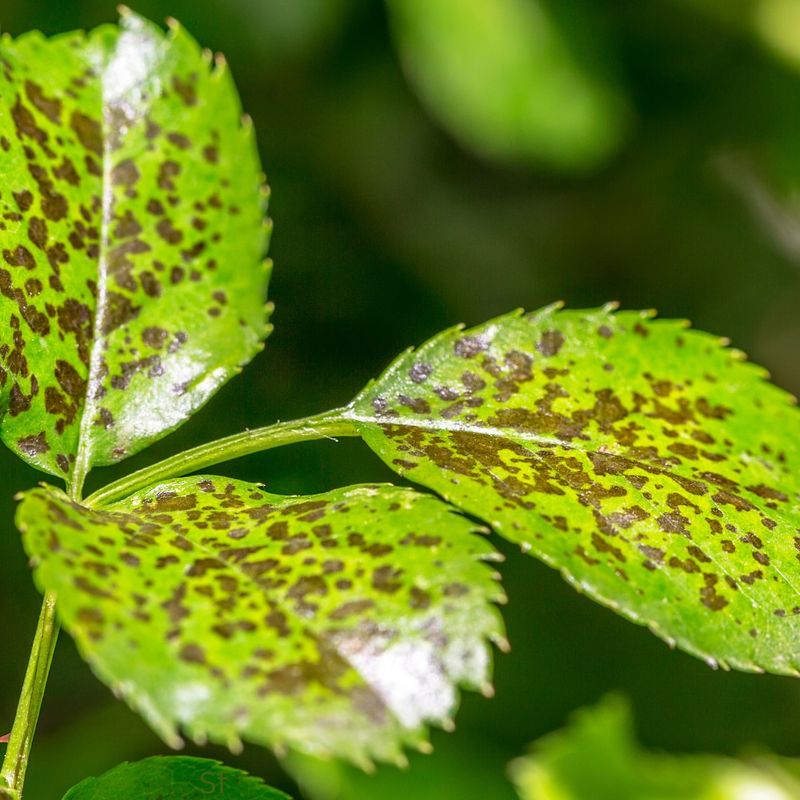
August in Maryland has a particular kind of intensity that catches both gardeners and plants off guard. The combination of residual humidity, high temperatures, and reduced rainfall creates conditions that accelerate symptoms that may have started quietly weeks earlier.
Fungal infections that were slow and manageable in June can spread rapidly in late summer heat. Warmer temperatures speed up the reproductive cycle of many fungi, meaning spores are produced and spread at a much faster rate.
Plants also experience more cellular stress as summer drags on. Leaves that have been dealing with minor infections all season long become increasingly unable to compartmentalize the damage, and spots expand rapidly.
Late season heat also tends to reduce soil moisture faster than gardeners expect. That quick drying cycle pushes plants into mild drought stress, which lowers their natural resistance to ongoing fungal activity.
Increasing watering frequency slightly during heat waves helps maintain tissue integrity. Healthy, well-hydrated cells are better equipped to slow the progress of existing infections even when temperatures are working against the plant.
Avoid heavy pruning during peak heat periods, as fresh cuts become stress points on an already-taxed plant. Save significant pruning for cooler fall temperatures after the plant has had a chance to slow its growth cycle naturally.
Finishing the season strong means staying engaged even when progress feels slow in late August. Consistent care through the final weeks keeps hydrangea leaves with brown spots from defining your entire growing season.