16 Reliable Vegetables To Plant In August For A Strong Fall Harvest
Summer’s heat may still linger on the porch, but the calendar is quietly nudging gardeners toward their next big move. Late August is a strange in-between season, one that fools casual growers into thinking the work is winding down.
The truth is, some of the tastiest crops of the year haven’t even gone into the ground yet. They’re the ones built for cooler nights, shrinking daylight, and that first hint of crispness in the air.
Timing is everything here, and a narrow window separates a bountiful autumn harvest from an empty fall garden bed. Get the sequence wrong and you’ll be staring at bare soil come October.
So before the season shifts entirely, it’s worth knowing exactly what to tuck into the ground now, and why these particular plants practically thrive on the shift toward shorter, chillier days.
1. Kale Thrives As Autumn Temperatures Drop
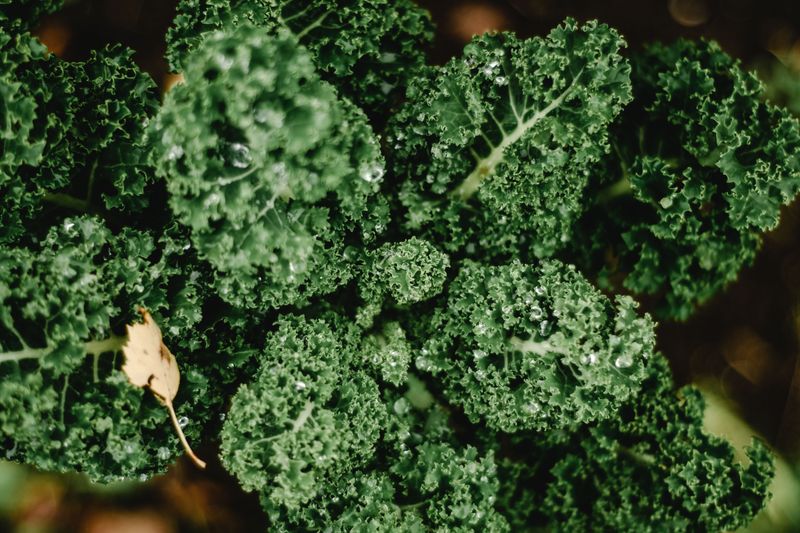
Kale is practically built for fall. Plant it in August and watch it transform as temperatures drop, turning sweeter and more tender with every cool night.
This leafy green is one of the most forgiving crops you can grow. It handles light frost without missing a beat, making it a top pick for reliable fall vegetables to plant in August.
Kale grows well in raised beds, containers, or traditional rows. Give it full sun and consistent moisture, and it will reward you with harvests that stretch deep into November.
Start with varieties like Lacinato or Red Russian for the best cold-weather flavor. Your fall salads and soups will thank you all season long.
2. Spinach Rewards Late Summer Sowing
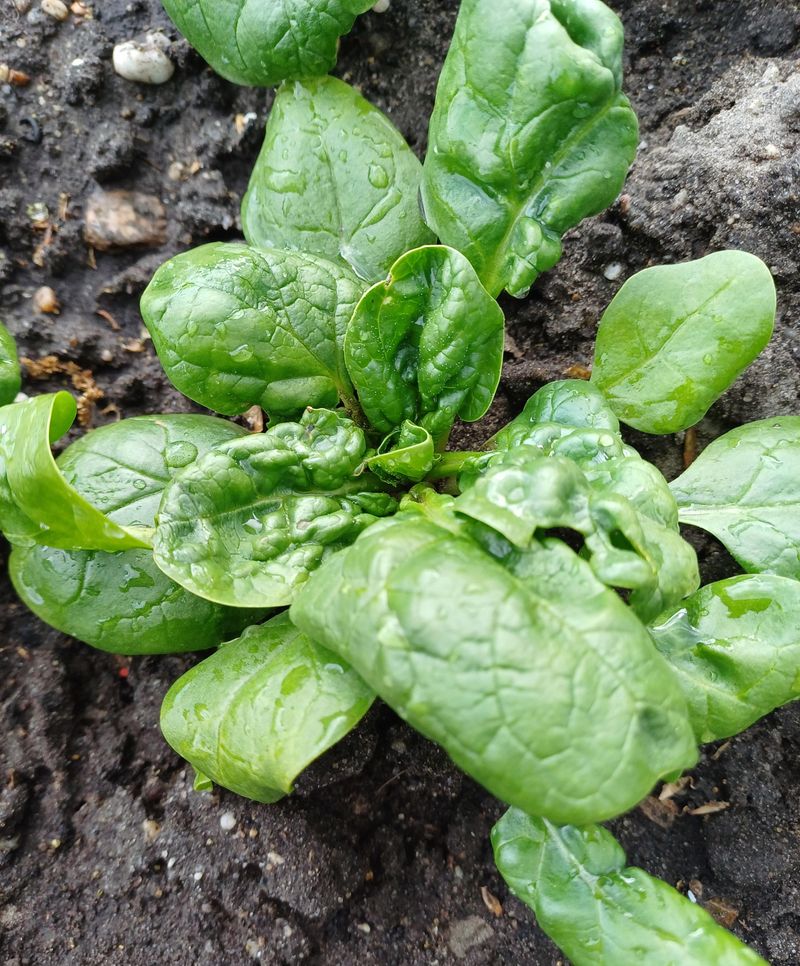
Few vegetables respond as enthusiastically to late-summer planting as spinach. Sow seeds directly into the ground in August and expect germination within a week.
Spinach prefers soil temperatures below 75 degrees Fahrenheit. Planting in August means the soil cools just in time for strong, healthy growth to take hold.
Choose bolt-resistant varieties like Bloomsdale or Tyee for the most dependable fall crop. These types hold up well as days shorten and nights get crisp.
Spinach is one of those fall vegetables to plant in August that earns its keep quickly. Thin your seedlings to about four inches apart and keep the bed moist for the best leaf production possible.
3. Lettuce Delivers Quick Cut-And-Come-Again Harvests
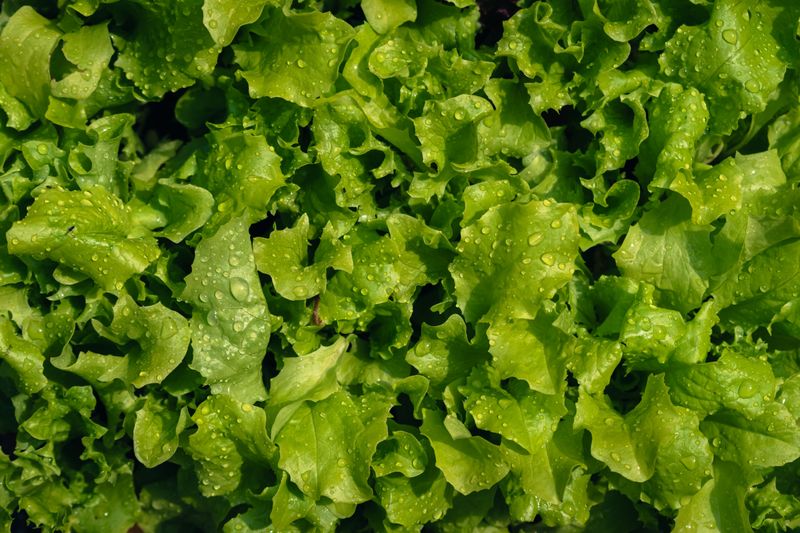
Lettuce is the overachiever of the fall garden. Plant it in August and you can be harvesting fresh leaves in as little as 30 days.
The cut-and-come-again method works beautifully with loose-leaf types. Snip outer leaves, and the plant keeps pushing out new growth for weeks on end.
Varieties like Black Seeded Simpson, Oak Leaf, and Buttercrunch all perform well in cooler fall conditions. They prefer the milder temperatures that arrive after summer heat fades.
Keep lettuce beds evenly watered and shaded during the hottest August afternoons. Once fall settles in, this crop practically takes care of itself, giving you fresh greens right when you want them most.
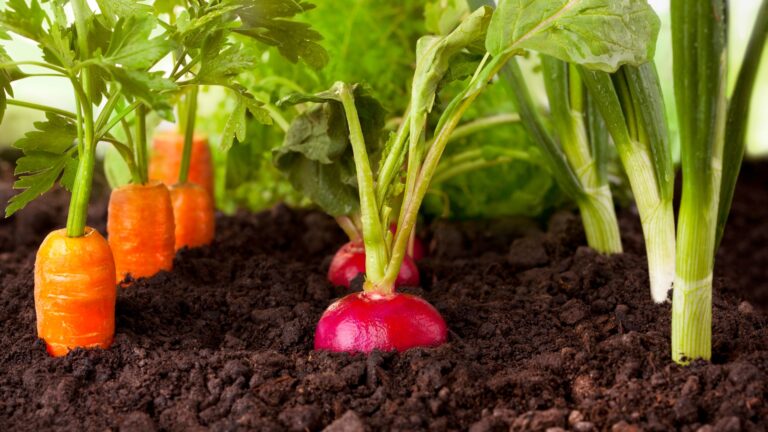
4. Radishes Mature In Just Three Weeks
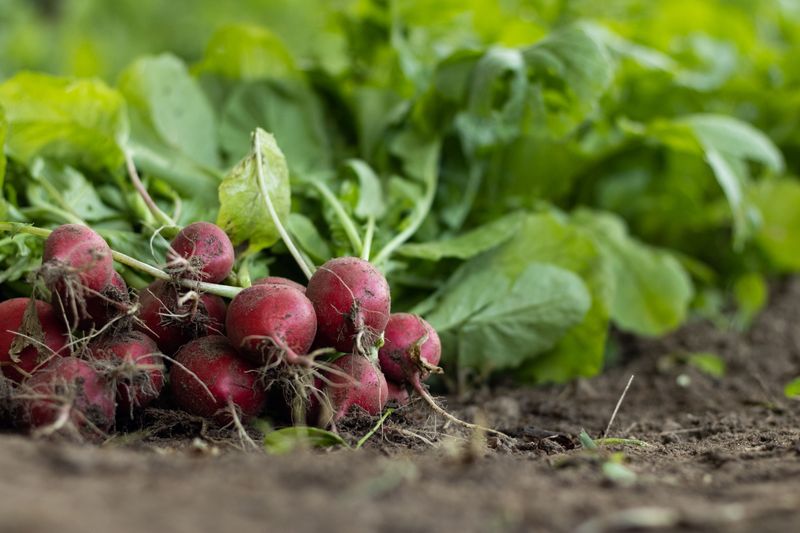
If patience is not your strong suit, radishes are your best friend. These speedy little roots go from seed to harvest in as few as 21 days.
Planting radishes in August fills the gaps between slower-maturing crops. They act as natural row markers for carrots or beets while producing something delicious in record time.
French Breakfast and Cherry Belle are two varieties that perform especially well in fall conditions. Both stay crisp and mild when grown in cool soil.
Sow seeds about half an inch deep and one inch apart. Thin them early so roots have room to swell, and water consistently to prevent that sharp, bitter flavor that comes from stress.
5. Carrots Sweeten With Cooler Fall Nights
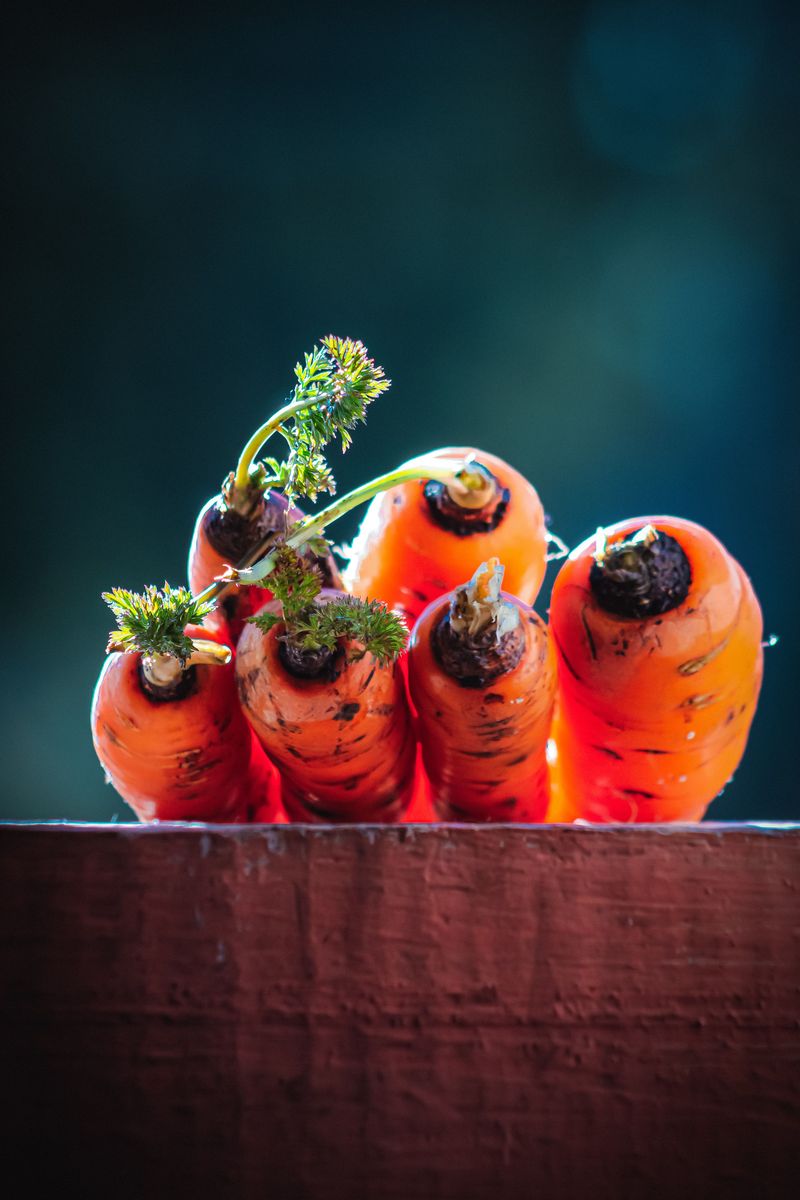
There is a reason fall carrots taste so much better than summer ones. Cool nights trigger the plant to convert starches into sugars, producing a noticeably sweeter root.
August is the ideal month to direct sow carrot seeds for a fall crop. Count back about 70 to 80 days from your first expected frost to nail your timing.
Loose, deep, rock-free soil is essential for straight, well-formed roots. Amend heavy clay with compost or sand before planting to give those roots room to grow downward.
Nantes and Danvers varieties are reliable choices for fall planting. Keep the seed bed consistently moist until germination, and your patience will be rewarded with sweet, crunchy carrots worth bragging about.
6. Beets Store Well Into Late Fall
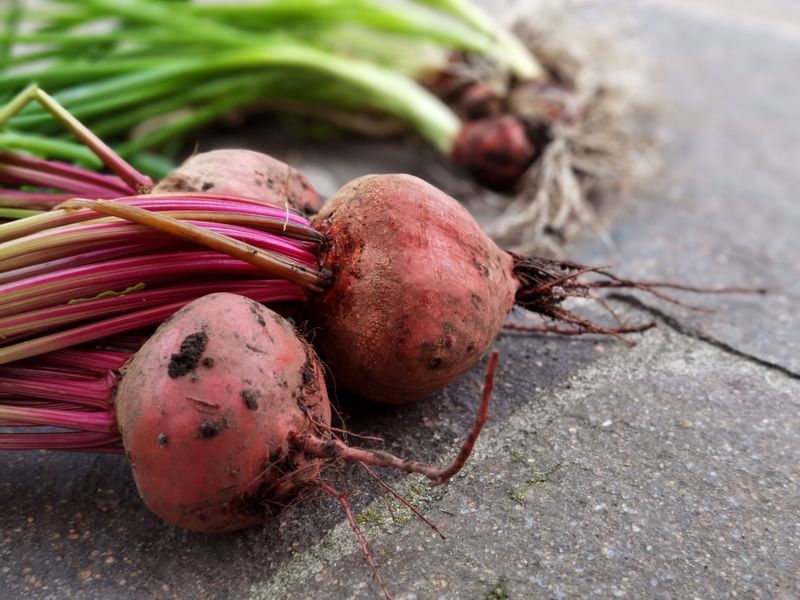
Beets are the quiet workhorses of the fall garden. Plant them in August and you get two crops in one: tender greens and sweet, earthy roots.
These roots actually improve with cold exposure. A few light frosts help concentrate their natural sugars, making late-season beets richer in flavor than anything grown in summer heat.
Detroit Dark Red and Chioggia are both excellent August planting choices. They mature in around 55 to 70 days and store beautifully in a cool root cellar or refrigerator.
Sow seeds about half an inch deep and keep soil consistently moist during germination. Thin seedlings to three inches apart once they sprout, because crowded beets produce small, misshapen roots that disappoint at harvest time.
7. Turnips Handle Light Frost With Ease
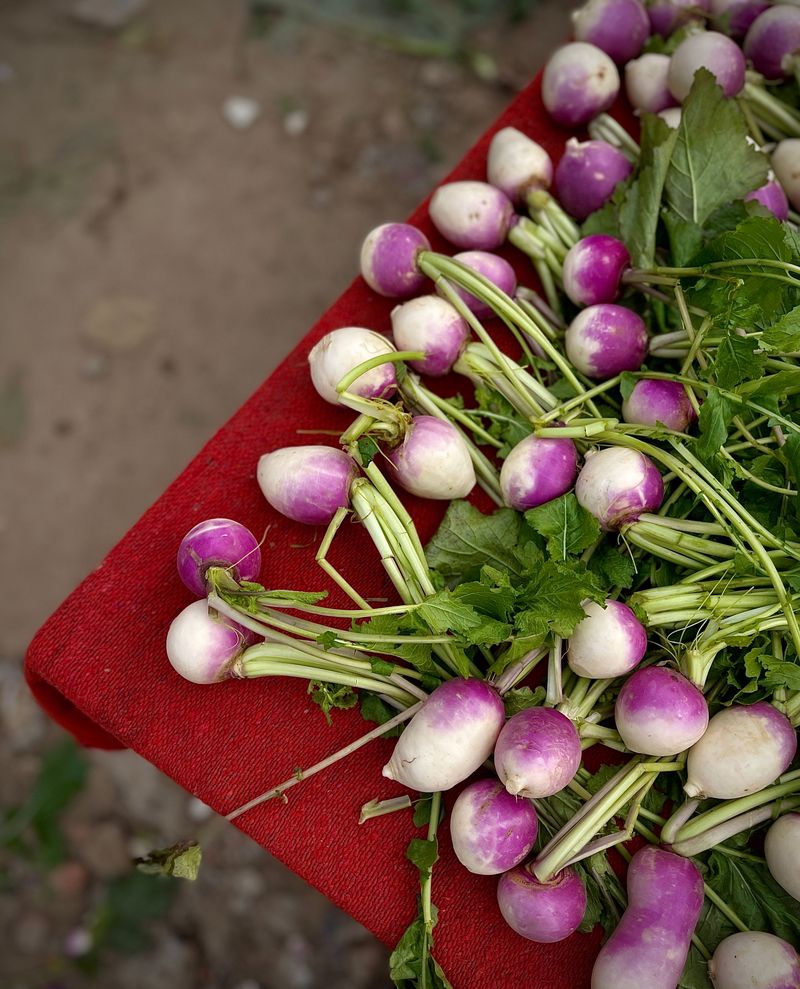
Turnips do not get nearly enough credit in the home garden. Plant them in August and they are ready to harvest in just 40 to 60 days, greens and all.
Light frosts actually improve their flavor, mellowing any sharpness and bringing out a natural sweetness that makes them genuinely enjoyable to eat. Many people who think they dislike turnips have simply never tasted a fall-grown one.
Purple Top White Globe is a classic variety that performs consistently well in cooler weather. Hakurei, a Japanese salad type, is another excellent option with a mild, almost fruity taste.
Sow seeds directly into prepared beds, thinning to four inches apart. Both the roots and the greens are edible, so little goes to waste when you grow this underrated fall vegetable.
8. Broccoli Heads Form Best In Cool Weather
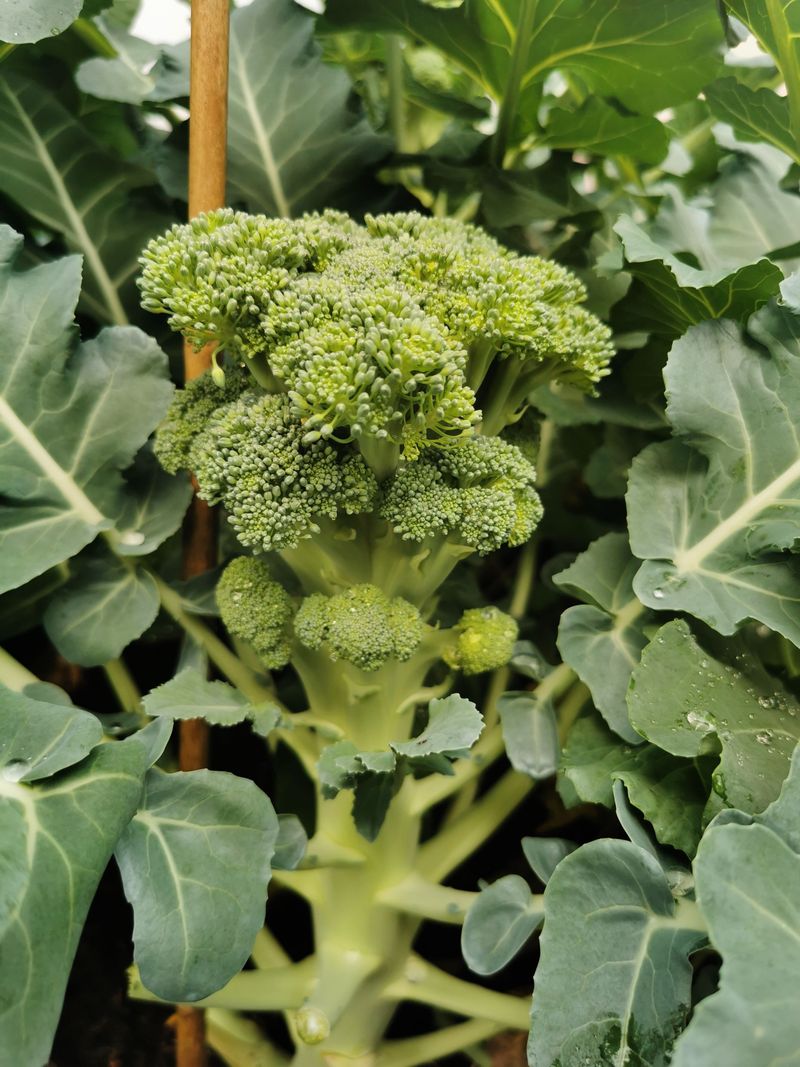
Broccoli and summer heat have a complicated relationship. The two simply do not get along, which is exactly why August planting sets up a much more successful crop.
Start broccoli transplants indoors in early August, then move them into the garden after three to four weeks. This timing allows heads to form during the cooler days of October and November.
Arcadia and Green Magic are two varieties known for reliable fall performance. Both produce tight, dense heads that hold well on the stalk even after light frosts hit.
Space plants 18 inches apart and feed with a nitrogen-rich fertilizer early in growth. Once the central head is cut, side shoots keep producing smaller florets for weeks, extending your harvest well beyond that first big cut.
9. Cauliflower Needs A September Head Start
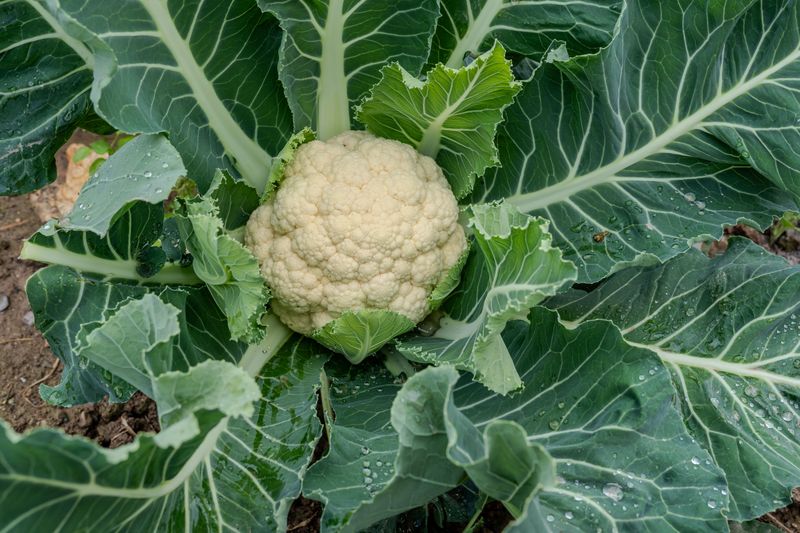
Cauliflower has a reputation for being demanding, and honestly, that reputation is earned. But plant it at the right time in August and the results are absolutely worth the extra attention.
Start seeds indoors in early August to get transplants ready for the garden by early September. Cauliflower needs a long, steady cool period to form tight, white heads without bolting.
Snow Crown and Amazing are two dependable varieties for fall growing. Snow Crown is ready in about 50 to 60 days, while Amazing takes closer to 70, and both produce heads that stay firm and bright in cooler temperatures.
Blanching, which means tying leaves over the developing head, keeps it white and mild. Check plants every few days once heads begin forming, because cauliflower moves from perfect to overripe faster than you might expect.
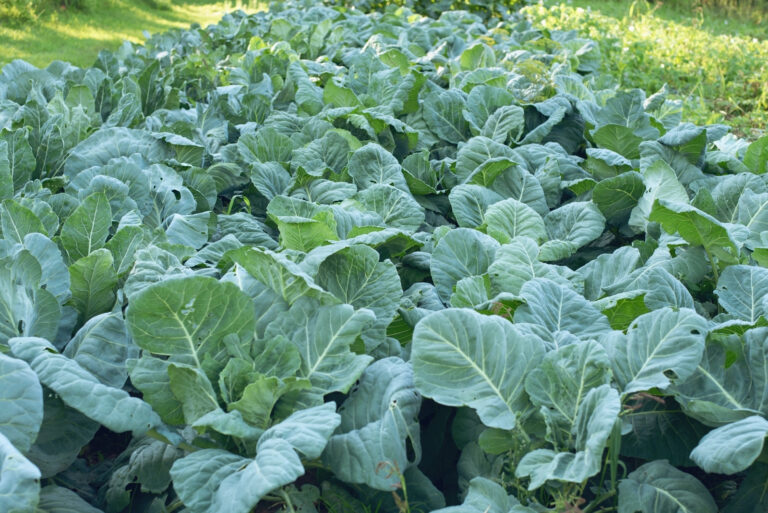
10. Cabbage Develops Better Flavor In Fall
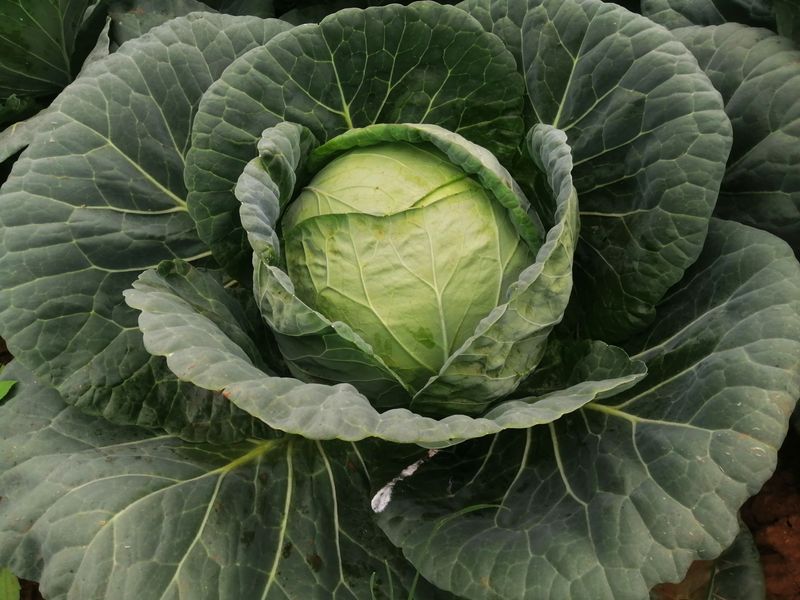
Fall cabbage is a different experience from the summer version. Cooler temperatures slow growth and allow sugars to build inside those tightly packed heads.
Start transplants indoors in July or early August, then get them into the ground by mid-August. This schedule puts head formation squarely in the cool, crisp weeks of October.
Stonehead and Ruby Ball are compact varieties well suited for home gardens with limited space. Stonehead is ready in about 50 to 65 days, while Ruby Ball takes closer to 70 to 90, and both hold up beautifully through multiple frosts without splitting.
Cabbage loves consistent moisture and benefits from a balanced fertilizer applied at transplanting. Once heads feel firm when gently squeezed, they are ready to harvest and can be stored in a cool location for weeks afterward.
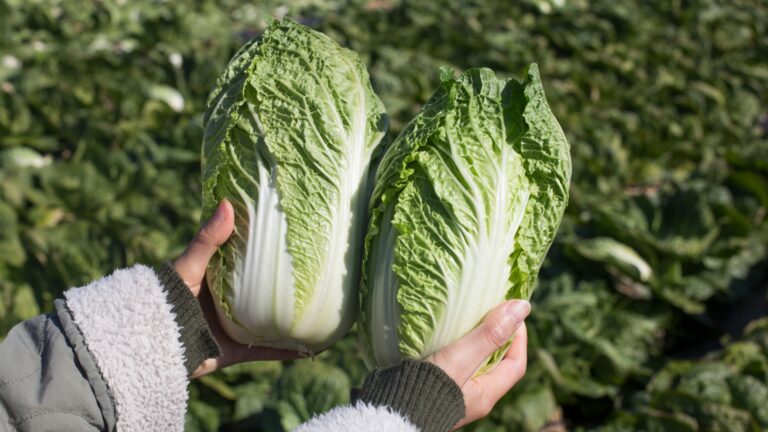
11. Bok Choy Matures In About A Month
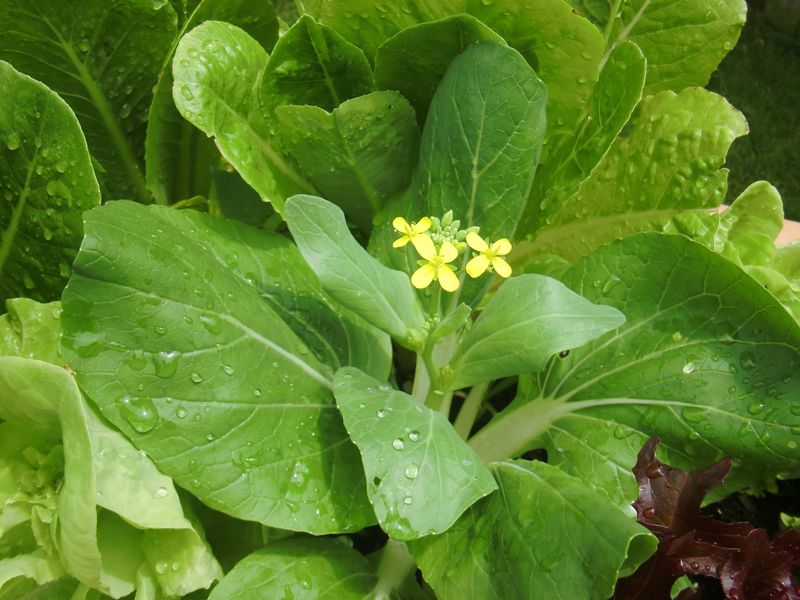
Bok choy is one of the fastest-growing brassicas you can plant in August. From seed to harvest, most varieties are ready in 30 to 45 days.
This Asian green thrives in the mild, moist conditions that fall brings. Heat causes it to bolt almost immediately, so late-season planting is actually the smarter move for most gardeners.
Baby Shanghai and Joi Choi are two popular varieties that produce tender, crisp stalks with minimal fuss. Both work beautifully in stir-fries, soups, and fresh salads.
Direct sow seeds about a quarter inch deep and thin seedlings to six inches apart once they sprout. Keep soil evenly moist and watch for cabbage worms, which love bok choy just as much as people do.
12. Arugula Adds Peppery Bite To Fall Salads
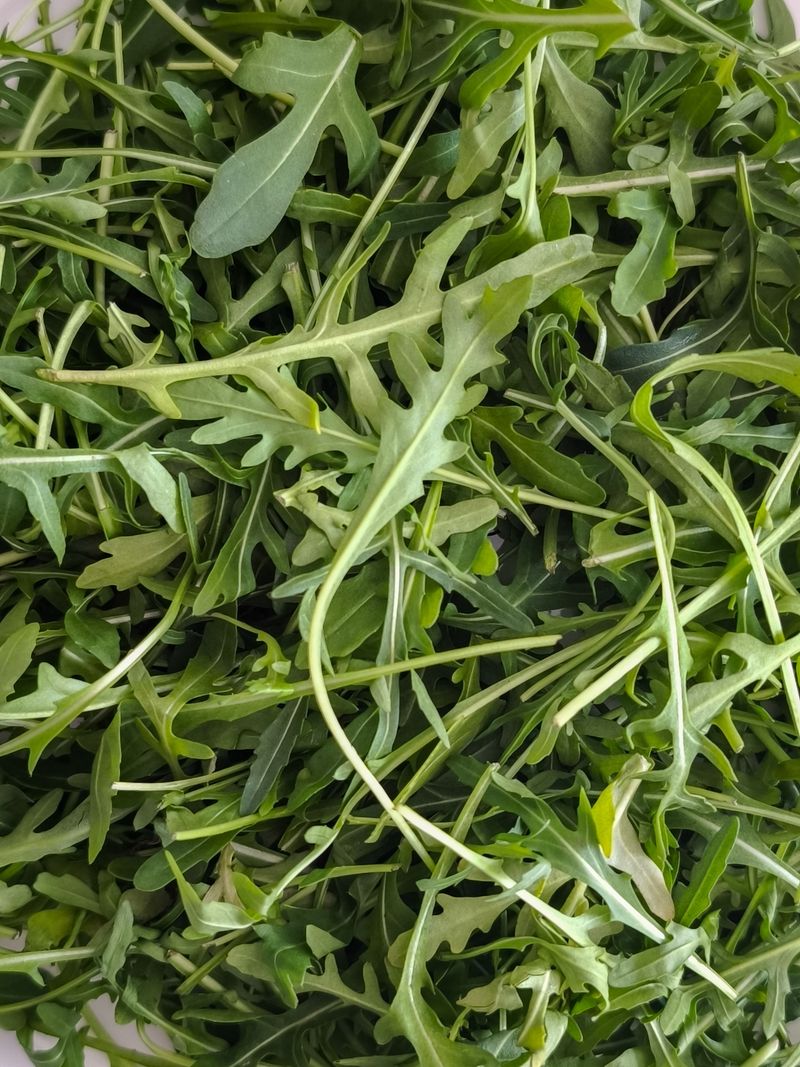
Arugula is one of those greens that tastes dramatically better in fall than it ever does in summer. Heat makes it sharp and bitter, but cool air mellows it into something genuinely craveable.
Scatter seeds directly onto prepared soil in August and expect germination within five to seven days. Arugula grows fast and requires almost no fuss once it sprouts.
Wild arugula has a more intense flavor, while standard arugula stays milder and works well for salads or pizza toppings. Both types are excellent fall vegetables to plant in August for quick, consistent results.
Cut leaves when they reach about three inches long for the best flavor and texture. Letting arugula grow too large makes leaves tougher and more pungent than most people prefer on their plate.
13. Kohlrabi Grows Quickly In Loose Soil
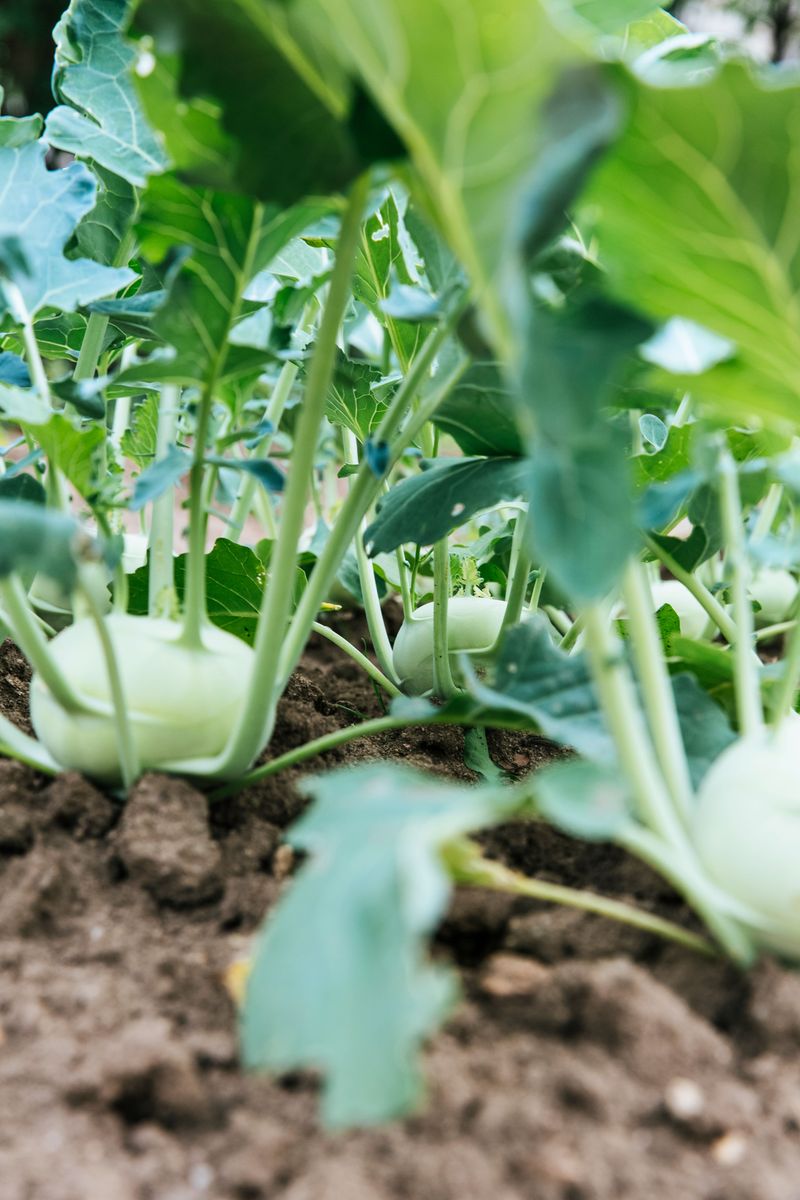
Kohlrabi looks like a vegetable from another planet, and that unusual appearance tends to make people overlook it. That is a mistake, because it is one of the most rewarding August plantings in any fall garden.
This brassica matures in just 45 to 60 days and grows best when soil temperatures drop below 75 degrees. August planting in most regions hits that sweet spot perfectly.
Grand Duke and Kolibri are two reliable varieties that stay tender and sweet even as temperatures drop. Both are excellent eaten raw, roasted, or shredded into slaws and grain bowls.
Harvest when bulbs reach two to three inches across for the most tender, flavorful results possible.
14. Swiss Chard Keeps Producing Through Frost
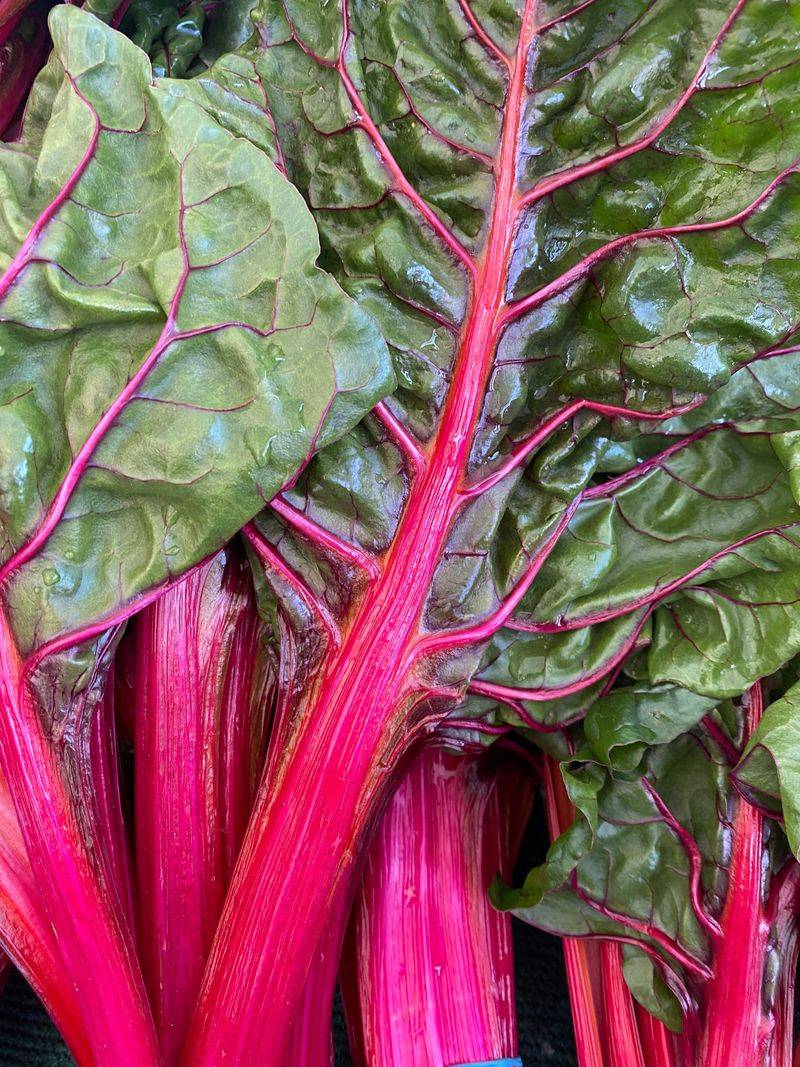
Swiss chard is the dependable friend who keeps showing up through most conditions. Plant it in August and it keeps producing vibrant, nutritious leaves well past the first frost of fall.
Unlike many greens, chard handles temperature swings without bolting or turning bitter. That resilience makes it one of the most valuable fall vegetables to plant in August for long-season harvests.
Rainbow chard, with its mix of red, yellow, and orange stems, is as beautiful in the garden as it is on the plate. Fordhook Giant is another solid choice for gardeners who want maximum leaf production.
Harvest outer leaves regularly to encourage continuous new growth from the center. Keep plants well-watered and give them a light side-dressing of compost mid-season to fuel that impressive, frost-tolerant productivity all the way into late fall.
15. Mizuna Brings Fast Growth And Mild Heat
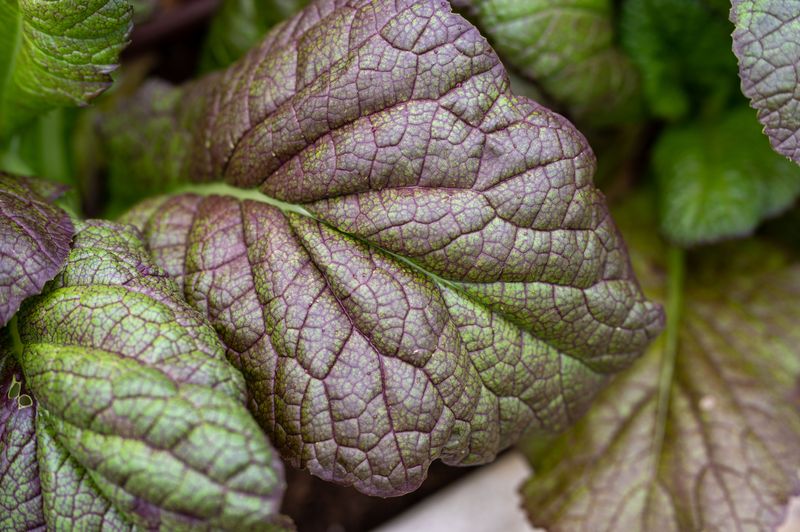
Mizuna might be the most underrated salad green available to home gardeners. Its feathery, deeply serrated leaves look delicate, but this Japanese mustard green is surprisingly tough in cool weather.
Expect germination within five days of planting in August. Full harvest-ready leaves appear in about 40 days, making mizuna one of the fastest fall crops you can grow from seed.
The flavor sits somewhere between mild arugula and tender mustard greens. It adds texture and a gentle warmth to salads without overwhelming other ingredients the way sharp mustard greens sometimes can.
Scatter seeds thickly and cut the whole planting as baby greens, or thin to six inches and harvest individual leaves over time. Either approach works well, and mizuna regrows quickly after each cut for multiple harvests in a single season.
16. Peas Enjoy A Second Cool-Season Planting
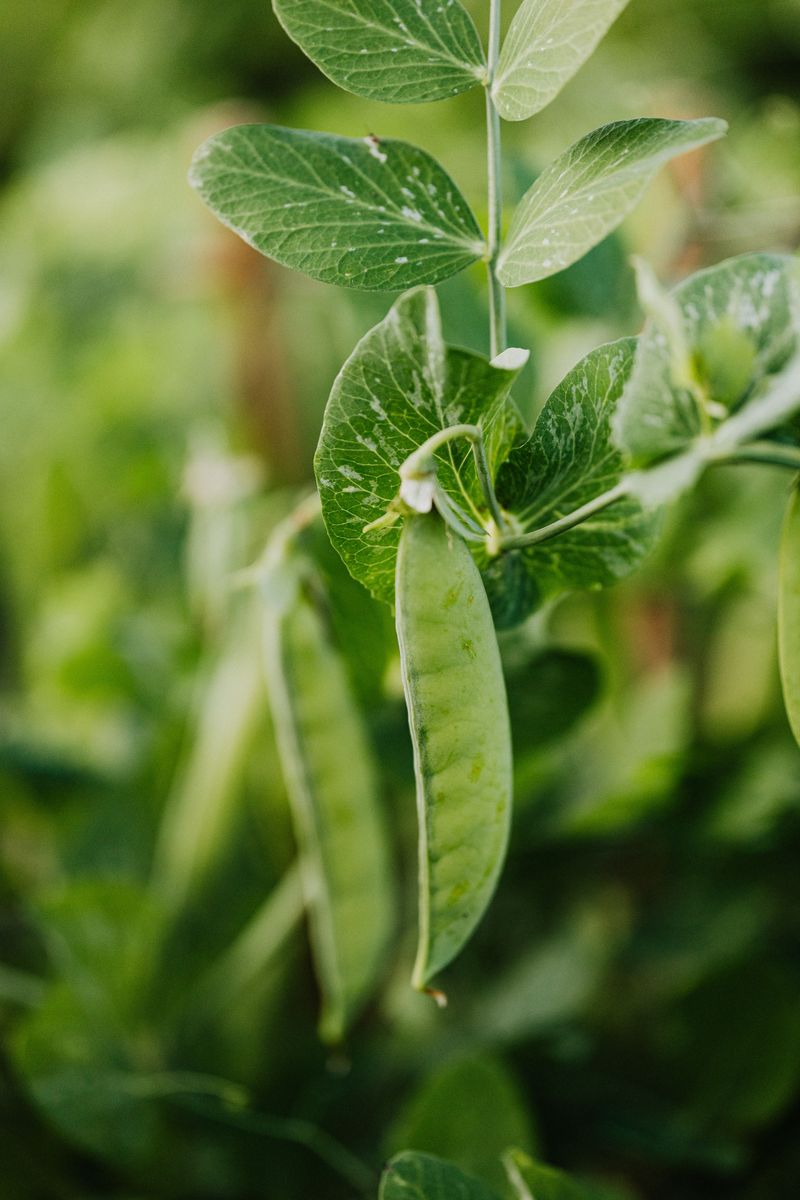
Most gardeners think of peas as a spring crop, and they are right. But peas love cool weather so much that August offers a perfect second window for planting before fall arrives.
Count back 60 to 70 days from your first expected frost date to find your ideal planting window. In many parts of the country, that lands squarely in mid to late August.
Sugar Snap and Little Marvel are two varieties that perform well in fall conditions. Both produce sweet, tender pods that taste even better when nights turn cold and crisp.
Give peas a trellis or fence to climb, and keep soil consistently moist during germination. As one of the most rewarding fall vegetables to plant in August, a second pea planting makes the end of the season feel like a genuinely exciting beginning.