Why Cardinals Visit Rhode Island Yards And What It Means
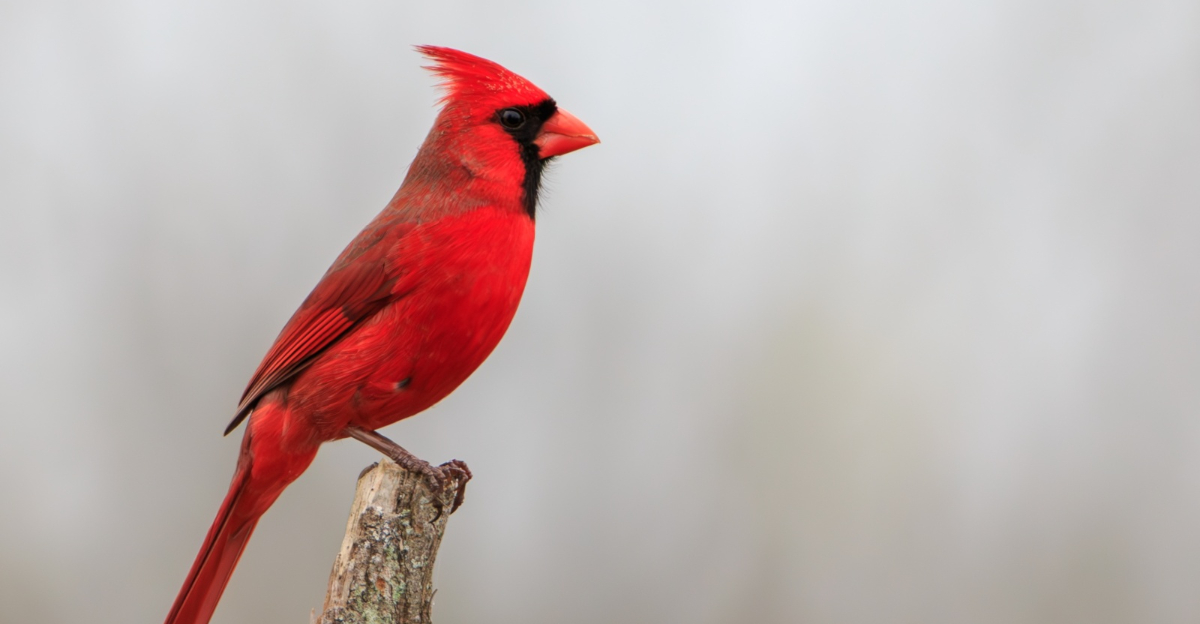
You pressed your face against the cold Rhode Island glass, breath fogging the window, heart doing something ridiculous.
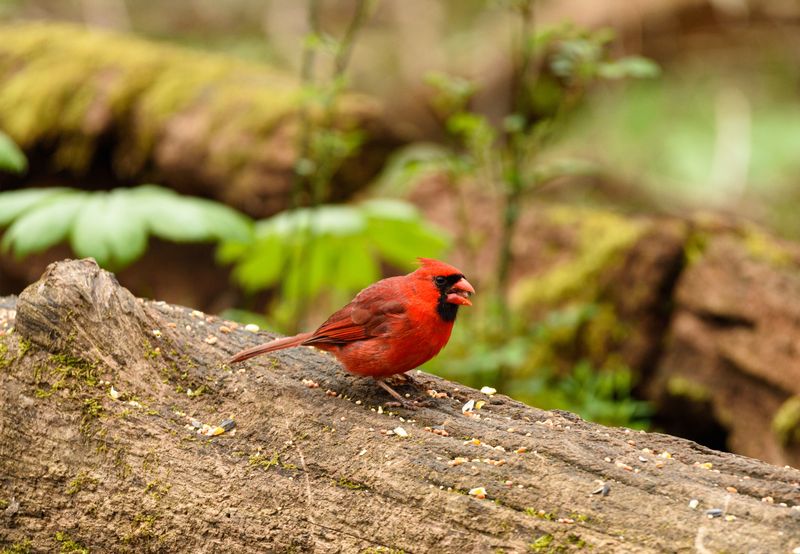
A cardinal sat there, impossibly red, staring directly at you. He blinked once. Then stayed.
That bird chose your yard with intention, not accident, and something about that felt personal. Why does a wild creature keep returning to your specific patch of Rhode Island earth?
Cardinals are not random visitors dropping in between better appointments. They are reading your yard like a text message, responding to signals you did not know you were sending.
Everything about your outdoor space, right down to how wild or manicured you keep it, is broadcasting something real.
These birds are basically handing you a detailed report on your yard, whether you asked for one or not.
Ignore that report and you stay invisible to them. Read it correctly and your Rhode Island yard becomes the one they cannot stay away from.
Your Yard Has A Healthy Food Supply
Cardinals are not picky eaters, but they are smart shoppers. When a cardinal visits your yard, it has already scanned the area and decided your space is worth its time.
Sunflower seeds are their top pick, hands down. Black-oil sunflower seeds are small, easy to crack, and packed with fat that fuels these birds through cold snaps.
Safflower seeds are another favorite that squirrels tend to leave alone. That makes them a smart double win for any backyard feeder setup.
Cardinals also love cracked corn, millet, and berries from native shrubs. A yard offering multiple food sources signals abundance, and abundance is exactly what draws these birds back repeatedly.
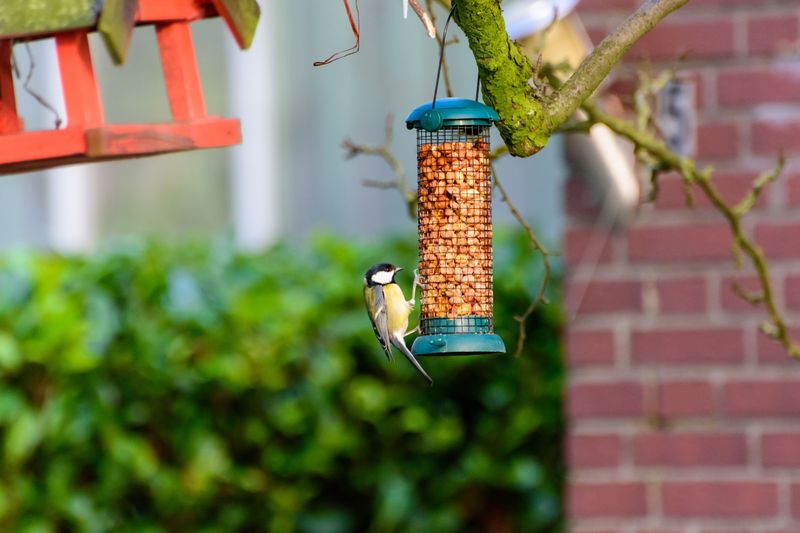
Tube feeders work, but platform feeders are even better for cardinals. Their body size and feeding style make open trays much easier to navigate than narrow perches.
Keeping feeders clean and stocked through late fall and winter is key. Cardinals are year-round residents in Rhode Island, so a reliable supply turns a one-time visitor into a regular.
The presence of cardinals in your yard means your food game is strong. Cardinals are selective about where they feed, and consistent visits are a reliable signal your setup is working.
Good Nesting Cover Is Nearby
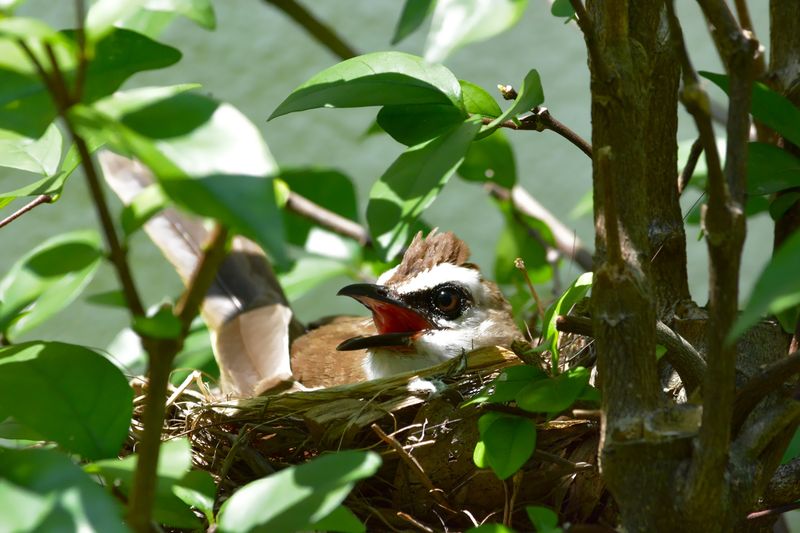
Cardinals do not nest in open spaces. They need dense cover to feel safe. Thick shrubs, tangled hedgerows, and evergreen bushes are exactly what they look for when choosing a home base.
Seeing cardinals near your yard often means quality nesting habitat is close by. They scout feeding areas within a short distance of where they plan to raise their young.
Native shrubs like spicebush, viburnums, and hawthorn are cardinal favorites. These plants offer both shelter and seasonal berries, making them incredibly efficient choices for your landscape.
Female cardinals build the nest almost entirely on their own. They weave together grasses, bark strips, and leaves into a sturdy cup shape tucked low in dense vegetation.
Nests are typically placed between three and ten feet off the ground. That height keeps them hidden from many predators while still allowing quick escape routes.
Your Rhode Island Garden Changes Every Week. Your Plan Should Too.
Gardening in Rhode Island changes quickly throughout the season. Every Friday you’ll receive a simple weekly plan showing exactly what to plant, prune, fertilize, harvest, and protect so you never miss the right timing.
Your untrimmed shrubs are not a problem. To a cardinal, that overgrown hedge is prime real estate. Natural, slightly overgrown plantings offer better concealment than manicured hedges.
A yard that attracts nesting cardinals is doing something genuinely right. You have created a habitat that feels safe enough for new life, and that is no small thing.
Spring Territory-Setting Is Underway
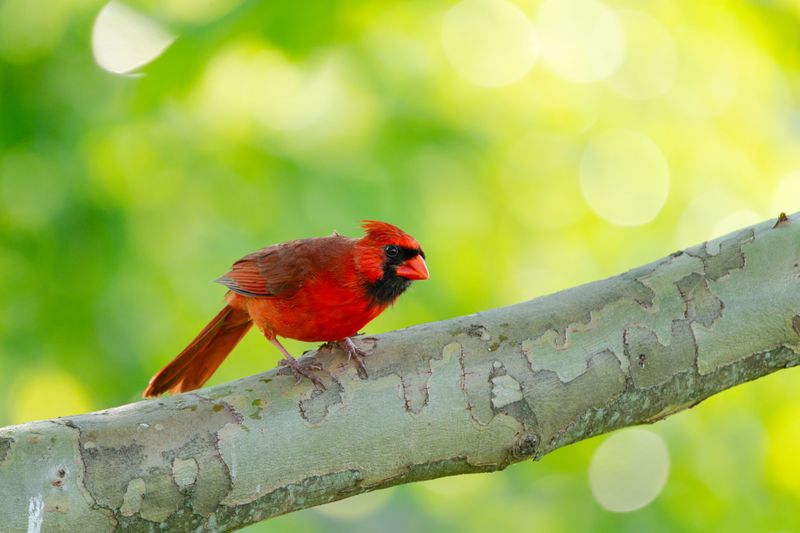
That loud, whistling song from your treetops in early spring is not random noise. Male cardinals are staking their claim, and your yard just made the shortlist.
Cardinals begin setting territories as early as late February in Rhode Island. The male sings persistently to warn other males and attract a mate at the same time.
His song carries remarkably far on a calm morning, reaching well beyond the immediate yard. That means even neighbors who cannot see him are hearing his announcement loud and clear.
Females also sing, which is unusual among songbirds in North America. A female cardinal calling from inside dense cover is often communicating with her mate about food or threats.
When a male cardinal visits your yard repeatedly in spring, he is mapping resources. He needs to know where food, water, and shelter are located before committing to a territory.
Yard features like reliable feeders, birdbaths, and native plantings can tip the decision in your favor. You are essentially auditioning as a landlord, and cardinals are selective tenants.
Once a pair claims your yard as part of their territory, you may enjoy their presence all season long. Once a pair returns regularly, consistent sightings become one of the more rewarding parts of backyard birding.
Low Predator Pressure In The Area
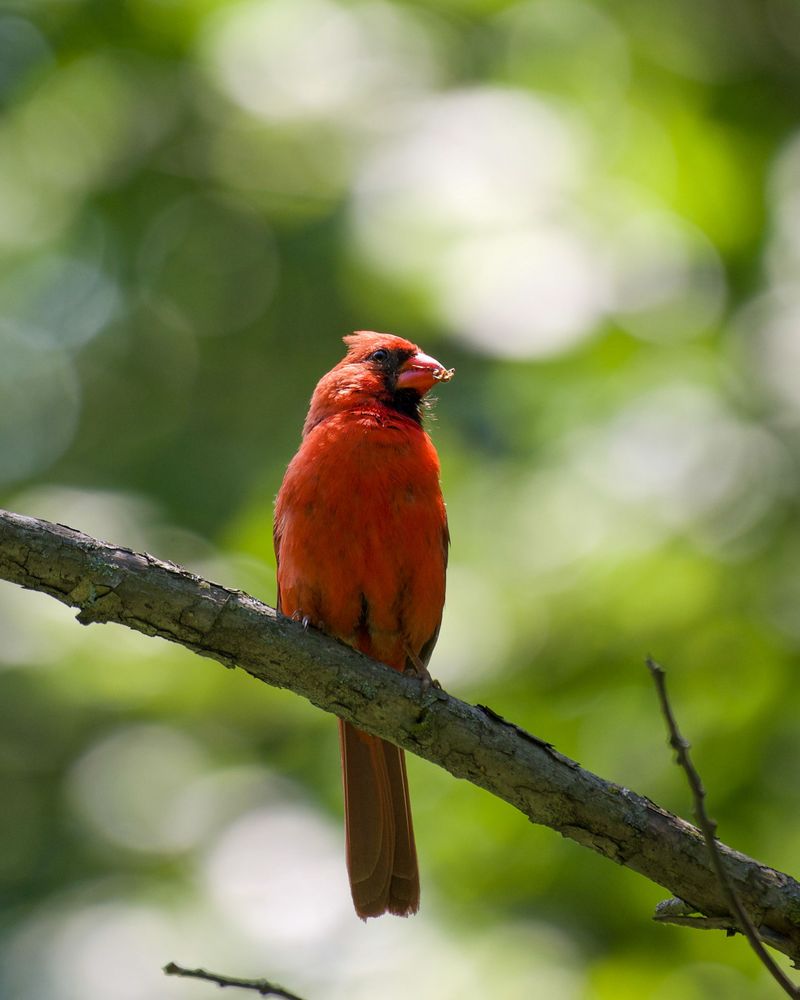
Cardinals are cautious birds with sharp survival instincts. When they linger in your yard without darting away every few seconds, that tells you something important about your environment.
A yard with low predator pressure feels safe to wildlife. That means fewer roaming cats, less hawk activity near feeders, and no sudden disturbances that send birds scattering in a panic.
Outdoor cats are the single biggest threat to backyard songbirds in the United States. If your neighborhood has fewer free-roaming cats, your yard becomes dramatically more attractive to birds like cardinals.
Cooper’s hawks and sharp-shinned hawks do hunt at feeders. But when those visits are infrequent, cardinals quickly learn which yards are safe enough to feed in without constant stress.
Placing feeders near shrubs gives cardinals a fast escape route. That small design choice can reduce their anxiety and encourage longer, more relaxed feeding sessions throughout the day.
Avoid placing feeders in wide-open areas with no cover nearby. Birds that feel exposed tend to eat quickly and leave rather than settling into a comfortable routine.
Cardinals choosing your yard as a low-stress feeding zone is a sign of ecological health. Bird presence is one of the more visible signals that your yard is providing what wildlife needs.
Rhode Island’s Milder Winters Are Working In Their Favor
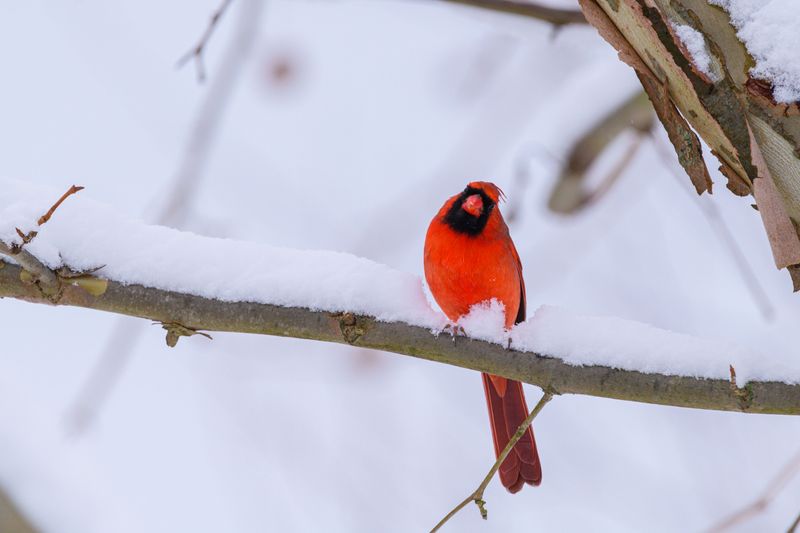
Rhode Island sits in a sweet spot for cardinals during winter months. The state’s coastal influence keeps temperatures from dropping as sharply as inland New England areas often do.
Cardinals do not migrate. They tough out winter wherever they have established a territory. That makes reliable winter food sources and shelter absolutely critical to their survival.
Milder winters mean more natural food stays accessible longer into the season. Berries on native shrubs, weed seeds in leaf litter, and open ground all extend the natural buffet past the first frost.
When temperatures do drop hard, cardinals flock together in loose groups for warmth. Seeing several cardinals at once during a cold snap is completely normal and actually pretty heartwarming.
Dense evergreen shrubs like hollies and junipers give cardinals overnight roost spots. These plants block wind and retain heat, acting almost like a natural sleeping bag for small birds.
American holly is especially valuable because it holds bright red berries through the coldest months. Planting one in your yard is practically a standing invitation for cardinals to stick around.
Rhode Island winters, while still chilly, give cardinals a fighting chance that harsher climates cannot offer. Your yard sits in prime wintering territory, and the birds already know it.
Your Yard Supports Ecological Connectivity
Birds do not see your yard as a destination. They see it as a corridor. Cardinals move through connected patches of habitat as they forage, nest, and explore their home range.
A yard with native plants acts like a stepping stone in a larger ecological network. When your space links green areas together, it becomes genuinely useful to wildlife moving through the neighborhood.
Native plantings support the insects that cardinals feed their nestlings. Baby cardinals cannot survive on seeds alone. They need soft-bodied caterpillars and insects during their first weeks of life.
A yard full of native oaks, cherries, and serviceberries hosts hundreds of insect species. Those insects feed not just cardinals but dozens of other bird species passing through your area.
Birdbaths and water features add another layer of attraction. Fresh, moving water is surprisingly rare in suburban neighborhoods, making it a powerful draw for birds of all kinds.
Even a small water dripper attached to a basin can dramatically increase bird activity. Cardinals are especially drawn to the sound of moving water, particularly during dry summer stretches.
When cardinals visit your yard regularly, it signals that your space is part of a living, breathing habitat network. That is the kind of yard that matters far beyond your own property line.
Your Yard May Have Lower Pesticide Exposure
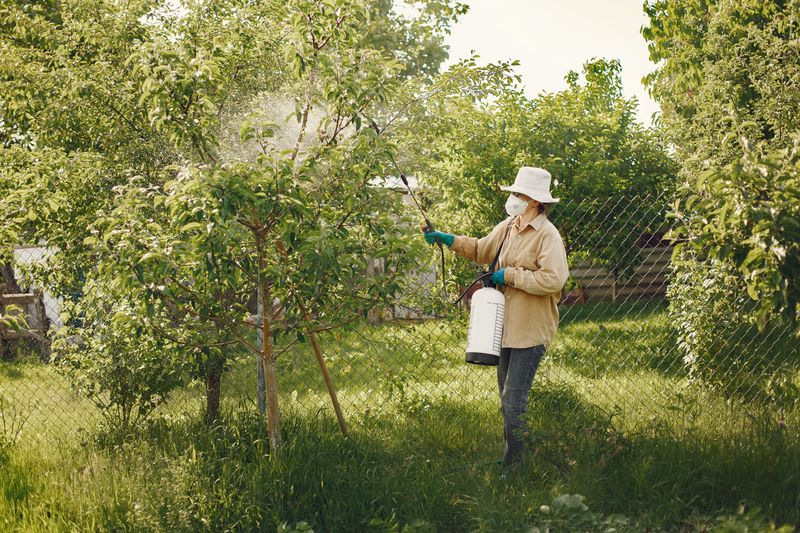
Cardinals showing up consistently is one of the best signs your yard has clean, healthy conditions. Pesticide-heavy landscapes push birds away by eliminating the insects they depend on for food.
Insecticides do not just target pests, they wipe out the entire insect community. When insects disappear, so do the birds that rely on them, especially during nesting season.
Cardinals feed their chicks almost exclusively on insects for the first week of life. A yard or neighborhood where insects thrive is a yard where cardinal families can actually succeed.
Herbicides also play a role by eliminating weedy plants that produce seeds. Those so-called weeds, like crabgrass and ragweed, are actually important winter food sources for ground-feeding birds.
Reducing synthetic pesticide use in your yard generally supports the insect populations that birds depend on.
Healthier soil conditions tend to produce more diverse plant life, which in turn supports more insects and more birds.
Letting a corner of your yard go a little wild is one of the easiest wins you can offer local wildlife. A patch of native grasses and wildflowers costs almost nothing and pays off big.
Regular cardinal visits suggest your yard’s conditions align well with what these birds need to thrive.
In yards where cardinals return consistently, the conditions for local wildlife are clearly working in the right direction.