Road Salt Is Coming For Your New York Shrubs. Protect Them Before It Hits
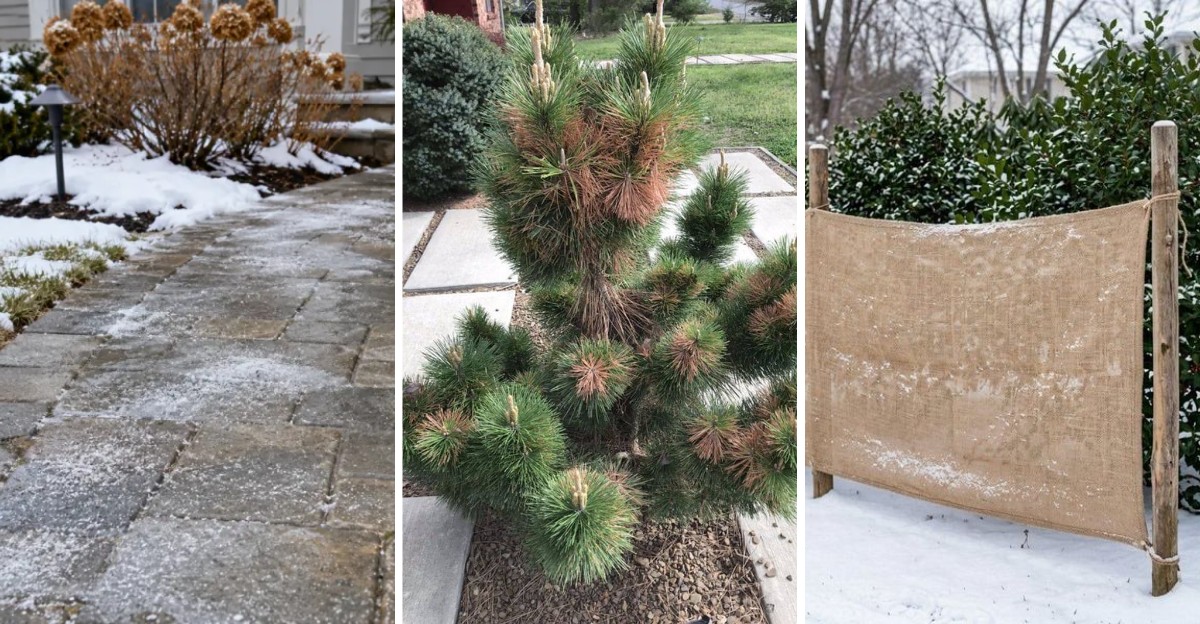
Every winter, tons of salt coat New York roads. Plenty of it lands on your shrubs.
You might not notice anything wrong until spring. That’s when brown needles and bare twigs suddenly appear.
By then, the damage is already done. A little planning this fall, though, can save your favorite plants.
Knowing how salt sneaks in and where it hits hardest makes all the difference. Smart gardeners can outsmart the salt truck before the first storm.
Salt Spray Burns Needles And Buds
Picture a slushy mist flying off every passing car tire. Each droplet carries dissolved salt that settles onto your shrubs like an invisible coating.
Once the water evaporates, salt crystals stay behind on needles, stems, and buds. Those crystals pull moisture out of plant tissue, almost like a sponge soaking up a spill.
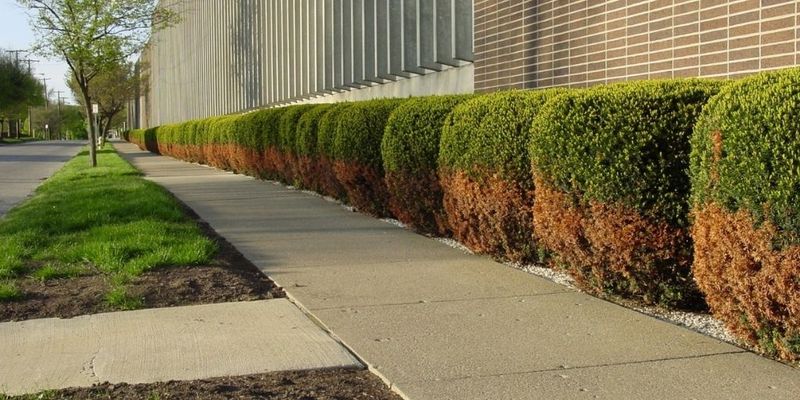
Gardeners call the result salt burn. Needles turn yellow, then brown, often starting at the tips and creeping inward.
Evergreens suffer the most because they keep their foliage all winter. Pines, yews, arborvitae, and boxwood sit there catching spray for months with no break.
Deciduous shrubs aren’t safe either. Their dormant buds can dry out and fail to open, leaving bare twigs come spring.
Here’s a handy clue for spotting spray damage. The browning usually shows up on the side facing the road or sidewalk.
Salt crystals can also block tiny pores on leaves and needles. When those pores clog, the plant struggles to make food through photosynthesis.
Along busy roads, spray can travel surprisingly far. Fast traffic sometimes flings salty mist 30 feet or more from the pavement.
Want a simple trick during winter thaws? On a mild day above freezing, gently hose off foliage to rinse away crusty salt.
Keep an eye on shrubs closest to the curb first. Those front-row plants take the hardest hits and deserve the most attention.
Salty Runoff Damages Roots
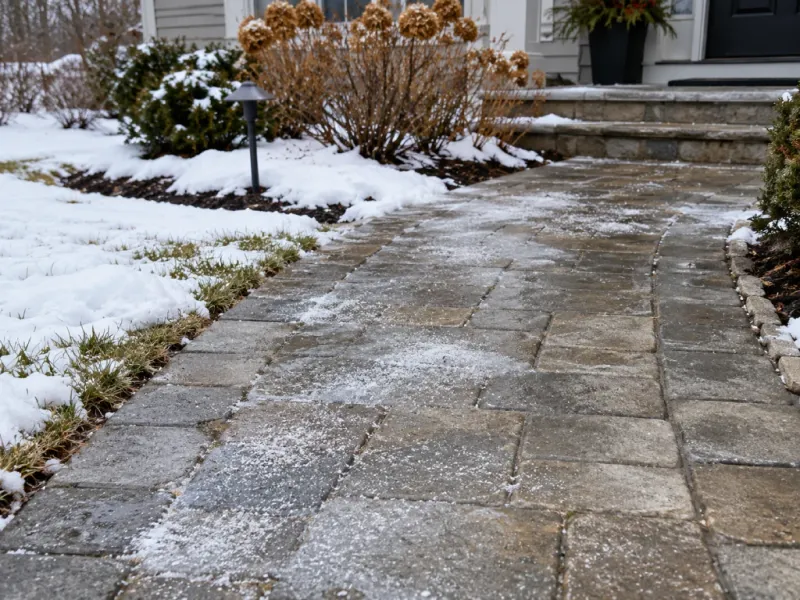
Underground trouble is the sneakiest kind. You can’t see it happening, yet salty meltwater may be soaking into your shrub beds right now.
When snow melts, dissolved salt seeps into the soil. From there, it drifts straight toward thirsty roots.
Scientists call the result a physiological drought. Roots sit in wet soil but still can’t pull in water because salt holds onto it.
Think of trying to drink seawater when you’re thirsty. More liquid doesn’t help, and plants face the same frustrating problem.
Sodium and chloride also push useful nutrients aside. Potassium and phosphorus get crowded out, so shrubs end up hungry even in decent soil.
Chloride can build up inside plant tissue too. At high levels, it scorches leaf edges and causes twigs to wither back.
Sodium has another nasty habit. It breaks down soil structure, making the ground packed and hard.
Compacted soil holds less air and drains poorly. Roots need oxygen, so tight soil slows growth even more.
Beds along curbs and driveways often collect the most runoff. Low spots where water pools tend to be the worst areas.
Your New York Garden Changes Every Week. Your Plan Should Too.
Gardening in New York changes quickly throughout the season. Every Friday you’ll receive a simple weekly plan showing exactly what to plant, prune, fertilize, harvest, and protect so you never miss the right timing.
One helpful step is watching where meltwater flows during a thaw. Once you know the path, you can redirect it with a shallow trench or a small berm.
Adding compost each fall also helps loosen soil. Better drainage gives salt an easier exit route away from roots.
Damage Often Shows Up In Spring
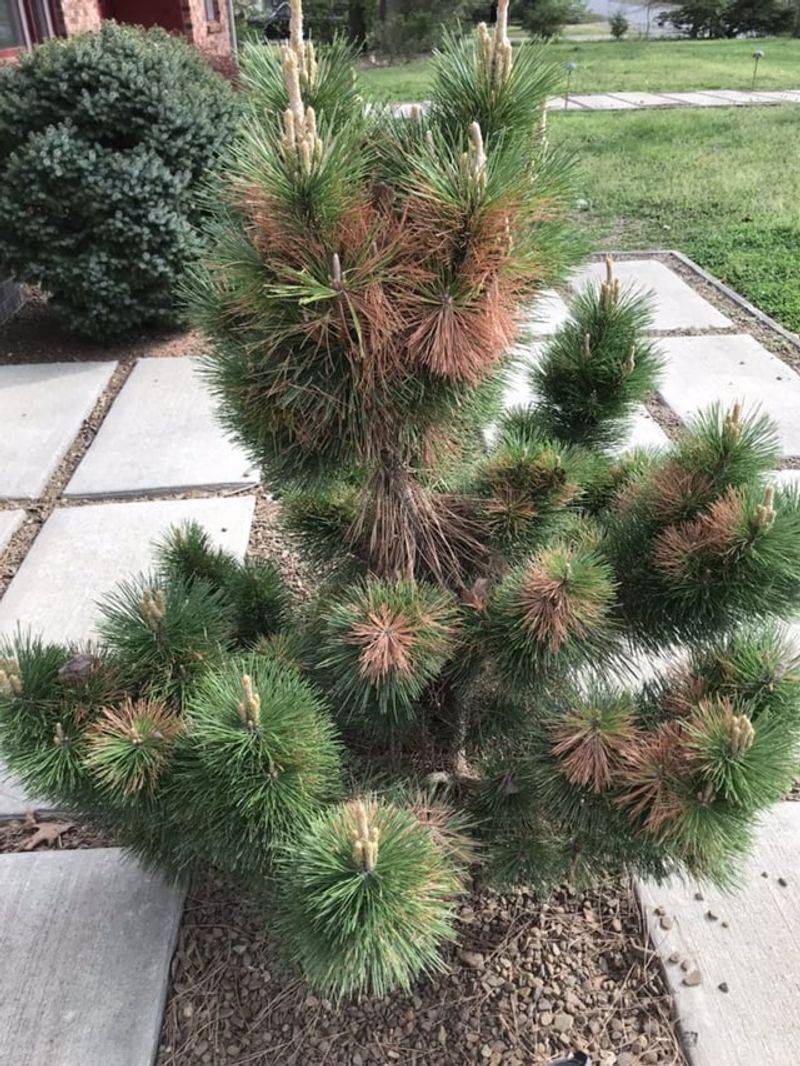
April arrives, the crocuses pop up, and then you spot it. Your once-green yew looks scorched on one side, as if someone took a blowtorch to it.
Salt harm is famous for its delayed reveal. Plants rest quietly all winter, so problems stay hidden until growth kicks back in.
As shrubs wake up, they may wilt or look dry. Those signs mimic water stress, which confuses plenty of homeowners.
On evergreens, watch for yellow or brown needles starting at the tips. The road-facing side usually looks much worse than the back.
Deciduous shrubs give different clues. Buds may open late, and new leaves can appear small, curled, or crispy along the edges.
Sometimes new shoots sprout only near the base of branches. That clustered, bushy look is called a witches’ broom.
Here’s a twist many people miss. Damage from salt in the soil can take months or even years to fully appear.
A shrub might look fine in May, then decline by August. Repeated winters of buildup slowly wear it down.
Many New York gardeners blame winter cold or insects instead. Checking which side looks worse helps you tell salt apart from other troubles.
Snap a few photos each spring for comparison. Over time, those pictures reveal patterns and show whether your protection plan is working.
Before pruning brown parts, scratch a twig gently. Green underneath means the branch may still bounce back.
Burlap Screens Block Spray From Plows
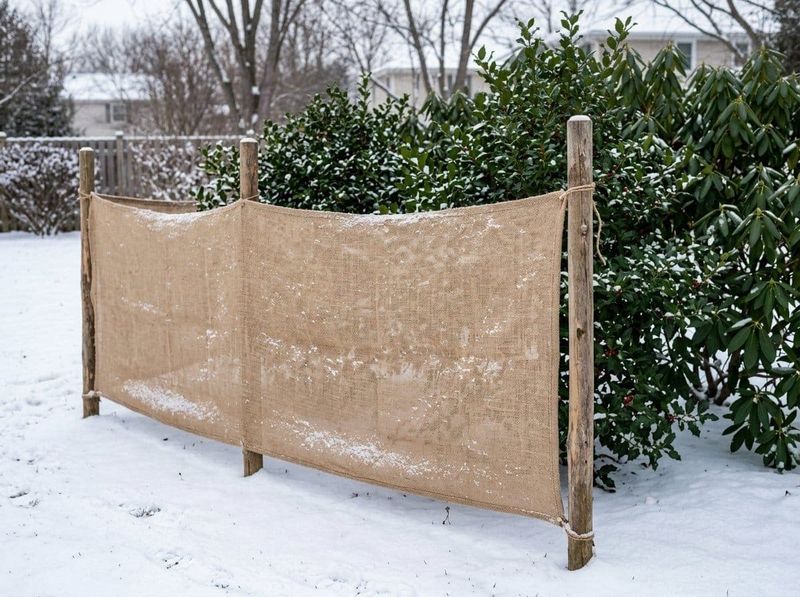
Old-school burlap might be the cheapest bodyguard your shrubs will ever hire. A few stakes and a roll of fabric can stop most of that salty spray.
Place the screen between the plant and the source of salt. That might be the street, a parking area, or a heavily treated sidewalk.
Skip wrapping the shrub tightly like a burrito. Instead, build a simple frame with wooden or metal stakes around the plant.
Leaving space lets air move freely. Good airflow helps prevent trapped moisture, mold, and rot.
Height matters too. Your screen should be tall enough to shield the whole shrub and reach right down to the ground.
Staple the burlap to the stakes so wind won’t rip it loose. Heavy-duty staples or zip ties both work well.
Timing is everything with this project. Set up screens in late fall, before the first snow and before salt trucks start rolling.
Across much of the state, that means sometime in November. Upstate gardeners may want to finish a bit earlier.
Here’s a bonus most folks enjoy. Burlap also blocks drying winter winds and helps shed heavy snow off delicate branches.
Take screens down in spring once salting season ends. Leaving them too long can block sunlight that waking plants need.
Natural, untreated burlap works best. Store it dry over summer, and a single roll may last two or three winters.
Shovel Snow Away From Planting Beds
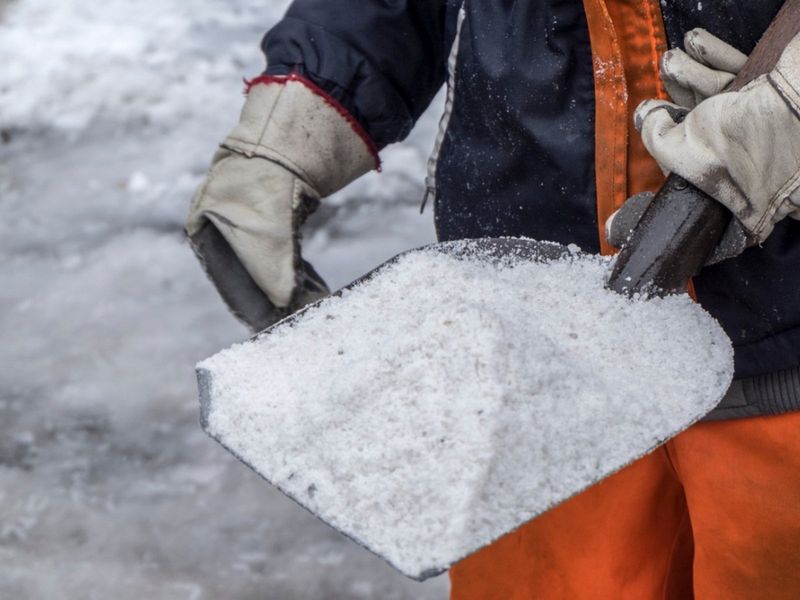
After a big storm, flinging snow onto the nearest bush feels easy and natural. Your back says yes, but your shrubs would beg you to reconsider.
Snow from driveways and sidewalks often carries salt. When you pile it onto planting beds, that salt sinks into the soil as it melts.
Each thaw sends another dose down toward the roots. Over a long winter, those repeated soakings add up quickly.
High salt levels in soil can scorch roots. They also block water uptake and crowd out nutrients plants depend on.
Weight is another problem worth remembering. Wet, heavy snow piles can snap branches and flatten shrubs into odd shapes.
So where should all that snow go? Pick a spot with good drainage that slopes away from beds, gardens, and storm drains.
An open patch of lawn often works well. Grass tends to handle a bit of salt better than prized evergreens do.
Plan your snow zones before winter starts. Marking them with stakes helps everyone in your household remember.
Many New York homes have tight yards with limited options. Even moving piles just a few feet from roots can make a real difference.
Shoveling early and often also cuts down on de-icer use. Clear pavement needs far less salt to stay safe.
If a plow pushes salty slush into your beds, act fast. Gently move it aside before it melts and soaks in.
Use Sand Or Salt Alternatives On Your Own Walks
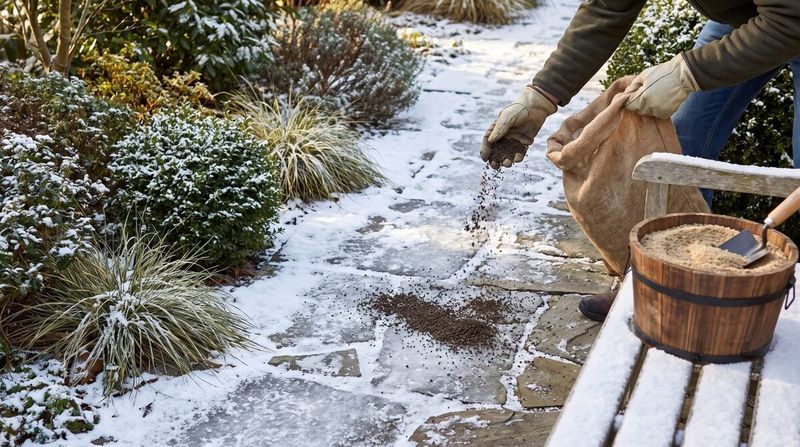
You can’t control the city plow, but your own front steps are another story. Small swaps at home can protect shrubs growing right beside your walkway.
Plain sand is a classic choice. It won’t melt ice, but it gives shoes great grip and stays gentle on plants.
Sand’s darker color even soaks up a little sunlight. That warmth can help ice soften slowly on bright days.
Calcium chloride is another option. It works down to about minus 25 degrees Fahrenheit and is easier on plants than rock salt.
Magnesium chloride melts ice at low temperatures too. It’s generally milder for plants, pets, and pavement.
Many experts favor calcium magnesium acetate, often sold as CMA. It contains no chloride, breaks down naturally, and stops ice from sticking to surfaces.
Fun fact for curious readers: CMA is partly made from vinegar. That same kitchen ingredient helps it loosen icy grips.
Urea, a common fertilizer, can also melt ice. Use it lightly, though, since too much can wash into waterways.
Clean kitty litter and coffee grounds offer quick traction in a pinch. Both are handy when the store shelves run empty.
No matter what you choose, use less than you think. Shovel first, then sprinkle only where ice remains.
Plenty of New York hardware stores label products as pet safe or plant friendly. Read ingredient lists carefully, because names on bags can be misleading.
Flush Soil With Water In Spring
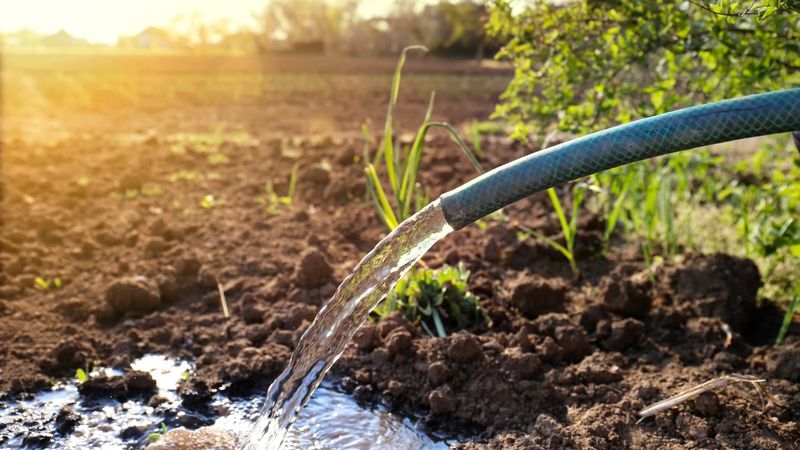
Think of it as a spring cleaning bath for your garden beds. A long, slow soak can wash winter’s salt right past the roots.
Gardeners call this process leaching. Fresh water carries salt deeper into the ground, away from where roots feed.
Wait until the ground thaws and temperatures stay above freezing. Early spring, before roots grow fast, is the sweet spot.
Go slow with the hose or a soaker line. Water should sink in deeply instead of running off the surface.
Here’s a number worth remembering. About 3 inches of water can cut soil salt by roughly half.
Around 5 inches may remove close to 90 percent. Spread that over several days so the soil can absorb it.
Drainage makes or breaks this step. If water puddles for hours, salt has nowhere to go.
Mixing compost into heavy soil improves drainage over time. Looser ground lets salty water move downward more freely.
Don’t forget the foliage either. A gentle rinse washes leftover crystals off needles, buds, and branches.
Curious how much salt is in your beds? Cornell Cooperative Extension offices across New York can help you arrange a soil test.
A simple rain gauge or empty tuna can helps measure your progress. Set it near the shrub and stop once it holds enough water.
Repeat this flush each spring for roadside beds. It’s an easy habit that pays off for years.
Choose Salt-Tolerant Plants For Roadside Beds
Some shrubs shrug off salt like seasoned beachgoers. Planting them along the curb could be the smartest long-term move you make.
Remember, salt tolerant doesn’t mean salt proof. Even tough plants struggle under heavy exposure, so match each choice to your site.
Consider light, soil type, and how much spray reaches the spot. A shady, wet corner needs different picks than a sunny strip.
Rugosa rose earned the nickname beach rose for good reason. It thrives near salty ocean air and handles roadsides beautifully.
Bayberry is a native with fragrant leaves and waxy gray berries. Colonists once boiled those berries to make candles.
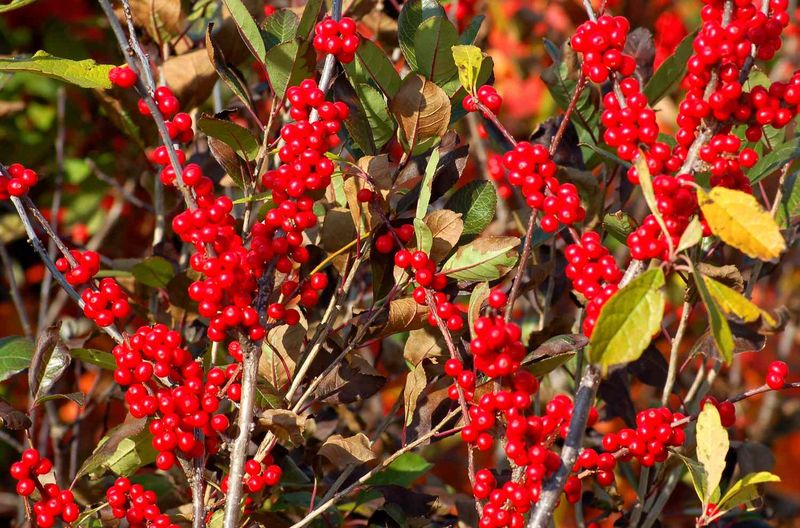
Winterberry, a native holly, drops its leaves but keeps bright red berries. Birds and holiday decorators both love it.
Need evergreens? Eastern red cedar, inkberry, and many junipers hold up well against winter spray.
Arrowwood viburnum, black chokeberry, and serviceberry add flowers and fall color. Summersweet brings sweet-smelling blooms in midsummer.
Sumacs offer fiery autumn leaves and handle tough spots with ease. Staghorn sumac grows fast, so give it plenty of room.
Native shrubs also feed pollinators and songbirds across New York. You gain beauty, wildlife, and less winter worry in one choice.
Save delicate favorites like boxwood or rhododendron for spots farther from the street. Let the toughest plants guard the front line.