The Hydrangea Task Hudson Valley Gardeners Must Finish This Week
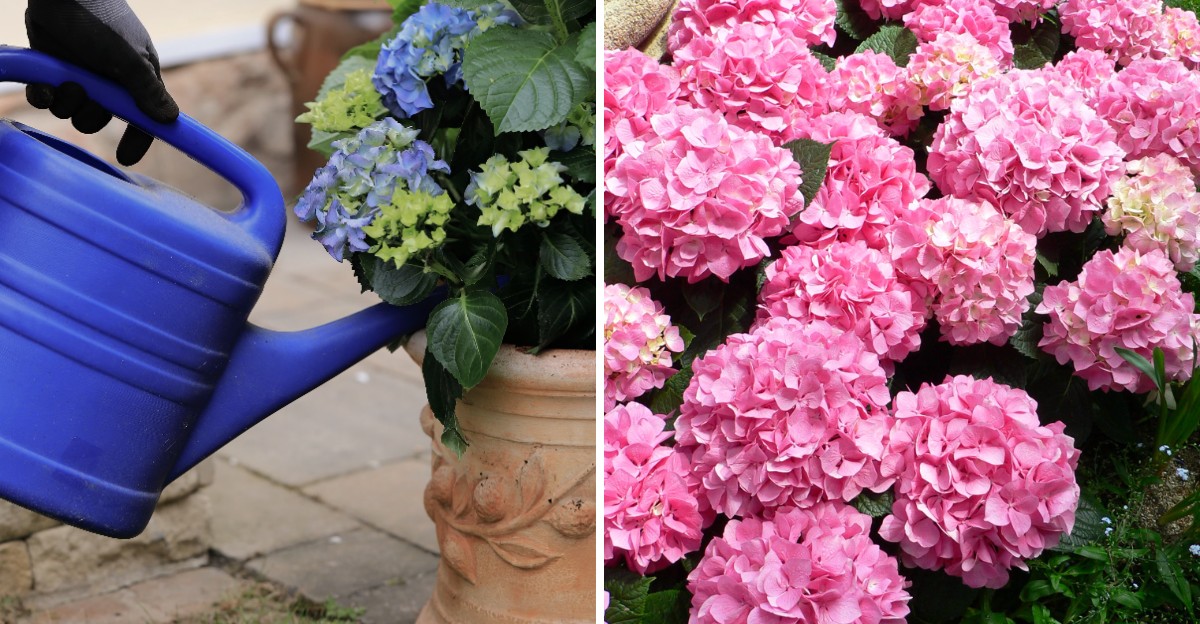
Your hydrangea already chose next July’s color, and you can jeopardize it quickly. Put down the pruning shears.
Those tan blooms you admired in July now shield the buds beneath them. Leave the faded blooms attached, because they add extra protection around your buds.
Mophead varieties set flower buds on old wood, so you must protect those stems. New York winters send you cold Catskill winds that dry out exposed buds.
Circle your shrub with chicken wire to build a sturdy cage. Stuff that cage with shredded oak leaves from your own lawn.
Tie burlap around the wire so wind cannot reach your buds. Finish before your garden soil hardens, usually by late November.
Slippers work fine here, since the whole job takes an hour. Wrap now, and you will gather New York’s showy blue and pink globes next July.
A Long Drink And A Warm Blanket Before The Ground Freezes
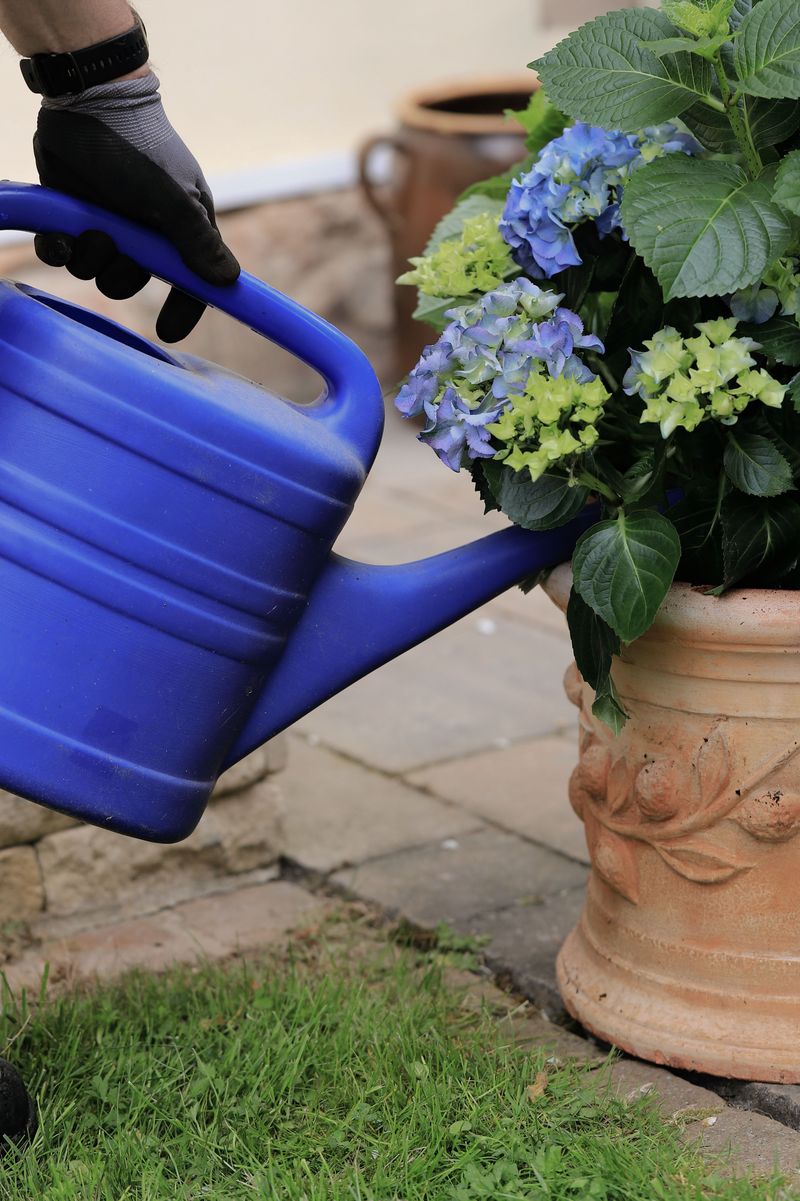
Picture your bigleaf hydrangea heading into winter with a full water tank and a cozy coat. That is the whole job this week, and it takes about an hour for a few shrubs.
Give each shrub a deep, slow soak so moisture reaches about a foot down into the soil. Then spread a thick layer of mulch around the base to hold that moisture in.
Start with the watering, then add the mulch while the soil is still damp. That order traps the moisture right where the roots can reach it.
Just as important, leave your pruners in the shed until spring. Bigleaf hydrangeas form next year’s flower buds in late summer, so cutting now removes them.
Winter wind dries out stems faster than most people expect. A plant that goes into the cold well hydrated handles that drying much better.
Frozen ground locks water away, so roots cannot drink again until the thaw. October rain in the Hudson Valley can be spotty, so do not count on the sky.
Mulch works like a quilt over the root zone. It keeps soil temperatures steadier and reduces the freeze and thaw cycles that heave roots upward.
The best part is how little gear you need for this job. A hose, a wheelbarrow of shredded leaves or bark, and a free hour will do it.
Think of it as tucking the plant into bed with a glass of water on the nightstand. Come June, those big flower heads will be your thank-you note.
The Hidden Flower Buds Already Sitting On The Stems
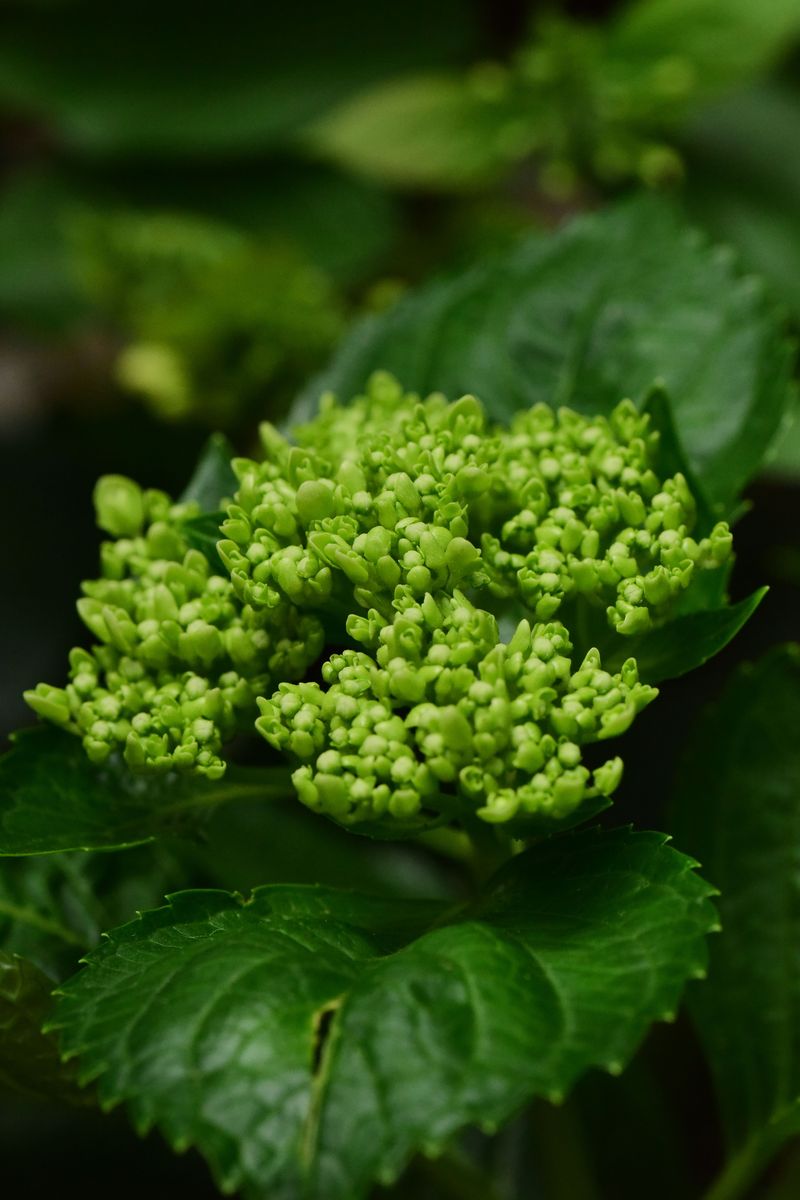
Peel back the papery leaves near the top of a bigleaf hydrangea stem, and look closely. Those plump, pointed swellings are next summer’s flowers, already packed and waiting.
Gardeners call this blooming on old wood. The plant sets its buds in August and September, then holds them through the entire winter.
Those buds are the reason this shrub needs special care right now. Without them, you get a leafy green shrub with no flowers next year.
Your New York Garden Changes Every Week. Your Plan Should Too.
Gardening in New York changes quickly throughout the season. Every Friday you’ll receive a simple weekly plan showing exactly what to plant, prune, fertilize, harvest, and protect so you never miss the right timing.
Most bigleaf types, like the classic Nikko Blue, follow this old wood pattern. Some newer reblooming kinds, such as Endless Summer, can also flower on new growth.
Even rebloomers often put on their first show from the buds made the year before. So protecting those stems pays off no matter which variety you planted.
The Hudson Valley sits mostly in zones 6 and 7, with colder spots higher up toward the Catskills. Bigleaf hydrangeas come from mild coastal Japan, where winters are gentle.
That family history explains why the buds can be fragile here. A dry, windy January can dry them out before spring arrives.
Well-watered stems hold more moisture inside, so buds stay plump instead of drying out. Mulch keeps the base of the plant warmer, protecting the lowest buds too.
Run your finger gently along a stem and you can feel the buds sitting in pairs. Each pair could become a large mophead, as wide as a salad plate.
Treat those little swellings like wrapped presents under a tree. Your job this week is keeping the wrapping safe until June.
The October Window For Hudson Valley Gardens
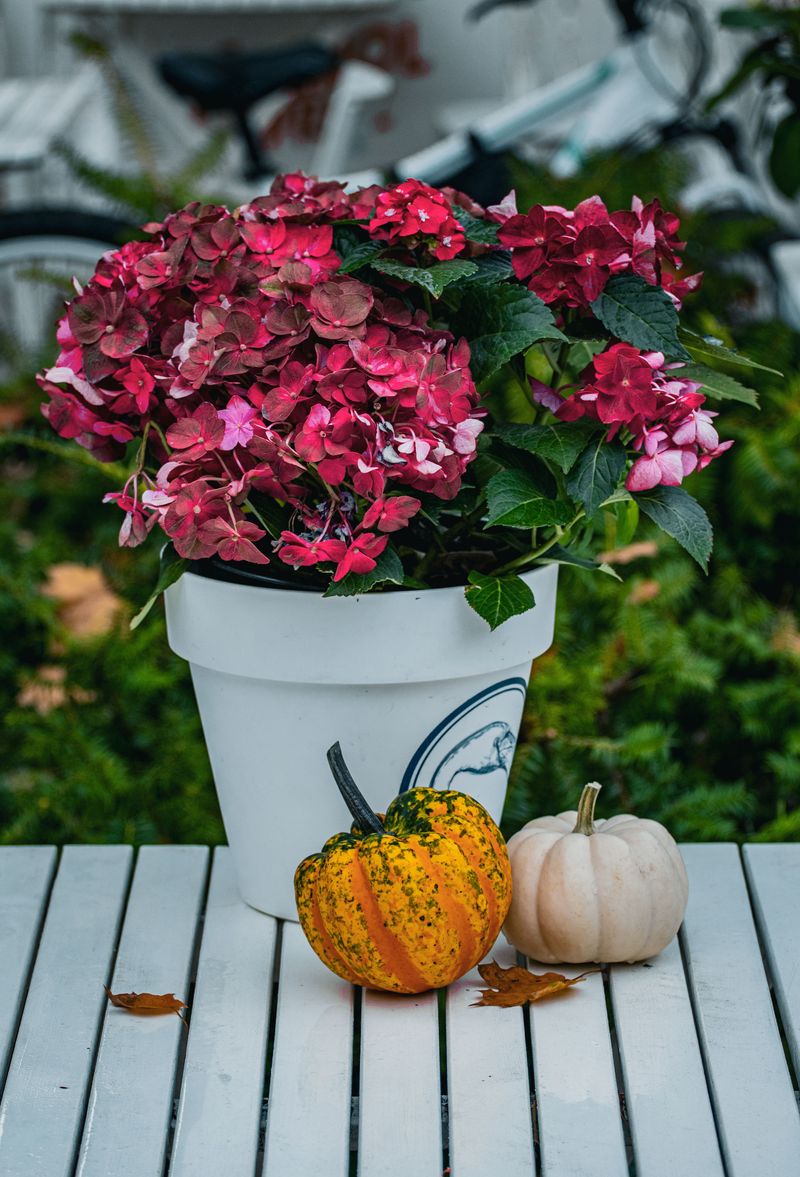
Mid to late October is the sweet spot for New York’s Hudson Valley. The leaves are dropping, nights are cold, but the ground is still soft enough to soak up water.
Wait too long, and you will be pouring a hose onto frozen dirt. Water just runs off frozen soil instead of reaching the roots.
First frost usually arrives from late September in higher spots to mid or late October in towns like Kingston and Poughkeepsie. Higher towns near the Catskills often see it even sooner.
A light frost is not a problem for watering and mulching. The real cutoff is the hard freeze, when the top few inches of soil turn solid.
In most Hudson Valley yards, that hard freeze shows up in late October or November. So this week gives you a comfortable cushion before winter sets in.
Pick a mild afternoon when temperatures are above 40 degrees. Plants take up water best when the soil is not icy cold.
Check the weather app for a dry stretch after you water. Heavy rain right afterward is fine, but a sudden deep freeze overnight is not ideal.
If you have several shrubs, work from the most exposed one to the most sheltered. Plants on windy corners or near the river need help first.
Mulching should come right after the deep soak, not weeks later. Thick mulch on dry soil can slow later rain from soaking in.
Think of October as the last ferry across the river before the season closes. Missing it leaves your shrub with less water and protection through winter.
The Pruning Mistake That Can Cost You A Summer Of Blooms
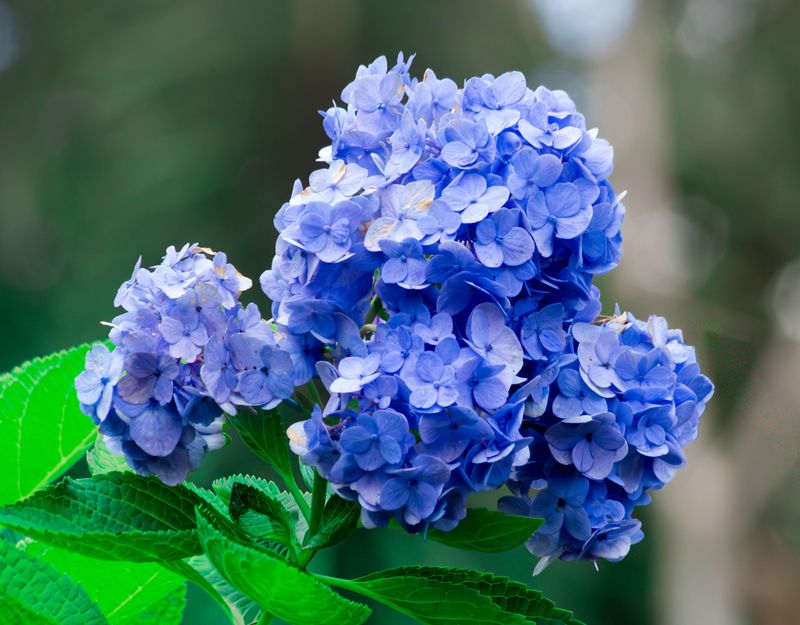
Some gardeners shear everything flat in October. Their yards look neat in fall, and their bigleaf hydrangeas look bare in July.
Cutting back bigleaf stems now removes the flower buds that formed weeks ago. You end up with healthy leaves and few or no blossoms next summer.
It is one of the most common reasons people say their hydrangea stopped blooming. The plant is fine, but scissors got there first.
Those dried flower heads may look messy, but leave them right where they are. They catch a little snow and add a small layer of protection to the buds below.
They also look lovely dusted with frost on a December morning. If you want dried bouquets, snip only a few heads and leave the rest in place.
If a stem is broken or clearly damaged, you can remove it. Otherwise, put the pruners away and let the plant rest.
Save real pruning for spring, once new leaves start to appear. By then, you can see which stems came through winter and which ones need trimming.
A good rule is to cut only the brown, bare tips above the first set of healthy buds. Leave the remaining stems in place, ready to bloom.
Sharp pruners in October feel productive, like you are finishing a chore early. With this plant, one of the most helpful things you can do is hold off.
Resisting the urge to tidy is hard when the rest of the yard looks neat. Your reward for patience is a shrub covered in giant blue or pink blooms.
This advice applies to bigleaf and mophead types. Panicle and smooth hydrangeas bloom on new wood and can be pruned in fall or spring.
The Right Way To Water And Mulch
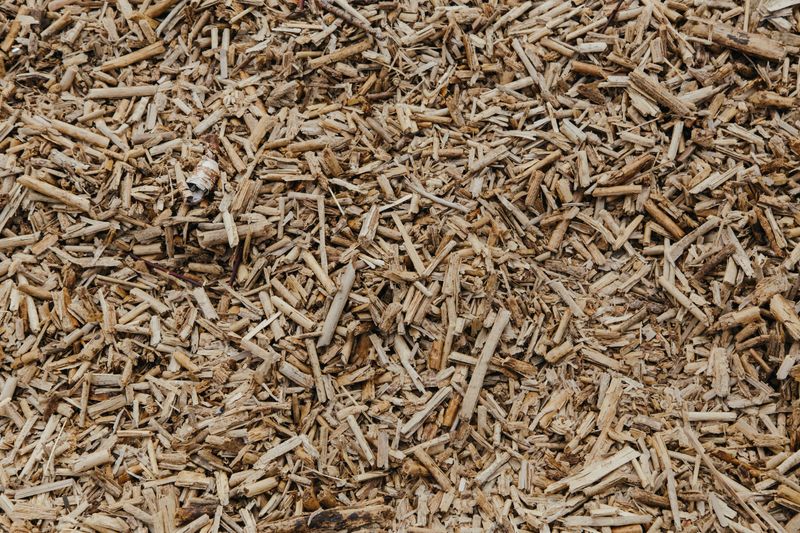
Set a hose to a gentle trickle and lay the end near the base of the shrub. Let it run for about 20 to 30 minutes per plant.
A slow trickle soaks deep instead of running off across the lawn. You want moisture reaching 10 to 12 inches down, where most roots live.
Not sure if you watered enough? Push a long screwdriver into the soil, and it should slide in easily. Once the soil is soaked, it is mulch time. Shredded leaves, pine needles, straw, or shredded bark all work well around bigleaf hydrangeas.
Spread the mulch about 3 to 4 inches deep in a wide circle around the plant. Aim to cover the soil out to where the branches end.
Keep the mulch a couple of inches away from the stems themselves. Mulch piled against the bark holds dampness and invites mice looking for a winter snack.
Fallen leaves from your own yard make an excellent free mulch. Run them over with the mower first so they do not mat into a soggy layer.
In colder spots or exposed yards, you can pile extra leaves a bit higher around the base. Some Hudson Valley gardeners add a ring of chicken wire to hold everything in place.
That wire cage filled with dry leaves acts like a puffy winter jacket and guards the lower buds against hard cold snaps. For extra wind protection, wrap burlap around the outside of the wire cage.
The whole routine takes about an hour for a handful of shrubs. Put on some music, grab a warm drink, and enjoy the fall colors while you work.
The Payoff Next June And July
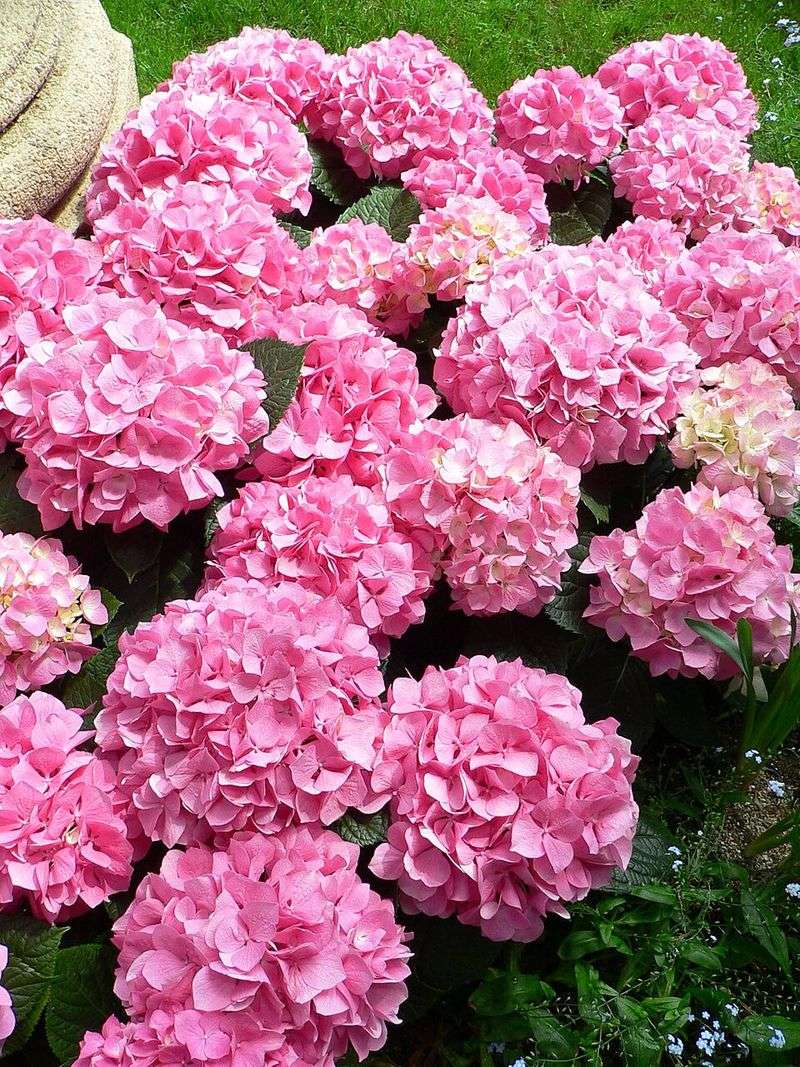
Imagine walking out on a New York morning in late June to find your shrub covered in fat blue globes. That picture starts with the hour you spend outside this week.
Plants that head into winter hydrated and mulched wake up stronger in spring. Their buds stay plump, and new leaves push out with less stress.
Plants that enter winter dry and unprotected can show brown, dried stem tips in April. Those tips held the flower buds, so the summer show shrinks or disappears.
A healthy shrub can carry dozens of flower heads, each one as wide as a salad plate. Acidic soil nudges the flowers toward blue, while sweeter soil keeps them pink.
To make next fall easier, jot a reminder on your calendar for mid October. A yearly habit beats a last-minute scramble when the first hard freeze hits.
Keep a pile of shredded leaves in a corner of the yard for next year’s mulch. You will have a free supply ready whenever you need it.
If one shrub struggles every winter, consider its spot. A sheltered place near the house, out of harsh northwest winds, can make a noticeable difference.
Summer watering matters, since stressed plants set fewer buds in August. A healthy summer leads to a well-stocked winter and a strong spring.
Cut a few blooms for the kitchen table and enjoy them for days. Those flowers make October chores feel like a smart trade.
Someday a neighbor will lean over the fence and ask your secret. You can smile and tell them it was just a hose, some leaves, and patience.