7 Fall Vegetables New Yorkers Can Still Harvest in November
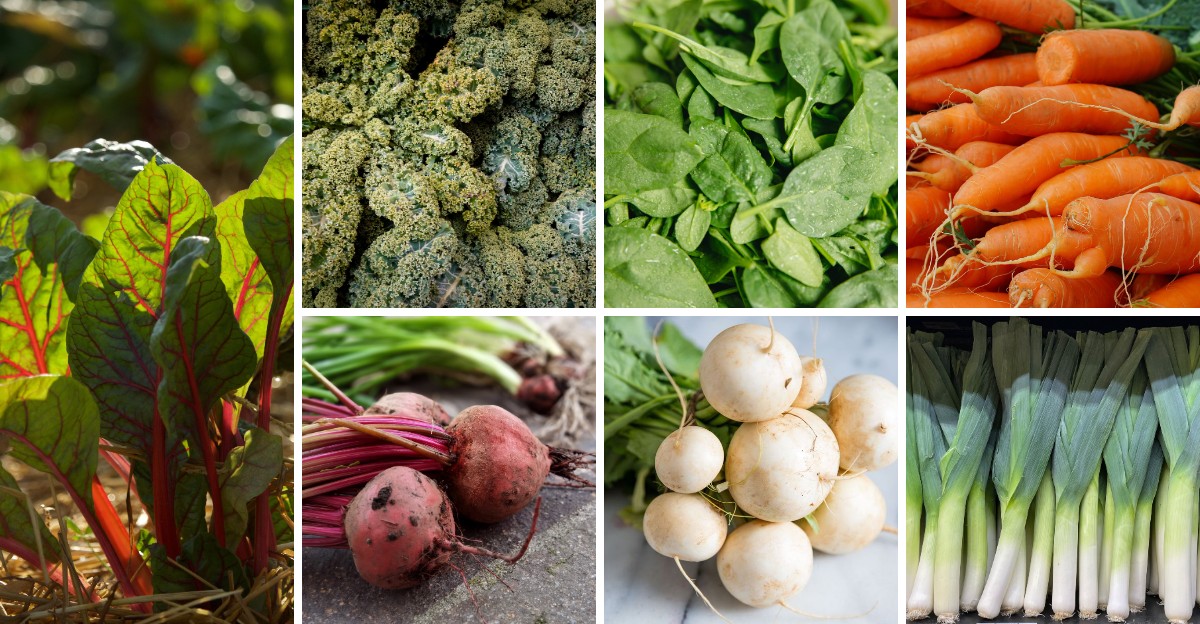
Central Park gardeners in New York often see their first frost weeks after growers near Ithaca have already scraped icy windshields. That gap means a cold November morning can still hold a surprising amount of crunchy, sweet food in your beds.
Frost actually helps certain crops, because chilly nights push them to turn stored starches into natural sugars. I love how a single freezing night can make a bitter leaf taste almost like candy by lunchtime.
Personally, I used to pull everything out after Halloween and leave my New York garden bare until spring. You’re in for a big surprise if you wait, since several tough crops shrug off the cold for weeks.
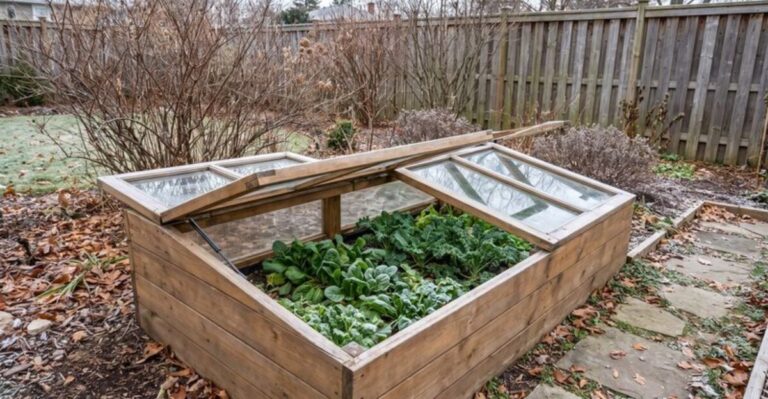
A simple row cover or a thick blanket of straw can stretch your harvest well past Thanksgiving dinner. So which hardy plants are still hiding out there, waiting for you to grab a basket and a coat?
1. Kale
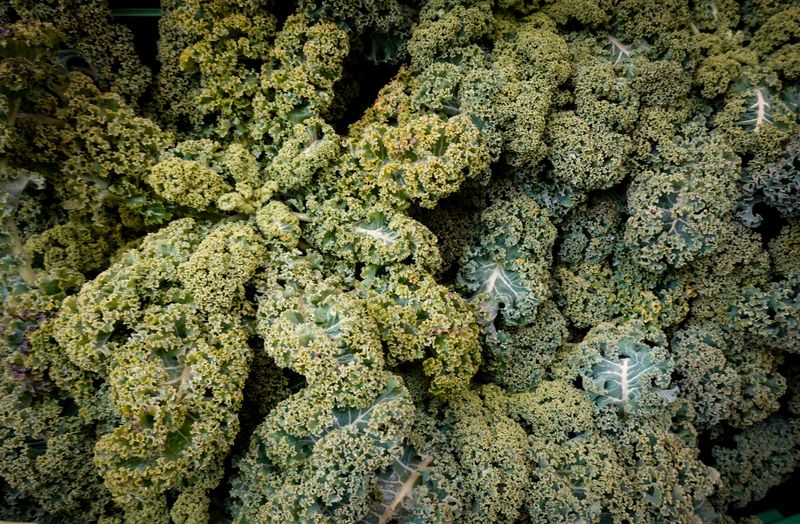
Kale leaves that taste harsh in August can turn wonderfully sweet after a few frosty nights in late fall. I swear the plant knows when the cold arrives, because the flavor changes almost overnight in my beds.
Kale, known to botanists as Brassica oleracea var. sabellica, is among the toughest greens you can grow. Hardy types like Vates and Blue Curled Scotch can handle temperatures near 15 degrees Fahrenheit, especially under covers.
You can pick curly kale, the bumpy Lacinato type, or Red Russian with its purple stems and flat leaves. Each one brings a different texture to soups and salads, so I like growing at least two kinds.
Harvest the lower, outer leaves first and leave the small center leaves alone so the plant keeps producing. A single healthy plant can feed you for weeks if you take only a few leaves at a time.
Kale prefers full sun and well-drained soil, though it handles a little afternoon shade without much complaint. Steady moisture keeps leaves tender, so water deeply during dry autumn spells instead of giving quick, shallow sprinkles.
When a hard freeze is on the forecast, toss a floating row cover over your plants before sunset. Frozen leaves are best left alone until they thaw, because handling them while icy can bruise the tissue.
In milder parts of the state, kale often keeps going through December and sometimes deep into winter. Personally, I think a frosty kale salad with apples and walnuts is the best reward for chilly fingers.
2. Spinach
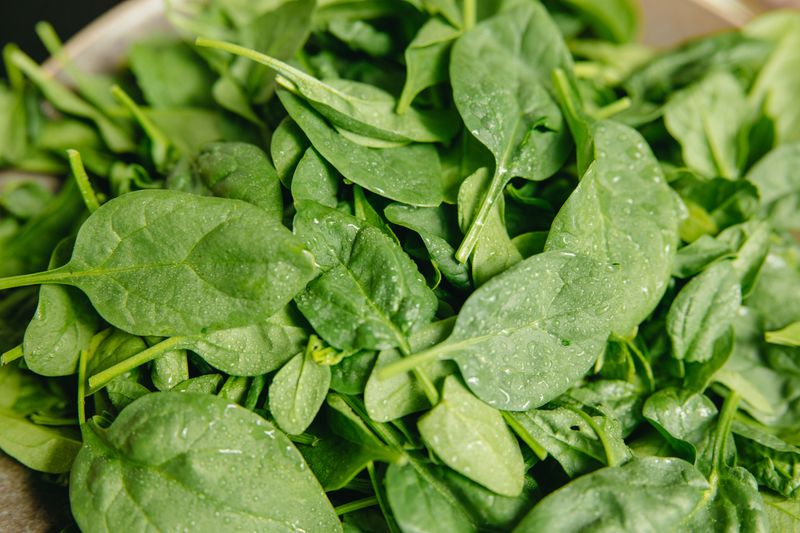
Spinach might be the speed racer of the cold garden, since some varieties are ready in about a month. You’re in for a treat when you snap a crisp leaf on a frosty morning and taste its sweetness.
Its scientific name is Spinacia oleracea, and this leafy green genuinely prefers cool weather over summer heat. Hot days push spinach to bolt, but shorter autumn days keep it focused on growing tender, flavorful leaves.
Savoy types with crinkled leaves tend to handle cold better than smooth types, which makes them smart fall picks. Winter Bloomsdale and Tyee are two varieties that many growers trust for late harvests in chilly regions.
With good protection, some hardy spinach plants can even survive temperatures dipping close to zero degrees Fahrenheit. A cold frame or a double layer of row cover makes a huge difference when the wind picks up.
Spinach likes moist, fertile soil, so I mix in a little compost before sowing my fall rows each year. Keep the soil evenly damp, because dry roots can make leaves tough and slow down new growth quite a bit.
Pick baby leaves often instead of waiting for giant ones, since frequent harvesting encourages the plant to keep producing. Snip leaves at the base with clean scissors, leaving the small central growth to fill in again.
In colder upstate towns, frost protection is the key to enjoying fresh spinach right through the month. I love tossing a handful into warm pasta, where the leaves wilt in seconds and taste wonderfully mild.
3. Carrots
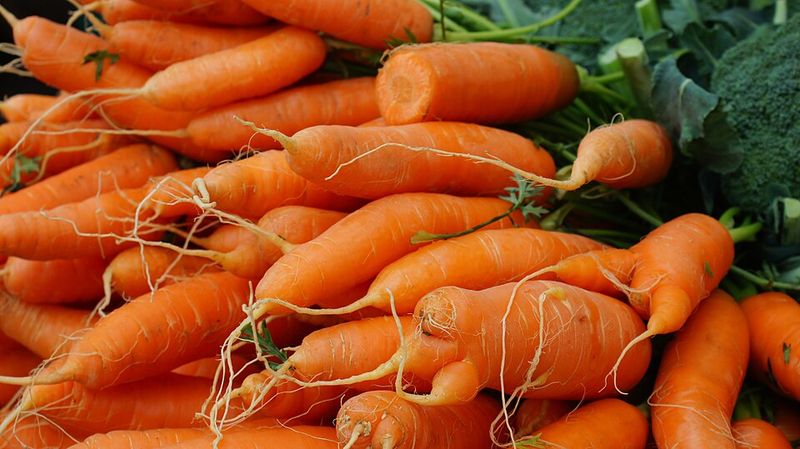
Carrots pulled after a hard frost often taste so sweet that kids mistake them for a snack food. Cold weather triggers the roots to convert starches into sugars, which act like a natural antifreeze inside them.
The garden carrot, Daucus carota subsp. sativus, handles frost well and can tolerate temperatures around 20 degrees. Under a thick layer of mulch, many roots stay in good shape in the ground for much of winter.
Napoli and Bolero are two varieties that growers praise for fall and winter harvests because they hold flavor well. Both form smooth, bright orange roots that look lovely piled in a basket next to purple beets.
Carrots need loose, well-drained soil, since rocks and heavy clay cause twisted, forked roots that are tricky to clean. I have to admit some of my funniest-looking carrots came from beds I was too lazy to loosen.
Remember that carrots are best sown directly in the garden, because they rarely recover well after being transplanted. Their seeds are famously slow to sprout, so keeping the seedbed evenly moist during germination is crucial for success.
Before the ground freezes solid, pile 8 to 12 inches of straw or shredded leaves over your carrot rows. That fluffy blanket keeps soil soft enough to dig, so you can harvest roots whenever dinner calls.
Loosen the soil beside each carrot with a garden fork before pulling, which keeps the long roots from snapping. Personally, I think a roasted pan of freshly dug winter carrots beats anything sold in a grocery store.
4. Beets
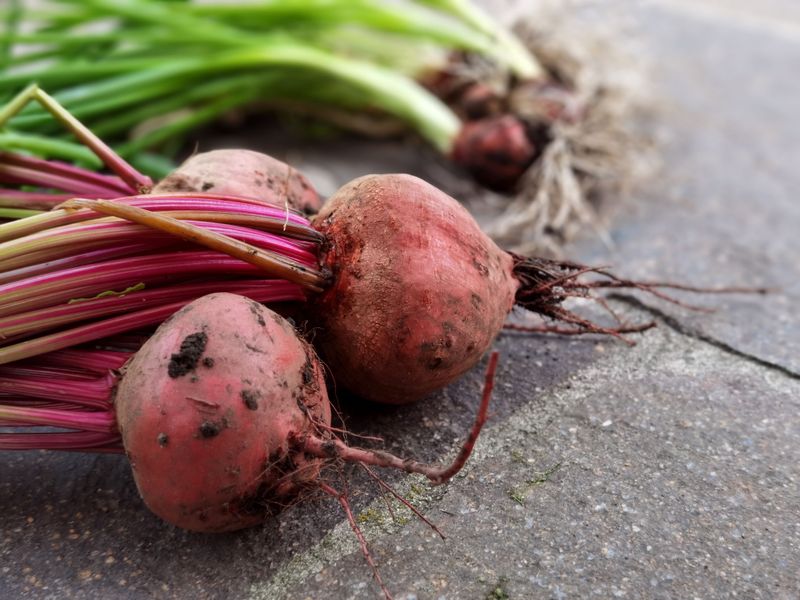
Beets give you two meals from one plant, with leafy greens above the soil and sweet roots below. I can’t imagine a fall garden without their glossy red-veined leaves glowing in low November sunlight.
Known as Beta vulgaris, beets tolerate light frost, and a chilly night can leave them sweeter and more tender. Hard freezes are another story, so plan to harvest or protect the roots before temperatures drop very low.
Detroit Dark Red is a classic variety that has filled home gardens with deep crimson roots for generations. Bull’s Blood is another favorite, prized for its dark burgundy leaves that look gorgeous in a salad bowl.
Beets prefer full sun and well-drained soil rich in organic matter, so compost is your best friend here. Steady moisture helps roots grow smooth and firm, while dry spells can leave them woody or oddly shaped.
For the most tender texture, pull roots while they are still young, around the size of a golf ball. Larger beets are still tasty, but they may need longer cooking time to soften up for the table.
When you harvest, twist off the leaves about an inch above the root to keep color from bleeding. Store the roots in a cool, humid spot, and they can stay crisp for several weeks or even months.
Do not toss those greens, because they cook up like spinach and carry a mild, earthy flavor. I like sauteing them with garlic, then serving them beside roasted roots for a cozy, colorful plate.
5. Swiss Chard
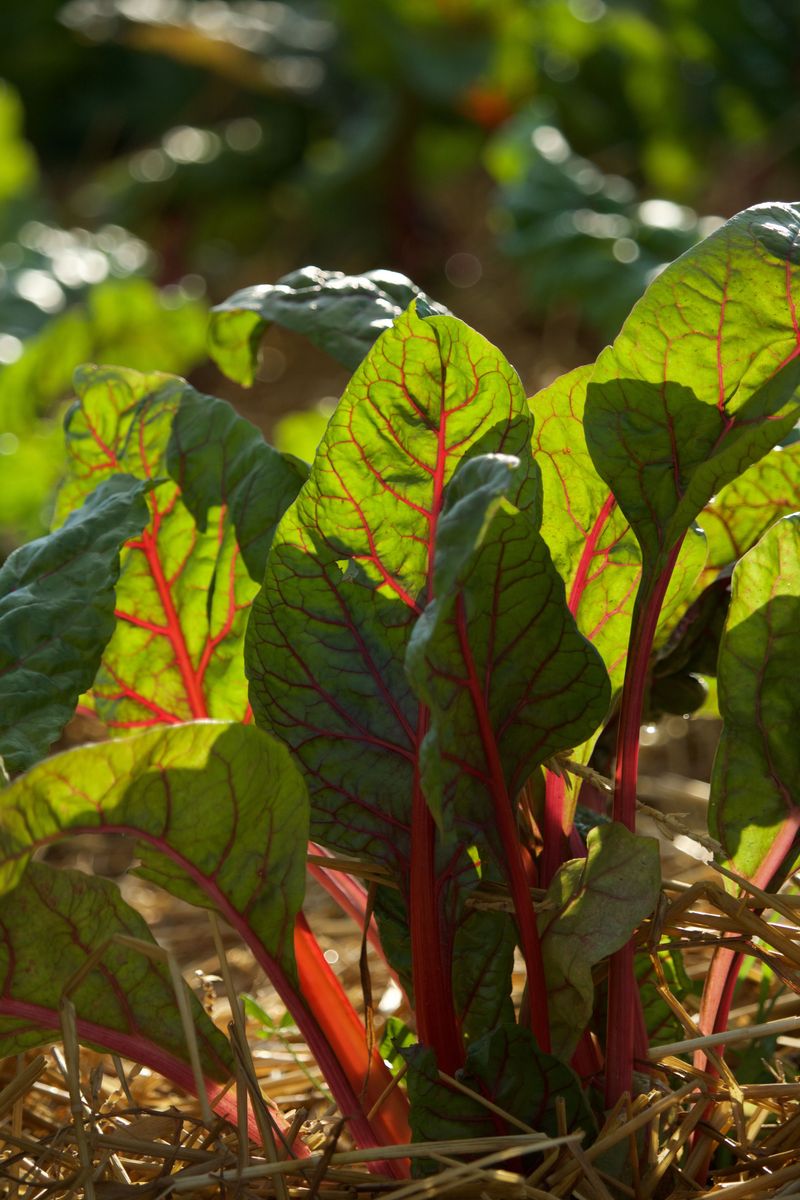
Swiss chard looks like it belongs in a candy shop, with stems glowing ruby red and sunny gold. What surprises me most is how those bright plants keep standing tall long after the tomatoes have quit.
Botanists list it as Beta vulgaris subsp. vulgaris, Flavescens Group, making it a close cousin of the beet. Unlike beets, chard is grown for its large leaves and crunchy stems rather than for a swollen root.
Many gardeners are shocked to learn that chard can handle temperatures down to about 10 to 15 degrees. Fordhook Giant is often named as a particularly cold-hardy variety, so it makes a smart choice for late harvests.
Use the cut-and-come-again method by snipping outer leaves near the base and leaving the inner ones growing. Each plant will push out fresh leaves for weeks, giving you a steady supply for soups and omelets.
Chard adapts to many soil types and grows well in full sun or partial shade, which suits busy gardeners. Keep the soil evenly moist, and space plants so air flows freely, because good circulation helps prevent leaf diseases.
If a hard freeze damages the leaves, do not rush to pull the plant out of the ground. Roots often survive the cold and may resprout in spring, gifting you an early batch of tender greens.
In my garden, a light row cover keeps chard looking fresh through most of November in a typical year. Try chopping the colorful stems like celery and cooking them a few minutes before adding the leaves.
6. Turnips
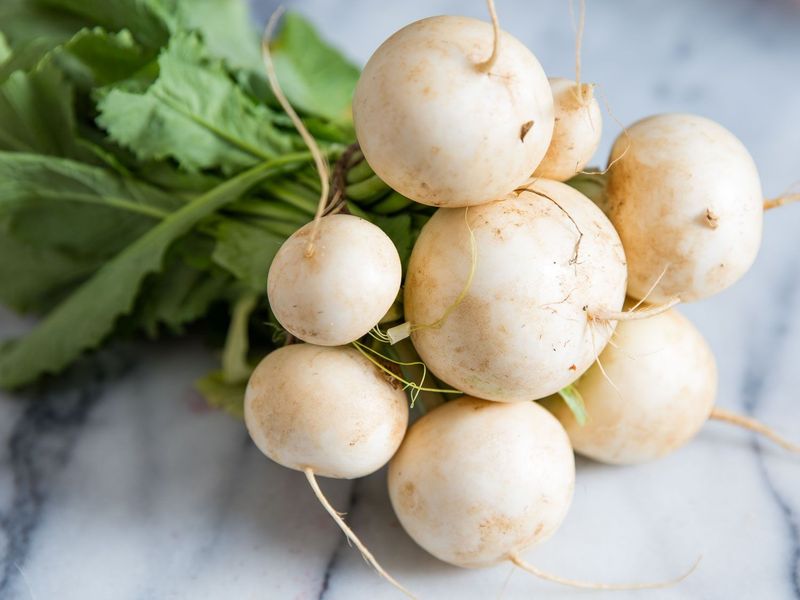
Turnips are the overachievers of the fall garden, often going from seed to supper in about two months. I love how fast they work, especially when the calendar feels like it is racing toward winter.
Called Brassica rapa subsp. rapa by scientists, turnips handle light frost well and many tolerate temperatures near 20 degrees. A frosty night can even mellow their peppery bite, leaving the roots milder and pleasantly sweet.
Purple Top White Globe is a dependable classic with creamy white roots that blush purple near the top. Hakurei is a Japanese salad turnip so tender and crisp that many people eat it raw like an apple.
For a fall harvest, sow seeds about six to eight weeks before your expected first frost date. Rich, well-drained soil and steady moisture help roots form quickly without turning tough or stringy in the ground.
Thin seedlings early so each plant has room to grow, and save the thinnings for a quick salad. Those tiny greens taste fresh and slightly spicy, so nothing from the thinning job goes to waste.
Pull salad turnips when they reach one to two inches across, since bigger roots can lose their delicate texture. Storage types like Purple Top can grow larger, around two to three inches, while still tasting excellent.
You need to grab the turnip greens too, because they are packed with flavor and cook down beautifully. Personally, I roast the roots with a drizzle of honey, and the result tastes like a cozy autumn hug.
7. Leeks
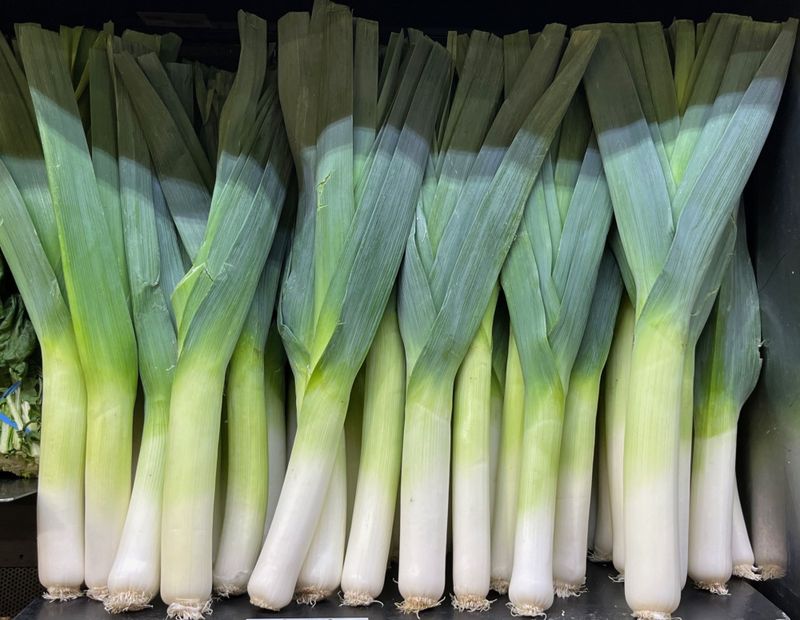
Leeks stand in the garden like tall green candles, barely flinching when snow dusts the tops of their leaves. I have to admit they were the crop that finally convinced me to stop cleaning out my beds in October.
Onion relatives with the scientific name Allium ampeloprasum, leeks are among the hardiest vegetables you can grow. Many gardeners leave them in the ground and harvest as needed through winter, especially under a layer of mulch.
The tender white stalk is the prize, and you can make it longer with a simple trick called blanching. Mound soil or straw around the stems as they grow, which blocks sunlight and keeps the base pale and mild.
Leeks prefer full sun and rich, well-drained soil, so a generous scoop of compost at planting pays off. Adequate moisture matters too, since thirsty leeks grow slowly and may end up thin instead of thick and juicy.
Their long growing season means you planted them back in spring, but the reward arrives when other crops fade. Leeks build a strong root system over those months, which helps them stay anchored through windy autumn storms.
To harvest, loosen the soil with a garden fork and lift each leek gently rather than yanking on the leaves. Rinse them well afterward, because soil loves to hide between the layers, especially in blanched stems.
In much of New York, leeks keep going through November and often into the deep winter months. I believe a pot of potato leek soup on a snowy evening is reason enough to grow a row.