Road Salt Is Quietly Browning Ohio Boxwoods Along Driveways and Sidewalks
A single passing snowplow can fling salty slush more than 30 feet from the road. That mist lands on everything green, and it sticks around all winter long.
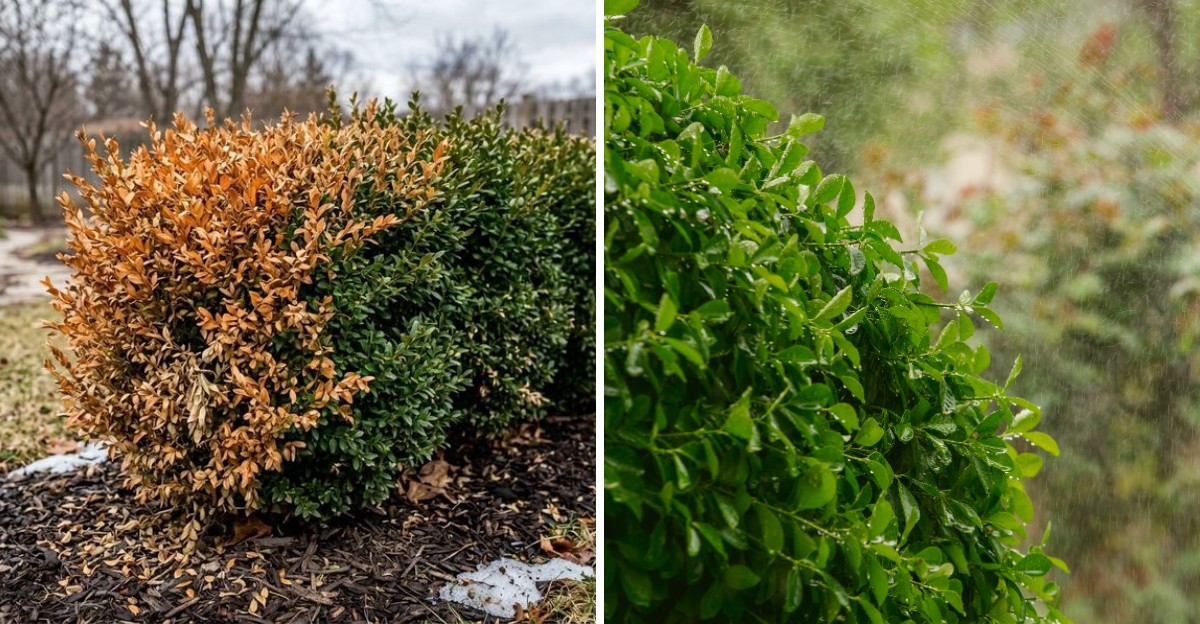
In Ohio, the damage often hides until spring warms things up. Then one side of a tidy hedge suddenly looks toasted, like someone held a hair dryer to it for weeks.
I used to blame cold wind for every brown patch in my yard. I had to see it to believe it, but the real trouble often starts right at the edge of the driveway, inside a bag I bought on purpose.
You probably walk past the evidence every day without a second glance. I say this with love, but one of the shrubs along your front walk might be paying the price for your safe footing, and a few easy changes can spare it next winter.
That Lopsided Brown Boxwood Hedge Is Leaving You a Clue
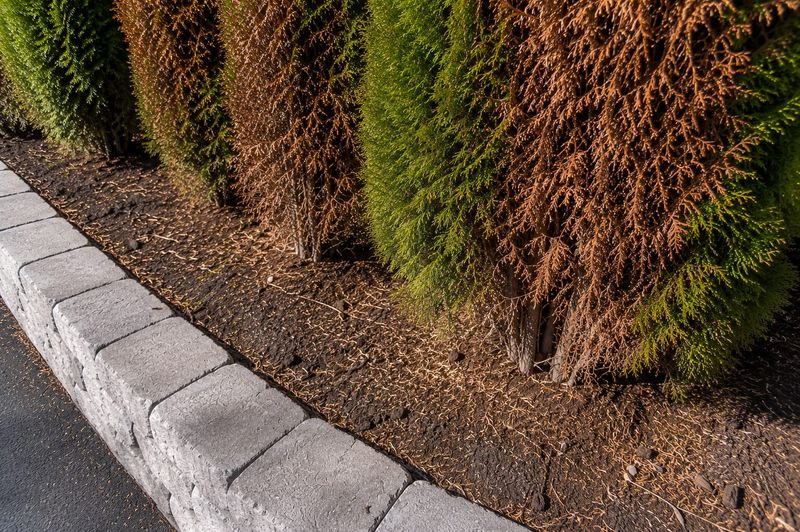
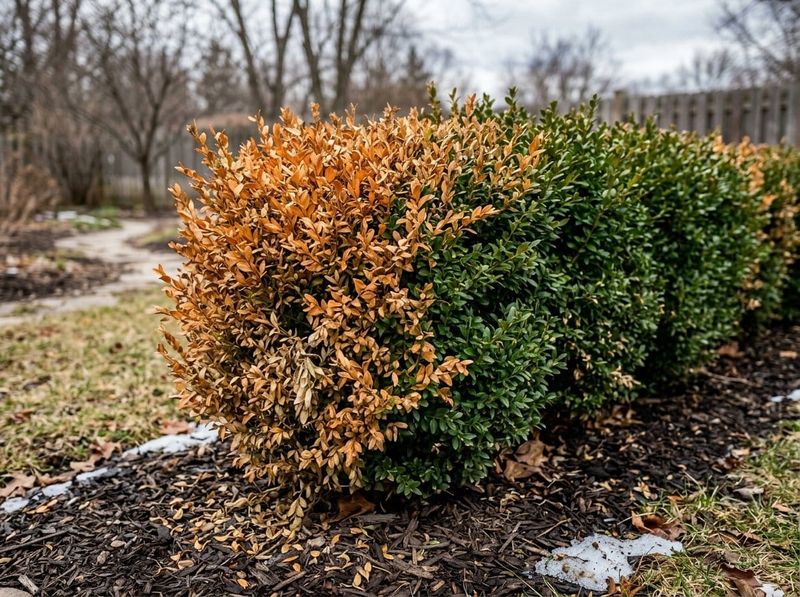
Walk to the street side of your hedge and compare it to the house side. If the leaves facing the pavement look bronze or straw colored while the back stays green, you have a strong hint about what happened.
Cold wind and winter sun can brown boxwoods too, so salt is not the only suspect. Still, the pattern matters a lot.
Winter burn usually shows up on the sunny or windy side, while salt damage lines up with wherever slush and runoff travel.
Ohio State University Extension notes that salt injury on evergreens often appears weeks or months after exposure. That delay explains why so many gardeners feel blindsided in March and April.
I like to play detective before grabbing pruners. Look at the ground too, since a white crust on the soil or mulch near the pavement points toward salt buildup.
Check whether the brown leaves sit lowest on the plant, near spray height from tires and shovels. Salt splash rarely reaches high on a shrub set back from the curb.
Snap a few photos now so you can track recovery later and decide whether that spot needs new protection or a different plant entirely next season.
Sodium Chloride Rock Salt Hits Boxwoods Two Different Ways
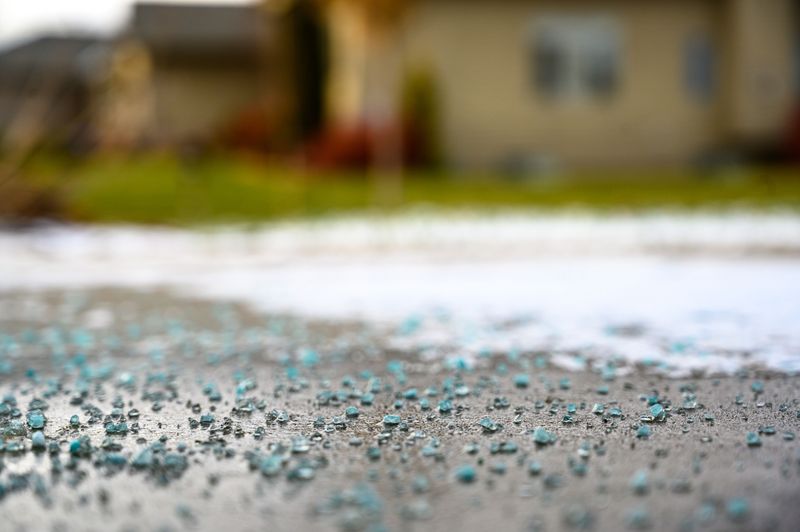
Plain rock salt is cheap, effective on ice, and surprisingly rough on plants. Most of the trouble comes from its two ingredients, sodium and chloride, which split apart once they dissolve in meltwater.
The first attack happens above ground. Salty spray from cars, plows, and snow shovels coats leaves and buds, then pulls moisture out of the tissue as it dries.
Boxwoods keep their leaves all winter, so they collect that spray for months.
The second attack happens below ground. Runoff soaks into beds beside driveways and sidewalks, and the salt builds up around the roots.
Chloride can travel into the leaves, where it piles up at the tips and edges and causes scorch.
Sodium also causes trouble in the soil itself. It knocks loose helpful nutrients like potassium and calcium and can break down soil structure, making clay soils tighter and harder for roots to explore.
Fun fact for your next coffee chat: rock salt stops melting ice well once pavement temperatures drop to roughly 15 degrees Fahrenheit. People often spread more and more when it slows down, which only adds to the load your shrubs absorb.
Thirsty Boxwood Roots Can Struggle Even in Wet, Salty Soil
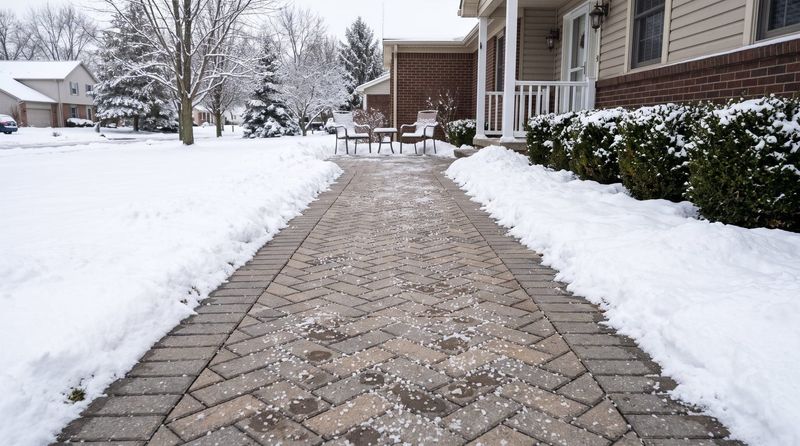
Soggy ground and a thirsty shrub sound like a strange pair. Salty soil makes that combination very real for boxwoods planted right beside paved edges.
Roots take up water through a natural process that depends on the soil being less salty than the root cells. When salt levels climb, water has a harder time moving into the roots.
Experts call this physiological drought, because the plant acts dry even though the soil feels damp.
You might see symptoms that look like plain drought. Leaves turn yellow or light brown, new spring growth comes in small, and some twigs may drop leaves early.
Boxwoods have shallow, fibrous roots. That trait helps them settle into tight spaces, but it also keeps the roots right where salty runoff collects first.
Here is a quick test I like. Push a finger into the bed beside your driveway after a thaw.
If the soil feels wet yet your shrub still looks parched, salt is a likely suspect.
Soil testing through a lab can measure soluble salts if you want proof. Ohio State Extension offices can point you toward labs that run these tests for homeowners.
Burlap Screens Around Boxwoods Block a Surprising Amount of Spray
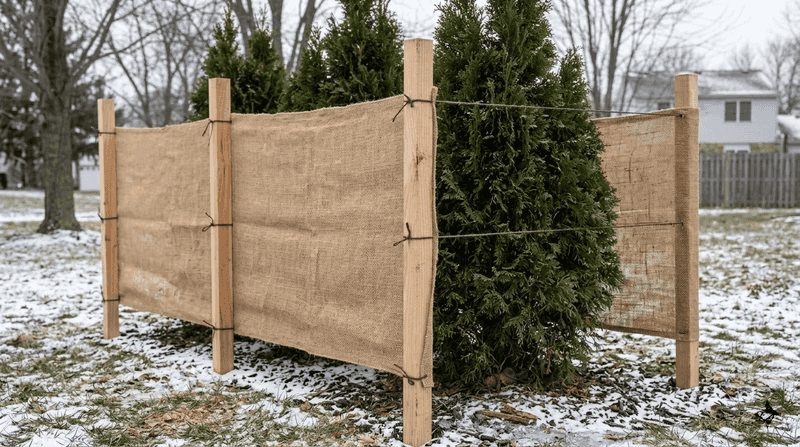
A simple wall of burlap may be the cheapest bodyguard your boxwoods will ever have. Stretch it on wooden stakes between the shrubs and the road, and it catches salty spray before it lands on leaves.
Timing matters. Install screens in late fall, before the ground freezes hard across Ohio, so stakes go in easily.
Leave the top open and keep the burlap a few inches away from the foliage so air can move.
Avoid wrapping burlap tightly around the plant like a burrito. Tight wraps can trap moisture and rub against branches, and the salty fabric can still touch leaves.
Snow fencing or plastic sheeting can also work on the road side, though burlap breathes better and blends in with winter scenery. Some gardeners staple it to a simple frame of lath strips for a tidier look.
I honestly enjoy the little ritual of putting them up each November. It feels like tucking the garden in for winter.
Take the screens down in early spring once the plows retire. Then rinse the shrubs gently with a hose on a mild day to wash away any salt that slipped past.
Switching Driveway Deicers Can Spare Your Boxwood Bed
Your own driveway is the one surface you fully control. That makes your choice of deicer a powerful tool for protecting the shrubs right beside it.
Calcium magnesium acetate, often sold as CMA, is among the gentlest options for plants and concrete. It costs more and works more slowly, but it leaves out the chloride that causes leaf scorch.
Calcium chloride and magnesium chloride melt ice at lower temperatures than rock salt, so you can use less. They still contain chloride, though, so treat them as less harmful rather than harmless.
Whatever you use, a little goes a long way. Shovel first, then spread a thin layer only where people walk.
Many product labels suggest a coffee mug of material can cover a typical stretch of sidewalk.
Sand, birdseed-free kitty litter, or fine gravel add grip without any salt at all. They do not melt ice, but they make steps safer and sweep up in spring.
Finally, think about where you pile snow. Toss salty shovelfuls onto the lawn or gravel, not right on top of the boxwoods.
Grass usually bounces back from salt more easily than evergreen shrubs do.
Deep Spring Watering Flushes Salt Away From Boxwood Roots
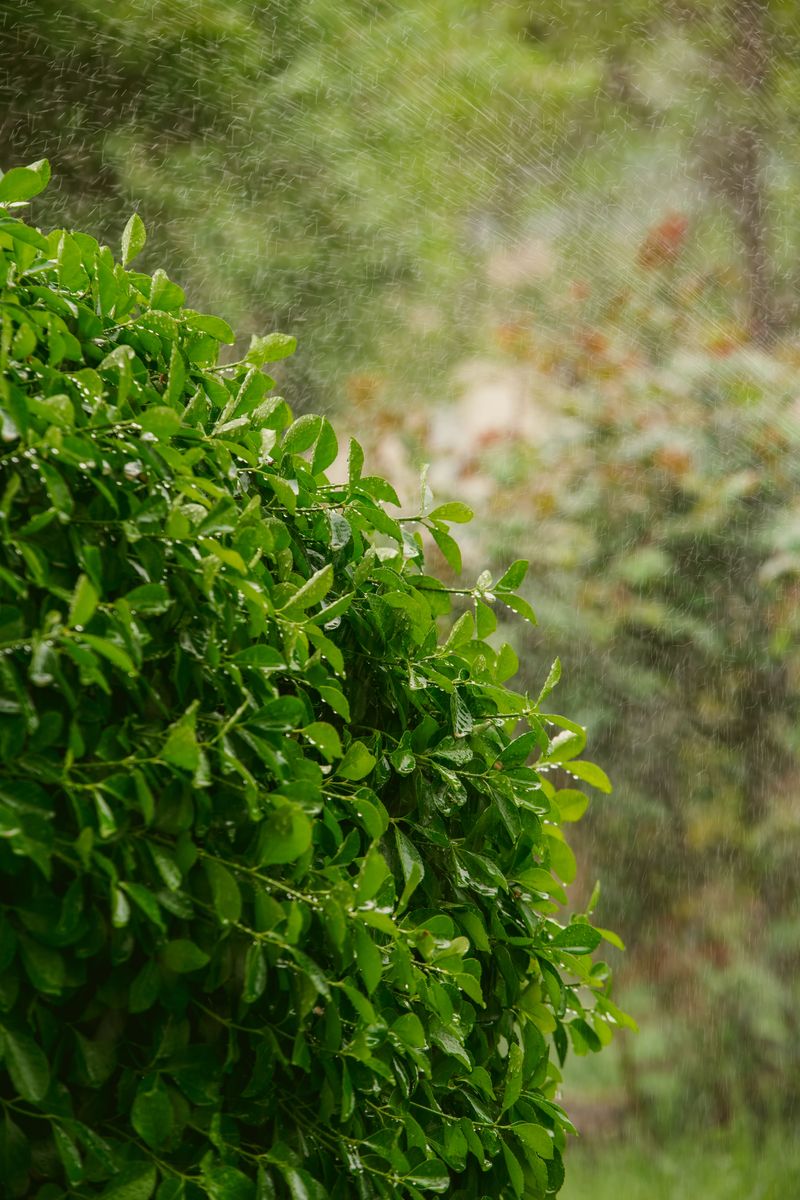
Fresh water is your best friend once the ground thaws. A slow, deep soak helps push salt down past the root zone, where it does far less harm.
Extension specialists often recommend applying a few inches of water over several days in early spring. Run a hose at a trickle or use a soaker hose so water sinks in rather than running off back onto the pavement.
Well-drained soil flushes easiest. Heavy clay, which is common in much of Ohio, holds onto salt longer and may need repeated soakings spread over a few weeks.
Gypsum gets mentioned a lot for salt problems. It can help replace sodium in some soils, but results vary, and it does little for chloride.
Compost is a solid partner because it improves drainage and feeds soil life.
Mild winter days offer a bonus chance to help. When temperatures rise above freezing, rinse salty crust off the leaves with a gentle spray.
Avoid adding fertilizer to a salt-stressed shrub right away. Fertilizers are salts too, and they can make the problem worse.
Wait until you see healthy new growth before feeding lightly.
Patient Pruning Gives Bronzed Boxwood Branches a Second Chance
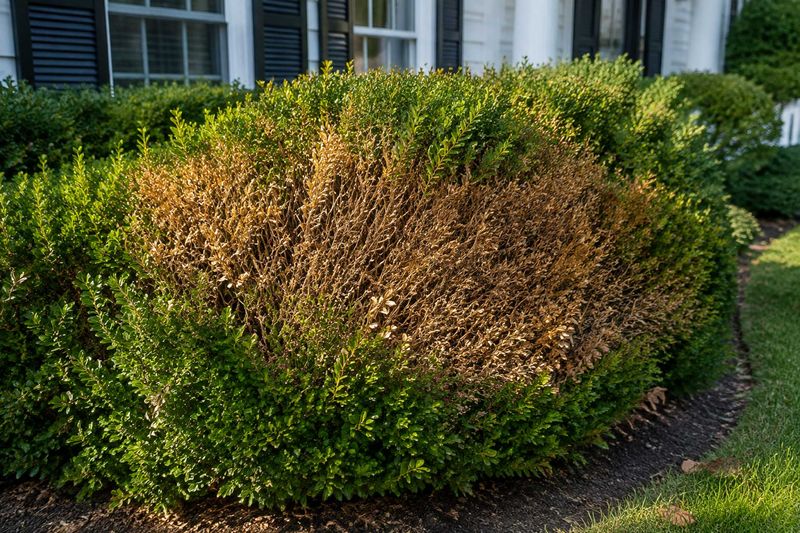
Grabbing the shears the moment you see brown leaves is tempting. Waiting a bit usually pays off, because boxwoods can push fresh growth from stems that look rough in March.
Give your shrubs until late spring, after new growth starts. Then scratch a twig gently with your thumbnail.
Green tissue underneath means the stem is still alive, while brown, dry wood means it can go.
Cut damaged branches back to a healthy bud or side shoot using clean, sharp hand pruners. Hand pruning works better than shearing here, since it opens the shrub and lets light reach the interior.
Disinfect your blades between plants. Boxwood blight and other diseases are present in Ohio, and stressed plants make easier targets.
Wiping tools with a household disinfectant is a quick habit worth keeping.
Not every brown leaf comes from salt, so keep an eye out. Leaf spots, blotchy blisters from boxwood leafminer, or black streaks on stems point toward other issues that need their own treatment.
Badly scorched shrubs may take a full season or two to fill back in. Steady watering during summer dry spells will speed that recovery along nicely.
Salt-Tolerant Shrubs and Grasses Make Smart Curbside Neighbors
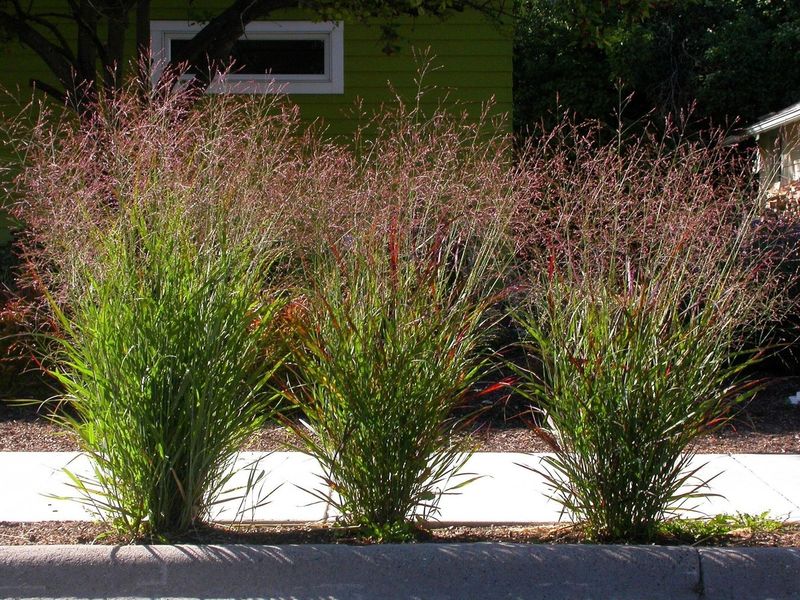
Some spots simply get hammered every winter. If your boxwoods sit within splash range of a busy road, swapping in tougher plants may save you yearly heartache.
Switchgrass is a native prairie grass with good salt tolerance and lovely winter seed heads. Little bluestem, another native, brings coppery fall color and handles roadside conditions well.
Karl Foerster feather reed grass stays upright through snow and shrugs off moderate salt. Many junipers, such as creeping and Chinese types, tolerate spray better than boxwoods do.
Native shrubs deserve a look too. Bayberry, aronia, and ninebark show decent tolerance and support pollinators and birds.
Avoid invasive picks like Japanese barberry and burning bush, even if they seem tough.
You do not need to give up on boxwoods. Move them farther back, at least several feet from the pavement, and let the tougher plants form the front line.
A raised bed edge or slight slope that steers runoff away also helps. My favorite takeaway is simple: put the right plant in the right spot, protect what you love, and use less salt.
Next spring, your front walk could look green from every angle.