Before Overseeding Your Ohio Lawn, Fix This Or Most Of The Seed May Be Wasted
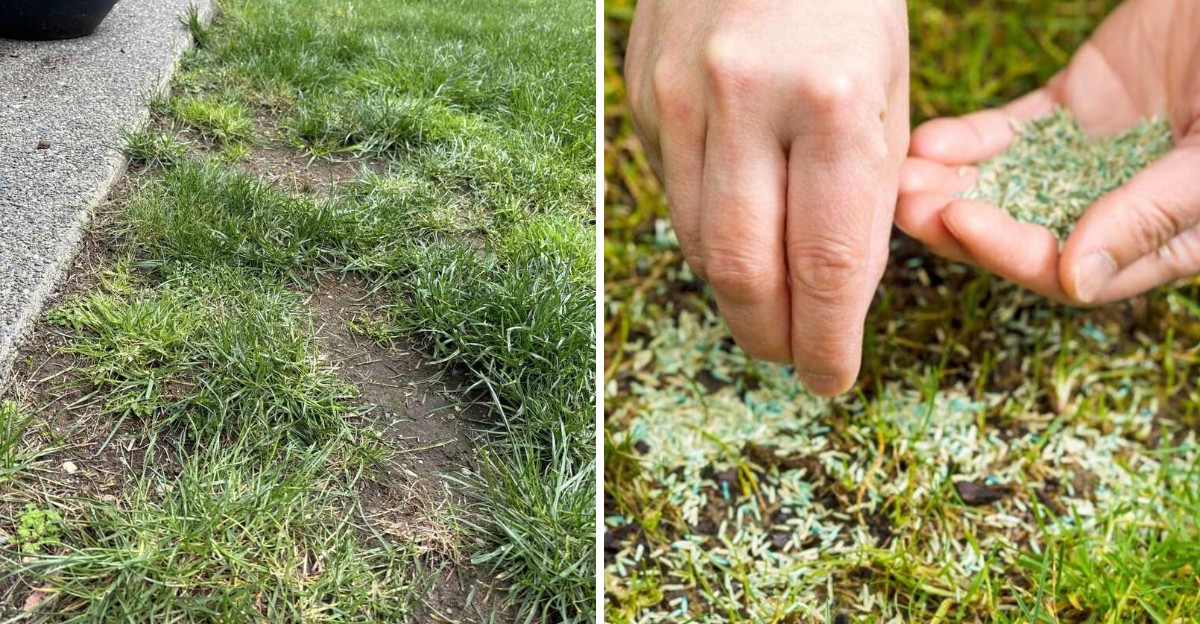
A fifty-pound bag of premium grass seed can easily top $100 in Ohio this fall. Most homeowners toss it across the yard, water it faithfully for three weeks, and wait for a thick green carpet to fill in the thin spots.
Then April arrives, and the lawn looks exactly the same.
Birds got some of that seed. Rain washed some into the gutter.
A huge share of it, though, never had a real chance to grow, and the reason had nothing to do with the seed itself.
The problem sits under the grass, invisible from the patio and easy to ignore. Lawn pros check for it before they spread a single handful.
Most weekend gardeners skip that step, and they pay for it twice: once at the store, and again next year.
Fall gives Ohio lawns their best shot at new growth, which makes the mistake sting even more.
1. Fix Compacted Soil Before Spreading Seed
Try pushing a screwdriver into your lawn after a good rain. If it fights you every inch of the way, your soil is packed tighter than a school bus on field trip day.
Much of Ohio sits on heavy clay, and clay squeezes down easily under feet, mowers, and simple settling over time. Once it gets crushed, air, water, and nutrients struggle to reach the roots that need them.
Seeds landing on that hard crust have a rough start. Their tiny roots cannot push down, so they stay shallow and wilt fast when a dry spell arrives.
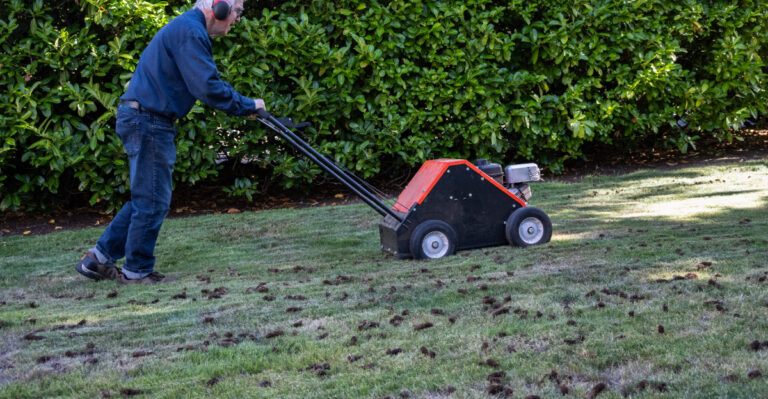
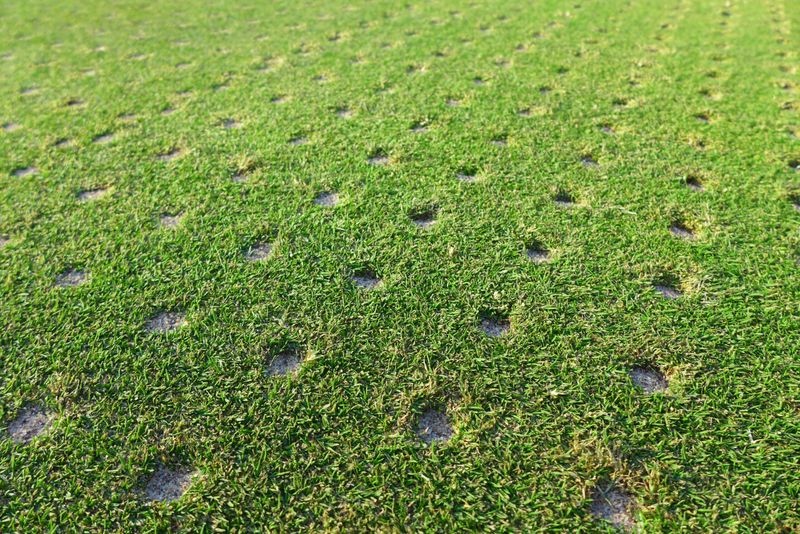
Core aeration is the classic fix for this problem. A machine pulls out small plugs of soil, leaving holes that act like little doorways for air, water, food, and seed.
You can rent an aerator from most hardware stores for a half day, or hire a local lawn crew. Water the lawn a day or two ahead so the tines sink in deeper and pull cleaner plugs.
Leave those plugs scattered on the grass instead of raking them up. They break down within a couple of weeks and return good soil right back to the surface.
Aim to aerate right before you spread seed. Many seeds will tumble into the fresh holes, where they find moisture and shelter from hungry birds.
2. Remove Excess Thatch That Blocks Seed Contact
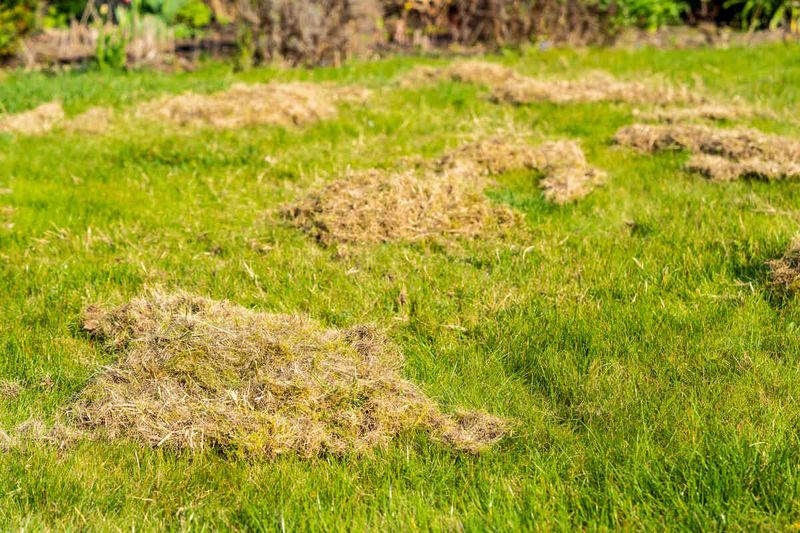
Somewhere between your grass blades and the dirt, a spongy brown mat may be quietly hogging the show. Lawn pros call it thatch, and a little is fine, but too much turns into a wall.
Thatch is made of old stems, roots, and runners that pile up faster than they break down. A layer under half an inch helps cushion the lawn and hold some moisture.
As that layer becomes substantially thicker, it can begin interfering with water movement, air exchange, and seed-to-soil contact. Water, air, and nutrients get stuck on top, and grass roots start living in the mat instead of the soil.
Seeds suffer too, because they land on the spongy layer and dry out before they ever touch real dirt. It is a bit like trying to plant a garden on a doormat.
Your Ohio Garden Changes Every Week. Your Plan Should Too.
Gardening in Ohio changes quickly throughout the season. Every Friday you’ll receive a simple weekly plan showing exactly what to plant, prune, fertilize, harvest, and protect so you never miss the right timing.
Checking is easy and kind of fun. Dig out a small wedge of turf with a trowel, then measure the brown, fibrous band sitting just above the soil.
If it is too thick, a power rake or dethatcher can pull out the extra material. For small yards, a stiff thatch rake and some elbow grease will do the job.
Bag the loosened debris or toss it in the compost pile. Your seed will thank you by sprouting in real soil, right where it belongs, instead of floating on top.
3. Thin Dense Turf Where Seed Cannot Reach Soil
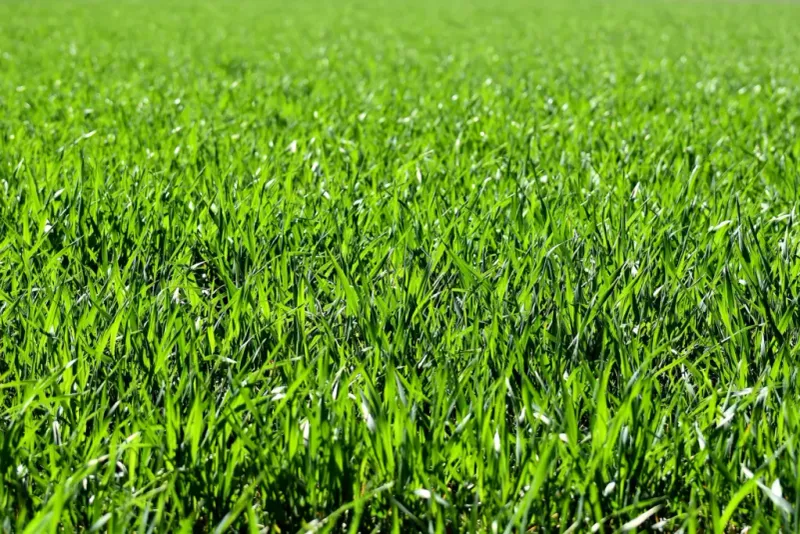
Tall, thick grass looks great in July, but it can act like an umbrella when new seed is falling. Much of that seed gets caught in the blades and hangs there, far from the ground.
The simple fix is to mow lower than usual right before you overseed. A slightly lower-than-normal cut can open the canopy and help more seed reach the soil surface.
Shorter grass also means less competition for the new sprouts. Existing blades will not hog as much sunlight, water, and nutrients while the seedlings get rolling.
Sunlight on the soil matters more than most people think. Warm, bright ground helps seeds wake up and sprout faster during those mild early fall days.
After mowing, rake or bag the clippings instead of leaving them on the lawn. A heavy blanket of cut grass can smother fresh seed and hold in too much dampness.
Take this low cut once, not all season long. After the seed is down, raise the mower back to your normal height, usually around three to three and a half inches for Ohio lawns.
Think of it as clearing a path for the new kids on the block. Once they settle in, the whole lawn fills out thicker, greener, and better at crowding out weeds.
4. Smooth Bare Patches Before Overseeding
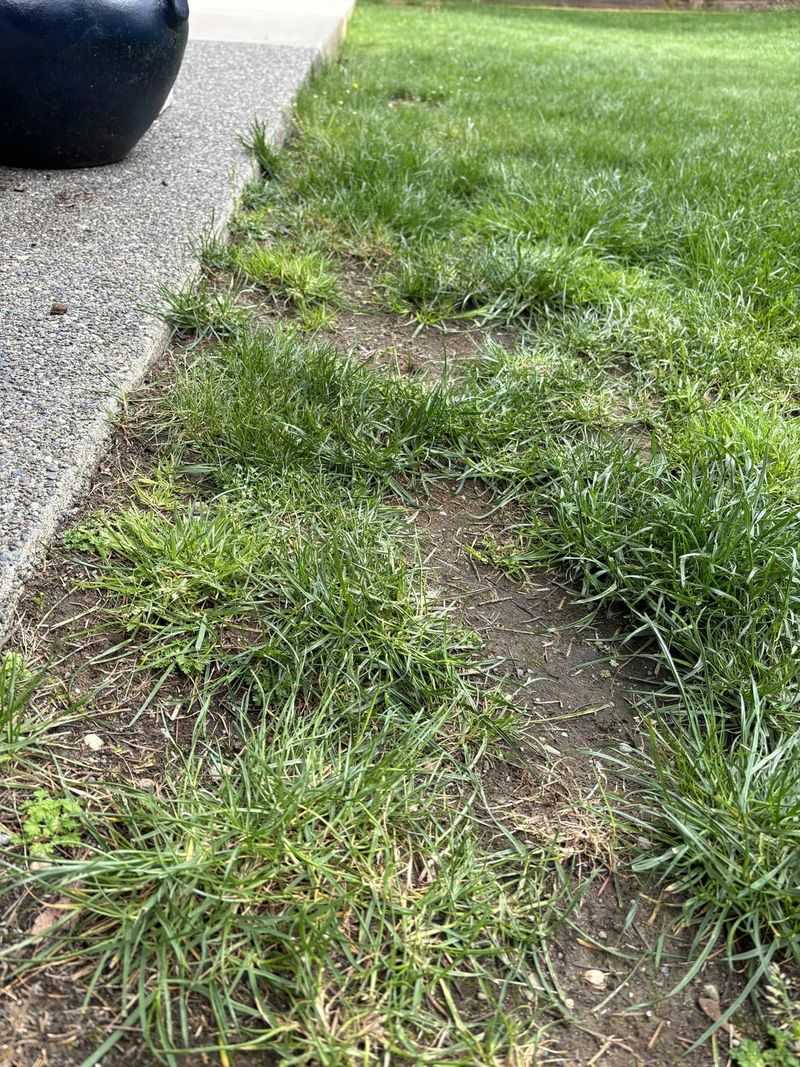
My neighbor once sprinkled seed on a bare spot by his mailbox every spring for five years. Nothing stuck, because the ground was hard, lumpy, and covered in brittle old grass.
Bare patches need a little extra love before seed goes down. Start by clearing away dry, brown grass, sticks, stones, and any weeds taking up space.
Next, loosen the top inch or two of soil with a garden rake or hand cultivator. Soft soil gives baby roots room to stretch and grab hold.
Take a moment to look at the shape of the patch too. Low spots collect puddles, while high bumps shed water, so gently level things out with your rake.
Even ground helps every seed get the same share of moisture. It also keeps rain from washing your seed into one soggy corner.
For an extra boost, spread a thin layer of rich topsoil or compost over the patch, about a quarter inch deep. This gives seeds a cozy, nutrient-packed bed to sprout in.
Larger bare areas may need more grading if the slope sends water toward your house or driveway. Fixing the grade now saves you from repeating the whole job next year.
Once the patch looks smooth and crumbly, it is ready for seed. That small bit of prep makes the difference between a bald spot and a blended lawn.
5. Choose Seed That Fits Your Existing Lawn
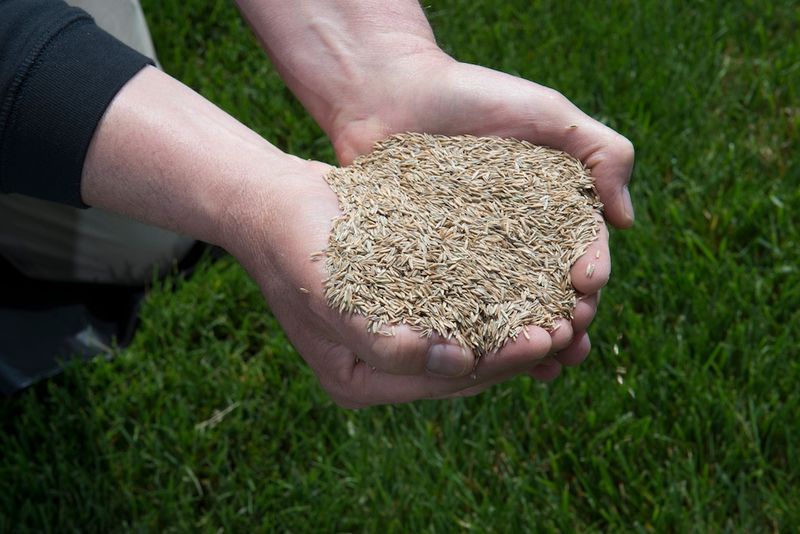
Grabbing the cheapest bag at the store is tempting, but seed is not one size fits all. The wrong type can stand out like a patch of mismatched carpet.
Ohio lawns do best with cool-season grasses. The big three are Kentucky bluegrass, perennial ryegrass, and tall fescue.
Kentucky bluegrass creates a soft, dense look and spreads with underground stems called rhizomes, so it can patch small holes by itself. It does need plenty of sun to look its best.
Tall fescue is the tough one of the group, handling drought and some shade with ease. In southern Ohio, where summers get steamy, many experts recommend a turf-type tall fescue blend.
Perennial ryegrass is the speedster, often sprouting in just 5 to 10 days. That makes it handy for fast cover while slower grasses catch up.
Most healthy lawns use a blend of two or three of these grasses. Match your mix to your yard, thinking about sun, shade, and how much the kids and dog run around.
Fun fact: Kentucky bluegrass is not native to Kentucky at all. It came over from Europe, and its name likely comes from bluish seed heads that appear when it grows tall.
Check the label for weed seed and filler content before buying. Quality seed costs a bit more, but more of it sprouts.
6. Spread Seed When Ohio Soil Is Still Warm
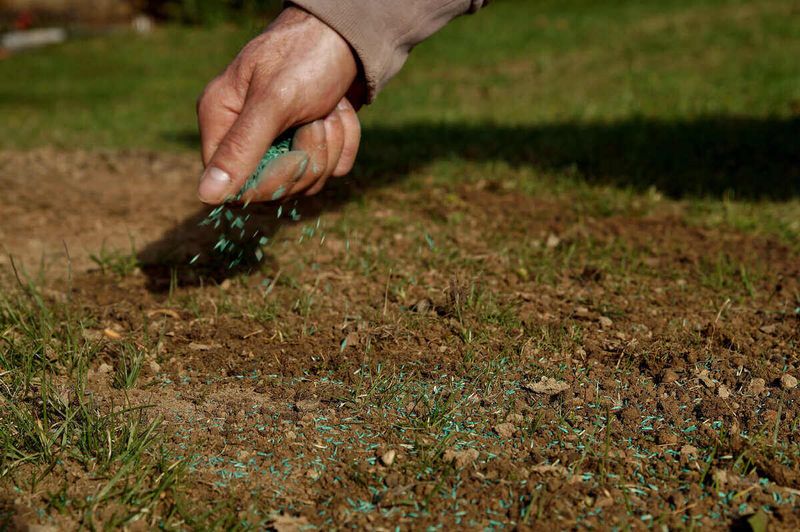
Timing is the secret sauce most people overlook. For much of the state, late summer into early fall is the preferred overseeding window, with the exact timing depending on location, weather, and the grass being seeded.
Why then? The soil still holds summer warmth while the air starts to cool, and that combo feels like a spa day for grass seed.
Cool-season grasses sprout best when soil temperatures sit between about 50 and 65 degrees. A cheap soil thermometer from the garden center lets you check instead of guessing.
Seeding in early fall gives new grass two to three months to grow strong roots before winter. Cooler nights also mean less stress on tender young blades.
Weeds slow down in autumn as well. With fewer crabgrass bullies around, your seedlings get more room to settle in.
Spring, from April to mid-May, can work as a backup plan. Still, new grass planted then must battle weeds and then face the blazing heat of an Ohio summer.
Here is a sneaky catch many folks miss. Crabgrass preventers used in spring also stop grass seed from sprouting, so read labels carefully if you plan to seed then.
Mark your calendar in early August as a reminder to prep. Getting seed down by mid-September gives it the best head start.
7. Press Seed Into Soil Instead Of Leaving It Loose
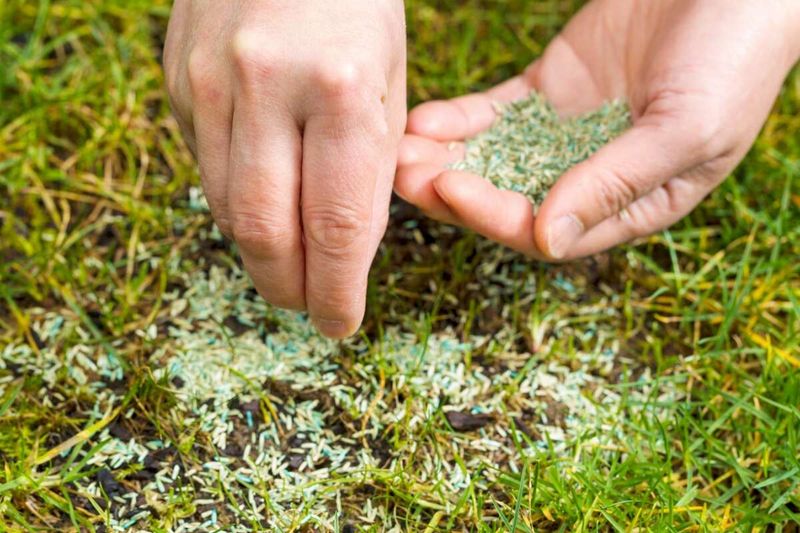
Seed sitting on top of the grass is basically a free buffet for sparrows. Even if the birds skip it, sun and wind can dry it out, and a hard rain can wash it away.
Good seed-to-soil contact is one of the biggest keys to success. Each seed needs to be snuggled against moist dirt so it can soak up water and push out roots.
Core aeration helps a lot here, since seeds drop right into those little holes. Slit seeders go a step further by slicing thin grooves and placing seed directly inside them.
You can rent a slit seeder from many equipment shops across Ohio. It is a smart choice for large yards or lawns that need a big refresh.
For smaller spots, a sturdy rake works just fine. Scratch up the surface first, spread your seed, then rake lightly again to mix it in.
A lawn roller is another handy tool for pressing seed down. Fill it only partway with water so it firms the soil without squashing it flat.
Watch your depth, because deeper is not better. Seeds should sit no more than about a quarter inch below the surface, or they may run out of energy before reaching daylight.
A light sprinkle of straw or peat can help hold moisture. Keep it thin enough that you can still see soil peeking through.
8. Keep The Seedbed Consistently Moist
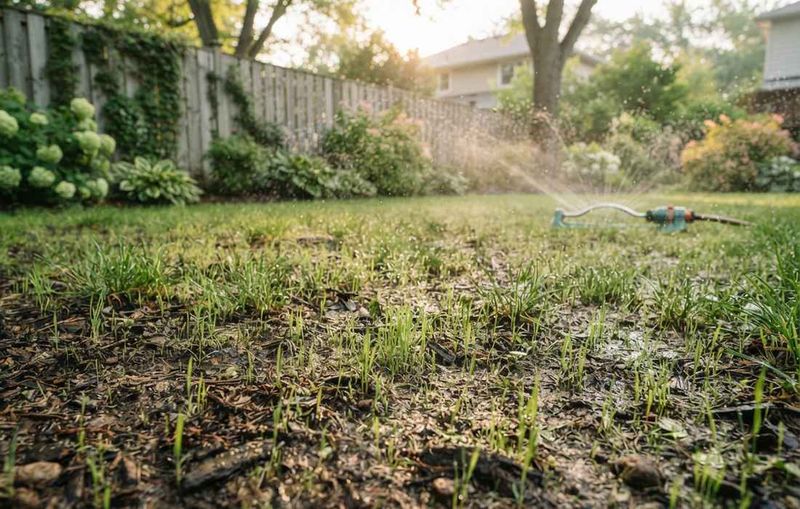
Think of new grass seed like a sponge that must stay damp to work. Let it dry out even once after it starts sprouting, and those tiny shoots can shrivel fast.
The goal is to keep the top half inch to one inch of soil moist, not soggy. Puddles are a sign you have gone too far and may wash seed away.
For the first couple of weeks, keep the seedbed consistently moist with light, frequent watering, adjusting the schedule for rainfall, soil type, temperature, and sprinkler output.
A simple hose timer makes this much easier, especially if you work during the day. It keeps you from racing home at lunch to turn on the sprinkler.
Once seedlings reach about two inches tall, start shifting your routine. Water less often but soak the ground deeper each time.
Deeper watering encourages roots to dig down in search of moisture. Those strong roots help the grass handle dry spells next summer.
Morning is the best time to water, with early afternoon as a second choice. Late evening watering leaves blades wet overnight, which invites fungal diseases.
Keep an eye on rainfall, too, since fall storms can do some of the work for you. A cheap rain gauge helps you skip watering on soggy days.
9. Give New Grass Time Before Heavy Mowing
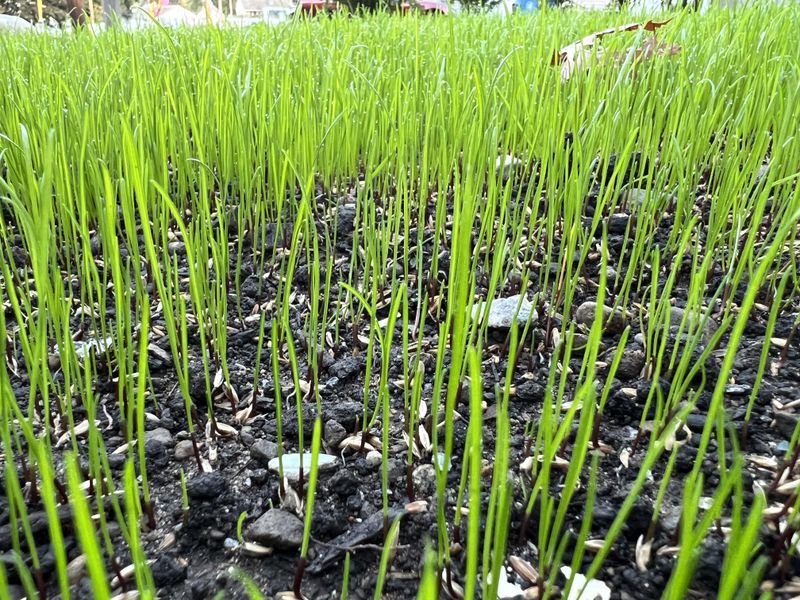
Waiting is hard when fresh green fuzz starts poking up and you want a neat yard. Still, patience now pays off with a thicker lawn later.
Hold off on the first mow until the new blades reach at least three to four inches tall. For most seeded lawns, that takes somewhere around four to eight weeks.
Before you mow, sharpen your mower blades. Dull blades tear young grass instead of slicing it, leaving ragged brown tips and stressed plants.
Stick to the one-third rule, which means cutting off no more than a third of the blade height at a time. If the grass is four inches tall, trim it to about three inches.
Skip watering the day before you mow so the soil is firm. Soft, soggy ground can leave wheel ruts and pull tender seedlings right out of the dirt.
Keep foot traffic light until the new grass has been mowed several times. That means gently steering kids, pets, and backyard games to another spot.
Hold off on weed sprays during this stage as well. Many products can harm young grass, so wait until it has been mowed three or four times.
By late fall, your patience will show in a lawn that looks full and feels springy underfoot. Come spring, you will be glad you gave it room to grow.