Those Brown Patches In Your New York Lawn Could Mean Something Bigger
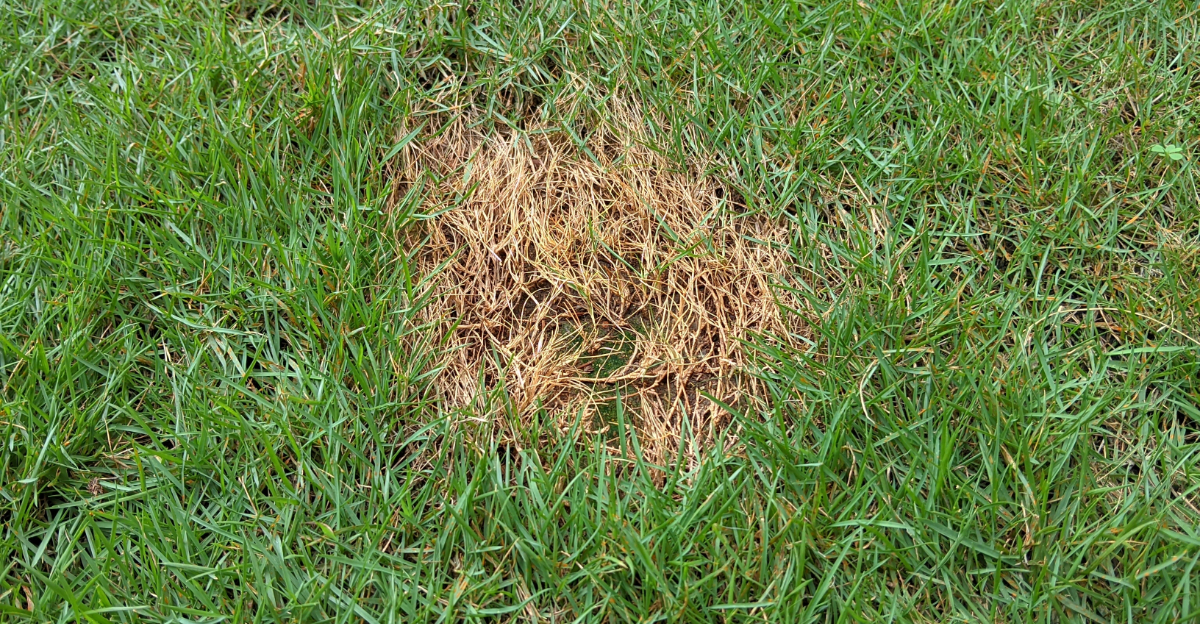
Your lawn looked fine last week. Now there’s a brown circle spreading right through the middle of it, and it wasn’t there yesterday.
Heat gets blamed first. A dry spell, maybe a stressed patch of grass. But New York yards deal with a rougher mix: sticky humidity, dense clay soil, and weather that flips overnight. That combination breeds trouble most homeowners never see coming.
Let that patch sit too long and it doesn’t stay small. It multiplies and suddenly you’re staring at a lawn that needs a full overhaul instead of a quick fix. Something is happening beneath those blades of grass, and it’s leaving clues you can actually read.
Spots That Seem To Appear Out Of Nowhere
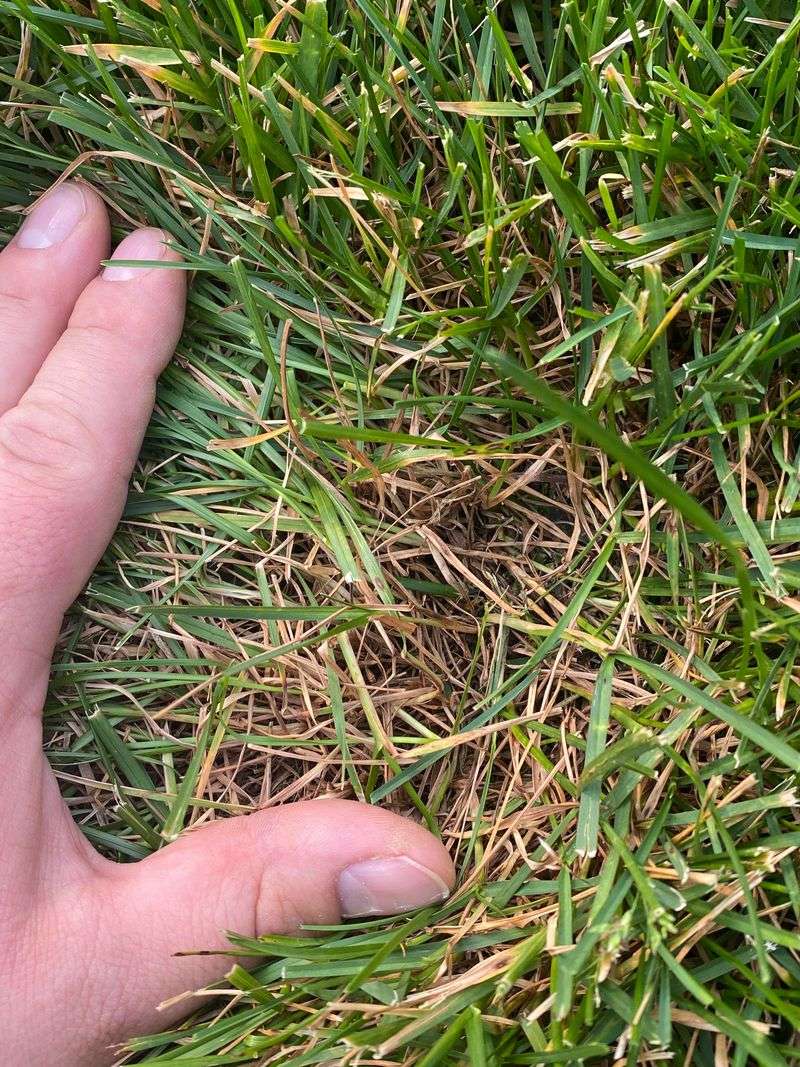
Your lawn looked fine on Friday, then ruined by Sunday morning. That kind of overnight change is one of the first clues that something more serious is happening beneath your feet.
Brown patches in your New York lawn do not always build slowly. Some causes, like fungal disease or grub activity, can create visible damage within 48 hours of getting started.
Humidity plays a huge role here. New York summers mix heat and moisture in a way that speeds up lawn stress dramatically.
Patches that pop up fast tend to have irregular, almost circular shapes. They often look like someone pressed a hot pan against the grass and walked away.
You might also notice the edges of the patch look darker or slightly water-soaked. That wet border is a classic warning sign that living organisms are actively spreading outward.
Check the patch in the early morning when dew is still present. If you see a white or gray powder on the blades, that is a strong indicator of fungal activity.
Do not assume the patch will heal on its own after rain. Watering without addressing the root cause often makes things significantly worse.
Take a photo of the patch every day for three days. Tracking whether it grows, shrinks, or stays the same gives you valuable clues before you spend money on any treatment.
Common Culprits Homeowners Overlook
Most people blame the sun first. But heat alone rarely creates the kind of patchy, uneven browning you see spreading across a lawn section by section.
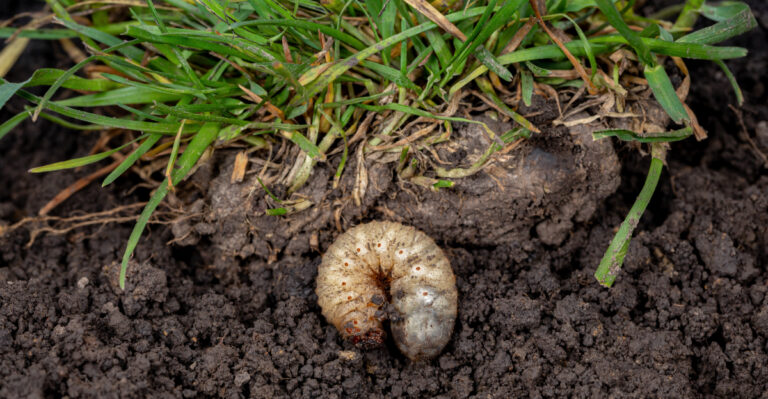
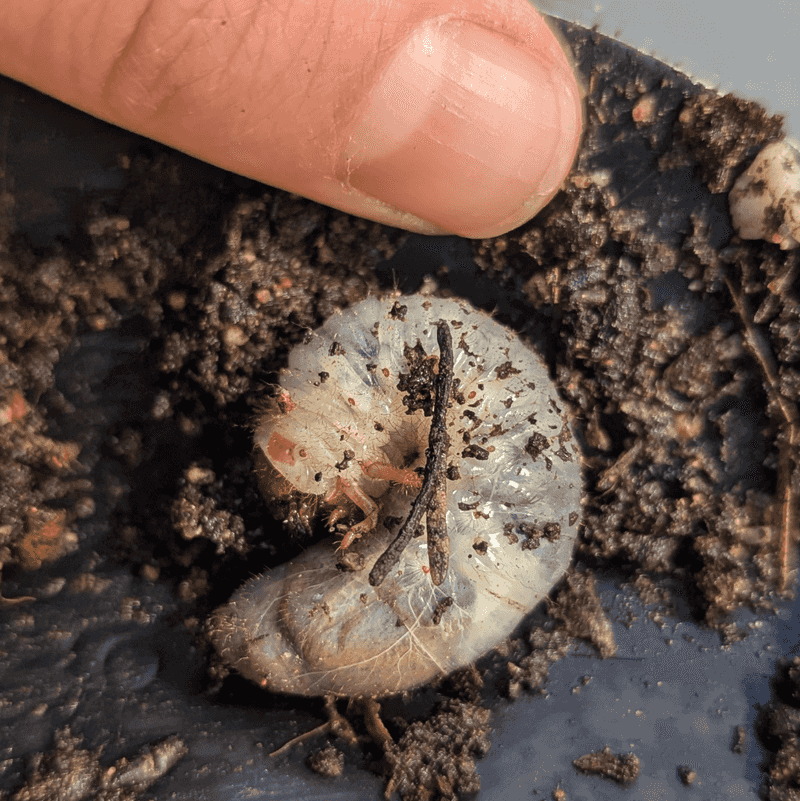
Grubs are one of the biggest overlooked causes. These small white larvae live just below the surface and chew through grass roots without any visible warning until the damage is done.
Pull back a piece of the brown turf like a carpet. If it lifts easily with no root resistance, grubs have likely been feeding there for weeks.
Dog urine is another sneaky cause many homeowners miss. Repeated visits to the same spot create concentrated nitrogen burns that look almost identical to fungal patches.
Poor drainage is equally deceptive. Low spots in your yard hold water after rain, starving roots of oxygen and turning sections yellow before going fully brown.
Compacted soil is a silent problem in many older New York neighborhoods. When soil gets too dense, air and water cannot reach grass roots, which slowly weakens the entire lawn.
Your New York Garden Changes Every Week. Your Plan Should Too.
Gardening in New York changes quickly throughout the season. Every Friday you’ll receive a simple weekly plan showing exactly what to plant, prune, fertilize, harvest, and protect so you never miss the right timing.
Thatch buildup is also worth checking. A layer of dry organic matter thicker than half an inch blocks moisture and creates a cozy environment for pests and disease.
Grab a screwdriver and push it into the brown area. If the soil feels rock-hard and the tool barely penetrates, compaction is likely playing a major role in what you’re seeing.
Signs This Is More Than Just Dry Grass
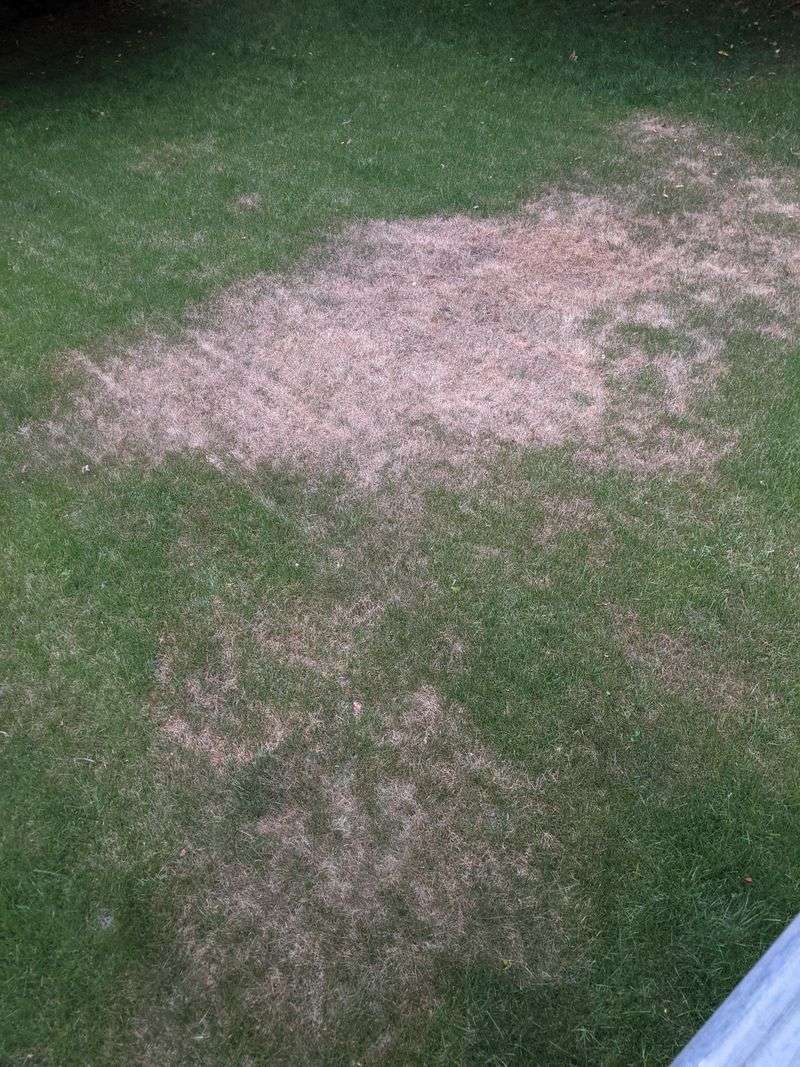
Dry grass has a specific look. It turns uniformly tan, feels brittle, and bounces back quickly after a good watering session.
When browning is caused by something deeper, the recovery does not happen that fast. You water, wait, and the patch stays stubbornly brown while the rest of the lawn greens up around it.
One telling sign is the smell. Fungal problems often produce a musty or slightly sour odor near the affected area, especially in humid morning air.
Check the grass blades themselves, not just the color. Lesions, rings, or spots on individual blades point strongly toward disease rather than drought stress.
Wilting in shaded areas is another red flag. Grass in full shade should not be drying out from heat, so browning there usually signals a pest or pathogen problem.
Watch how the patch moves over time. Drought stress tends to affect the whole lawn somewhat evenly, while disease and pest damage spread in patterns, rings, or streaks.
Pay attention to where the brown spots sit in relation to your sprinkler heads. If a patch is well within your irrigation zone, water is not the issue and something else is actively causing harm.
Your instincts are a useful tool here. If something about the patch feels off, trust that feeling and investigate before the damage spreads any further.
The Fungus Behind Most Cases
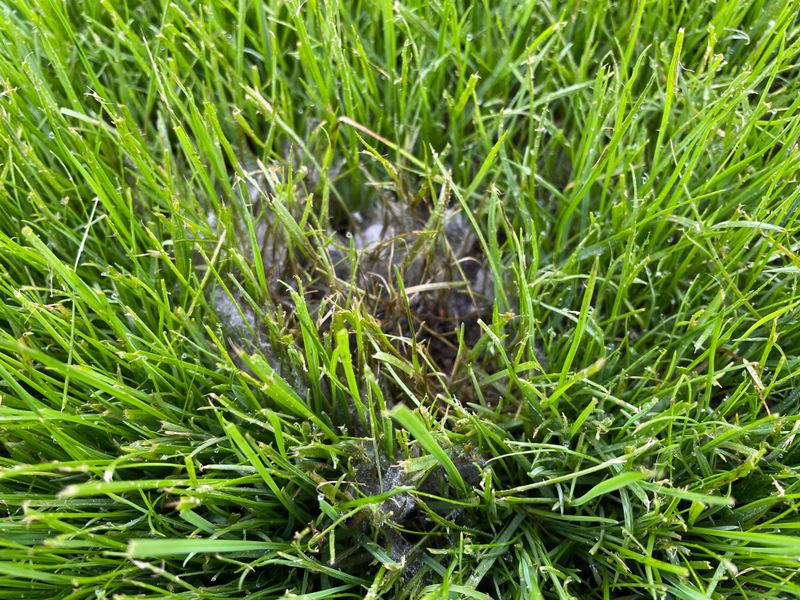
Fungal disease is the number one reason lawns develop those mysterious spreading patches. Brown patch fungus, caused by Rhizoctonia solani, is especially common across the northeastern United States.
It thrives when nighttime temperatures stay above 70 degrees and humidity is high. Sound familiar? That is a standard New York August in a nutshell.
The infected grass blades develop tan lesions with dark brown borders. Those borders are actually the fungus actively moving outward, one blade at a time.
Dollar spot is another fungal culprit worth knowing. It creates small, silver-dollar-sized patches that eventually merge into larger brown zones if left unchecked.
Red thread shows up as thin, reddish-pink strands clinging to the grass tips, usually during cooler, wetter stretches in spring or fall. It tends to target lawns running low on nitrogen.
Pythium blight moves the fastest of all lawn fungi. It can spread several feet in a single night under the right conditions, which is why early detection matters so much.
Overwatering is the single biggest contributor to fungal outbreaks. Watering at night or in the evening leaves moisture sitting on blades for hours, creating ideal conditions for spores to germinate.
Switch your watering schedule to early morning, between 6 and 10 a.m. This gives blades time to dry out fully before temperatures drop again at night.
Fungicide treatments work best when applied early, before the fungus has spread beyond a few square feet. Waiting too long makes treatment harder and full recovery much slower for any lawn.
Steps To Stop The Spread
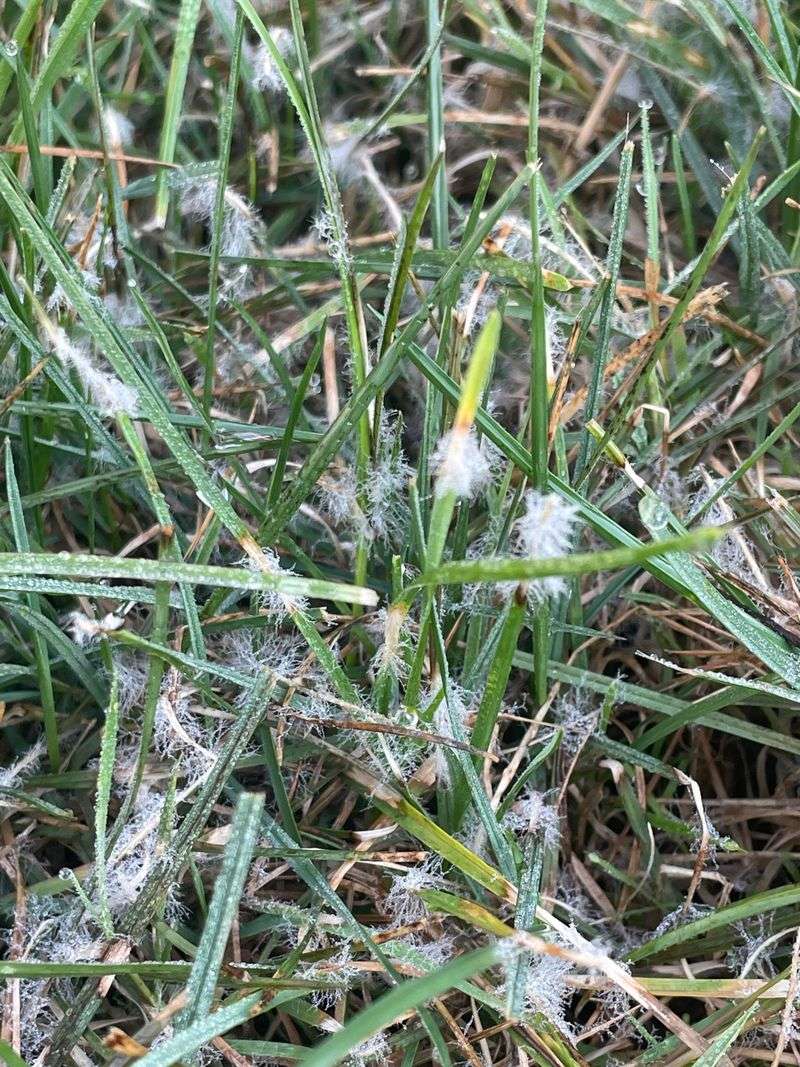
Act fast once you spot a spreading patch. Every day of delay gives the problem more territory and makes your recovery timeline longer and more expensive.
Start by mowing your lawn at the right height. Cutting grass too short stresses it and removes the protective canopy that shields roots from heat and disease pressure.
Avoid walking through the affected area when possible. Fungal spores and soil-borne pests hitch rides on shoes, mower wheels, and even pets moving across the lawn.
Clean your mower blades after each use during an active outbreak. A simple rinse and wipe-down prevents spreading pathogens to healthy sections of your grass.
Apply a targeted fungicide based on what you have identified. Broad-spectrum products work for unknown causes, but matching the product to the specific fungus gets better results faster.
Aerate compacted areas while treating the disease. Improving airflow and drainage reduces the conditions that allowed the problem to develop in the first place.
Reduce nitrogen fertilizer during an active outbreak. High nitrogen feeds lush, soft growth that fungal disease loves, so hold off until the lawn is clearly recovering.
Establish a two-week monitoring routine after treatment. Check the patch edges every few days, and if the spread stops and the border stabilizes, your intervention is working in the right direction.
Restoring Your Lawn After Treatment
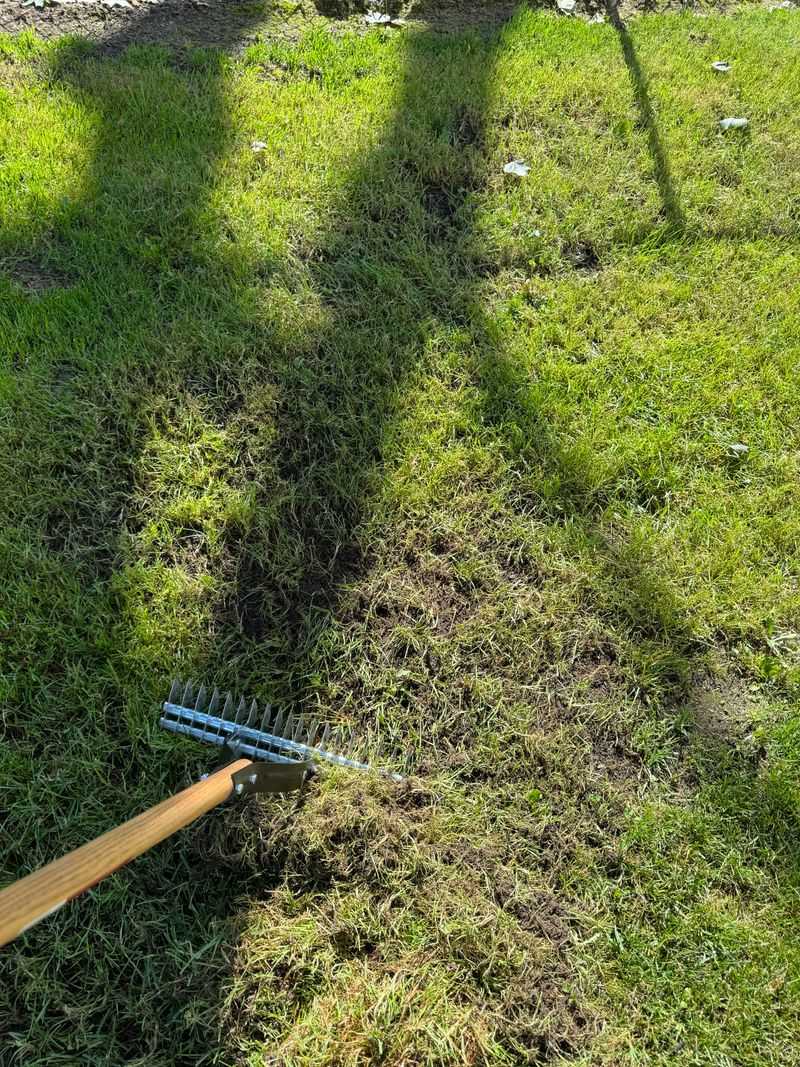
Getting rid of the problem is only half the job. Bringing your lawn back to full health takes patience, the right seed, and a smarter watering strategy going forward.
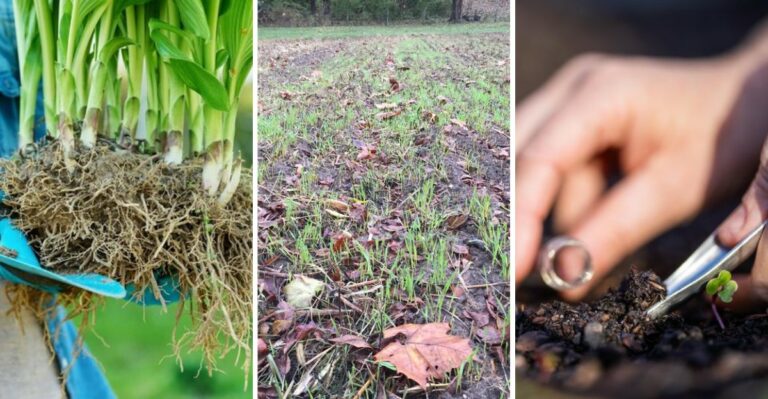
Start by raking out the brown grass in the affected area. Removing that debris clears the way for new seed to make direct contact with the soil beneath.
Choose a grass seed blend suited to your specific conditions. Tall fescue and Kentucky bluegrass both perform well in northeastern climates and hold up better against common lawn diseases.
Overseed the bare spots in early fall for best results. Soil temperatures between 50 and 65 degrees give new seed the perfect germination window before winter arrives.
Keep the reseeded area consistently moist for the first two weeks. Light, frequent watering encourages germination without creating the soggy conditions that invite new fungal problems.
Top-dress the area with a thin layer of compost after seeding. Compost improves soil structure, feeds beneficial microbes, and helps new roots establish faster than bare soil alone.
Resist the urge to mow new grass too soon. Wait until new blades reach at least three inches before the first cut, which protects fragile root systems from early stress.
A healthy lawn is your best long-term defense. Addressing the problem now means fewer headaches, lower costs, and a yard you actually enjoy next summer.