Saw A Box Turtle In Your New Jersey Garden This Year? Here Is What It Really Means

Box turtles don’t knock. In the warm months, they just show up, usually under something you planted, almost always at the worst moment in your morning. If you garden in New Jersey long enough, one will find you.
The question nobody asks is why that particular yard, that particular bed, that particular afternoon. Box turtles are not random wanderers.
They are creatures of habit so strong they will exhaust every option before abandoning a home range. Adapting to somewhere new is rarely on their terms.
When one appears in your garden, it is reading your landscape like a map. New Jersey’s suburban sprawl has made that map harder to follow every year.
Roads interrupt old routes. Fences redirect familiar paths. What you do next matters. What you plant matters.
What you stop spraying matters. This animal has been crossing the same terrain since before your neighborhood had a name, and your garden just became part of its story.
They Are Native New Jersey Wildlife, Not Random Visitors
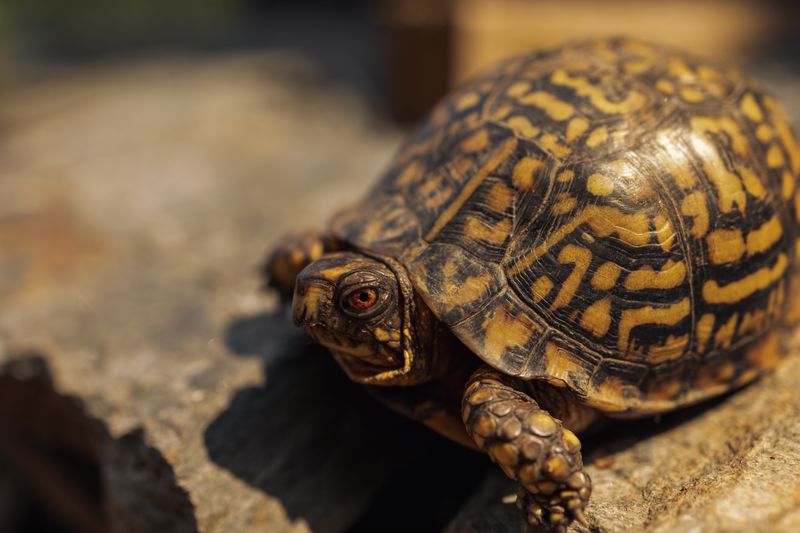
That turtle did not escape from someone’s tank. Eastern box turtles are native to New Jersey and have lived here long before the subdivisions arrived, long before the roads, long before anyone thought to name the streets.
These reptiles roam home ranges spanning several acres. They follow the same seasonal paths year after year, which means your yard may sit inside one turtle’s lifelong territory. Not a visit. A routine.
New Jersey lists the Eastern box turtle as a Species of Special Concern. Numbers have dropped steadily due to habitat loss, road crossings, and collection by people who wrongly assume they make good pets. That last one is worth repeating. They do not.
Spotting one in your garden is not random. That animal has likely passed through your property before, possibly for years without you noticing.
Box turtles move quietly and they move early. Most crossings go unseen. They can also live for decades, sometimes outliving the people who first spotted them.
The turtle that crossed your yard this year may have been born before your house was built, before the concrete was poured, before the lot was cleared. Your garden sits inside their world. It was never the other way around.
Garden Beds Provide Everything These Reptiles Need To Thrive
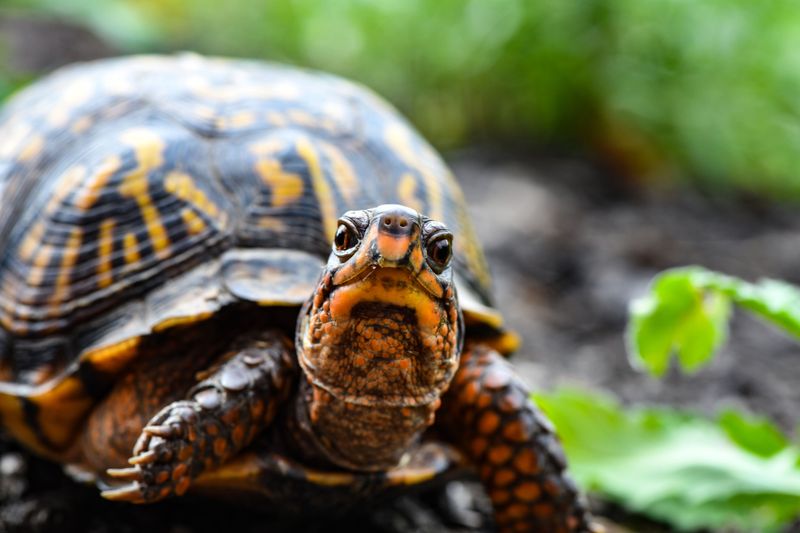
During the growing season, your garden is basically a five-star buffet for a box turtle. Ripe strawberries, fallen tomatoes, mushrooms, slugs, earthworms. They are not picky, and your beds are stocked with exactly what they want.
Box turtles are omnivores, working both sides of the menu without apology. A single raised bed can offer insects, fruit, fungi, and soil moisture all within a few square feet. For a turtle covering several acres on foot, that kind of efficiency matters.
Mulched beds are especially attractive. They hold moisture, stay cool, and harbor the beetles and grubs that turtles will nose through loose soil to find. If you mulch well, you have essentially laid out a welcome mat.
Garden beds also offer shelter. Low-growing plants, dense groundcovers, and accumulated leaf litter give turtles shaded places to wait out the hottest part of the afternoon. They are not lazy. They are strategic.
Water pulls them in too. A shallow birdbath or a slow-draining puddle near your beds can draw a thirsty turtle from a surprising distance.
When your garden checks all these boxes, a passing turtle stops passing and starts staying. That is not a nuisance. That is a sign your green space is genuinely working.
Foraging, Sheltering, And Nesting Explain Why They Linger
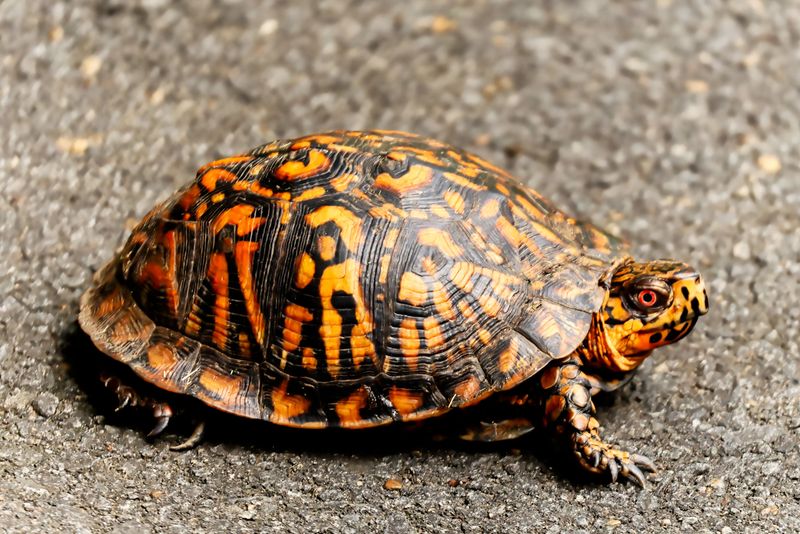
When a box turtle sticks around for more than a day, there is usually a very specific reason. Food, shade, and soft soil for nesting are the big three motivators.
Female turtles search for loose, sunny soil to deposit their eggs in late spring and early summer. A freshly tilled garden bed looks like prime real estate to a nesting mother.
Eggs are typically laid in shallow holes just a few inches deep. The female covers them carefully and then walks away, leaving the sun to do the incubating work.
If you notice a turtle digging near your beds, give her space. Disturbing a nesting female causes serious stress and may cause her to abandon the site entirely.
Sheltering behavior looks different from nesting. A turtle tucking under a shrub or burrowing into leaf litter is simply cooling down, waiting out a rainstorm, or, in late fall, settling in for winter dormancy.
Understanding these three behaviors helps you read what the turtle is actually doing. Once you know the difference, sharing your garden space with one feels much less mysterious and a lot more fascinating.
A Backyard Sighting Often Signals A Healthy Local Ecosystem
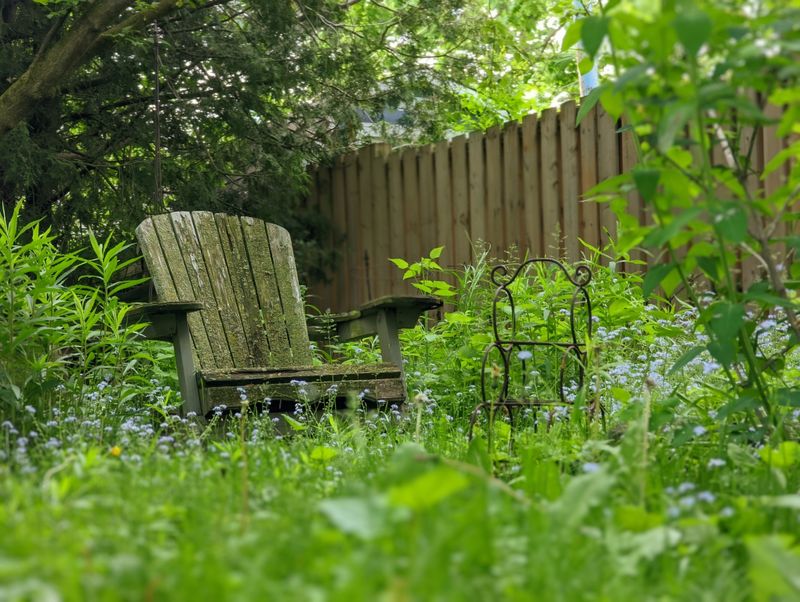
Box turtles do not show up just anywhere. They need clean water, healthy soil, insects, native plants, and connected green corridors to survive.
When one walks into your yard, it suggests that your local environment still supports complex wildlife. Think of it as nature handing you a small gold star.
Ecologists sometimes call species like box turtles indicator species. Their presence suggests that the surrounding habitat has not been completely degraded by pollution or overdevelopment.
A yard that attracts turtles likely also supports fireflies, native bees, songbirds, and beneficial insects. These creatures all depend on similar habitat conditions to thrive.
Conversely, when box turtle populations disappear from an area, it often signals broader habitat degradation. Pesticide overuse, soil compaction, and fragmented green space all push them out.
Seeing one in your garden is a hopeful sign that suitable habitat still exists nearby. Your patch of green is doing something right, and that deserves a moment of real appreciation.
Simple Habitat Adjustments That Welcome Them Safely
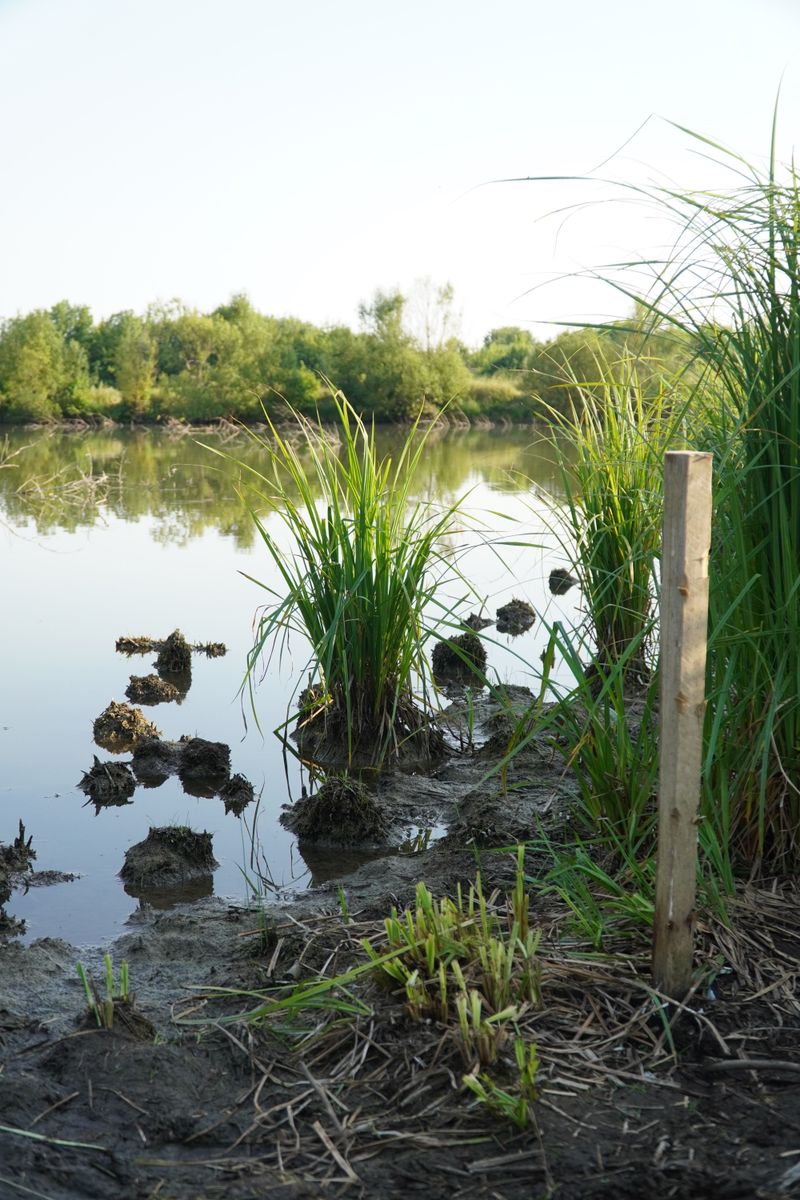
You do not need to overhaul your entire yard to make it turtle-friendly. A few small changes go a long way toward creating a welcoming space.
Start by reducing or eliminating pesticide use in garden beds. Insecticides strip out the beetles, grubs, and worms that box turtles depend on for protein.
Leave a corner of your yard a little wild. A brush pile, a stack of logs, or an unmowed patch of grass gives turtles places to hide, rest, and regulate their body temperature.
Install a shallow water dish at ground level, no deeper than two inches. Turtles can drown in deep containers, so keeping it shallow keeps them safe while still meeting their hydration needs.
Plant native species like wild strawberries, Virginia creeper, and native violets. These plants produce fruits and attract insects that round out a turtle’s natural diet beautifully.
Check your yard before mowing, especially in spring and summer. A turtle resting in tall grass is nearly invisible, and a slow-moving lawnmower poses a real risk to any animal hiding below the blades.
Dos And Don’ts For Homeowners Who Encounter One Up Close
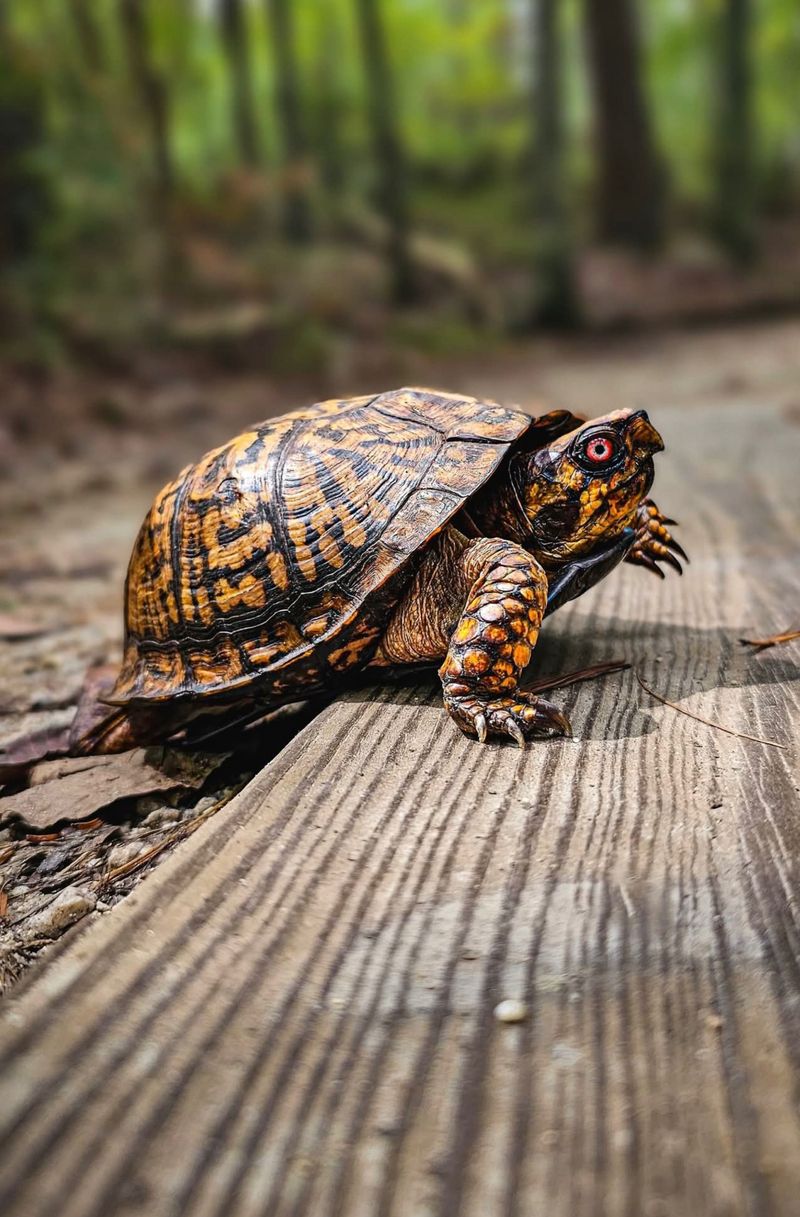
Finding a box turtle up close is thrilling, but good intentions can accidentally cause harm. Knowing the right moves protects both you and the animal.
Do observe from a respectful distance. Box turtles pull into their shells when stressed, and a turtle locked up tight is a turtle burning precious energy it needs for survival.
Do not relocate a turtle to a different area. Box turtles have a strong homing instinct, and moving one even a mile away can cause it to wander in an attempt to return, putting it at greater risk along the way.
If a turtle is on a road or in immediate danger, move it to the nearest safe vegetation on the side it was heading toward. Always move it forward, never backward.
Do not bring it inside, house it in a container, or offer it food from your kitchen. Human contact and captivity cause prolonged stress that can affect their health over time.
Do wash your hands after any contact, since turtles can carry Salmonella bacteria. Children especially should be supervised around any wild reptile found in the yard.
The best thing you can do is simply watch, appreciate, and then step back. A wild animal thrives best when humans admire from a careful distance.
Long-Term Coexistence Strategies For Gardeners And Wildlife Alike
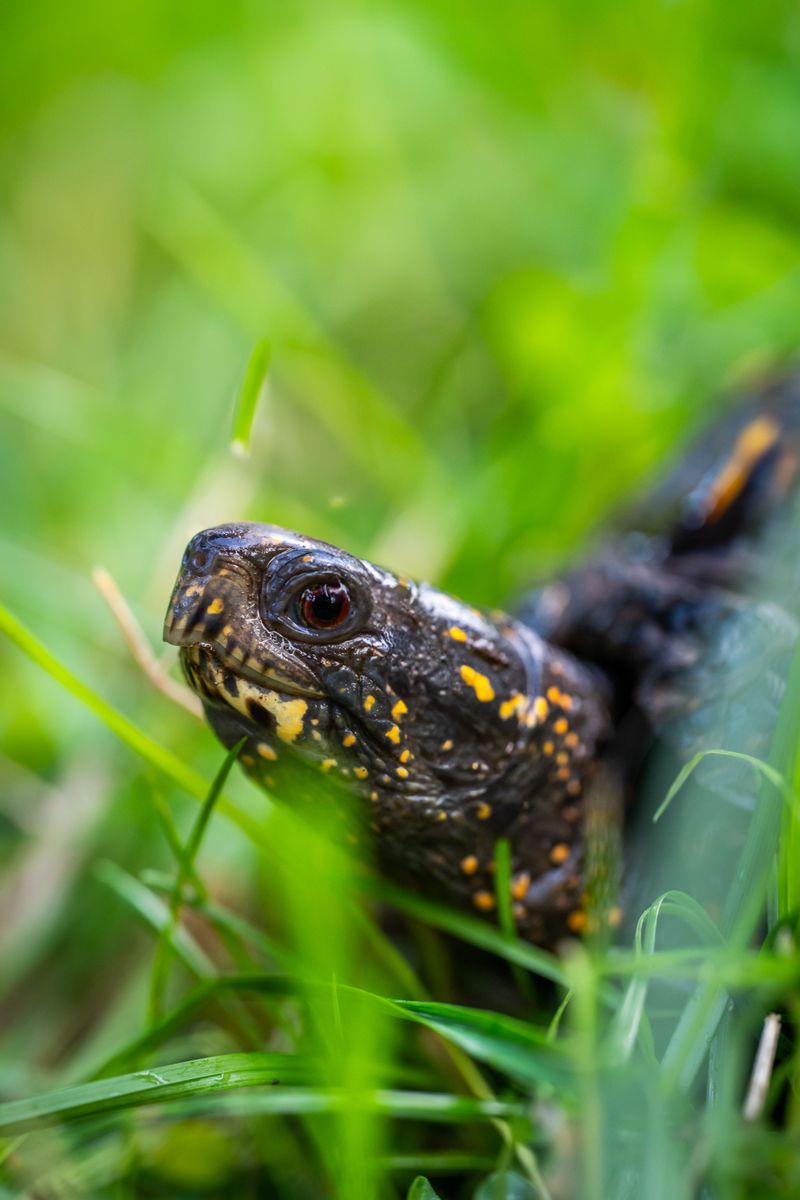
Living alongside box turtles is not a one-season commitment. It is an ongoing relationship that rewards patient, thoughtful gardeners in surprising ways.
Keep cats indoors, especially during spring and summer. Outdoor cats are one of the leading threats to ground-dwelling wildlife, and even a playful swat can seriously injure a turtle.
Talk to your neighbors about creating connected wildlife corridors. A chain of turtle-friendly yards allows animals to move safely between habitats without crossing busy roads.
Document your sightings with photos and dates. The NJ Division of Fish and Wildlife runs a mobile-friendly tool called the NJ Wildlife Tracker where residents can report box turtle sightings directly from their phone.
Avoid installing tight fencing at ground level unless it includes escape gaps. A turtle that wanders into a fenced yard and cannot get out faces serious risks from heat and dehydration.
Teach kids in your household to treat box turtle encounters with quiet respect. Children who grow up understanding wild neighbors become adults who protect them.
Every garden choice you make either opens a door for wildlife or closes one. When box turtles keep showing up in your New Jersey garden, it means you have been opening the right ones all along.