8 Plants California Gardeners Can Root In Water Before Winter
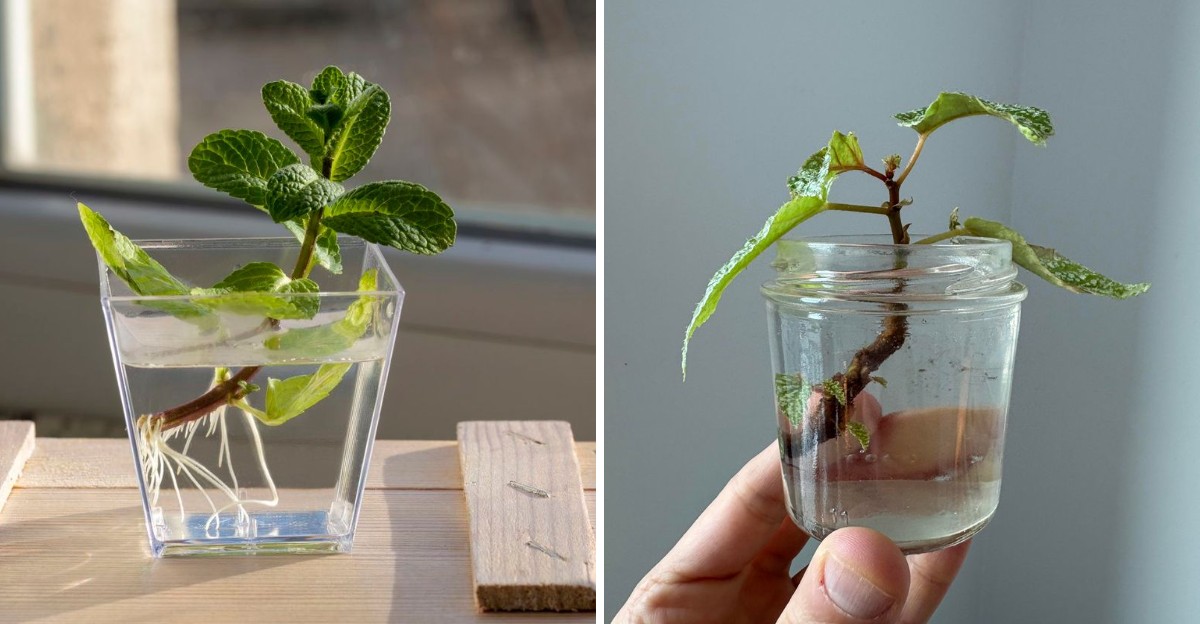
Some garden cuttings can grow fresh white roots in a plain glass of water in about one week. You skip the soil and the rooting powder, and a sunny kitchen windowsill does most of the work.
Here in California, many tender favorites keep growing well into fall before the cooler nights finally slow them down. That timing gives you a perfect window to snip healthy stems while plants still have plenty of energy.
I’m a big fan of jars lined up on a windowsill, each one holding a tiny green experiment. You get free plants for spring, and you get to watch the roots form right before your eyes.
California gardeners in foggy coastal towns and warm inland valleys can join in with very little effort.
So which garden plants are willing to sprout roots in nothing but a glass of clear water?
1. Begonia
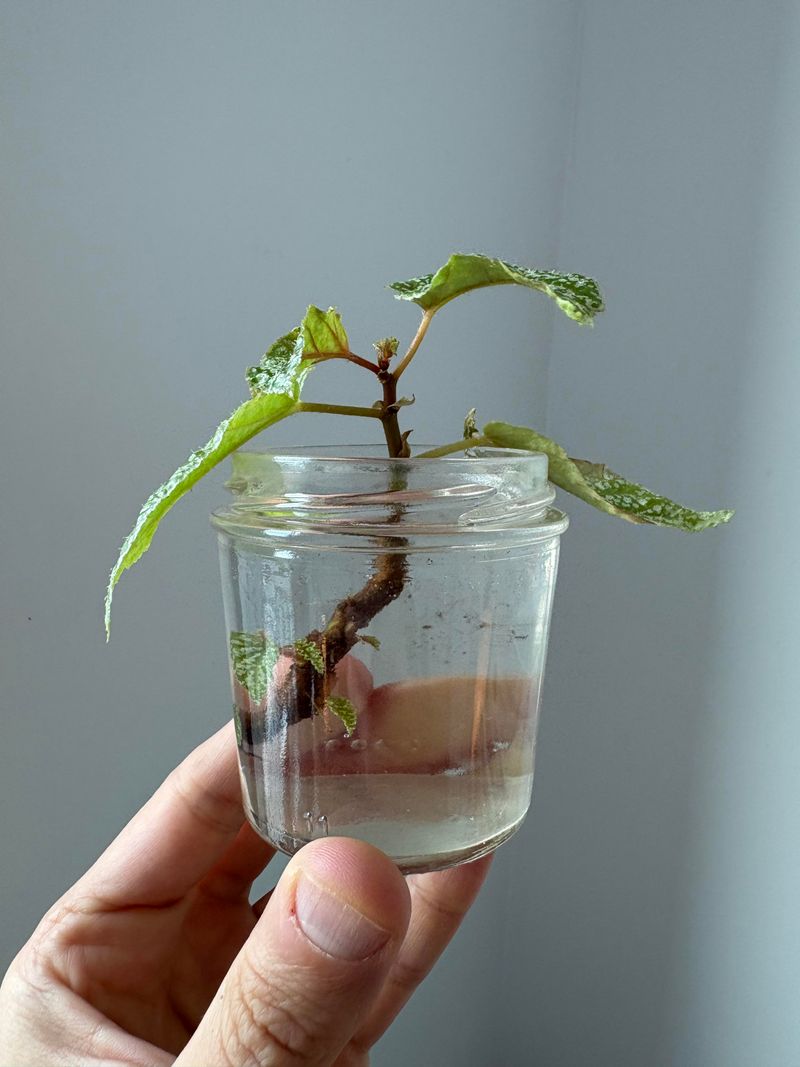
Begonia stems feel almost juicy when you snap them, because they are packed with water like tiny garden straws. I find it fascinating that this watery build is the main reason they root so happily in a jar.
Cane types, wax begonias, Rex begonias, and rhizomatous kinds all respond well to this simple water method. Many gardeners in mild coastal areas still have plants blooming now, so you have plenty of material to choose.
Pick a healthy stem without flowers that measures about four to six inches long for the best start. Make a clean, angled cut just below a node, which is the small bump where a leaf grows.
Strip the lower leaves so nothing green sits underwater, and pinch off any flower buds you happen to spot. Try to keep at least two nodes below the waterline, since that is where new roots will appear.
Rex begonias offer a fun shortcut, because a single leaf with a two inch stem can root too. I love watching a lone leaf in a glass slowly turn into a brand new plant over several weeks.
Set the jar in bright, indirect light in a room that stays between sixty five and seventy five degrees. Change the water once a week, and you should see roots forming within just a few weeks.
Once the roots reach one or two inches, move each cutting into a small three or four inch pot. A light, fast draining potting mix helps those new roots settle in without staying soggy all winter.
2. Rosemary
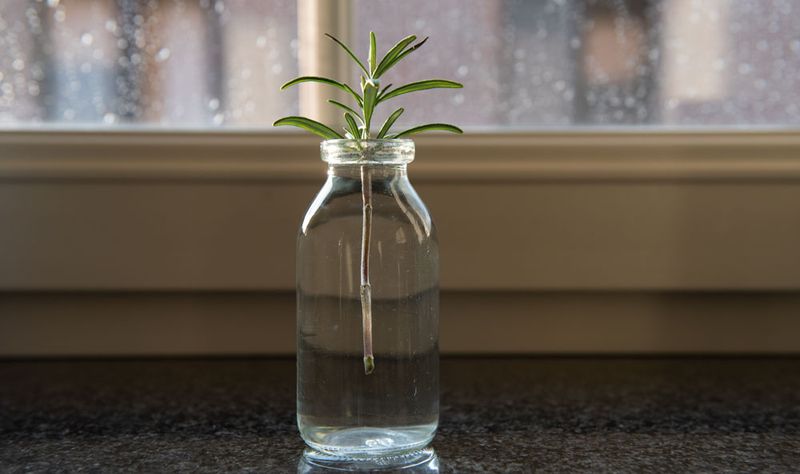
Rosemary got a new scientific name in recent years, and botanists now list it as Salvia rosmarinus. That means your trusty kitchen herb is officially a sage, which still surprises plenty of home cooks.
In most of California, rosemary shrugs off winter outdoors, so why bother rooting extra stems in water? The way I see it, a few spare plants make great gifts and handy backups for a sunny kitchen.
Snip four to six inch pieces from the soft green tips, and skip the older woody stems lower down. Cut at an angle just below a node, and make sure each piece has at least three nodes.
Strip the needles from the bottom third or so, keeping the remaining foliage well above the waterline. Your fingers will smell amazing afterward, which might be my favorite part of this whole little project.
Rosemary is a little fussier than mint, so fresh water every day or two helps prevent mushy stems. Place the glass in bright, indirect light or light shade, away from hot afternoon sun on the sill.
Patience matters here, because roots can take anywhere from two to six weeks to show up. Don’t be surprised if one cutting races ahead while its neighbor in the same jar sits quietly.
When the roots are about half an inch long, pot each cutting into its own four inch container. Use a gritty, well draining mix with perlite, since rosemary dislikes wet feet more than almost anything else.
3. Geranium
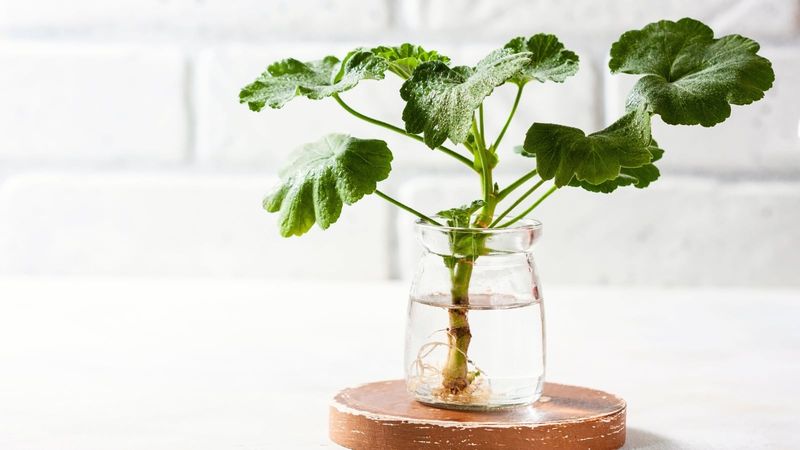
Garden geraniums are not true geraniums at all, since most belong to the South African genus Pelargonium. I have a soft spot for their spicy scent, which reminds me of my grandmother’s sunny back porch.
Gardeners in Napa Valley and other mild regions can take geranium cuttings pretty much any month of the year. Fall is still a smart time, because a few rooted backups protect your favorite colors from a surprise frost.
Choose sturdy stems about four to six inches long, and pinch off any flowers that are hanging on. Cut just below a leaf node, then remove the lower foliage until only two or three leaves remain.
A clear glass works best, because you can check on the stems and roots without disturbing anything. Add enough water to cover the main stem, but keep the remaining leaves high and dry above it.
A sunny windowsill around sixty five to seventy five degrees suits these cuttings, and fresh water daily helps. Roots usually show up in about four weeks, so mark the date on a sticky note nearby.
I could be wrong, but geraniums seem a bit moodier in water than in a pot of soil. If a stem turns soft or black, toss it out and start over with a fresh, firm cutting.
Once the roots stretch to at least one inch, plant each cutting in a small pot of potting mix. Keep them in a bright spot over winter, and you will have bushy plants ready for spring containers.
4. Coleus
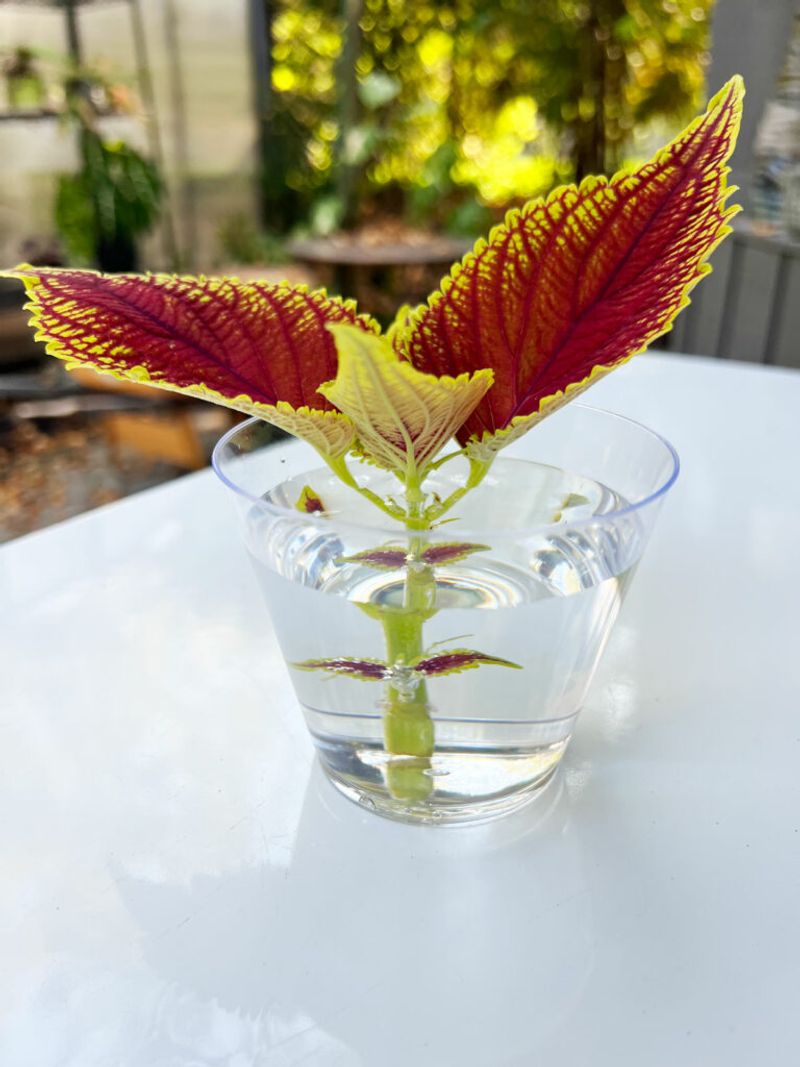
Coleus might be the speed champion of this list, sometimes growing little white roots in about one week. I’m still amazed every time I lift a jar and spot those fuzzy root tips poking out.
Botanists now call it Coleus scutellarioides, and it is a tender perennial that most people grow as an annual. Its leaves show off bold color combinations, like lime green edges wrapped around deep burgundy centers.
Coleus sulks when nights get chilly, so grab your cuttings before cold weather starts to dull the foliage. Even coastal gardeners notice their plants looking tired once temperatures dip into the forties at night.
Snip healthy stems without flowers, anywhere from two to six inches long, and pinch out the growing tip. Remove the lower leaves so none of them end up floating and rotting in the water below.
A small jar of room temperature water on a bright windowsill with indirect light is all coleus asks for. Change the water every two or three days to keep it clear and fresh smelling for your cuttings.
Here’s something worth knowing about coleus, because waiting too long to pot up can actually backfire. Water roots grow differently than soil roots, and very long ones often struggle to adjust after transplanting.
Move each cutting into potting mix once the roots reach about half an inch long or so. A sunny indoor window will keep those colorful leaves glowing until it is warm enough to plant outside.
5. Impatiens
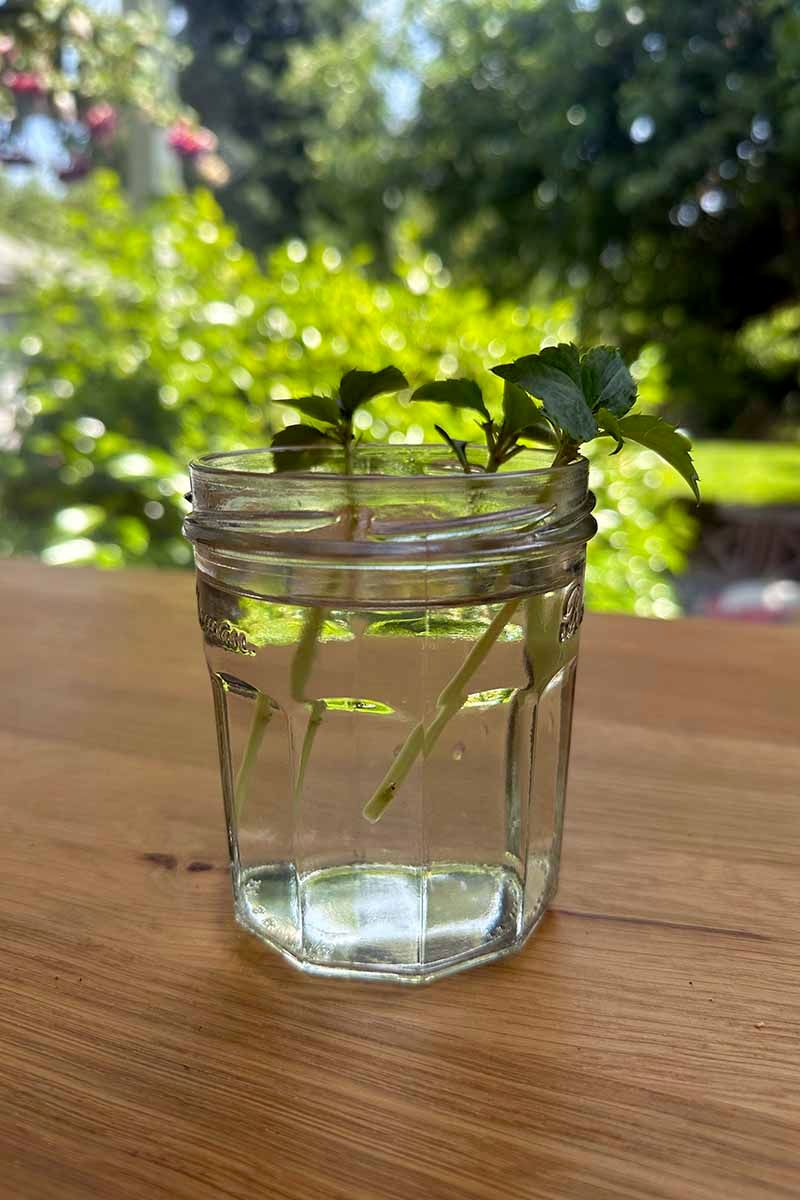
Impatiens earned their name from seed pods that burst open at the lightest touch, flinging seeds in every direction. Their stems are just as eager to cooperate, and many gardeners rank them among the easiest plants to propagate.
Both classic Impatiens walleriana and the bolder New Guinea types root from stem cuttings with very little fuss. They brighten shady corners until frost, which makes fall the perfect moment to save a few favorites.
Look for healthy, sturdy stems about three to six inches long that are not carrying any blooms. Cut cleanly just below a node, then strip off everything except the top two or three leaves.
Pinch away any flowers or buds too, since blooming steals energy the cutting needs for building roots. It feels a little sad to snip those pretty blossoms, but your future plants will thank you later.
Slide the cutting into a glass of water so at least one node sits below the surface. Keep the glass warm and bright but out of direct sun, which can heat the water too much.
Refresh the water weekly, or sooner if it starts looking cloudy or giving off a funky smell. You can expect roots in roughly two to four weeks, depending on the variety and room temperature.
When the roots reach about two inches, give each cutting its own pot filled with rich, well drained mix. Keep the soil lightly moist, since impatiens wilt dramatically when thirsty but usually bounce back after a drink.
6. Succulents
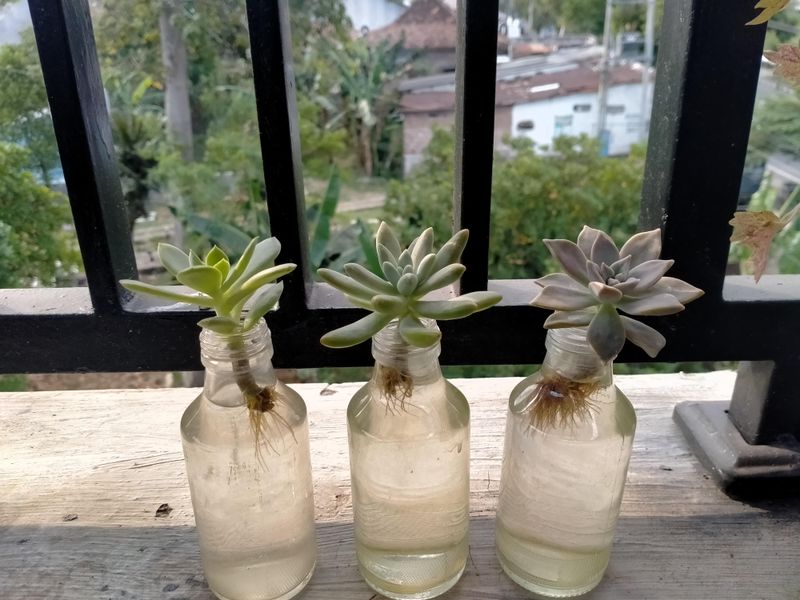
Succulents store water in their plump leaves, so rooting them in a glass feels a bit like a plot twist. I wouldn’t necessarily call water the easiest method for them, but it works with extra care.
UC Marin Master Gardeners note that succulent cuttings can be taken in fall, as well as spring and summer. Skip the invasive ice plant, though, because Carpobrotus edulis crowds out native plants along the California coast.
Snip a two to four inch piece from a healthy stem, keeping one or two leaves near the top. Pull off a few lower leaves to expose bare stem, or gently twist off a single plump leaf instead.
Now comes the step people love to skip, which is letting the cut end dry for two or three days. That dry callus acts like a protective seal, and it greatly lowers the chance of rot in water.
Only the bottom half inch should touch the water, or you can let the tip hover just above it. A clear jar in a bright spot without direct sun keeps the cutting comfortable while it gets to work.
Change the water every few days or whenever it turns murky, and expect roots in four to six weeks. You might find it hard to believe, but slow progress is normal for these patient, water hoarding plants.
Once roots are visible and look sturdy, plant the cutting in a fast draining cactus and succulent mix. Water lightly at first, since the plant needs time to swap its water roots for tougher soil roots.
7. Fuchsia
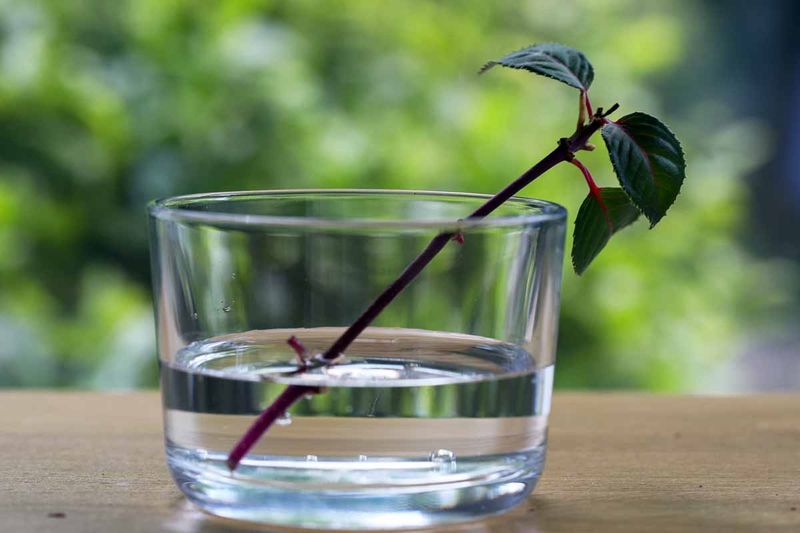
Fuchsia flowers dangle like tiny ballerinas in twirling skirts, and hummingbirds seem to visit them all day long. I can see why so many gardeners want extra plants tucked away safely before the cold months arrive.
Fuchsias bloom from midsummer until frost in many gardens, and coastal plants often keep flowering into fall. Those soft, green new shoots are the ones you want for rooting, not the tough woody sections.
Take cuttings four to eight inches long and make a clean cut just below a leaf node. Remove every leaf except the top two, and pinch off any flowers or buds hanging from the stem.
Here’s what caught my attention while researching, because fuchsia gall mites are a real pest in California. Skip any stem with twisted or swollen tips, so you avoid spreading these tiny pests to new plants.
Set the cuttings in a clean glass so about one third of each stem sits underwater. Keep the leaves above the waterline, and park the glass somewhere with bright but indirect light.
Change the water every few days, and watch for the first roots within a week or two. Strong root systems can take up to two months, so a slow start is nothing to worry about.
Once the roots measure about an inch, move each cutting into its own pot of seed starting mix. Keep the young plants in filtered light, and by spring they should be ready to dangle from baskets.
8. Mint
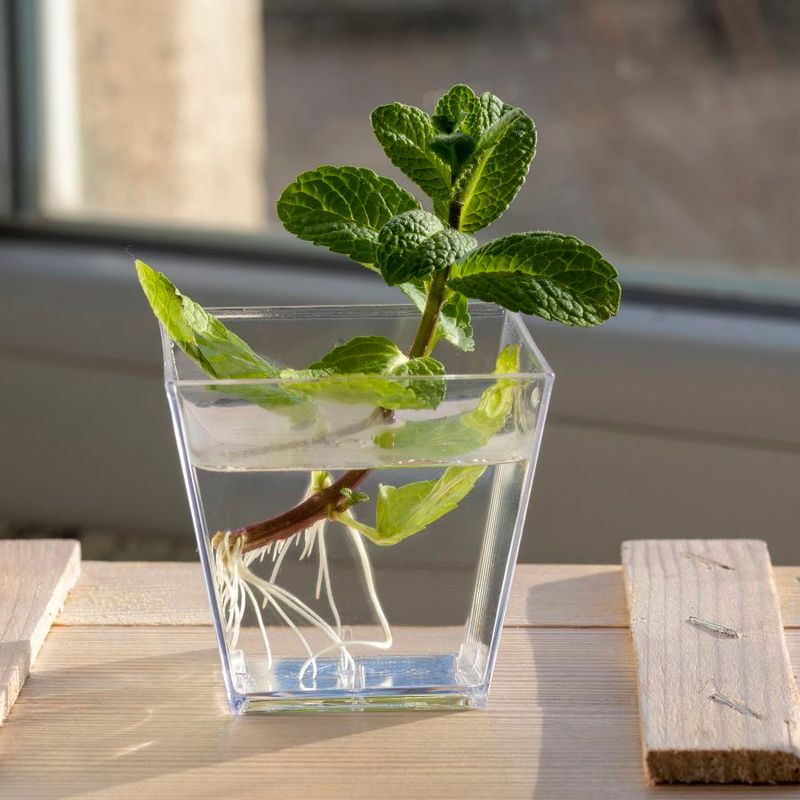
Mint roots so eagerly that some gardeners spot tiny roots in a jar within three days. Honestly, it feels like cheating, and I’m a big fan of any plant that makes me look this talented.
Peppermint and spearmint both root easily, and their cool scent fills the kitchen whenever you brush past the glass. Fresh leaves on the counter mean easy tea and garnishes even after outdoor plants slow down for winter.
Take three to six inch cuttings from soft, bendable stems, and strip the lower leaves so none sit underwater. Shorter pieces often work better, since they root without wasting energy and are less likely to rot.
A tall, narrow glass holds the stems upright, and shallow water is plenty for these quick growers. Keep it warm and bright, but avoid harsh direct sun because it encourages slimy green algae in the water.
Change the water every few days, and you will likely see roots within three to ten days. Once they reach an inch and show small side branches, the cuttings are ready for a light potting mix.
Some gardeners skip the soil and keep mint growing in water for a steady supply of fresh leaves. That trick works surprisingly well on a sunny counter, as long as the water stays clean.
You might want to think twice about planting rooted mint straight into a garden bed, though. Its runners spread fast underground, so a pot or container keeps it from taking over your other plants.