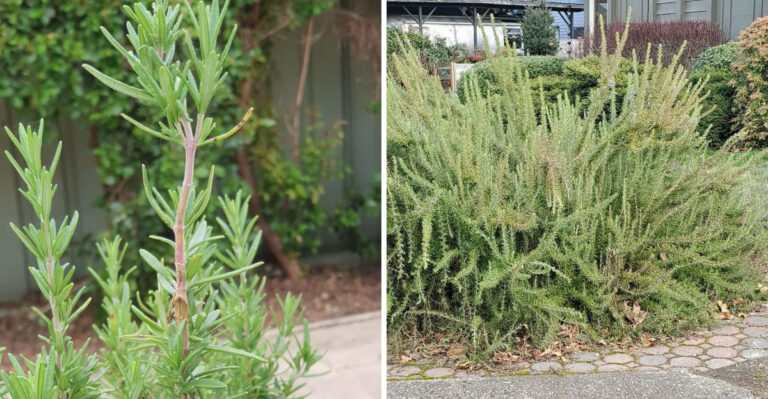
September Garden Tasks Every North Carolina Yard Needs
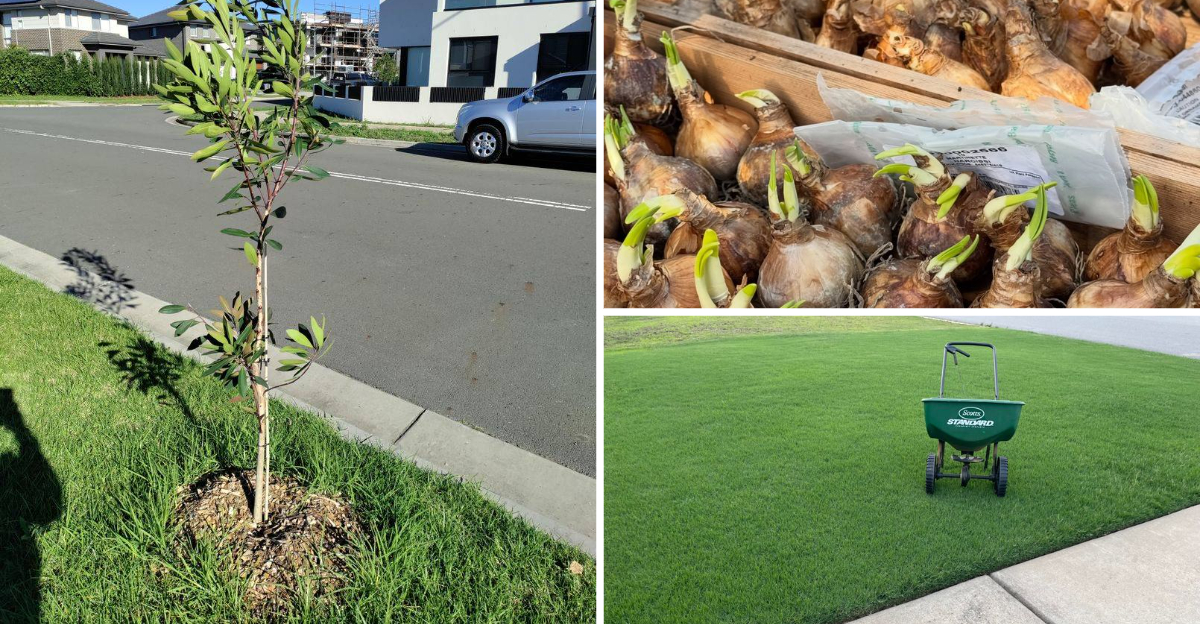
The air over the Carolinas finally loosens its grip in September. Mornings smell like damp pine straw instead of hot asphalt.
Something shifts underground too, even if the yard still looks tired and sunbaked. Roots wake up while the leaves are busy pretending summer is not over.
That quiet window is short, and it rewards gardeners who pay attention. Skip it, and spring arrives with more weeds and thinner grass than you hoped for.
From Asheville clay to Piedmont red dirt to sandy soil near the coast, this month asks for a handful of specific chores. None of them take a whole weekend, and each one pays you back twice over.
Here are eight jobs worth putting on your September calendar.
1. Seed Cool-Season Grass While Soil Stays Warm
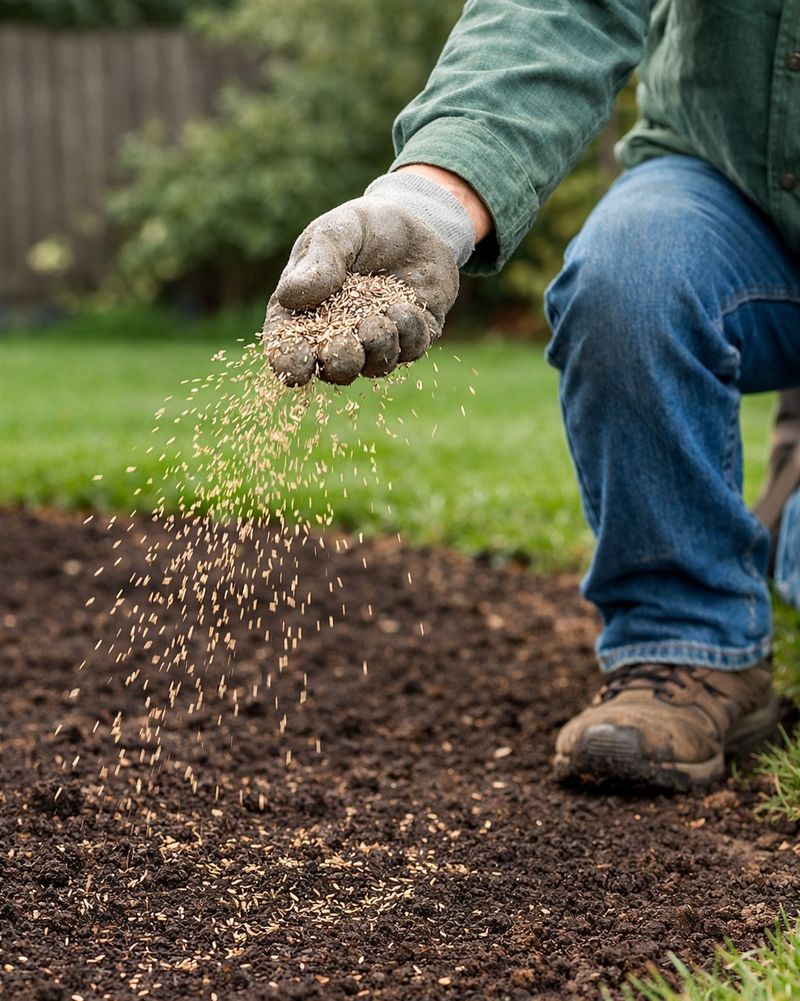
Ask any lawn crew in Raleigh or Greensboro when they overseed, and they will point straight at the calendar between mid-September and mid-October. That timing is not tradition, it is science.
Tall fescue, the workhorse grass across most of North Carolina, germinates best when soil sits around 60 to 75 degrees. September gives you warm soil plus cooler air, which is exactly the combination young grass wants.
Start by mowing lower than usual, around two inches, and bagging the clippings. Then rake or core aerate so seed touches actual dirt instead of resting on thatch.
For a thin lawn, spread about four to six pounds of seed per 1,000 square feet. Bare patches need closer to eight pounds, worked into loosened soil.
Water lightly two or three times a day for the first two weeks. Short, frequent watering keeps the seed surface damp without washing seed into the street.
Skip weed-and-feed products right now. Most pre-emergent herbicides treat your new grass seed the same way they treat crabgrass, and nothing sprouts.
Bermuda and zoysia lawns in the sandhills and coastal plain play by different rules. Those warm-season grasses go dormant soon, so leave the seed bag closed and simply keep mowing until growth slows.
Fun bit of history: tall fescue arrived in American lawns from a Kentucky hillside in the 1930s, and it spread across the Southeast because it tolerates both drought and clay better than almost anything else available.
2. Plant Fall Vegetables Before The First Cool Snap
Collards taste better after a frost, which is one of the friendlier tricks Southern gardening plays on us. Sugars concentrate in the leaves when temperatures dip, turning something bitter into something sweet.
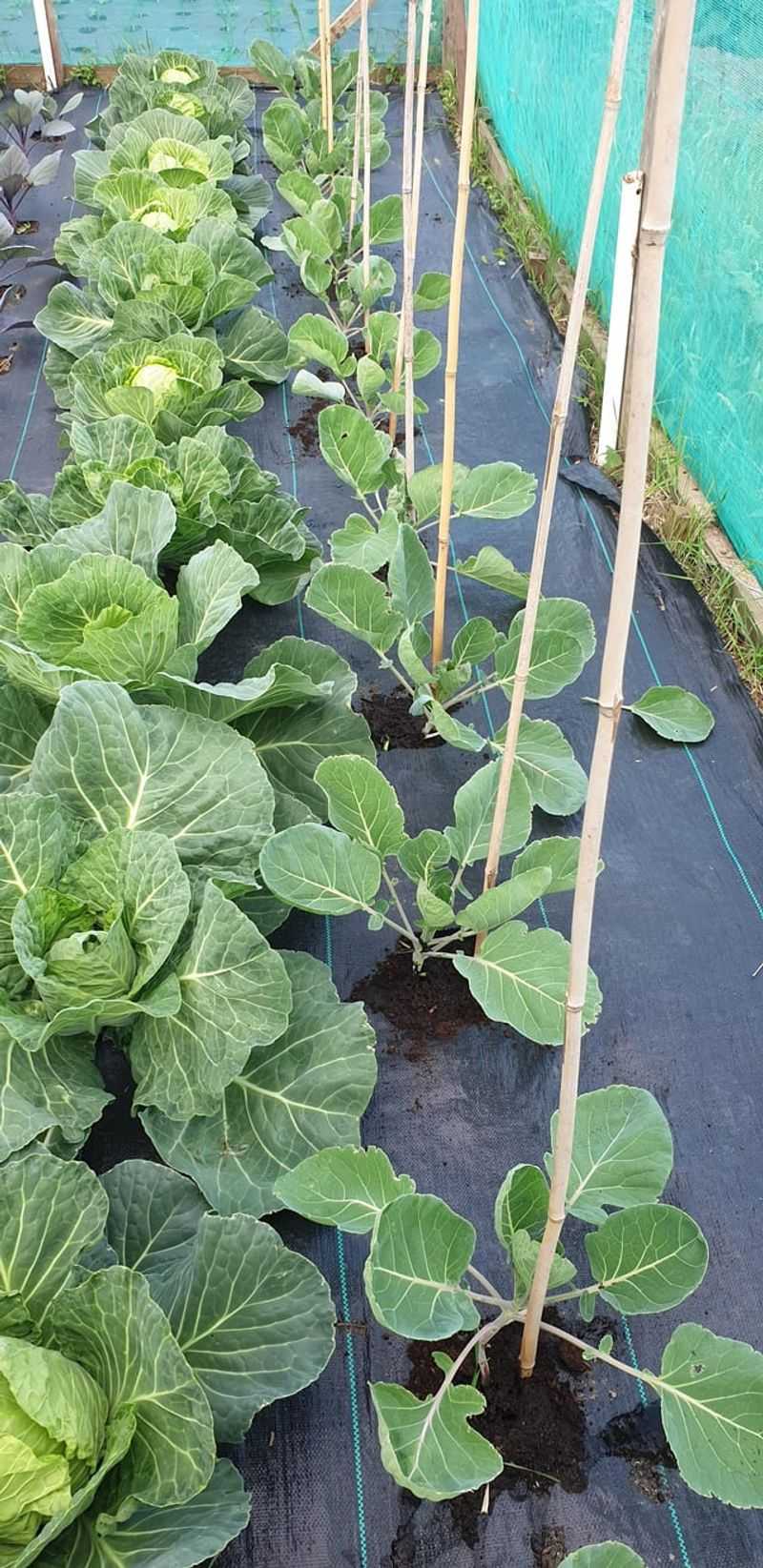
September is planting month for that payoff. Across the Piedmont, gardeners set out transplants of collards, kale, cabbage, broccoli, and Brussels sprouts during the first two weeks.
Direct-seed the fast crops right alongside them. Spinach, turnips, radishes, mustard, arugula, and leaf lettuce all sprout happily in warm September soil and mature before hard cold arrives.
Coastal gardeners near Wilmington get an extra couple of weeks of wiggle room. Mountain gardeners around Boone should have finished transplants in August, so stick to quick greens and radishes instead.
Work an inch of compost into the bed before planting. Fall crops feed heavily on nitrogen, so a light side-dressing three weeks after planting keeps leaves tender.
Watch for cabbage worms, those velvety green caterpillars that chew ragged holes in brassica leaves. A spray of Bacillus thuringiensis handles them without bothering pollinators.
Shade cloth helps too. Newly set transplants wilt fast in a 90-degree September afternoon, and a temporary cover cuts transplant shock considerably.
One more idea worth trying: tuck garlic cloves into a corner bed now, and you will harvest fat bulbs next June. Softneck varieties suit our warm winters better than the hardneck types sold up north.
Label your rows. By December you will not remember which green is which.
3. Feed Fescue Lawns With The Right Fertilizer
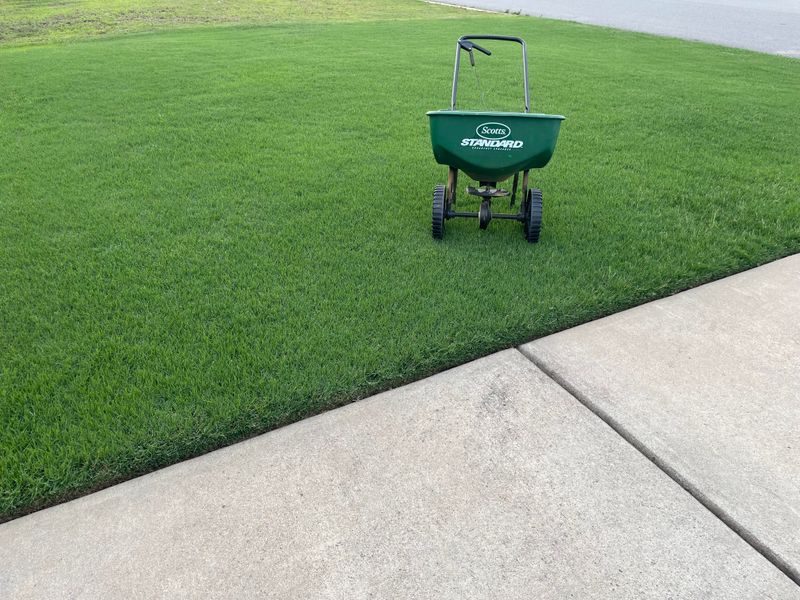
Here is a number that surprises people: fescue lawns in North Carolina get most of their yearly nutrition in fall, not spring. Roots do their heaviest growing while the top of the plant slows down.
September marks the first of three feedings. Apply roughly one pound of actual nitrogen per 1,000 square feet, then repeat in November and again in late February.
Read the bag math instead of guessing. A fertilizer labeled 30-0-4 needs about three pounds of product to deliver that one pound of nitrogen.
North Carolina banned phosphorus in most lawn fertilizers for good reason, since runoff feeds algae in our rivers and sounds. Unless a soil test says otherwise, choose a phosphorus-free blend.
Speaking of soil tests, the NC Department of Agriculture processes them free from April through November. Mail a sample from a few spots in your yard to see if lime is needed, which is common in acidic Piedmont clay.
Spread fertilizer on dry grass, then water it in. Granules sitting on wet blades can scorch leaf tips.
Sweep any stray product off driveways and sidewalks back onto the lawn. Those bits wash into storm drains otherwise.
Warm-season lawns need the opposite treatment. Fertilizing bermuda or centipede now pushes tender growth right as dormancy approaches, which invites winter damage and disease.
Calibrate your spreader on a tarp if you have never done it. Ten minutes of testing beats a season of stripes and burned patches.
4. Divide Crowded Perennials For Free Plants
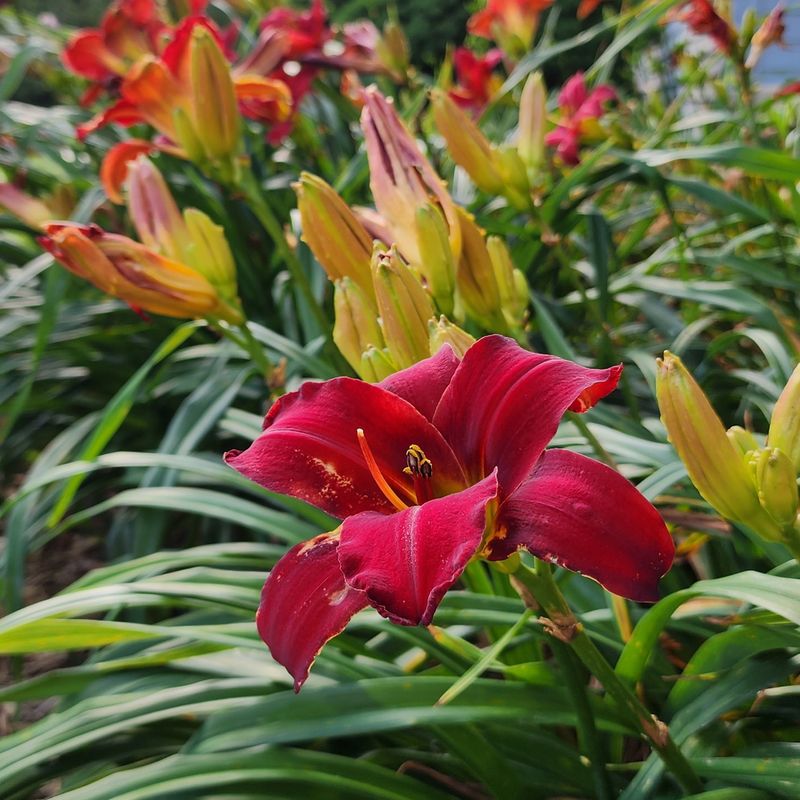
Every gardener eventually meets the daylily clump that has quietly taken over half a bed. September hands you a solution and a bonus, because dividing crowded perennials multiplies your plants at zero cost.
Cooler soil plus reliable fall rain means divisions settle in with far less stress than they would in June. Roots keep growing here until soil temperatures drop below about 40 degrees, which in most of the state does not happen until December.
Good candidates include daylilies, hostas, iris, black-eyed Susan, coneflower, phlox, and Shasta daisy. Peonies also prefer fall division, though they sulk for a year afterward.
Water the clump the day before you dig. Hydrated roots break apart more cleanly.
Lift the whole plant with a spade, then pull or slice it into sections with at least three healthy shoots each. Two garden forks pressed back to back work beautifully on tough clumps.
Replant at the same depth, water deeply, and mulch with two inches of pine straw or shredded leaves. Trim foliage back by half so the plant spends energy on roots rather than leaves.
Hold off on dividing spring bloomers like creeping phlox and candytuft until after they flower next year. Same goes for ornamental grasses, which do better split in early spring.
Leftover divisions make excellent gifts. Plant swaps happen all over the state in autumn, and a potted hosta buys plenty of goodwill.
5. Tackle Lawn Weeds That Sprout In Autumn
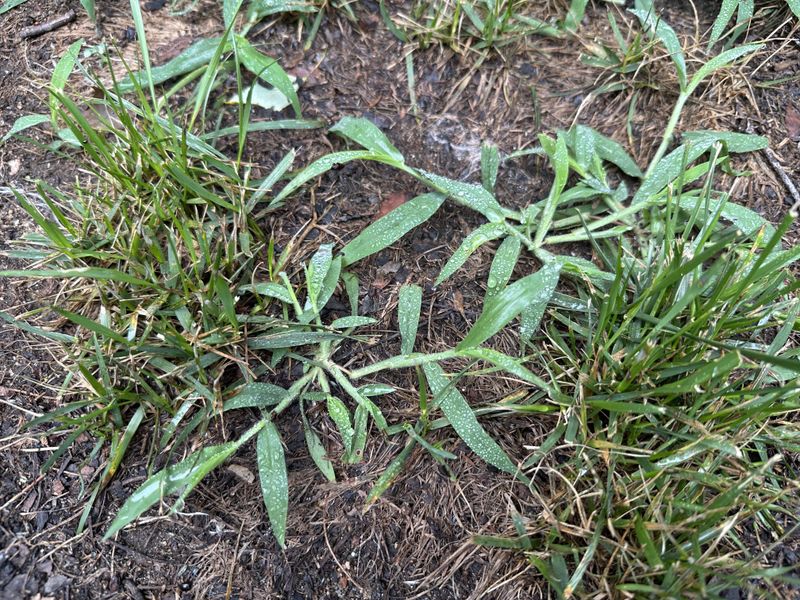
Most people tackle weeds in April. The smarter approach starts now, because chickweed, henbit, annual bluegrass, and wild garlic all germinate in fall and simply wait for spring to show off.
Timing depends on your plans for seeding grass this month. Pre-emergent herbicides block weed seeds and grass seeds equally, so pick one project or the other.
Not overseeding? A pre-emergent applied in mid to late September stops annual bluegrass, that pale clumpy grass that ruins lawns by March. Products containing prodiamine or dithiopyr work well on established fescue.
Planning to seed? Wait until your new grass has been mowed three or four times, then spot-treat broadleaf weeds with a post-emergent product in late October or November.
Hand-pulling still earns its keep in beds. September soil after rain releases dandelion and dock taproots far more willingly than baked August dirt.
Wild garlic and wild onion deserve special mention. Digging usually leaves behind tiny bulblets, so repeated fall treatments over two or three seasons give better results than one aggressive attempt.
Mulch is your quiet ally. Refreshing beds to a two-inch depth blocks light from reaching weed seeds sitting near the surface.
Read labels for temperature guidance. Many herbicides lose punch below 55 degrees, and others harm ornamentals if they drift, so calm mornings beat breezy afternoons.
Keep notes on what sprouted where. Next September you will know exactly which corner needs early attention.
6. Order And Plant Spring Flowering Bulbs
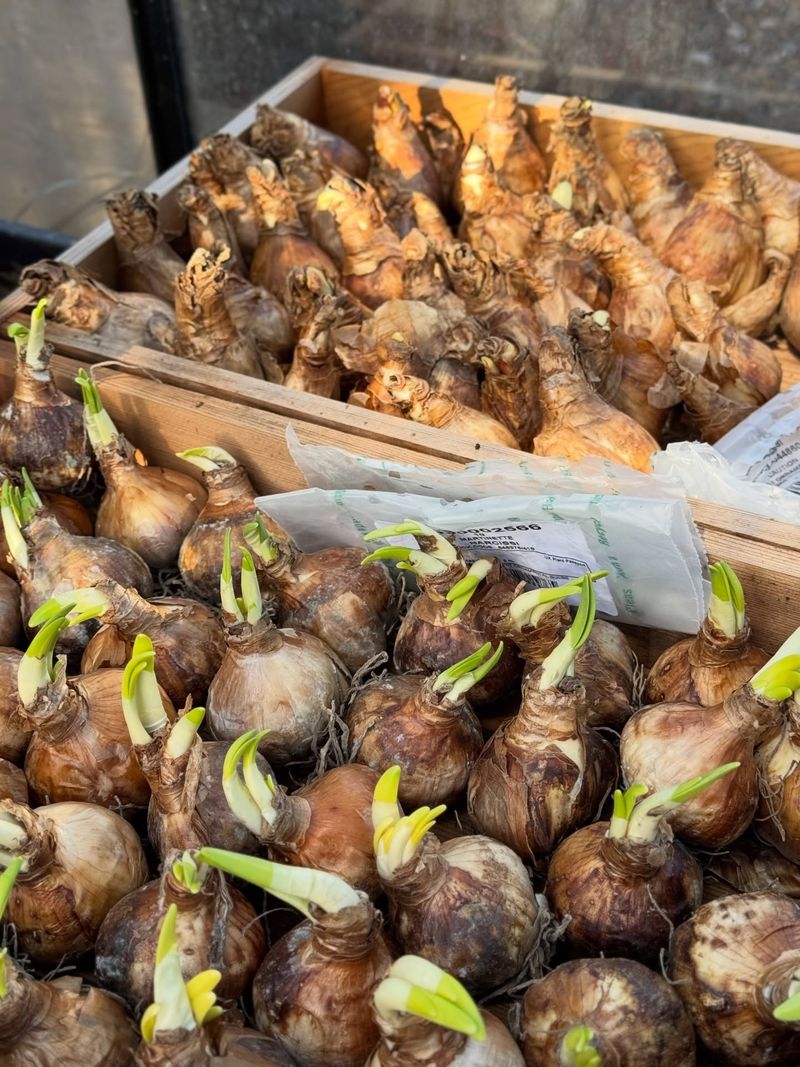
Daffodils naturalizing along an old farm road in Chatham County are usually the work of someone who planted them decades ago in autumn. That kind of long game starts with a September order.
Suppliers sell out of the best varieties early, so ordering now beats scrambling in November. Bulbs ship when your zone is ready for planting.
Actual planting waits a bit in North Carolina. Soil needs to cool to roughly 60 degrees, which usually means late October through November in the Piedmont, and October in the mountains.
Store bulbs in a cool, dry, dark spot until then. A paper bag in an unheated garage beats a warm closet.
Daffodils, snowdrops, muscari, and Spanish bluebells return year after year here. Tulips and hyacinths often bloom gorgeously once, then fade, since our winters rarely stay cold enough to satisfy them.
Gardeners who love tulips can chill bulbs in the refrigerator for six to eight weeks, then plant them as annuals. Keep them away from apples, which release ethylene gas that ruins flower buds.
Squirrels treat tulip bulbs as buried snacks. Daffodils contain compounds squirrels dislike, which explains why century-old plantings still bloom while tulips vanish.
Use September to prep the bed instead. Loosen soil ten inches deep, mix in compost, and mark where existing bulbs sleep so you do not slice through them later.
Sketch a simple map. Future you will appreciate it.
7. Clean Up Diseased Foliage And Garden Debris
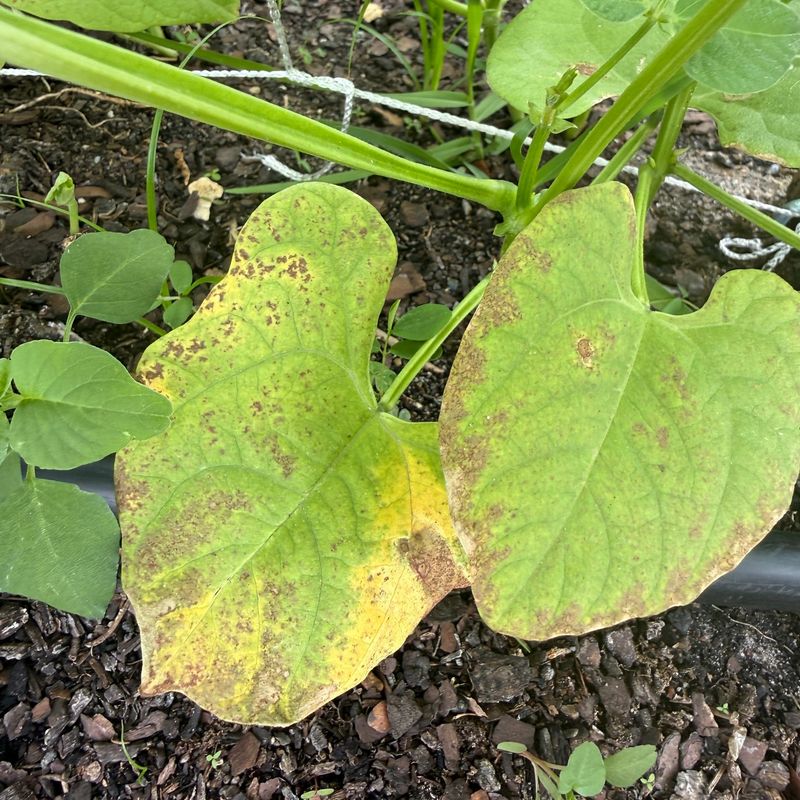
Humid Carolina summers leave a paper trail. Black spots on tomato leaves, powdery white film on squash vines, rusty freckles on rose canes, all of it holds spores that overwinter happily in your soil.
Clearing that material now interrupts the cycle. Fungal spores need host tissue to survive winter, and taking away the tissue takes away their lodging.
Pull spent tomato, squash, cucumber, and bean plants entirely, roots included. Bag heavily spotted foliage rather than composting it, since most backyard piles rarely get hot enough to neutralize pathogens.
Rake fallen rose leaves and hydrangea leaves showing spots. Black spot on roses reinfects from splashing rain hitting old leaves under the plant.
Clean your tools between beds with a wipe of isopropyl solution or a diluted bleach rinse. Pruners spread trouble faster than wind does.
Healthy stems and leaves can go on the compost pile as usual. Mixing them with grass clippings and shredded leaves speeds breakdown before spring.
Leave a few things standing on purpose. Coneflower and rudbeckia seed heads feed goldfinches through winter, and hollow perennial stems shelter native bees.
Empty pots deserve attention too. Scrub crusty terracotta and plastic containers now, and store them upside down so freezing water does not crack them.
Consider a cover crop where vegetables came out. Crimson clover or cereal rye sown in September protects bare soil from erosion and adds organic matter you can turn under in March.
8. Prepare Shrubs And Trees For Cooler Months
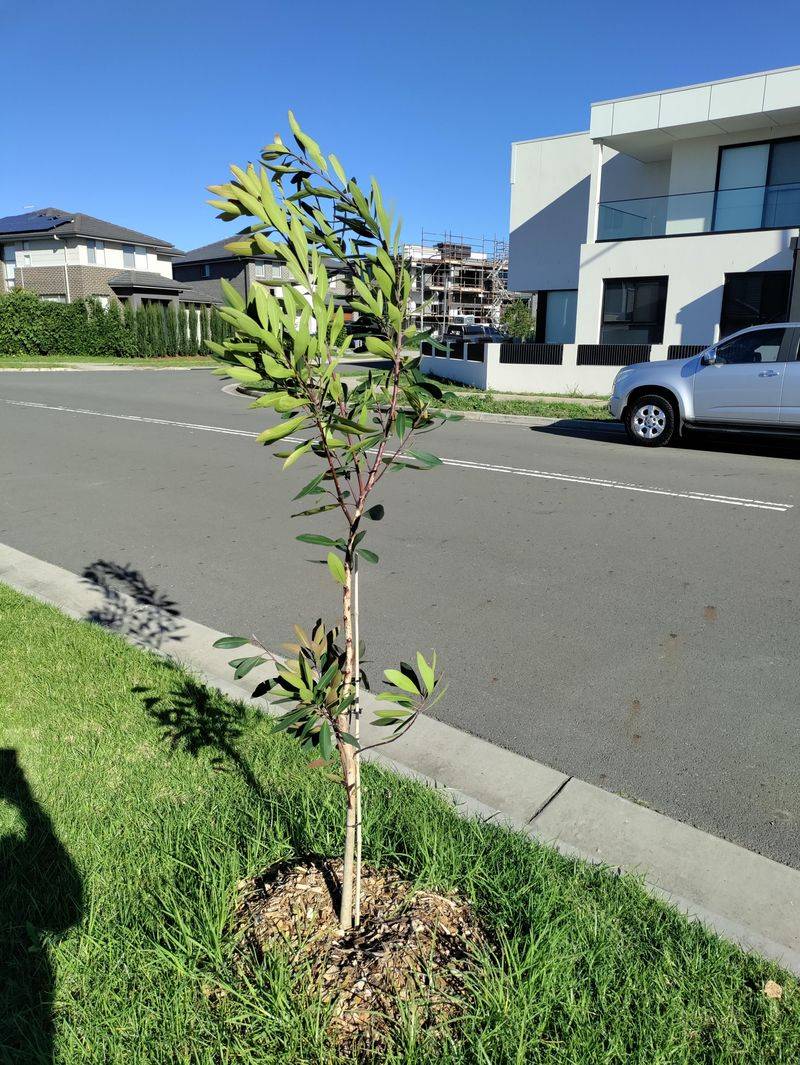
Shrubs give mixed signals in September. Growth slows above ground while roots quietly stretch out, and how you treat them now shapes how they handle January.
Water deeply, especially newly planted trees and anything installed within the past two years. One long soak per week beats daily sprinkles, since deep moisture encourages roots to follow it downward.
Put away the pruning shears for most woody plants. Cutting now triggers tender new shoots that cold weather damages easily.
Two exceptions apply. Broken or rubbing branches can come off anytime, and spring bloomers like azalea, forsythia, and camellia already set next year’s buds, so pruning them removes the show.
Refresh mulch to a two-inch to three-inch layer, keeping it pulled back from trunks. Mulch volcanoes piled against bark invite rot and give voles a hiding spot.
Hold off on fertilizing established shrubs until late winter. An exception exists for evergreens that looked yellow all summer, which may point to a soil pH problem worth testing.
September is actually prime planting season for trees and shrubs across the state. Roots establish through fall and winter, giving new plants a real head start over spring-planted stock.
Check stakes and ties on young trees. Ties left on too long girdle trunks, and most trees need support for only a single growing season.
Scout for scale insects and bagworms while foliage is still visible. Hand removal now saves spraying later.