What It Means When A Roseate Spoonbill Lands In Your Texas Gulf Coast Yard
A roseate spoonbill landing in your Texas Gulf Coast yard is one of those wildlife moments that makes you stop whatever you’re doing and stare.
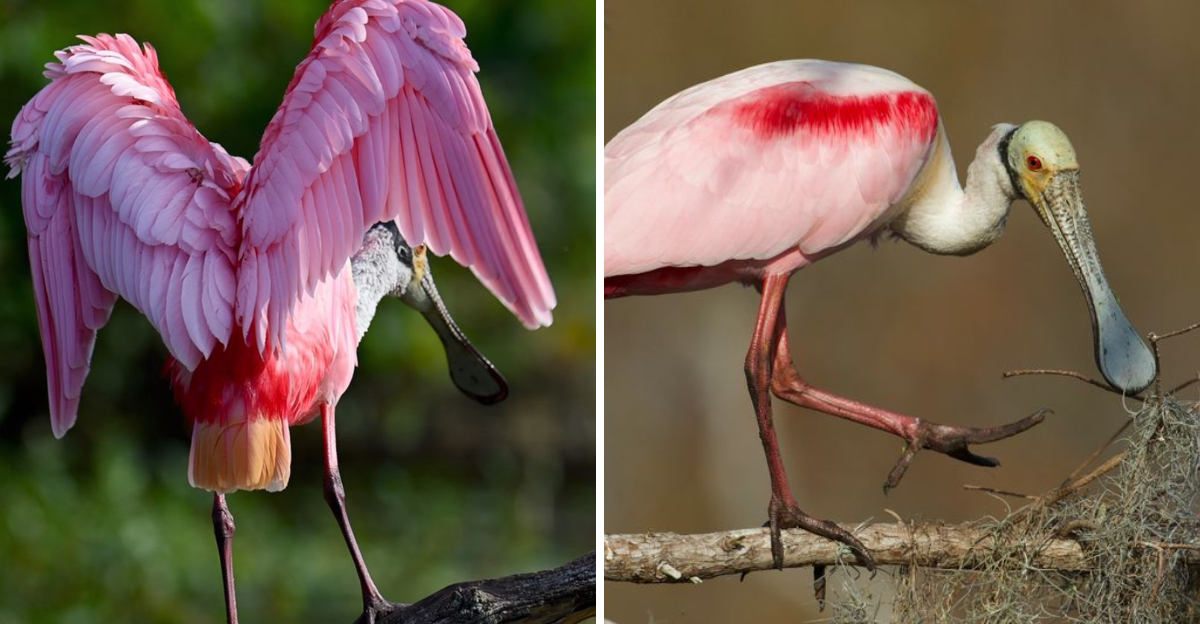
That extraordinary pink plumage, the spatula shaped bill, the sheer unexpectedness of something so tropical looking settling into your yard as if it belongs there.
Most people who experience it reach for their phone before they’ve fully processed what they’re looking at. And then the wondering starts.
Roseate spoonbills don’t appear randomly. Their presence along the Texas Gulf Coast is connected to very specific environmental conditions, and a spoonbill choosing your yard as a landing spot tells you something real about the habitat and water conditions your property is providing or that exist nearby.
Here’s what a roseate spoonbill landing in your Texas Gulf Coast yard really means.
1. Your Yard Is Near Suitable Wetland Habitat
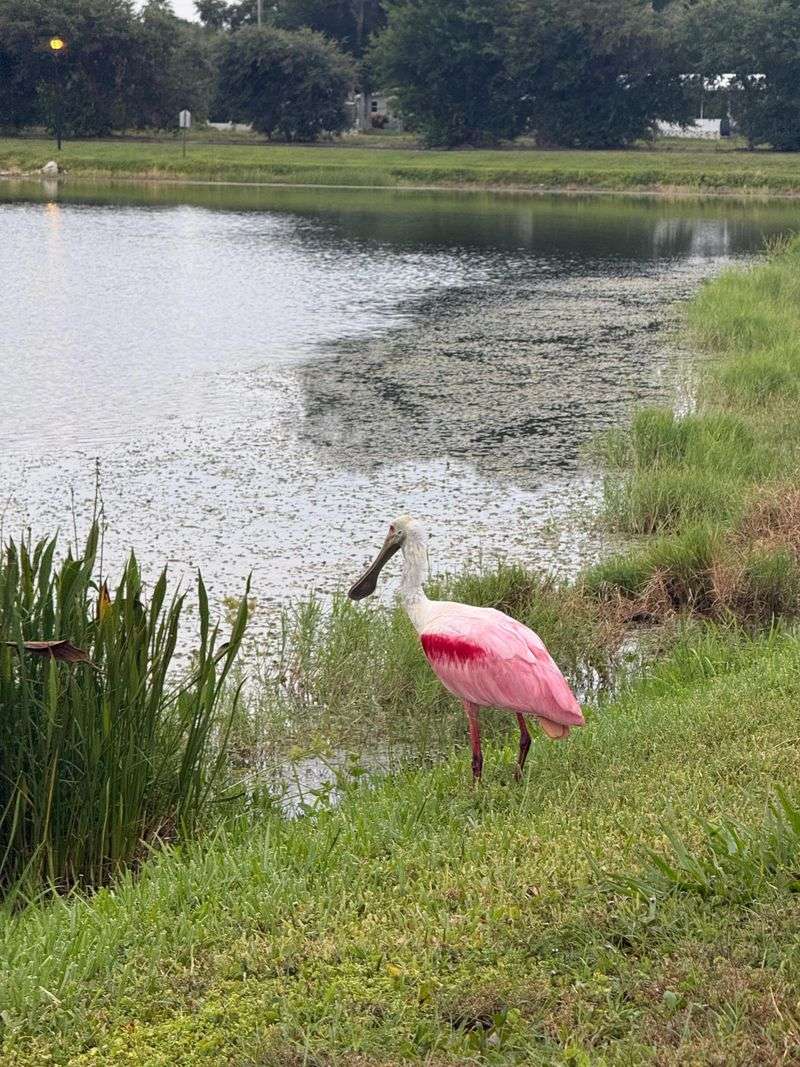
Location plays a huge role in why a spoonbill might drop by. If your home sits close to coastal marshes, ponds, or shallow wetlands, you live right along the paths these birds travel. A yard near water is basically part of their neighborhood too.
Roseate spoonbills depend on wet, low areas where they can wade and search for food. When your property connects to a marsh, bayou, or drainage system, the spoonbill sees it as a natural extension of its home range.
Even a small pond down the street can link your yard to a bigger web of wetlands. Birds move between these spots all the time, following water and cover. Your yard just happens to sit in the middle of their travel route.
Along the Texas Gulf Coast, wetland habitat stretches for miles. Neighborhoods built near estuaries or tidal flats often get surprise wildlife guests. A spoonbill landing there is a sign that nature is still thriving nearby.
Take pride in living close to such rich habitat. It means your area supports many kinds of birds, fish, and plants. Protecting local water sources helps keep these visits happening for years to come.
If you enjoy seeing wildlife, learn about the wetlands around your community. Knowing where the nearest marsh or pond sits helps explain why spoonbills wander through.
Your yard is simply one stop in a much larger natural landscape that these graceful pink birds call home.
2. There Is Food Nearby
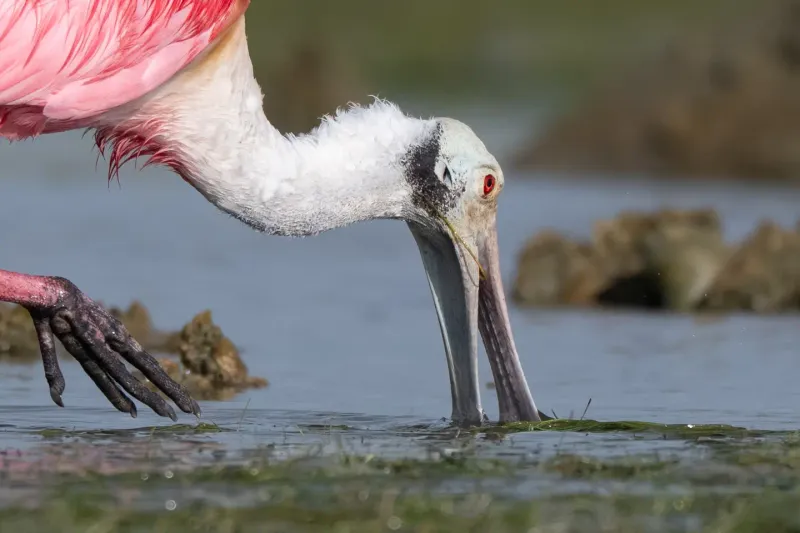
Hunger often leads a spoonbill straight to your area. These birds feed in shallow water by swishing their wide bills side to side, snapping up small fish, shrimp, insects, and tiny water creatures. If food is close, they will come.
A yard with a wet ditch, a shallow pond, or a flooded patch of grass can hold the little critters spoonbills love. Even a temporary puddle after heavy rain might attract small prey. The bird notices this and stops to hunt.
Nearby wetlands act like a buffet for spoonbills. When feeding grounds are just around the corner, the birds spread out and explore new spots, including residential areas. Your yard could be right next to their favorite dining zone.
Your Texas Garden Changes Every Week. Your Plan Should Too.
Gardening in Texas changes quickly throughout the season. Every Friday you’ll receive a simple weekly plan showing exactly what to plant, prune, fertilize, harvest, and protect so you never miss the right timing.
Their unique bill has tiny sensors inside. As the spoonbill sweeps it through the water, it feels for movement and snaps shut fast. This clever tool lets them eat even in muddy or cloudy water where they cannot see well.
Watching a spoonbill feed is a real treat. You might see it wading slowly, head down, bill swaying back and forth. That steady rhythm means it has found a spot worth searching.
Keeping natural water features healthy helps feed these birds. Avoid dumping chemicals or trash that could harm the small creatures spoonbills depend on. Clean water means more food, and more food means more visits.
If a spoonbill keeps returning, chances are your area offers a reliable meal. That is a good sign your local water is full of life and doing its job as a natural food source.
3. The Bird Is Using Your Yard As A Temporary Stop
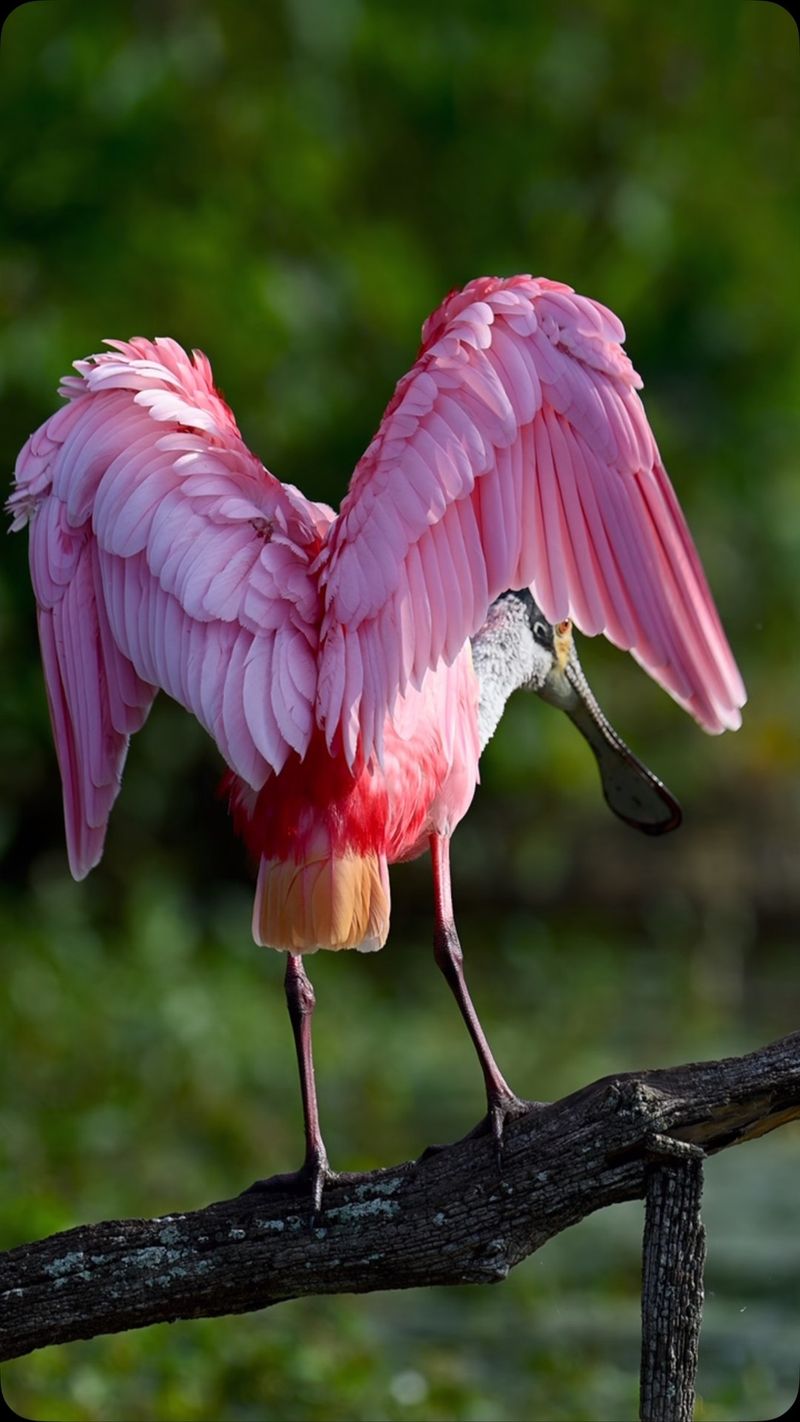
Don’t get too attached just yet. A spoonbill landing in your yard usually means it is taking a short break, not moving in for good. These birds travel between feeding and resting areas all day long.
Think of your yard as a rest stop on a busy highway. The spoonbill pauses to catch its breath, preen its feathers, or wait out the heat before continuing on. Once it feels ready, it lifts off and heads to the next spot.
Resting matters for birds that fly and wade for hours. A quiet, safe yard gives them a chance to relax without predators or crowds bothering them. Your space simply offered a peaceful pause.
Sometimes a spoonbill stays just a few minutes. Other times it might linger for part of an afternoon, especially if there is water or shade. Either way, it is passing through rather than settling down.
This traveling habit is normal and healthy. Spoonbills roam wide areas along the coast, adjusting to where water and food are best each day. Your yard is one small piece of that daily journey.
Enjoy the visit while it lasts. Snap a quiet photo from a distance and let the bird do its thing. There is no need to build a nest or set out food to make it stay.
If the spoonbill leaves quickly, that is perfectly fine. It means the bird is following its natural instincts and finding what it needs across a large, healthy landscape. Being a brief host to such a beautiful visitor is still something special worth remembering.
4. Seasonal Movement May Bring Spoonbills Closer
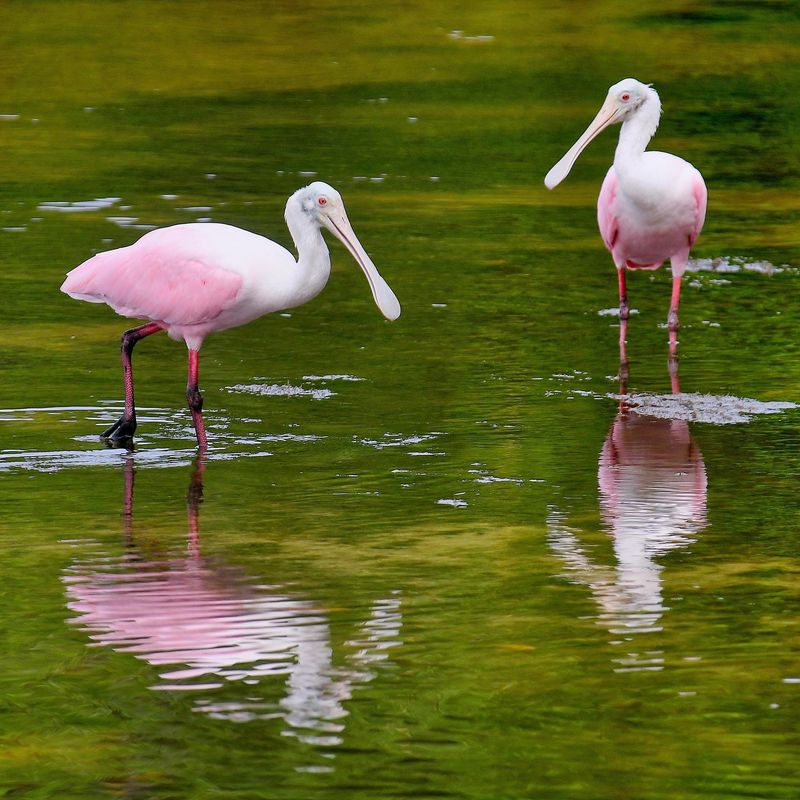
Time of year makes a big difference. As seasons shift, roseate spoonbills change where they feed, rest, and gather.
These movements can push them closer to neighborhoods where you might not usually see them.
During warmer months, spoonbills often spread out along the Texas Gulf Coast. After nesting, young and adult birds explore new areas in search of good feeding spots. That wandering can bring one right into your yard.
Water levels also shift with the seasons. Heavy rains flood some areas while dry spells shrink others.
When their usual spots change, spoonbills follow the water, sometimes landing in places they rarely visit.
Weather patterns like storms or cold fronts can shuffle birds around too. A sudden change might send spoonbills looking for calmer, safer ground. Your yard could become a handy option during these times.
Knowing the seasonal rhythm helps you predict sightings. Late summer and early fall often bring more roaming birds as families break apart and search for food. Keep your eyes open during these busy stretches.
Seasonal visits remind us how connected wildlife is to the natural calendar. Birds move with the changing world, always adjusting to find what they need. Spotting a spoonbill in a new season shows nature in motion.
If you notice more birds during certain months, jot down the dates. Over time you may see a pattern that helps you expect visits. That kind of backyard science makes watching wildlife even more fun.
Each season paints a slightly different picture, and a surprise spoonbill is one of the most colorful surprises the Texas coast can offer.
5. Your Property May Offer Water Or Shelter
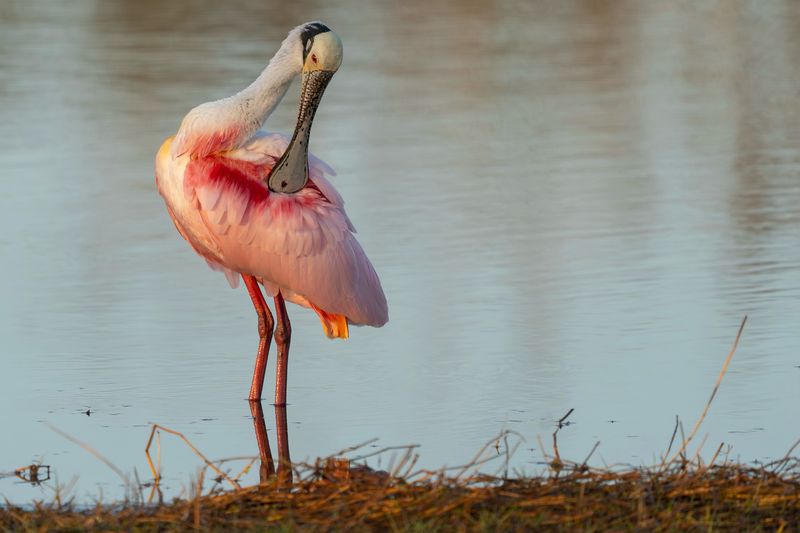
Your yard might have exactly what a spoonbill is looking for. A larger pond, flooded area, or other shallow wetland may provide feeding or resting opportunities. Water is the key that draws them in.
Spoonbills live and feed in shallow water, so any wet spot feels inviting. If your property holds water after rain or sits near a low, marshy area, it becomes a natural magnet for these pink visitors.
Shelter counts too. Tall grasses, shrubs, or shady trees give birds a safe place to hide and rest. A yard that offers both water and cover is like a cozy little refuge for a traveling spoonbill.
Some homeowners create small ponds or leave natural wet areas alone. These features help many kinds of wildlife, not just spoonbills. Frogs, dragonflies, and other birds enjoy them as well.
You do not need a fancy setup to attract wildlife. Even a simple low spot that collects rainwater can serve as a mini wetland. Nature often uses whatever is available.
Keeping these areas clean and free of chemicals makes them safer for visitors. Healthy water supports the small creatures spoonbills eat, turning your yard into a helpful stop along their route.
If you want more sightings, consider protecting any natural wet spots you have. Avoid draining them or filling them in without thought. These little pockets of water do a lot of good.
A welcoming yard with water and shelter shows you are helping local wildlife thrive, and a spoonbill’s visit is a bright reward for that effort.
6. It’s A Sign To Watch, Not Disturb
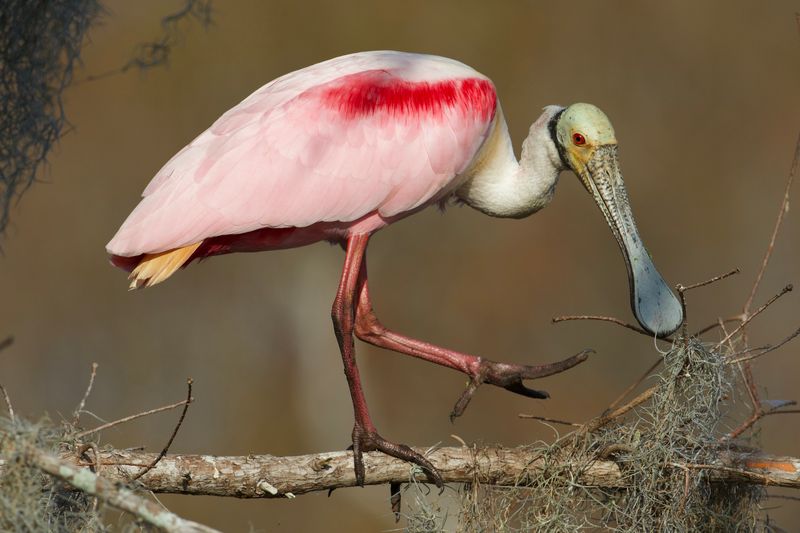
Here is the golden rule for any wild visitor: look, but don’t crowd. A spoonbill in your yard is a wonderful sighting, and the best thing you can do is give it plenty of room to feel safe.
Getting too close can scare the bird and waste its energy. Chasing it, waving arms, or trying to pet it may cause it to fly off in a panic. Calm and quiet is always the way to go.
Feeding a spoonbill is also a bad idea. Human food is not good for wild birds and can make them sick or too dependent on people. Let the spoonbill find its own natural meals.
Grab your camera or binoculars instead. Watching from a window or a spot far away lets you enjoy the bird without stressing it.
You will see more natural behavior when the bird feels relaxed. Keep pets indoors during the visit. Curious dogs or cats can frighten or harm wildlife. A little caution keeps everyone, including the spoonbill, out of trouble.
Respecting wildlife helps protect it for the future. When we let birds come and go freely, they keep visiting healthy areas like yours. Good habits today mean more sightings tomorrow.
Remember that spoonbills are protected birds. Bothering them is not only unkind but often against the law. Simply admiring them from afar is the smart and caring choice.
Treat the visit as a gift from nature. Enjoy the flash of pink, watch quietly, and let the bird leave whenever it wants. That respect makes you a true friend to Gulf Coast wildlife.