Stop These Sneaky Fall Weeds Now Before They Return Next Spring
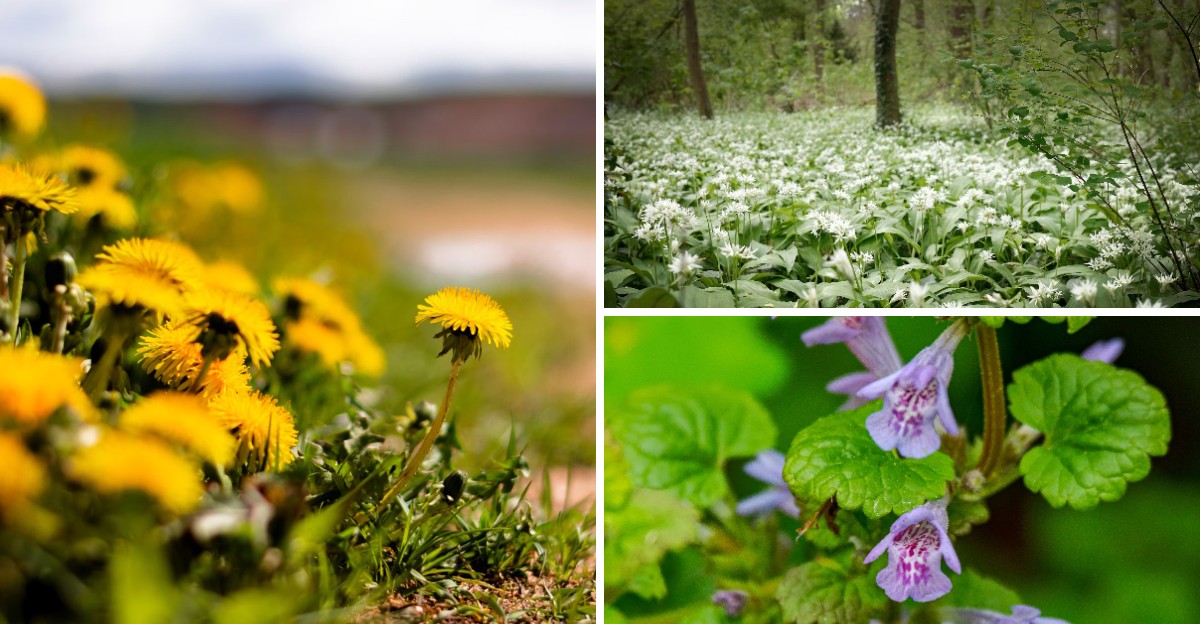
Right now, weeds you cannot see are quietly settling into your garden beds. Henbit, chickweed, and hairy bittercress germinate in your cooling soil this month.
They grow flat against the ground, so your mower glides right over them. Frost slows them only slightly, and they photosynthesize on mild afternoons you spend indoors.
By March, hairy bittercress pods pop open, tossing seeds a few feet across your beds. Chickweed can flower and drop seed within weeks, long before your tulips bloom.
Overlook them now, and your soil stores their seeds for many years. Timing favors you during these early fall weeks. Seedlings sit shallow, so a light pass with your hoe lifts them out.
Hold off until spring, and you’ll find established roots and plants already scattering seed. Here is how you spot them, pull them, and outsmart them this week.
1. Henbit Sneaks In Wearing Tiny Purple Hoods
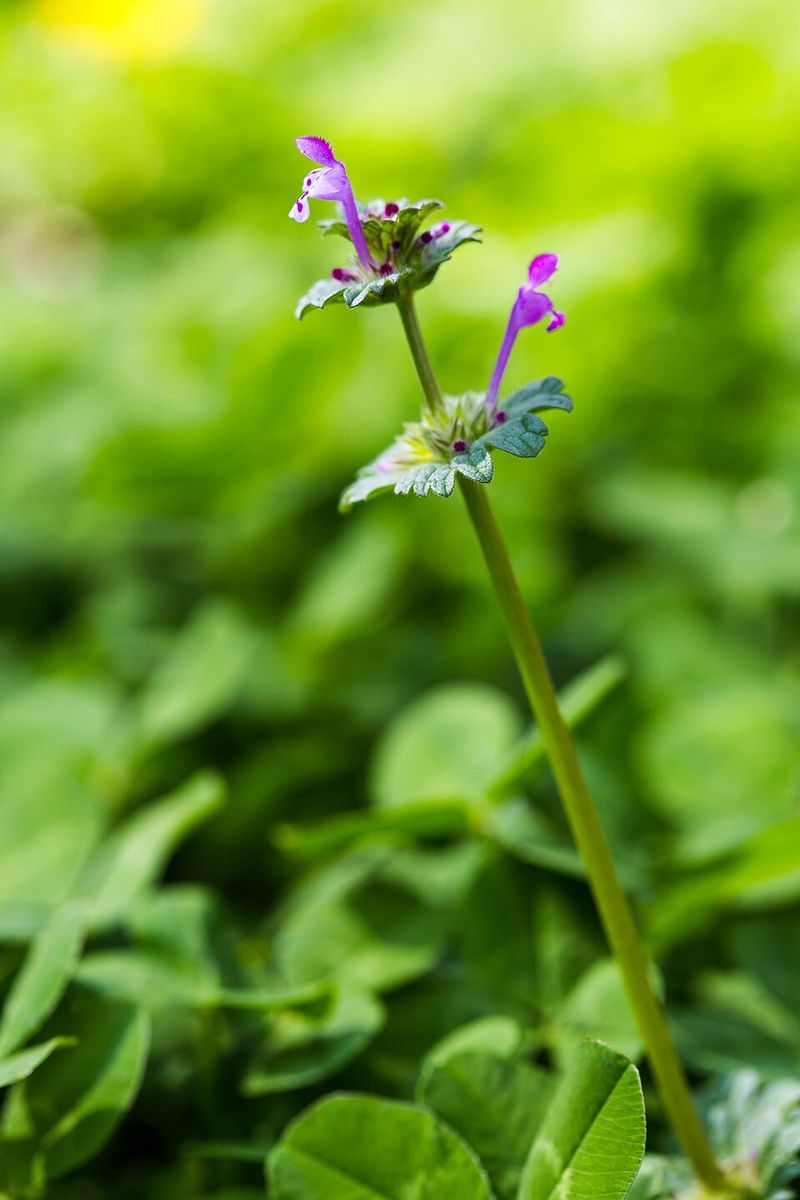
Picture a tiny purple hood popping up between your mums, looking sweet and harmless. Henbit counts on that cute disguise to sneak into beds and lawns every September.
A true winter annual, it sprouts when soil cools in early fall, then rests through the cold. By March, it bursts into bloom and drops hundreds of seeds for next year.
You can spot henbit by its square stems and scalloped, round leaves that hug the stem. The leaves grow in pairs, stacked like little green umbrellas climbing a tower.
Roll a stem between your fingers to double-check. If it feels boxy instead of round, you have found your purple culprit.
The best news is that henbit has shallow roots, so pulling works well on small patches. Grab plants after a rain, when damp soil lets the roots slide out easily.
For bigger areas, a sharp hoe skims young seedlings right off the surface. Work on a dry, sunny afternoon so the uprooted bits shrivel before they reroot.
Thick, healthy grass is your best defense against henbit because it blocks the light seeds need.
If you grow cool-season grass, overseed thin spots in September and mow a little higher to shade the soil. Skip pre-emergent products where you overseed, since most block new grass seed.
In garden beds, spread two to three inches of shredded leaves or bark mulch. That cozy blanket keeps sunlight away from the seeds waiting just below the surface.
Fun fact: bees love henbit flowers in early spring, so some gardeners leave a small patch alone. Just keep it away from your veggie rows and snip blooms before seeds form.
2. Common Chickweed Spreads Starry Mats Across Your Beds
Common chickweed can produce more than 2,000 seeds from a single plant in one season. Those seeds can wait in the soil for years, ready to wake up whenever you dig.
Some gardeners call it blanket weed because it spreads over beds like a knitted throw. The name fits, since one plant can stretch a foot or more.
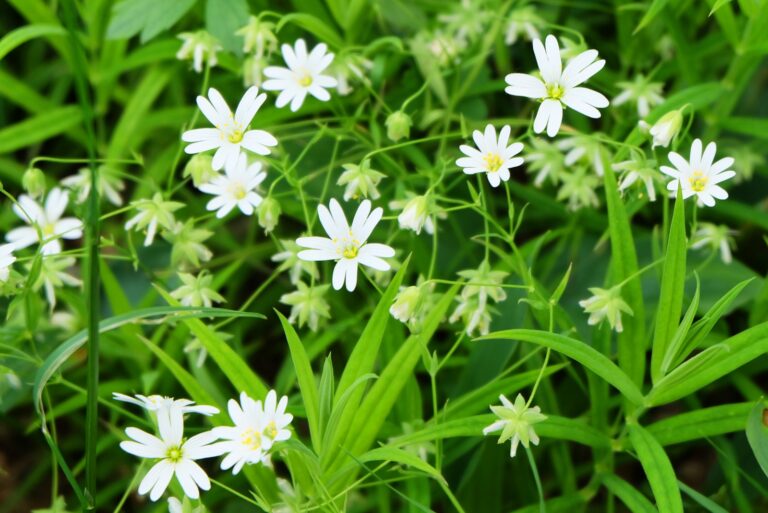
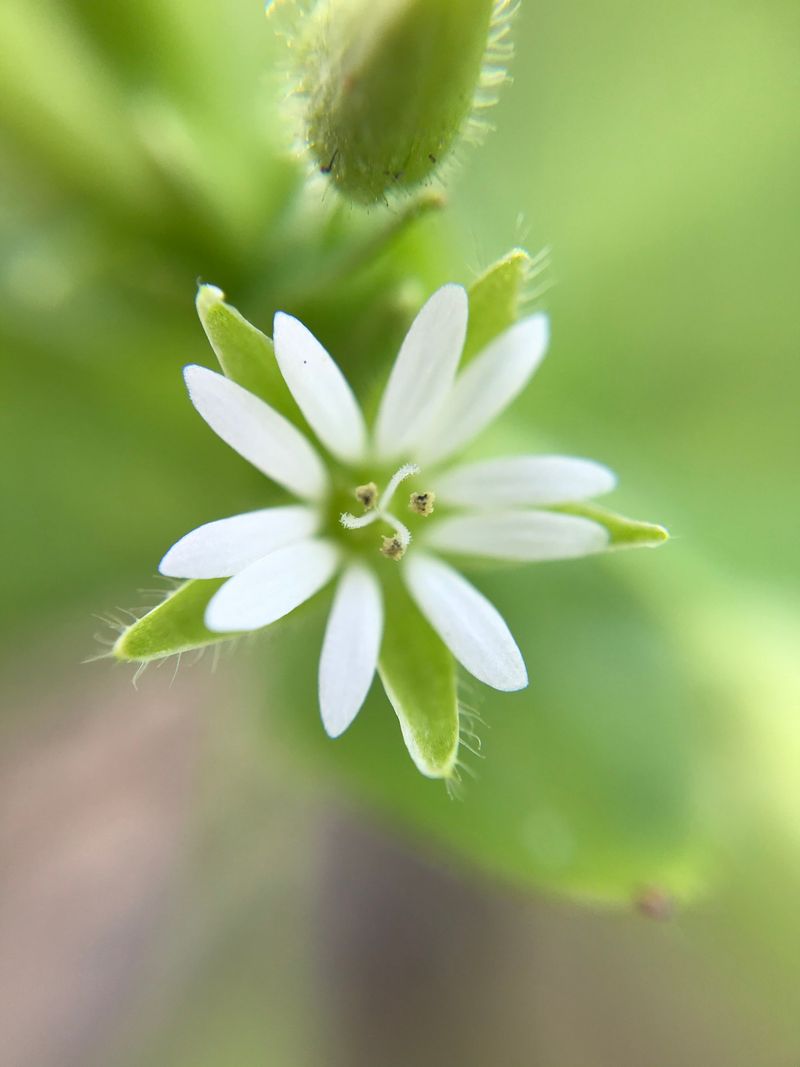
Look for small, bright green, egg-shaped leaves on thin, trailing stems. Tiny white flowers with five split petals look like little stars scattered across the green.
A single line of fine hairs runs down one side of each stem. Gardeners often use that quirky detail to tell it apart from look-alike plants.
Chickweed loves cool, moist, shady spots, which makes fall its favorite time to grow. It often hides under shrubs and along the edges of beds where you rarely look.
The easiest fix is to roll it up like a rug. Grab one edge of the mat, pull gently, and the shallow roots let go without much fuss.
Try to finish before the plants flower, since seeds can form within a few weeks. Toss the pulled mats in the trash rather than a cool compost pile.
Improve drainage in soggy spots by mixing in compost or raising the bed a few inches. Chickweed struggles when the soil dries out quickly after a rain. Here is a sweet bonus: chickweed is edible and tastes a bit like fresh corn silk.
Confirm the ID first, since look-alikes such as scarlet pimpernel are toxic, and be sure nobody sprayed it before you toss a handful into your salad.
3. Hairy Bittercress Slings Seeds At The Slightest Touch
Ever brushed past a tiny weed and felt something ping against your ankle? Hairy bittercress just fired its seeds at you, and it is not even sorry.
Its skinny seed pods burst open when touched, flinging seeds up to several feet away. One plant can launch thousands, turning a small problem into a big one fast.
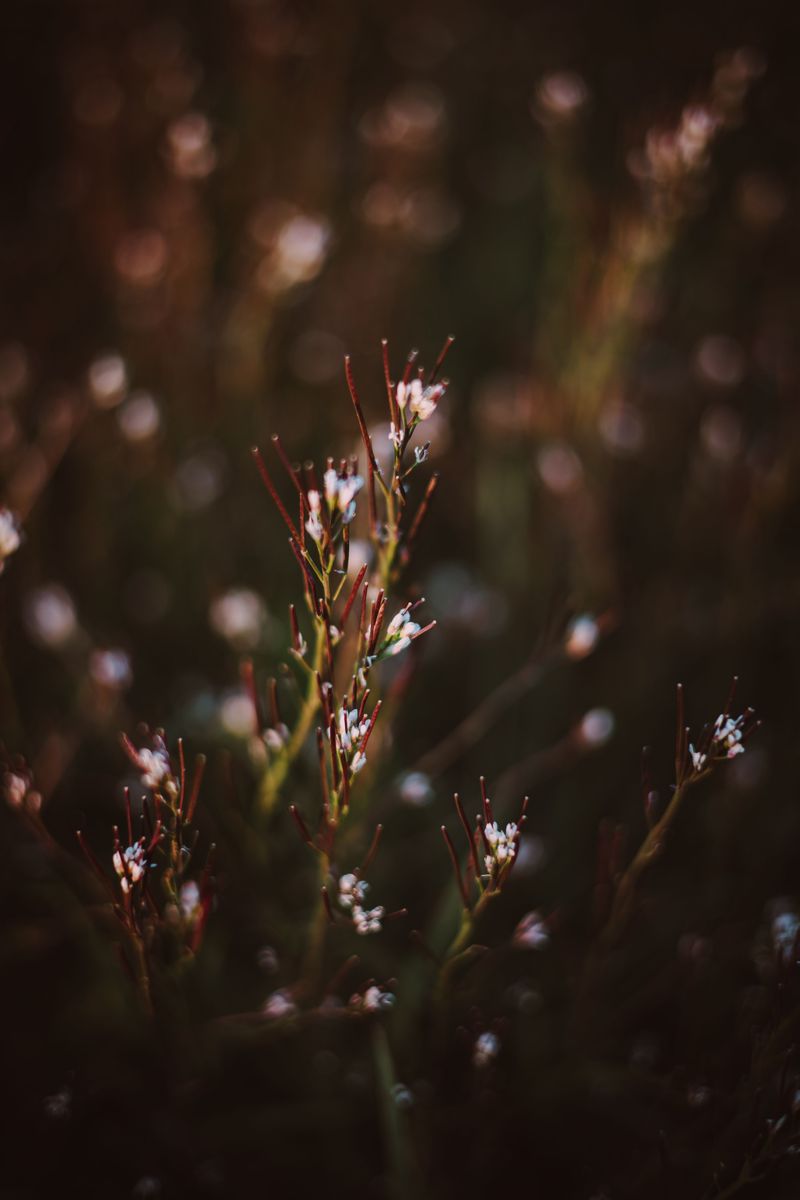
The plant starts as a flat rosette of small, rounded leaflets lined up along each stem. Later, wiry stalks shoot up with tiny white flowers on top.
Nurseries accidentally spread it in potted plants, so check new purchases before planting them. Pull any little rosettes from the pot before they hitch a ride into your beds.
Fall is the sweet spot for control because seedlings are small and have not built pods yet. Once spring pods ripen, tugging a plant can release a burst of seeds.
Pinch rosettes at the base and lift them out with a quick twist. A small hand weeder helps grab the thin taproot without breaking it.
If you do find plants with pods in spring, slip a plastic bag over them first. Then pull gently, so the flying seeds land in the bag instead of your mulch.
A fresh layer of mulch in September buries seeds that already landed. Bittercress needs light to sprout, so darkness keeps many of them sleeping.
Walk your garden once a week this fall and play a quick game of seek and pull. Five minutes now saves hours of chasing flying seeds in April.
4. Annual Bluegrass Hides In Plain Sight In Your Lawn
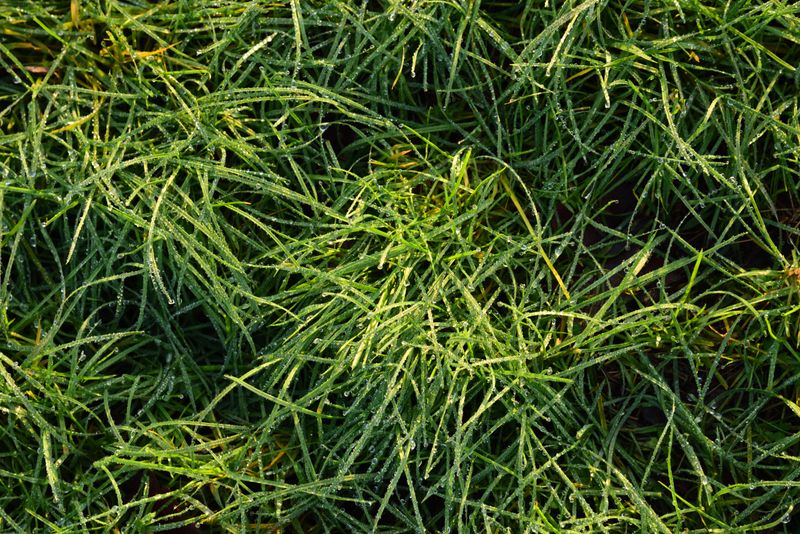
Golf course managers spend thousands of dollars each year fighting annual bluegrass. Your lawn may be hosting the same sneaky grass right now, and you might not notice.
Also called Poa annua, it sprouts in late summer and early fall as soil temperatures drop. It blends in with your regular grass until spring reveals its true colors.
Those colors are lighter green clumps topped with fuzzy, whitish seed heads. Even mowed short, it keeps making seeds, which is part of its clever survival plan.
When summer heat arrives, annual bluegrass fades and leaves brown, patchy gaps behind. Those bare spots then invite crabgrass and other warm-season weeds to move in.
Timing matters more than muscle with this sneaky grass. In many regions, a pre-emergent product applied in late August or early September, before soil cools below about 70°F, stops many seeds before they sprout.
Read the label carefully, since most pre-emergents also block the grass seed you plan to spread. You may need to choose between overseeding and pre-emergent in the same season.
Cultural habits help too, and they cost almost nothing. Water deeply but less often, because this grass has shallow roots and loves soggy, compacted soil.
Core aerating in fall loosens tight ground so your good grass can root deeper. Bag your clippings in spring when seed heads show, which keeps seeds from spreading.
Small clumps can be dug out with a sharp trowel and patched with fresh seed. Think of it as swapping a lazy tenant for a hardworking one.
5. Shepherd’s Purse Packs Its Heart-Shaped Pods With Seeds
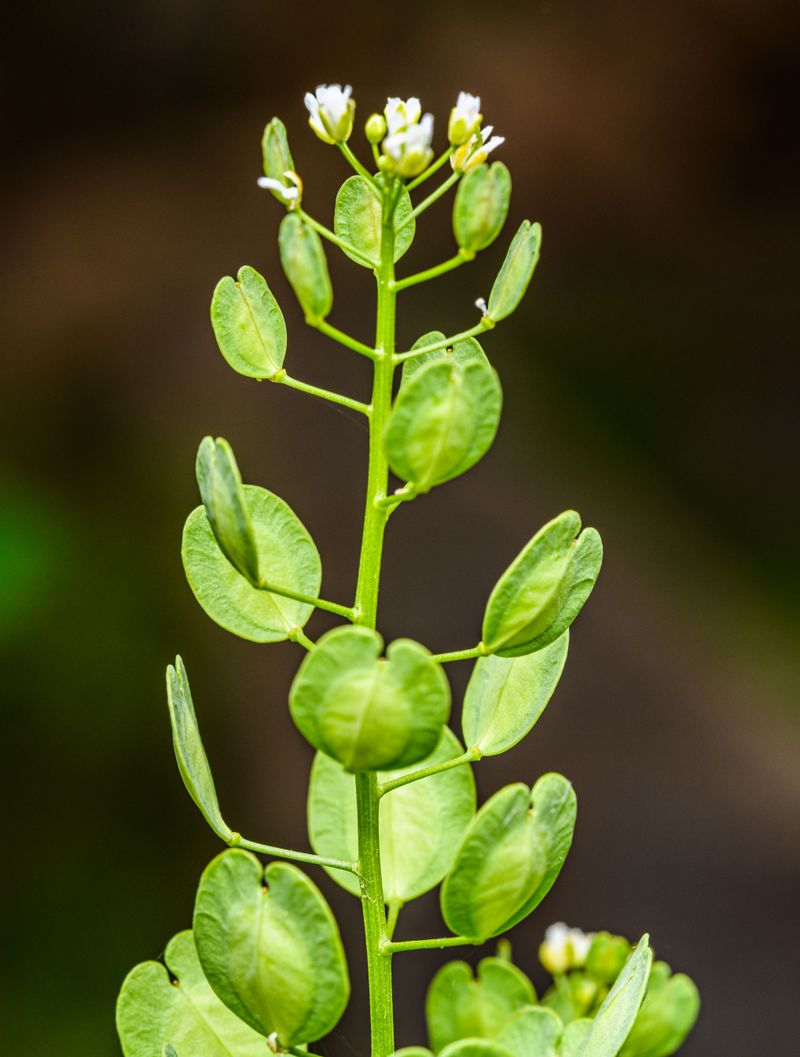
The name comes from its seed pods, which resemble the little leather pouches shepherds once carried. The name stuck, and so did the plant, which now shows up nearly everywhere.
Shepherd’s purse is a member of the mustard family and a champion seed maker. A single plant can release around 40,000 seeds, and they can last in soil for many years.
In fall, look for a flat rosette of leaves with deep, jagged lobes, a bit like a dandelion. Come spring, a tall stem rises with tiny white flowers and heart-shaped pods.
Those hearts are cute, but each one holds a small army of future weeds. Your goal is to stop the plant long before any hearts appear.
Rosettes pull easily in autumn when the ground is soft and moist. Slide a dandelion fork or old kitchen knife under the crown to pop out the short taproot.
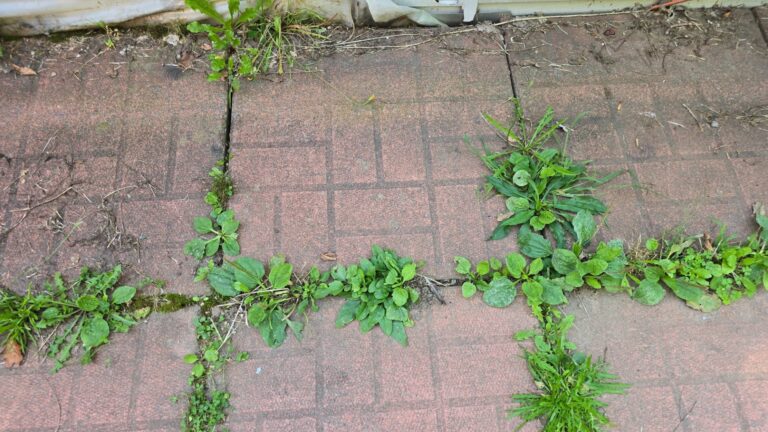
Pay close attention to sidewalk cracks, gravel paths, and the edges of driveways. Shepherd’s purse thrives in poor, disturbed ground where other plants give up.
Avoid tilling bare soil in fall, because turning the dirt brings buried seeds up to the light. Instead, plant a cover crop like winter rye to crowd out newcomers.
Vegetable gardeners should watch closely, since this weed can host pests that bother cabbage and broccoli. Clearing it now gives your cool-season crops a cleaner, calmer neighborhood.
History buff bonus: people once used shepherd’s purse as a folk remedy for cuts and scrapes. Today, most gardeners just want it out of the tomato bed.
6. Creeping Charlie Spreads A Minty Carpet Through Shade
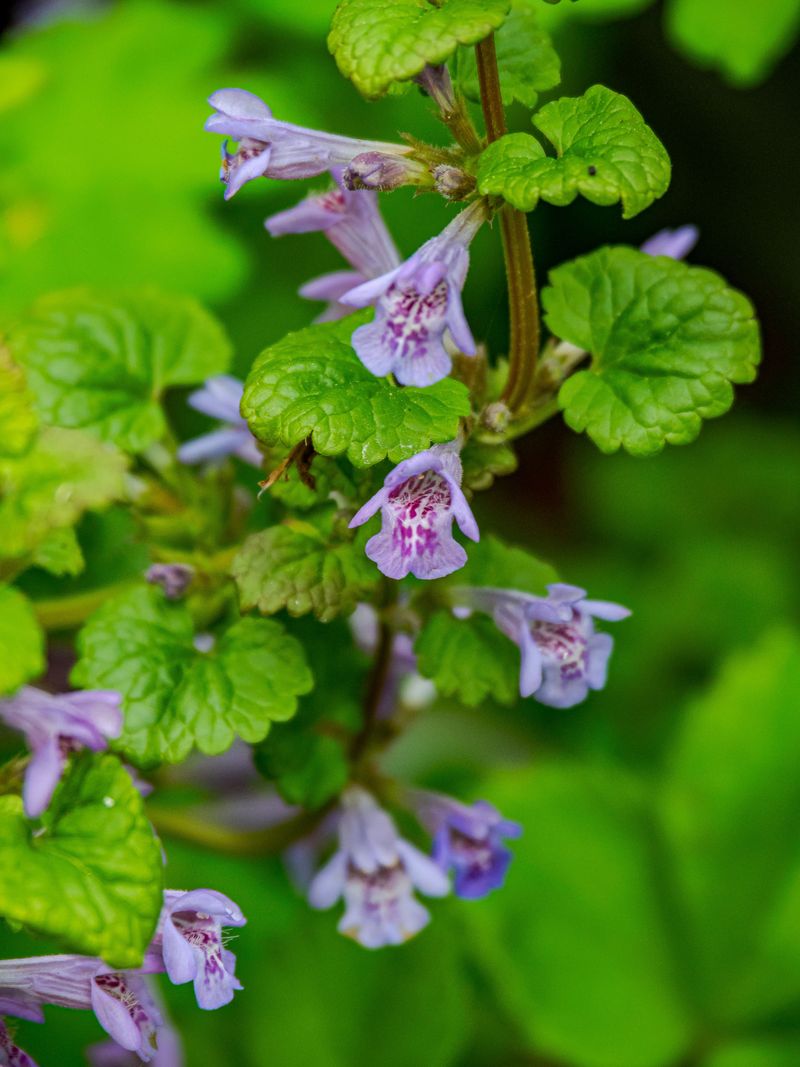
Every neighborhood has one gardener who swears Creeping Charlie is out to get them. Honestly, they might be right, because this minty little vine is incredibly stubborn.
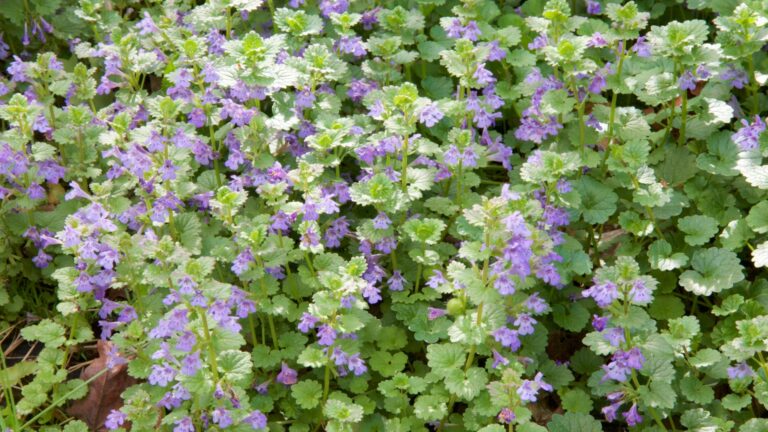
Also known as ground ivy, it is a perennial that spreads by long stems rooting at every joint. Crush a leaf and you will smell a sharp, minty scent.
The leaves are round with scalloped edges, and small purple flowers show up in spring. It loves shady, damp spots under trees where grass struggles to grow thick.
Here is the key: fall is the best season to treat it. As cold weather nears, the plant sends food down to its roots for winter storage.
Any broadleaf weed control you apply in September or October rides that flow straight to the roots. Many experts suggest treating after the first light frost for the best results.
Prefer to skip the spray bottle this year? Hand pulling works if you are patient and follow each runner to its end.
Every bit of stem left behind can grow into a brand new plant. Work slowly after a good rain, lifting the vines like tangled spaghetti from a bowl.
For large patches, smother the area with cardboard and mulch for a few months. Light cannot reach the leaves, and the vine weakens under its dark blanket.
Long-term, the fix is to change the conditions it loves. Prune low branches to let in sunlight, improve drainage, and grow shade-tolerant grass like fine fescue.
7. Dandelions Bounce Back From Their Deep Taproots

‘Blow and make a wish’ sounds sweet until your whole yard turns yellow next April. Dandelions are cheerful, sure, but they are also masters of the comeback.
Most people fight them in spring, yet autumn is the smarter time to strike. Like other perennials, dandelions pull energy down into their roots as days grow shorter.
That long taproot can reach 10 inches or more into the soil. Snap it off halfway, and a fresh plant will sprout from the leftover piece.
A long, forked weeding tool is your best buddy here. Push it straight down beside the root, rock it gently, and lift the thing out in one piece.
Water the lawn the day before so the soil is soft and cooperative. Dry, hard ground makes roots snap, and that just starts the cycle over again.
If you use a spot treatment, September and early October are ideal. The plant carries the product down with its winter food supply, reaching deep into the root.
Pick a calm, sunny day between 50 and 80°F (10–27°C) for any treatment, and follow the product label. Keep kids and pets off the grass until the label says it is safe.
A thick lawn is the best long-term defense against these fluffy invaders. Fill bare spots with seed in early fall, but check your herbicide label first, since many require a waiting period before seeding.F
Tasty trivia: every part of an untreated dandelion is edible, from the flowers to the roots, so never harvest from a lawn you have sprayed. Some folks roast the roots to brew a coffee-like drink, turning a weed into breakfast.
8. Wild Garlic Hides Its Bulbs Below The Surface
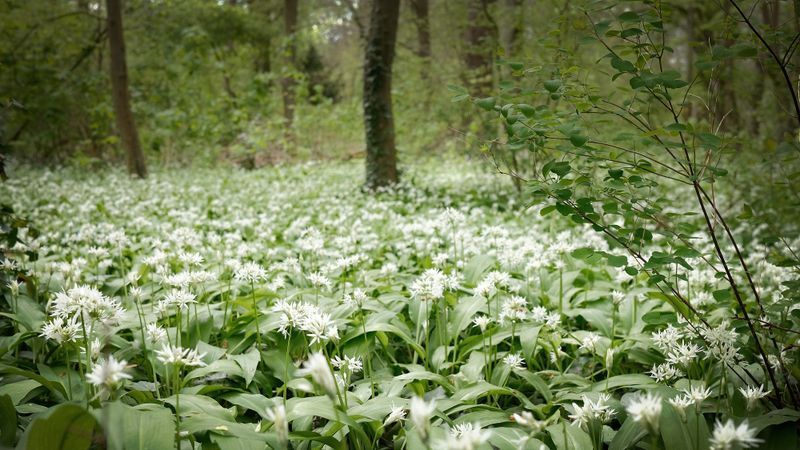
You fire up the mower on a fall morning, and suddenly the yard smells like a pizza shop. Congratulations, you have met wild garlic.
A sneaky perennial, it pops up from underground bulbs in fall, sending up thin, hollow, grass-like leaves. It grows faster than your lawn, so clumps stick up above the grass within days.
Its close cousin, wild onion, looks similar but has flat, solid leaves instead of hollow ones. Both share that strong smell and the same frustrating habit of returning each year.
The real trouble lives underground. Each plant makes tiny bulblets that break off easily, so yanking the tops leaves babies behind.
Instead of pulling, dig the whole clump with a narrow trowel or shovel. Go down about six inches and lift the soil, bulbs and all, into a bucket.
Throw the bulbs in the trash, not the compost, since they can sprout again almost anywhere. Refill the hole with fresh soil and a pinch of grass seed.
Sprays often slide right off the waxy leaves, which is why patience pays off here. Mowing or crushing the leaves first can help treatments stick better.
Plan on several years of effort, since hard-shelled bulbs can stay dormant for up to six years. Mark problem spots with a small flag so you remember where to check each fall.
Silver lining for cooks: wild garlic leaves are edible if they grew in untreated soil and smell clearly of garlic. Toxic look-alikes such as star-of-Bethlehem have no garlic scent, so skip any plant that fails the sniff test.