7 Plants That Make Pennsylvania Gardens Look Better Every Fall
Most Pennsylvania gardens peak somewhere between May and July and then spend the rest of the season in a slow decline toward dormancy.
By September and October, the beds that looked so full and colorful through early summer can feel like they’ve run out of ideas.
Most gardeners accept this as simply how the season works. But the right plants change that entirely.
There are plants that don’t fade as fall arrives. They come into their own. Color deepens, structure becomes more defined, and the garden that looked tired in August can look genuinely stunning by October with the right choices in the ground.
Fall is not the end of the garden season. For these plants, it’s the best part. Here’s what makes Pennsylvania gardens look better every fall.
1. Chrysanthemums (Mums)
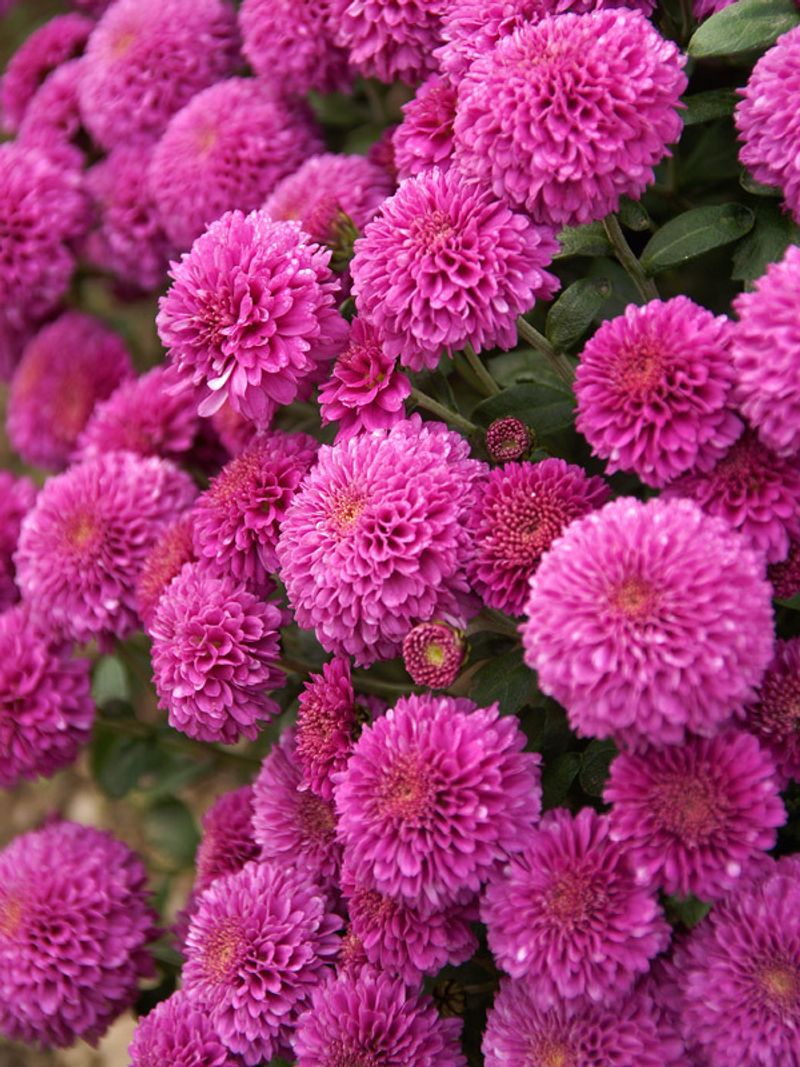
Nothing says fall in Pennsylvania quite like a burst of mums on the front steps. These cheerful flowers bloom in gold, red, purple, and white, filling gardens with color when other plants slow down.
Mums love the cooler weather that arrives in September and October. They bloom for weeks, giving your garden a long stretch of beauty.
Plant them in a spot that gets plenty of sun, and they will reward you with rounded mounds of flowers.
Watering matters a lot with these plants. Keep the soil moist but not soggy, and try to water at the base instead of the leaves. This little trick helps the blooms last longer and keeps the plant healthy.
Gardeners often treat mums as one-season plants, tossing them out after the flowers fade. But if you plant them in the ground early and mulch them well, many varieties can survive Pennsylvania winters and return the next year.
Pinching back the stems in early summer makes mums grow fuller and bushier. This means more flowers when fall finally rolls around. It takes a little patience, but the payoff is worth it.
Here is a fun bit of history. Mums have been grown for thousands of years, first in China, where they were seen as a symbol of long life and joy.
Pair mums with pumpkins and gourds for a classic autumn look. They fit perfectly on porches, along walkways, or tucked into garden beds where you want a splash of seasonal cheer.
2. Asters
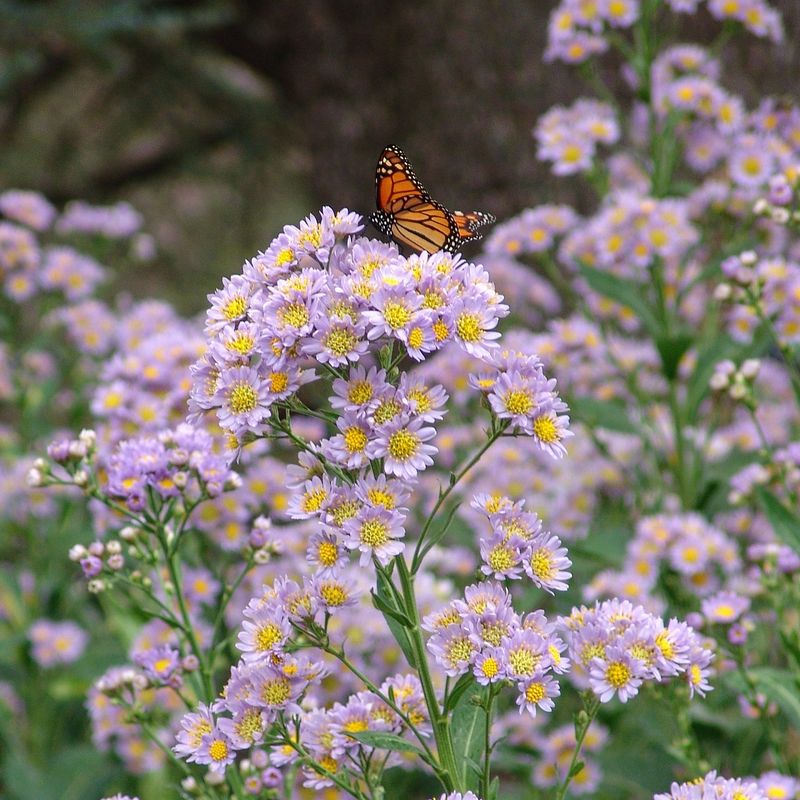
With their star-shaped petals and daisy-like faces, asters bring a soft glow to gardens when most flowers have called it quits. Their purple, pink, and blue blooms feel like a happy surprise in the cooler months.
Asters are native to many parts of the United States, including Pennsylvania. That makes them a natural fit for local gardens. They handle the state’s autumn weather with ease and come back year after year.
Bees and butterflies adore these flowers. Since asters bloom late, they offer a food source for pollinators right before the cold sets in. Planting them is a kind way to help local wildlife.
Give asters full sun and well-drained soil, and they will thrive. They can grow tall, so some varieties may need a little support to keep them standing upright and tidy.
Your Pennsylvania Garden Changes Every Week. Your Plan Should Too.
Gardening in Pennsylvania changes quickly throughout the season. Every Friday you’ll receive a simple weekly plan showing exactly what to plant, prune, fertilize, harvest, and protect so you never miss the right timing.
Watering during dry spells keeps the blooms looking fresh. Once established, asters are pretty tough and do not need much fussing over.
Cutting back the plants in early summer helps them grow bushier and produce more flowers. This simple step keeps them from getting leggy and floppy.
A neat fact about asters is their name. It comes from the Greek word for star, which makes sense once you see their pretty, pointed petals.
Try mixing asters with mums and ornamental grasses for a garden that feels full and layered.
Their cool tones balance the warm oranges and reds of the season, creating a peaceful and inviting outdoor space you will want to enjoy again and again.
3. Sedum (Autumn Joy)
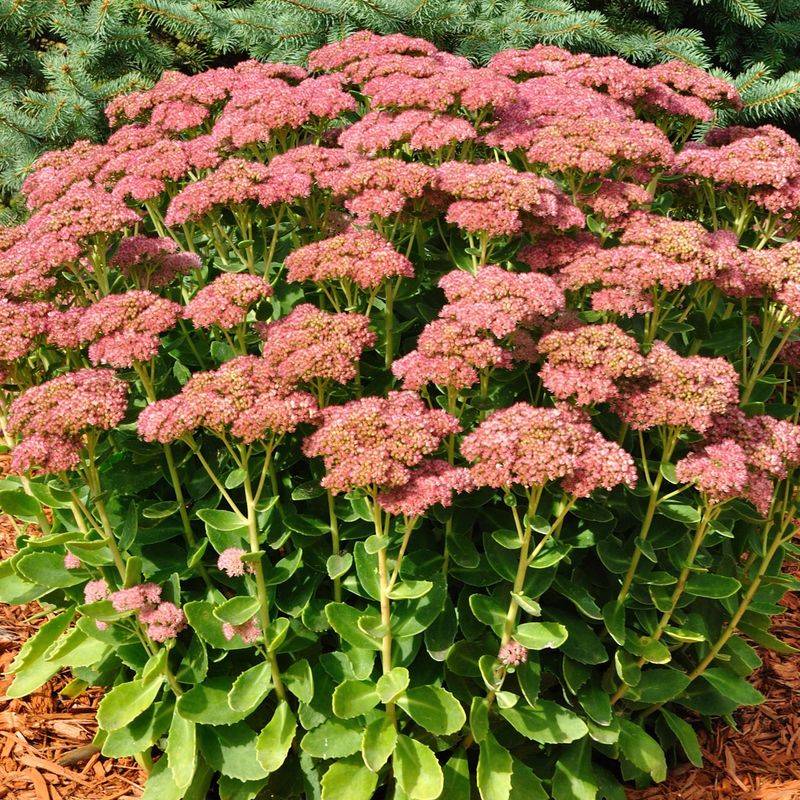
Tough as nails and easy to love, sedum is a plant that keeps giving all through fall. The popular variety called Autumn Joy starts out pink and slowly deepens to a rich, rusty red as the season moves along.
Sedum belongs to the succulent family, so it stores water in its thick leaves. That means it handles dry spells without any drama. If you sometimes forget to water, this plant forgives you.
Full sun brings out the best in sedum. Plant it in a sunny spot with soil that drains well, and it will grow strong flat-topped clusters of tiny blooms.
Pollinators flock to sedum in the fall. Bees and butterflies land on the wide flower heads, making your garden buzz with life during a quiet time of year.
One of the best things about sedum is how little care it needs. It rarely gets pests, does not need much feeding, and spreads slowly to fill in garden spaces over time.
Even after the blooms fade, the dried flower heads look lovely. Leaving them up through winter adds texture and gives your garden something interesting to look at when snow falls.
Dividing sedum every few years keeps it healthy and gives you free plants to spread around. Just dig up a clump in spring and replant the pieces.
For a low-effort plant with big seasonal payoff, sedum is hard to beat. It works beautifully in borders, rock gardens, or containers, adding steady color and charm right up until the coldest days arrive.
4. Ornamental Grasses
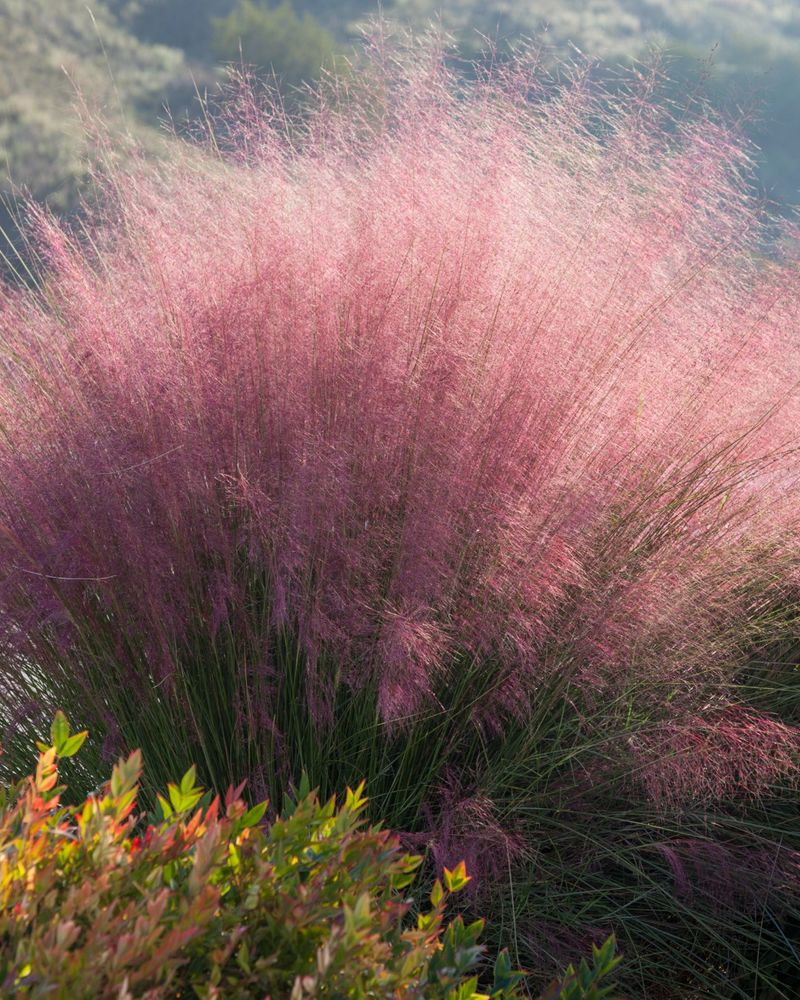
Picture soft, feathery plumes swaying in the autumn breeze, catching the golden light of a Pennsylvania afternoon.
That is the magic of ornamental grasses, and they bring movement and texture to any fall garden.
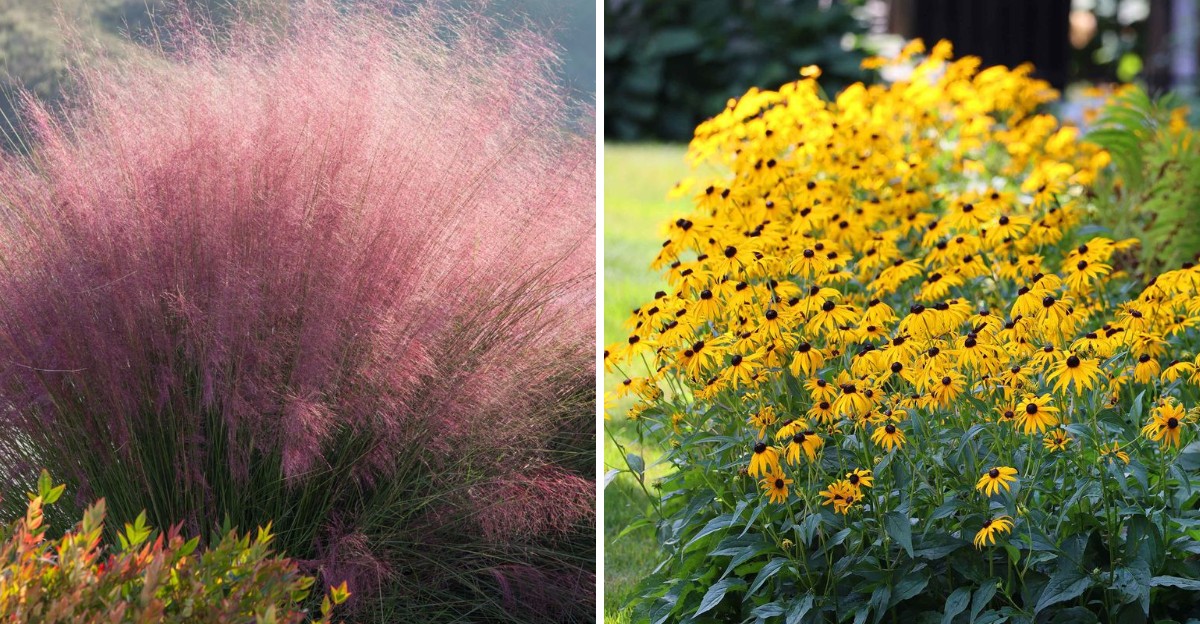
Grasses like fountain grass, switchgrass, and maiden grass really shine in the fall. Their seed heads turn shades of tan, gold, and even pinkish red, glowing when the sun hits them just right.
These plants are wonderfully low-maintenance. Once they settle in, they need very little water and hardly any care. They are perfect for busy gardeners who still want a stunning yard.
Height and structure are what grasses do best. Tall varieties create a lovely backdrop, while shorter types fill in gaps and soften the edges of garden beds.
Wind makes grasses come alive. The gentle rustling sound and constant motion add a peaceful, calming feeling to your outdoor space that flowers alone cannot match.
Native switchgrass is an especially smart pick for Pennsylvania. It supports local birds and insects while standing up well to the state’s changing weather.
Leave the grasses standing through winter instead of cutting them back right away. The dried plumes look beautiful with frost or a dusting of snow, and they give birds a place to shelter.
In early spring, trim them down to make room for fresh growth. That is really the only big chore they ask of you.
Mix grasses with mums, sedum, and asters for a garden full of contrast. Their airy shapes balance out bold flowers, creating a natural, relaxed look that feels right at home in fall.
5. Burning Bush
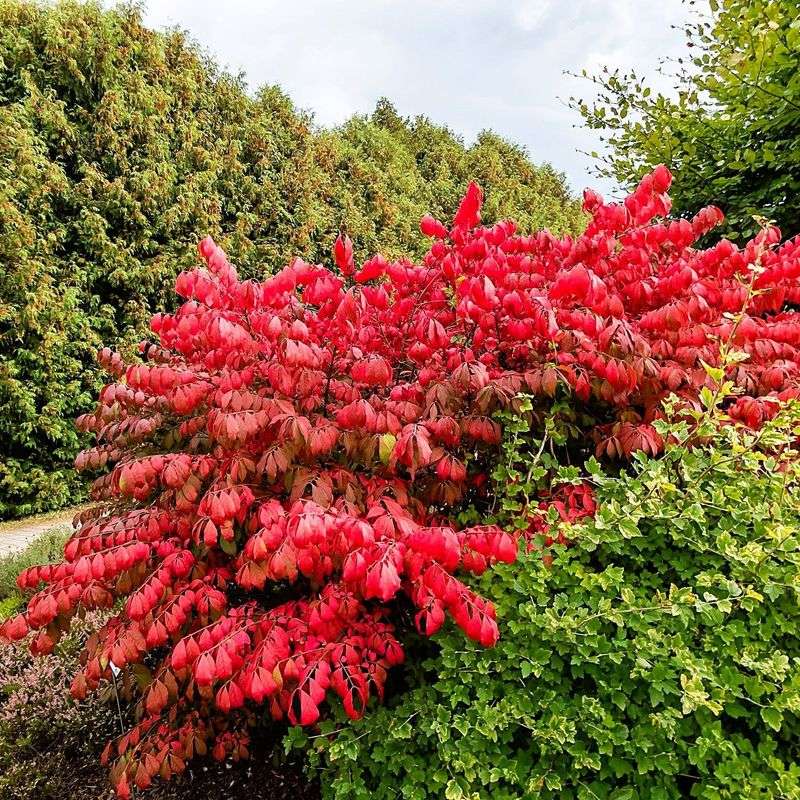
If you want a plant that turns your yard into a fiery show, burning bush delivers in a big way. Come fall, its leaves blaze into a brilliant shade of red that looks like the shrub is glowing.
Burning bush is a hardy shrub that handles Pennsylvania weather without much trouble. It grows in sun or partial shade, though the reddest color comes from spots with plenty of sunlight.
Size is something to plan for with this plant. It can grow quite large, so give it room to spread out or trim it to keep it in a neat shape.
The color change is the main event. During most of the year, the leaves stay green and blend into the background. Then autumn arrives and the whole bush lights up.
This shrub is easy to grow and rarely bothered by pests. Once it takes root, it needs little watering and just an occasional trim to stay tidy.
A word of caution is worth sharing. In some areas, burning bush spreads easily and is considered invasive, so check local guidelines before planting a lot of it.
For gardeners who want a low-fuss plant with maximum drama, this shrub is a great choice. A single burning bush can become the star of your whole fall garden.
Plant it near a fence, along a border, or as a standalone feature where its red color can really pop. Paired with golden grasses or mums, it creates a warm, cozy scene that captures the true feeling of autumn in Pennsylvania.
6. Black-Eyed Susans
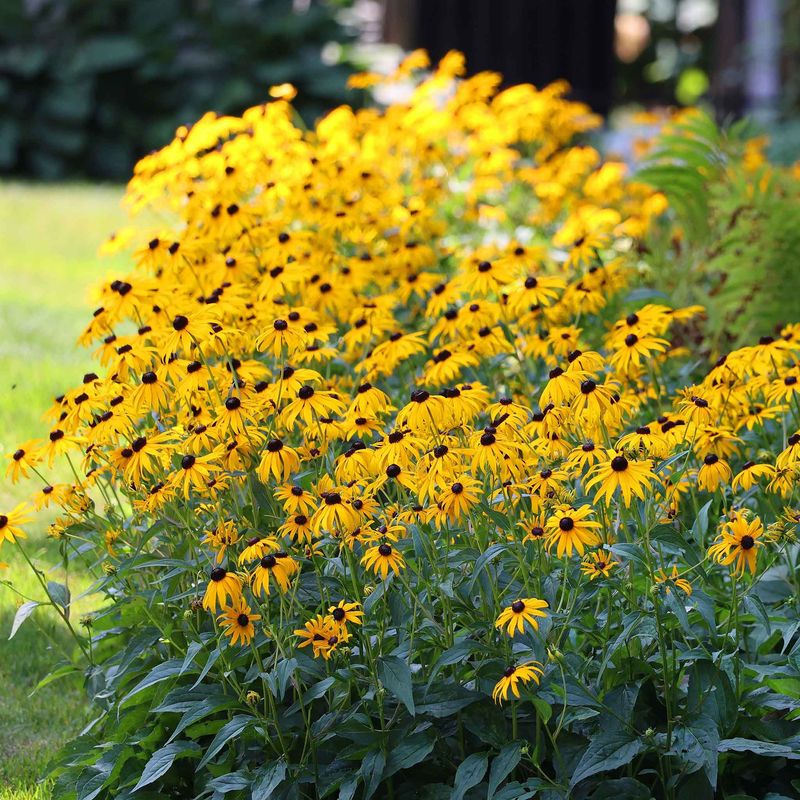
Bright and sunny, black-eyed Susans keep the cheer going strong into the fall months. Their golden-yellow petals and dark brown centers add a warm, welcoming glow to any garden.
These flowers are native to North America and grow wonderfully in Pennsylvania. They are tough, reliable, and bloom from late summer well into autumn, giving you lots of color for your effort.
Full sun is what black-eyed Susans crave. Plant them where they can soak up the light, and they will produce loads of flowers on sturdy stems.
Watering is simple with these plants. They handle dry weather well once established, so you only need to water them during long stretches without rain.
Pollinators love visiting black-eyed Susans. Bees and butterflies stop by often, and later in the season, birds enjoy snacking on the seeds from the dried flower centers.
These flowers spread on their own over time. They drop seeds that grow into new plants, slowly filling your garden with more sunny blooms each year.
Leaving some seed heads standing in fall feeds the birds and adds interest to your garden. It is an easy way to help wildlife while keeping things low-maintenance.
Here is a fun tidbit. Black-eyed Susan is the state flower of Maryland, but it grows just as happily right across the border in Pennsylvania yards.
Mix these golden beauties with purple asters for a stunning color combo. Together they create a lively, layered look that feels both wild and welcoming, perfect for enjoying those last warm days before winter settles in.
7. Japanese Maple
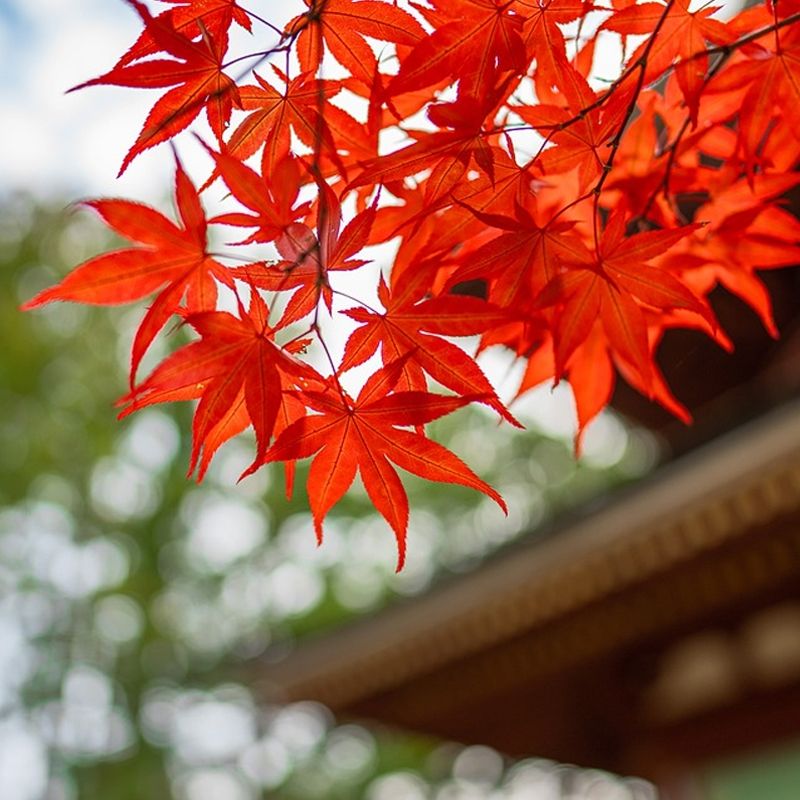
Elegant and eye-catching, the Japanese maple is like a living piece of art in the fall garden. Its delicate, lacy leaves turn stunning shades of red, orange, and gold as the days grow shorter.
This small tree fits nicely into Pennsylvania yards of all sizes. It grows slowly and stays compact, making it a great choice even for gardens that do not have a lot of space.
Partial shade suits Japanese maples best. Too much harsh sun can scorch their tender leaves, so a spot with morning light and afternoon shade keeps them looking their finest.
The leaf shapes are part of the charm. Many varieties have deeply cut, feathery leaves that seem to dance in the wind and cast pretty shadows on the ground.
Watering is important, especially when the tree is young. Keep the soil moist and add mulch around the base to help it hold water and stay cool.
These trees are slow growers, which means they need very little pruning. Just remove any broken or crossing branches to keep the graceful shape looking clean.
Japanese maples come in many colors and forms. Some stay red all year, while others shift through greens and golds before their big autumn finale.
A neat fact is that these trees have been prized in Japanese gardens for centuries, valued for their beauty and calming presence.
Placed near a patio, walkway, or quiet corner, a Japanese maple becomes a peaceful focal point. Its fall colors are so rich and vivid that this small tree can easily steal the show in any Pennsylvania garden.