Should You Fertilize Your Florida Lawn In September? It Depends On Where You Live
Your zip code might matter more than your fertilizer bag when it comes to feeding your Florida lawn this month.
North and South Florida run on different clocks entirely. One region’s grass slows down and preps for cooler nights, while the other keeps growing like it’s still peak summer.
Feed a lawn that’s winding down and you push out tender growth it doesn’t need. Skip feeding a lawn that’s still actively growing, and you leave it short on nutrients during a stretch it could actually use them.
Grass type factors in too, since not every variety responds to September the same way regardless of location.
Before you reach for that bag, figure out which category your lawn actually falls into. The right answer this month depends entirely on where you’re standing, not just what worked last year.
1. North Florida Lawns May Get Their Final Feeding Now
Up in the Panhandle and around Tallahassee, the turf calendar runs shorter than most folks expect. Active growth generally stretches from mid-April to late September, then slows as cooler nights settle in.
September becomes the closing window for feeding your lawn while the roots can still put those nutrients to work. September is often the final feeding window in North region, although the exact timing depends on grass type, weather, and local recommendations.
The goal here is not lush, fast top growth. Pushing tender new blades this late can leave the grass stressed and more open to freeze damage or fungal problems once temperatures drop.
Slow-release nitrogen is the smarter pick, since it trickles out nutrition instead of dumping it all at once. A potassium-rich blend works even better this time of year, helping strengthen cell walls and improving cold tolerance.
Think of it as packing a lunch for winter rather than throwing a party. The grass stores energy in the roots, stays steadier through chilly snaps, and greens up faster next spring.
If your lawn already looks stressed from drought or shows patchy discoloration, hold off. Feeding a struggling lawn rarely fixes the underlying problem and often makes recovery slower.
2. Central Florida Has A Little More Time
Orlando, Ocala, and Tampa homeowners get a slightly longer runway. Turf in this part of the state stays actively growing from early April all the way into early October.
Because winters here stay mild, the sweet spot for a fall feeding often lands between mid-October and early November. That means September does not have to be your last chance, and rushing an application now may not give you much extra benefit.
When that fall feeding does come around, dial the nitrogen back compared to what you used in spring. Heavy nitrogen late in the year pushes soft growth that has nowhere useful to go once daylight shortens.
A lower-nitrogen, higher-potassium product supports root strength instead of blade length. Your mower will thank you, and so will your water bill.
Central region also sits in a tricky zone where summer fertilizer restrictions may still be running through September. Checking your county rules before shopping saves both money and a potential fine.
Your Florida Garden Changes Every Week. Your Plan Should Too.
Gardening in Florida changes quickly throughout the season. Every Friday you’ll receive a simple weekly plan showing exactly what to plant, prune, fertilize, harvest, and protect so you never miss the right timing.
If your grass looks a little tired right now, try adjusting mowing height or irrigation timing first. Sometimes what appears to be hunger is really compaction, shade, or watering that has drifted off schedule without anyone noticing.
3. South Florida Plays By A Longer Growing Season
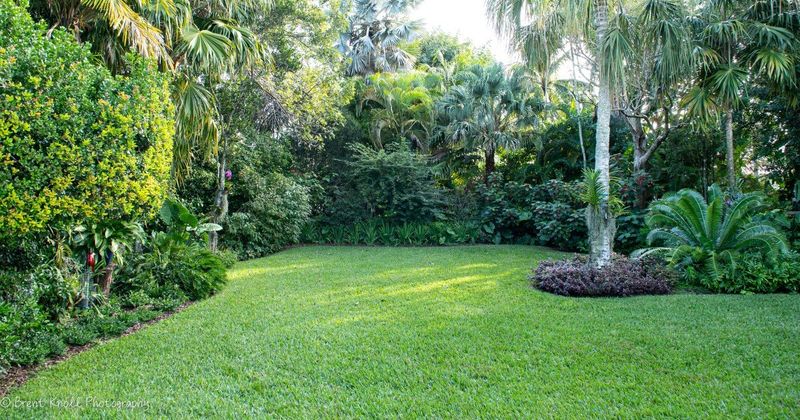
Down in Miami, Naples, and the Keys, the grass barely takes a break. Subtropical warmth keeps turf growing nearly year-round, slowing in winter but rarely shutting down.
That long season opens the door to fertilizing across much of the calendar. Fall feeding here can extend into October, which puts September in an in-between spot for many lawns.
Some turf managers suggest a light application of slow-release fertilizer in late September. Shorter days and slightly softer heat make it easier for grass to use nutrients without exploding into growth you have to mow twice a week.
Southern lawns juggle a lot at once: heat, humidity, heavy rain, fast growth, and a healthy roster of insects. Piling on extra nitrogen can amplify pest pressure and fungal activity rather than solving anything.
Sandy soils in this region also drain quickly, so nutrients can slip past the root zone during a storm. Slow-release products hold on longer and waste less.
Palm Beach County and several neighboring municipalities extend their restricted periods past September, sometimes to the end of October. Confirming local dates before you spread anything keeps you on the right side of the rules and protects nearby canals.
4. St. Augustine Needs A Different Plan From Zoysia
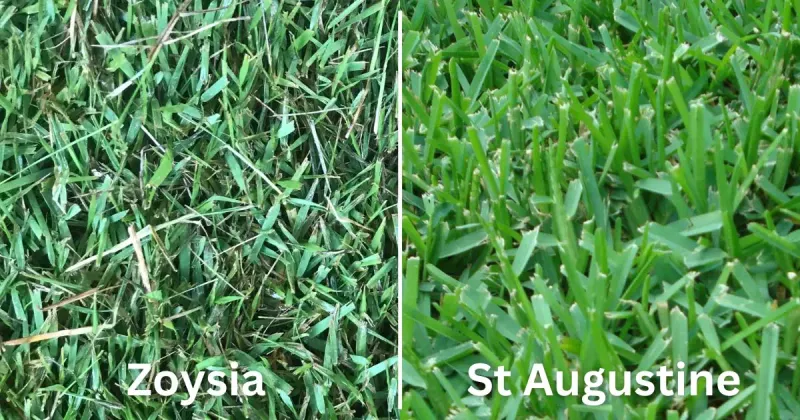
Two of the state’s most popular turf choices want very different things in September. St. Augustinegrass is the hungrier of the pair, thriving on three to four feedings between March and October and roughly 2 to 4 pounds of nitrogen per 1,000 square feet each year.
In North Florida, a modest September application may fit an actively growing St. Augustine lawn, while South Florida lawns often have a longer window for fall feeding.
A potassium-heavy product such as 0-0-22 or 5-0-15 in September or early October is the real winner. Potassium toughens the plant for cool weather without producing frost-sensitive new leaves.
Zoysia tells a different story. Homeowners tend to overfeed it, when two to three applications a year is plenty for its 2 to 4 pound nitrogen budget.
Nitrogen should stop by mid-September for Zoysia, since later feeding encourages soft growth that struggles when temperatures dip. A low-nitrogen, high-potassium blend in early September strengthens roots heading into dormancy.
Zoysia owners also have another September chore worth noting. Preventative fungicide in late September works far better against Large Patch than trying to treat visible damage later in the season.
5. Bahiagrass Usually Needs Less Nitrogen Than You Think
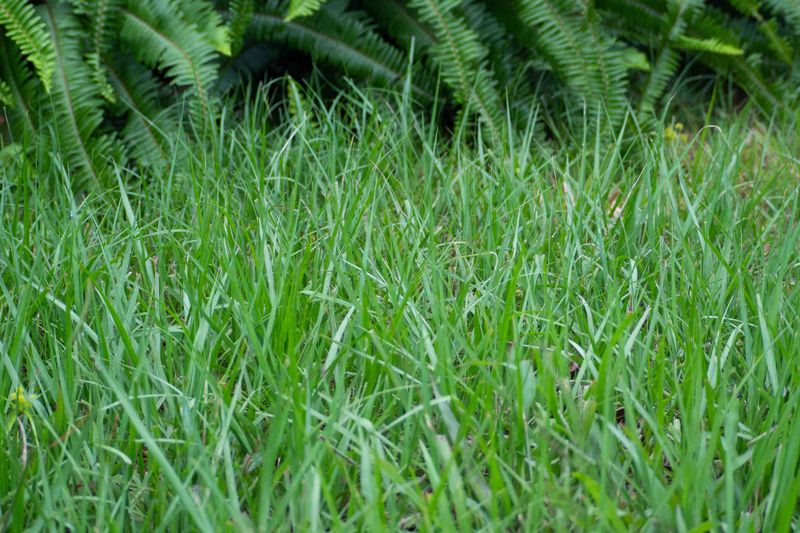
Bahiagrass has a reputation for toughness, and honestly, it earns it. Once established, this grass gets by on remarkably little pampering compared to fussier turf types.
UF/IFAS recommends just one to three fertilizer applications per year for bahiagrass in Central and North Florida, spread across April through September. In South Florida, where growth never fully pauses, timing is more flexible.
Nitrogen is typically the nutrient that limits how green and full bahiagrass looks. Even so, restraint pays off better than generosity here.
Keep water-soluble nitrogen to no more than half a pound per 1,000 square feet in a single application. If you want to apply a full pound, make sure at least half of it comes in slow-release form.
A 15-0-15 blend with low or no phosphorus suits most soils, which often carry plenty of phosphorus already. Skipping what the soil does not need saves cash and keeps runoff cleaner.
One quirk worth knowing: bahiagrass loves throwing up those tall, Y-shaped seed heads, and extra fertilizer will not stop them. Mowing more often is the fix, not another trip to the garden center for a heavier bag.
6. Centipedegrass Can Turn Too Much Fertilizer Into Trouble
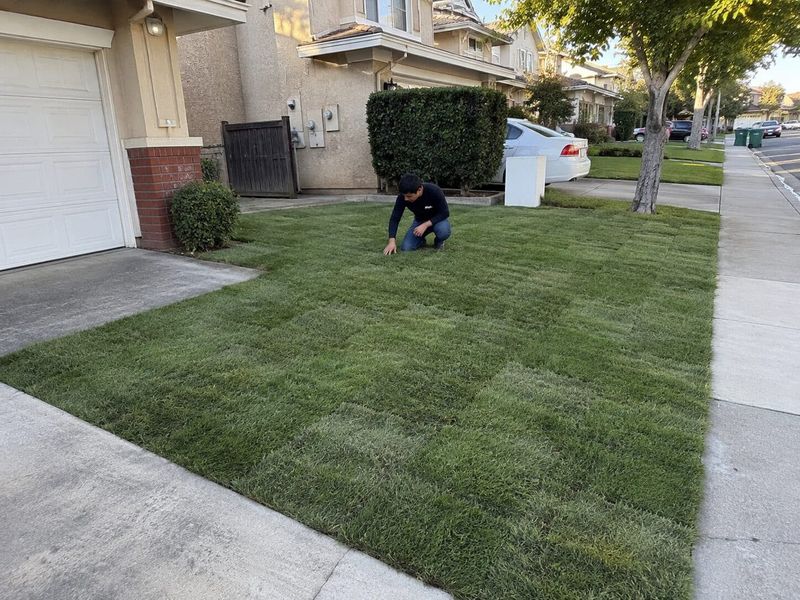
Here is the grass that punishes enthusiasm. Centipedegrass is naturally slow-growing and low-input, and it simply does not reward heavy feeding.
Pouring on nitrogen in hopes of a darker lawn tends to backfire. Common results include thatch buildup, shallow roots, more disease, winter injury, and an oddly faded yellow cast.
Established centipedegrass generally wants about 0.4 to 2 pounds of nitrogen per 1,000 square feet annually in North Florida, and up to roughly 3 pounds in Central and South Florida. Splitting that into one to three modest feedings is plenty.
A healthy centipede lawn is supposed to look apple-green, not deep emerald. Chasing that golf-course color with a high-nitrogen program built for St. Augustine is one of the fastest routes to turf decline.
A 15-0-15 application in May covers most of what this grass needs for the year. By September, many centipede lawns are better left alone entirely.
Soil chemistry matters too. Centipedegrass prefers acidic ground with a pH between 4.5 and 6.0, so adding lime without a soil test can create nutrient lockout.
Treat it like a low-maintenance friend who dislikes surprise gifts. Less fussing genuinely produces a better-looking lawn.
7. September Rain Can Change The Fertilizer Decision
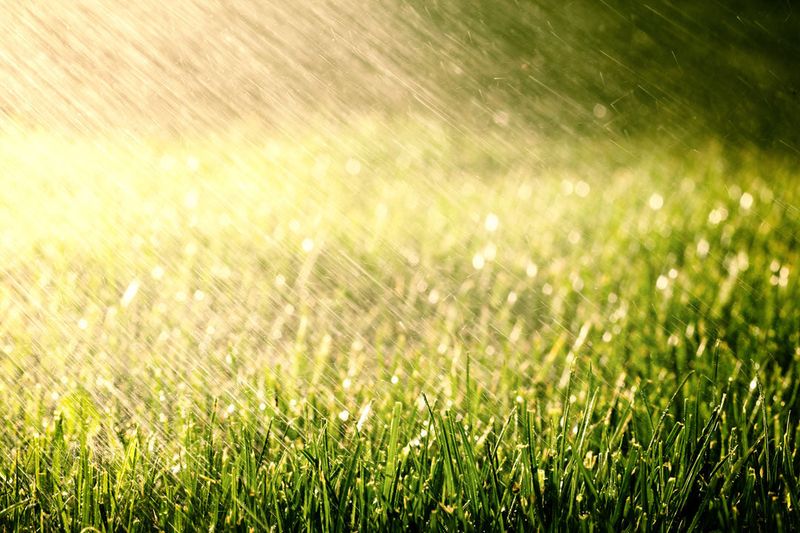
Florida’s rainy season does not read fertilizer labels. A perfect application can be undone by one afternoon thunderstorm that sends granules straight down the storm drain.
Skip fertilizing when heavy rain is imminent or a major storm is expected. Runoff carries nutrients into lakes, canals, and springs, feeding algae instead of your grass.
Flood watches, tropical storms, and hurricane warnings are all clear signals to wait. Nothing about spreading fertilizer ahead of a named storm ends well.
Light rain, on the other hand, can actually help. A gentle shower moves nutrients into the root zone without flushing them away.
Applying just after a rain, when the soil is damp but not soggy, often works beautifully. The moisture already present helps carry nutrients down to where roots can grab them.
Watch out for prolonged wetness overnight, though. Warm, saturated turf sitting in humidity is prime territory for fungal patches to spread.
A simple habit helps: check the radar before you check the spreader settings. Two dry days on either side of your application gives you the best odds of the fertilizer staying exactly where you put it, doing exactly what you paid for.
8. Local Fertilizer Bans Can Override Your Lawn Schedule
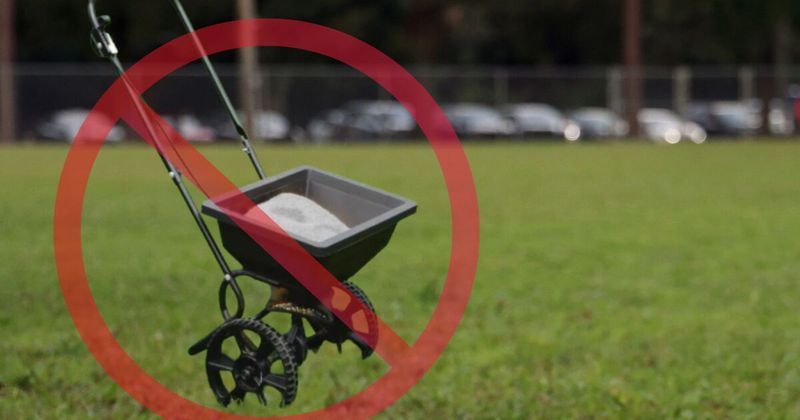
Your grass may be ready, but your county might disagree. Many cities and counties enforce nitrogen and phosphorus fertilizer bans, most commonly running from June through September.
The reasoning is straightforward. Summer storms wash nutrients off lawns and into waterways, fueling algae blooms that harm fish and drinking water sources.
Not every blackout period ends the same day. Certain jurisdictions in Palm Beach County keep restrictions in place until October 31, which reshapes the whole fall plan for those homeowners.
UF offers a Florida Fertilizer Ordinances app that lets you look up rules by location. Five minutes with it beats guessing and risking a fine.
Year-round rules often apply as well. A 10-foot fertilizer-free buffer around ponds, canals, and shorelines is common, along with requirements to sweep granules off driveways and sidewalks.
When nitrogen is off the table, you still have options. Iron products can deepen color without triggering a growth spurt, which is a handy trick during a restricted month.
Renters and HOA residents should ask before assuming, too. Landscaping crews sometimes operate on a statewide template that does not match the local ordinance for your specific neighborhood.
9. Use A Soil Test Before Adding What The Grass Does Not Need
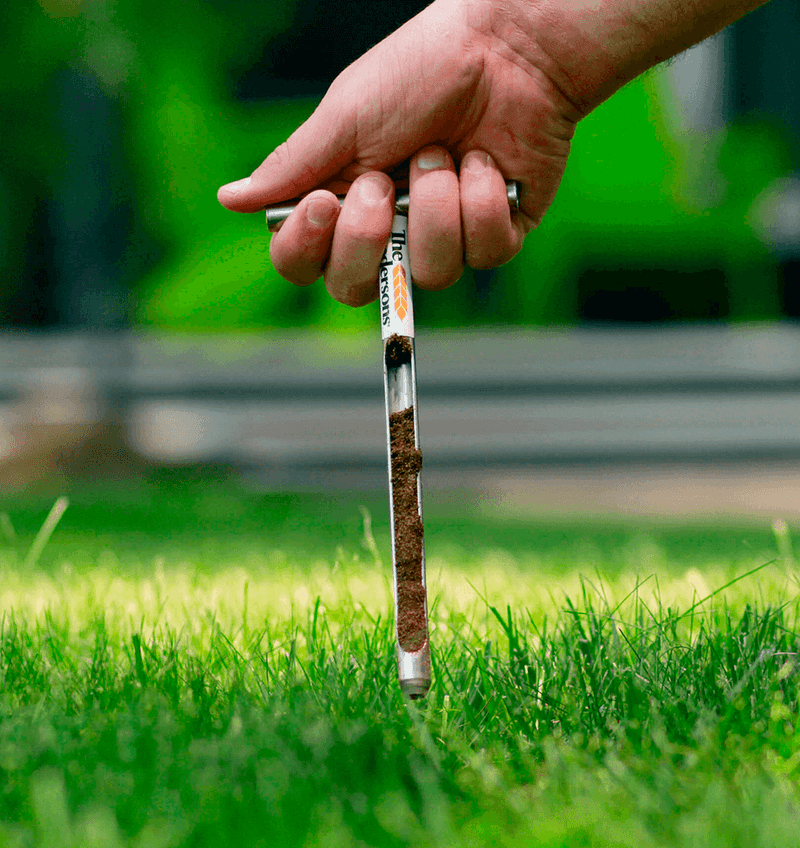
Guessing is the most expensive way to feed a lawn. A soil test replaces guesswork with actual numbers, and it usually costs less than one bag of fertilizer.
Results show your nitrogen, phosphorus, and potassium levels along with pH. That combination tells you what the grass is missing and, just as usefully, what it already has plenty of.
Plenty of Florida soils are naturally loaded with phosphorus. Adding more does nothing for the turf and increases the odds of nutrient runoff into nearby water.
Testing before applying any phosphorus is especially wise, and in some areas it is required by ordinance. Skipping that step can put you out of compliance without realizing it.
pH deserves attention too. Soil that sits too acidic or too alkaline can lock up nutrients, meaning your fertilizer sits there unused while the lawn still looks hungry.
Annual testing is the recommended rhythm. Sample well ahead of when you plan to fertilize, since lab results can take several weeks to come back.
Collect from several spots around the yard and mix them for an honest average. One scoop from the shadiest corner will not represent the sunny front yard at all.