The September Pruning Mistake That Leaves Florida Gardens With Fewer Spring Blooms
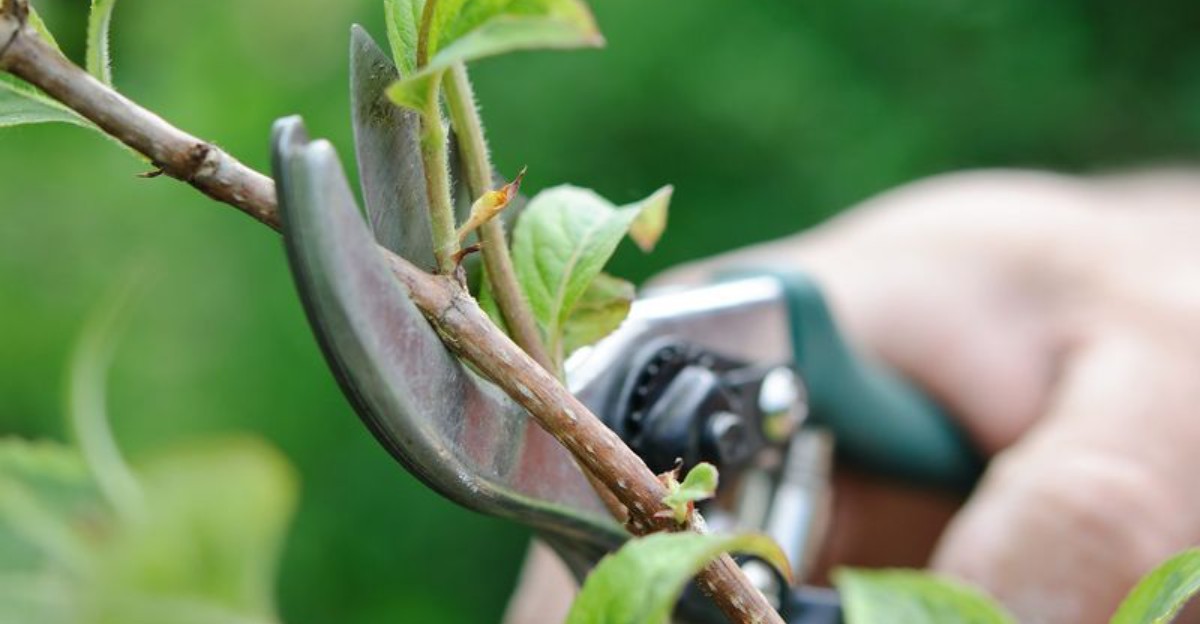
September in Florida smells like wet pavement and cut grass, and the yard looks a little wild after a long summer of storms. Something in us wants to march outside with a sharp tool and put the whole place back in order.
That urge feels responsible, almost virtuous, like folding laundry for the landscape. The problem is that one common tidy-up job lands at the worst possible moment on the calendar.
Your shrubs spent the last few warm weeks doing quiet, invisible work out in the heat. They are holding tiny plans for next spring in places most gardeners walk right past.
Neaten them now and the yard looks sharp by October, then stays oddly quiet come March. The upside is that the whole thing comes down to timing, and timing is something you can control.
Flower Buds Already Set On Fall Branches
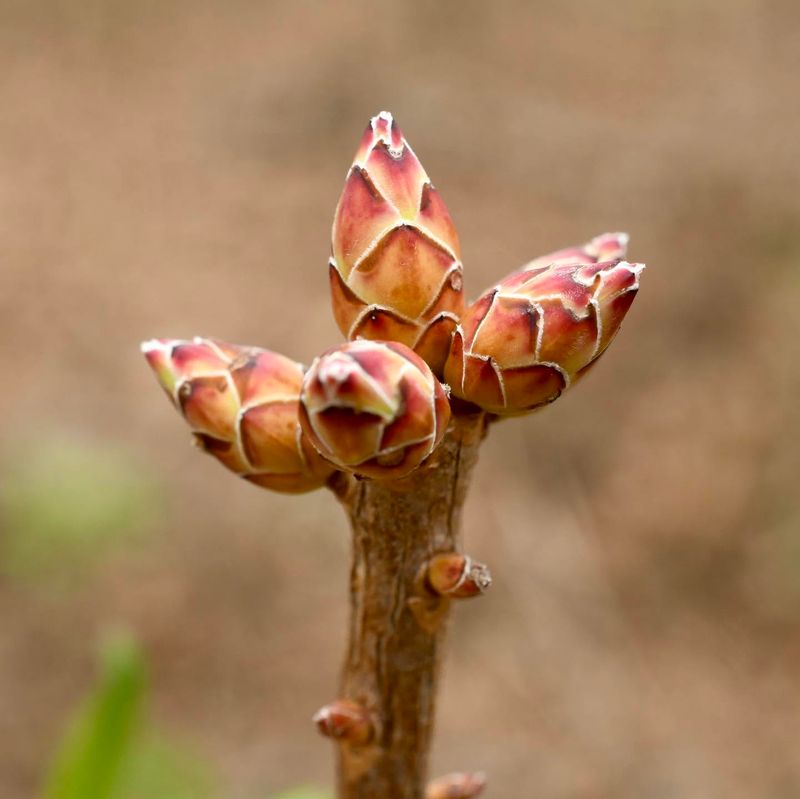
Here is the quiet secret hiding inside your hedge right now. Many of Florida’s favorite spring bloomers finish building their flower buds during late summer and early fall, long before anyone sees color.
Those buds are tiny, no bigger than a grain of rice, tucked at the branch tips. Shear the shrub in September and those future flowers go straight into the yard waste bag.
Azaleas are the classic example, along with gardenias, camellias, and loropetalum. Each one sets buds on growth that matured months earlier, so fresh green shoots pushed after a fall haircut carry nothing for spring.
Gardeners often blame weather, fertilizer, or bad luck when the blooms thin out. The real culprit was a tidy afternoon with the clippers seven months earlier.
That timing gap is what makes the mistake so sneaky. Nothing looks wrong in September, nothing looks wrong in December, and then spring arrives with green leaves and only a few scattered flowers.
A quick test helps before any cut. Look closely at branch tips for plump, rounded nubs. If they feel firm and swollen rather than pointed and leafy, flowers are waiting inside.
Knowing what your shrub is holding onto changes the whole decision. Instead of trimming by habit, you learn to read the plant and respect the work it already finished.
Florida’s Long Warm Season And Bud Timing
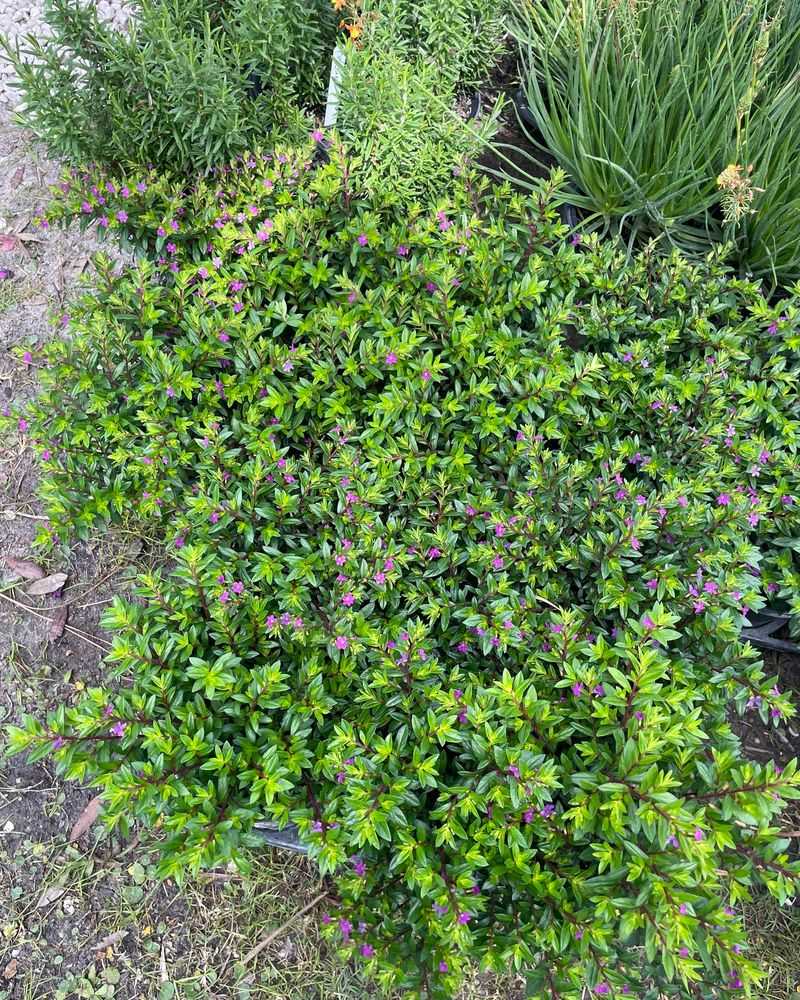
Florida gardens run on a different clock than northern ones, and that trips up plenty of transplants. Up north, shrubs shut down early and gardeners get a long, obvious dormant window, while here, growth keeps rolling into November.
September still feels like summer, with storms, humidity, and fast-growing grass. That’s misleading, though, since many woody plants are already shifting from leaves to flowers.
Day length is the trigger, not temperature. As nights stretch longer through late August and September, spring bloomers quietly switch their buds from vegetative to floral.
So a warm, lush September is not a green light. It is the exact moment when next spring’s flowers are being locked in place along stems that already hardened.
Hurricane season adds another wrinkle. Storm cleanup often turns into a whole-yard trim, and shrubs that only needed a broken branch removed end up sheared down to neat green boxes.
Your Florida Garden Changes Every Week. Your Plan Should Too.
Gardening in Florida changes quickly throughout the season. Every Friday you’ll receive a simple weekly plan showing exactly what to plant, prune, fertilize, harvest, and protect so you never miss the right timing.
North Florida runs a couple of weeks ahead of Central and South Florida, yet the pattern holds across the state. Even in Miami, azaleas and camellias respond to shortening days rather than the calendar on the wall.
Connecting fall daylight with flower formation reframes the urge to tidy in September as closing a gift before it’s wrapped. That shift in thinking beats any fancy tool.
The Late-Season Shear That Trims Away Spring Color
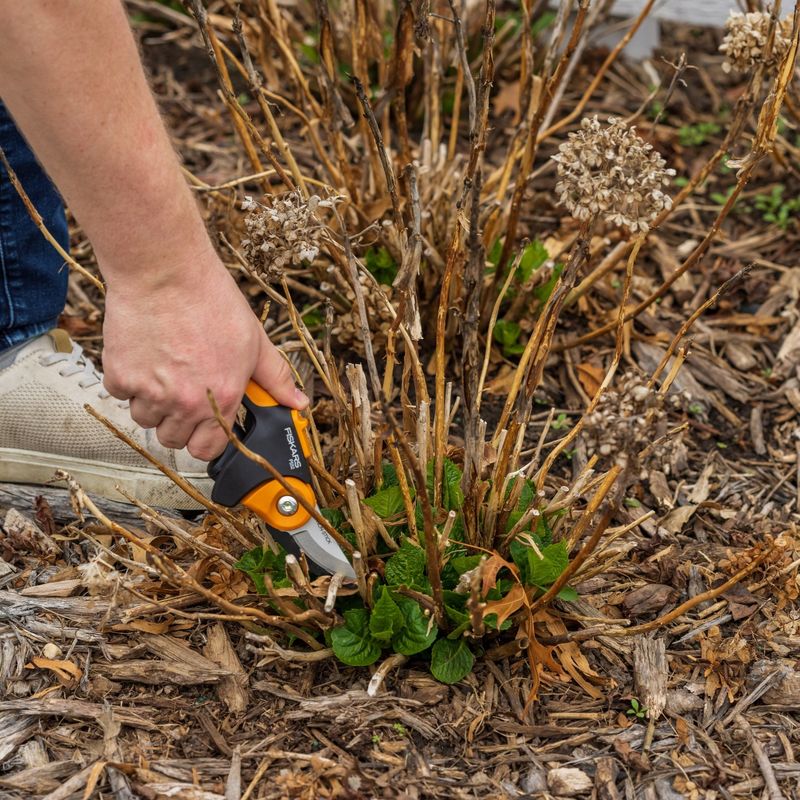
Picture a Saturday morning, coffee in hand, hedge trimmer humming, and a neat flat top appearing on the azaleas. Satisfying, sure, but that even surface is exactly where the flower buds were sitting.
Shearing is the biggest offender because it cuts every branch tip at the same height. Flower buds cluster at those tips, so one pass can remove most of the spring display in about ten minutes.
Hard renewal cuts cause trouble too. Taking a gardenia or camellia down by a third in fall removes mature wood, and the fresh shoots that replace it will not be old enough to flower by March.
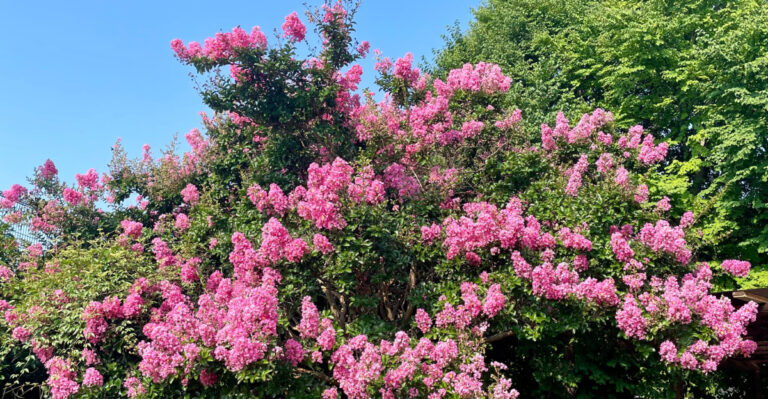
Another common slip involves the crepe myrtle crowd and hibiscus getting lumped in with the spring bloomers. Summer bloomers can handle late cuts because they flower on new growth, and treating every shrub the same way is where the mistake spreads.
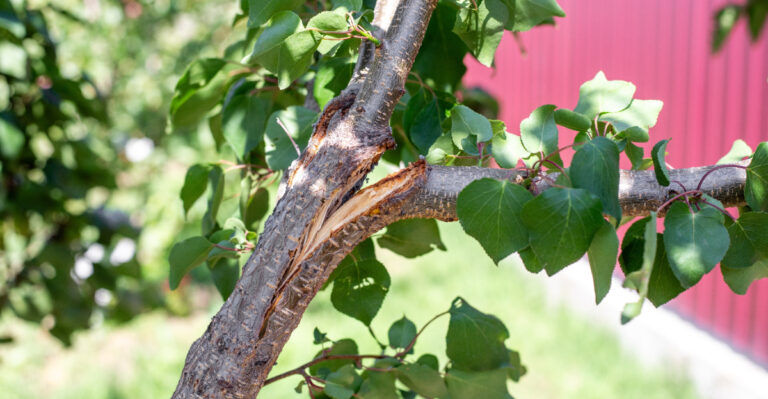
Storm damage muddies things further. Removing a cracked limb in September is smart care, while using the chainsaw as an excuse for a full reshaping is the part that costs you color.
Hedges that mix species add a wrinkle, since one boundary planting can hold both spring and summer bloomers, so a uniform trim shortchanges half the row. Walk the row and label plants before the first cut.
The fix for the habit is mental, not mechanical. Hedge trimmers earn their keep on ligustrum, viburnum, and podocarpus screens, and they belong in the shed when spring bloomers are the target.
Recovery Steps For A Shrub Already Cut Back
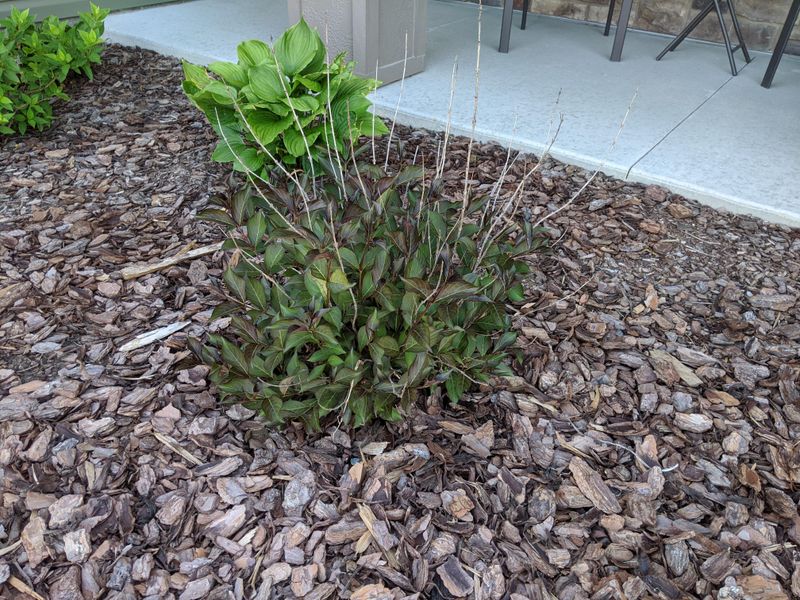
If the shears already came out last week, take a breath, because the plant itself is in fine shape. What is gone is a season of flowers, not the shrub’s future.
Skip the temptation to fix things with a heavy dose of high-nitrogen fertilizer. Pushing lush new growth in fall gives you soft shoots, more pest interest, and still no extra blooms.
Water steadily instead, about an inch a week when rain is short, and refresh mulch to two or three inches while keeping it off the trunk. Steady moisture through the dry winter months helps the plant build strong buds for the following year.
A light potassium-balanced feeding in early spring, right after the normal bloom window closes, sets up healthier growth. From there, resist touching the shrub until the following late spring.
Broken or rubbing branches can still come off at any point in the year. Removing damaged wood is repair work, and it takes very little of the flowering surface with it.
Some plants offer a small consolation prize. Camellias and azaleas often hold a few buds lower on the plant, below the sheared zone, so scattered flowers may still appear where the cuts did not reach.
Pot-grown gardenias bounce back with attentive watering and afternoon shade. Give them room to leaf out and they will rebuild bloom wood by next August.
Use the gap year for planning. Sketch which shrubs bloom when, note the pruning window for each, and the accidental haircut turns into the lesson that protects every spring after that.
Spring Results From A Hands-Off September
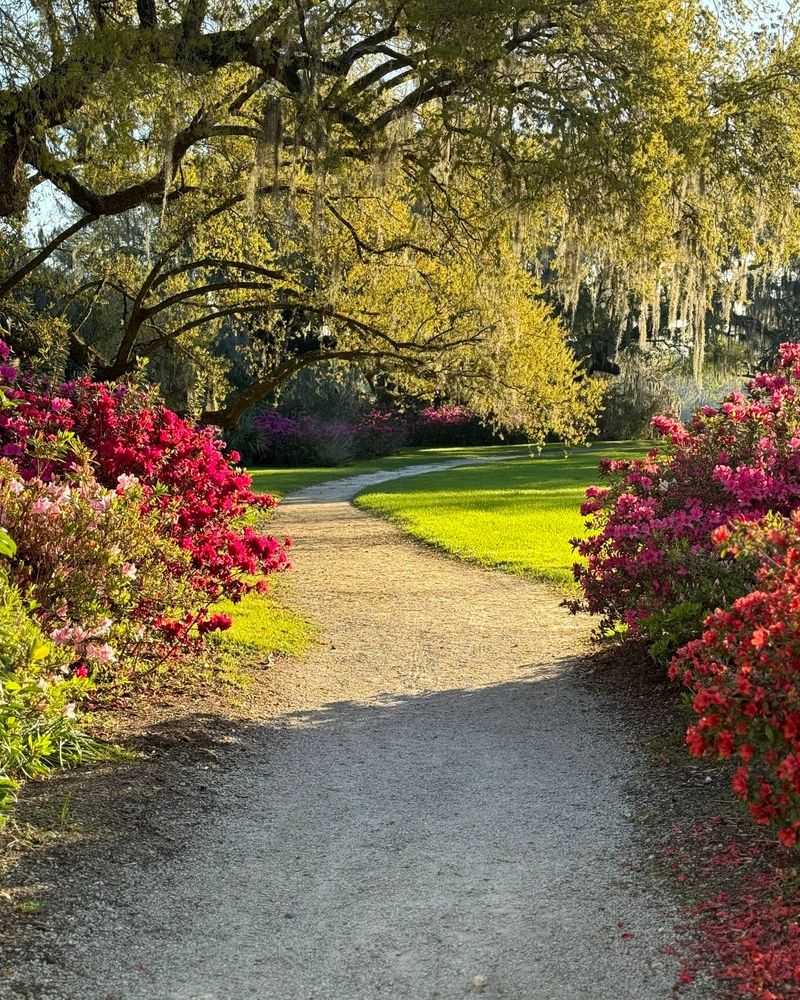
Leave the shrubs alone this month and March does the talking. Azaleas that kept their buds turn into solid walls of pink, white, and coral instead of patchy green mounds with a flower here and there.
Gardenias respond the same way, loading branch tips with buds that open into that heavy, sweet fragrance people plant them for. Camellias carry the show even earlier, from November through February depending on the variety.
Bloom count is only part of the payoff. Untouched plants hold their natural, slightly loose shape, which looks softer in a landscape than a row of clipped cubes.
Pollinators notice too. Early flowers feed bees and hummingbirds during a stretch when little else is open, and that traffic helps the whole yard.
Seed and fruit follow flowers, which matters for plants like loropetalum, viburnum, and Walter’s viburnum. Birds work those berries through winter, turning one skipped haircut into a small wildlife buffet.
There is a practical bonus as well. Skipping a September trim means less yard waste, less time in the heat, and less wear on equipment during the busiest storm months.
Photos tell the story better than any advice column. Snap a picture of the same shrub each March, and the difference between a pruned fall and a patient one shows up clearly in two seasons.
By the time neighbors ask what you feed your azaleas, the honest answer is patience. The strongest bloom season usually comes from the pruning you chose not to do.
A Pruning Calendar That Protects Future Blooms
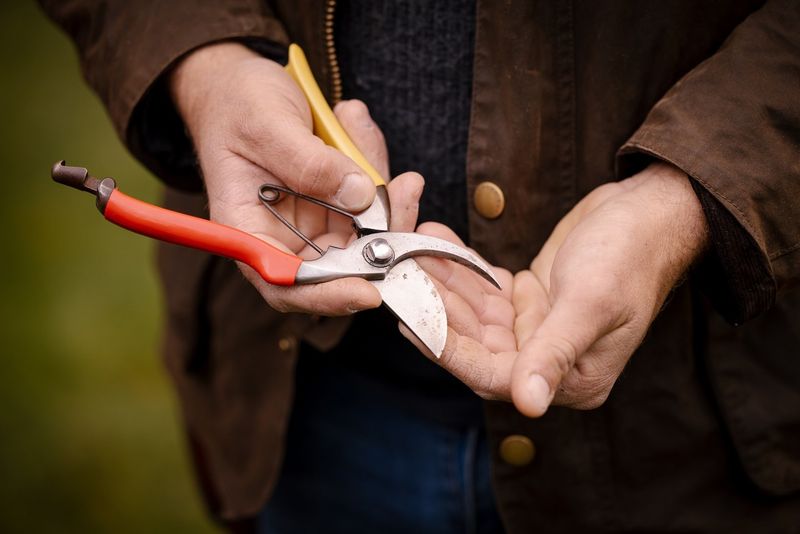
The simplest rule Florida gardeners pass around is short and sticky, and it goes like this. Prune spring bloomers within a few weeks after their flowers fade, and you keep the bud-setting season intact.
For azaleas and camellias in most of the state, that window falls between late March and early June. Gardenias prefer a trim right after the main flush, usually in July, which still leaves time for bud set.
Mark the dates on a phone calendar with a repeating reminder. Labels stuck on a shed wall work too, especially if you list each shrub by name next to its safe month.
September belongs to other chores. Overseeding is not a Florida thing, but it is a fine month for pulling weeds, checking irrigation heads, dividing perennials, and planting cool-season vegetables.
New gardeners can also lean on plant tags and county extension guides. Florida extension offices publish month-by-month checklists for north, central, and south zones, and they are free to read online.
Hired crews need the memo too. A quick note asking them to skip the flowering shrubs in fall protects your garden on days you are not home.
If a shrub genuinely needs shaping before winter, keep the cuts small and selective. Snipping a few wayward branches back to a side shoot removes a handful of buds rather than thousands.
Gardeners who plan that way stop fighting their plants and start working with them. One calendar note in spring buys a whole season of color, which is a pretty good trade for a five-second reminder.