Who Is Snacking On Your Halloween Pumpkins Across Alabama
Muddy handprints cross your porch steps, and your grinning pumpkin lies scattered. Careful carving gave your pumpkin a perfect smile, and a midnight visitor claimed it.
Alabama nights turn crisp in October, and the woods behind your house stir. Raccoons, squirrels, opossums, deer, and hogs treat pumpkins like a party platter.
Soft carved flesh lets them nibble through in minutes. Seeds scatter, rinds split, and your neighbor’s cat now detours around your porch.
Hungry critters across Alabama visit porches once a pumpkin is lit. You can outsmart these visitors using pantry staples and a wiser carving plan.
Certain scents steer curious noses elsewhere, and a sealed surface discourages gnawing. Placement matters much more than any decoration you add.
Aroma guides their path, and you control it. Yet cayenne pepper, dusted along the carved edges, sends visitors scurrying from your pumpkin.
1. Masked Raccoons
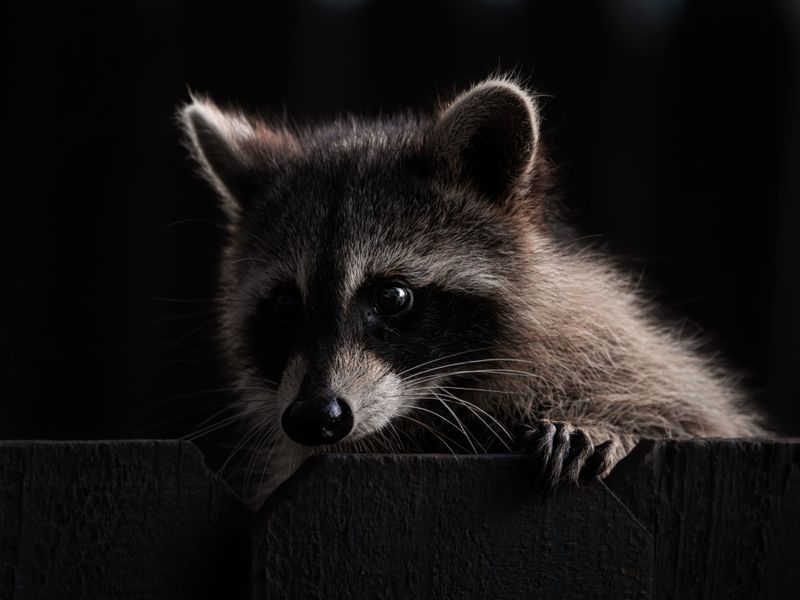
Picture a furry visitor wearing a black mask and tiny gloves, tiptoeing across your porch at midnight. Raccoons are some of the more common pumpkin visitors in Alabama neighborhoods.
Their front paws work almost like human hands, so they can open carved pumpkins without much trouble. They love scooping out the soft insides and the slippery, tasty seeds.
You can spot their work by the messy, torn edges and scraps tossed everywhere. Their tracks look like small handprints with five long fingers pressed into the dirt.
Raccoons are smart, and they remember where they found a good meal before. If your pumpkin fed them once, expect a return visit on the next night.
To keep them away, bring carved pumpkins inside or into a closed garage after dark. Secure your trash cans too, since garbage often draws them close to your door first.
Some families sprinkle cayenne pepper or spray a hot pepper mix on their pumpkins. Raccoons often dislike the spicy burn on sensitive noses and paws.
Motion-activated lights can sometimes startle them into leaving your porch alone. Just remember these clever critters may test your defenses more than once.
Did you know the word raccoon comes from a Powhatan word often meaning one who rubs with hands? That name fits well once you see them dig through pumpkin insides.
Please do not try to catch or corner one yourself, because raccoons can bite and carry rabies. Call your local wildlife office if a raccoon seems sick or acts strangely.
2. Hungry Deer
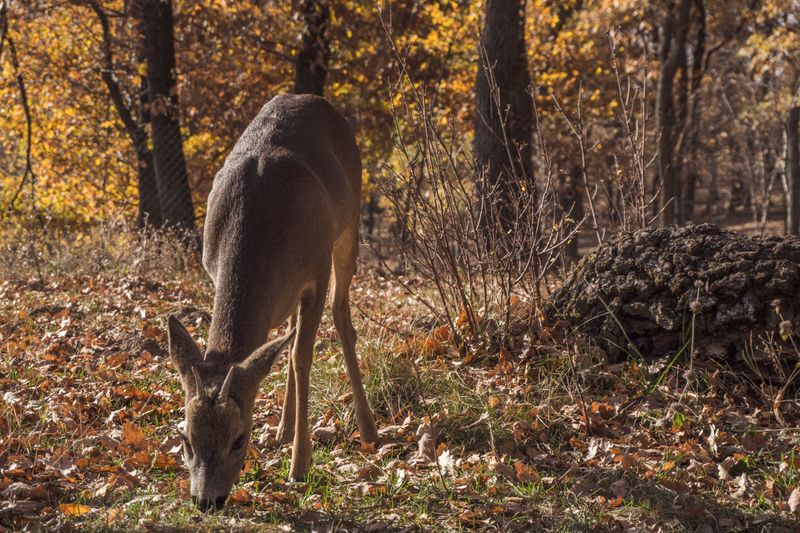
If your pumpkin sits near the woods, a deer may have stopped by for a crunchy snack. Alabama has well over one million white-tailed deer roaming its fields and forests.
Deer usually go after whole, uncarved pumpkins sitting on lawns or along garden edges. They nibble the rind and leave big, wide bite marks with jagged scrape lines.
Look closely at the ground for split, heart-shaped hoofprints around the damage. Those tracks are a clear sign that a deer, not a raccoon, was the guest.
October is a busy month for deer because they are fattening up for winter. Pumpkins are sweet, soft, and easy to reach, so they make a tempting treat.
Your Alabama Garden Changes Every Week. Your Plan Should Too.
Gardening in Alabama changes quickly throughout the season. Every Friday you’ll receive a simple weekly plan showing exactly what to plant, prune, fertilize, harvest, and protect so you never miss the right timing.
Some hunters and farmers even leave old pumpkins out on purpose to feed wildlife after Halloween. That is a kind gesture, but it is not great for your front porch display.
A tall fence works best if deer visit your yard often. Deer can leap up to eight feet, so short garden fences will not stop them.
Smelly repellents made from rotten eggs or garlic can also help keep them away. Hanging bars of strong scented soap near your pumpkins is an old trick some gardeners swear by.
Keep your decorations closer to the house, where lights, noise, and people make deer nervous. A pumpkin on a high table or step is harder for them to reach comfortably.
Deer are graceful and fun to watch from a window. Still, nobody wants to wake up and find their jack-o-lantern turned into breakfast.
3. Bushy-Tailed Squirrels
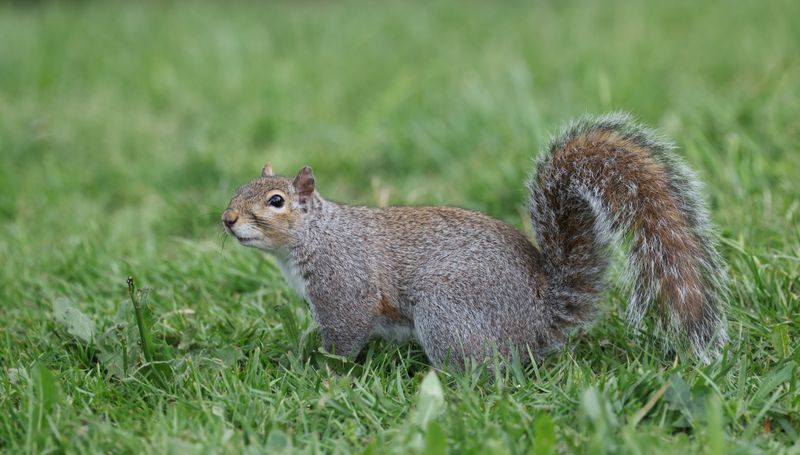
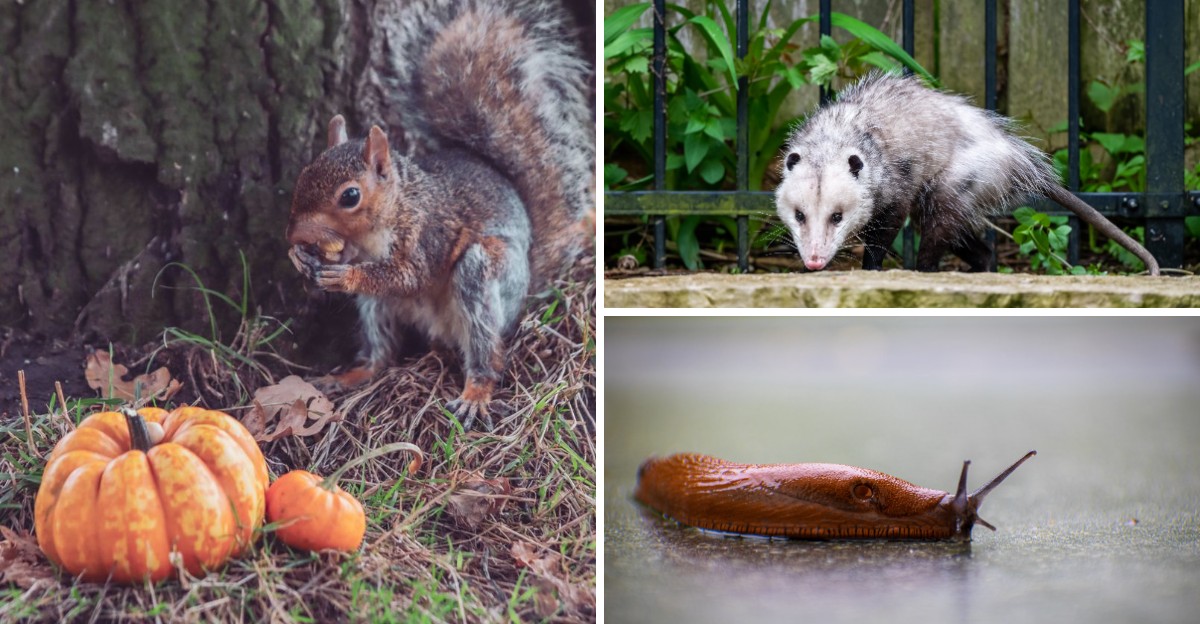
Squirrels might look sweet and innocent, but they are pumpkin snackers with fluffy tails. Gray squirrels and fox squirrels both live all over Alabama, from cities to farm towns.
Unlike many nighttime visitors, squirrels do their damage early in the morning. Still, you may only notice the holes when you step outside in the morning.
Squirrels have sharp front teeth that keep growing their whole lives. Chewing on hard things like pumpkin rinds helps keep those teeth from growing too long.
You can tell a squirrel visited by the small, neat holes and scraped tooth marks. They often chew right through the top or the carved face to reach the seeds.
Pumpkin seeds are packed with fat and protein, which squirrels need before cold weather arrives. Some squirrels even bury seeds in your yard to snack on later.
To protect your pumpkins, try coating them with a thin layer of petroleum jelly. Squirrels dislike the greasy feeling on their paws and often give up quickly.
Hot pepper spray can work, though it may irritate eyes and noses, so apply it sparingly. Just reapply it after rain, since water washes the spicy coating off fast.
Another idea is a distant snack spot with sunflower seeds, though extra food draws others. A full squirrel may decide your porch pumpkin is not worth the effort.
Watching a squirrel nibble a seed can be pretty entertaining. Just do not let it turn your carefully carved masterpiece into a nibbled cartoon face.
Some folks swear their squirrels know exactly when Halloween arrives. They can likely smell a fresh pumpkin from a good distance.
4. Curious Opossums
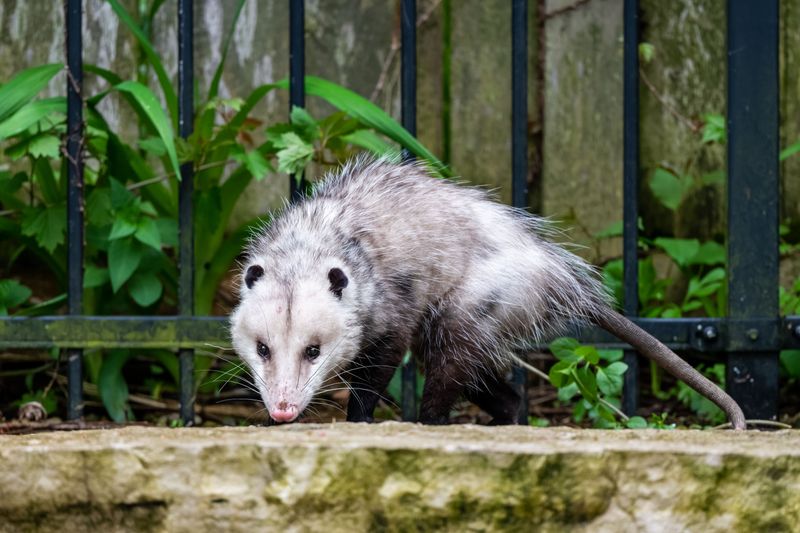
Meet the only marsupial north of Mexico, a pouch-carrying mom who might munch your pumpkin. Opossums often wander Alabama yards at night looking for anything tasty.
They are not picky eaters at all, so soft pumpkin flesh is a welcome find. Opossums happily eat fruit, bugs, snails, and even old pet food left outside.
Their tracks are easy to spot because the back feet have a thumb-like toe. The prints look a little like tiny human hands spread wide in the mud.
Opossums tend to target pumpkins that are already starting to soften or rot. If your jack-o-lantern has been out for a week, it smells like dinner to them.
Some people consider opossums a nuisance, but they actually help your yard in many ways. Opossums are said to eat thousands of ticks in a season.
They also gobble up beetles, slugs, and mice that might bother your garden. So losing a pumpkin to an opossum is a small price for natural pest control.
If you would rather keep them away, toss out rotting pumpkins quickly. Store pet food indoors and close any gaps under your porch or deck.
A bright porch light can also make opossums think twice before strolling up. They prefer dark, quiet places where they feel safe from dogs and owls.
If one plays possum when you find it, stay calm and walk away. It will wake up and waddle off once it feels the danger has passed.
5. Striped Chipmunks
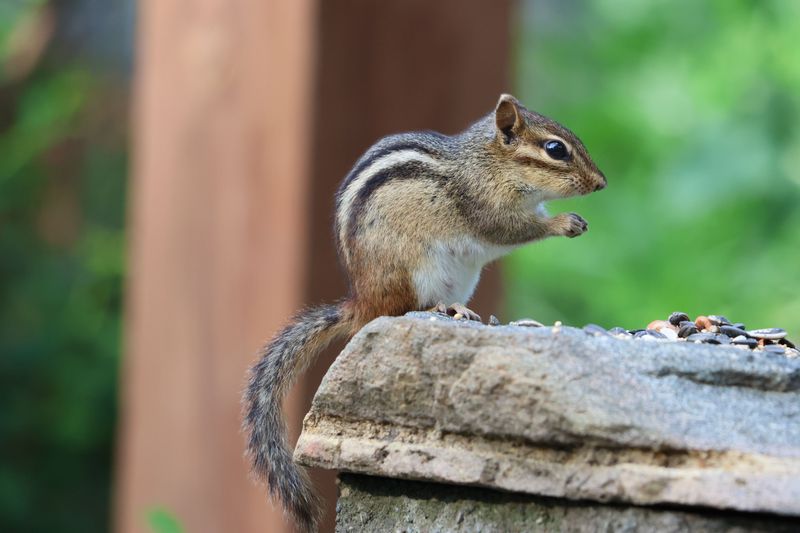
Small, speedy, and wearing racing stripes, chipmunks are tiny foragers with big appetites. Eastern chipmunks are found across much of northern and central Alabama.
They are mostly active during the day, but they start very early near dawn. By the time you wake up, a chipmunk may have already finished its pumpkin breakfast.
Chipmunks love pumpkin seeds more than the actual flesh. They chew small, round holes near the bottom so they can reach the seeds inside.
Their cheek pouches can stretch to almost three times the size of their head. That means one chipmunk can carry off a large load of seeds in a single trip.
They store those seeds in underground tunnels to eat during the cold winter months. One busy chipmunk can stash thousands of seeds and nuts each fall.
Look for tiny holes in the dirt around your porch or flower beds. Those may be tunnel entrances leading to a chipmunk’s secret snack pantry.
To stop them, place pumpkins on a raised table instead of the ground. A thin coat of spray-on clear sealer may also make the rind less appealing.
Some set pinecones with peanut butter far from the porch, though food draws others. The chipmunks may get distracted by the easier treat and skip your pumpkin.
Removing piles of wood or rocks near your home helps too, since chipmunks love hiding there. Fewer hiding spots means fewer tiny visitors poking around your decorations.
Chipmunks are cute enough to make you forgive them, at least a little. Just keep an eye on that pumpkin, because they can hollow it quickly.
6. Rooting Hogs
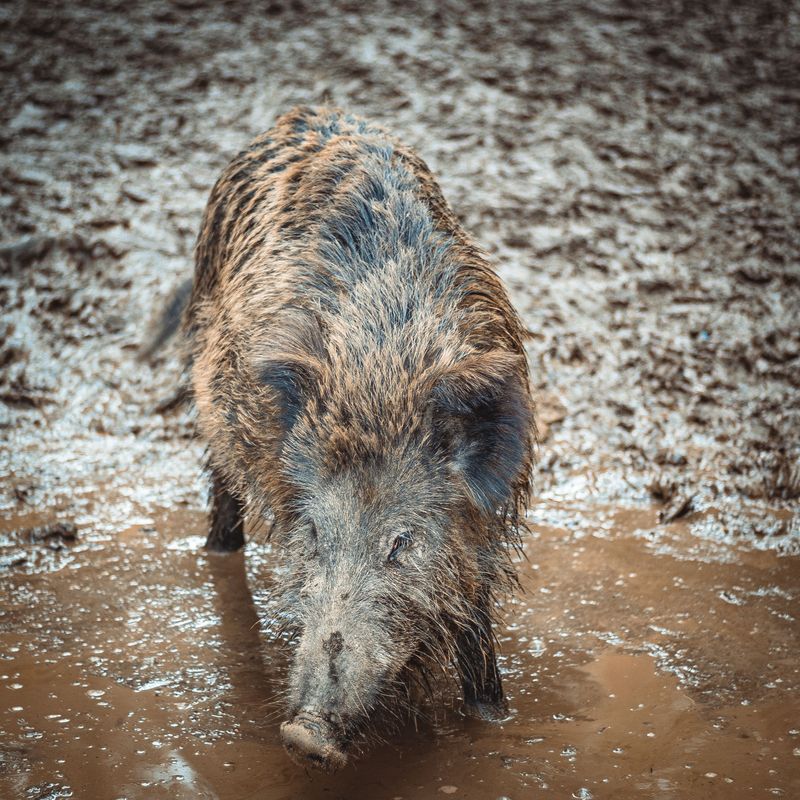
Imagine waking up to find your whole yard dug up like a plowed field. If that sounds familiar, feral hogs may have found your pumpkins overnight.
Wild hogs live in all 67 Alabama counties, and their numbers have grown. They are strong, smart, and hungry enough to eat almost anything they find.
Hogs do not nibble lightly like squirrels or chipmunks. They break pumpkins open with their snouts and eat up nearly every last piece.
Signs of hog visits include deep rooted holes, flipped sod, and muddy wallows. Their tracks look like deer prints but are rounder and blunter at the tips.
Hogs mostly show up near homes close to woods, creeks, or farmland. They travel in groups called sounders, so damage can happen fast.
Please keep your distance if you spot one, especially at night. Wild hogs have sharp tusks and can become defensive when they feel cornered.
Regular fences may not stop them, so many rural families use electric wire near the ground. Bringing pumpkins inside each night is the simplest way to protect them.
Avoid leaving out other food, like corn, birdseed, or fallen fruit, since extra food draws hogs and other animals. Hogs have a strong sense of smell and can follow a snack trail right up to your door.
If hogs become a problem, contact the Alabama Department of Conservation and Natural Resources. Trained trappers know how to remove them safely and legally.
A pumpkin is small stuff compared to the damage hogs can do. Still, it is a clear signal worth keeping in mind this October.
7. Nighttime Rodents
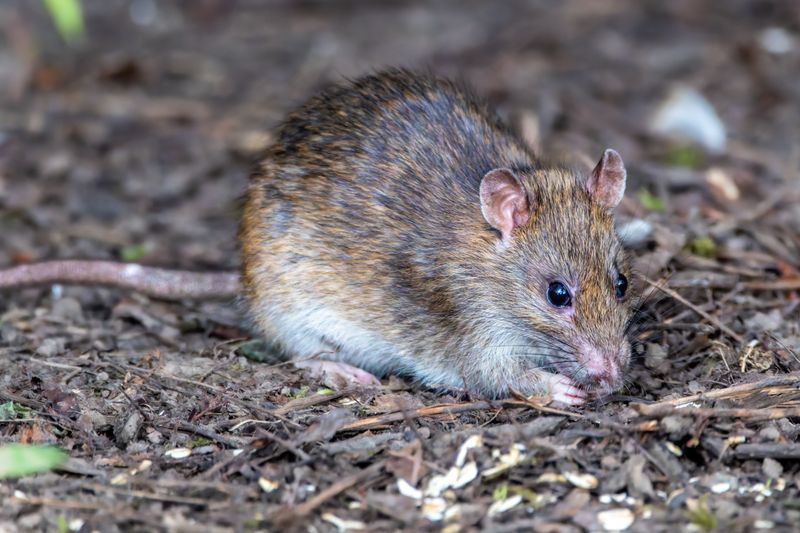
Not every pumpkin visitor is cute and fluffy. Roof rats and house mice also sneak out after dark to sample your Halloween decorations.
Roof rats are common in Alabama, especially in warm, humid areas near trees and older buildings. They climb well and often travel along fences, branches, and power lines.
Rodents usually chew small, rough holes at the base of a pumpkin. They tunnel inside and hollow out the seeds and stringy pulp from within.
Sometimes the outside looks fine until you pick it up and it caves in. That surprise may mean rodents moved in, though rot can cause it too.
Look for droppings near the pumpkin, rice-sized for mice and larger for rats. Thin, scratchy tracks with a tail drag line are another strong clue.
Rodents carry germs, so wear gloves when cleaning up a chewed pumpkin. Toss it in a sealed trash bag instead of leaving it on the porch.
Keep pumpkins off the ground by placing them on a table or porch rail. Clear away clutter, leaf piles, and stacked boxes where rodents like to hide.
Peppermint oil sprayed around your display may help keep them away for a while. Rodents seem to dislike the strong minty smell, though it fades in a few days.
Check the edges of your home for holes as small as a quarter. A mouse can squeeze through a gap about the size of a pencil.
Sealing those openings keeps rodents from moving indoors once the weather turns cooler. Your pumpkin may be the scent that draws them right to your door.
8. Slimy Slugs
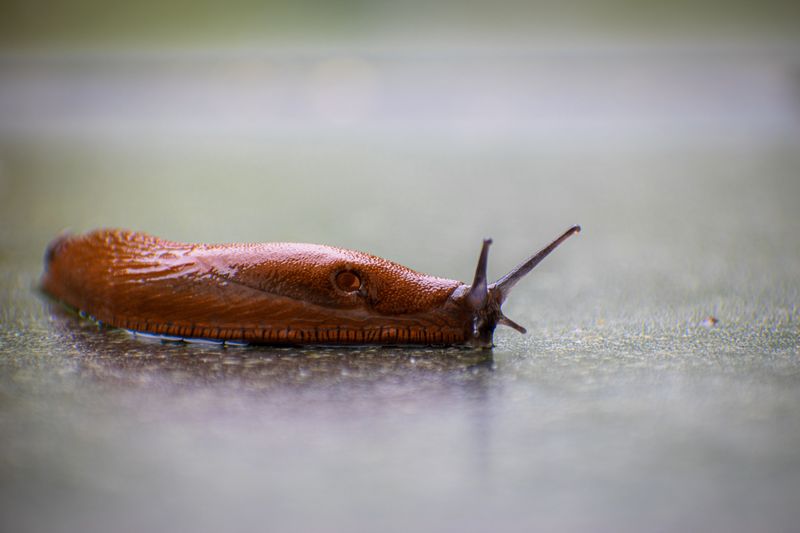
Shiny silver trails across your porch at sunrise tell a gooey story. Slugs and snails love cool, damp nights, which Alabama can have after October rain.
They might move slowly, but slugs can eat a surprising amount overnight. They scrape away at the rind with a rough tongue covered in tiny teeth.
Slug damage looks like shallow, uneven holes with smooth edges. Carved pumpkins are easy targets because the soft, wet inside is open to them.
They prefer pumpkins sitting on damp ground, mulch, or near garden beds. Rainy weeks make the problem worse, since slugs need moisture to survive.
Did you know a single slug can have up to 27,000 tiny teeth? That is a lot of chewing power for a creature with no legs.
To keep slugs off, raise your pumpkins onto a dry step, crate, or table. Wiping the bottoms dry each morning also makes them less inviting.
Some gardeners try a ring of crushed eggshells or coarse sand, with mixed results. The idea is that slugs dislike crawling over scratchy surfaces, but garden tests show mixed results.
Some gardeners set out a shallow dish of beer to trap them overnight. Slugs crawl in, attracted by the yeasty smell, and drown in the dish.
Copper tape around a pot or tray is another clever barrier worth trying. It may create a tiny tingle slugs avoid crossing.
Slugs may be slimy, but they are part of a healthy outdoor world. Birds, frogs, and toads count on them as a tasty meal.