Should You Keep Watering Your Ohio Lawn In October?
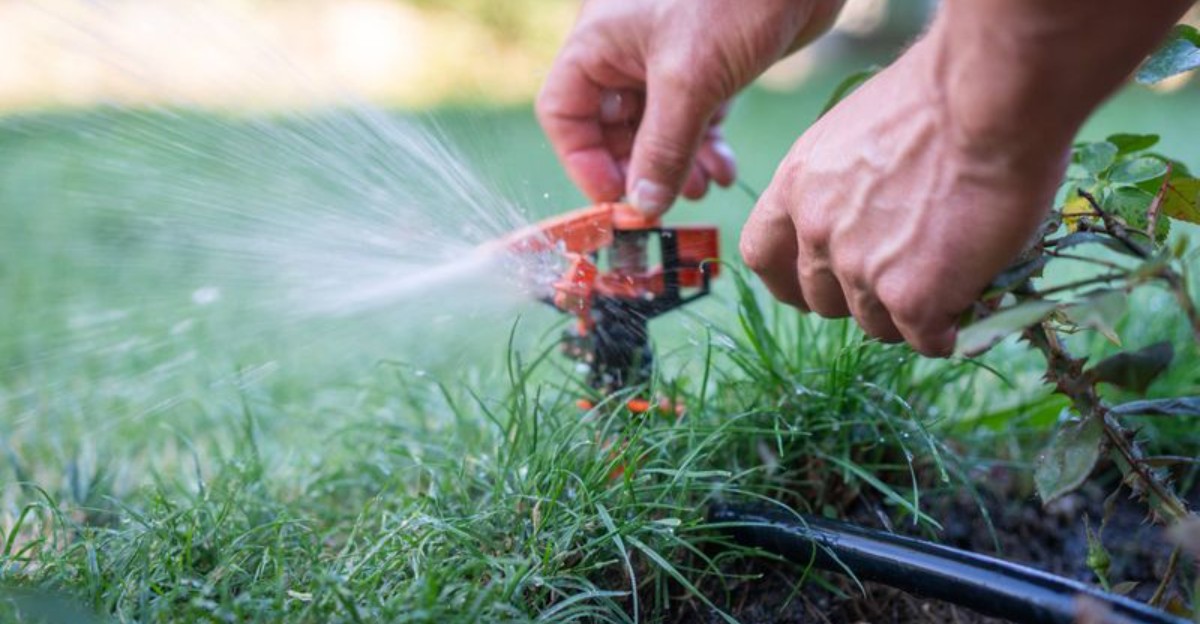
The sprinkler is still parked at the edge of the yard, and the temperature has dropped twenty degrees since August. Something has to give.
Ohio lawns stay green deep into October, and that fools plenty of homeowners. Grass doesn’t need what it needed in July.
It doesn’t need nothing, either.
Both camps have loud fans. One neighbor shuts off the hose on September 30 and swears by it.
Another runs the sprinkler until the first snow and has the thick lawn to back it up.
Each of them is right about something, and each is missing something too. A quick test with a simple tool settles the argument in about a minute.
Grab one this weekend and walk the yard. The answer is more specific than a date on the calendar.
1. Dry Falls Can Leave Ohio Lawns Dormant
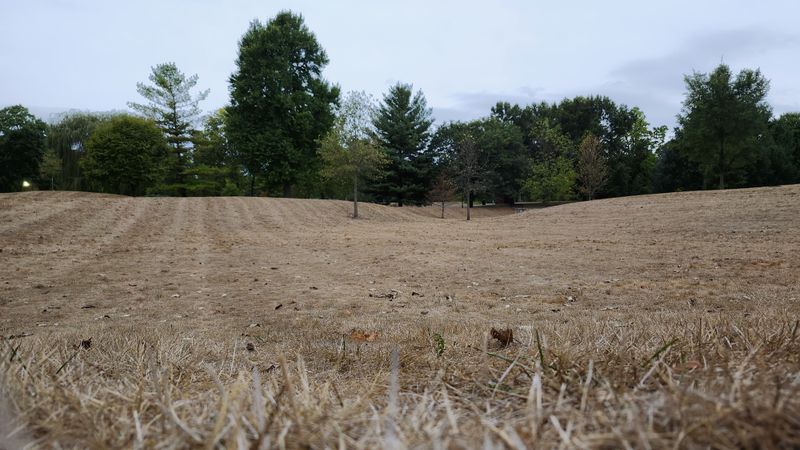
Picture a bear curling up in a cave for winter, and you have a good idea of what your grass does in a dry fall. Ohio lawns are mostly cool-season grasses like Kentucky bluegrass, tall fescue, and perennial ryegrass.
When rain stays away for weeks, those grasses hit the pause button. The blades turn tan or brown so the plant can save its energy.
Underneath, the important parts keep working quietly. The crown, roots, and rhizomes stay healthy below the soil line while the tops look tired.
Dormancy is a smart survival trick, not a failure on your part. Your neighbor’s lawn is likely doing the same thing, even if it has a fancy sprinkler system.
Here is a fun fact to share at your next cookout. Kentucky bluegrass can stay dormant for four to six weeks and still bounce back once moisture returns.
So should you panic when the yard turns the color of toast? Not at all, because a few good soakings from autumn rain usually wake things up again.
Your job is mostly to watch and wait during a dry spell. Keep foot traffic light, raise your mower blade, and let the grass rest without much fuss.
Think of it as your lawn taking a well-earned nap after a long, hot summer. A little patience now pays off when spring rolls around.
2. Not Every Brown Lawn Is Dormant
Brown grass can be sneaky, kind of like a friend who says they are fine when they really are not. Sometimes tan blades mean a nap, and sometimes they point to real trouble.
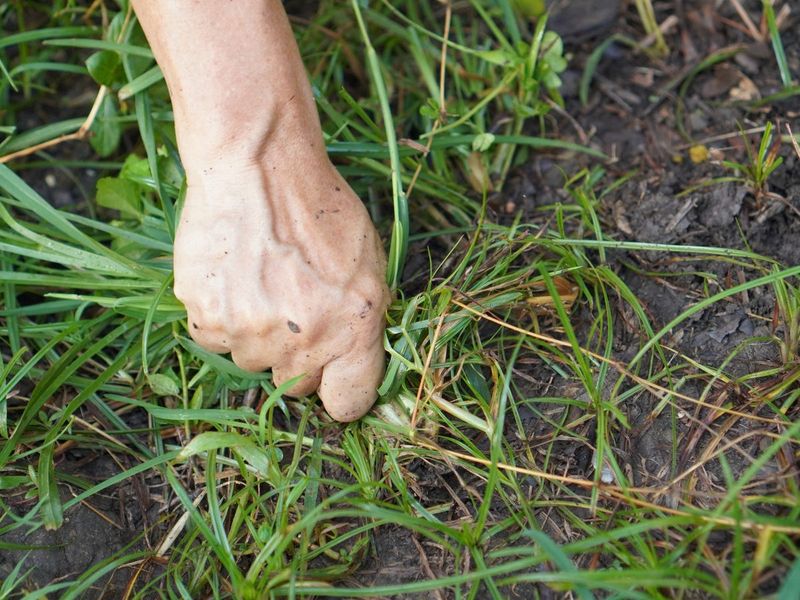
The easiest way to find out is called the tug test. Grab a small handful of brown blades and pull gently upward.
If the grass holds tight in the soil, it is most likely dormant and still healthy. If it slides out easily, roots and all, something else is going on.
Next, try a crown check by looking at the spot where the blades meet the roots. A firm crown that is white, cream, or pale green is a good sign.
A crown that feels soft, hollow, or crispy brown suggests damage. That patch probably will not recover on its own, even with plenty of water.
Your Ohio Garden Changes Every Week. Your Plan Should Too.
Gardening in Ohio changes quickly throughout the season. Every Friday you’ll receive a simple weekly plan showing exactly what to plant, prune, fertilize, harvest, and protect so you never miss the right timing.
Pay attention to the pattern, too. Even browning across the whole yard often means drought, while odd rings or blotchy spots can hint at disease or grubs.
Fungal problems like brown patch, dollar spot, and red thread can show up in Ohio yards. Too much fertilizer, soggy soil, and hard, packed ground can also cause browning.
A few minutes of detective work saves you money and stress. You will know whether to water, wait, or call a lawn pro for help.
3. Once You Start Watering, Keep A Regular Schedule
Here is a lawn rule that surprises a lot of homeowners. Watering a dormant lawn once and then forgetting about it can do more harm than good.
When you water, the grass starts to wake up and use its stored energy to grow. If the water suddenly stops, the plant gets stressed all over again with less fuel in the tank.
That back-and-forth wears grass out fast. So if you start, plan to keep going until the dry spell ends and steady rain returns.
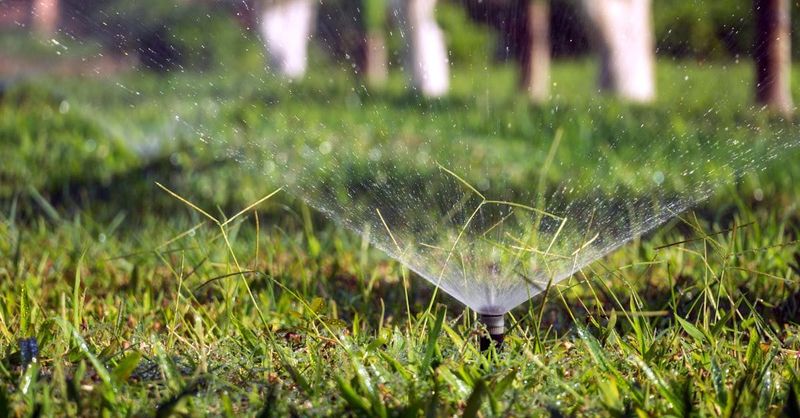
For an active, green lawn, aim for about 1 to 1.5 inches of water per week. Rainfall counts toward that total, so a simple rain gauge is a handy helper.
Deep soakings two or three times a week work better than a quick sprinkle every day. Deep watering pushes roots farther down into the soil where moisture lasts longer.
Shallow daily watering does the opposite and keeps roots lazy near the surface. Those short roots struggle the next time a dry stretch rolls in.
A tip from seasoned gardeners is to set reminders on your phone. You could also use a hose timer so you do not have to think about it every morning.
Consistency is the secret ingredient here. Pick a plan you can stick with, and your lawn will thank you.
4. A Dormant Lawn Needs Only About A Half Inch A Week
Good news for your water bill: a sleeping lawn is a light drinker. You do not need to soak it like it is the middle of July.
The goal with dormant grass is simple survival, not a bright green makeover. A small drink keeps the crowns hydrated so they stay healthy until real rain arrives.
Most guidance lands around a half inch of water, given weekly or every couple of weeks. Some experts suggest as little as a quarter inch every two to four weeks during long dry spells.
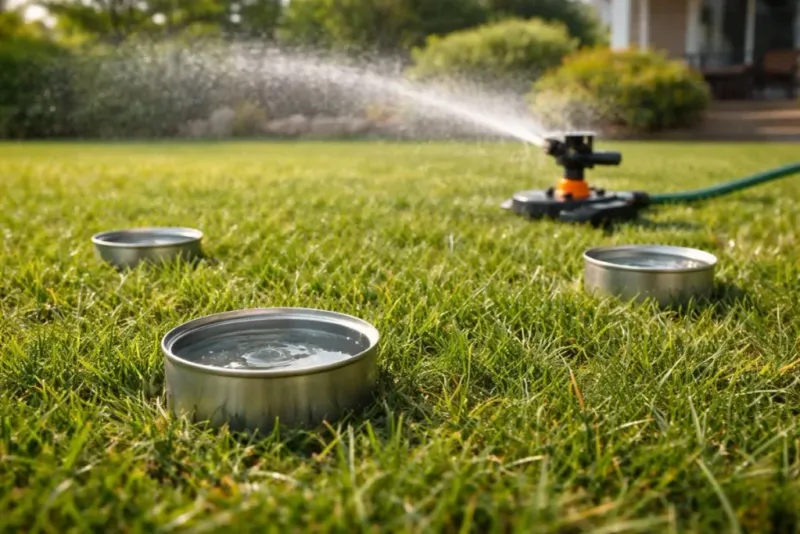
So how do you measure a half inch without a science lab? Set a few empty tuna cans or straight-sided cups around the yard while the sprinkler runs.
Time how long it takes for the water to reach a half inch in the cans. Then you will know exactly how long to run your sprinkler next time.
This small amount will not turn the lawn green, and that is okay. The grass stays tan on top while the important parts underground stay safe.
Watch your local forecast and skip a session if a good rain is on the way. Nature’s free water is the best kind anyway.
Think of it like giving a sleeping pet a sip of water. You are not waking it up, just keeping it comfortable.
5. Water Early In The Morning

Early birds get more than worms, they get healthier lawns too. The best time to water grass in Ohio is between about 5 a.m. and 10 a.m.
Morning air is cool and calm, so less water drifts away or evaporates. More of every drop sinks down into the soil where roots can reach it.
Watering at noon is a bit like pouring water on a hot frying pan. The sun grabs a big chunk of it before the grass gets a fair share.
Evening watering seems relaxing, but it comes with a hidden catch. Blades that stay wet overnight make a cozy home for fungus.
Fall nights in Ohio are long, cool, and damp already. Adding extra moisture at dusk can invite problems like brown patch and other leaf diseases.
Morning watering gives the blades all day to dry off in the sunshine. That simple timing change lowers the chance of disease without any extra work.
Not a morning person? An inexpensive hose timer or smart sprinkler controller can handle the job while you sleep in.
Pair the timer with a rain sensor if you can. It stops the sprinkler during a storm, which saves water and money.
Just remember to check the forecast for frost. On frosty October mornings, wait until the frost melts before watering or walking on the lawn.
6. Newly Seeded Lawns Can’t Be Allowed To Dry Out
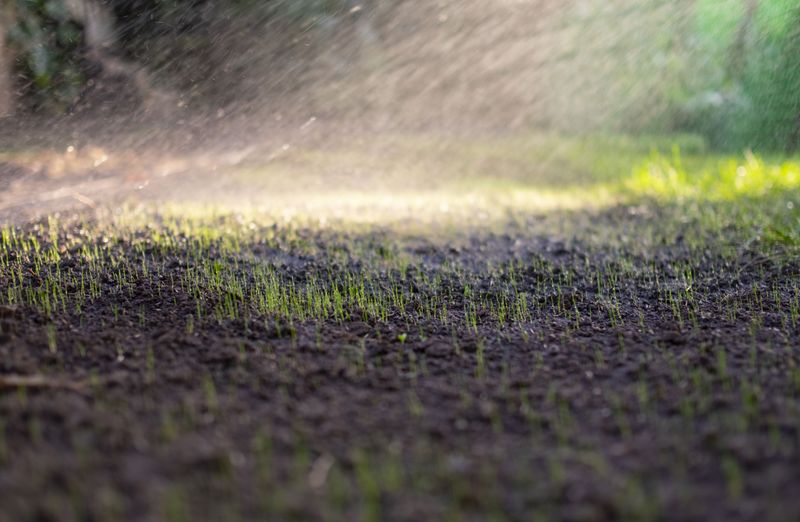
Grass seed is a little like a baby bird, it needs steady care in the first few weeks. Once that seed starts to sprout, even one dry, windy afternoon can set it back.
Right after seeding, keep the top layer of soil moist but not soggy. Light, frequent watering works best, sometimes one to two times a day or more on warm, breezy days.
The first 7 to 10 days matter most for germination. Aim for damp soil that looks dark, without puddles or streams that wash seed away.
As seedlings pop up and grow taller, slowly change your routine. Water less often but more deeply, so young roots learn to reach down into the soil.
Keep the seedbed moist for roughly 30 to 45 days. By then the new grass should be filling in and growing steadily.
October weather in Ohio can swing wildly from warm and sunny to cold and gray. Check the soil with your finger each day instead of just following a calendar.
A thin layer of straw or seed mulch can help hold moisture in place. Pick weed-free straw so you do not plant unwanted guests.
Kids and pets love running across soft new grass, so set up a little rope or flags. Protecting those tender sprouts now gives you a thick, sturdy lawn later.
7. Hold Off On Seeding If You Can’t Water Through Late Fall
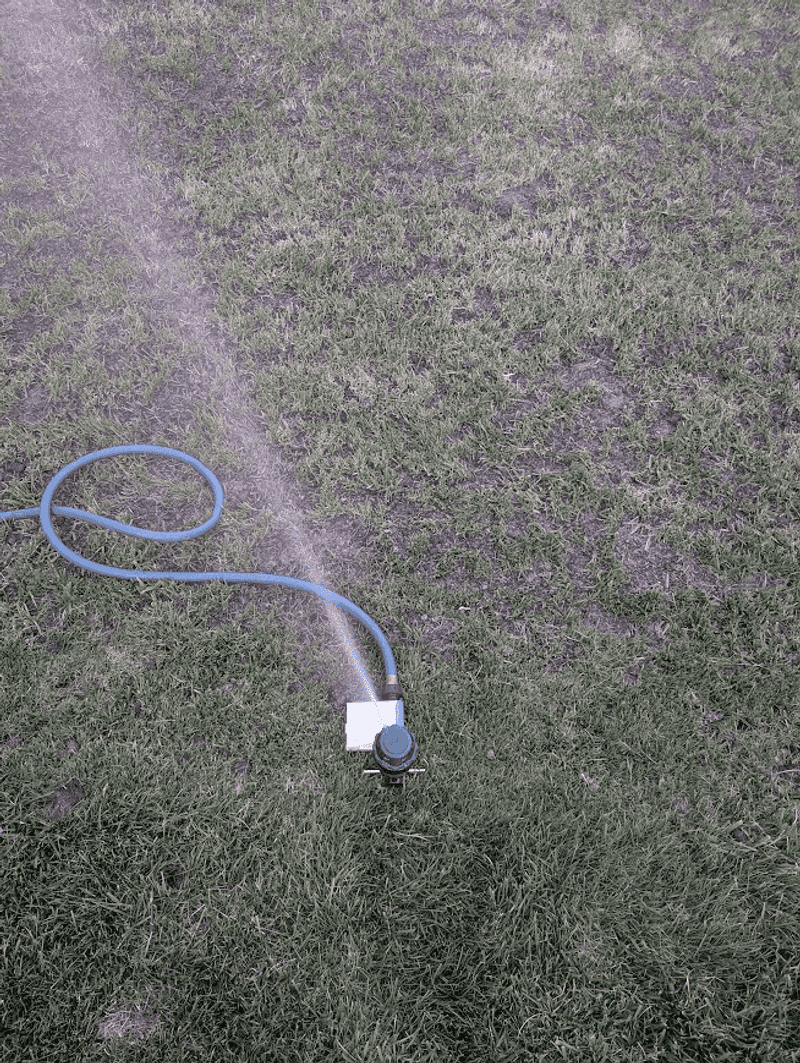
Timing is everything when it comes to fall seeding in the state. The sweet spot usually runs from mid-August through late September.
Early October can still work in many years, especially with fast growers. Perennial ryegrass can sprout in just 5 to 10 days.
The catch is that baby grass needs time to toughen up before the ground freezes. Ideally, it should grow tall enough to be mowed once or twice before winter.
Late seeding also means more weeks of watering as the days get shorter. If you will be traveling, busy, or unable to run a hose, the young grass may struggle.
Be honest with yourself before buying that big bag of seed. If you cannot water steadily into November, waiting may be the smarter move.
One option is called dormant seeding, done in late fall or winter when soil is too cold for seeds to sprout. The seed rests in the ground and waits for spring.
That method has a risk, though. A surprise warm spell can trick seeds into sprouting early, and a hard freeze afterward can undo all that progress.
Another choice is simply to wait until next spring or late summer. Patience can save you money, seed, and a lot of frustration.
Mark your calendar for mid-August next year so you are ready. A little planning makes the next round much easier.
8. Dormant Grass Can’t Use Fertilizer
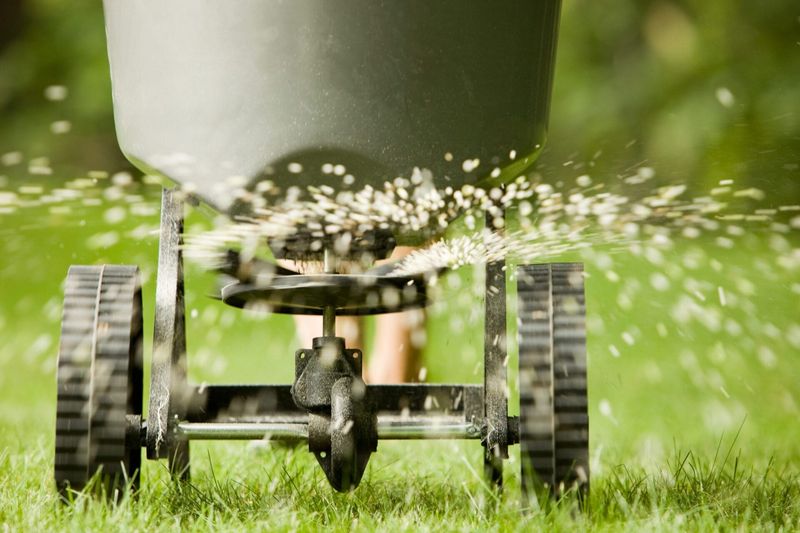
Feeding a sleeping lawn is like offering a full dinner to someone who is snoring. The food just sits there, waiting for a moment that is not coming yet.
Dormant grass is not actively taking up water, so it cannot pull in nutrients either. Fertilizer spread on dry, brown turf mostly sits on the surface until rain dissolves it.
That wasted product can wash into storm drains and nearby streams. It also costs you money without giving your yard any real benefit.
The smarter plan is to wait until the grass starts recovering from drought. If dry weather drags on into winter, skipping the fall feeding may be the best choice.
Late fall fertilizing is a different story. It works when the grass is still green and its roots are active, even as top growth slows down.
Ohio State University often suggests two fall feedings for cool-season lawns. One goes down around Labor Day, and another comes in late October or early November after the final mow.
That late feeding helps roots grow stronger and store energy for winter. Come spring, it can lead to a quicker, richer green-up.
The key is knowing which kind of lawn you have right now. Green and growing means feed it, while brown and dormant means hold off for now.
9. Footprints That Stay Put Signal A Thirsty Lawn
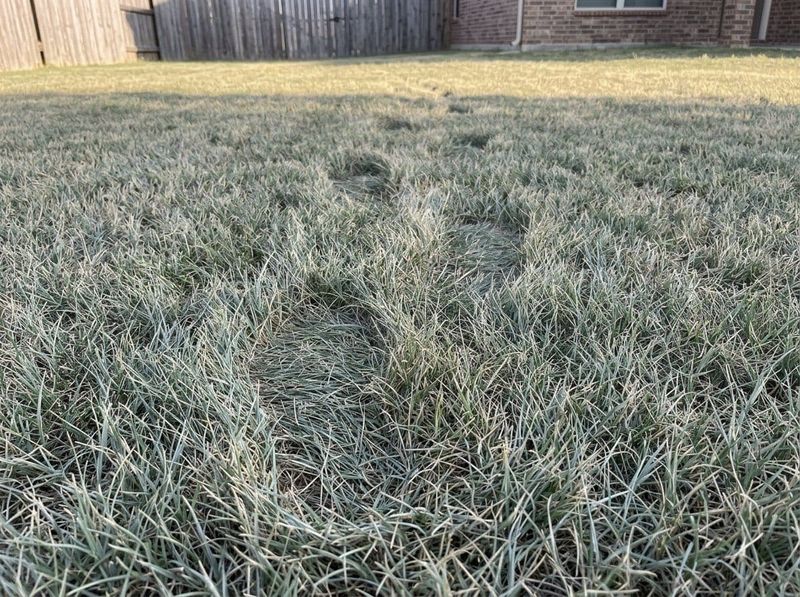
Take a stroll across your yard, then turn around and look behind you. If your footprints are still there a minute later, your grass is waving a little flag for help.
Healthy, well-watered blades are springy and bounce right back up. Thirsty blades lack the water pressure inside to stand tall again.
This trick is easy enough for kids to try, and they usually love it. Turn it into a quick backyard game while you check the lawn.
Color offers another clue worth noticing. A lawn that looks dull, grayish, or blue-green instead of bright green is often low on water.
Folded or curled blades are another hint. Grass rolls its leaves to cut down on moisture loss when it feels dry.
For a closer look, grab a long screwdriver and push it into the soil. If it slides in easily, moisture is likely fine.
If it fights you, or the soil feels dry 4 to 6 inches down, it is time to water. That simple tool tells you more than any guesswork from the window.
Check a few spots, since sunny slopes and areas near driveways dry out faster. Shady corners under trees may hold moisture longer.
Listening to these signs helps you water only when needed. Your lawn gets what it wants, and you save time and water.