Why Your Christmas Cactus Buds Drop in an Ohio Living Room
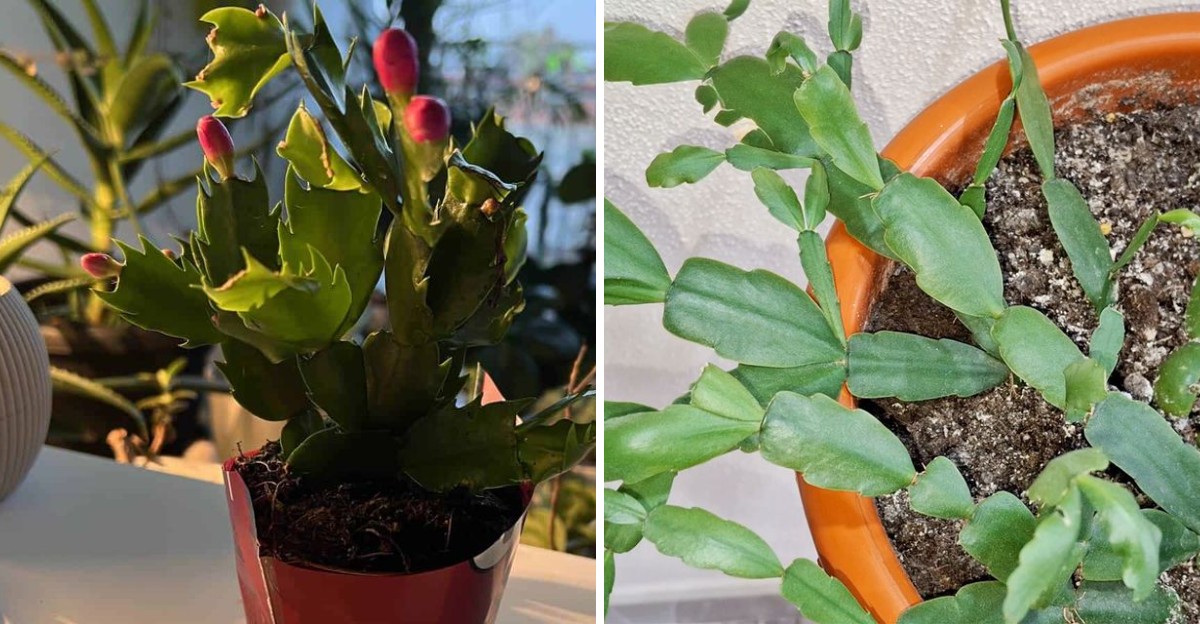
A single cold draft can make a fat flower bud let go overnight. I learned that the hard way one December. The buds looked plump and ready on Friday. By Sunday, three of them sat on the windowsill like tiny pink beads.
Your plant comes from misty Brazilian mountain forests. It grows on tree branches there, not in desert sand. Cool nights, soft light, and steady moisture are its normal life. An Ohio living room in winter offers almost the opposite.
I find this plant a bit dramatic. It notices furnace blasts, chilly glass, and even a quick turn of the pot. You need to think like a cloud forest for a few weeks. Small changes in your routine can matter a lot.
So what in your cozy room is quietly upsetting those buds?
Those Fallen Christmas Cactus Buds Are Sending You a Message
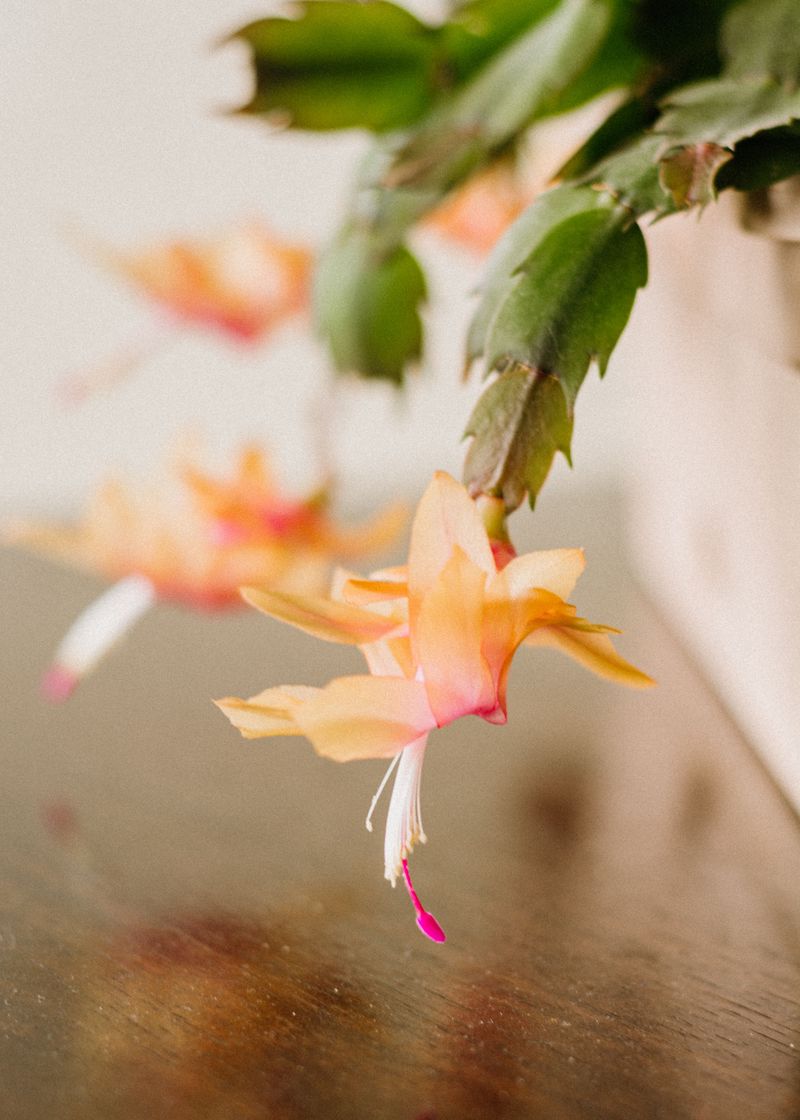
Buds rarely fall for no reason. When a holiday cactus drops them, it is usually reacting to stress in its surroundings.
Think of each little bud as a mood ring that turned the wrong color.
The plant spends a lot of energy building flowers. If conditions suddenly feel unsafe, it saves itself by letting the buds go.
University extension experts point to the same short list of triggers again and again. Temperature swings, dry air, uneven watering, shifting light, and moving the pot top that list.
Winter in Ohio stacks several of those stresses at once. Furnaces run hard, windows get frosty, and daylight is short and weak.
Your living room may feel perfect to you while feeling like a storm to your plant.
A few clues can help you narrow things down. Buds that fall while still tiny often point to a big change early on, like a move from a cool porch to a warm room.
Larger buds that drop just before opening often mean drafts, dry heat, or thirsty roots.
Write down what changed in the last week or two. Did you move it, turn up the heat, or skip a watering?
That simple list is often your best detective tool.
Watch Out for Cold Window Drafts and Furnace Blasts Near Your Cactus
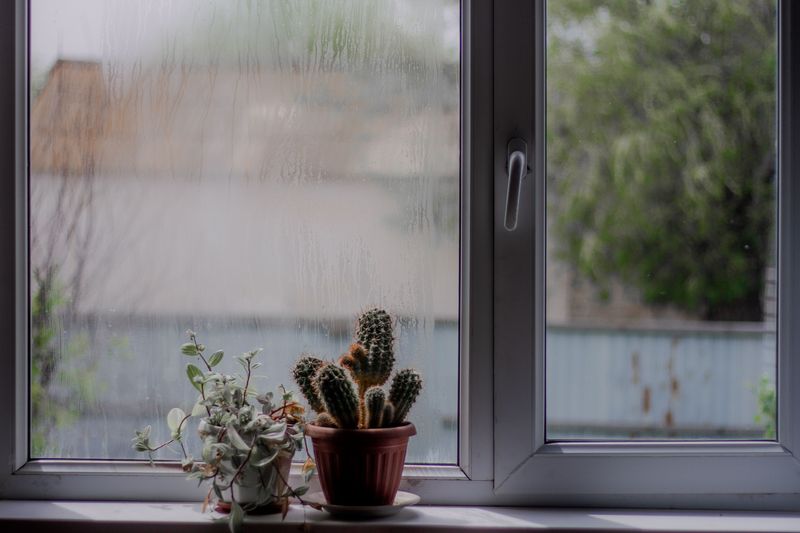
Picture a heat vent puffing warm air on your plant all day. That vent is a top culprit behind bud drop.
Holiday cacti like steady temperatures. Most extension guides suggest roughly 60 to 70 degrees during the day while buds develop.
Nights a bit cooler, around 55 to 65 degrees, are fine and even helpful. The trouble comes from quick swings.
In an Ohio winter, a windowsill can feel very different from the middle of the room. Glass gets cold at night, especially during January cold snaps.
Then morning sun or a furnace cycle warms the spot again. That daily roller coaster can make buds loosen and fall.
Front doors are another sneaky problem. Every time someone comes inside, a gust of icy air rushes across the room.
Fireplaces, space heaters, and radiators send dry, hot air the other way.
Try placing your plant a foot or two back from cold glass. Keep it away from vents, doors, and heaters.
A simple indoor thermometer near the pot can show you how much the spot really changes from night to day.
Your Ohio Furnace Is Drying Out the Air Around Those Holiday Cactus Buds
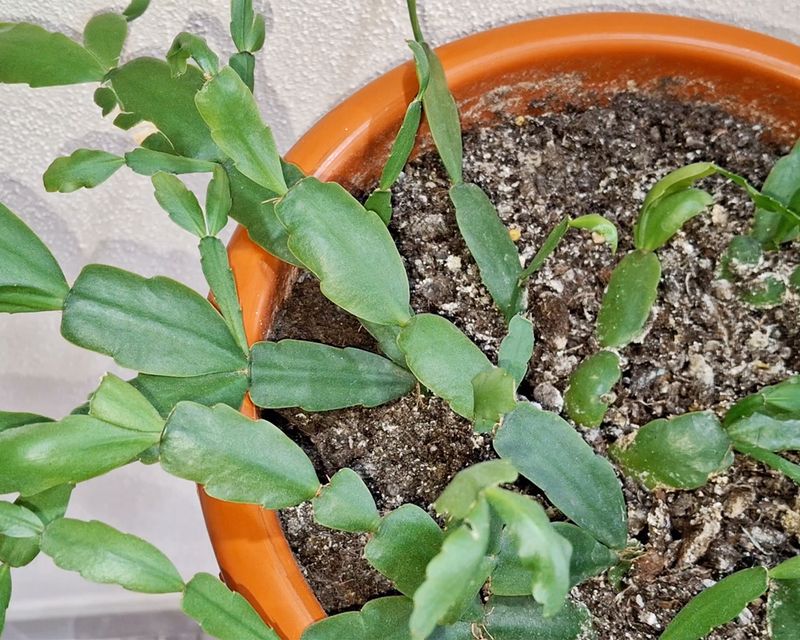
Remember, this plant grows wild in humid mountain forests in Brazil. Moist air is its comfort zone.
A heated home in winter can feel like a desert by comparison.
When the furnace runs for months in Ohio, indoor humidity often drops to 20 or 30 percent. Holiday cacti prefer something closer to 50 percent or higher.
Dry air pulls moisture from the stems and buds faster than roots can replace it. Buds may shrivel slightly at the base and then pop off.
You can raise humidity without much fuss. A pebble tray works well.
Fill a shallow tray with gravel, add water just below the top of the stones, and set the pot on it. The pot should not sit in water.
Grouping houseplants together also helps, since leaves release moisture into the air. A small room humidifier is even better if you have one.
Kitchens and bright bathrooms are often more humid than living rooms, too.
Misting gets mixed reviews from experts. It raises humidity for only a few minutes.
A tray or humidifier gives your buds steadier comfort through those long, dry heating months.
Too Much or Too Little Water Can Make Christmas Cactus Buds Fall
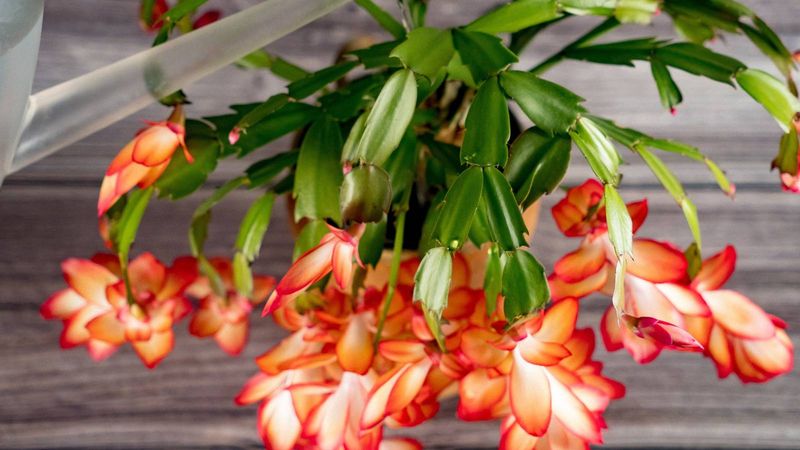
Watering this plant feels tricky because the name fools people. It is called a cactus, yet it does not want desert treatment.
It also hates soggy feet.
Once buds appear, the soil should stay lightly and evenly moist. Many extension services suggest watering when the top inch of soil feels dry.
Push your finger into the mix to check. If it feels damp, wait a day or two and test again.
A thirsty plant may drop buds to save water. Stems can look limp or wrinkled when it is too dry.
On the other hand, constantly wet soil can lead to root rot. Damaged roots cannot send water up, so buds fall anyway.
Drainage matters a lot here. Use a pot with holes, and empty the saucer after watering.
A loose, fast draining mix, like potting soil blended with perlite or orchid bark, keeps roots happy.
Room temperature water is kinder than icy tap water straight from a cold Ohio pipe. Water slowly until a little drains out the bottom.
Then let the pot rest. Steady habits beat big soakings followed by long dry spells.
Even a Quick Turn of the Pot Can Shock a Budding Christmas Cactus
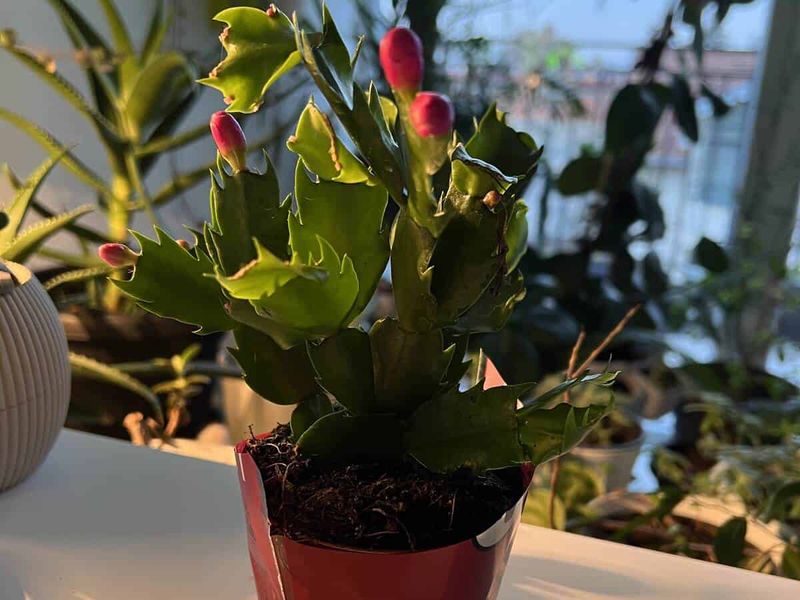
Funny thing about this plant. It likes to know where the light is coming from, and it does not enjoy surprises.
Once buds form, they slowly orient themselves toward the brightest side.
Spin the pot around, and the buds suddenly face a dimmer direction. Some plants handle it, but many react by dropping a few buds.
Moving the plant to a new room can cause an even bigger reaction. Light, temperature, and humidity all change at once.
Holiday shopping trips cause this problem often. A plant grows in a cool, bright greenhouse, then rides home in a chilly car.
Next it lands in a warm Ohio living room near a busy doorway. A few dropped buds after that journey are pretty normal.
My advice is simple. Pick a good spot before buds get large, and then leave the plant alone.
Mark the front of the pot with a small piece of tape so it goes back the same way after watering.
If you must move it, choose a spot with similar light and temperature. Make the change slowly when possible.
Patience now pays off with more open flowers later.
Bright Indirect Light Keeps Holiday Cactus Buds Hanging On
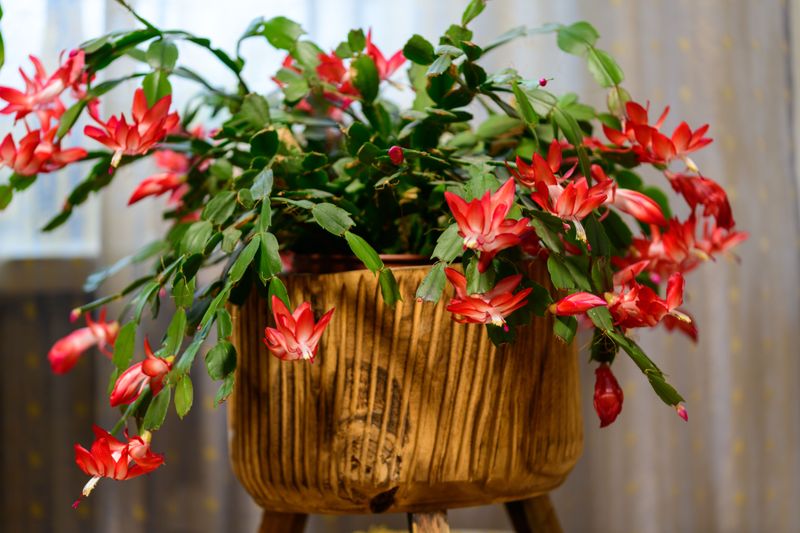
Light is a balancing act for this forest plant. In nature, it grows under tree branches with dappled sun.
Strong direct light and deep shade both cause trouble.
An east facing window is often a sweet spot. It gives gentle morning sun without harsh afternoon heat.
A south window can work in winter, especially behind a sheer curtain. Ohio’s gray December skies usually soften the sun anyway.
Too little light is the more common winter issue here. A plant tucked in a dim corner may not have enough energy to finish opening its buds.
It quietly drops some to cut back. Pale, stretched stems can be a hint.
Nighttime light matters too. These plants set buds partly in response to long, dark nights and cool temperatures.
Lamps or a TV glowing late into the evening may confuse a plant that has not finished setting buds yet.
If your room is very dark, a small LED grow light can help during the day. Keep it on a timer for steady hours.
Then let the plant enjoy real darkness at night, just like it would in its native hills.
Already Losing Christmas Cactus Buds? Here Is How You Can Help
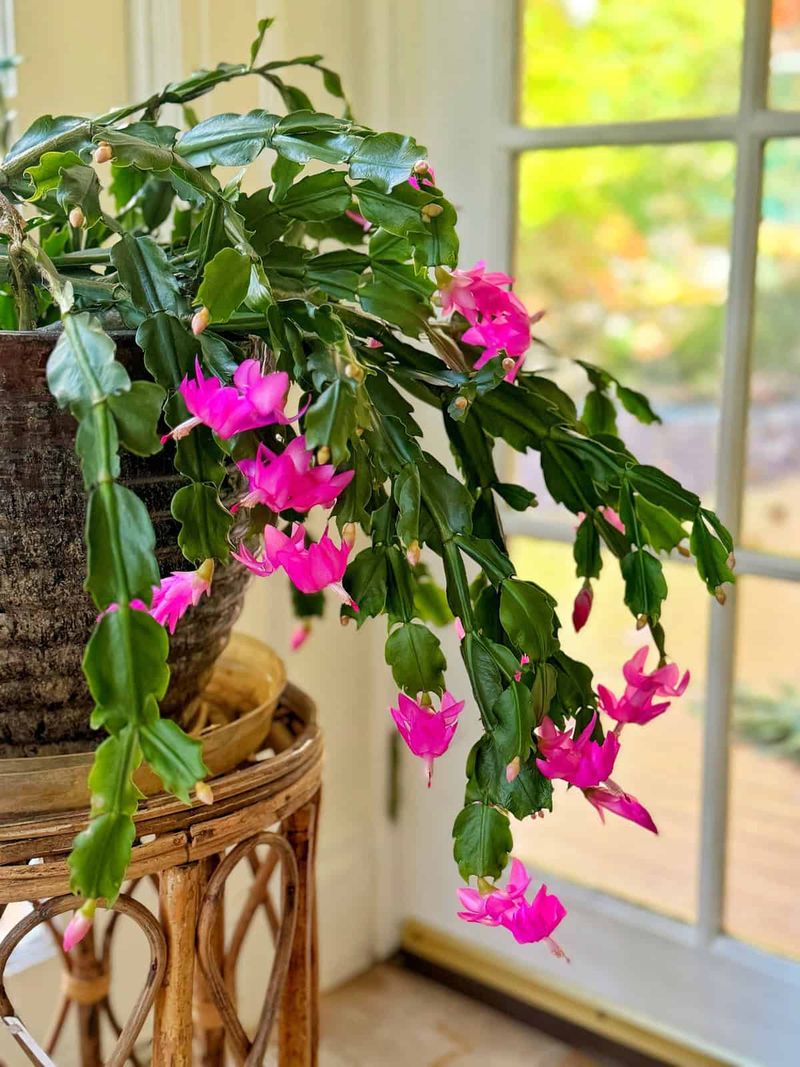
Take a breath first. Losing a few buds does not mean the plant is in trouble.
Most holiday cacti recover well once their surroundings settle down.
Start by checking the basics. Feel the soil, look for nearby vents or drafts, and note any recent moves.
Fix one or two issues instead of changing everything at once, since more change adds more stress.
Pick up fallen buds so they do not rot on the soil. Keep watering steady, and hold off on fertilizer while it is blooming.
Many remaining buds will often still open within a few weeks.
Planning ahead helps next year. In early fall, many Ohio gardeners give their plants cool nights, ideally around 50 to 60 degrees, and about 12 to 14 hours of darkness.
That combination encourages strong bud set. Bring outdoor plants inside before frost, then find their winter spot early.
After blooming ends, let the plant rest with a little less water for about a month. In spring, feed it lightly and move it to a slightly larger pot only when needed.
These long lived plants can bloom for decades, so a single shaky season is only a small bump.